



What are the different types of ear infections?
Ear infections are often grouped by the part of the ear affected:
- An outer ear infection affects the ear canal.
- A middle ear infection happens behind the eardrum, often when the eustachian tube becomes blocked after a cold or sinus infection.
- An inner ear infection is less common and can affect balance.
These types of ear infection can occur in adults and children, though children are more likely than adults to get them.
What causes ear infections?
Outer ear infections (otitis externa) usually happen when the skin inside the ear canal becomes irritated or damaged, and bacteria begin to grow. This can follow swimming, showering, using cotton buds, or scratching inside the ear. Moisture in the ear creates the perfect environment for infection to develop.
Common triggers include:
- Water getting trapped in the ear after swimming or bathing
- Over-cleaning the ears or using cotton buds
- Skin conditions like eczema
- Small cuts or breaks in the ear canal
- Wearing hearing aids or earplugs for long periods
Once the skin becomes inflamed, the ear can feel sore, swollen, and sensitive to touch.
Ear Infection Symptoms
Outer ear infections can range from mild irritation to more noticeable pain. Symptoms often develop quickly and may affect one or both ears. Common signs include:
- Pain or tenderness in or around the ear
- A fever
- Feel like your ear is full or blocked
- Reduced hearing
- Clear or yellow discharge from the ear
- Redness or swelling around the ear opening
- Scaly skin in or around the ear
The pain often worsens when you touch your ear or when you move your jaw. If swelling or discharge builds up, hearing can feel muffled until the infection settles.
Outer Ear Infection Treatment
The main focus when treating outer ear infections is to relieve pain and treat the infection if bacteria is causing it. Prescription treatments are often required to treat bacterial ear infections, and over-the-counter treatments can be effective in relieving pain for viral ear infections.
Prescription Treatments
Prescription ear sprays and drops are often the best way to clear an outer ear infection. These treatments are applied straight into the ear canal to reduce inflammation and control infection:
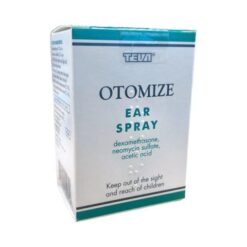
- Otomize Ear Spray – contains an antibiotic, antifungal agent, and a mild steroid to ease swelling and treat infection.
- Cetraxal Plus Ear Drops – combines an antibiotic with a steroid to reduce inflammation while treating bacterial infections.
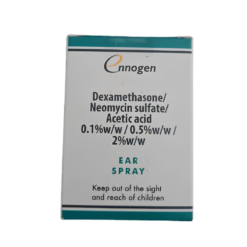
- Dexamethasone Ear Spray – a steroid spray that helps lower swelling and irritation in the ear canal.
Over-the-Counter Treatments
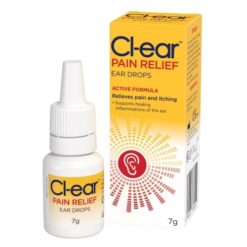
Over-the-counter ear drops or ear sprays like EarCalm Spray help to relieve inflammation and ease symptoms of ear infections.
You can also take over-the-counter pain relief medication, like paracetamol or ibuprofen, to ease uncomfortable symptoms. If these prove ineffective, Solpadeine Max can be taken for up to 3 days to help ease discomfort caused by ear infections.
How to Prevent Outer Ear Infections
Outer ear infections often develop when the ear canal becomes irritated or stays damp for too long. A few simple habits can lower the chance of symptoms returning:
Keep Your Ears Dry
Outer ear infections are sometimes known as swimmer’s ear because water trapped in the ear canal is a common trigger. After swimming or showering, gently dry the outer ear with a towel and tilt your head to let any remaining water drain out on its own. If you are prone to infections, you might benefit from wearing earplugs while swimming.
Avoid Cotton Buds
Using cotton buds can scratch the delicate skin in the ear canal and push wax further inside. This makes infection more likely. The ear usually cleans itself naturally, so it’s best to leave the canal alone.
Take Care with Ear Devices
Hearing aids, earbuds, and earplugs can trap moisture and bacteria. Clean them regularly and give your ears breaks where possible.
Manage Skin Conditions
If you have eczema, psoriasis, or dry skin around the ears, keeping the area moisturised and well-managed can help reduce flare-ups inside the ear canal.
Avoid Irritants
Hair products, shampoo, and soap can sometimes enter the ear and cause irritation. Take care when washing your hair and rinse the area gently.