



What are warts & verrucas?
Warts and verrucas are very common skin growths. While they aren’t dangerous, they can be uncomfortable, sometimes painful, and often something people want to remove because of how they look or feel.
Warts are small, rough lumps that can appear anywhere on the body but are most common on the hands and fingers.
Verrucas are a type of wart that grows on the soles of the feet. Because of the pressure from standing and walking, verrucas are often flat and can form a callus (hard skin) over the top, which can be painful.
What causes warts & verruccas?
Warts and verrucas are caused by the human papillomavirus (HPV), which infects the outer layer of skin. The virus can enter through tiny cuts or breaks in the skin, making certain areas more vulnerable.
Because HPV thrives in warm and damp environments, it’s easy to catch the infection in places like swimming pools, gyms, or communal showers. Walking barefoot in these areas increases the risk of verrucas. Sharing personal items like towels, socks, or shoes can also spread the virus.
Not everyone who comes into contact with HPV will develop warts or verrucas, but children, teenagers, and people with weakened immune systems are more likely to be affected.
Symptoms of Warts & Verrucas
The way warts and verrucas look and feel can vary depending on the type. Recognising the common signs can help you identify them and choose the best method for wart removal.
Common Warts
These usually appear on the hands, fingers, or knees. They are firm, raised, and have a rough surface that may resemble a small cauliflower.
Verrucas (Plantar Warts)
Found on the soles of the feet, verrucas are often flat due to pressure from standing or walking. They may have a black dot in the centre and can be painful when walking, particularly on the heel or ball of the foot.

Flat Warts (Plane Warts)
Smaller and smoother than common warts, these often appear in clusters on the face, hands, or shins. They are usually flesh-coloured and slightly raised.
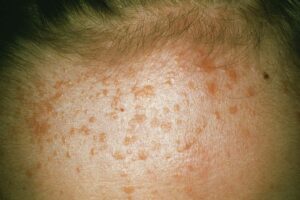
Source: NHS
Filiform Warts
These long, thin growths often develop around the mouth, nose, or eyes. Their appearance makes them more noticeable, even if they aren’t painful.
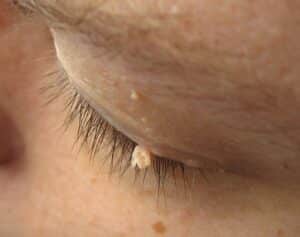
Source: Schweintechnik, Public domain, via Wikimedia Commons

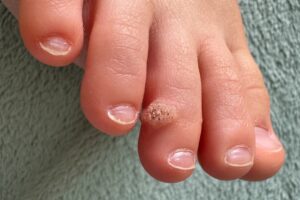
Periungual Warts
These form around fingernails or toenails. They can be rough and irregular, sometimes causing discomfort or affecting nail growth.
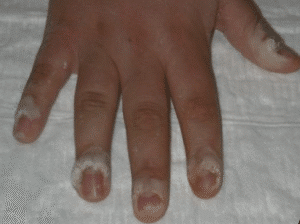
Source: Department of Dermatology and Allergology, Friedrich Schiller University Hospital, Jena, Germany via Wikimedia Commons

Warts & Verrucas Treatment
While warts and verrucas can go away on their own, treatment helps clear them faster, reduces discomfort, and lowers the risk of spreading. At Click2Pharmacy’s online clinic, you can order effective over-the-counter treatments with quick home delivery.
Our range includes:
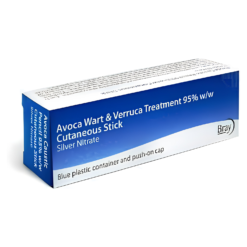
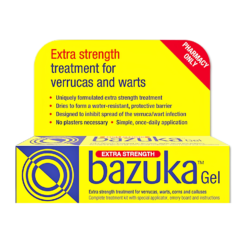
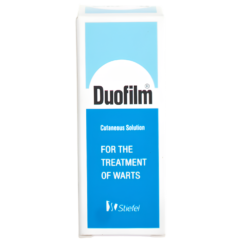
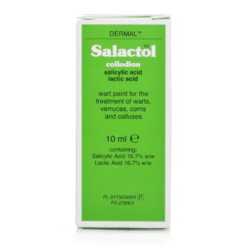
- Salicylic acid gels and solutions – gradually soften and break down the layers of the wart and verruca. Do not use salicylic acid on the face.
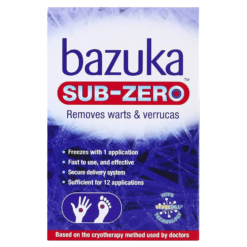
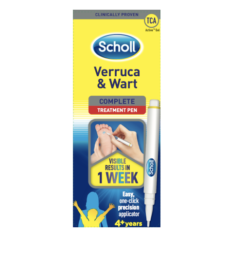
- Cryotherapy sprays – freezing treatments are a quick, noninvasive alternative for stubborn warts. These sprays work with a precision applicator for more clinically proven and rapid results. Do not use cryotherapy sprays around nail cuticles, as this can cause permanent nail damage.