


What are Sexually Transmitted Infections (STIs)?
Sexually transmitted infections (STIs) pass from one person to another through sexual contact, including vaginal, anal and oral sex, and sometimes through skin-to-skin contact. Many STIs don’t cause obvious symptoms, so testing is often the only way to know for sure.
Some of the most common STIs include:
- Chlamydia
- Gonorrhoea
- Syphilis
- HIV
- Genital herpes
- Genital warts
- Trichomoniasis
- Hepatitis B
Our STI testing kits below can check for several of these infections at home.
What is an STI testing kit?
An STI testing kit is a simple, convenient testing solution that lets you collect your own sample at home and send it to an accredited laboratory for analysis. These home test kits use the same professional laboratory methods as tests carried out in a clinic, giving you accurate, reliable results without needing to visit in person.
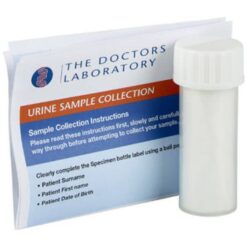
Each kit comes with everything you need to collect your sample safely, including clear instructions, the collection materials for your test, and a prepaid envelope small enough to post back through your letterbox. This STI self-sampling process is designed to be quick and straightforward, even if you’ve never done it before.
Home testing is a reliable option for anyone who wants a convenient, private way to stay on top of their sexual health. Most kits are designed for people who don’t currently have any symptoms; if you do have symptoms, it’s better to visit a sexual health clinic, as you may need an examination.
What do STI testing kits test for?
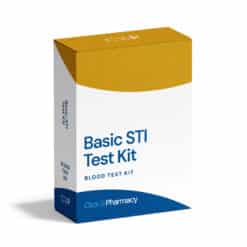
Our Basic STI Test Kit covers the four most common infections:
- Chlamydia
- Gonorrhoea
- HIV
- Syphilis
It combines a urine test or PCR sample with a blood test, so you get a broad check-up from a single kit.
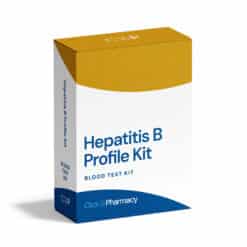
If you’re specifically concerned about hepatitis B, our Hepatitis B Profile Kit is a separate blood test that checks for both current infection and immunity. For trichomoniasis, a distinct and very common infection not covered by the Basic kit, our Trichomoniasis Test Kit uses a simple urine sample. The exact sample you provide depends on the kit you choose.
Why get tested for STIs?
Sexually transmitted infections are more common than many people think. There were around 379,000 new STI diagnoses in England in the latest yearly figures, with chlamydia responsible for almost 45% of these diagnoses. Many STIs cause no obvious symptoms, so it’s possible to have an infection and pass it on without knowing. Left untreated, some infections can lead to long-term problems, including pelvic inflammatory disease, fertility issues and reduced chances of conceiving.
Bacterial infections like chlamydia are particularly easy to miss, with around 70% of women and 50% of men who have it showing no symptoms at all, which is exactly why regular testing matters.
It’s a good idea to test if you’ve had a new partner, if a partner has tested positive, if you’ve had unprotected sex or simply as a routine check-up. When symptoms do appear, they can include:
- Unusual discharge from the vagina, penis or bottom
- Pain or a burning feeling when you pee
- Itching, soreness or a rash around the genitals
- Sores, blisters, lumps or warts around the genitals or anus
- Unusual bleeding, including between periods or after sex
- Pain during sex or in the lower tummy
If you notice any of these symptoms, go to a sexual health clinic rather than relying on a home kit, as symptoms usually need to be examined in person.
When should you take an STI test?
STIs take time to show up on a test after possible exposure. This gap is called the window period, and testing before it has passed can give a falsely reassuring result. As a general guide:
- Chlamydia, gonorrhoea and trichomoniasis: around 2 weeks after possible exposure
- HIV: around 45 days after possible exposure
- Syphilis: up to 12 weeks after possible exposure
- Hepatitis B: 6 to 12 weeks after possible exposure
These timings can vary slightly between kits, so always follow the instructions. If you’re not sure when you were exposed, test now and then test again once the window period has passed, rather than relying on a single early result.
If you think you may have been exposed to HIV in the last 72 hours, contact a sexual health clinic straight away, as you may need emergency treatment to prevent infection.
How to Use an STI Testing Kit
Each kit comes with full instructions, so it’s easy to do at home. The general steps are:
- Read the instructions in your kit carefully before you start.
- Collect your sample or samples as directed, which may be a urine sample or a finger-prick blood sample.
- Label your samples and pack them following the guidance in the kit.
- Post everything back to the lab in the prepaid envelope as soon as possible, ideally the same day.
- Receive your results by text or online, usually within 24 to 36 hours of your sample reaching the lab, though this varies for certain tests.
Reducing Your Risk of STIs
Testing regularly is one part of looking after your sexual health, alongside practising safe sex.
Using a condom during sex, when used correctly and consistently, can reduce the risk of contracting STIs transmitted by bodily fluids, like HIV, chlamydia and gonorrhoea, by roughly 80% to 90% or more. However, no method is completely risk-free and testing is still worth doing if you’re sexually active.
If you’re worried about pregnancy after unprotected sexual activity, emergency contraception is available separately, while a pharmacist can also talk you through your regular options.
Testing is just as relevant whether you have one partner or several, since infections can be passed between partners who don’t realise they’re carrying one. If you’d rather be seen in person, your local GP surgery or a walk-in clinic can also arrange testing for you.