What is the menopause?
Menopause is a natural part of ageing that usually happens between the ages of 45 and 55, though it can happen earlier or later. It’s officially diagnosed when you haven’t had a period for 12 consecutive months. During this time, your hormone levels fluctuate and eventually decline, leading to various physical and emotional changes. The years leading up to menopause are called perimenopause, when you might start experiencing symptoms even though you’re still having periods.
Menopause Symptoms
It affects everyone differently, but common symptoms of the menopause include:
- Hot flushes and night sweats
- Difficulty sleeping or insomnia
- Mood changes, anxiety, or low mood
- Reduced sex drive
- Vaginal dryness and discomfort during sex
- Problems with memory or concentration
- Headaches
- Joint stiffness and aches
- Changes to your skin, hair, or nails
- Weight gain
- Heart palpitations
These symptoms can range from mild to severe and may last for several years. If you’re experiencing any of these symptoms and they’re affecting your daily life, HRT might help.
What causes menopausal symptoms?
Menopausal symptoms are caused by the natural decline in oestrogen and progesterone levels as your ovaries stop producing eggs. Oestrogen regulates numerous bodily functions, including temperature control, mood, sleep patterns, and bone health. When oestrogen levels drop, it triggers the symptoms associated with menopause. The severity of symptoms varies from person to person, depending on how quickly hormone levels fall and individual sensitivity to these changes.
What is HRT?
Hormone replacement therapy (HRT) is a treatment that replaces the hormones your body stops producing during menopause. As you go through menopause, your ovaries gradually produce less oestrogen and progesterone, which can cause a range of uncomfortable symptoms. HRT works by topping up these hormone levels with oestrogen and progestogen to help relieve these symptoms and improve your quality of life.
Different Types of HRT Treatment
HRT comes in several forms to suit different needs and preferences. The type and form of HRT that’s right for you depends on whether you still have your womb, your symptoms, and your personal preference.
Oestrogen-only HRT
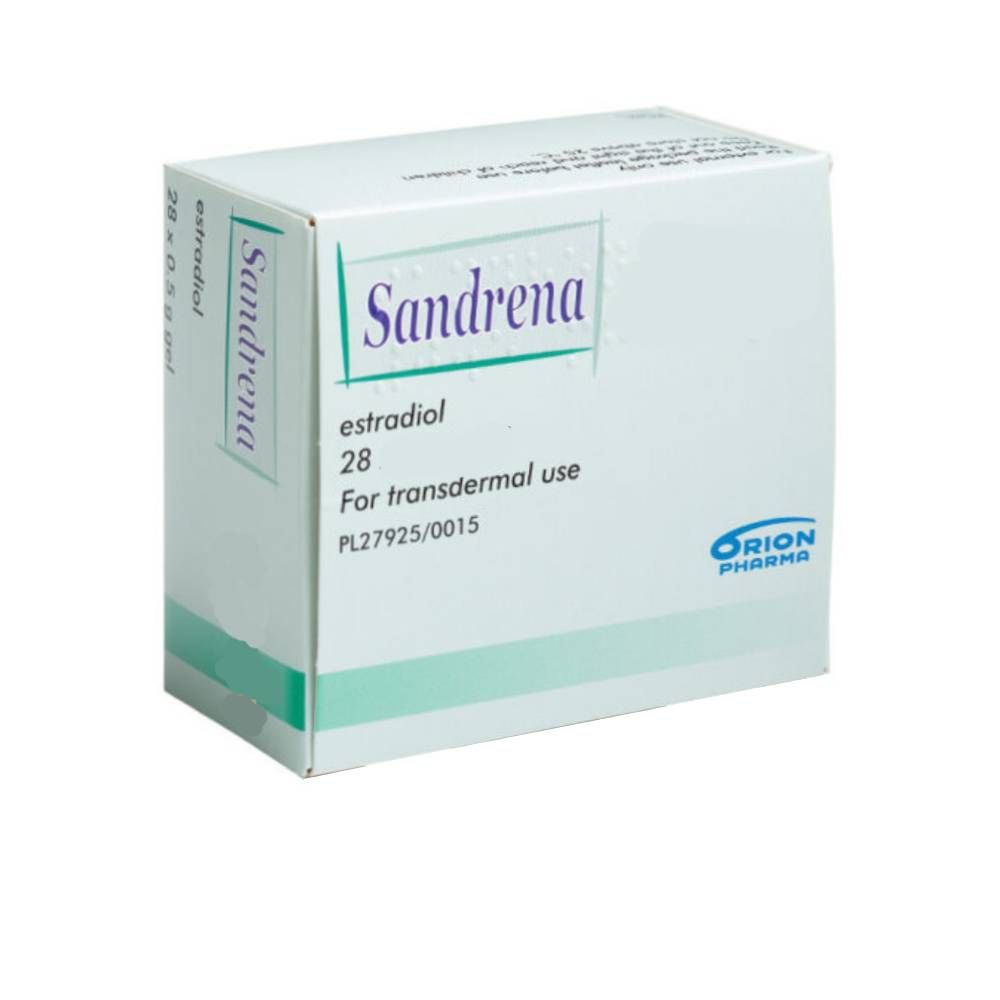
This type contains only oestrogen and is suitable if you’ve had a hysterectomy. Without a womb, you don’t need progesterone to protect the lining. Oestrogen-only HRT is available as tablets, patches, gels, or implants.
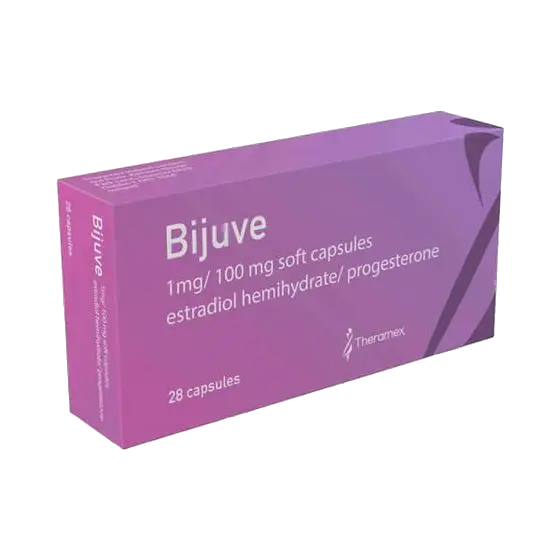
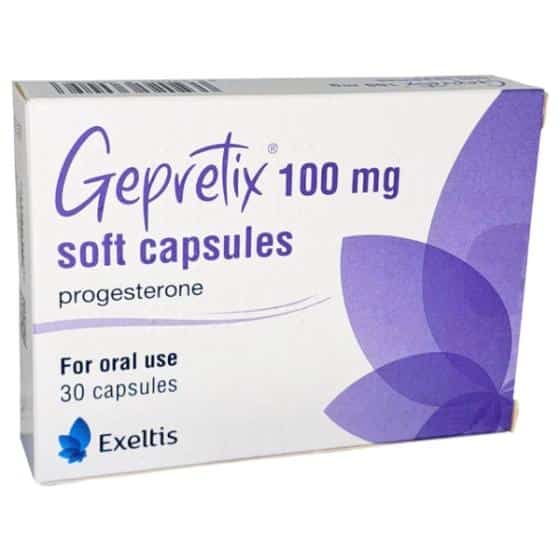
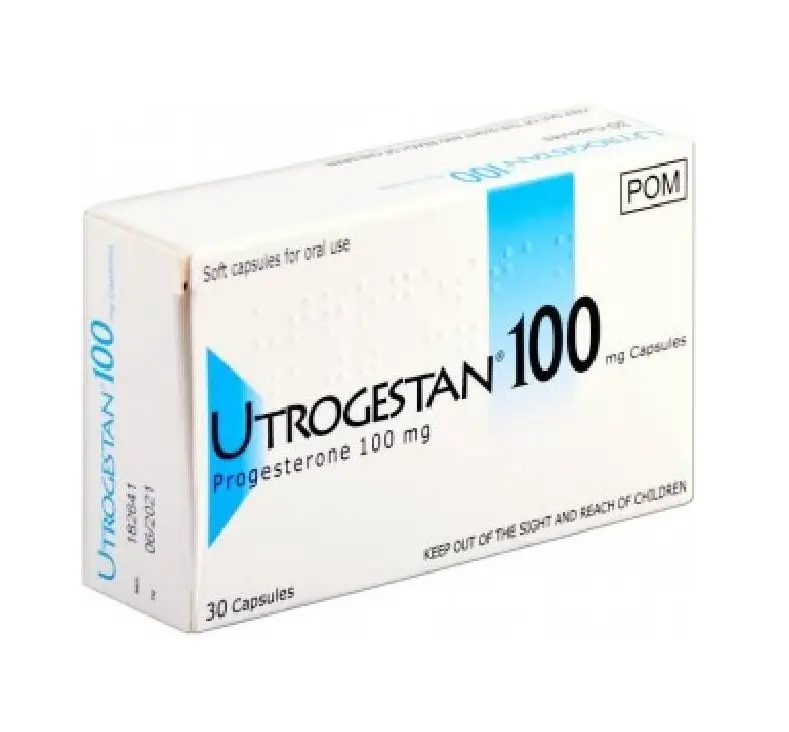
Combined HRT (Oestrogen and Progesterone)
If you still have your womb, you’ll need combined HRT to protect your womb lining. This comes in two forms:
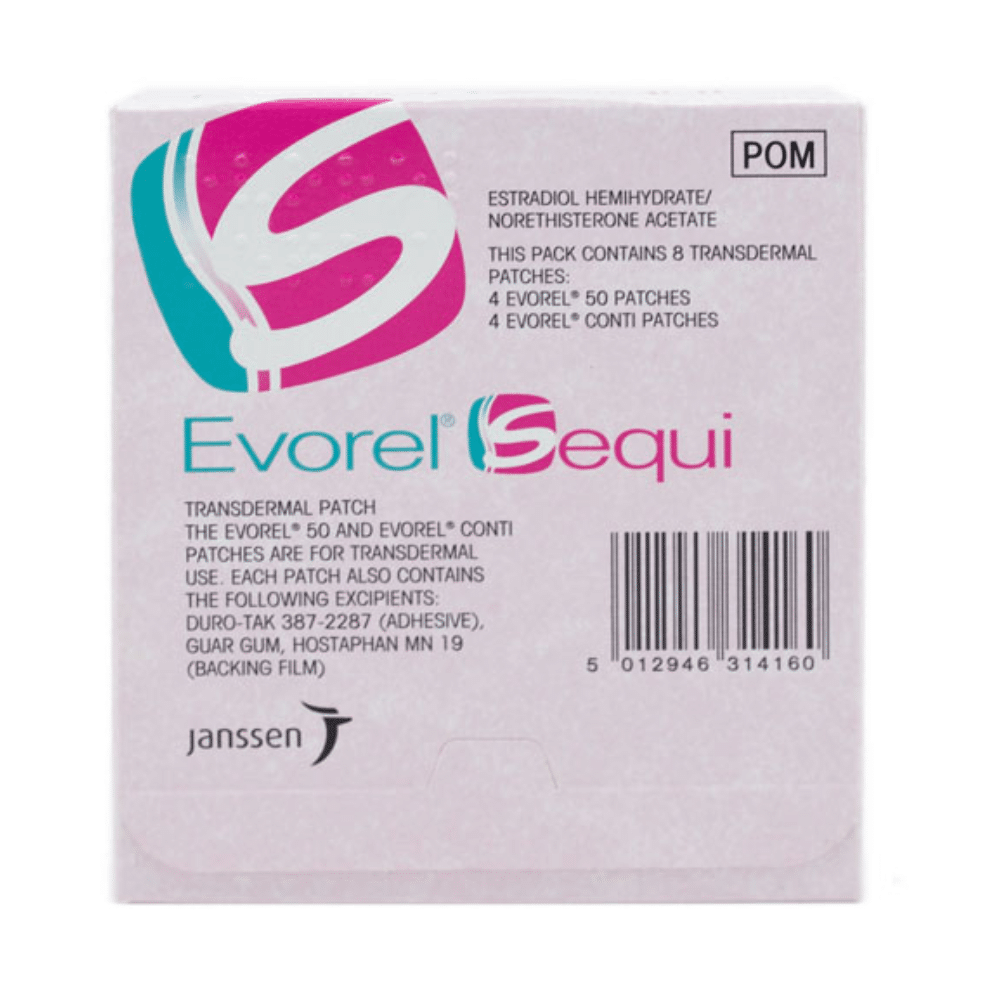
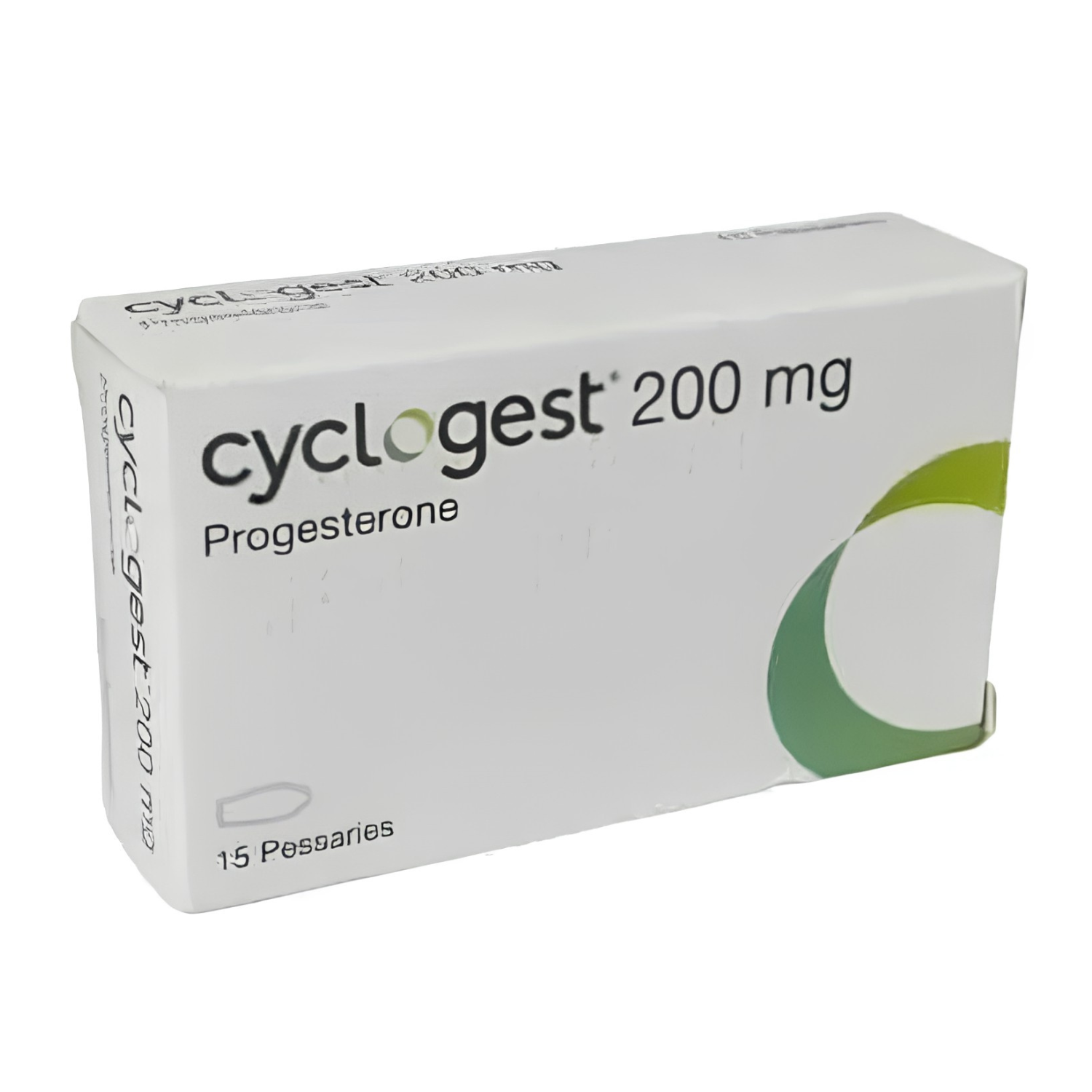
- Sequential HRT: You take oestrogen every day and progesterone for part of the month. This sequential combined HRT, also known as monthly cyclical HRT, usually causes a monthly bleed and is suitable if you’re still having periods or in early menopause.
- Continuous combined HRT: You take both hormones every day without a break. This is for women who haven’t had a period for at least a year and shouldn’t cause any bleeding.
Tibolone
Tibolone is a synthetic hormone that acts like oestrogen, progesterone, and testosterone combined. It’s only suitable for women who haven’t had a period for at least a year and is taken as a daily tablet.
Local Oestrogen
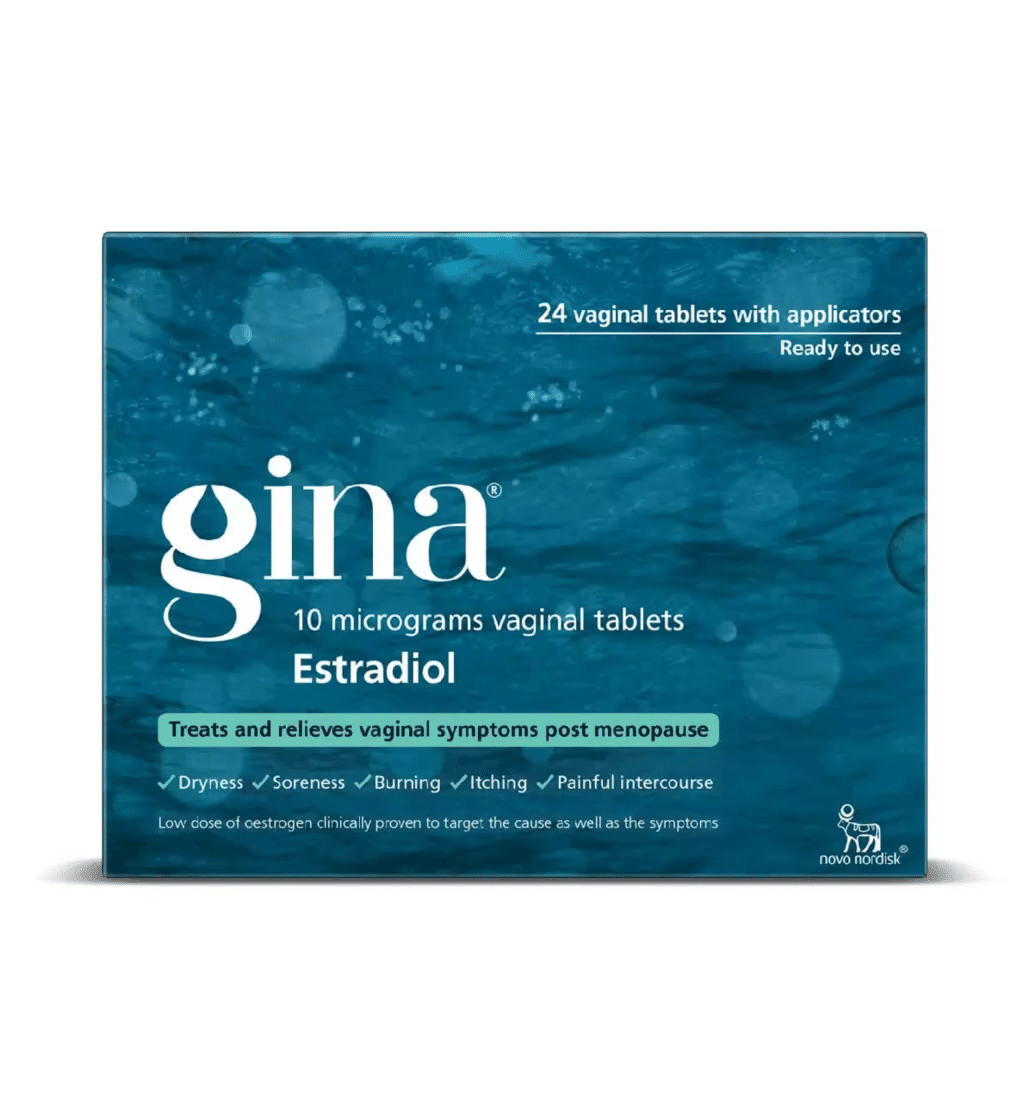
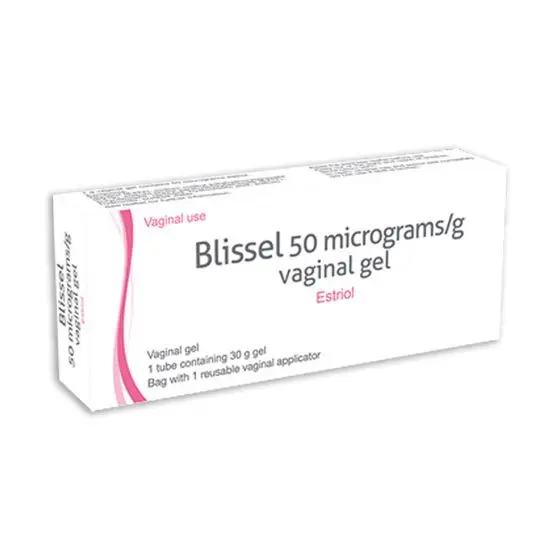
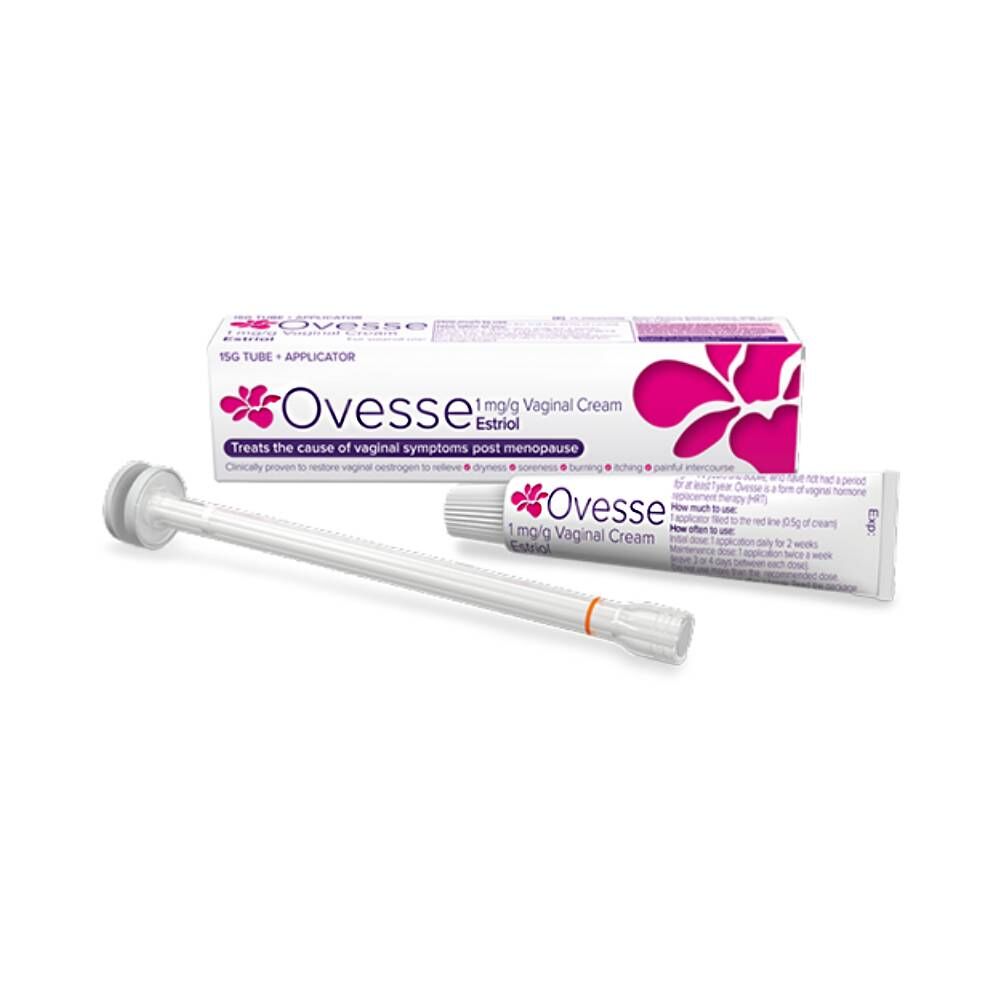
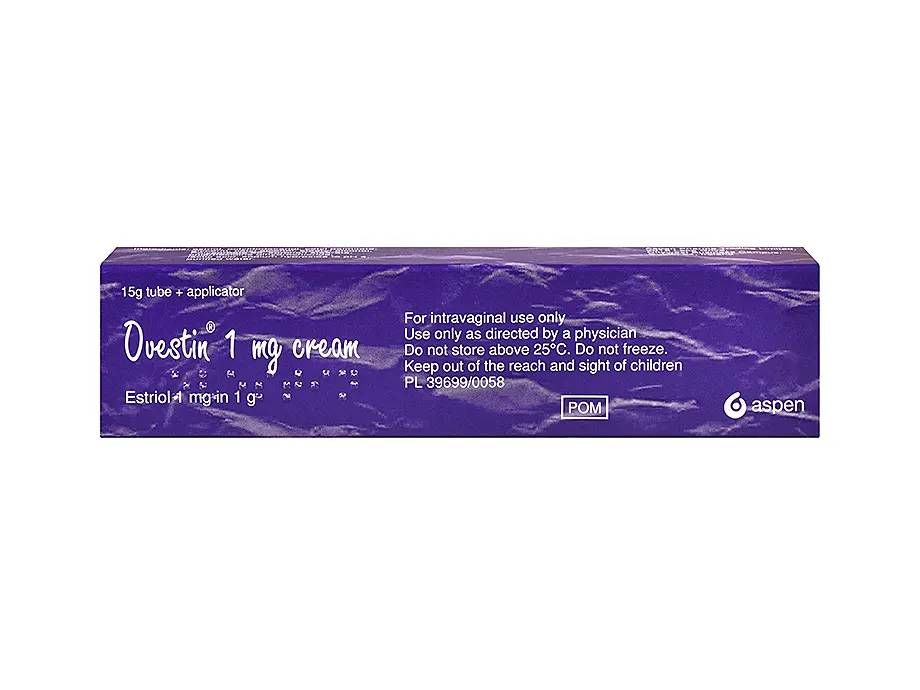
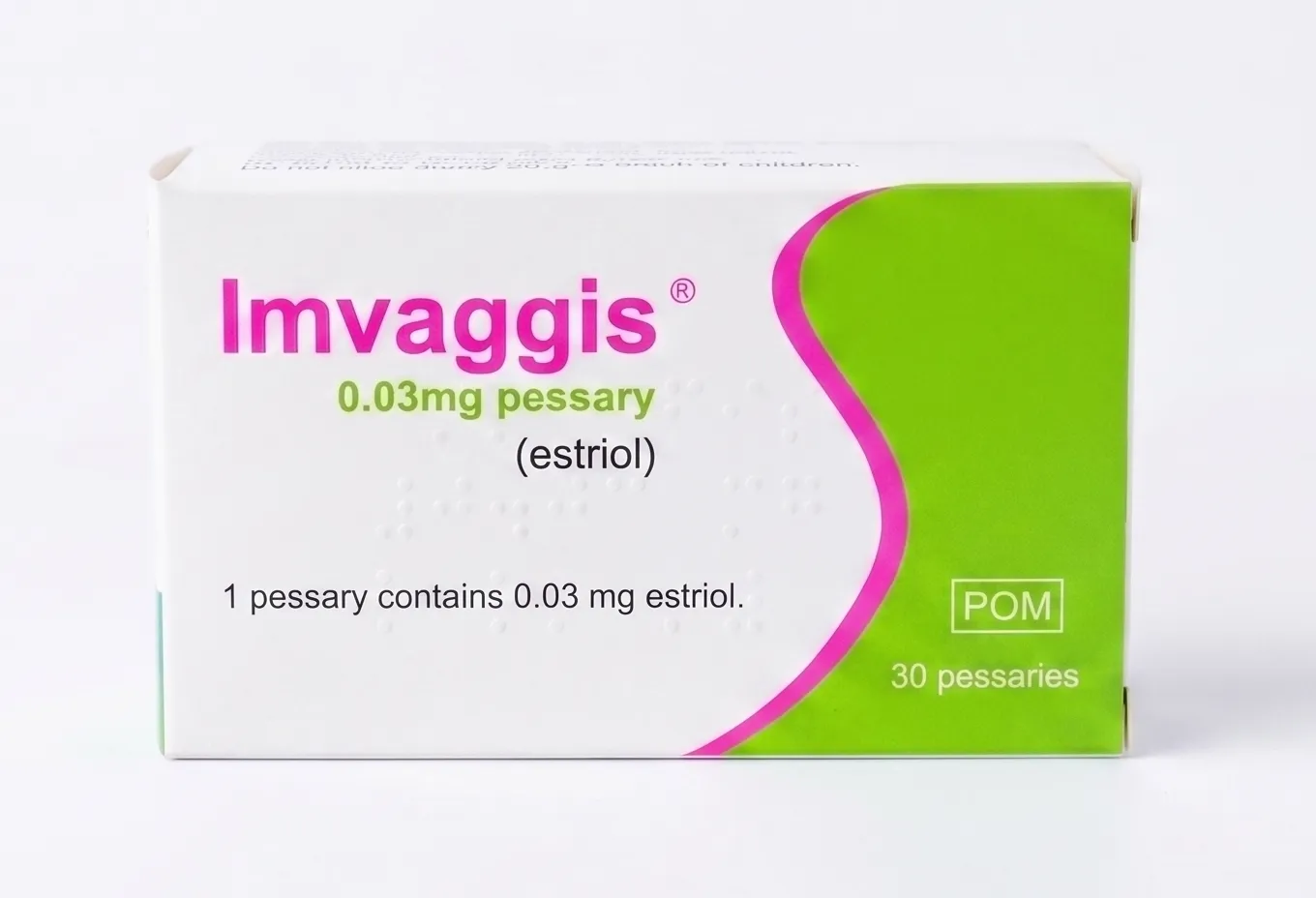
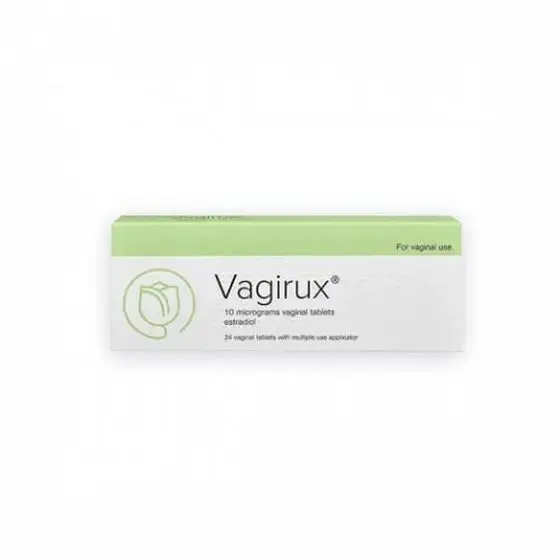
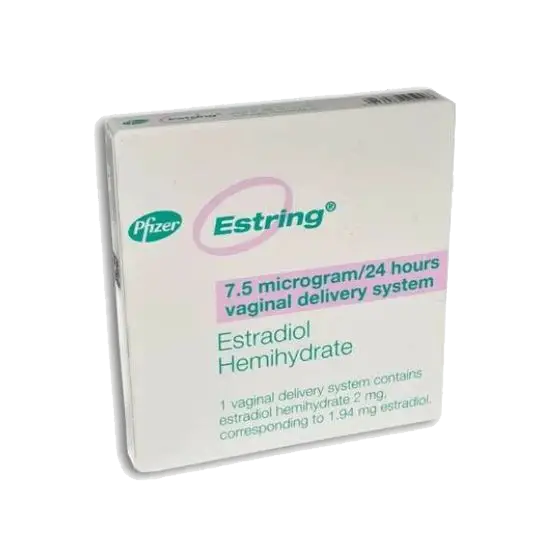
Vaginal oestrogen creams, pessaries, tablets, or rings treat vaginal dryness and urinary symptoms directly. They work locally with minimal absorption into the bloodstream, so they can be used alongside other HRT or on their own.
How is HRT taken?
HRT is available in various forms, so you can choose what works best for your lifestyle:
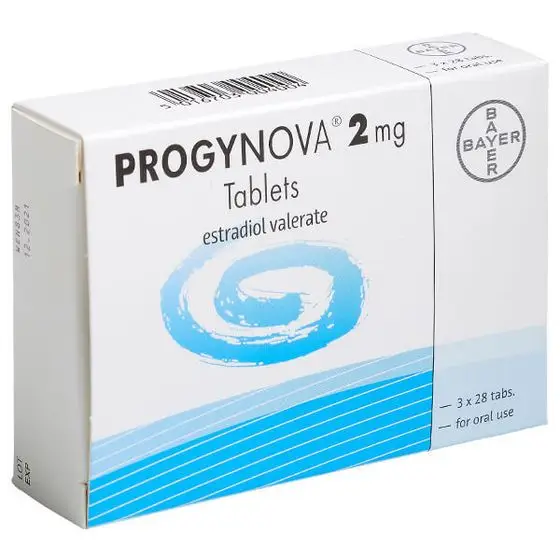
Tablets are taken daily and are one of the most common forms. HRT tablets are convenient and easy to use.
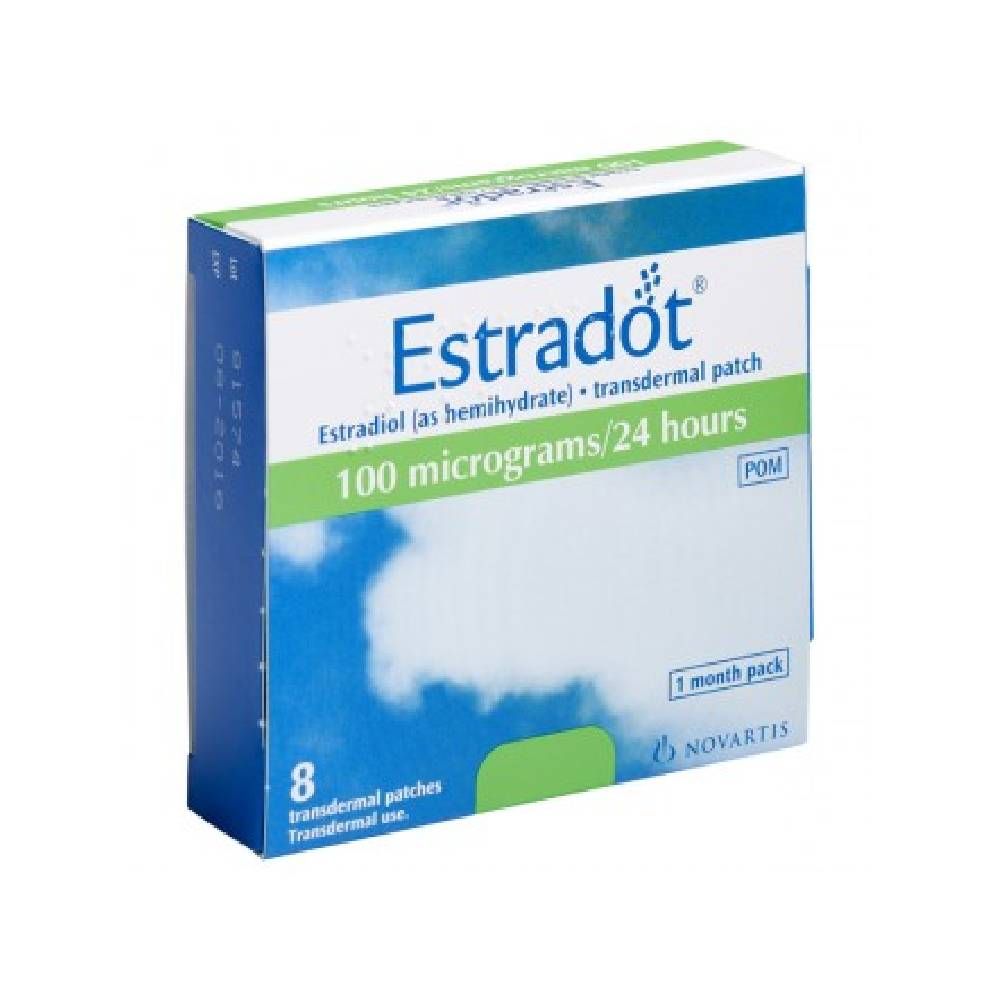
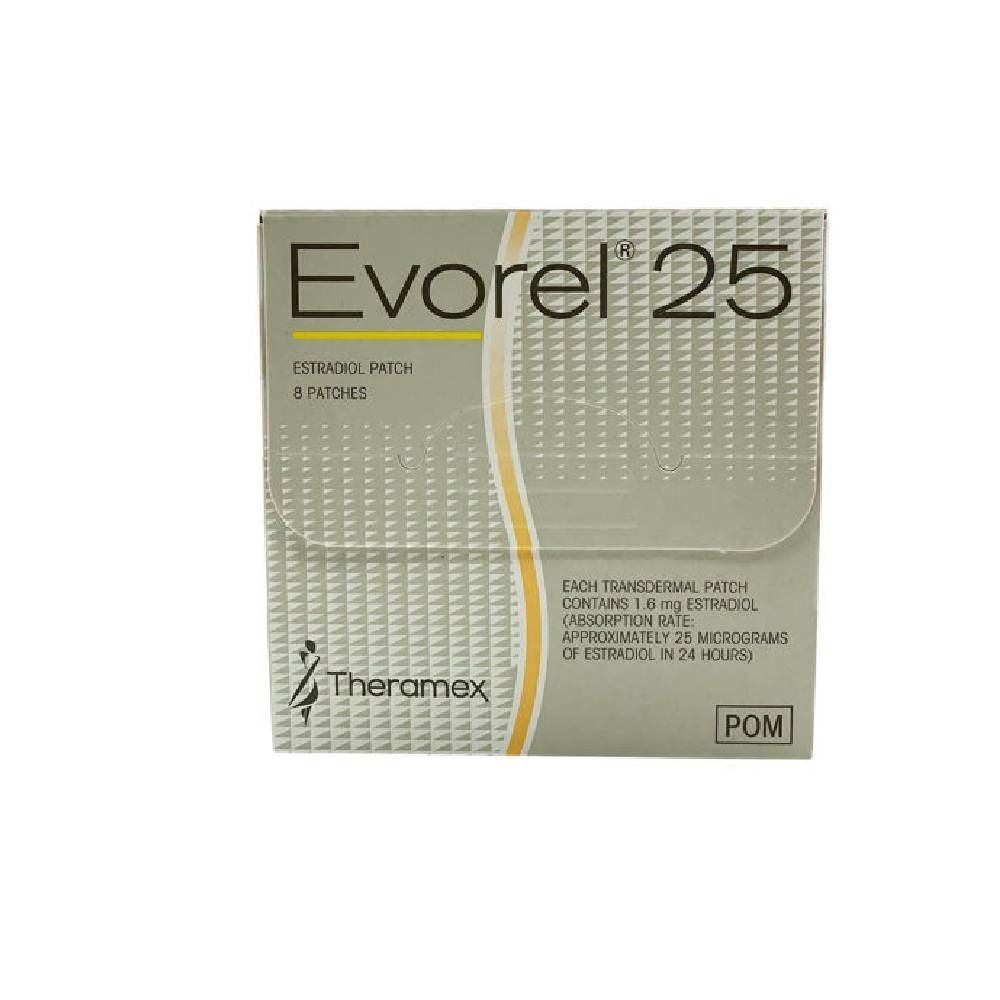
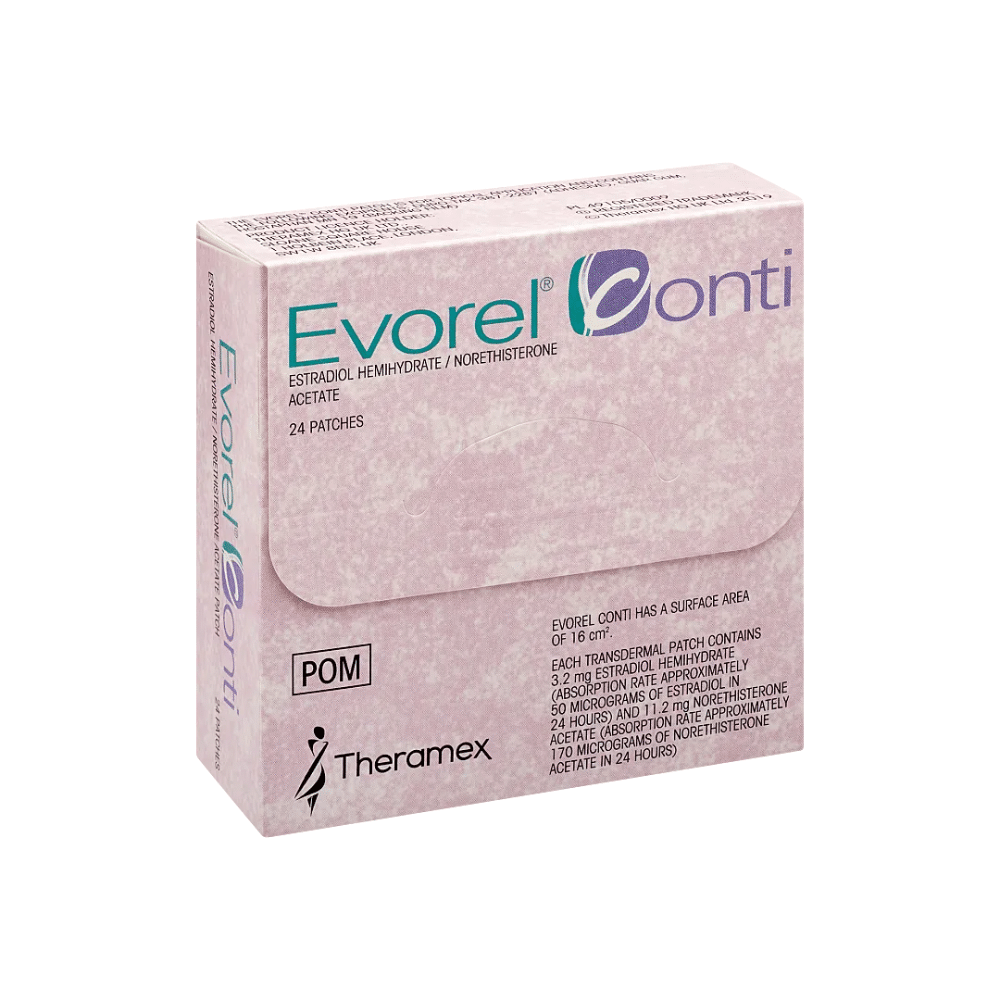
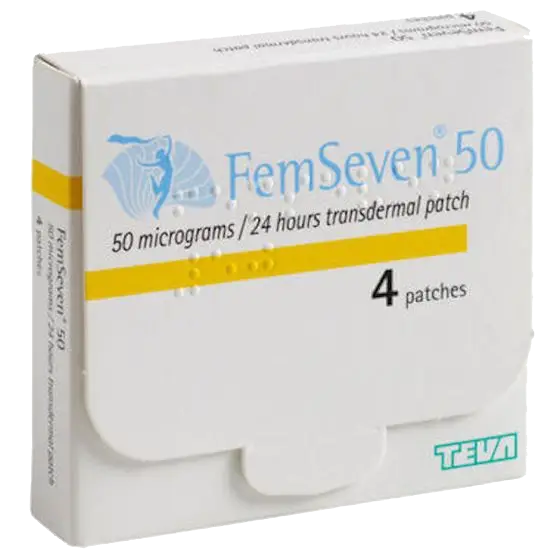
Patches are applied to your skin (usually on your bottom, thigh, or lower abdomen) and changed once or twice a week. The hormones are absorbed directly through your skin into your bloodstream.
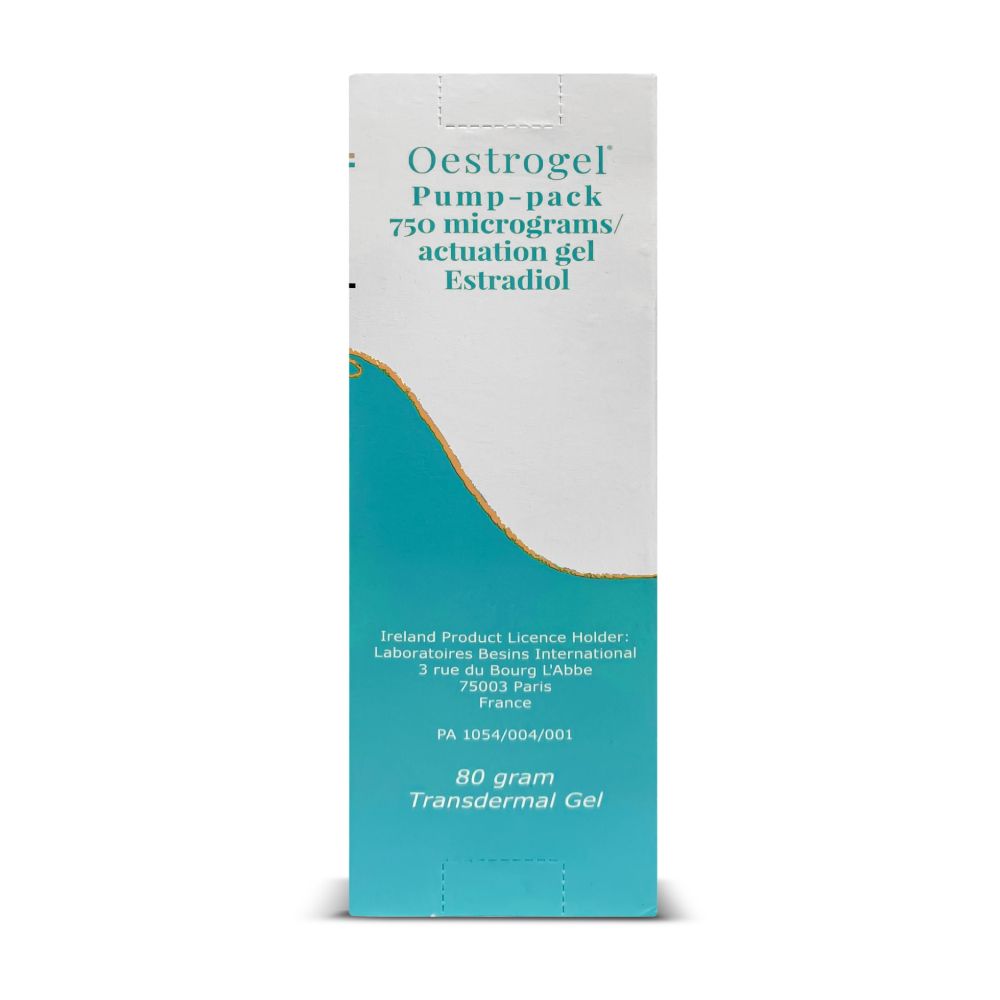
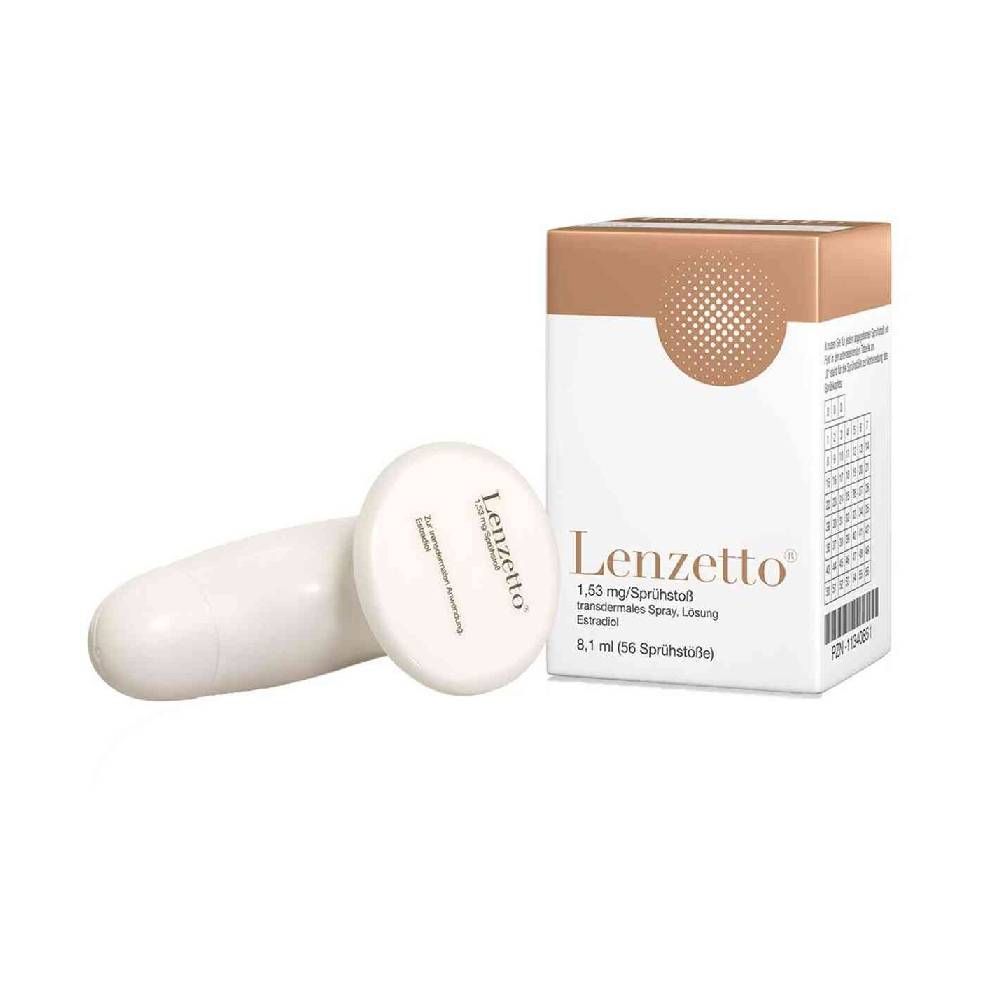
Gels are applied to your skin daily, usually on your arms, shoulders, or inner thighs. Many women find gels easy to use, as they can adjust the dose as needed.
Vaginal treatments like creams, pessaries, or tablets work locally in the vaginal area if your main symptoms are vaginal dryness or discomfort.
Side Effects of HRT and Menopause Treatment
Like all medicines, HRT can cause side effects, though not everyone experiences them. Most side effects are mild and often settle down within a few weeks as your body adjusts.
Common side effects include:
- Breast tenderness or swelling
- Headaches
- Nausea or stomach discomfort
- Bloating
- Leg cramps
- Vaginal bleeding or spotting (with sequential HRT)
- Mood changes
- Skin irritation (with patches and gels)
If you’re experiencing side effects, don’t stop taking your HRT without speaking to a healthcare professional. Many side effects improve after the first few months, or you might be able to switch to a different type or dose of HRT.
When to seek urgent help
Contact your GP immediately or go to A&E if you experience sudden severe chest pain, breathlessness, severe leg pain or swelling, severe stomach pain, unusual severe headaches, or problems with speech or vision. These could be signs of serious complications like blood clots.