






What is diabetes?
Diabetes is a lifelong condition that causes your blood sugar (glucose) levels to become too high. It happens when your pancreas doesn’t make enough insulin, or the insulin it makes doesn’t work properly, so glucose stays in your blood instead of moving into your cells for energy.
Over time, high blood sugar can damage your eyes, kidneys, nerves, heart and feet. That’s why keeping a close eye on your levels is such an important part of living with diabetes.
Types of Diabetes
There are around 6 million people in the UK with diabetes, diagnosed with one of the following types:
- Type 1 diabetes: Your immune system attacks the cells in your pancreas that make insulin, so your body can’t produce it. It usually starts in childhood or early adulthood and is always treated with insulin.
- Type 2 diabetes: Your body doesn’t make enough insulin, or doesn’t respond to it properly. It’s the most common type in the UK and is often linked to weight, age and family history.
- Gestational diabetes: This is high blood sugar that develops during pregnancy. It usually goes away after the baby’s born, but it raises your risk of type 2 diabetes later in life.
What causes diabetes?
Type 1 diabetes is an autoimmune condition, and there’s nothing you could have done to prevent it.
Type 2 diabetes develops more gradually, and several things can raise your risk:
- Being overweight, especially around your waist
- Being over 40, or over 25 if you’re of South Asian, Chinese, African-Caribbean or Black African heritage
- Having a parent, brother or sister with type 2 diabetes
- Not being very physically active
- Having had gestational diabetes
- Having polycystic ovary syndrome (PCOS) or high blood pressure
Symptoms of Diabetes
Common signs of diabetes include:
- Feeling very thirsty
- Peeing more than usual, especially at night
- Feeling tired all the time
- Losing weight without trying
- Itching around your penis or vagina, or getting thrush again and again
- Cuts or wounds that take longer to heal
- Blurred vision
Type 1 symptoms can come on quickly, over a few days or weeks, while type 2 can develop so slowly that you don’t notice for years. If any of these sound familiar, speak to your GP, who can arrange a blood test.
Supplies for Managing Diabetes
What you need day-to-day depends on your type of diabetes and how it’s treated.
If you use insulin or tablets like gliclazide that can cause low blood sugar, you’ll usually check your levels at home. People who manage type 2 diabetes with diet or metformin alone don’t always need to test routinely, and your diabetes team will tell you if home testing is right for you.
Blood Glucose Meters and Test Strips
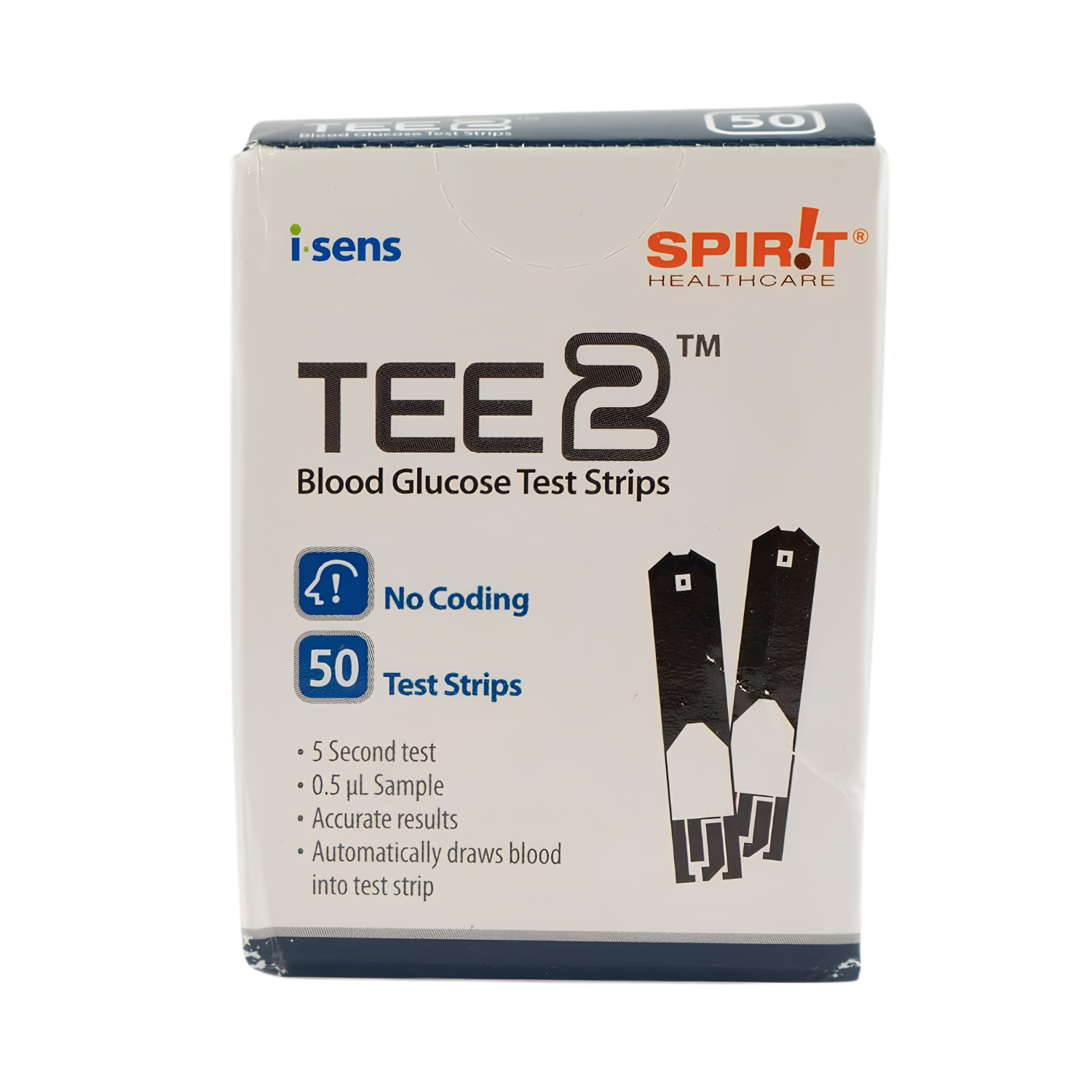
A blood glucose meter reads a small drop of blood from your fingertip and shows your level within seconds. Each meter only works with its own strips, so it’s worth checking the name on your meter before you reorder.
Our diabetic blood glucose test strips cover brands including Accu-Chek, Contour, FreeStyle, GlucoRx and AgaMatrix, so you can stock up on the ones that match yours. If you’re choosing a new meter, Bluetooth models like the Contour Next Connected Meter sync your readings to an app, making it easier to spot patterns and share results with your diabetes nurse.
Lancets and Finger Prickers
You’ll need a finger pricker and lancets to draw blood for each test. Use a fresh lancet every time, as reused ones go blunt and make testing more painful. The Accu-Chek FastClix Finger Pricker holds six lancets in a drum, so you don’t have to handle loose needles.
Continuous Glucose Monitors
A continuous glucose monitor (CGM) uses a small sensor worn on your upper arm or stomach to measure glucose in the fluid just under your skin. It sends readings to your phone or a reader day and night, and can alert you if your levels are heading too high or too low.
The FreeStyle Libre 3 Plus Sensor lasts up to 15 days, while Dexcom ONE+ sensors last 10 days. Because the sensor reads the fluid around your cells rather than your blood, it runs around 5 to 10 minutes behind a finger prick, so it’s handy to keep a meter for times when your readings don’t match how you feel.
Insulin Pens and Pen Needles
Reusable diabetes pens hold a cartridge of insulin that you swap out when it runs low, so you don’t throw the whole pen away. The NovoPen 6 records the time and size of each dose, which helps if you can’t remember whether you’ve already injected. You’ll need a new needle for every injection, and NovoFine pen needles fit most insulin pens. Insulin itself is prescription only, so you’ll still get it through your GP or diabetes team.
Hypo Treatments
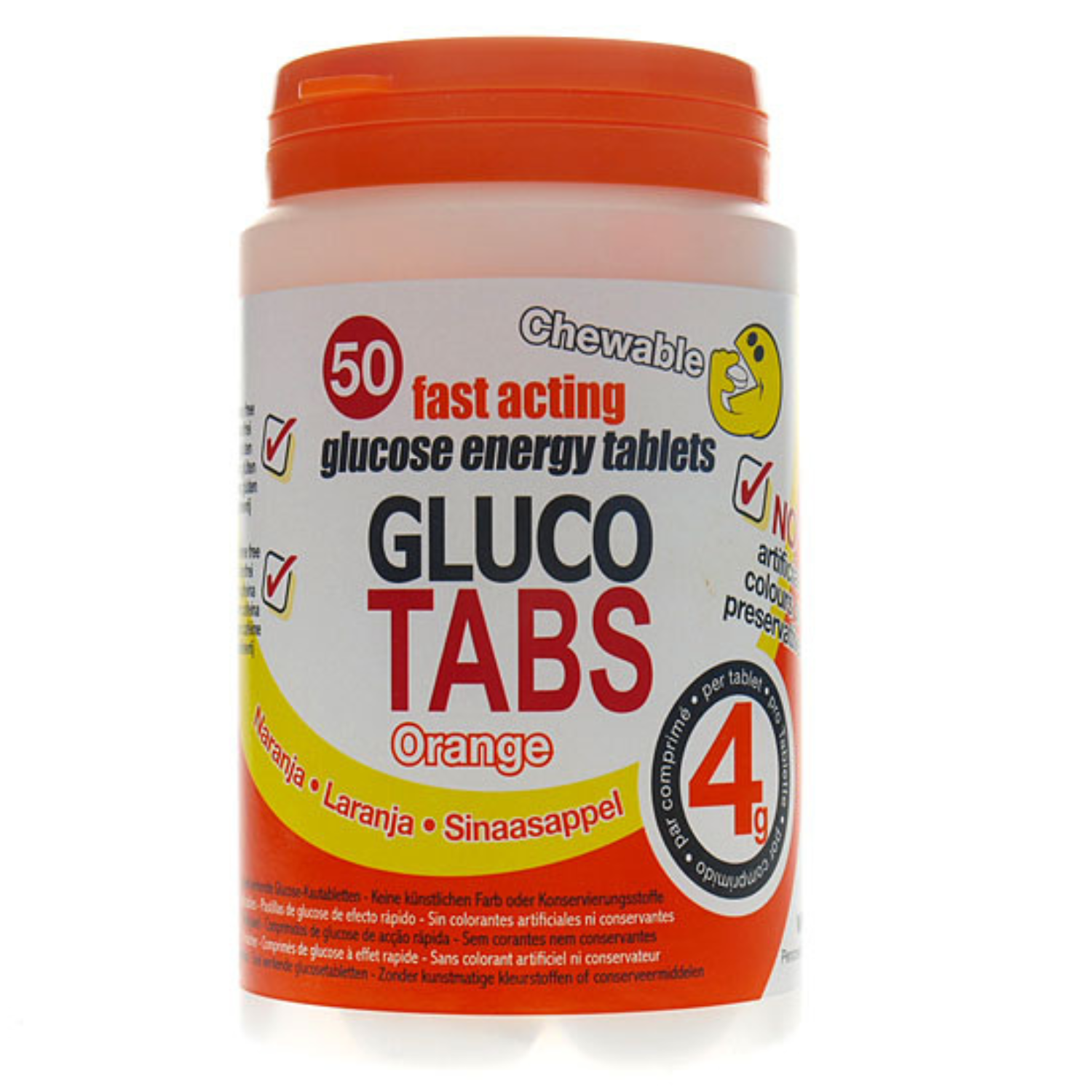
A hypo is when your blood sugar drops below 4 mmol/L, causing shaking, sweating, hunger, a fast heartbeat or confusion. If you use insulin or tablets that can cause hypos, keep a fast-acting sugar with you at all times. Glucotabs and Glucogel raise your levels quickly and fit easily in a bag or pocket. Recheck your blood sugar after 10 to 15 minutes and treat again if it’s still under 4 mmol/L.
Ketone Testing
Ketones build up when your body doesn’t have enough insulin and starts breaking down fat for energy instead. High levels can lead to diabetic ketoacidosis (DKA), which needs urgent hospital treatment.
If you have type 1 diabetes, you’ll usually be advised to check for ketones when you’re unwell or your blood sugar is 11 mmol/L or higher. GlucoRx HCT Blood Ketone Strips give the most accurate reading, while urine strips like Ketostix are a simple alternative.
Diabetic Foot Care
Diabetes can reduce feeling and blood flow in your feet, so a small cut or crack can turn into an ulcer before you notice it. Check your feet every day and moisturise dry skin, keeping cream out of the gaps between your toes.
Urea-based creams like Allpresan Diabetic Foam Cream soften rough skin without leaving it feeling greasy.
Diabetes Supplies on Prescription
If your diabetes is treated with medication, you can apply for a medical exemption certificate, which gives you free NHS prescriptions in England. Many people get their strips, lancets and needles this way, and you can have them delivered through our NHS prescriptions service.