





What is Contraception?
Contraception refers to methods or devices used to prevent pregnancy. These work in different ways – some stop the release of eggs from your ovaries, others prevent sperm from reaching an egg, and some make it difficult for a fertilised egg to implant in the womb.
Choosing the right form of contraception is a personal decision that depends on your lifestyle, health, relationship status, and whether you might want children in the future. The right method for you might be different from what works for someone else, and what suits you now might change over time.
The Combined Pill
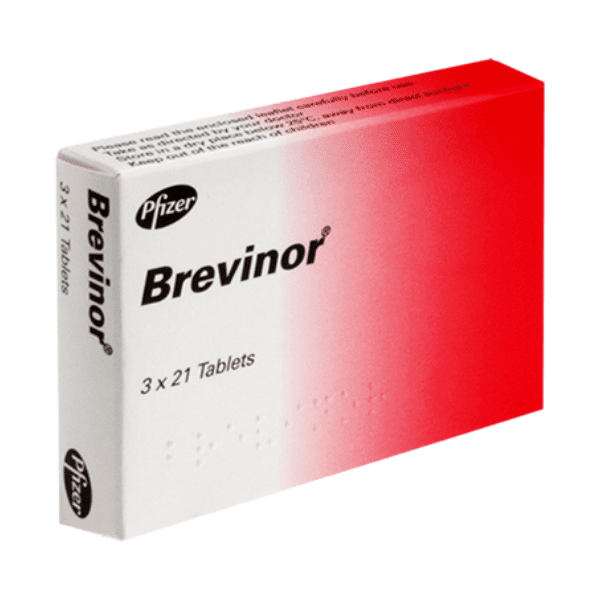
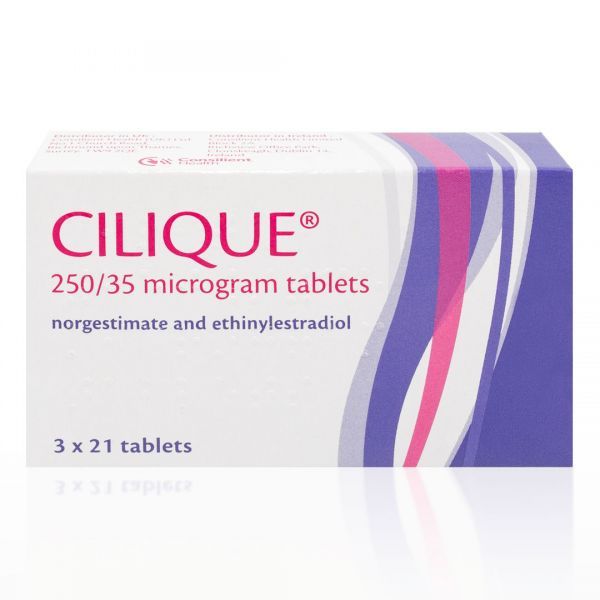
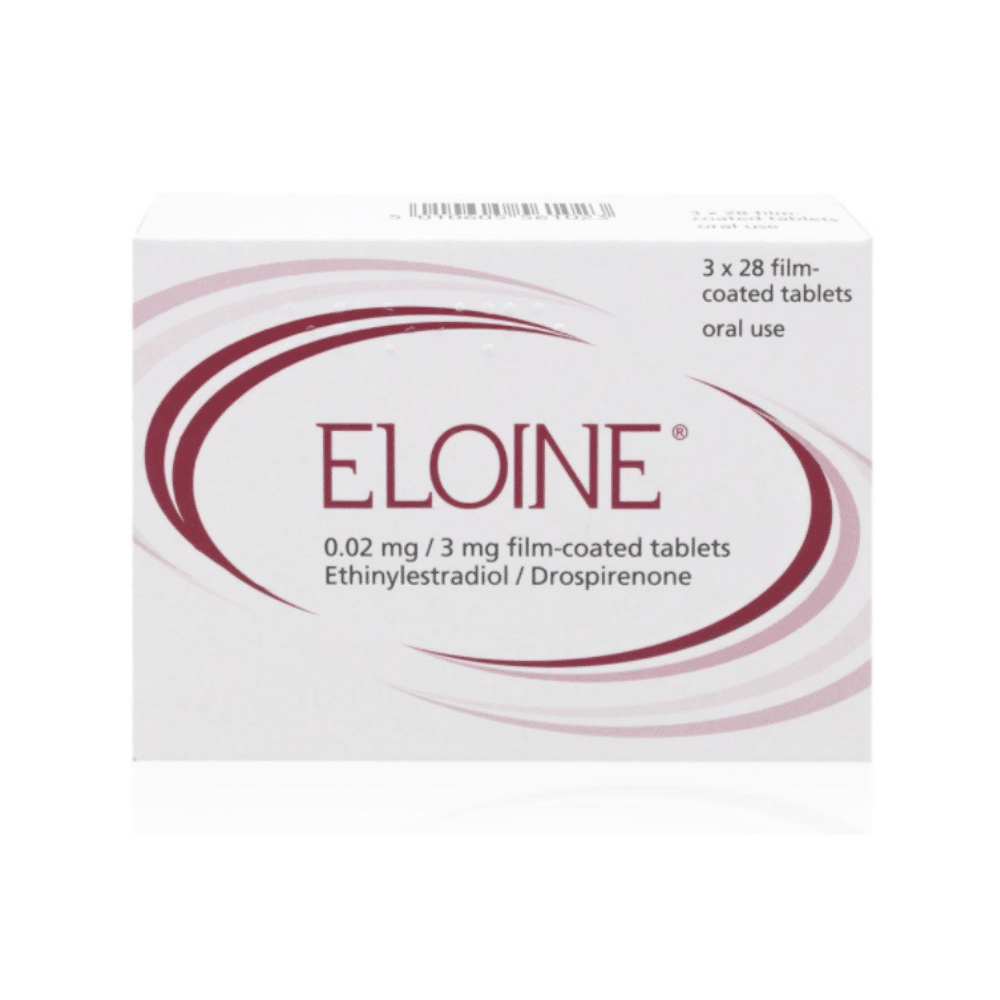
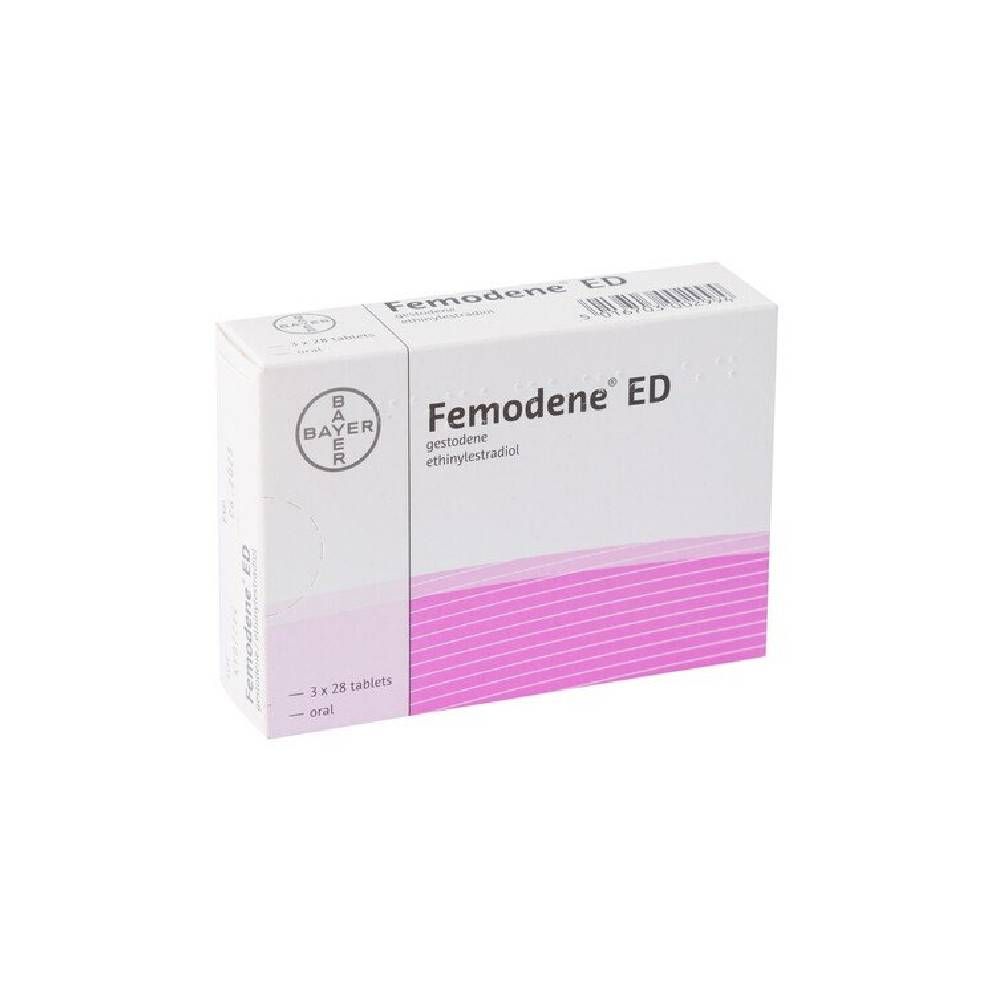
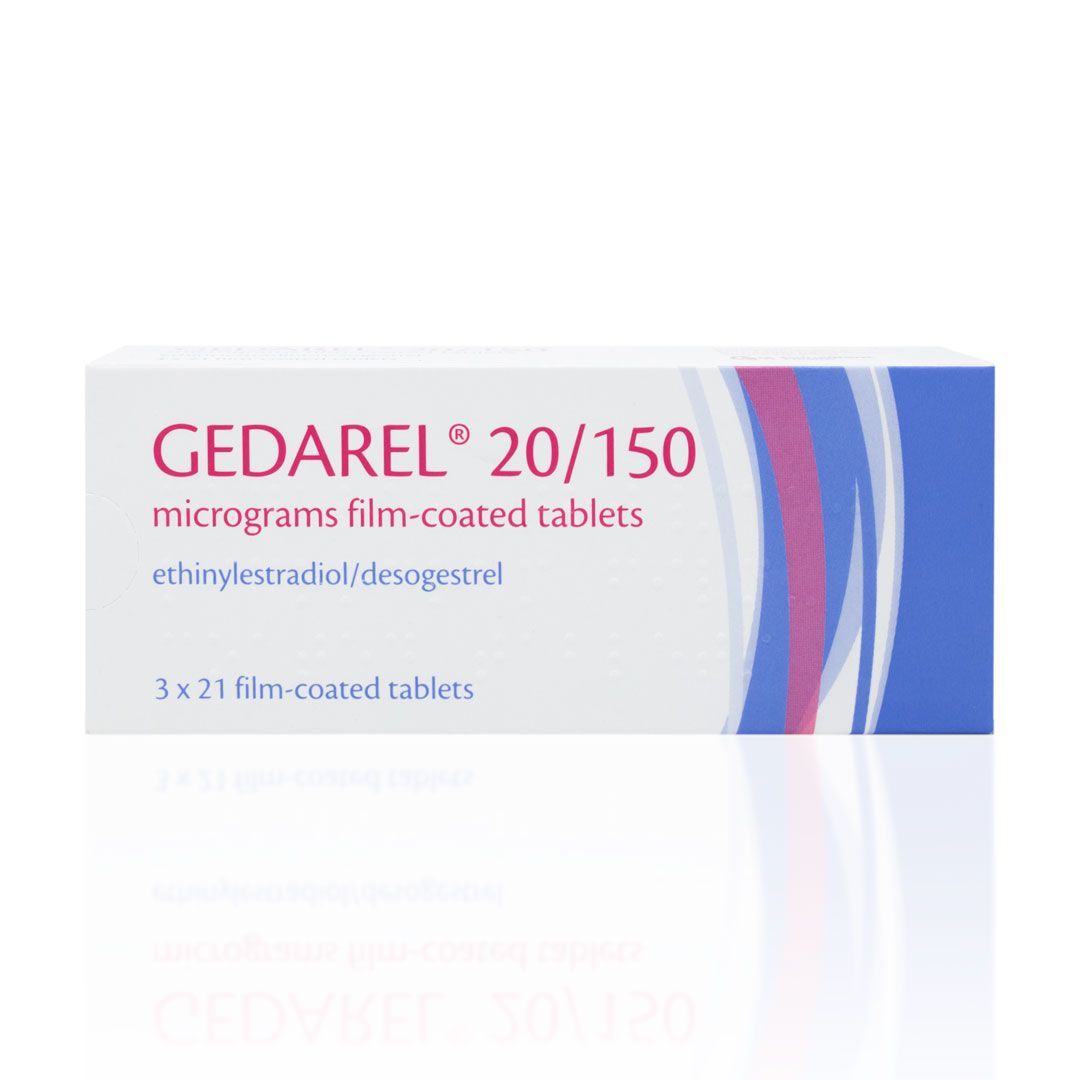
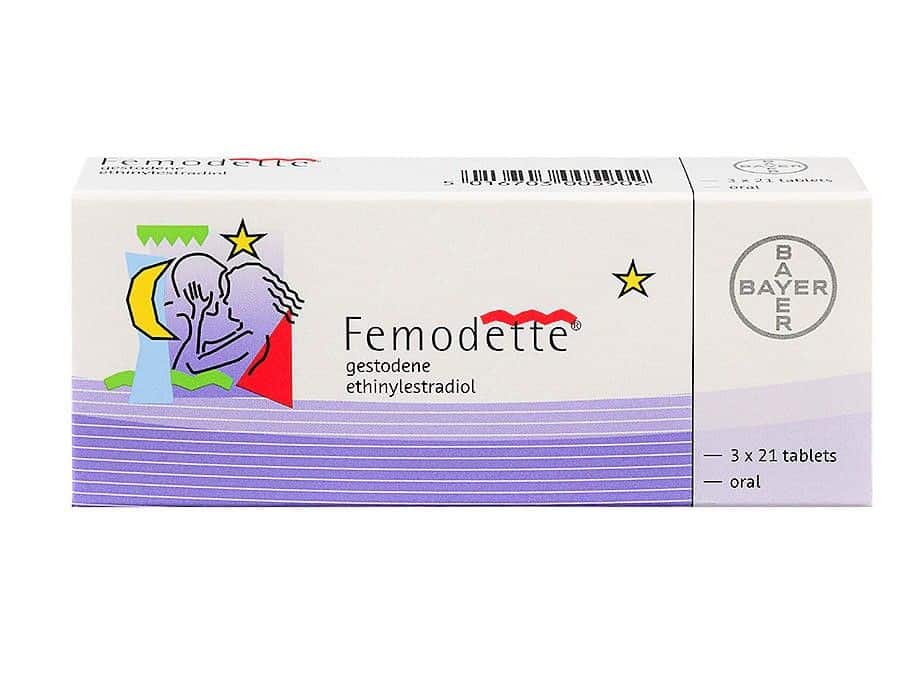
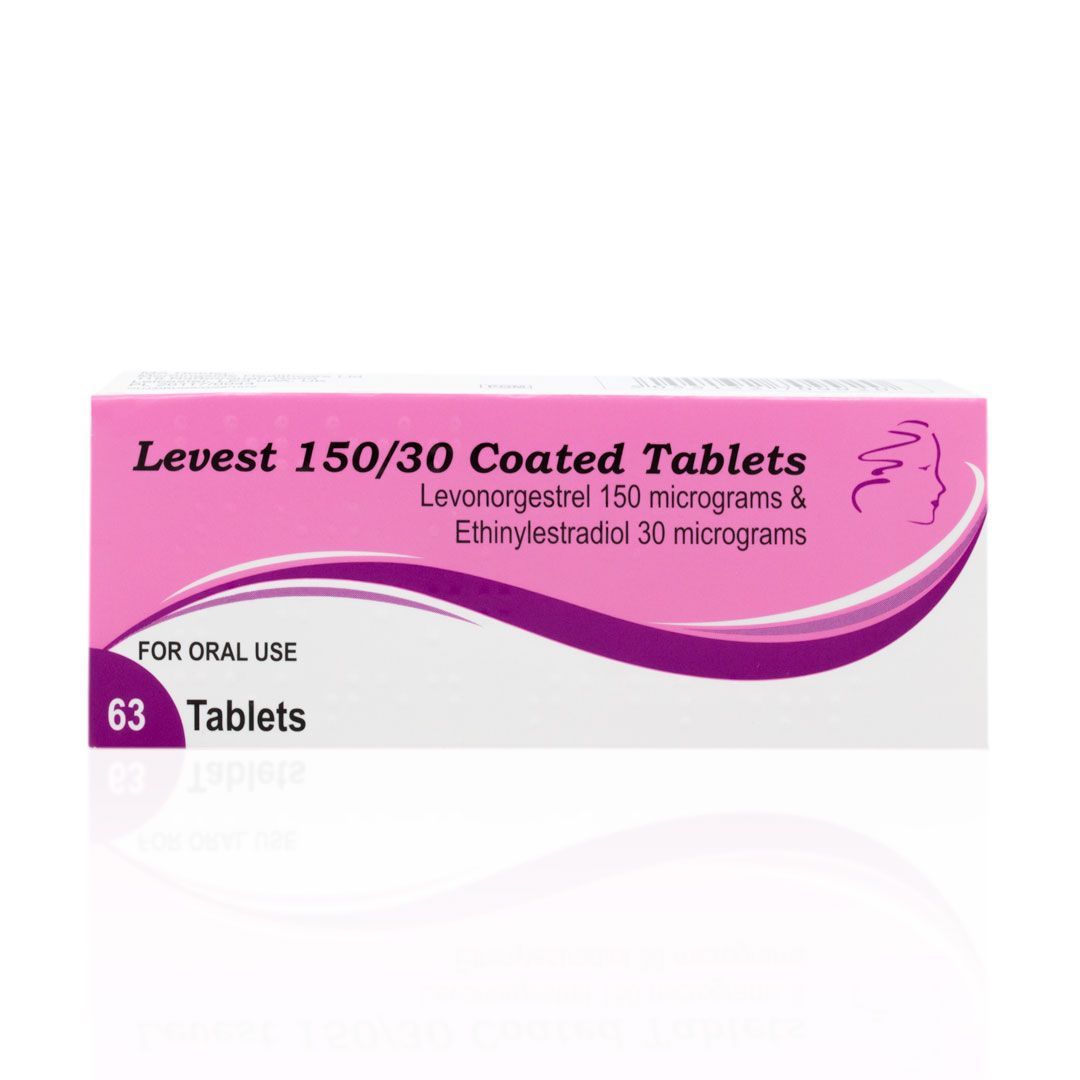
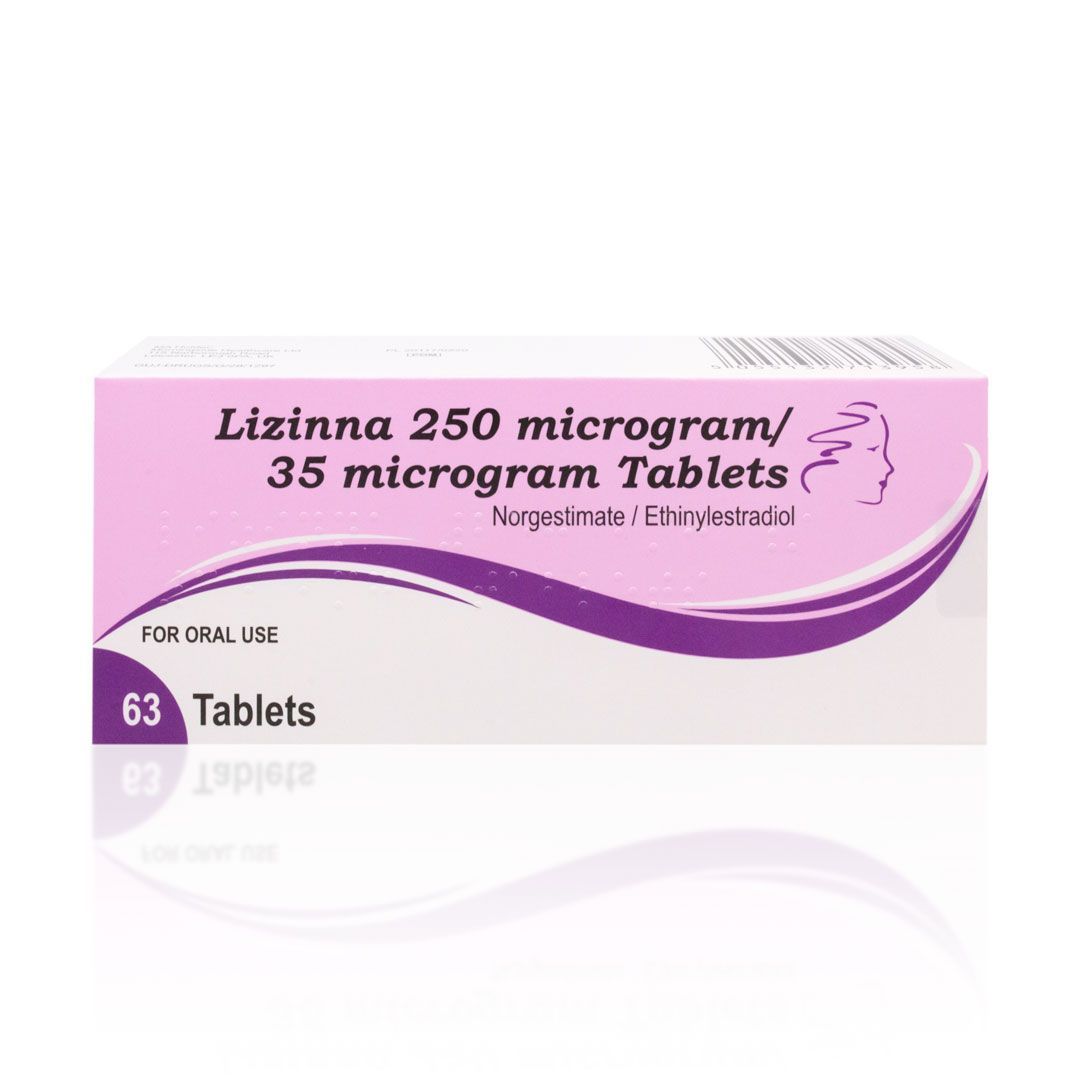
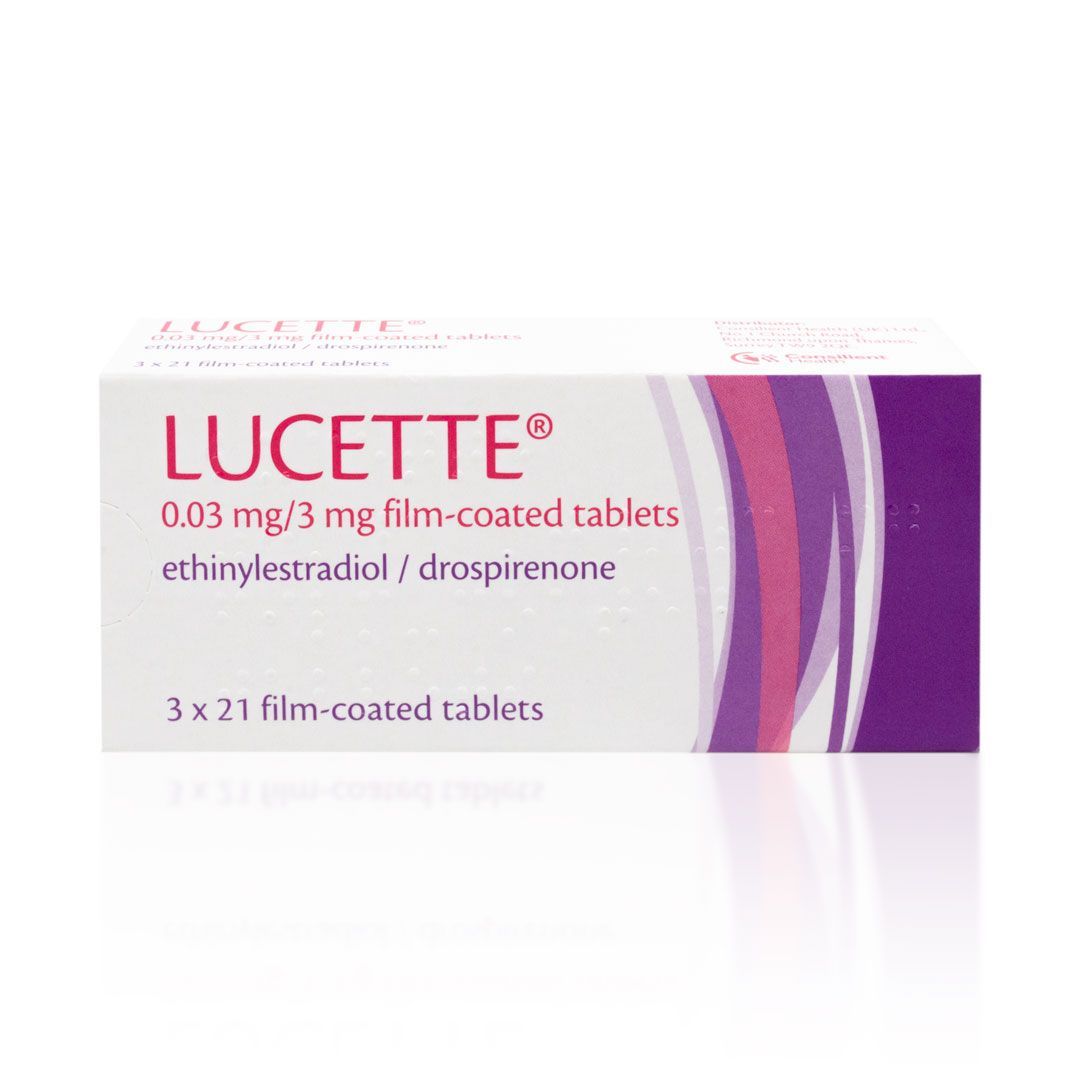
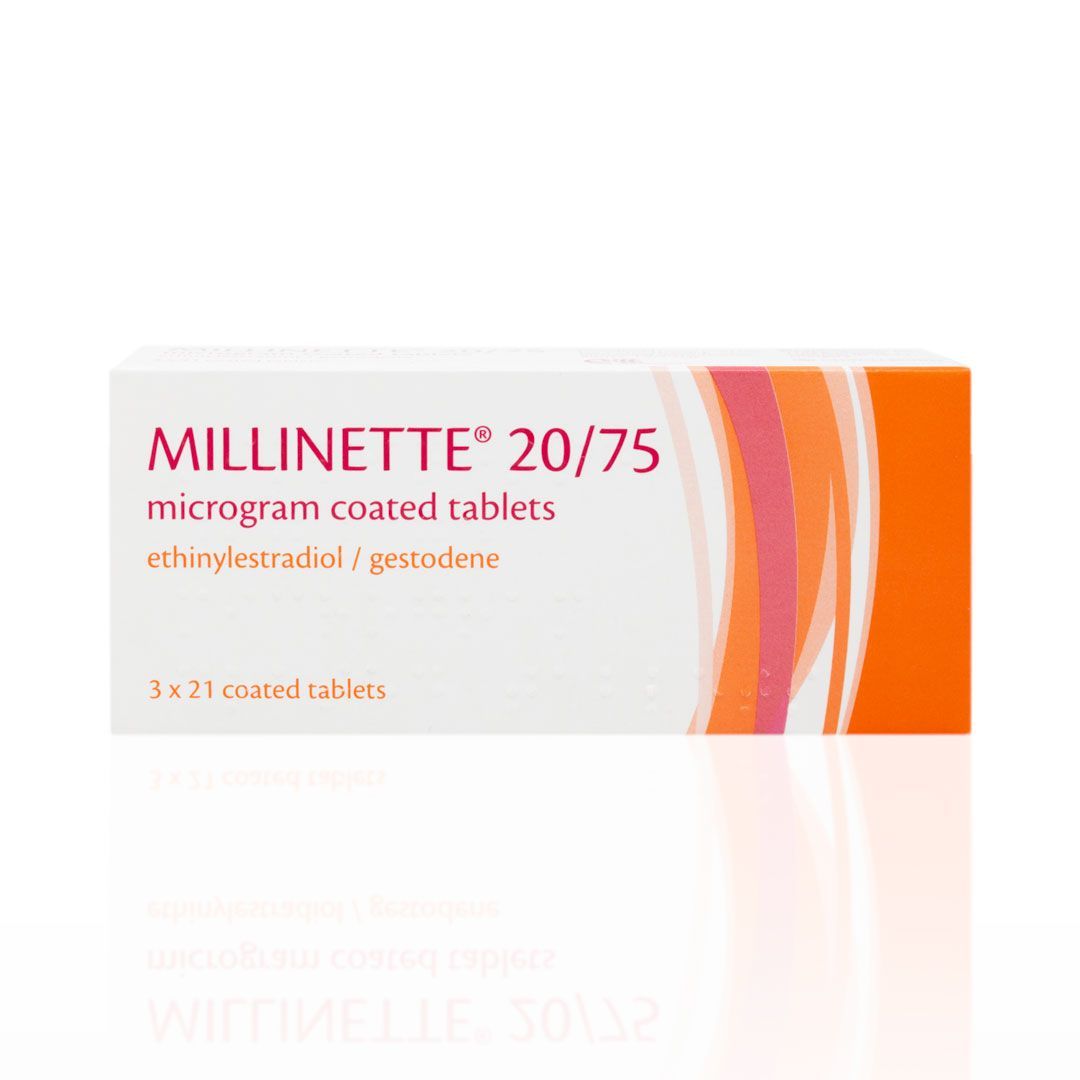
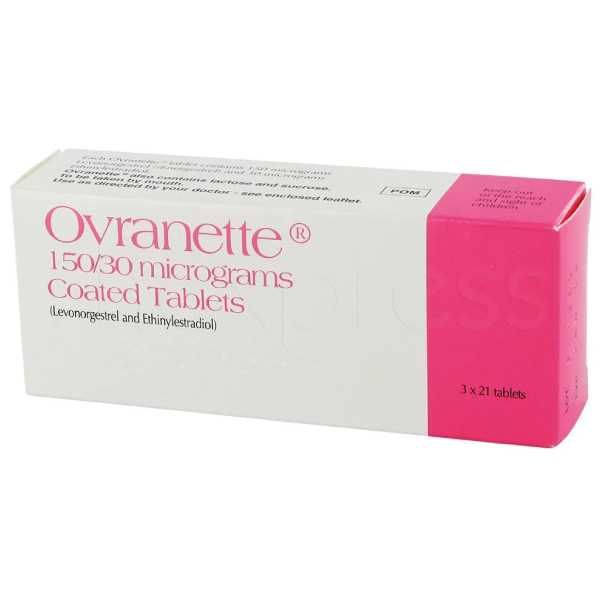
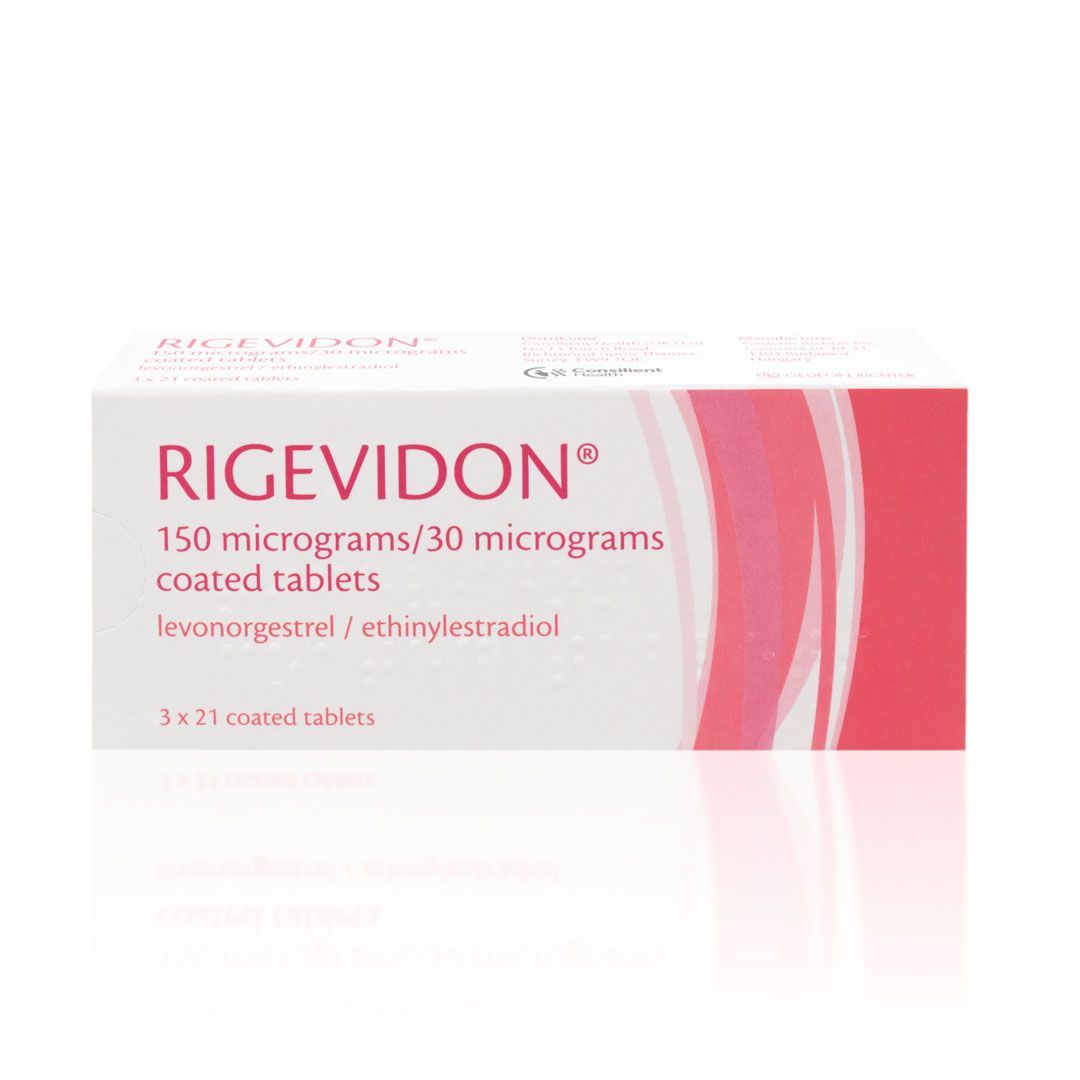
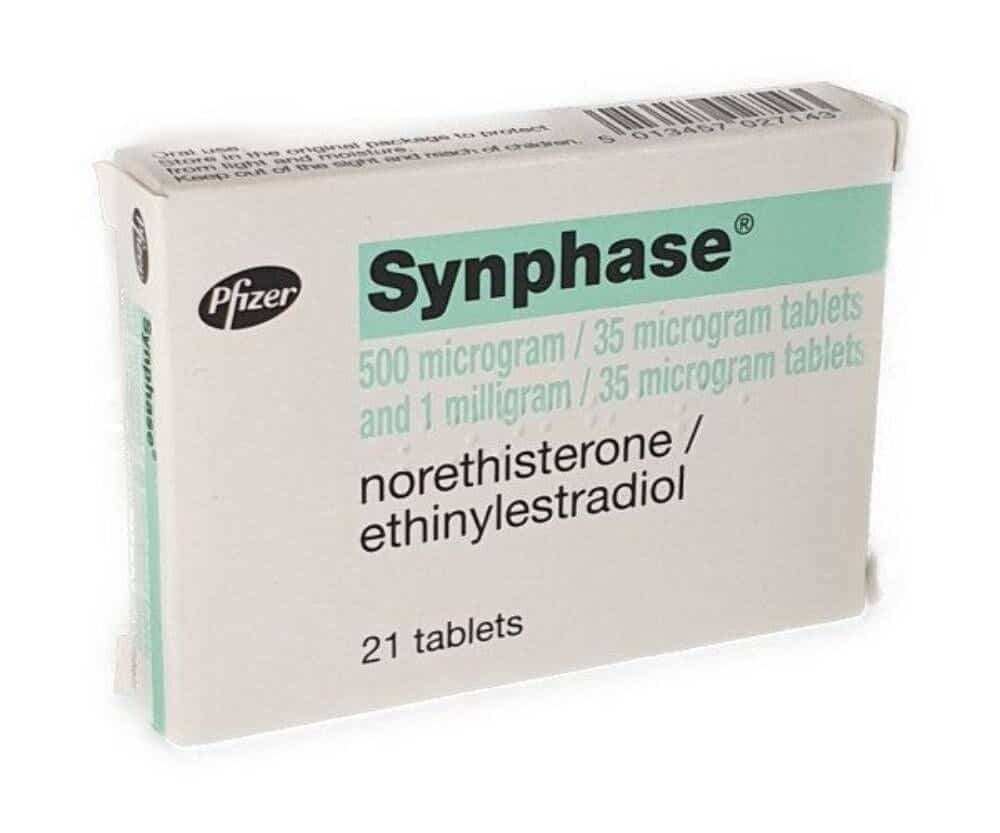
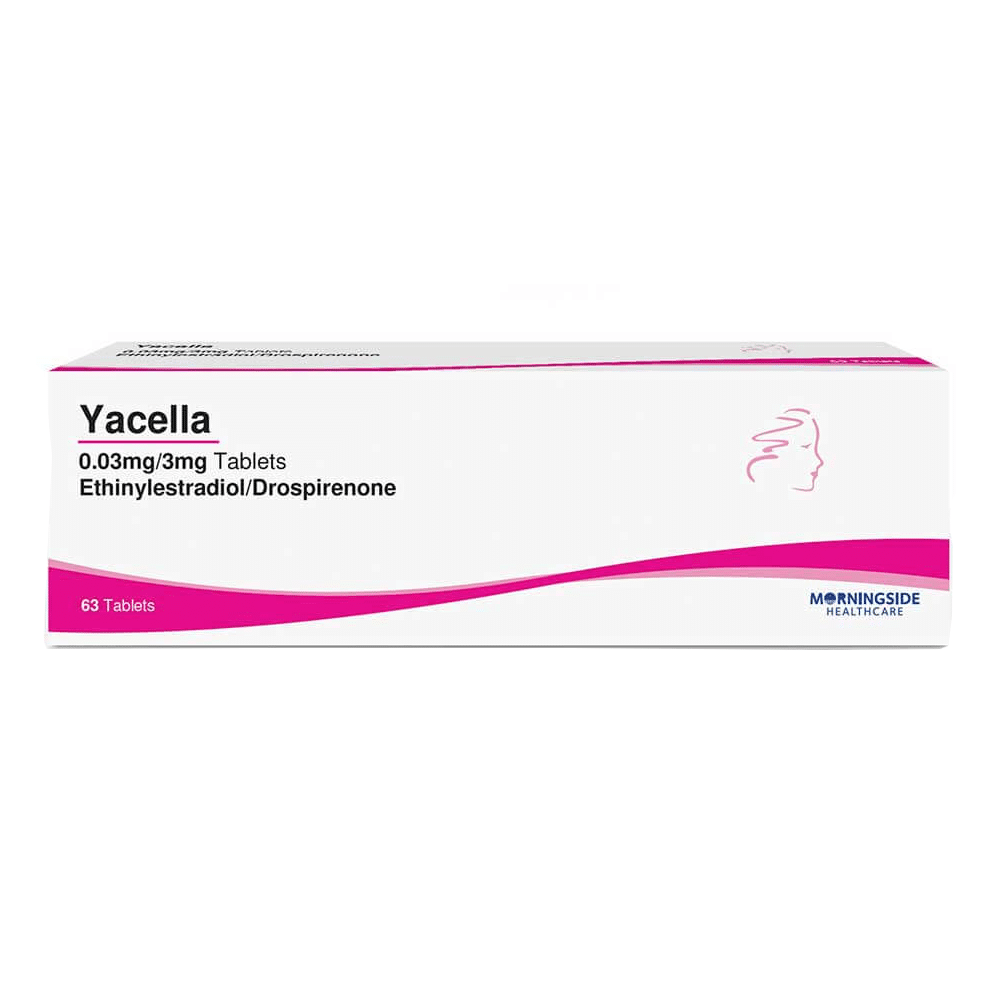
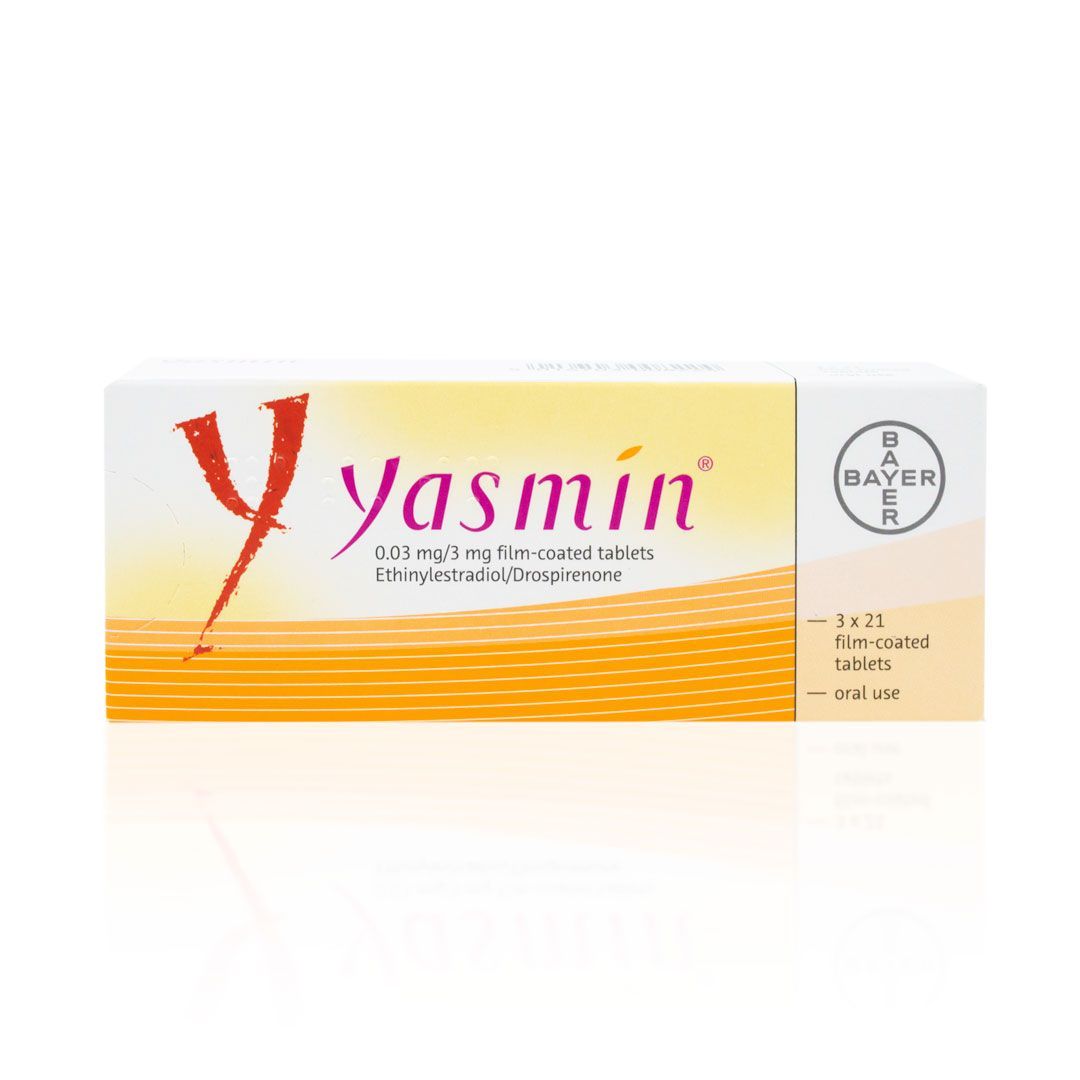
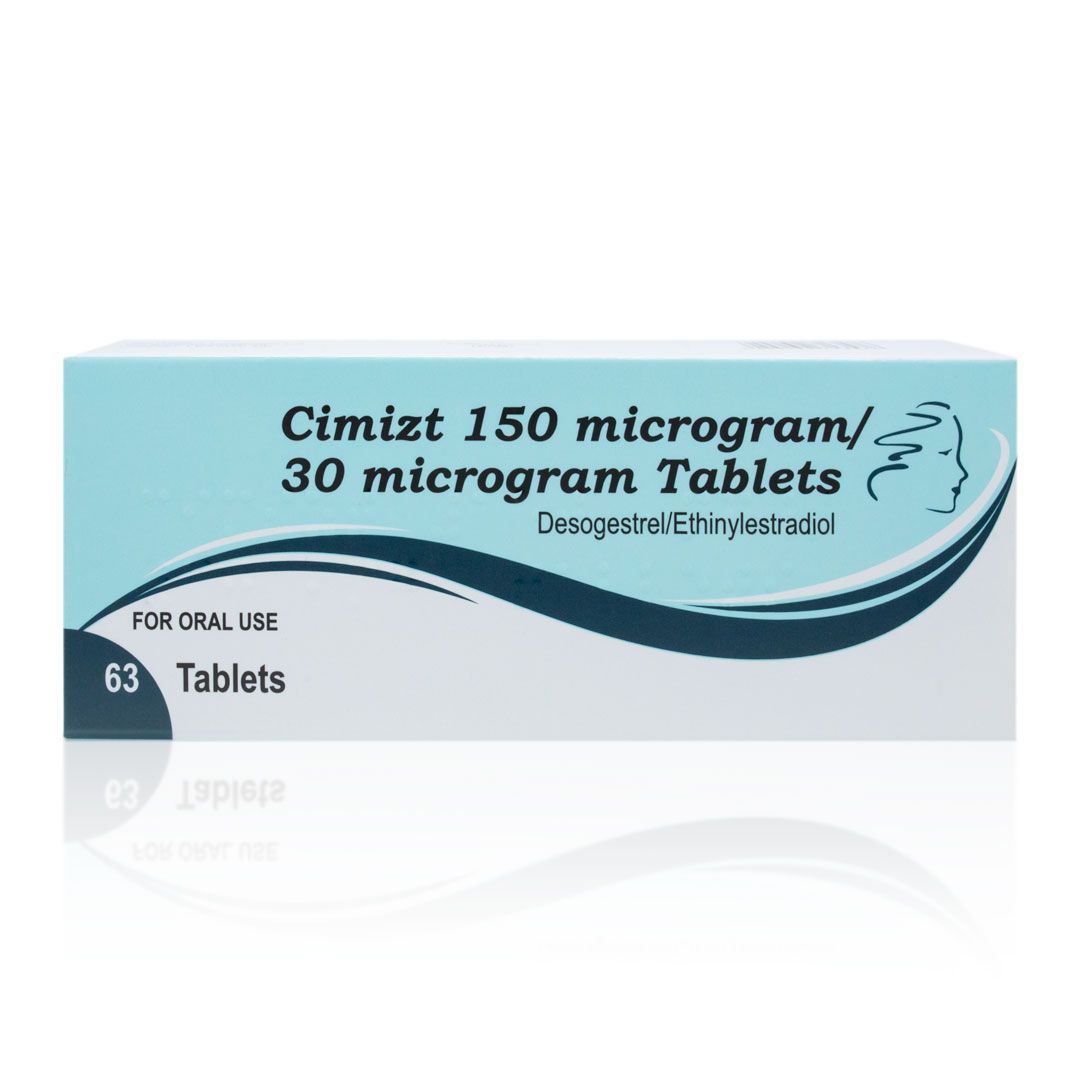
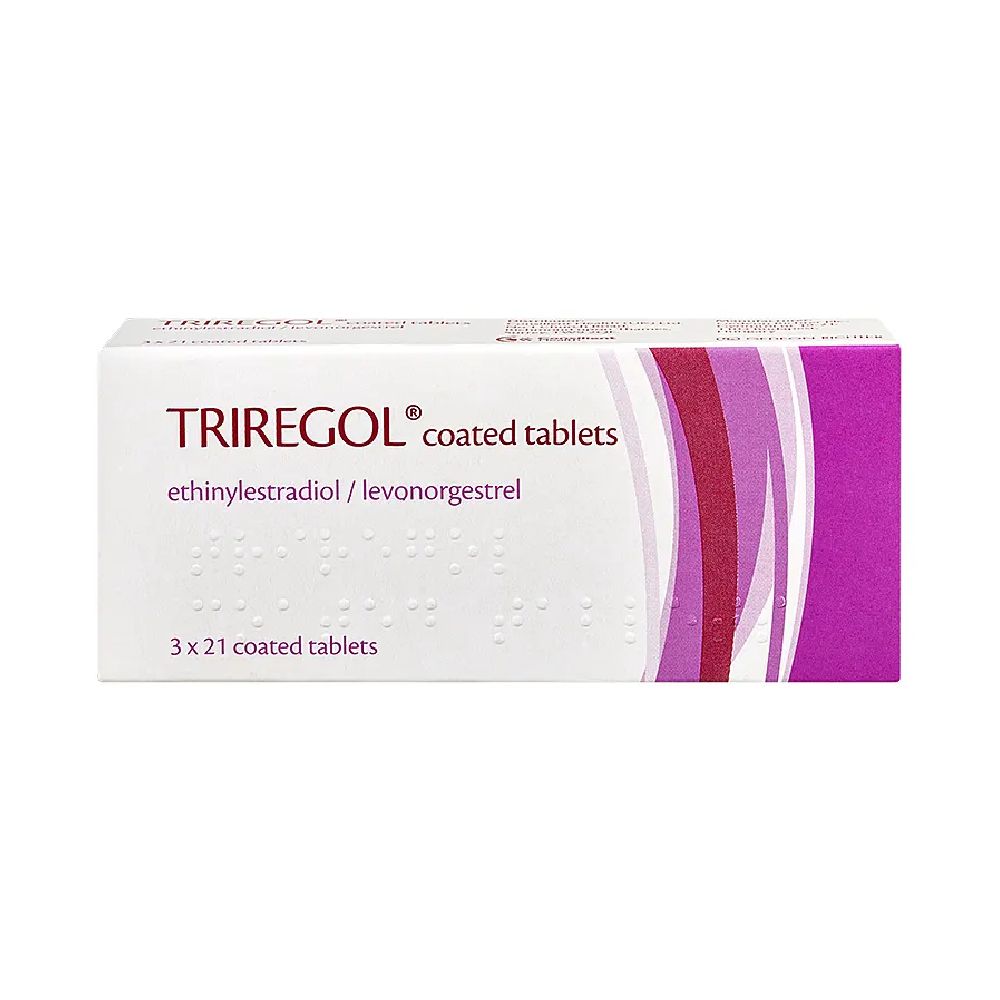
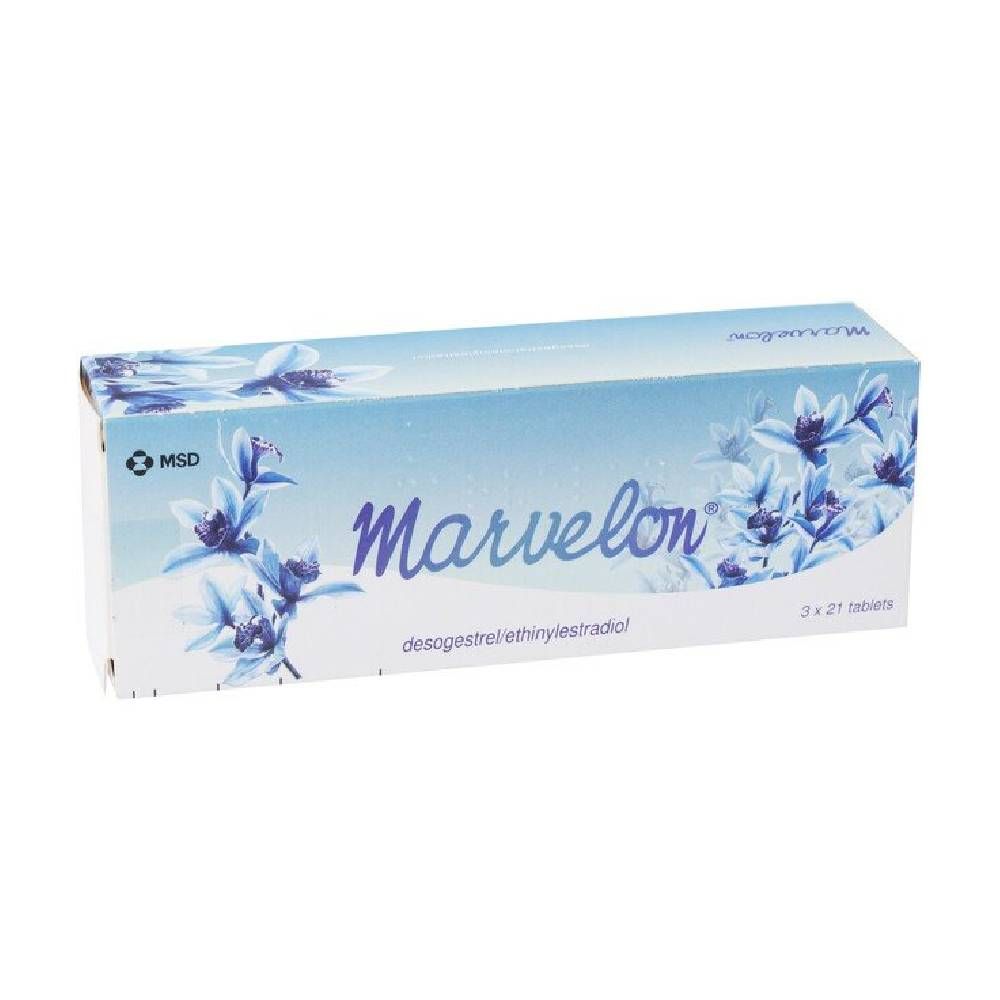
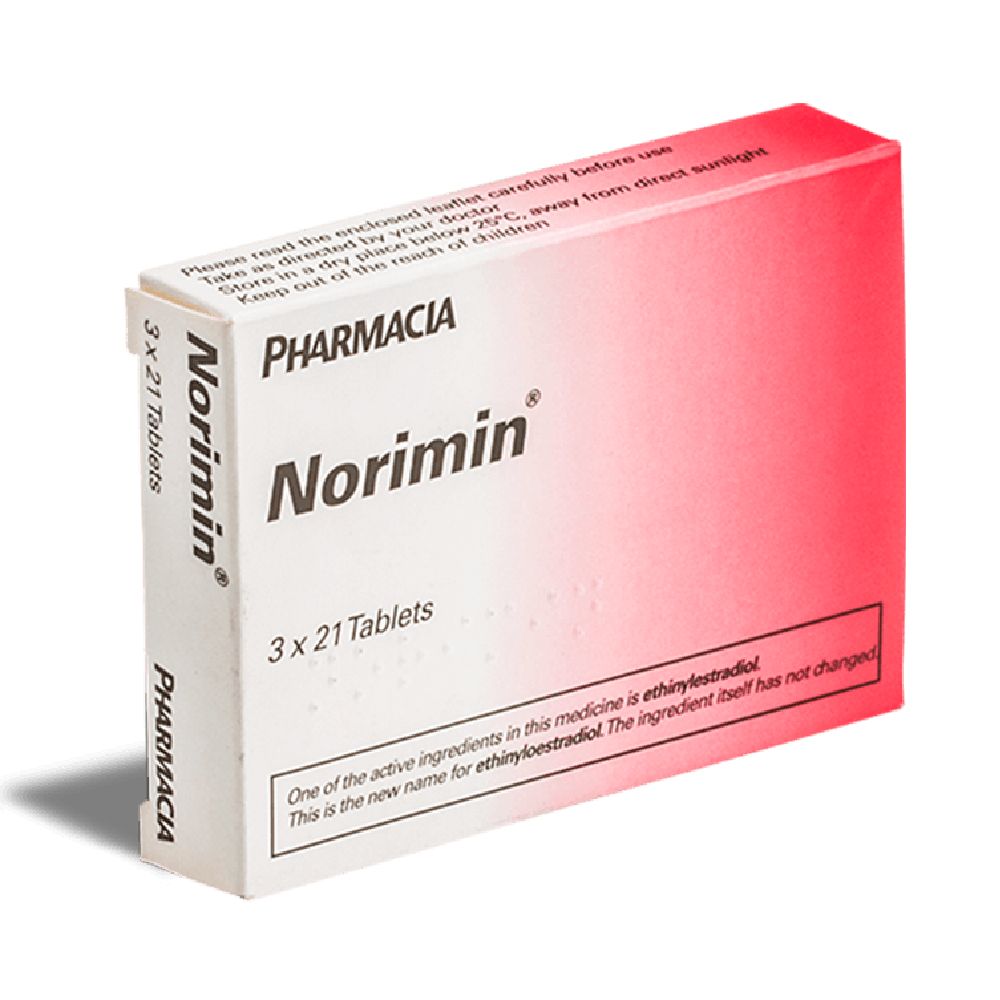
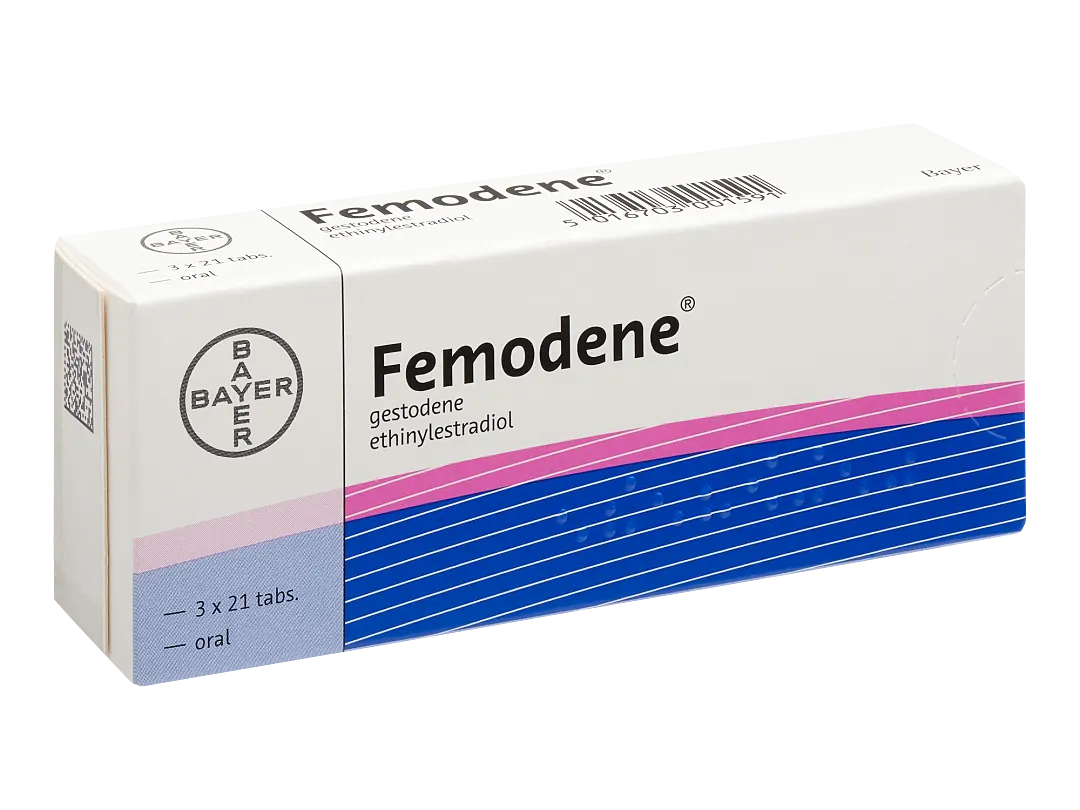
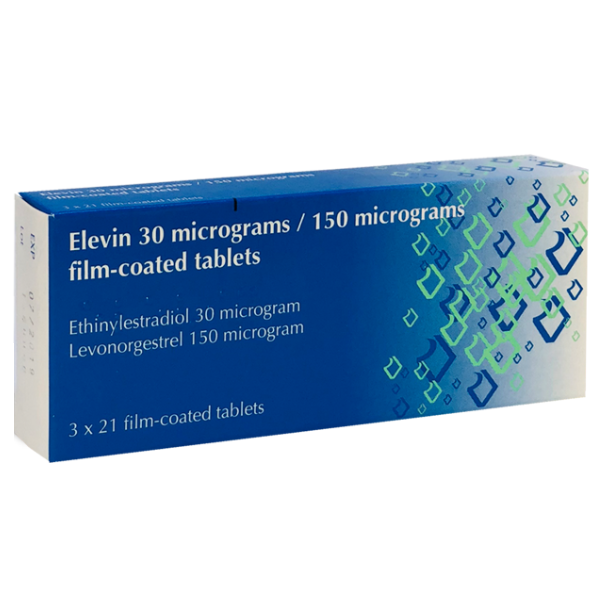
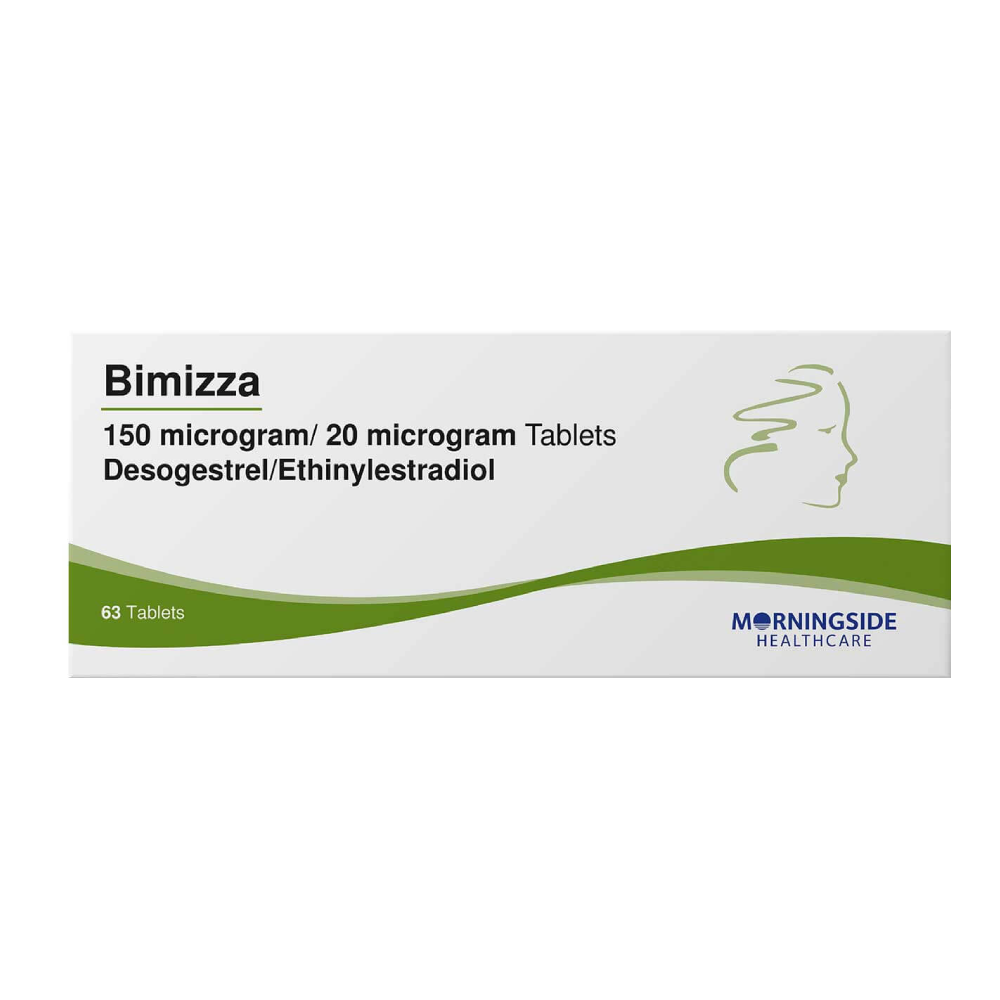
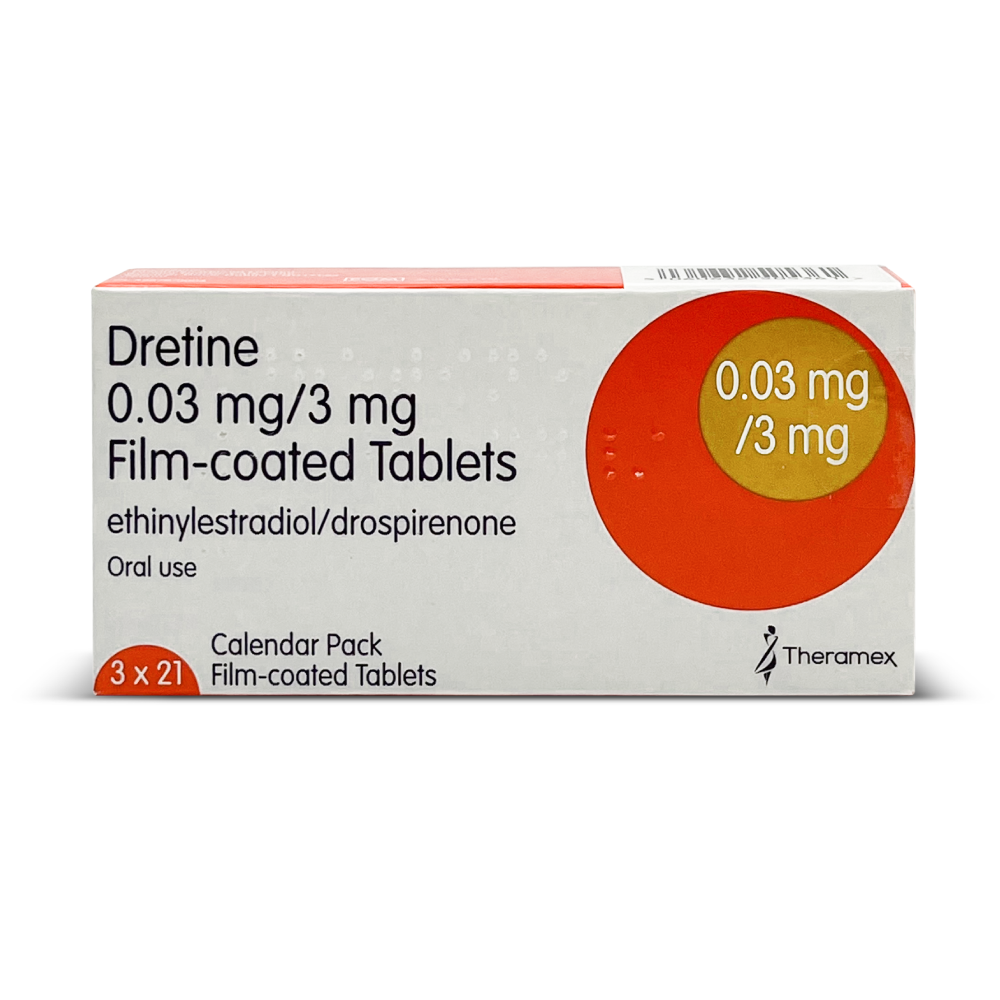
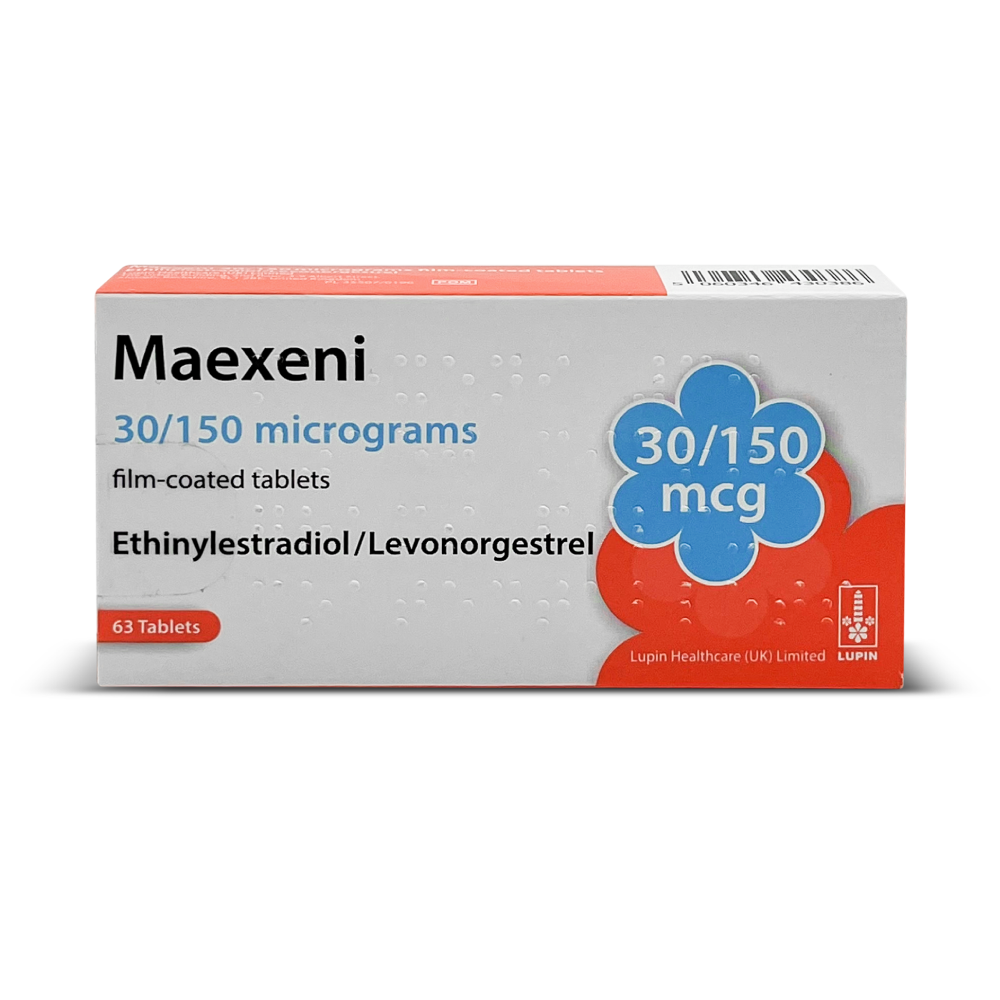
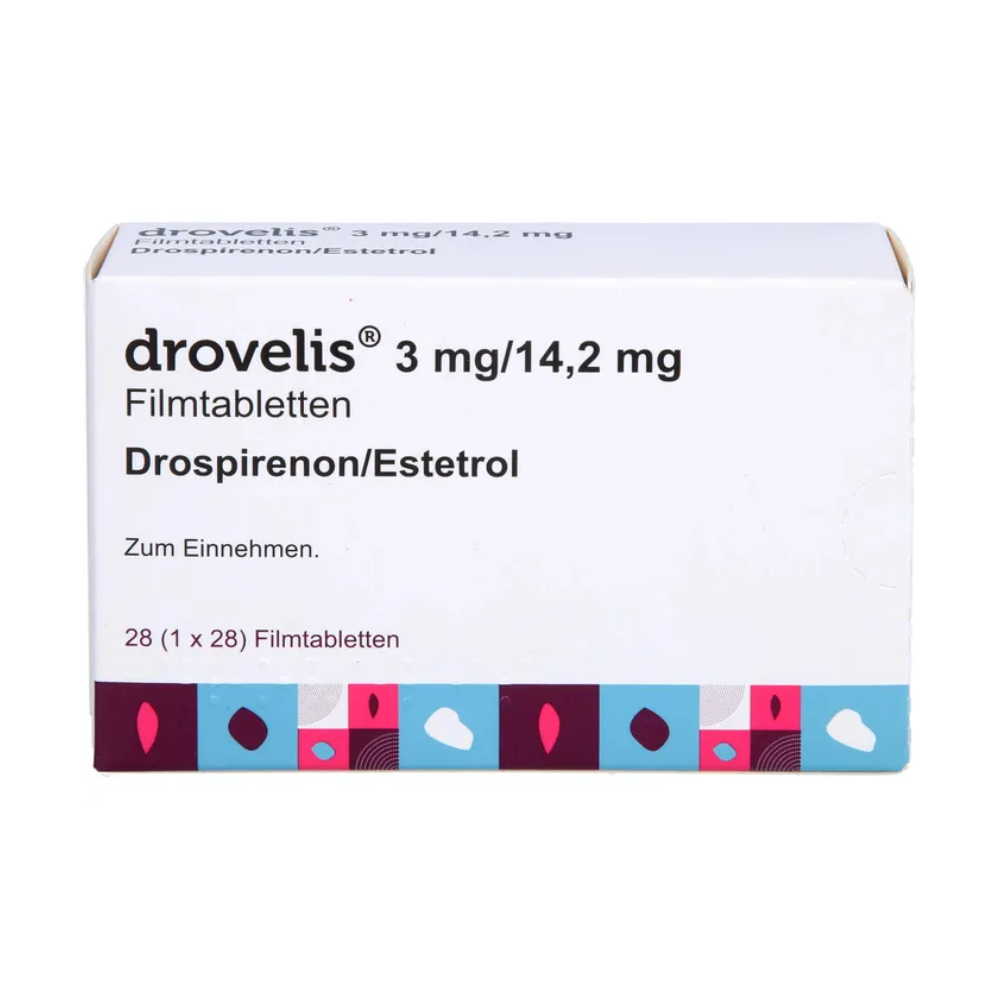
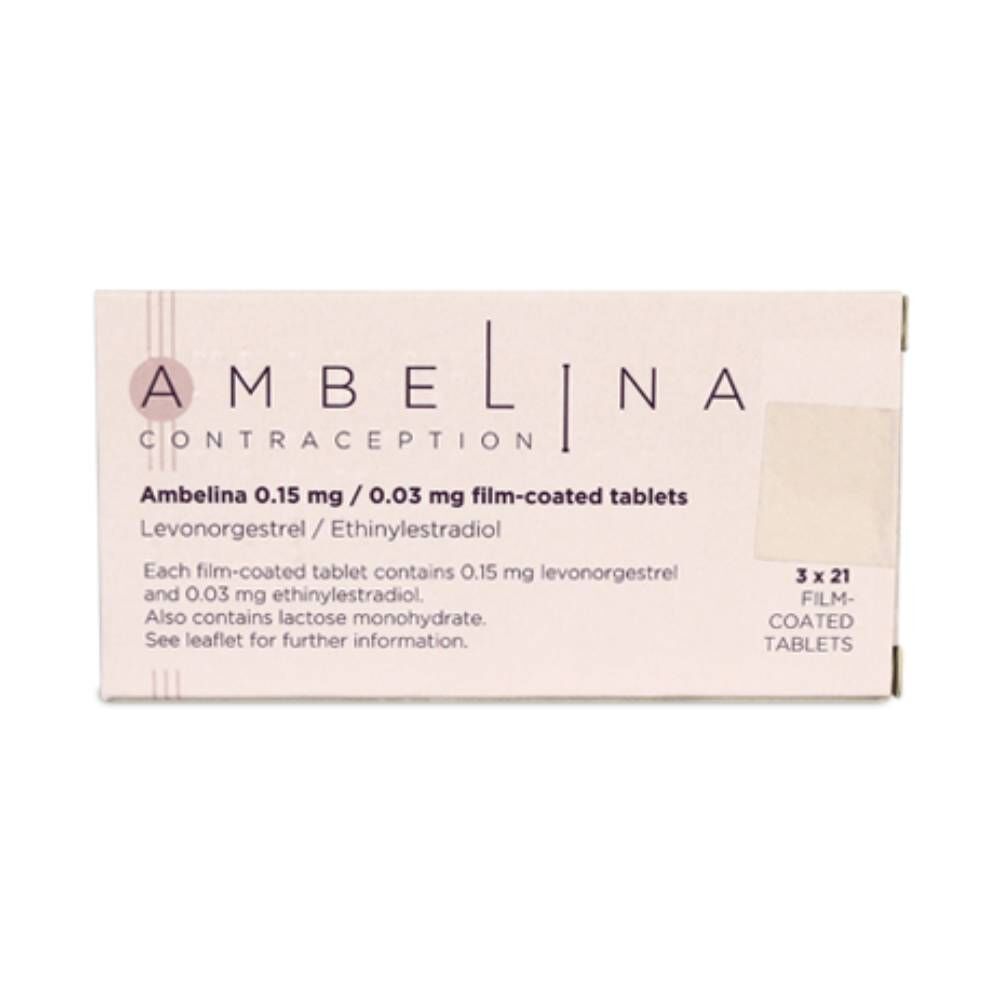
The combined contraceptive pill contains both oestrogen and progestogen hormones. Also known as the birth control pill, this form of oral contraception requires you to take one pill daily for 21 days, followed by a 7-day break during which you’ll usually have a withdrawal bleed similar to a period.
How effective is the combined pill?
The combined pill is over 99% effective when taken correctly. With typical use, it’s about 91% effective because people sometimes forget tablets or take them late. You need to take the pill at roughly the same time each day for maximum protection.
How does the combined pill work?
The combined pill prevents your ovaries from releasing eggs each month. The hormones also thicken the mucus in your cervix, making it harder for sperm to reach an egg, and thin the lining of your womb, making it less likely for a fertilised egg to implant.
Side Effects of the Combined Pill
Common side effects include:
- Headaches
- Nausea
- Breast tenderness
- Mood changes.
You might experience irregular bleeding or spotting in the first few months. Some women notice changes in their weight or skin. Most side effects settle down after a few months as your body adjusts to the hormones.
The combined pill isn’t suitable if you’re over 35 and smoke, have a history of blood clots, or experience migraines with aura.
The Progestogen Only Pill (Mini Pill)
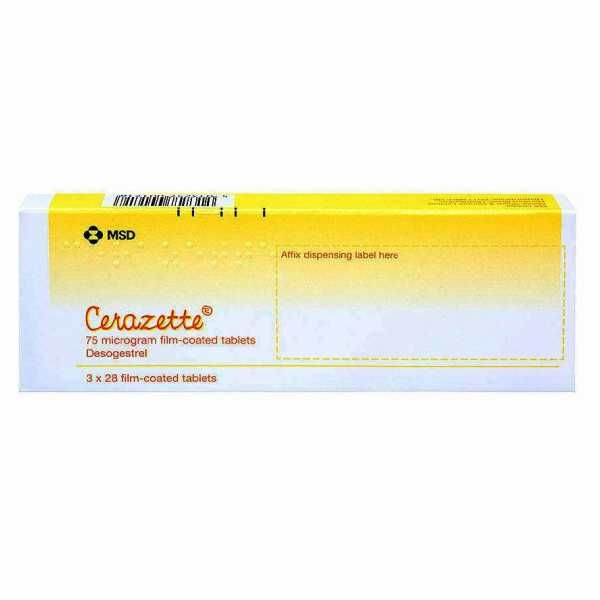
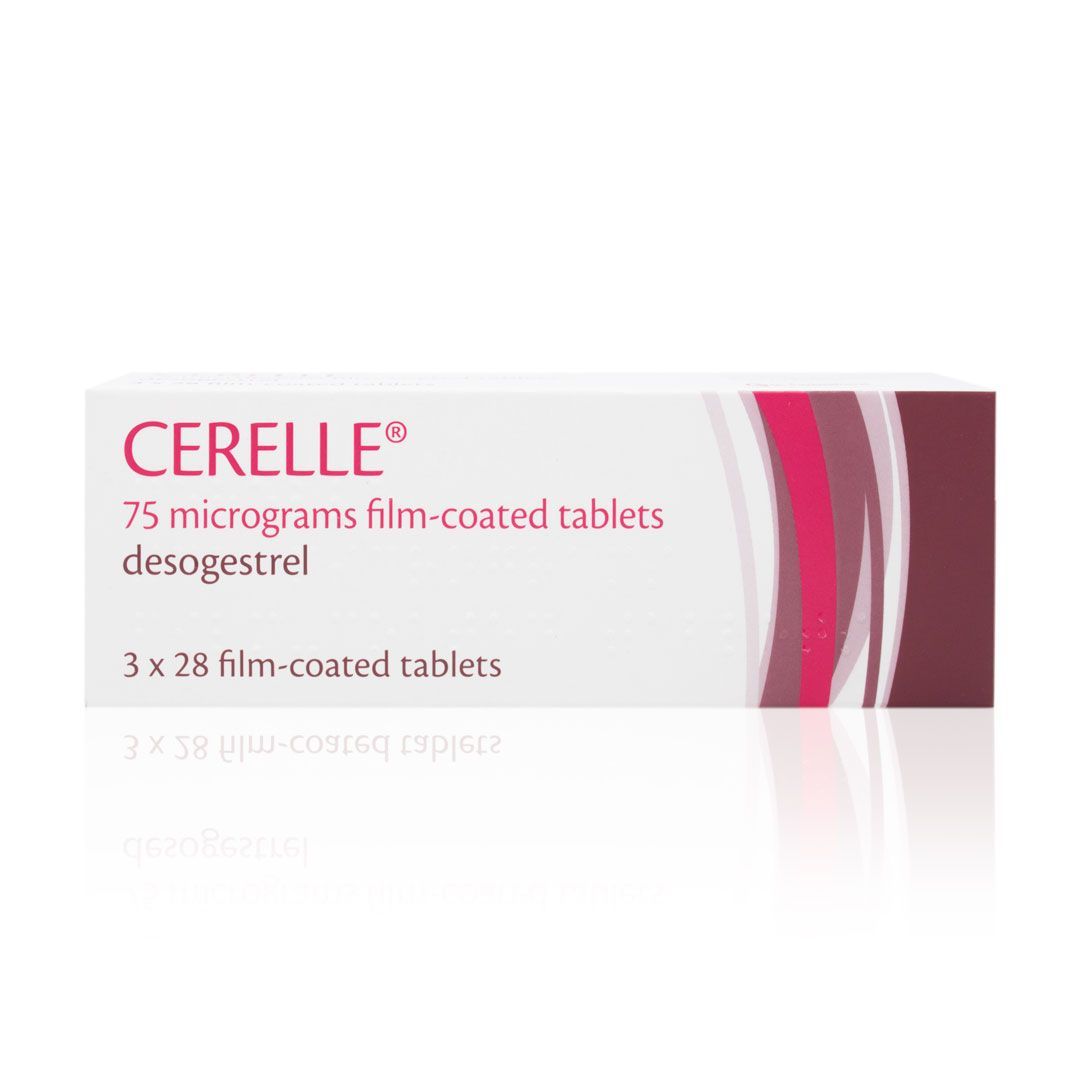
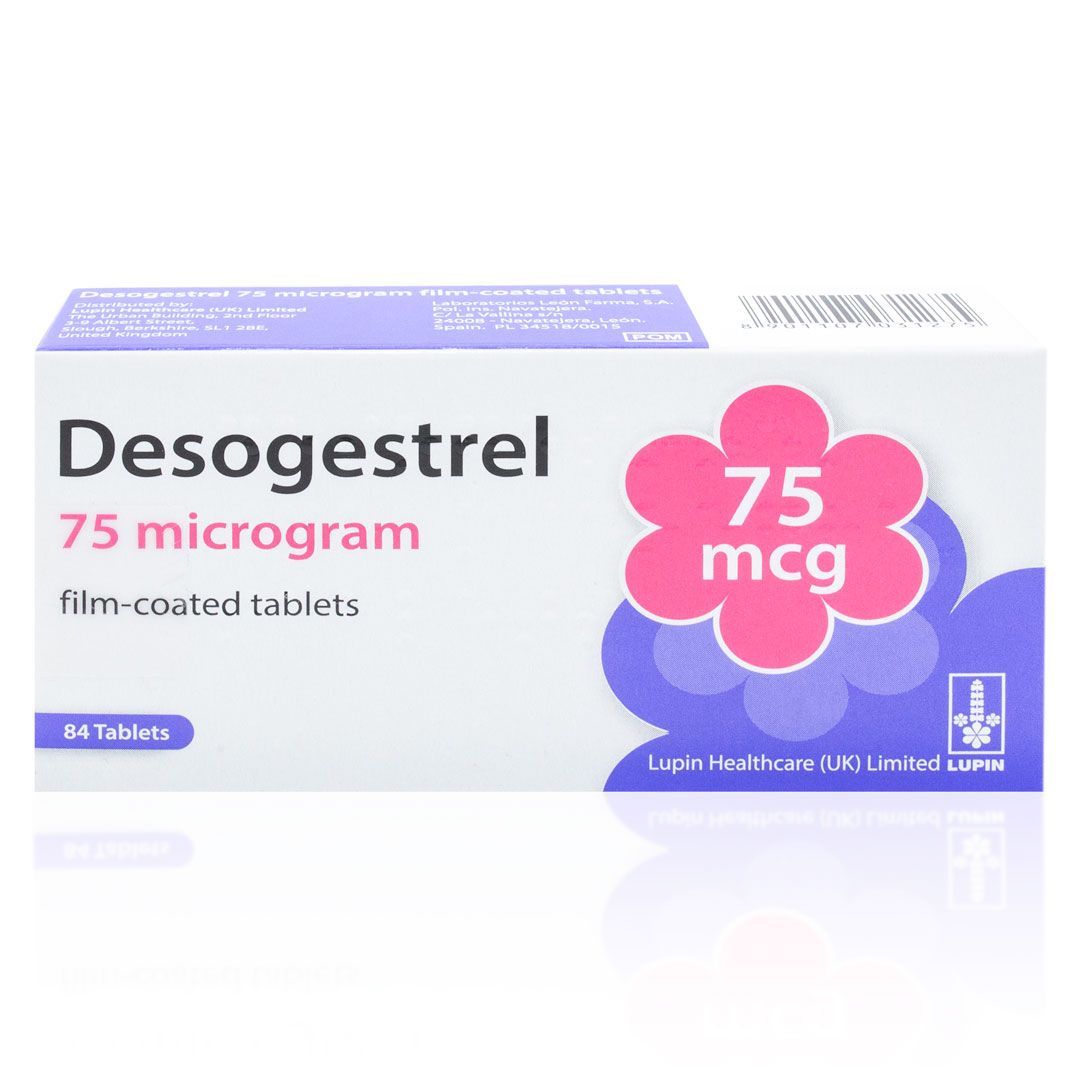
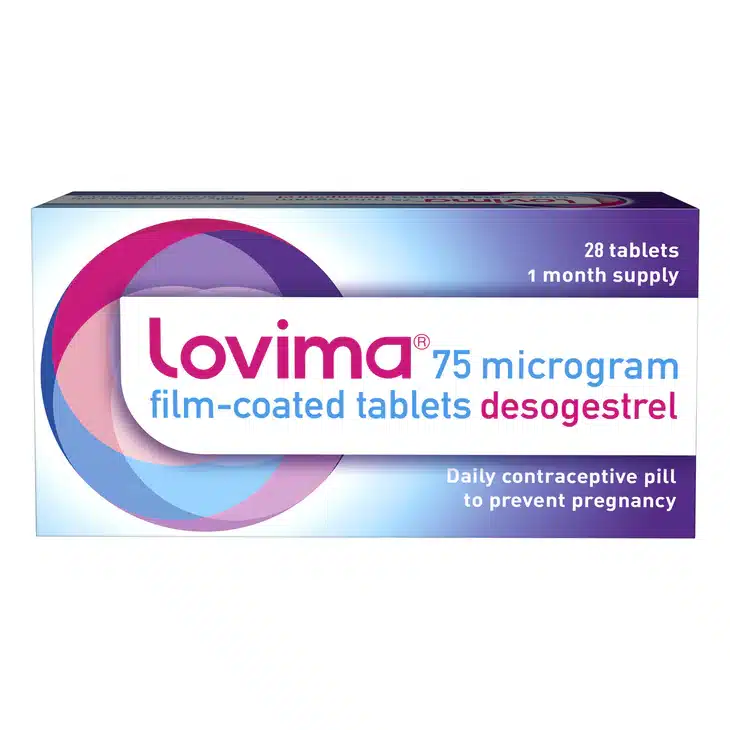
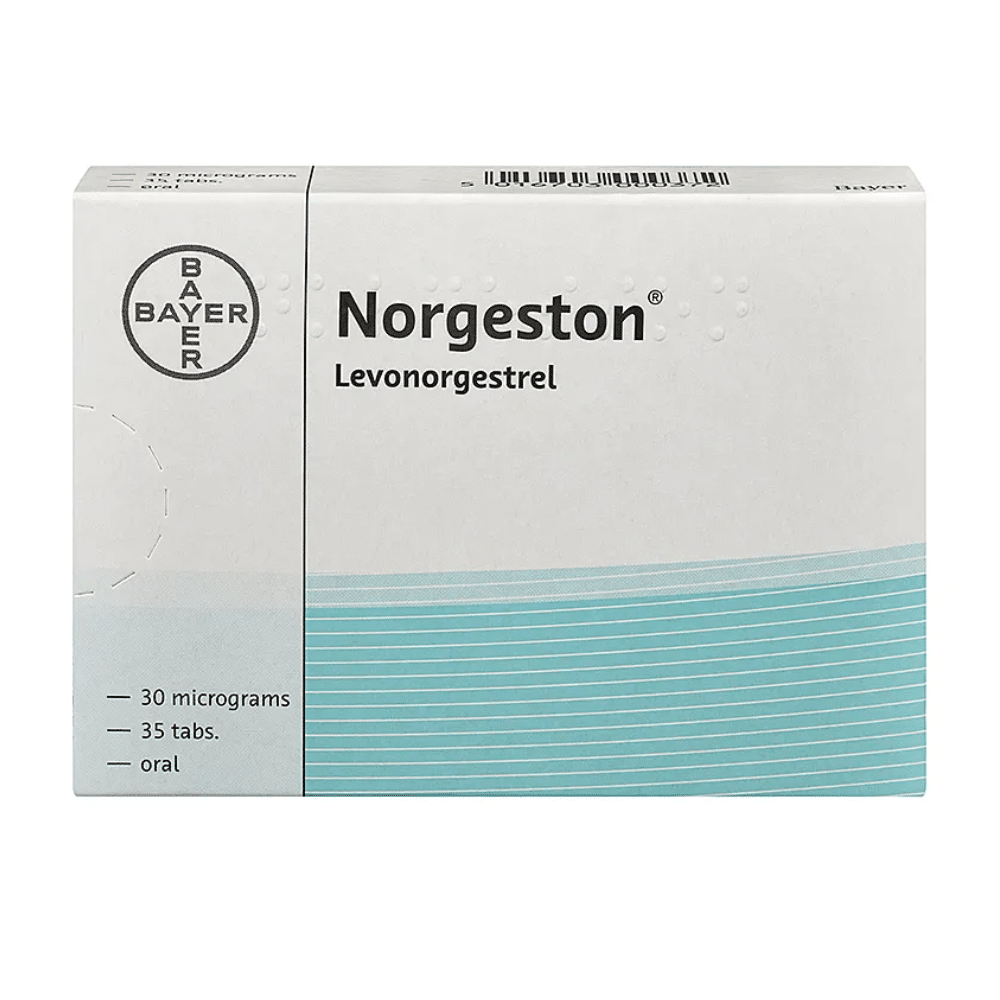
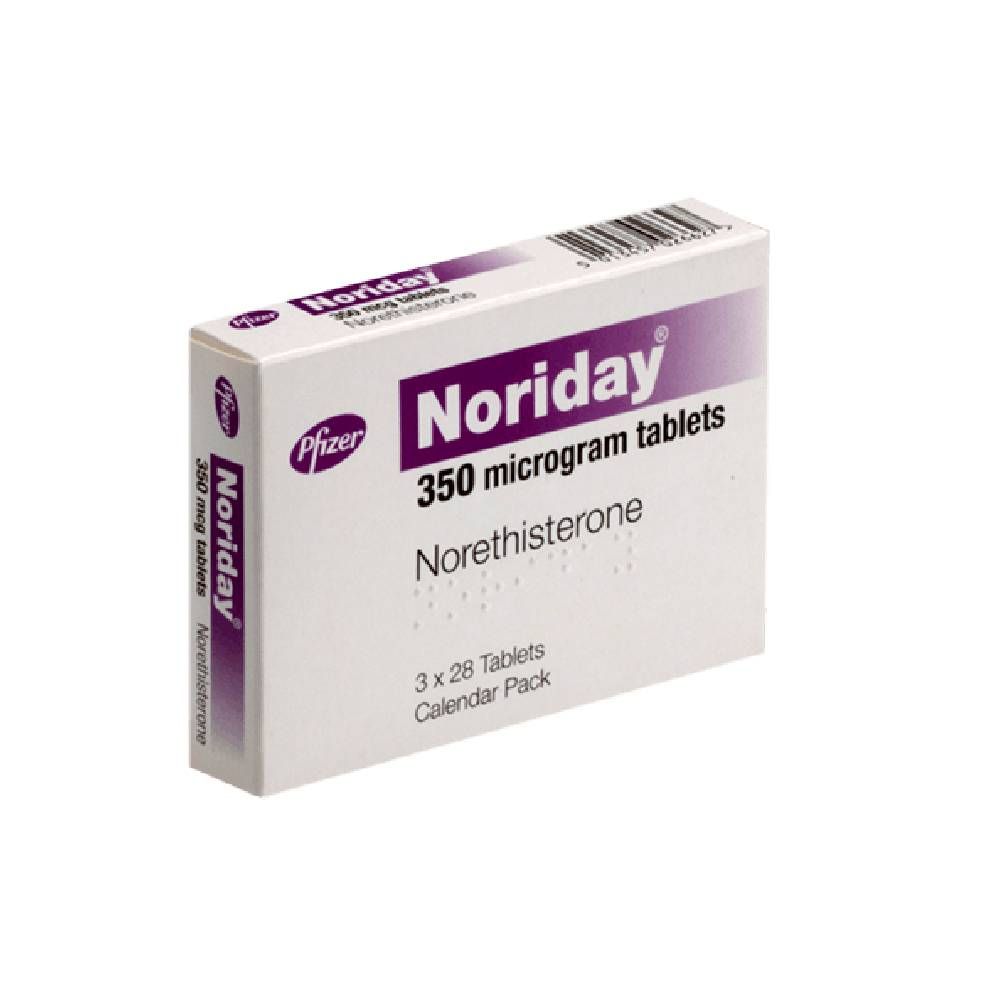
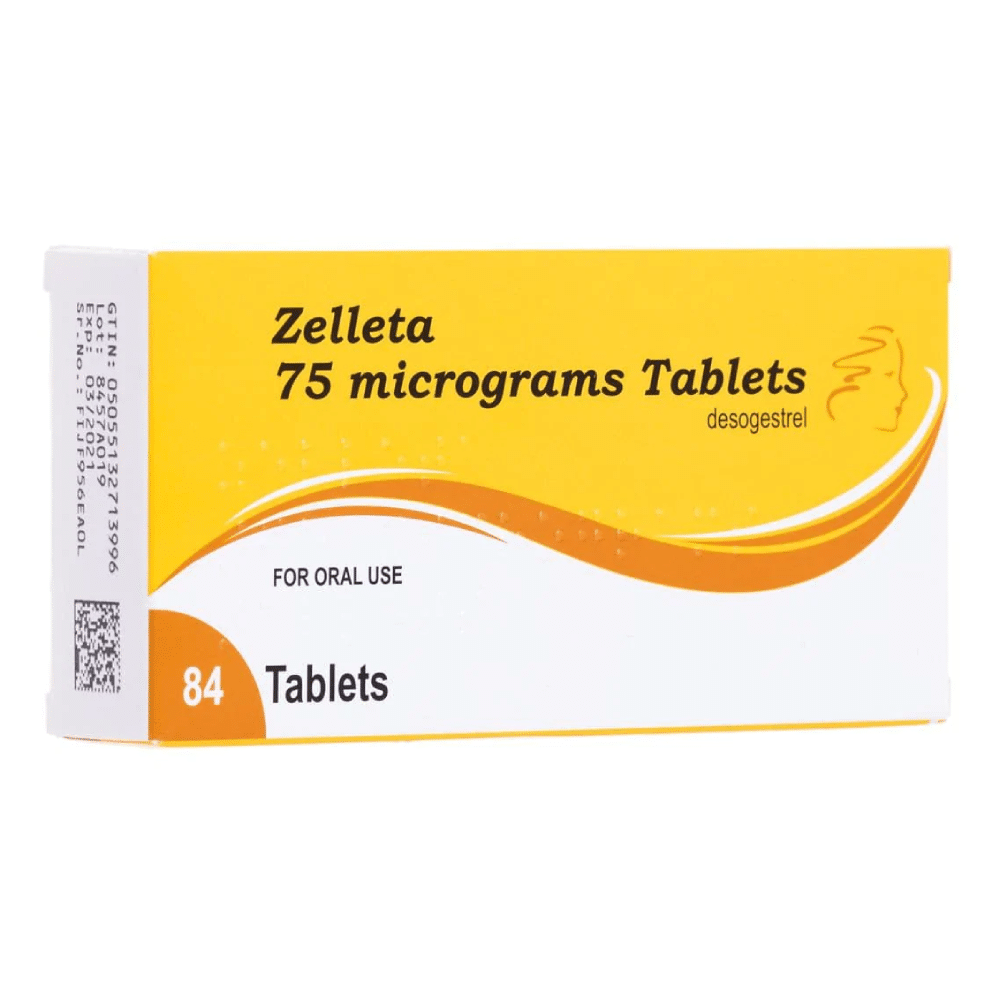
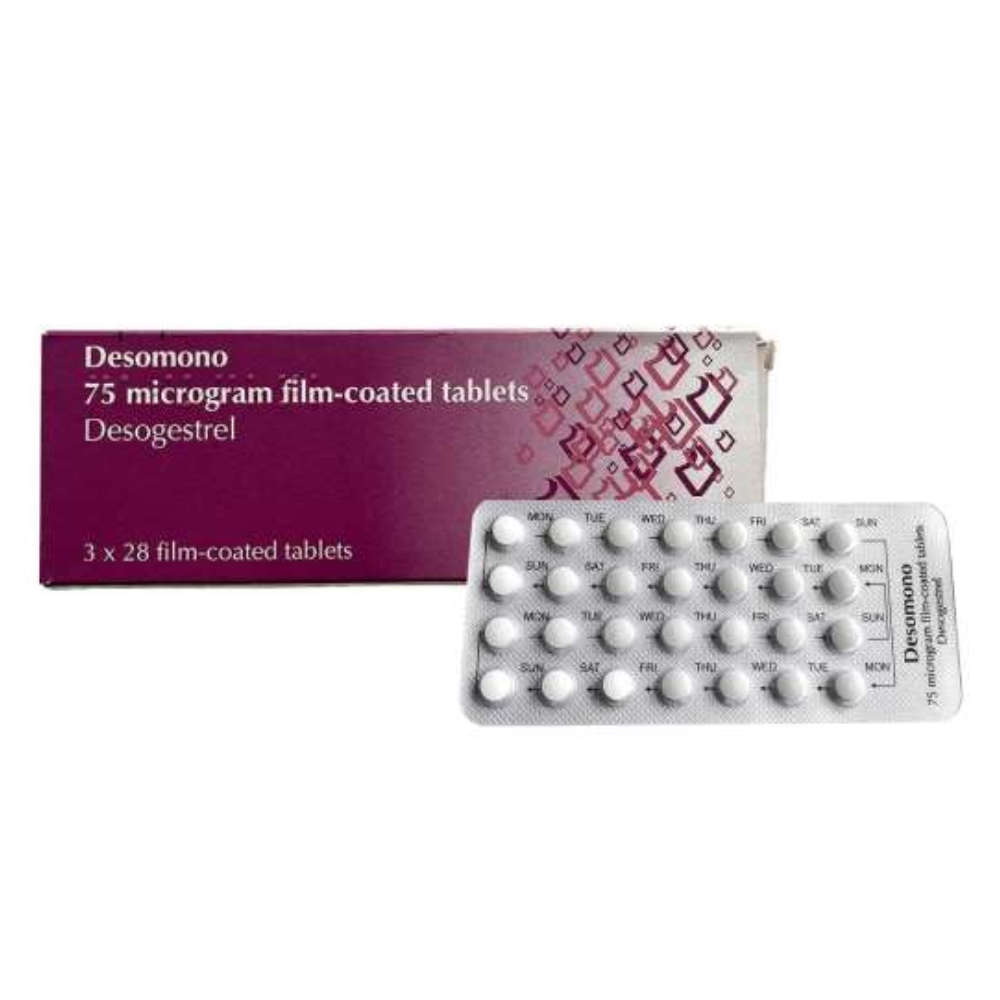
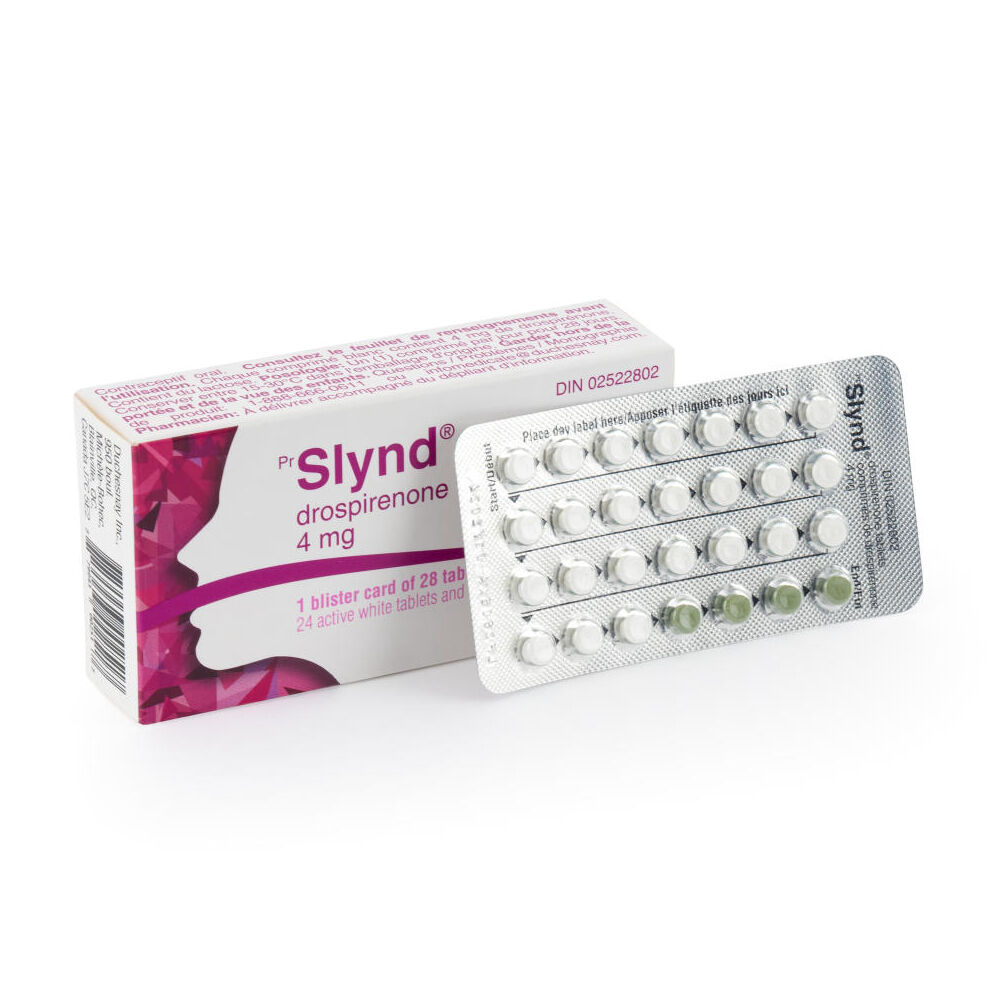
The progestogen-only pill, also called the mini pill, contains only the progestogen hormone. Unlike the combined pill, you take it every day without a break, and it needs to be taken at the same time each day – usually within a 3-hour window.
How effective is the progestogen-only pill?
The progestogen-only pill is over 99% effective with perfect use and about 91% effective with typical use. Timing is more important than with the combined pill – if you’re more than 3 hours late taking it, you’ll need to use additional contraception.
How does the progestogen-only pill work?
The progestogen-only pill thickens the mucus in your cervix, making it difficult for sperm to reach an egg. It also thins the lining of your womb. In some women, it prevents ovulation, but this isn’t its primary method of action.
Side Effects of the Progestogen-only Pill
Common side effects include:
- Irregular periods or spotting between periods
- Periods stopping altogether
- Headaches
- Acne
- Breast tenderness
- Mood changes
These usually improve after a few months. The progesterone-only pill can be used by women who can’t take the combined pill, including those who smoke, are over 35, or are breastfeeding. Remember to take your pill at the same time every day for it to work effectively.
Contraceptive Patch
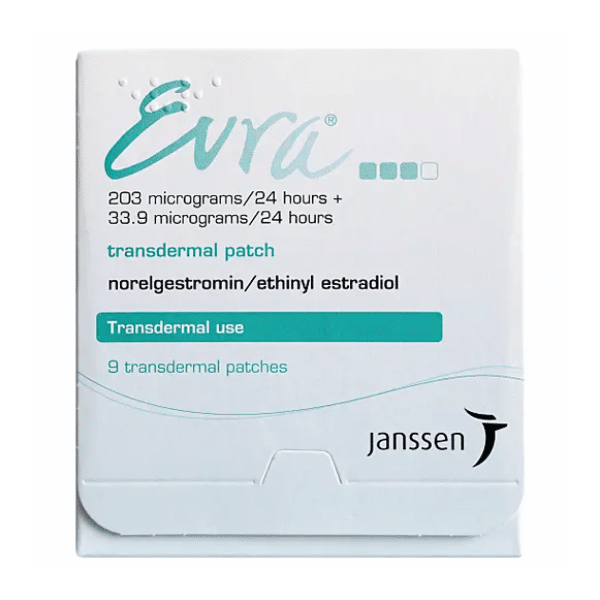
The contraceptive patch is a small, sticky patch you wear on your skin that releases oestrogen and progestogen hormones. You change it weekly for three weeks, then have a patch-free week when you’ll usually have a withdrawal bleed.
How effective is the contraceptive patch?
The patch is over 99% effective when used perfectly and approximately 91% effective when used typically. It’s as effective as the combined pill but easier for some women because you only need to remember to change it once a week.
How does the contraceptive patch work?
The patch works in the same way as the combined pill, preventing ovulation, thickening cervical mucus, and thinning the womb lining. The hormones are absorbed through your skin into your bloodstream.
Side Effects of the Contraceptive Patch
Side effects are similar to the combined pill:
- Headaches
- Nausea
- Breast tenderness
- Mood changes
- Skin irritation where the patch is applied
You might experience irregular bleeding in the first few months.
Contraceptive Ring
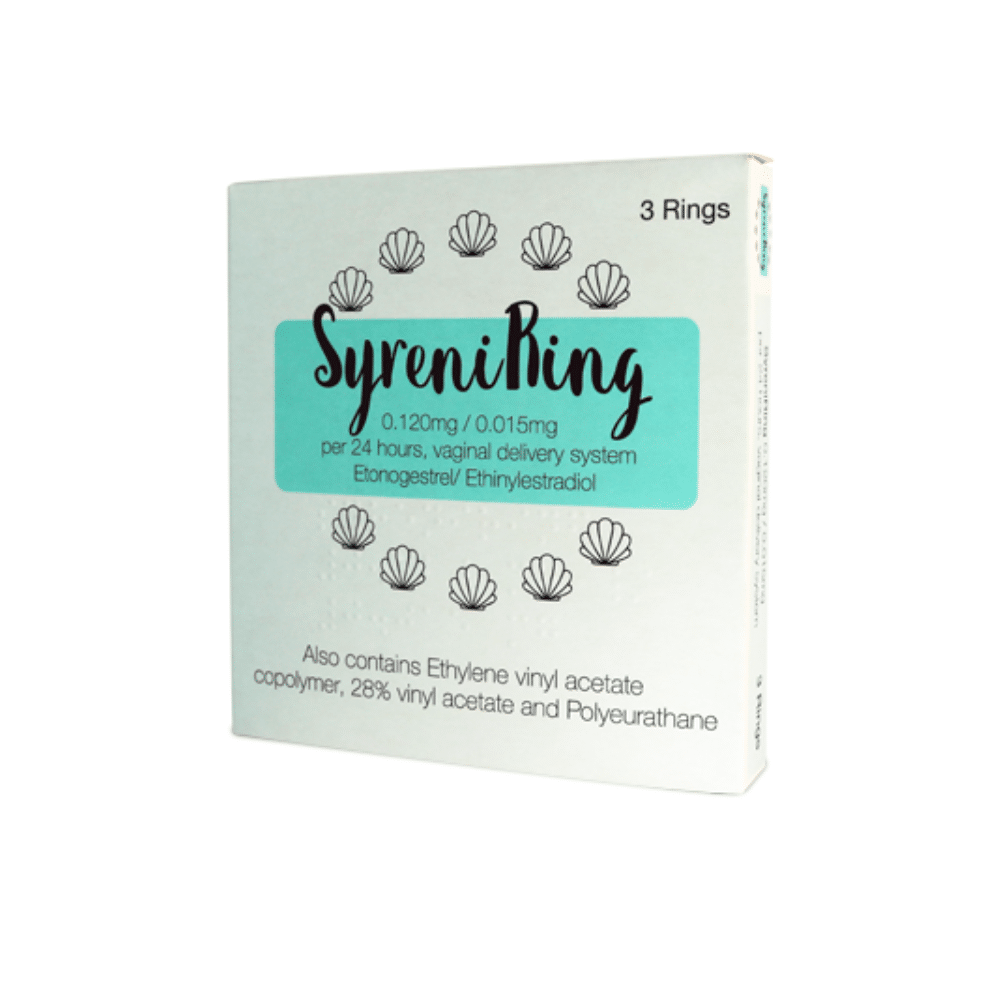
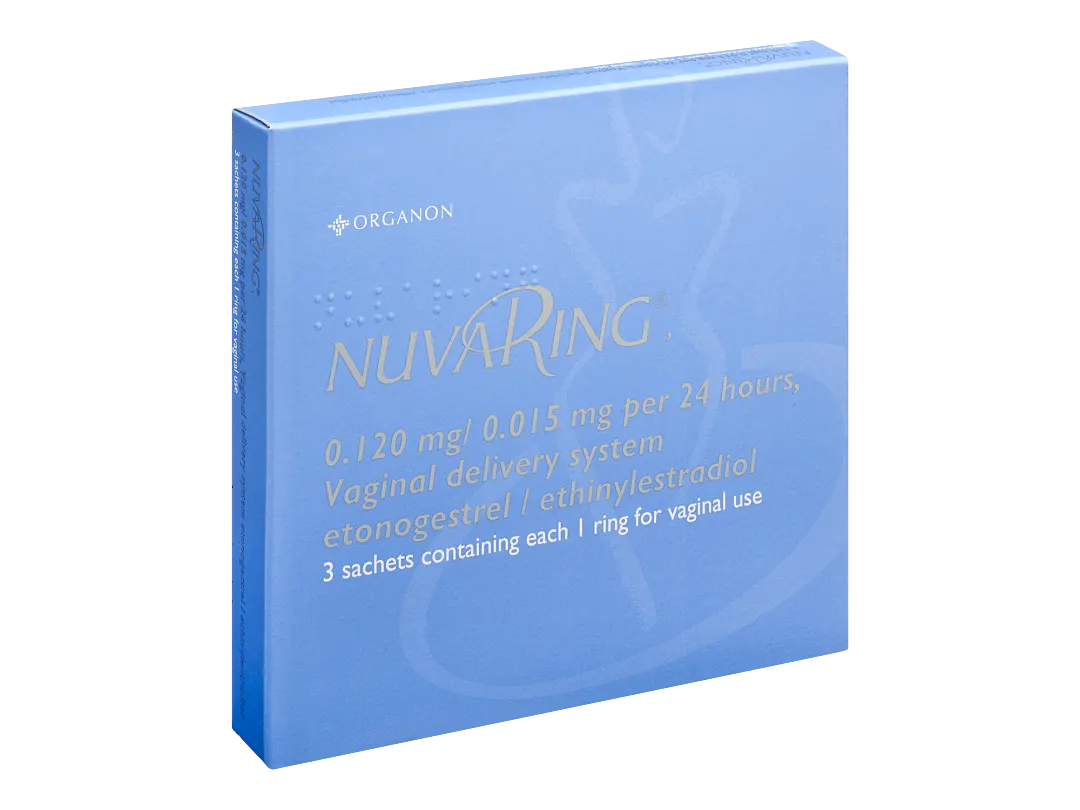
The contraceptive ring is a small, soft plastic ring that you insert into your vagina. It releases oestrogen and progesterone hormones. You wear it for 21 days, then remove it for 7 days during which you’ll usually have a withdrawal bleed.
How effective is the contraceptive ring?
The vaginal ring is over 99% effective with perfect use and about 91% effective with typical use. It’s as effective as the combined pill but easier to use because you only need to remember to change it once a month.
How does the contraceptive ring work?
The ring works in the same way as the combined pill – it prevents ovulation, thickens cervical mucus, and thins the womb lining. The hormones are absorbed through the vaginal wall into your bloodstream.
Side Effects of the Contraceptive Ring
Side effects are similar to the combined pill:
- Headaches
- Nausea
- Breast tenderness
- Mood changes
- Vaginal discharge or irritation
You might experience irregular bleeding in the first few months. Some women or their partners notice the ring during sex, though it can be removed for up to 3 hours without losing effectiveness.
Barrier Methods
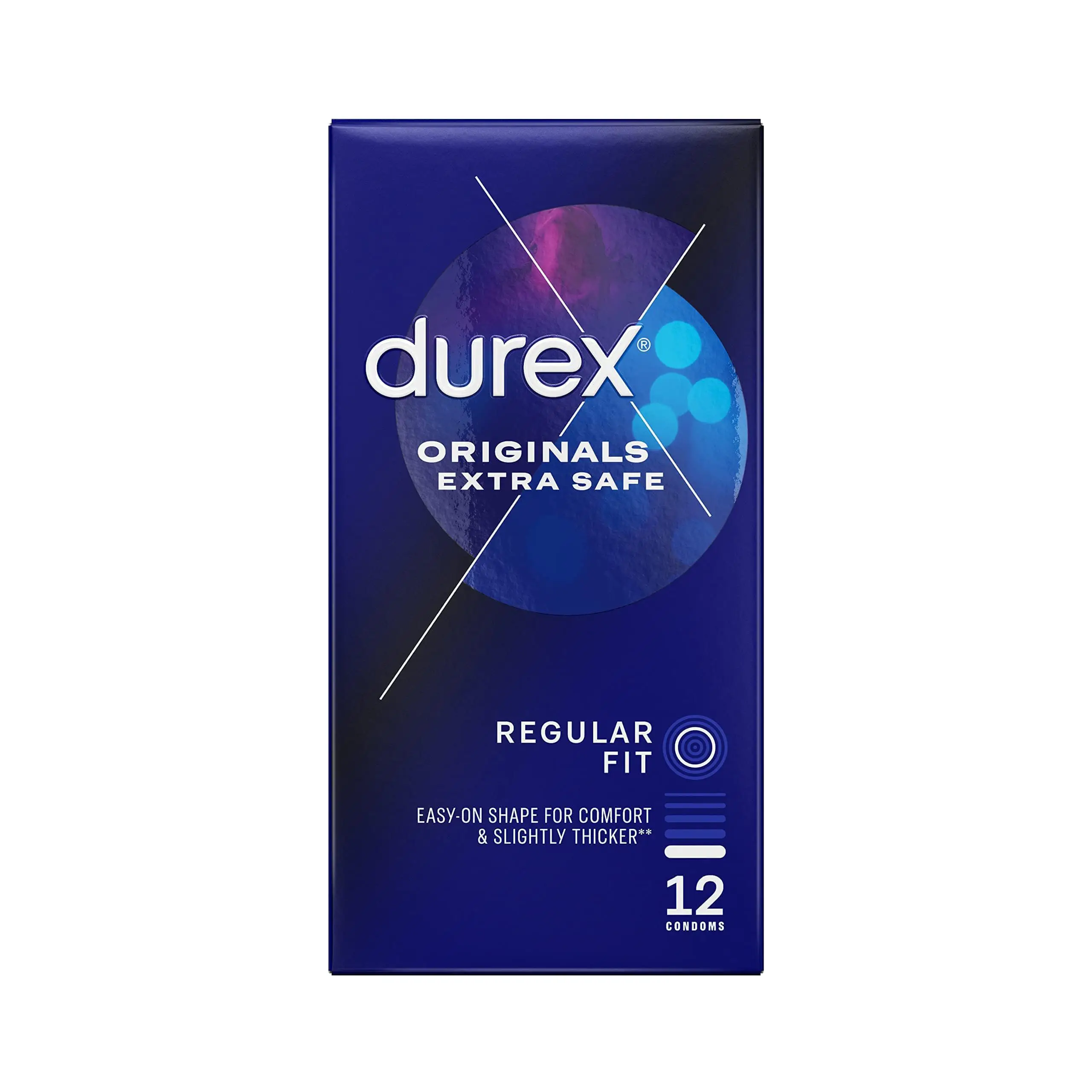
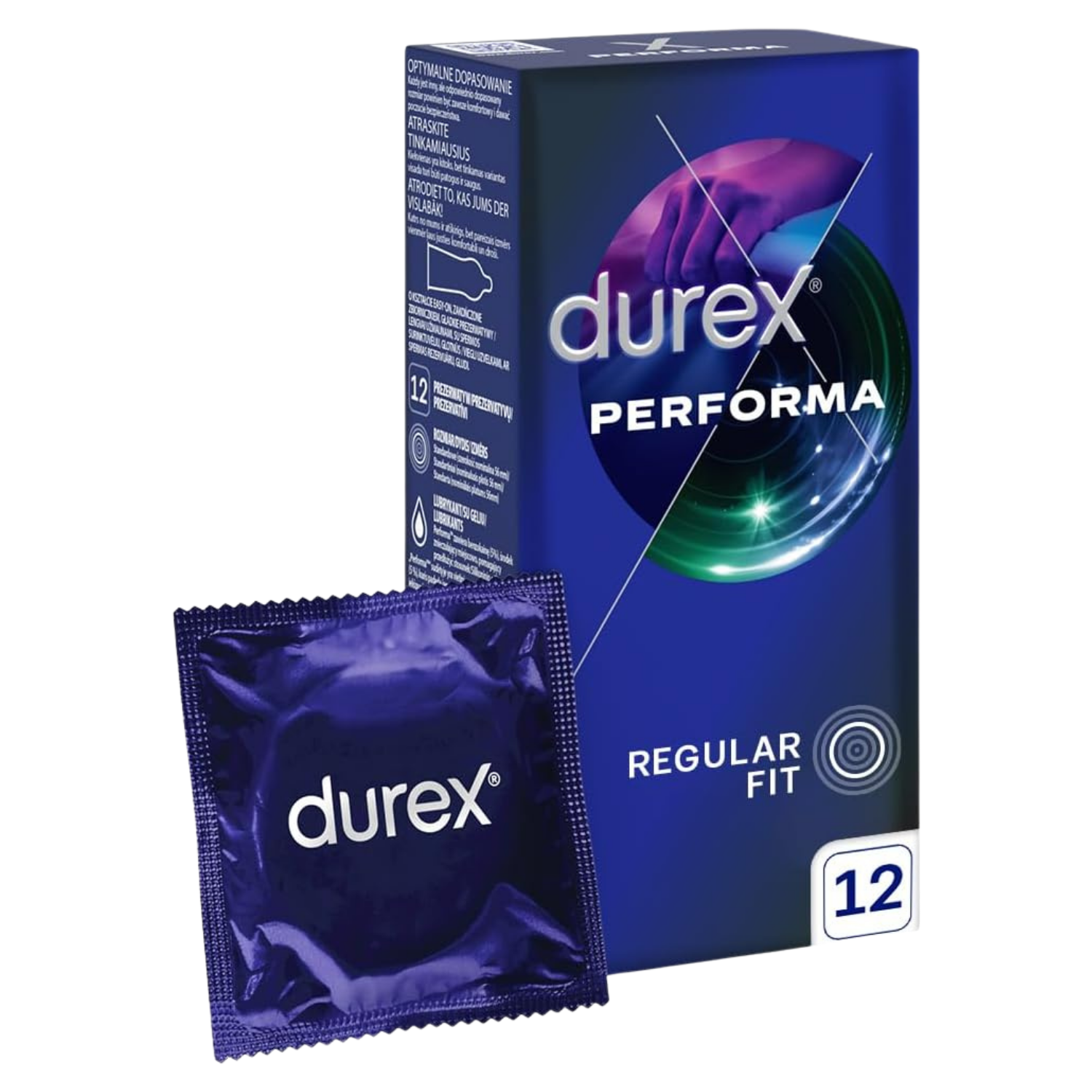
Barrier methods physically prevent sperm from reaching an egg. The most common barrier method is condoms, which are the only contraceptive that also protects against sexually transmitted infections. Diaphragms and caps are silicone domes inserted into the vagina before sex.
How effective are barrier methods?
Condoms are 98% effective when used perfectly, but only about 82% effective when used typically, as they can tear, slip off, or be applied incorrectly. Diaphragms and caps are 92-96% effective with perfect use and 71-88% effective with typical use.
How do barrier methods work?
Barrier methods create a physical barrier between sperm and egg, preventing fertilisation. Condoms catch semen and prevent it from entering the vagina, whereas diaphragms and caps cover the cervix to stop sperm from entering the womb.
Side Effects of Barrier Methods
Barrier methods rarely cause side effects. Some people have:
- Allergic reactions to latex (non-latex options are available)
- Irritation from spermicide (when used with diaphragms/caps)
- Increased risk of urinary tract infections (with diaphragms/caps)
Emergency Contraception
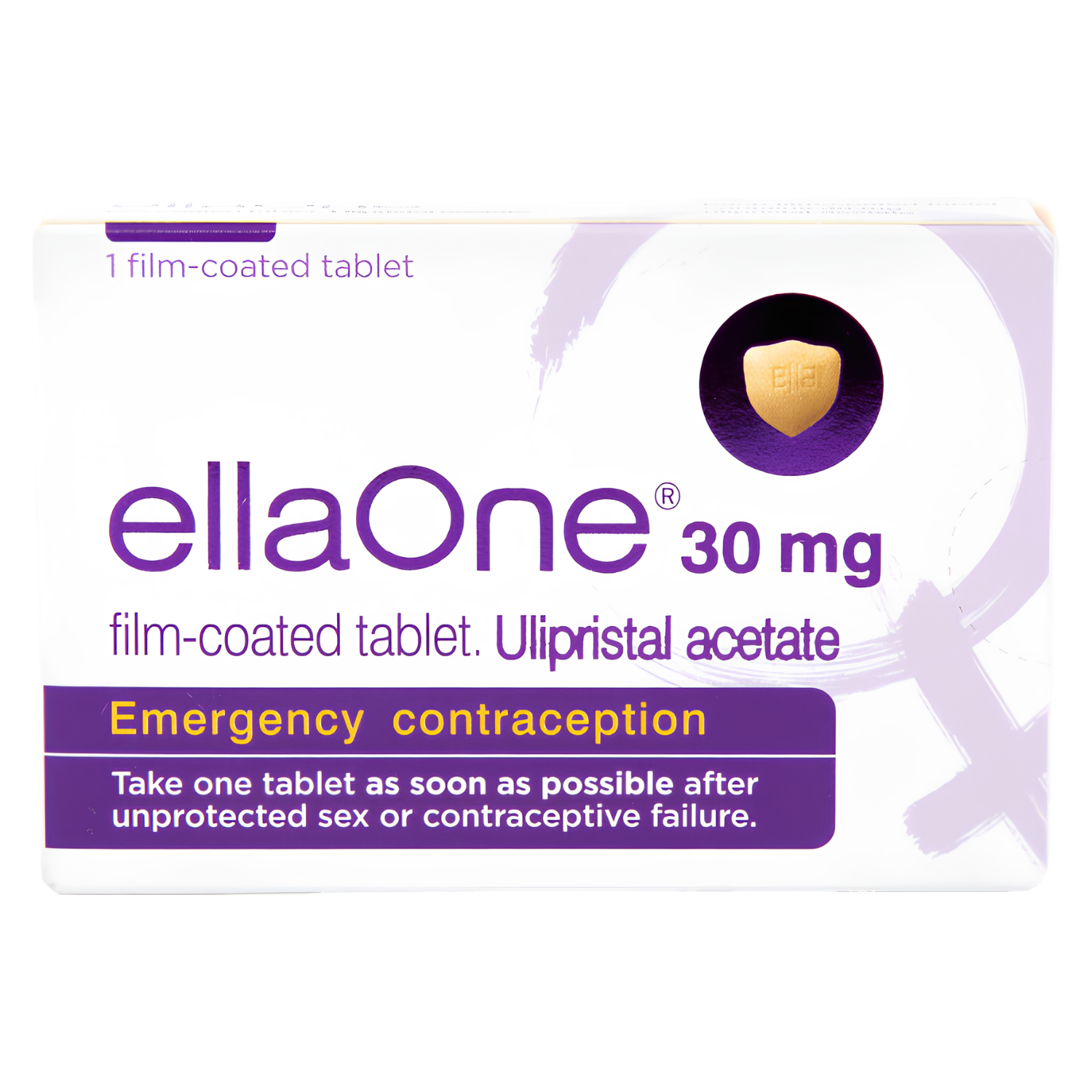
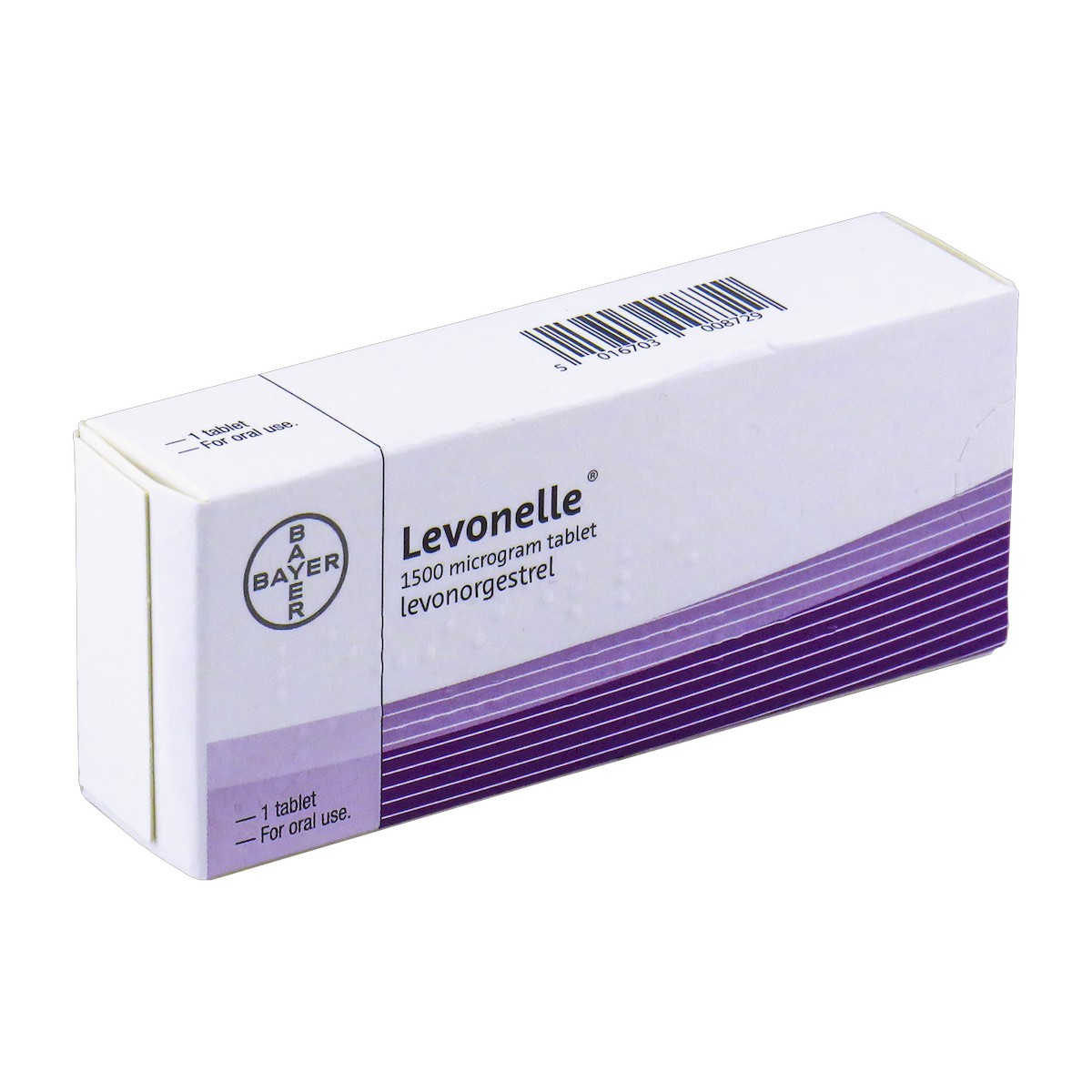
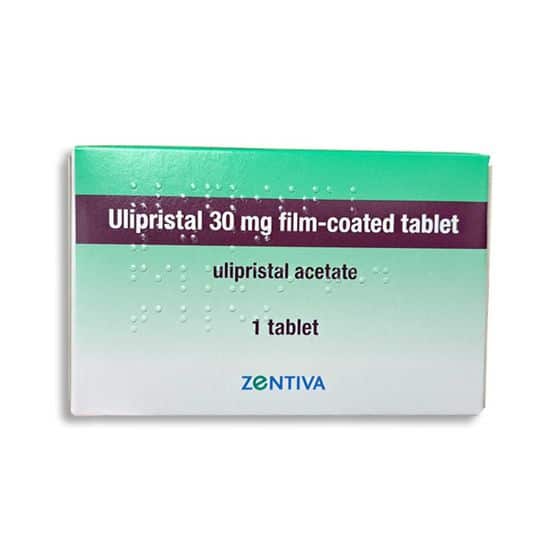
Emergency contraception is used after unprotected sex or if your regular contraception has failed. There are two types: the emergency contraceptive pill (also known as the morning after pill) and the emergency IUD (copper coil).
How effective is emergency contraception?
The emergency IUD is over 99% effective and is the most effective form of emergency contraception. Emergency contraceptive pills are 98-99% effective if taken within 24 hours, but effectiveness decreases the longer you wait. Levonorgestrel works up to 72 hours after unprotected sex, while ulipristal acetate works up to 120 hours.
How does emergency contraception work?
Emergency contraceptive pills work by delaying or preventing ovulation, whereas the emergency IUD prevents fertilisation and, if fertilisation has occurred, prevents the fertilised egg from implanting in the womb.
Side Effects of Emergency Contraception
Emergency contraceptive pills can cause:
- Nausea
- Headaches
- Tiredness
- Dizziness
Your next period might be earlier, later, or heavier than usual. The emergency IUD can cause cramping during insertion and irregular bleeding for the first few months.
Switching Contraception Methods
You might want to switch contraception methods if you’re experiencing side effects, your circumstances have changed, or you’ve found your current method doesn’t suit your lifestyle.
Switching from one hormonal method to another: You can usually start the new method immediately if you’ve been using your current method correctly, and you’ll be protected straight away.
Switching from a non-hormonal method to a hormonal method: Use additional contraception for 7 days with the combined pill or 2 days with the progestogen-only pill.
Important: If you’re removing long-acting contraception and don’t want to start a new method immediately, use condoms or abstain from sex for at least 7 days before removal. Sperm can survive in your body for up to 7 days.
When Contraception Fails
The pill can fail if:
- You’ve missed tablets or taken them late
- You’ve vomited within 2 hours of taking a pill
- You’ve had severe diarrhoea
- You’re taking certain medications (some antibiotics, St John’s Wort)
Condom failure: Condoms can split, tear, or slip off during sex. Check the condom before and after sex.
Long-acting methods: The implant, IUS, or IUD very rarely fail. If you think you might be pregnant while using one of these methods, take a pregnancy test and seek medical attention immediately.
Late contraceptive injection: If you’ve been late for your injection, you’re not protected. Use additional contraception and consider emergency contraception if you’ve had unprotected sex.
Emergency contraception is available if your regular contraception has failed. The sooner you take it, the more effective it is.