




What is an eye infection?
An eye infection can happen when bacteria, viruses, or other irritants affect your eye or the area around it. This can cause redness, soreness, discharge, or sticky eyes.
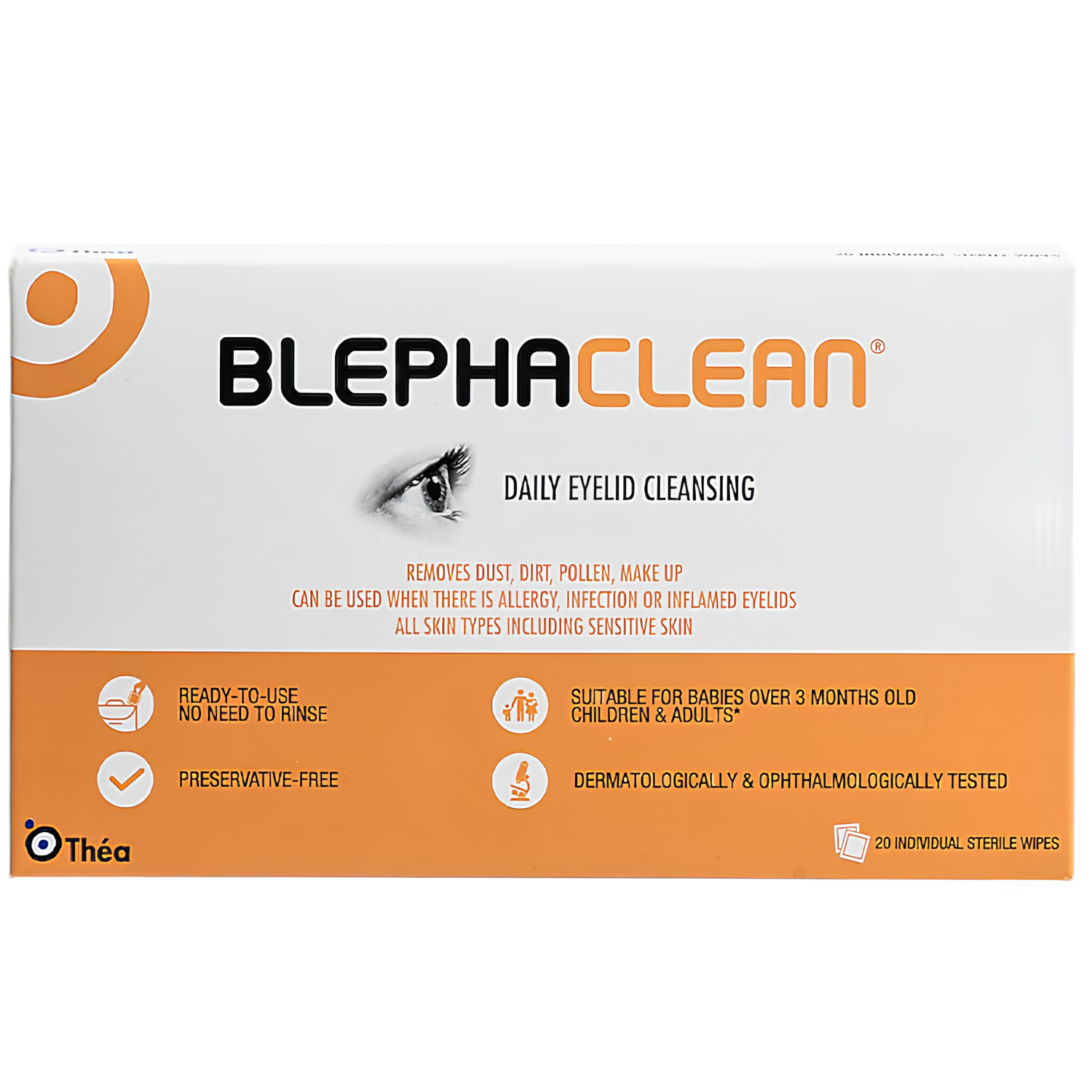
Some eye infections settle on their own, but others need eye infection treatment to help clear the infection and protect your eye. Common eye infections treated through our clinic include conjunctivitis and blepharitis.
Eye Infection Symptoms
Eye infections can affect people in different ways, but there are some signs to look out for. Symptoms may affect one eye or both and can range from mild irritation to more noticeable discomfort.
Common symptoms of an eye infection include:
- Red or bloodshot eyes
- Itching, burning, or soreness
- Sticky discharge, especially after sleep
- Watery eyes
- Swollen or irritated eyelids
- A gritty or uncomfortable feeling in the eye
- Sensitivity to light
What causes an eye infection?
Eye infections are common and usually easy to treat, but they should not be ignored. Getting the right eye infection treatment early helps prevent symptoms from lingering or getting worse.
Red eyes can be caused by:
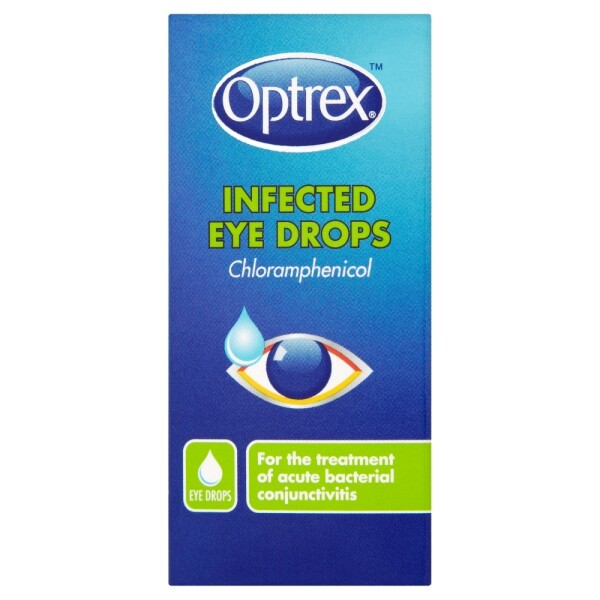
- Bacterial infections – These are a common cause of eye infections and often lead to redness, swelling, and sticky discharge. Bacterial eye infections usually need prescription eye drops for eye infection to clear the infection fully.
- Viral infections – Often linked to colds or flu, viral eye infections can cause watery, irritated eyes and may clear without prescription treatment.
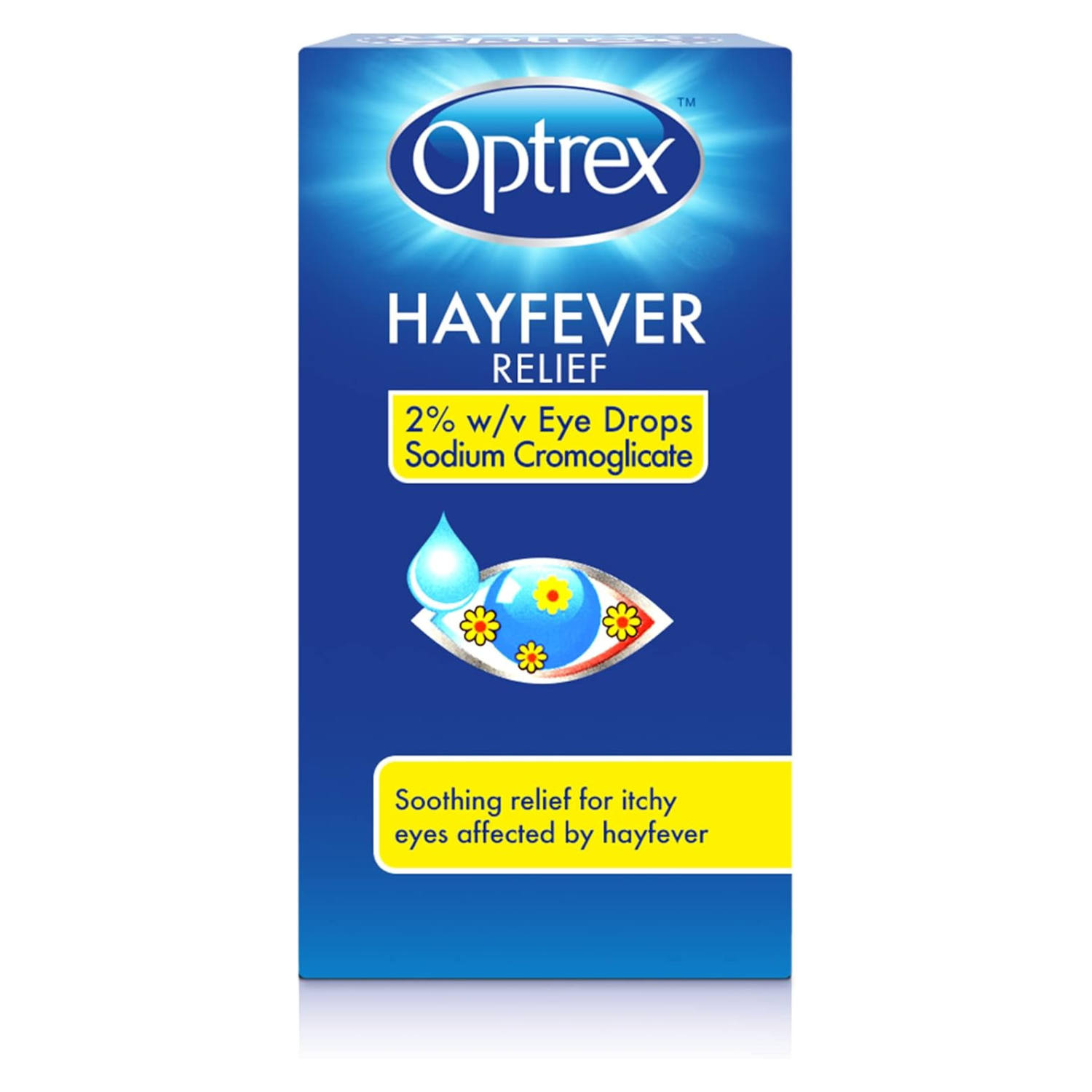
- Allergies and hay fever – Pollen, dust, and pet hair can irritate the eyes, causing redness, itching, and watering. Rubbing irritated eyes can increase the risk of infection.
- Dry eyes and screen use – Long periods of screen time can dry out the eyes, making them sore and more prone to irritation and infection.
- Touching or rubbing your eyes – Germs can easily spread to the eye through unwashed hands.
- Contact lens use – Wearing lenses for too long, sleeping in them, or poor cleaning can increase the risk of infection.
- Blocked eyelid glands – This can lead to conditions like blepharitis or styes, causing sore or swollen eyelids.
- Sharing towels or eye products – Towels, pillows, and makeup can spread infection from person to person.
Eye Infection Treatment Options
Eye infection treatment depends on the cause of your symptoms. Some mild infections can be managed with non-prescription eye drops for infection, while others need prescription eye drops for eye infection to clear the problem properly.
Non-Prescription Eye Drops
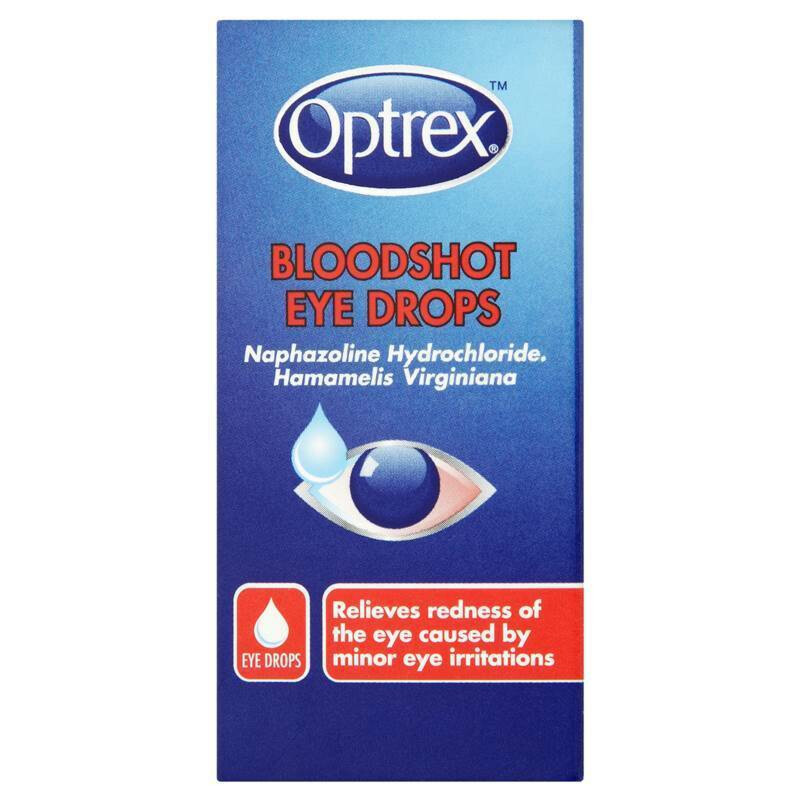
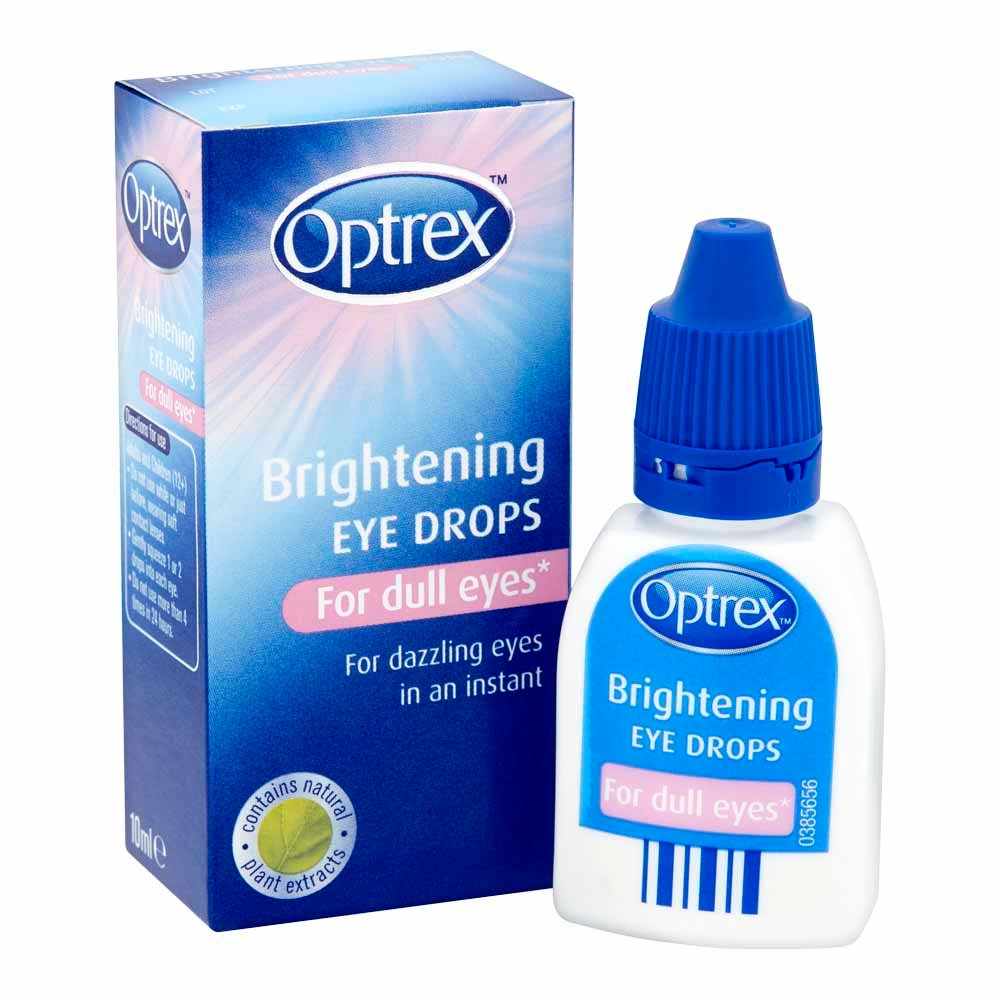
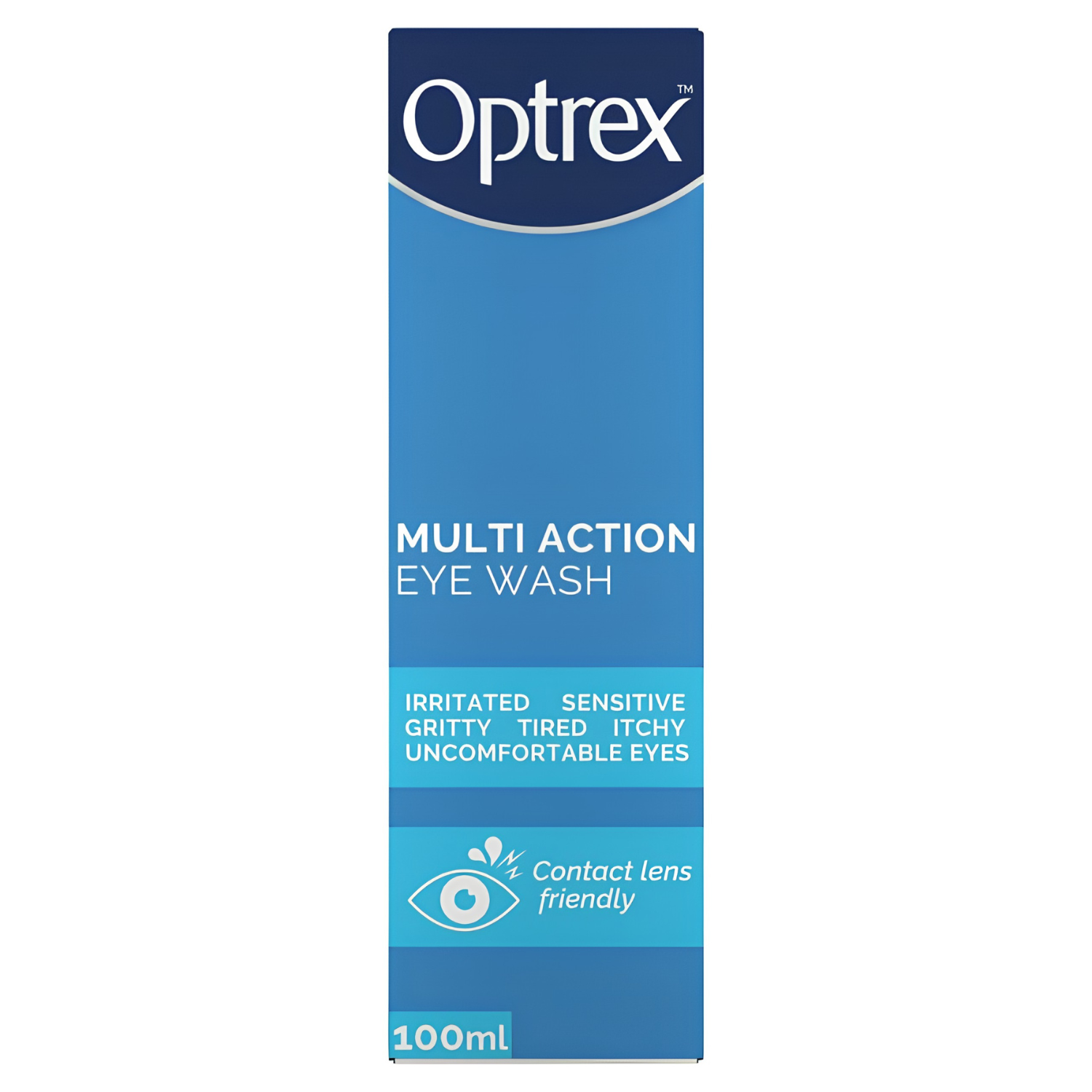
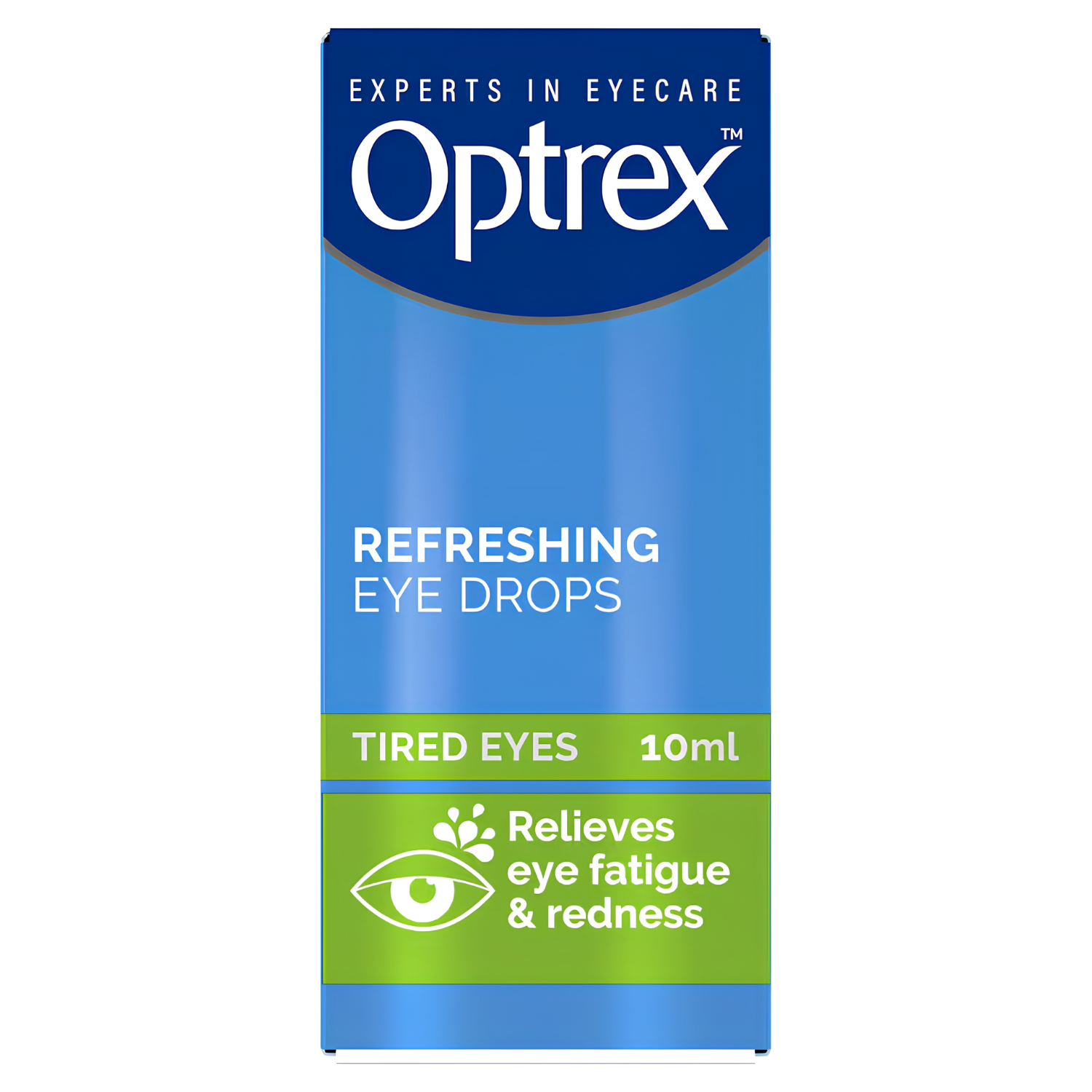
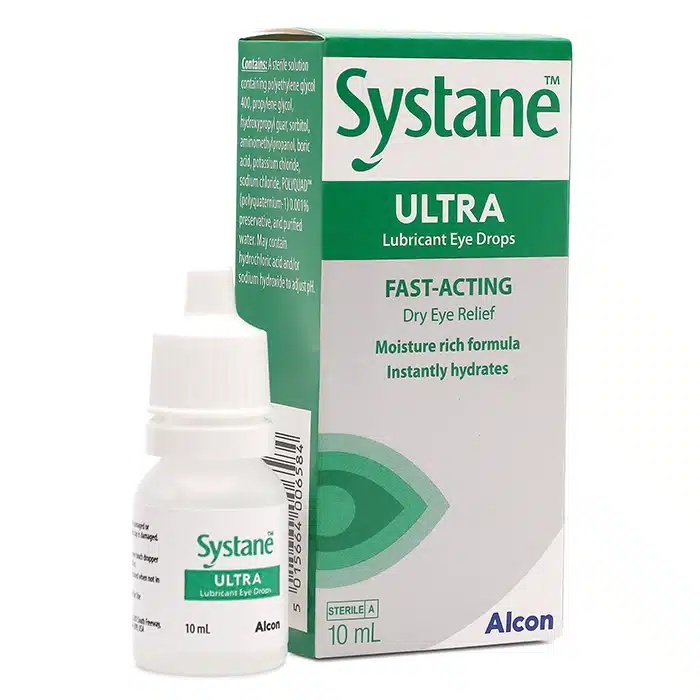
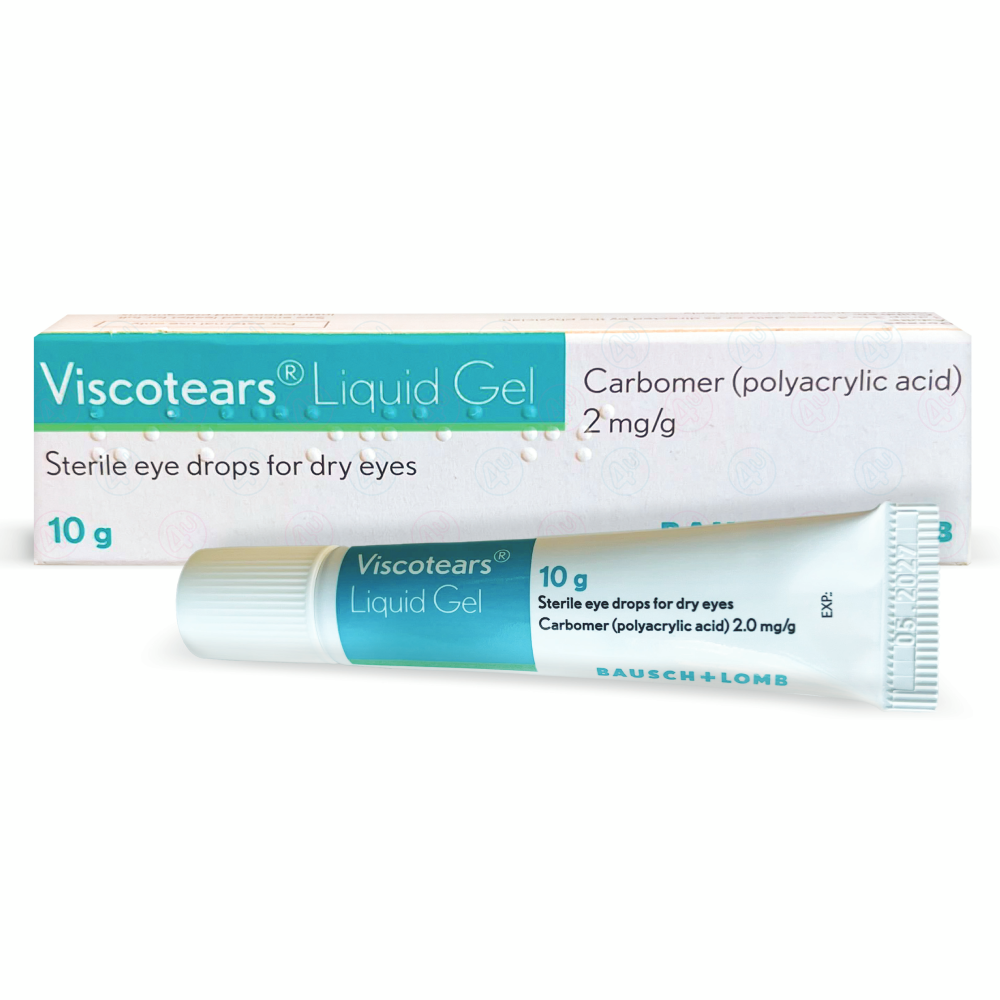
Non-prescription eye drops can help ease symptoms and support recovery from mild eye problems. Lubricating eye drops like Optrex Refreshing Eye Drops or Viscotears Gel help soothe irritation, reduce dryness, and wash away irritants. These are often suitable for eyes affected by allergies, hay fever, or long periods of screen use.
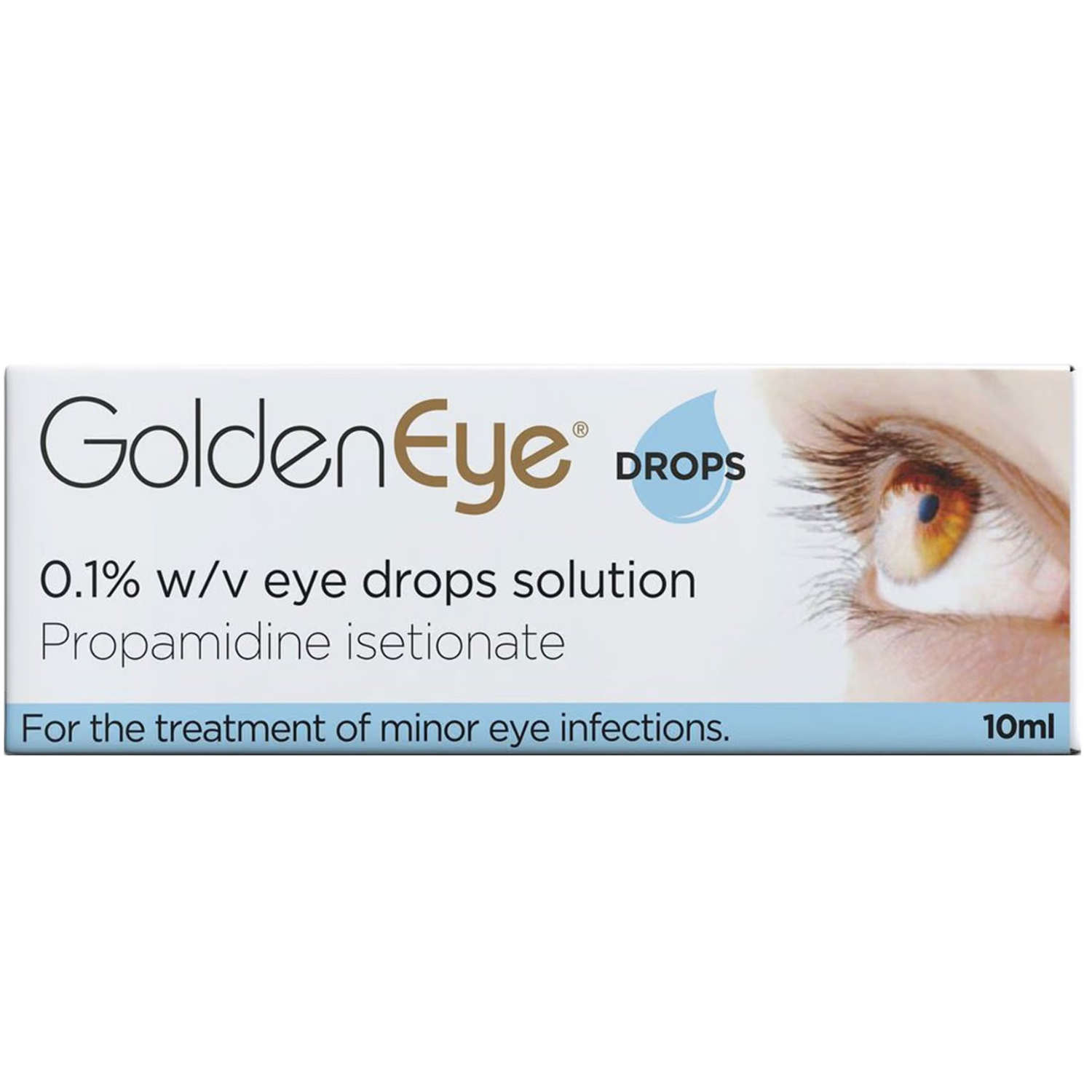
For mild eye infections, over-the-counter treatments like Golden Eye Drops or Brolene Eye Drops may help relieve redness, soreness, and sticky discharge.
Prescription Eye Drops
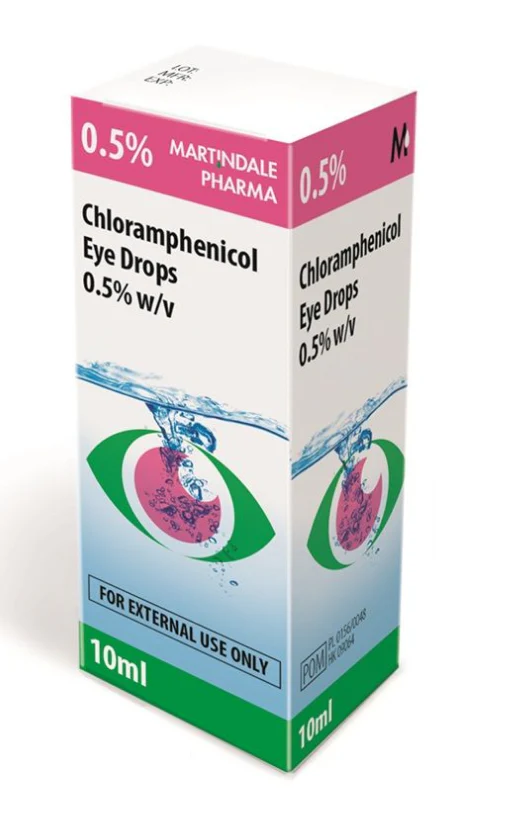
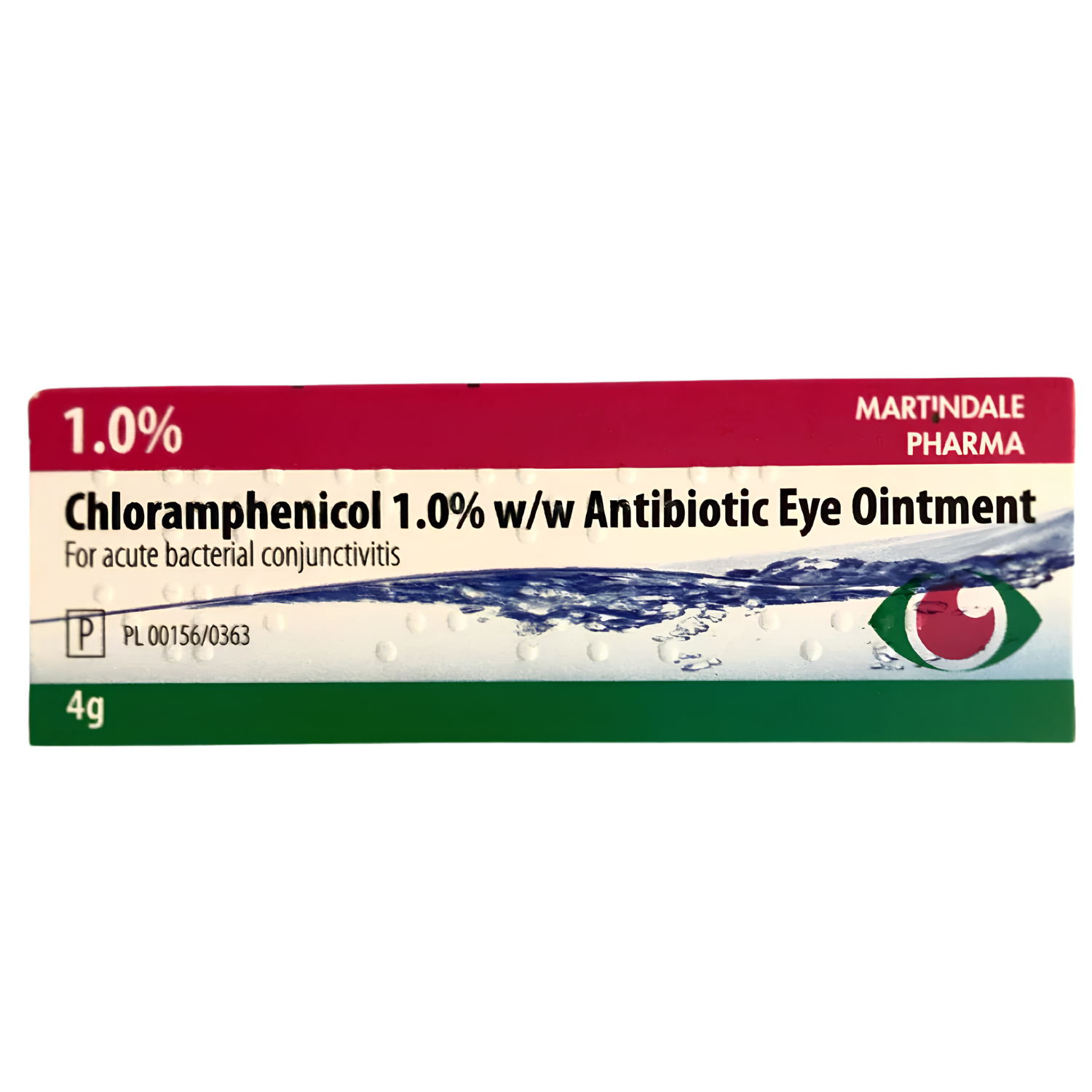
Prescription products like Azyter Eye Drops are often needed for bacterial eye infections. These treatments work directly in the eye to clear the infection and help reduce symptoms like redness, swelling, pain, and sticky discharge.
After a short online consultation, our pharmacy team will assess your symptoms and decide if prescription eye drops for eye infection are suitable. If approved, your treatment will be supplied safely and delivered discreetly to your home.
How to Manage an Eye Infection & Prevent Spread
If you have an infected eye, it’s important to take care to stop it from spreading to the other eye or to other people. Bacterial eye infections are highly contagious, but with a few simple steps, you can reduce the risk of passing it on.
- Wash your hands often, especially before and after touching your eyes
- Avoid rubbing your eyes, even if they feel sore, itchy, or sticky
- Use a separate tissue or cotton pad for each eye when cleaning discharge
- Always clean the unaffected eye first, then the infected eye
- Do not use eye makeup on the infected eye, and never use the same mascara wand, eyeliner, or brushes on the other eye
- Avoid sharing towels, pillows, flannels, eye masks, or sunglasses
- Wash pillowcases and bedding regularly while the infection is present
- Avoid wearing contact lenses until the infection has fully cleared
- Keep eye drop bottles clean and avoid touching the tip to your eye or skin