








What is a Chesty Cough?
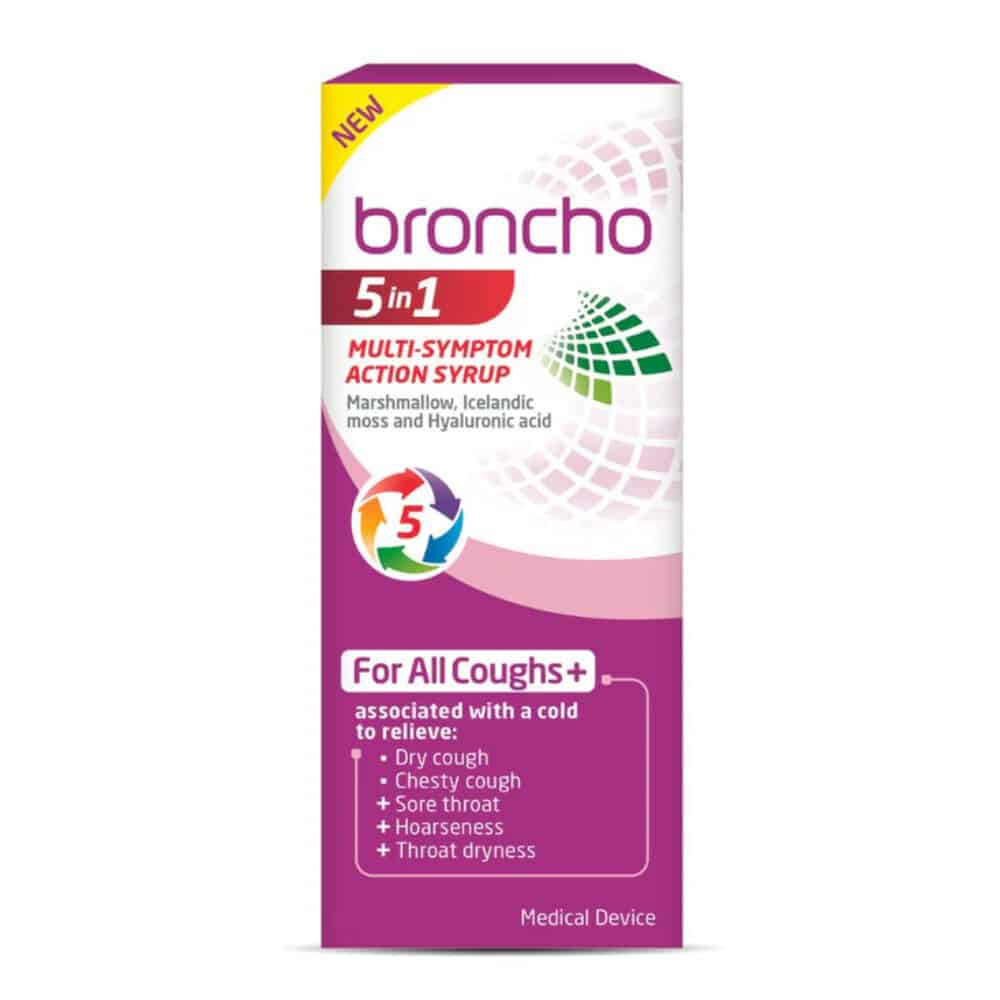
A chesty cough, or productive cough, is when your body tries to clear mucus or phlegm from your chest and airways. Unlike a dry cough (also known as a tickly cough), a chesty cough produces mucus you can usually feel moving in your chest or throat.
This type of cough is your body’s natural way of clearing out irritants, infections, or excess mucus from your respiratory system. While it can be uncomfortable and persistent, it serves an important purpose by helping to clear your airways.
What Causes a Chesty Cough?
Chesty coughs are most commonly caused by respiratory infections like the common cold and flu or chest infections such as bronchitis. When you have an infection, your body produces extra mucus to help trap and remove germs from your airways.
Other causes include:
- Smoking or exposure to secondhand smoke
- Air pollution or irritants in the environment
- Allergies that cause increased mucus production
- Chronic conditions like asthma or chronic obstructive pulmonary disease (COPD)
- Post-nasal drip from sinus infections
In most cases, a chesty cough from a cold or flu will clear up on its own within a few weeks as your body fights off the infection.
Symptoms of Chesty Coughs
The main sign of a chesty cough is producing mucus when you cough. This mucus can vary in colour from clear to white, yellow, or green, depending on what’s causing your cough.
Other symptoms you might experience include:
- A rattling or bubbling sound when you breathe
- Feeling congested or heavy in your chest
- The need to clear your throat frequently
- Coughing fits, especially in the morning
- Shortness of breath or wheezing
- Chest discomfort or tightness
- Sore throat
The colour of your mucus can give clues about what’s happening – clear or white mucus is usually from a viral infection, while yellow or green mucus might indicate a bacterial infection.
Chesty Cough Treatments
The goal of treating a chesty cough is to help loosen and clear phlegm from your airways, making it easier to cough up and providing relief from congestion.
Expectorants
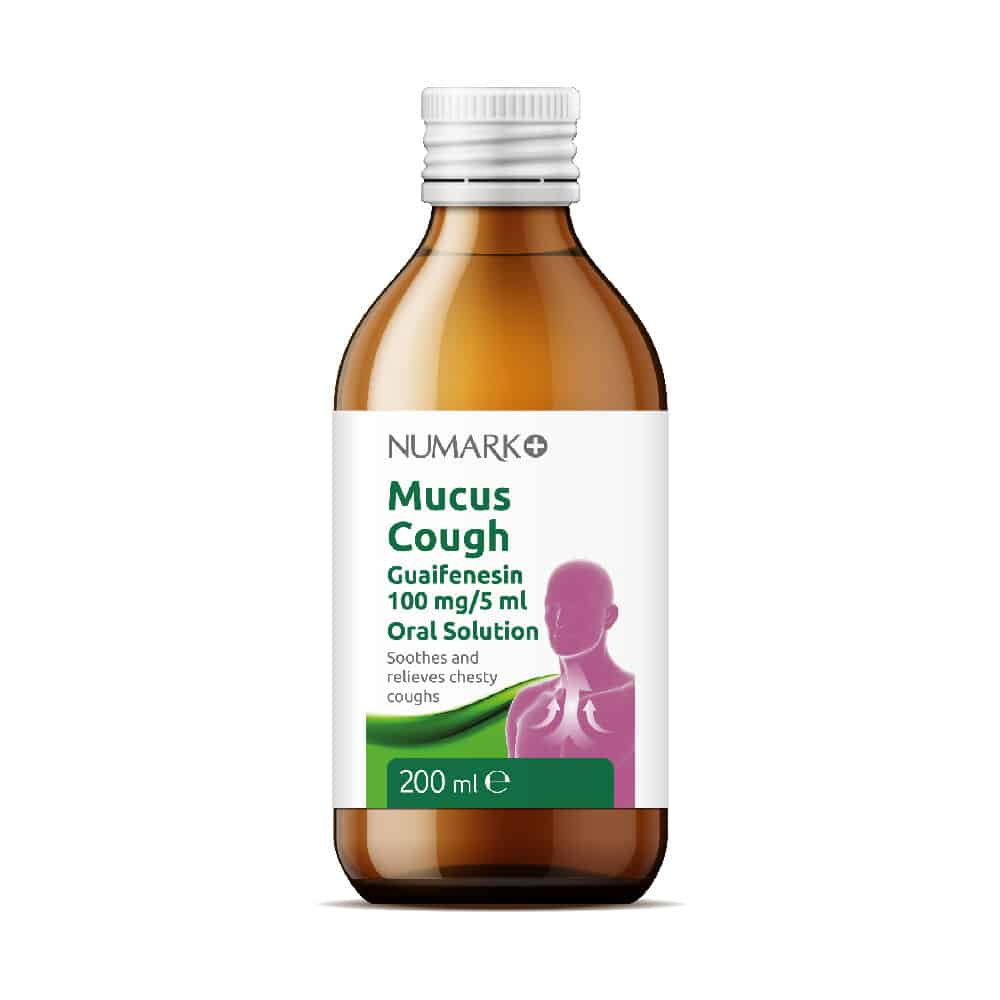
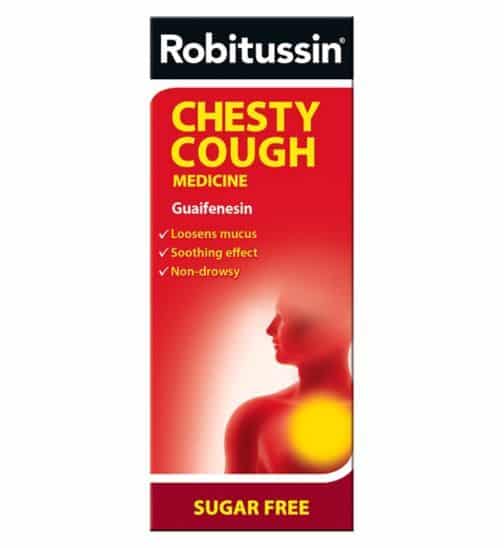
Expectorants work by thinning the secretions in your airways, making it easier to cough up and clear from your chest. These medications help your body’s natural clearing process work more effectively.
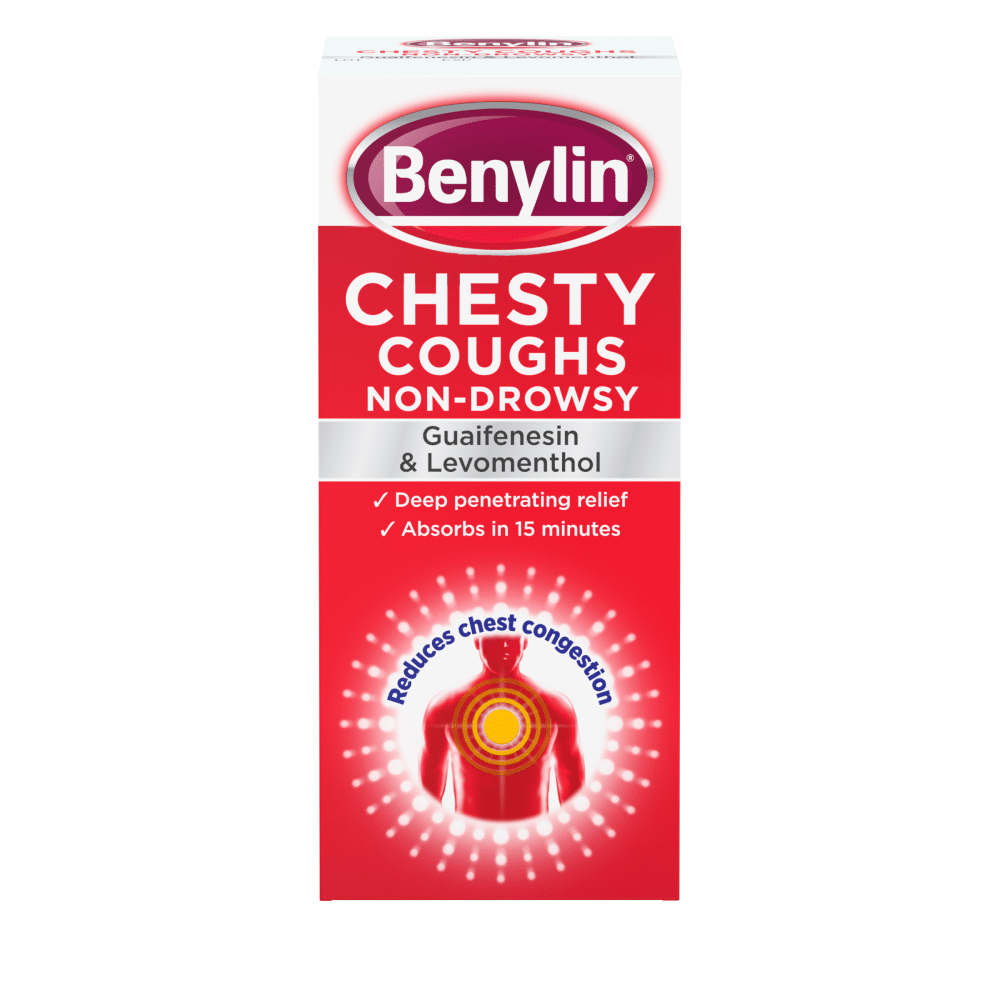
Guaifenesin is the most common expectorant available and can be found in many cough medicines. It helps reduce the thickness of what you’re coughing up, making your cough more productive and less straining. This ingredient works by increasing the amount of fluid in your airways, which helps loosen chest phlegm.
Combination Treatments
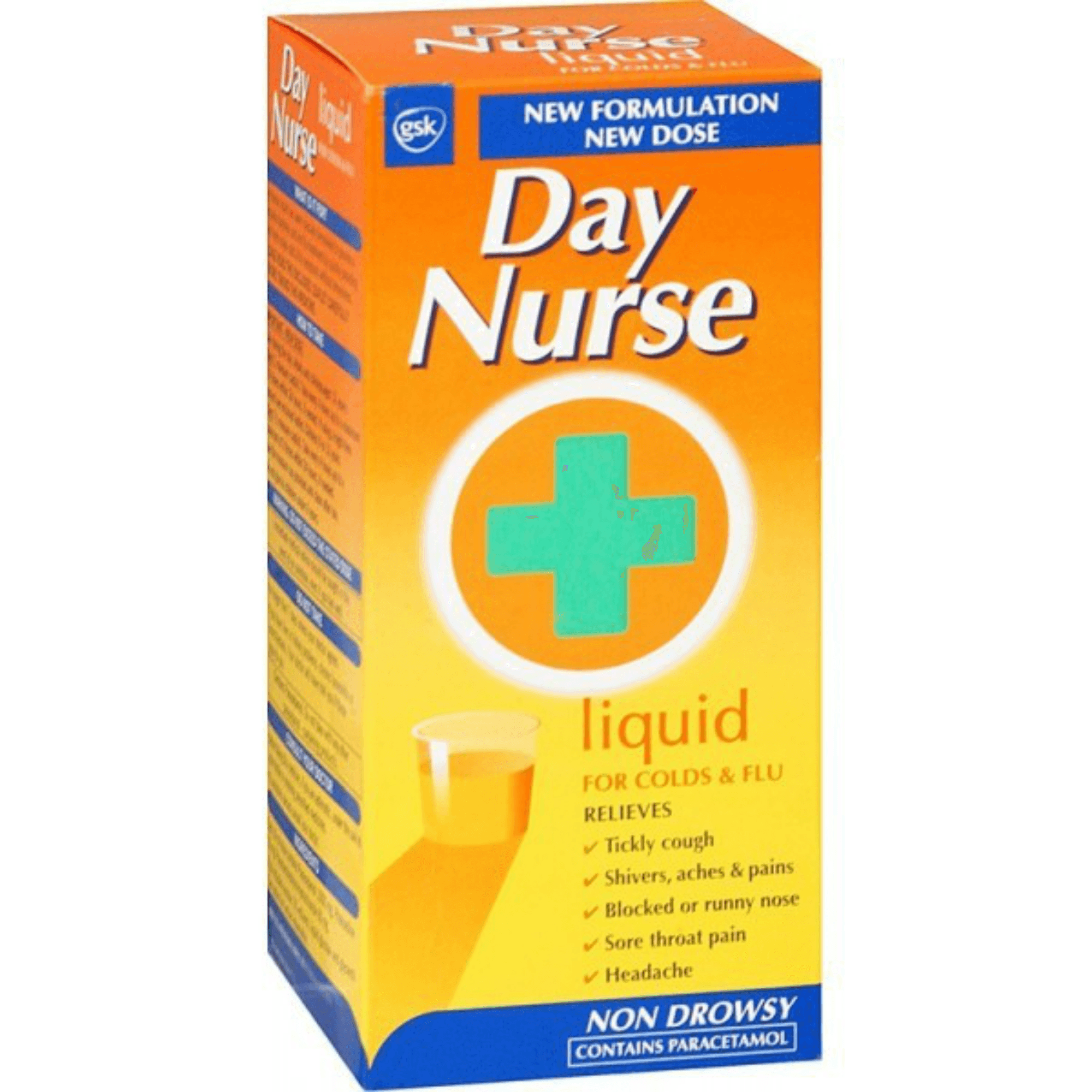
Many treatments combine different active ingredients to tackle multiple symptoms at once, providing more complete relief when your chesty cough comes with other cold and flu symptoms.
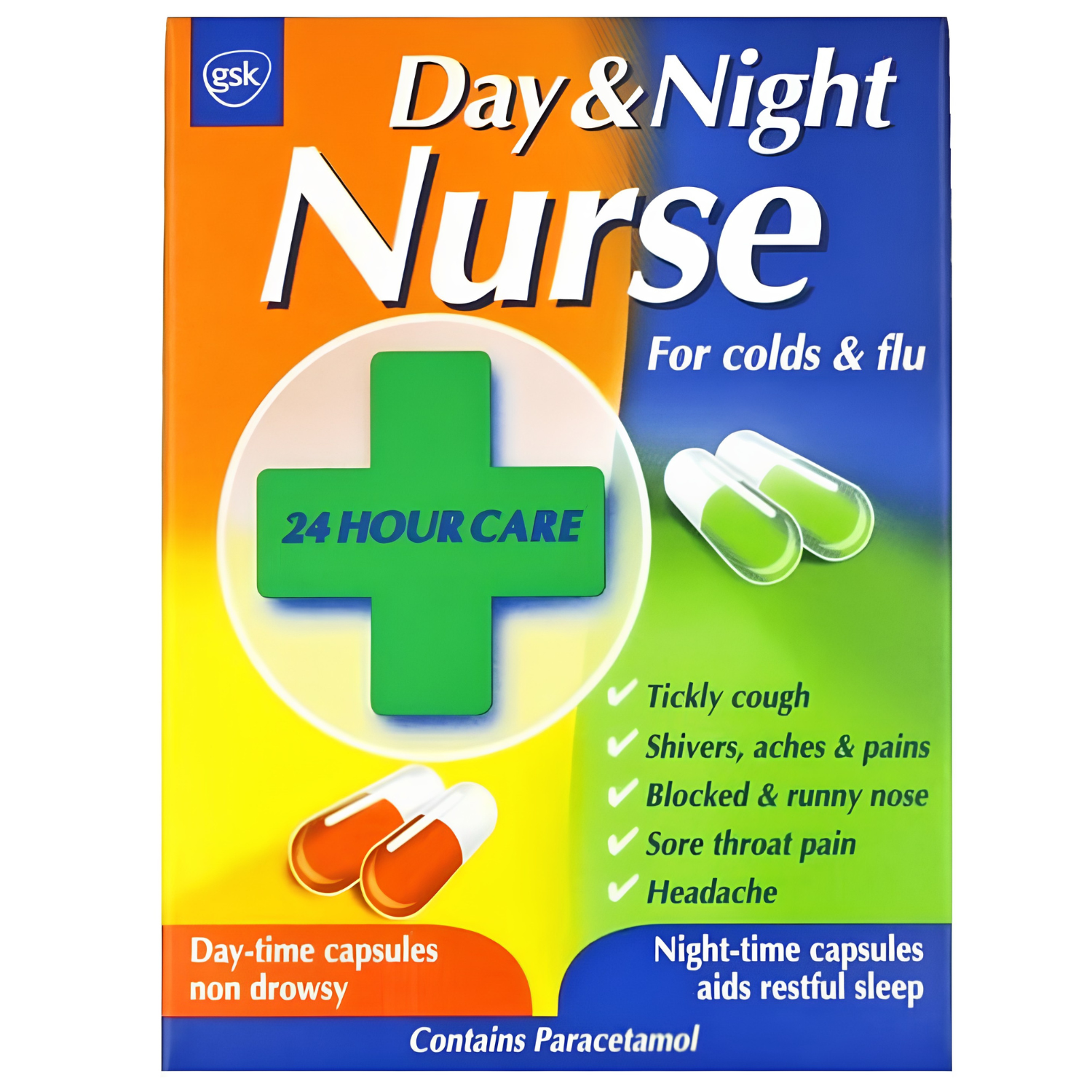
Paracetamol is often included as a pain reliever and fever reducer, helping with headaches, body aches, and temperature when you’re unwell, alongside your cough.
Phenylephrine Hydrochloride is a decongestant that helps unblock your nose and sinuses, making it easier to breathe when you have congestion and a chesty cough.
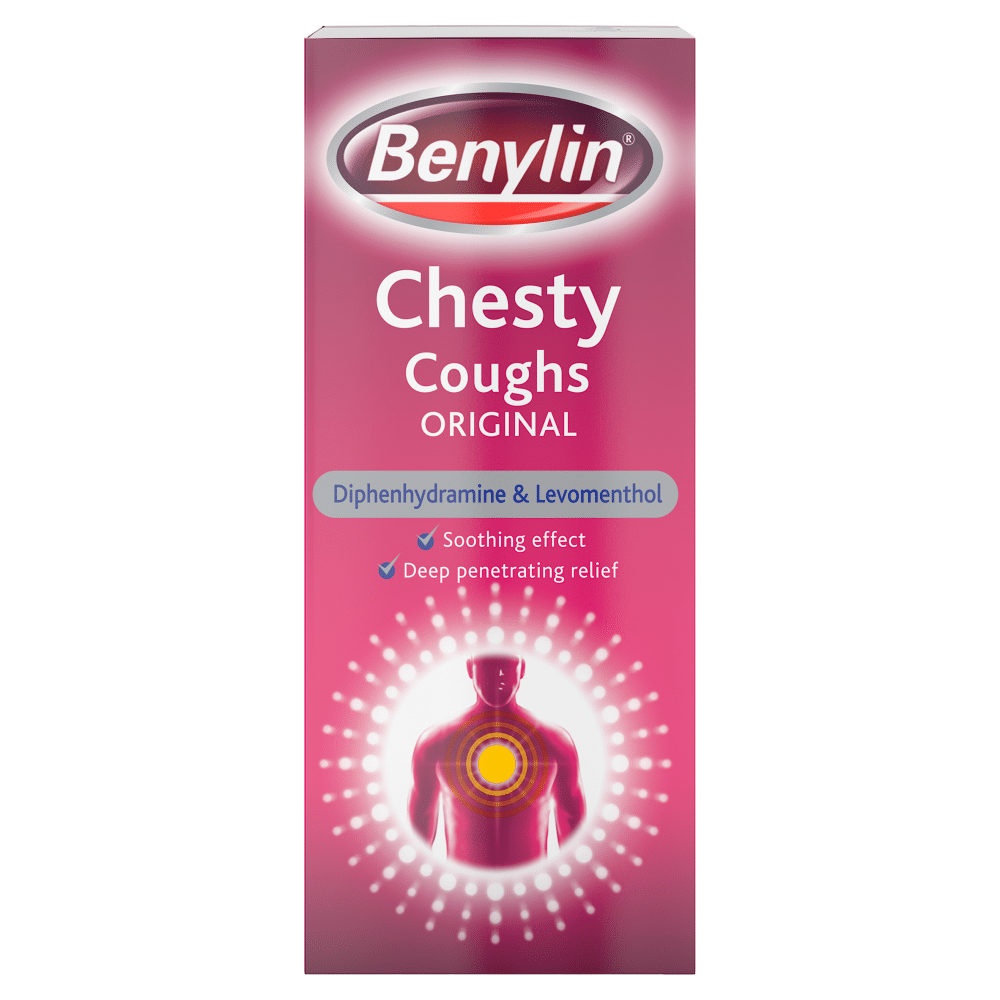
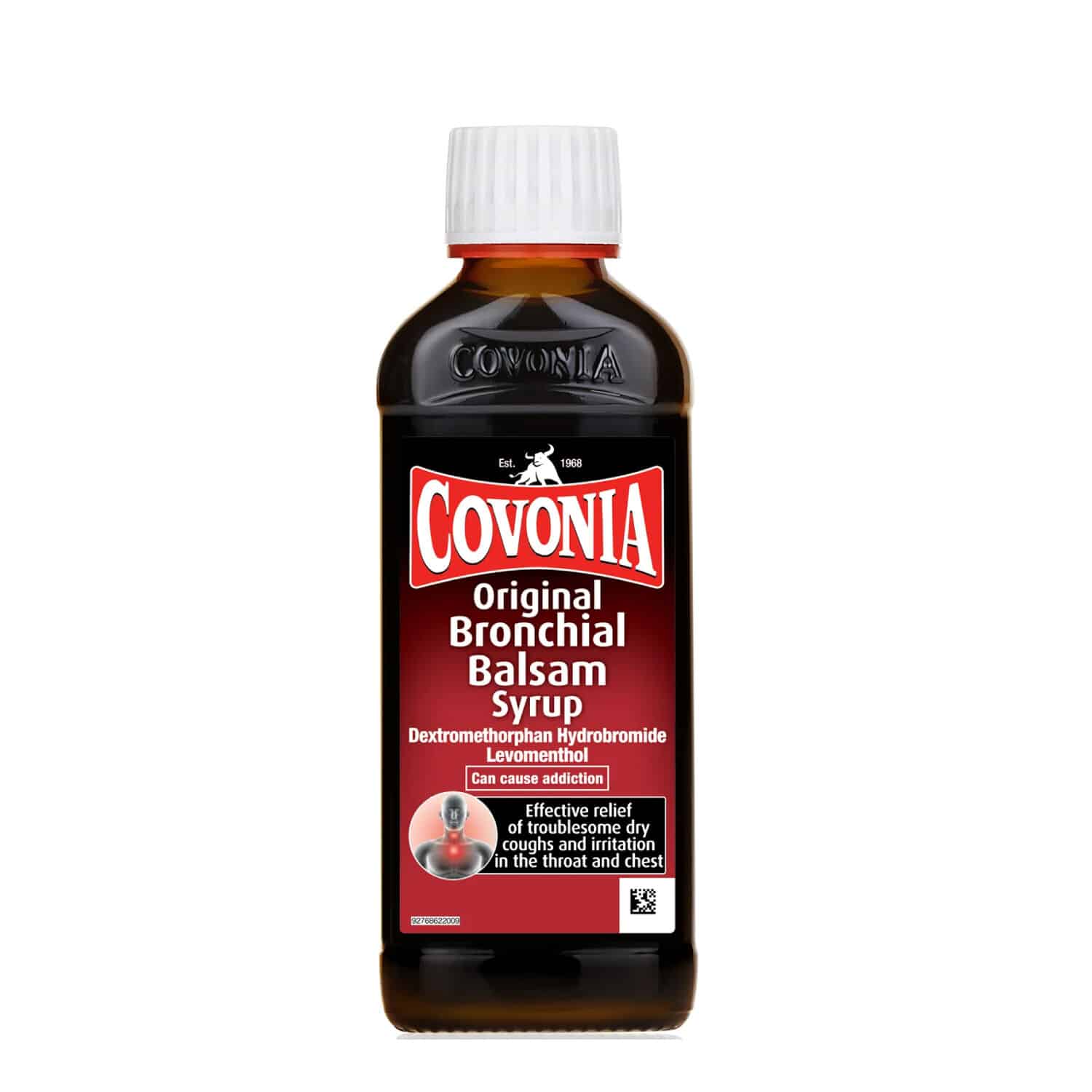
Levomenthol provides a cooling, soothing sensation and can help ease congestion, making you feel like you can breathe more easily.
Night-Time Relief
Some treatments are designed for evening use to help you rest better while managing your cough.
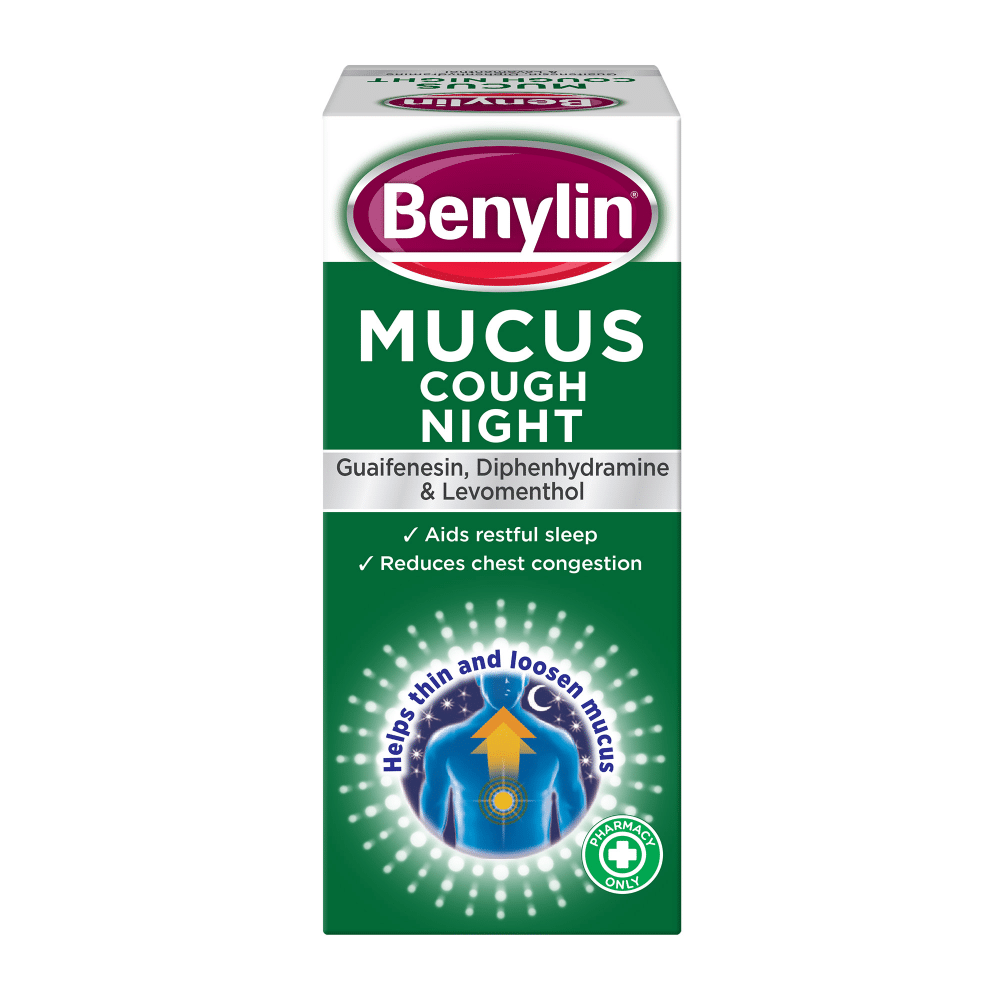
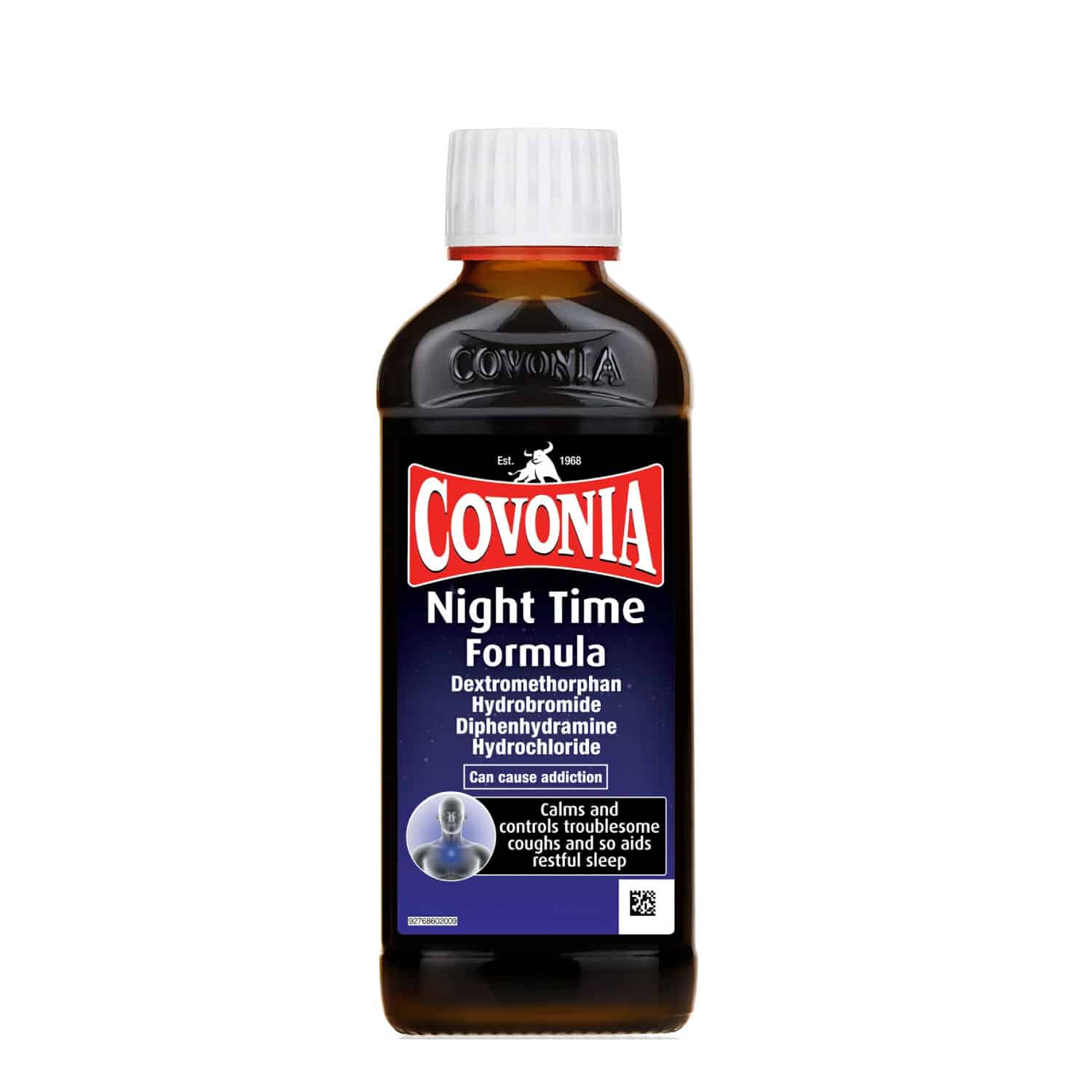
Diphenhydramine is an antihistamine that can help reduce coughing while also having a sedating effect to aid sleep. This is particularly useful when a persistent cough keeps you awake at night.
When to Use Each Treatment
- For straightforward chesty coughs with phlegm, simple expectorants containing guaifenesin work well
- If your cough comes with other cold symptoms like headaches, blocked nose, or fever, combination treatments with multiple active ingredients provide broader relief
- For nighttime coughing that’s disrupting sleep, treatments containing diphenhydramine can help both the cough and aid rest
- When congestion is a major issue alongside your cough, treatments with menthol provide additional soothing relief
When to Speak to Your GP
While most coughs clear up on their own, you should contact your GP if:
- Your cough lasts longer than 3 weeks
- You’re coughing up blood or pink-tinged mucus
- You have chest pain or difficulty breathing
- You develop a high fever alongside your cough
- Your symptoms are getting worse rather than better
- You have underlying health conditions like asthma or COPD
If you experience severe breathing difficulties or chest pain, seek immediate medical attention.