
What is Athlete’s Foot?
Athlete’s foot (also called tinea pedis) is a common fungal infection that mostly affects the skin on your feet. It often begins between your toes and can cause the skin to feel itchy, dry, or sore. Sometimes the skin can crack or peel, which can be uncomfortable.
Although it isn’t serious, athlete’s foot can be unpleasant if left untreated. It can also spread to other parts of your body, like your toenails or hands, so treating it early helps stop it from getting worse.
What causes Athlete’s Foot?
Athlete’s foot is caused by a group of fungi called dermatophytes. These fungi feed on a protein in your skin called keratin and grow best in warm, moist conditions, which makes your feet an ideal place for them to develop.
You can catch athlete’s foot through direct contact with an infected person or by touching contaminated surfaces, like floors, towels, or shoes. It can also spread from one foot to the other, or to your hands if you scratch or touch the affected area.
You’re more likely to get athlete’s foot if you:
- Wear tight or non-breathable footwear
- Wear sweaty socks for long periods
- Walk barefoot in public showers, swimming pools, or communal changing rooms
- Have a weakened immune system
- Don’t dry your feet properly after washing
Athlete’s Foot Symptoms
The symptoms of athlete’s foot can vary depending on how severe the infection is, but it usually affects the skin between your toes or on the soles of your feet.
Common signs of athlete’s foot include:
- Itchy, burning, or stinging skin between the toes
- Red, dry, scaly or flaky patches on the feet
- Cracked or peeling skin, often between the smallest toes
- White, soggy-looking skin that may feel soft or spongy
- Unpleasant foot odour
- In more severe cases, blisters or oozing skin
If left untreated, the infection can spread to your toenails or other parts of your body, like your hands or groin. Treating symptoms early helps prevent this and clears the infection more quickly.
Athlete’s Foot Treatment
Athlete’s foot is easily treated with antifungal medicines, which cure the infection and stop it from spreading. Most people notice improvement within a few days, and the infection usually clears within two to four weeks with regular use.
Our range of treatments includes:
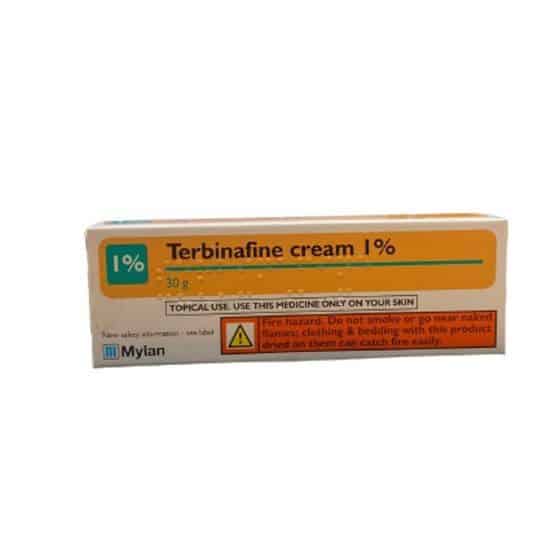
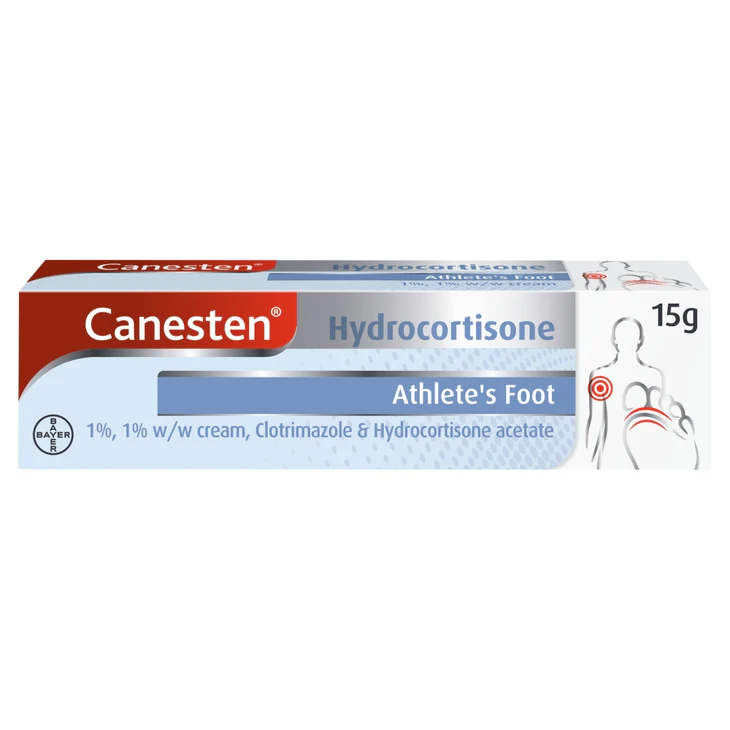
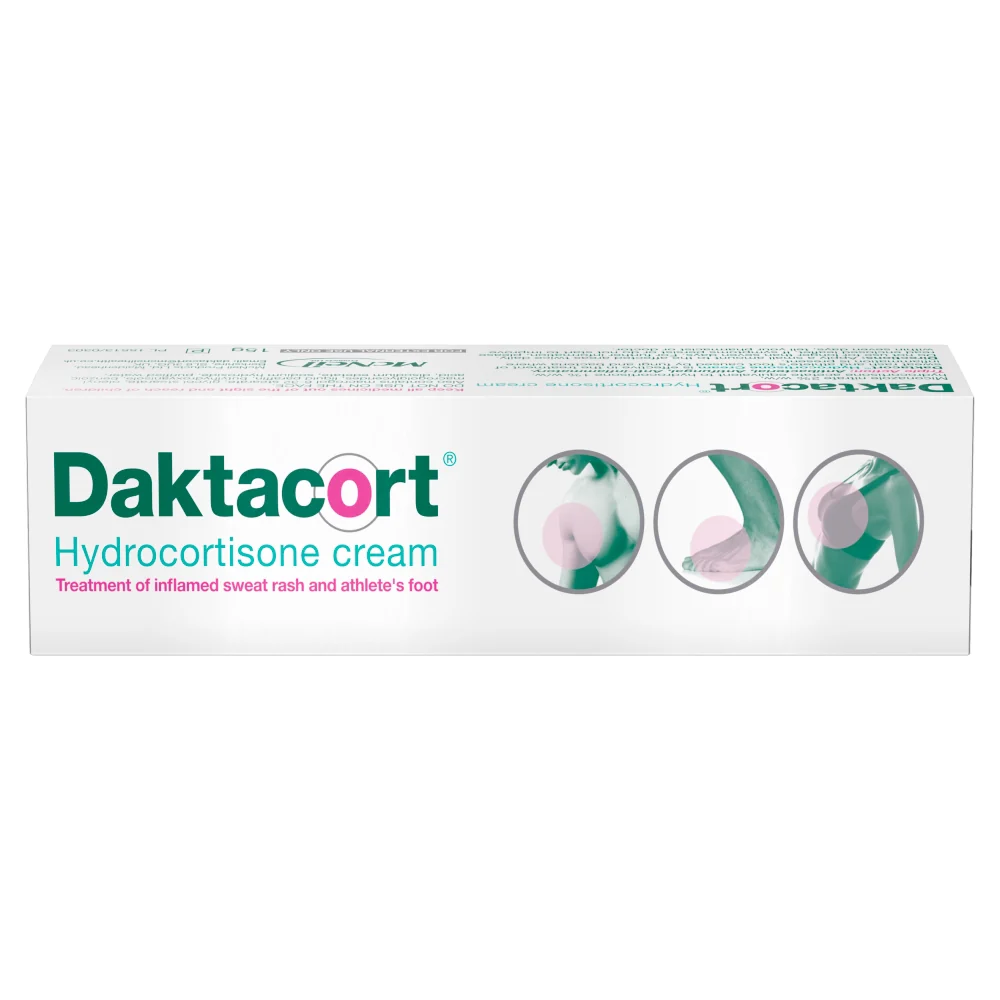
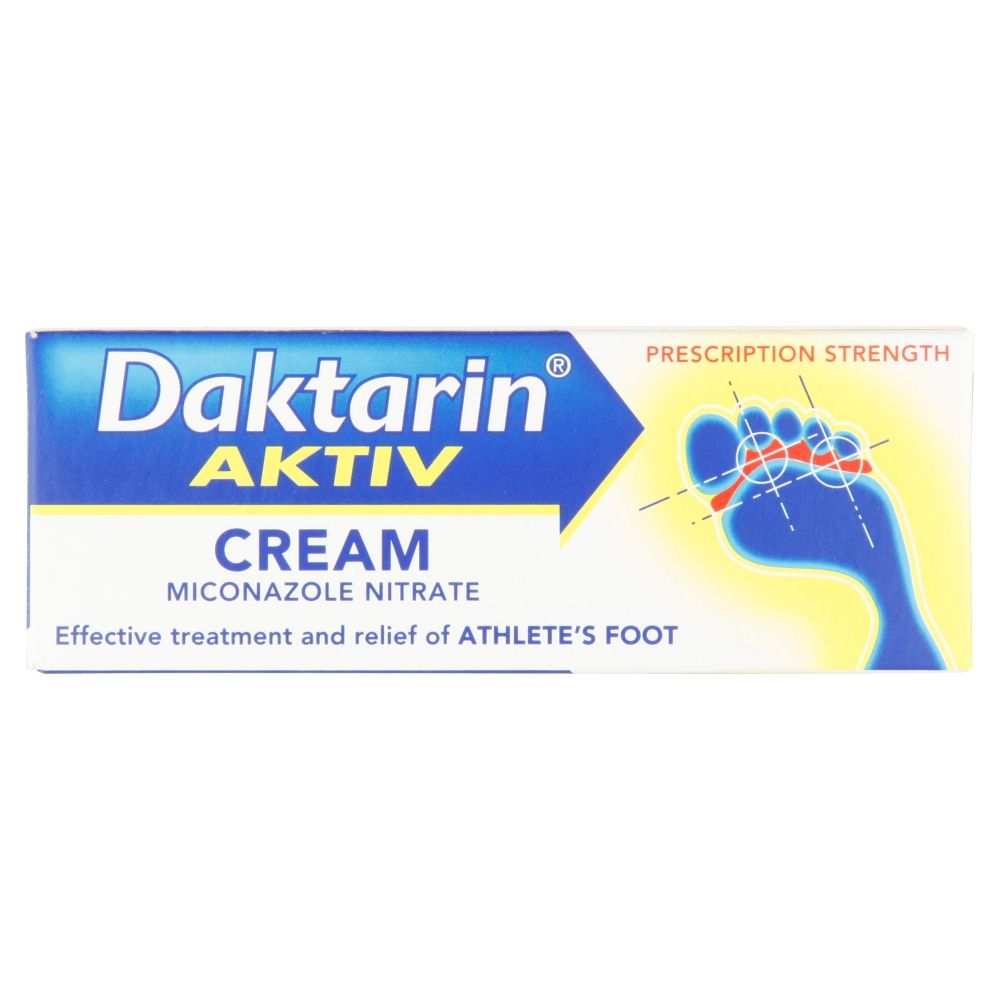
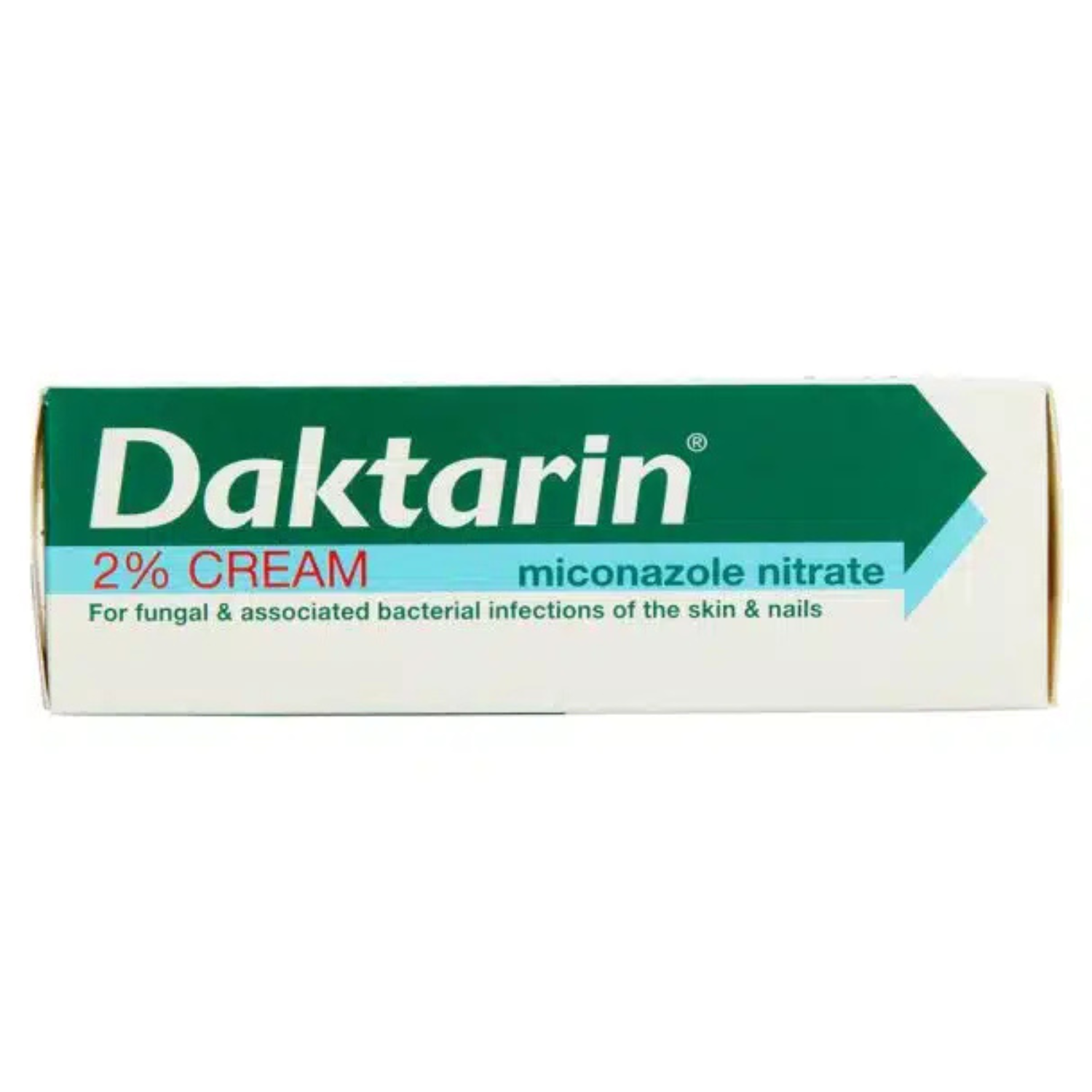
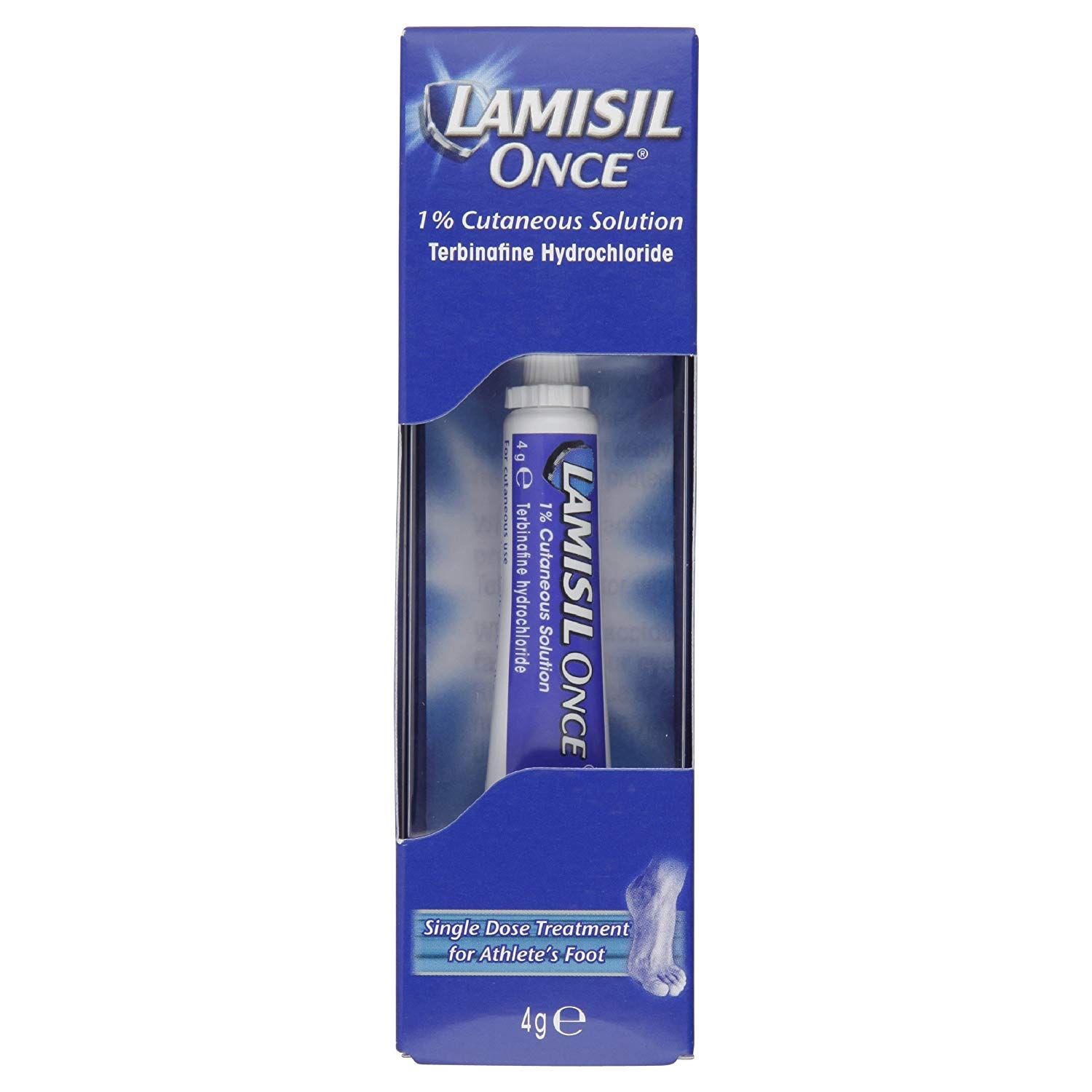
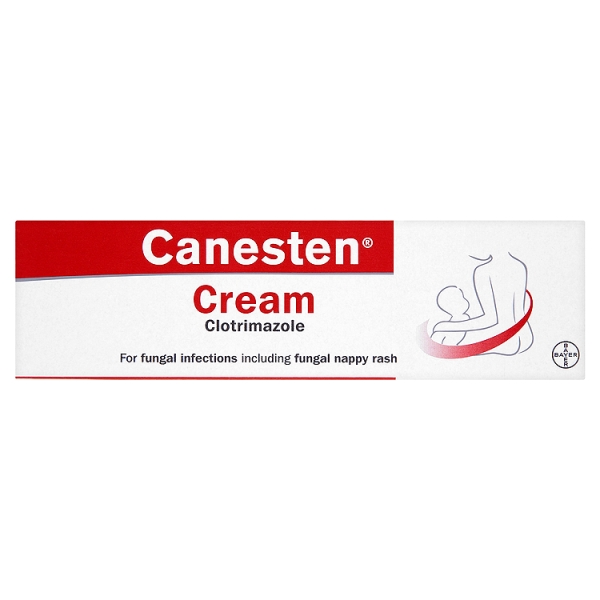
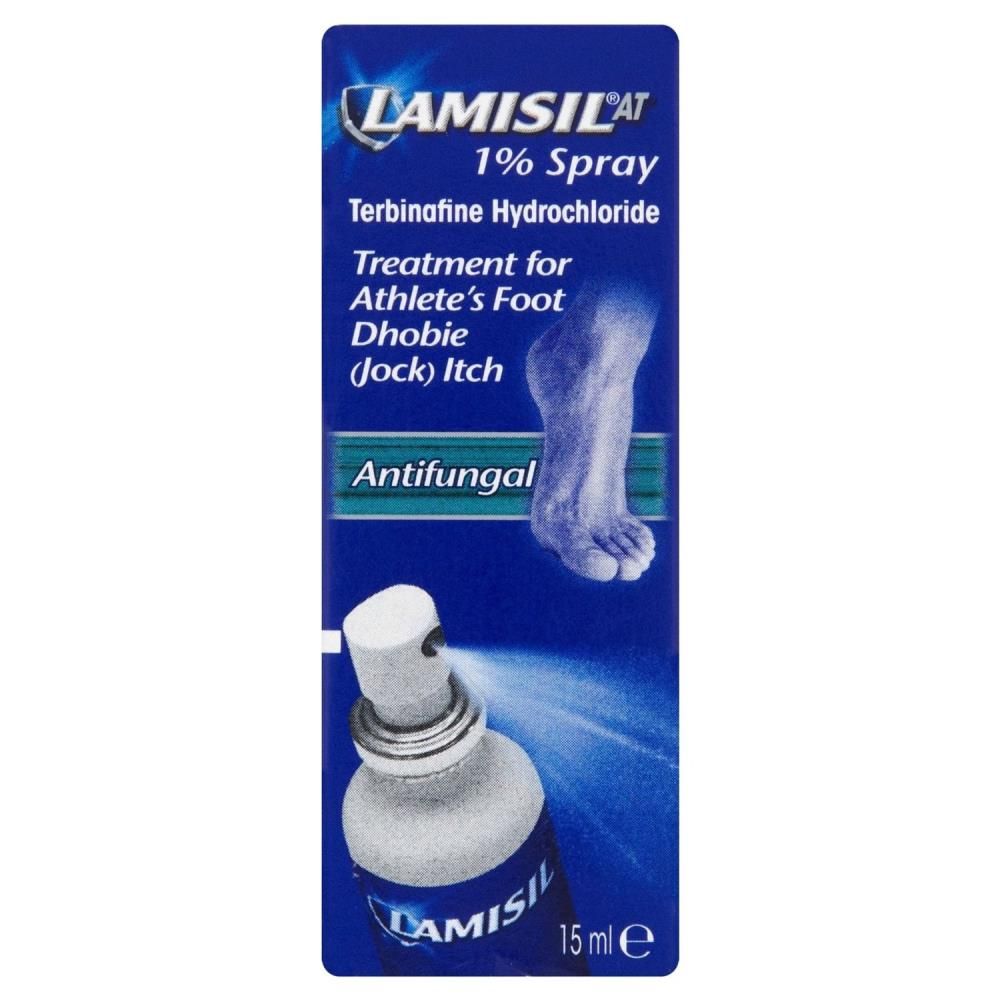
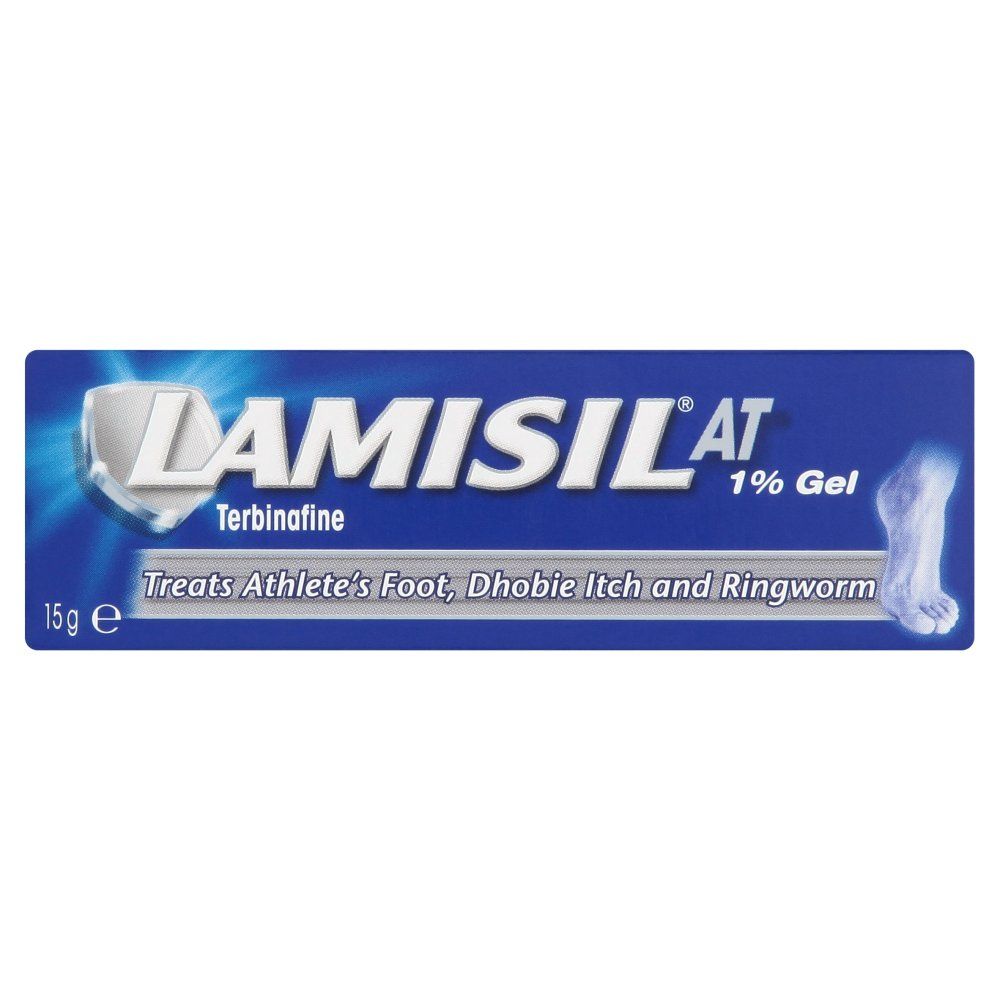
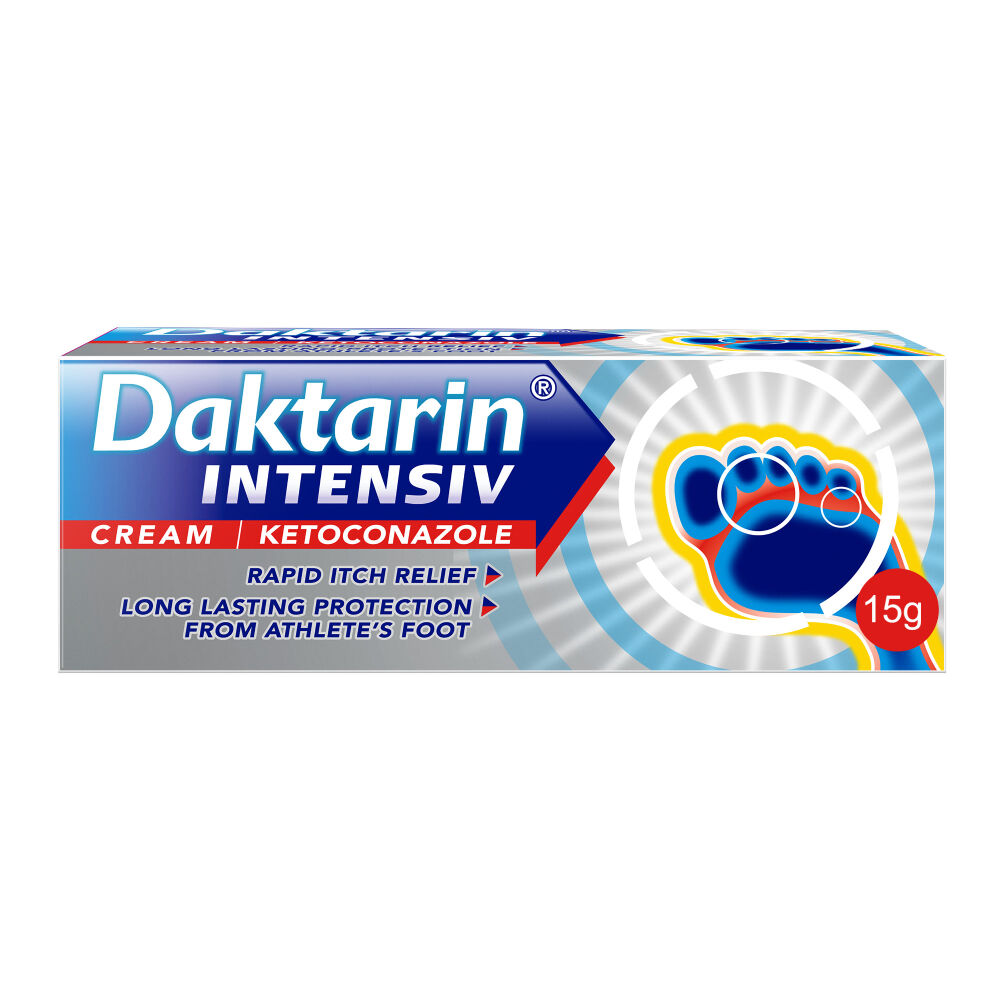
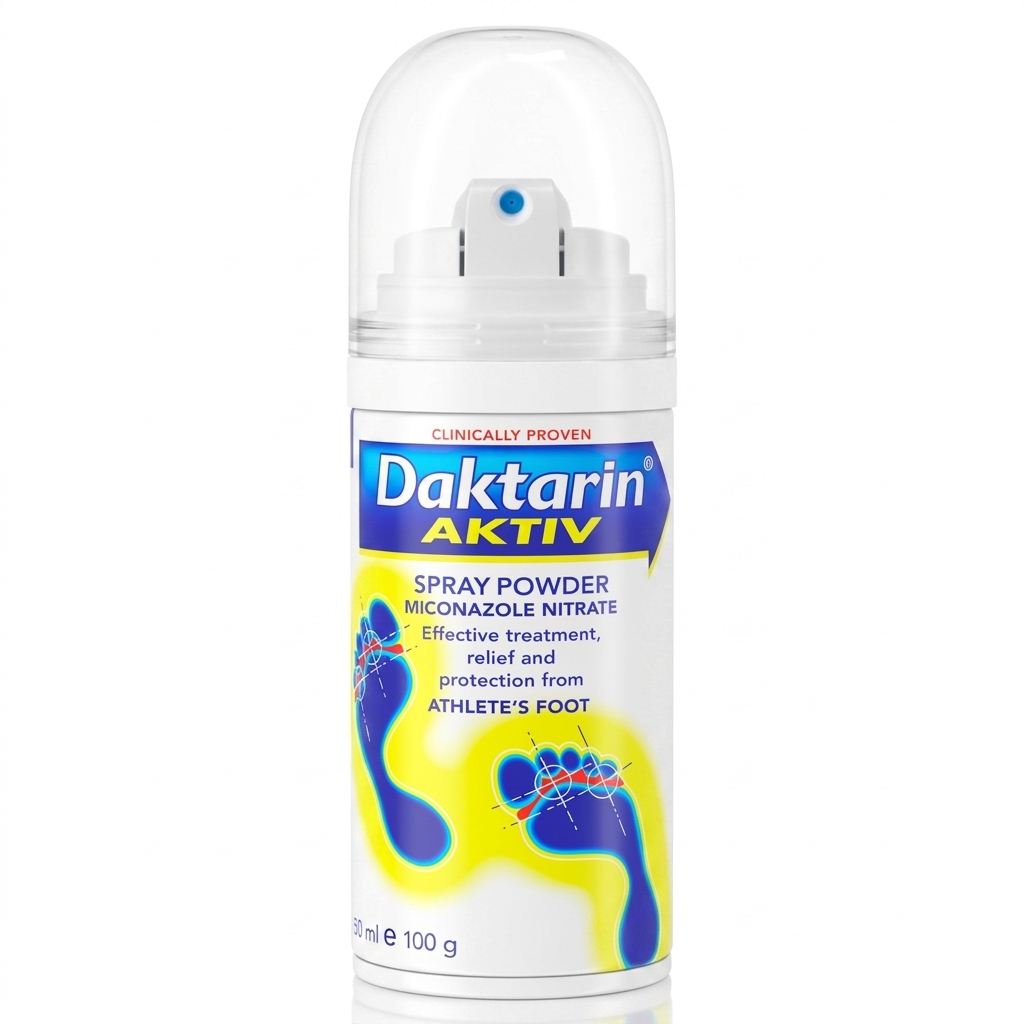
- Antifungal creams & sprays – to relieve itching and kill fungus, like Daktarin, Lamisil AT cream, and Canesten HC cream.
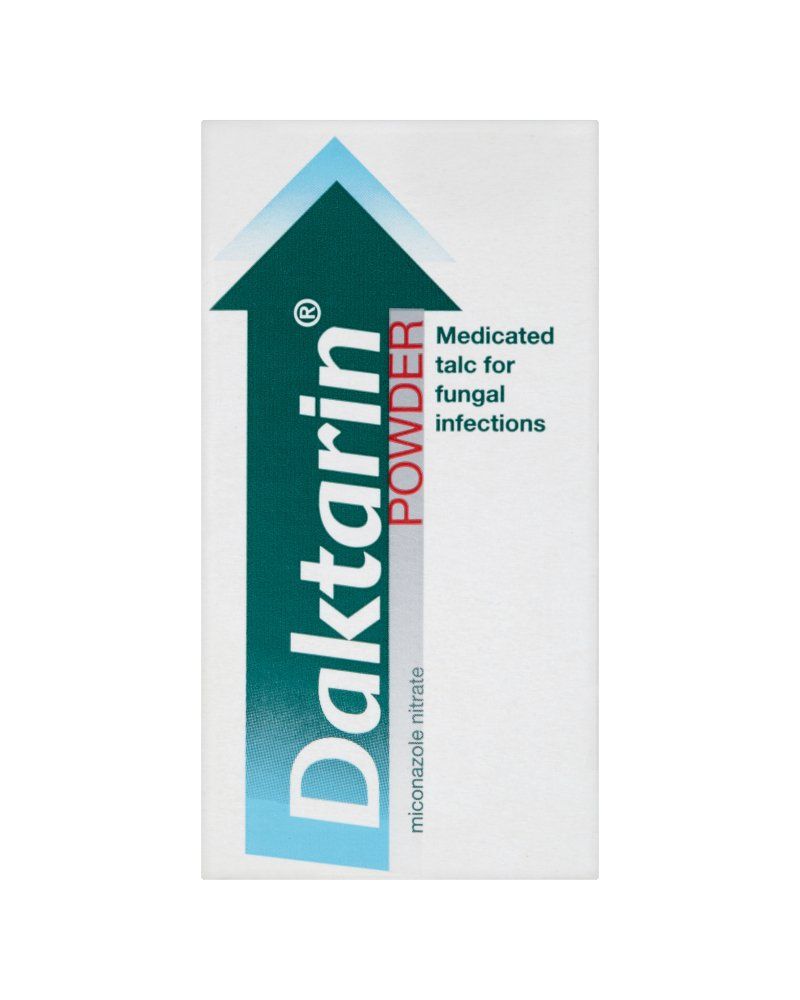
- Antifungal powders – to keep feet dry and prevent the infection from returning, like Daktarin powder.
Always follow the instructions on the packaging, and continue using the treatment for the full course, even if your symptoms start to improve. Stopping too soon can allow the infection to return.
If symptoms persist after a few weeks or spread to your nails, you should speak to a pharmacist or GP for further advice.
Athlete’s Foot Prevention
Once the infection clears, taking care of your feet properly can help stop it from coming back. It’s important to keep your feet cool, clean, and dry so the fungus has no place to grow.
Here are some simple steps to reduce your risk of athlete’s foot returning:
- Dry your feet carefully after washing, especially between the toes.
- Change into fresh socks after exercise or if your feet get sweaty.
- Choose lightweight, breathable shoes or trainers and rotate pairs to let them air out.
- Keep toenails trimmed and clean to reduce trapped moisture.
- Use an antifungal powder or spray if you’re prone to flare-ups.
- Avoid sharing towels, socks or shoes with other people.
Even when your skin looks clear, keep using your antifungal treatment for the full course. This helps make sure the infection is fully gone and prevents it from spreading again.