
What is Angina?
Angina is chest pain or discomfort that happens when your heart muscle doesn’t get enough oxygen-rich blood. It’s not a disease itself but a symptom of an underlying heart condition, usually coronary heart disease.
The pain often feels like a heavy pressure, tightness, or squeezing sensation in your chest. Some people describe it as feeling like someone is standing on their chest or as if their chest is being gripped in a vice.
Angina typically occurs during physical activity or emotional stress when your heart needs more oxygen, but the narrowed arteries can’t supply enough blood to meet this demand.
Types of Angina
Stable Angina
This is the most common type. It follows a predictable pattern, typically occurring during physical exertion or stress. The pain usually lasts a few minutes and eases when you rest or take your medication.
Unstable Angina
Unstable angina is more serious and unpredictable. It can happen at rest without any obvious trigger, and your regular medication might not relieve it. This is a medical emergency – call 999 if you think you have unstable angina.
Variant Angina (Prinzmetal’s Angina)
This rare type is caused by a temporary spasm in the coronary arteries. It typically happens at rest, often during the night or early morning, and usually responds well to medication for angina.
Microvascular Angina
This affects the smallest blood vessels in the heart. The pain can last longer than other types and may not always respond to standard treatments.
Causes of Angina
The most common cause of angina is coronary heart disease, where fatty deposits called plaques build up inside the coronary arteries. These plaques narrow the arteries, restricting blood flow to your heart muscle.
When you exert yourself or experience stress, your heart beats faster and needs more oxygen. If your arteries are narrowed, they can’t deliver enough oxygen-rich blood to meet this increased demand, resulting in angina pain.
Other factors that can trigger angina include:
- Physical exertion or exercise
- Emotional stress or anxiety
- Cold weather
- Heavy meals
- Smoking
Angina can be caused by coronary artery spasm, where the arteries temporarily tighten, reducing blood flow to the heart, but this isn’t as common.
Diagnosing Angina
If you’re experiencing chest pain or suspect you have angina, it’s important to get a proper diagnosis from your GP or a heart specialist.
Initial Assessment
Your doctor will start by asking about your symptoms, including:
- What the chest pain feels like and where you feel it
- How long it lasts
- What triggers it and what makes it better
- Whether you have any risk factors like high blood pressure, high cholesterol, diabetes, or a family history of heart disease
They’ll also check your blood pressure and listen to your heart.
Diagnostic Tests
To confirm angina and assess your heart health, your doctor may recommend several tests:
Electrocardiogram (ECG): This test records your heart’s electrical activity and can show if your heart isn’t getting enough blood. You might have a resting ECG or an exercise ECG (where you walk on a treadmill while connected to the machine).
Blood Tests: Blood tests can check your cholesterol levels, blood sugar, and other markers that indicate your risk of heart disease.
Echocardiogram: This ultrasound scan creates images of your heart to check how well it’s pumping and whether there are any structural problems.
Coronary Angiography: If other tests suggest significant coronary artery disease, you may need an angiogram. This involves injecting dye into your blood vessels and taking X-ray images to see exactly where and how severely your arteries are narrowed or blocked.
CT Coronary Angiogram: This is a non-invasive scan that can show narrowing in your coronary arteries without needing to insert a catheter.
Getting Your Diagnosis
Once your tests are complete, your doctor will explain whether you have angina and, if so, how severe it is. They’ll then work with you to create a treatment plan of the right medications and lifestyle changes to manage your condition effectively.
If you’ve already been diagnosed with angina and are looking for convenient access to your regular medication, our Click2Pharmacy online consultation service can help, provided your condition is stable and well-managed.
Angina Symptoms
Angina symptoms can vary from person to person, but the most common signs include:
- Chest pain or discomfort, often described as pressure, squeezing, or heaviness
- Pain that may spread to your arms, neck, jaw, shoulder, or back
- Shortness of breath
- Feeling unusually tired
- Nausea or feeling sick
- Dizziness or light-headedness
- Sweating
The pain typically lasts for a few minutes and usually eases when you rest or take your medication. If chest pain is severe, lasts longer than a few minutes, or doesn’t improve with rest or medication, call 999 immediately, as this could be a heart attack.
Treatment for Angina
Managing angina involves a combination of lifestyle changes and medication. The right treatment can significantly reduce your symptoms and help you maintain an active life.
Glyceryl Trinitrate (GTN) Spray
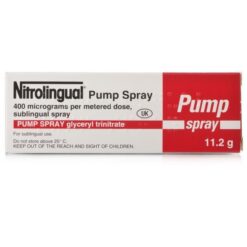
GTN spray is a fast-acting medication that works within minutes to relieve angina pain. It works by relaxing and widening your blood vessels, allowing more blood to reach your heart muscle.
You spray it under your tongue at the first sign of angina pain or before activities that might trigger symptoms. Most people find relief within 1-2 minutes. If the pain doesn’t ease after one dose, you can take a second dose after 5 minutes. If the pain persists after a second dose, call 999 as this could indicate a heart attack.
GTN spray is available through our online consultation service, where our pharmacists can assess whether it’s suitable for you.
Isosorbide Mononitrate Tablets
Isosorbide mononitrate is a long-acting nitrate medication used to prevent angina attacks rather than treat them once they’ve started. It works similarly to GTN by widening your blood vessels, but its effects last much longer.
You’ll typically take this medication once or twice daily to reduce the frequency of angina episodes. It’s particularly helpful if you experience angina regularly or want to prevent symptoms during daily activities.
Our Click2Pharmacy consultation can determine if this preventive treatment is appropriate for your condition.
Beta-Blockers
Beta-blockers help control angina by slowing your heart rate and reducing blood pressure, which means your heart doesn’t have to work as hard and needs less oxygen. Common beta-blockers include bisoprolol, atenolol, and metoprolol.
These medications are taken daily and are particularly effective at preventing angina during physical activity or stress. They’re often prescribed alongside other angina medications for symptom control.
Calcium Channel Blockers
Calcium channel blockers like amlodipine and diltiazem relax and widen your blood vessels, improving blood flow to your heart. They also reduce your heart’s workload by lowering blood pressure.
These medications are taken daily and can be used alone or in combination with other angina treatments. They’re useful if you can’t take beta-blockers or need additional symptom control.
Antiplatelet Medications
Low-dose aspirin or other antiplatelet drugs like clopidogrel help prevent blood clots from forming in your narrowed arteries. While they don’t relieve angina pain directly, they reduce your risk of heart attack and stroke.
Most people with angina take a daily antiplatelet medication as part of their long-term treatment plan.
Statins
Statins lower cholesterol levels in your blood, helping to slow or prevent further buildup of fatty deposits in your arteries. By managing cholesterol, statins reduce your risk of angina worsening and lower the chance of a heart attack.
These tablets are taken daily, usually in the evening, and are a key part of long-term angina management.
Lifestyle Changes for Managing Angina
Medications for angina work best when combined with healthy lifestyle choices:
- Stop smoking: Smoking damages your blood vessels and significantly worsens angina
- Eat a heart-healthy diet: Focus on fruits, vegetables, whole grains, and lean proteins while limiting saturated fats and salt
- Stay active: Regular gentle exercise strengthens your heart, but always discuss safe activity levels with your doctor
- Maintain a healthy weight: Losing excess weight reduces strain on your heart
- Manage stress: Stress can trigger angina, so find relaxation techniques that work for you
- Limit alcohol: Excessive drinking can worsen heart conditions
Living with Angina
With proper treatment and lifestyle changes, many people with angina lead full, active lives. The key is taking your medication as prescribed, recognising your triggers, and knowing when to seek help.
Always carry your GTN spray with you and make sure it hasn’t expired. Keep track of how often you’re using it, as an increase in usage might indicate your condition is changing.
Regular check-ups with your GP or cardiologist are important to monitor your condition and adjust your treatment as needed.
When to Seek Further Help
Call 999 Immediately If:
- Your chest pain is severe and doesn’t ease after two doses of GTN spray taken 5 minutes apart
- The pain feels different from your usual angina or is more intense
- You experience chest pain along with feeling sick, sweating, breathlessness, or feeling light-headed
- Your chest pain lasts longer than 15 minutes
These symptoms could indicate a heart attack, which requires immediate emergency treatment.
Contact Your GP If:
- Your angina symptoms are getting worse or happening more frequently
- You’re experiencing angina at rest or when doing very little
- You’re having angina attacks more than twice a week
- Your medication isn’t controlling your symptoms as well as it used to
- You’re experiencing side effects from your angina medication
Your GP may need to adjust your medication, refer you to a cardiologist for further tests, or discuss other treatment options like angioplasty or coronary artery bypass surgery for more severe cases.