










What is the difference between a cold and the flu?
While both are respiratory infections, they’re caused by different viruses and have distinct symptoms. The common cold typically develops gradually with mild symptoms like a runny nose, sneezing, and a slight cough. You can usually carry on with daily activities, though you might feel under the weather for 1 to 2 weeks.
Flu hits much harder and faster. You’ll often feel fine one day and terrible the next, with symptoms including high fever, severe body aches, extreme fatigue, and a persistent cough. Flu symptoms are more intense and can leave you bedridden for several days.
The key differences are the speed of onset and severity. If you’re wondering whether to stay home from work, it’s probably the flu rather than a cold.
Symptoms of a Cold & Flu
Cold symptoms typically include:
- Runny or stuffy nose
- Sneezing
- Mild cough
- Slight body aches
- Low-grade fever (uncommon)
- Mild fatigue
Flu symptoms are more severe:
- High fever (38°C or above)
- Severe body aches and muscle pain
- Extreme tiredness and weakness
- Dry, persistent cough
- Headache
- Chills and sweats
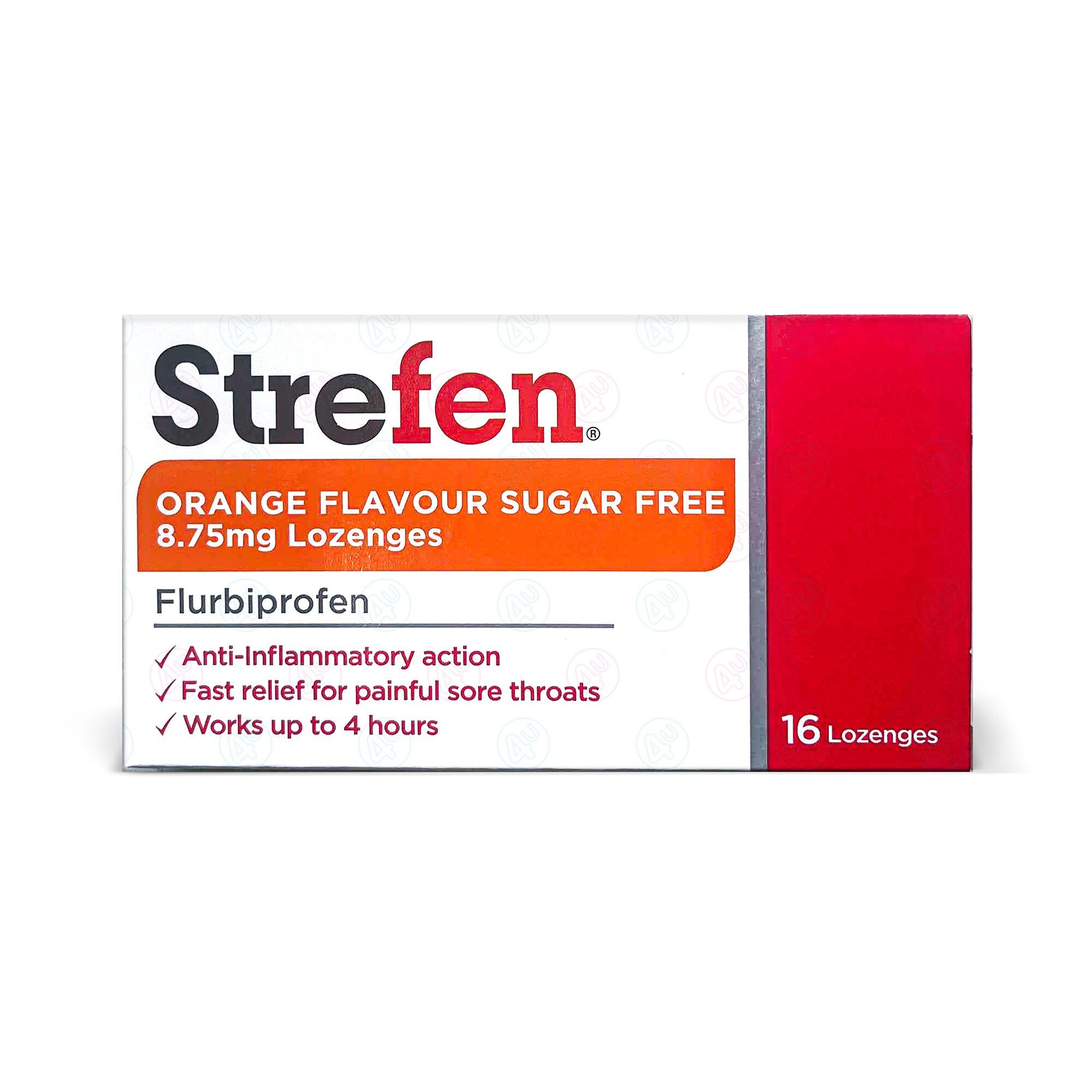
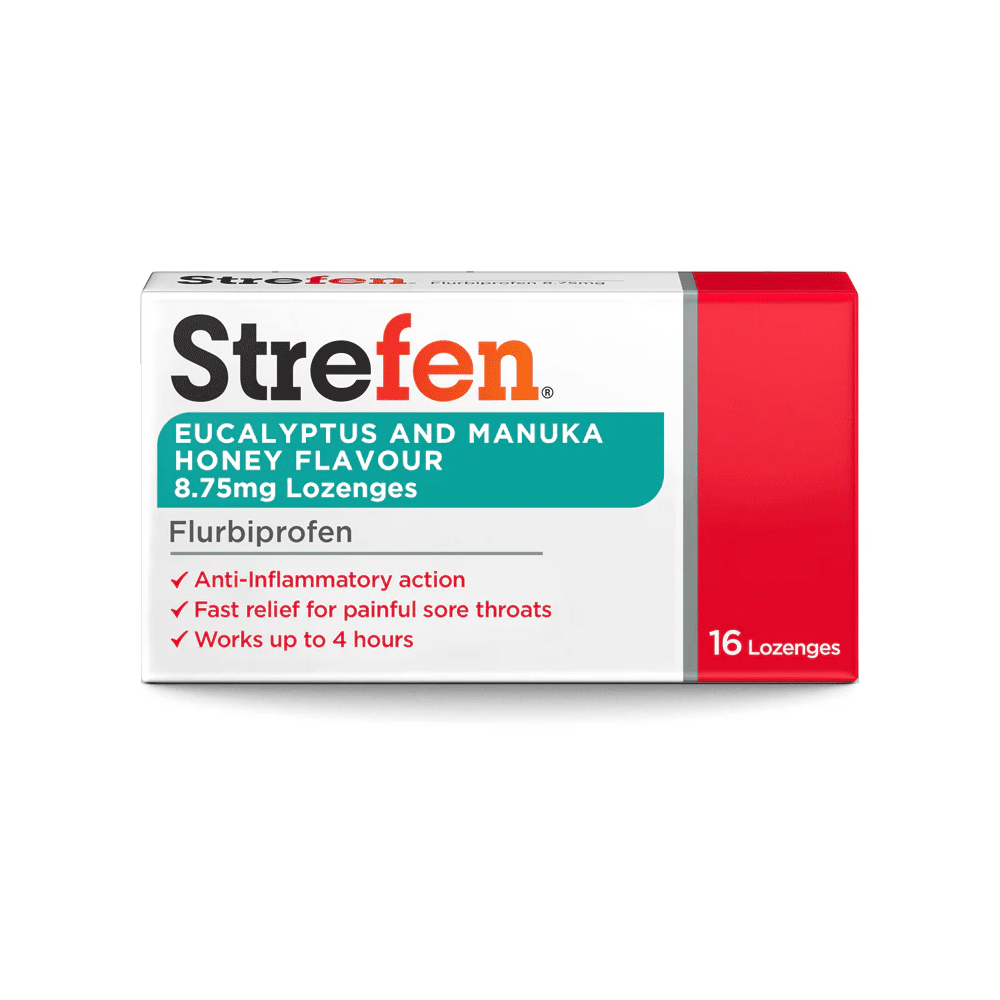
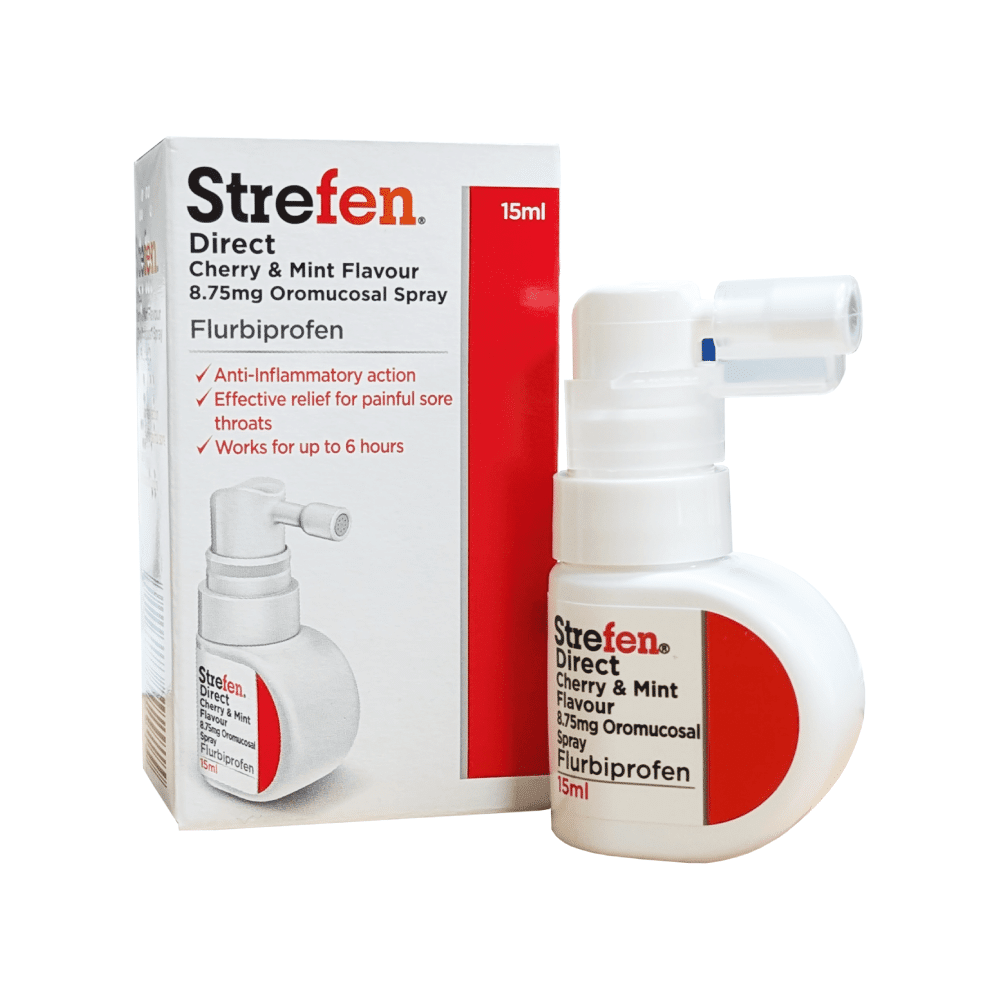
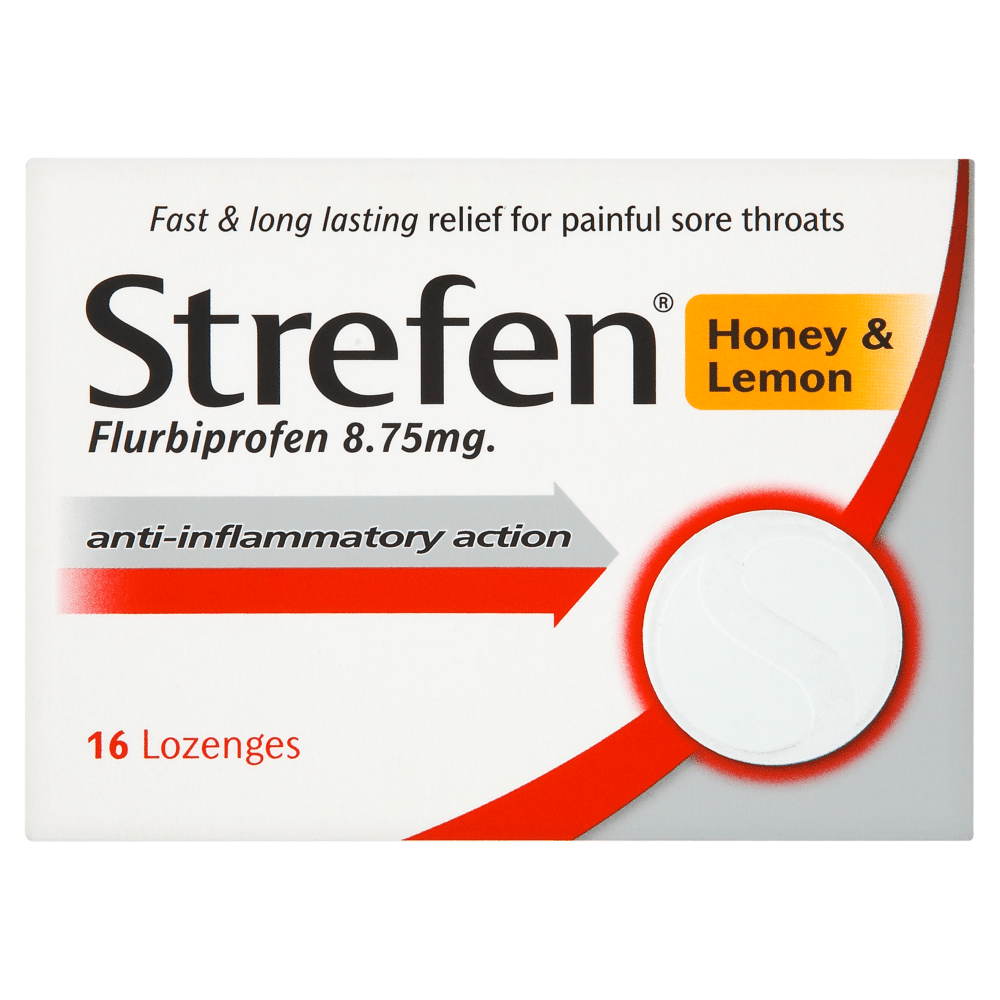
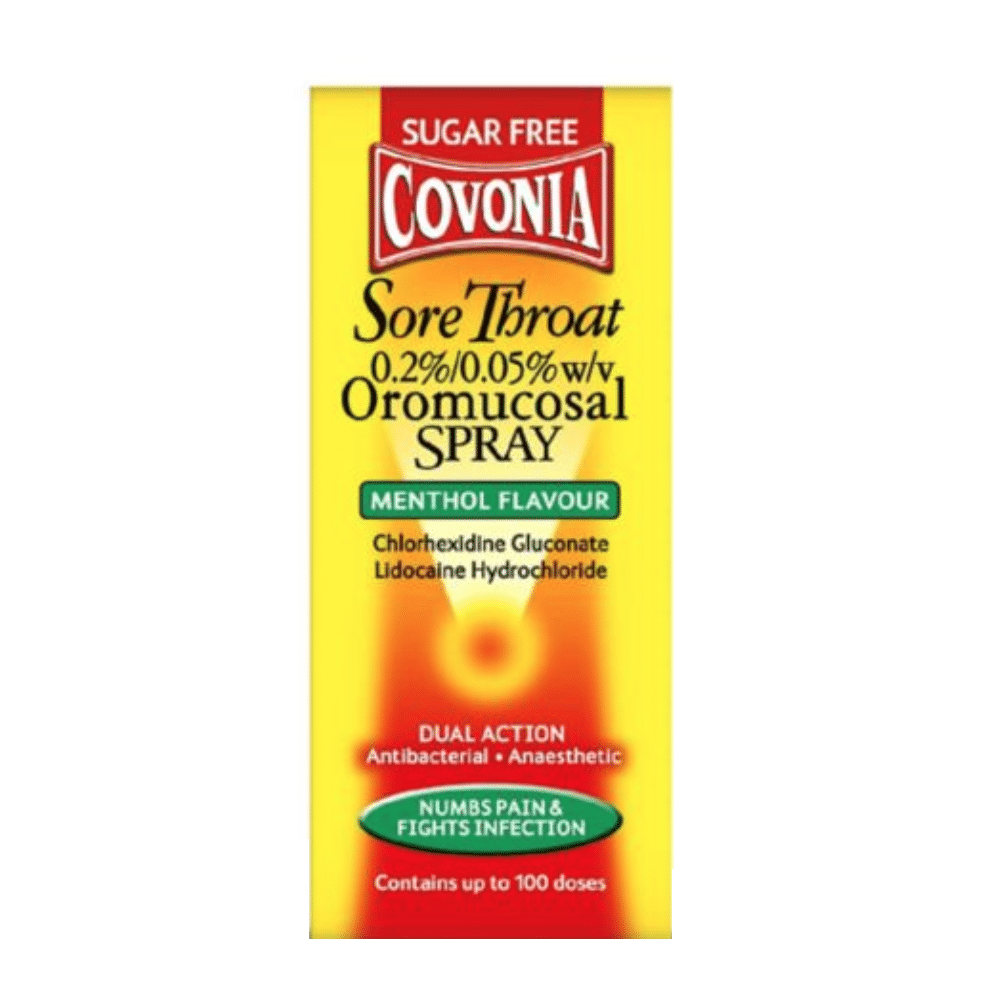
- Sore throat
Both conditions can make you feel rough, but flu symptoms are typically much more debilitating and last longer.
What causes colds and flu?
Colds are caused by over 200 different viruses, with rhinoviruses being the most common culprits. These viruses spread easily through air droplets when someone coughs or sneezes or by touching contaminated surfaces.
Flu is caused by influenza viruses, mainly types A and B. These viruses change constantly, which is why you can catch the flu multiple times and why yearly flu vaccinations are recommended.
Both infections spread in similar ways – through airborne droplets from coughing and sneezing, or by touching your face after contact with contaminated surfaces. You’re most contagious in the first few days of illness.
Best Medication for Cold & Flu
The right medication depends on your specific symptoms and how severe they are. Most cold and flu medications work by targeting individual symptoms rather than curing the underlying viral infection.
Pain Relief and Fever Reduction
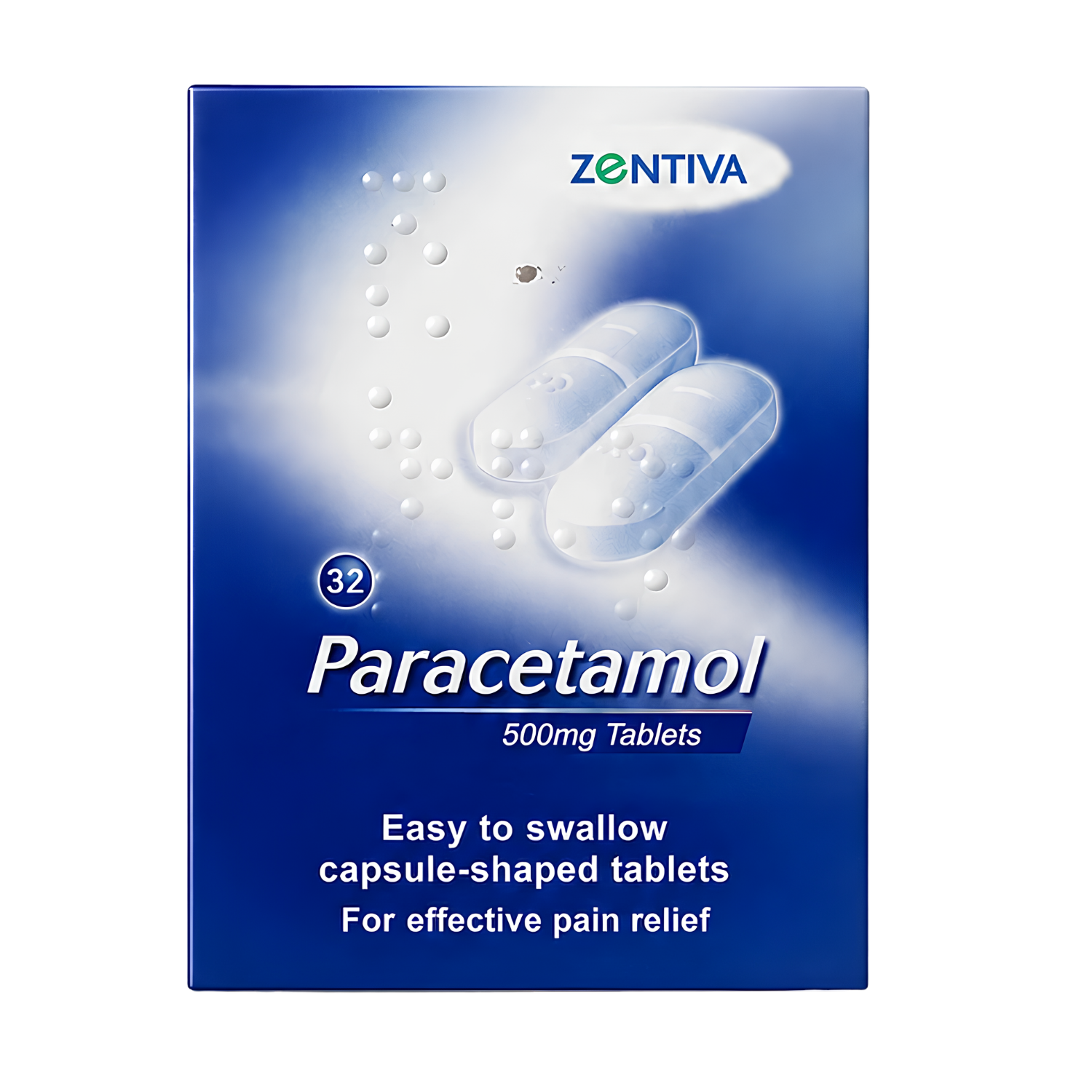
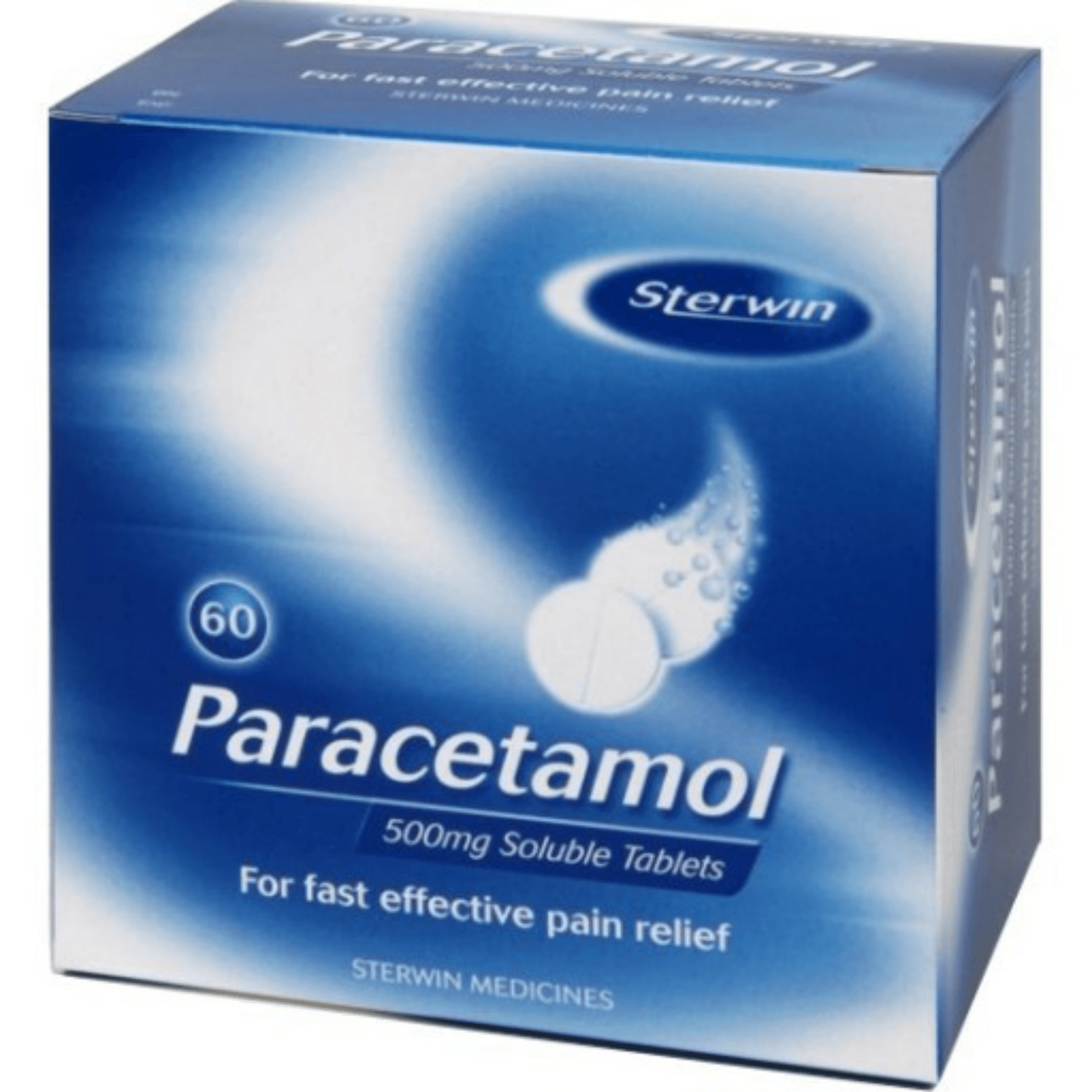
Paracetamol
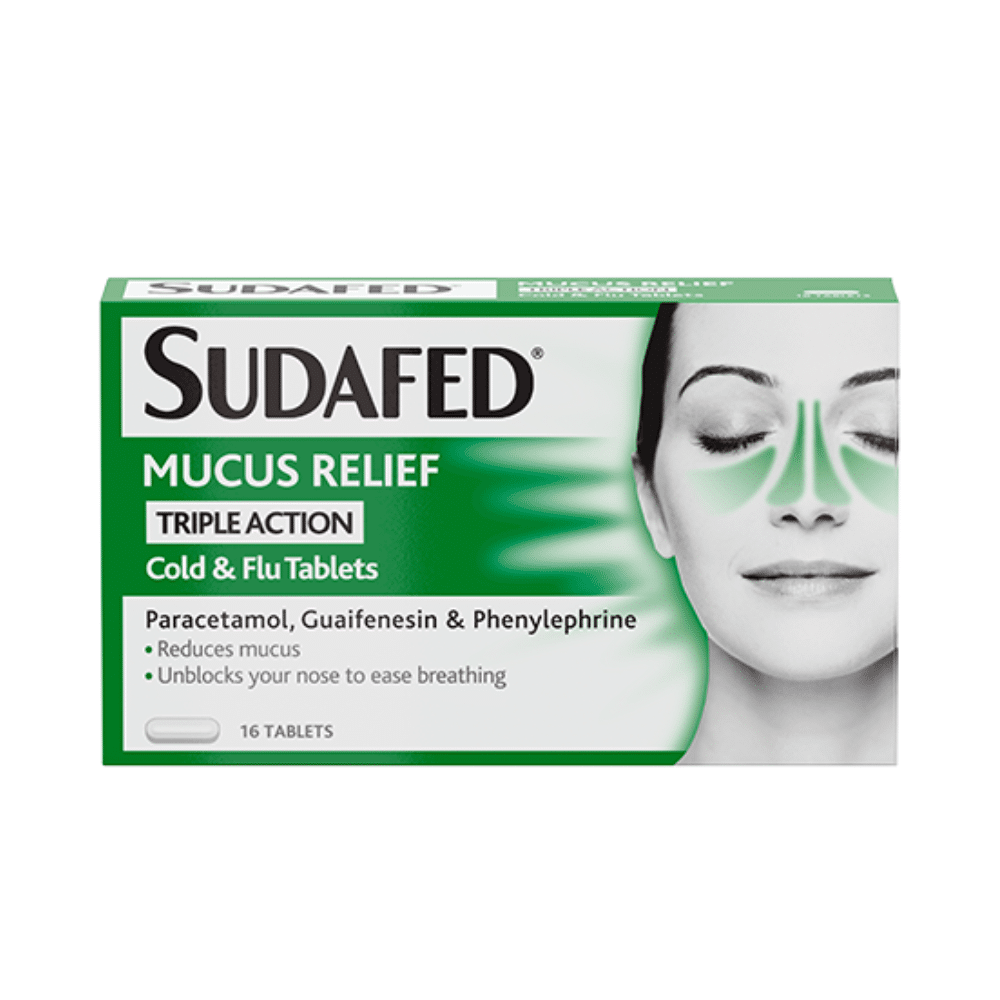
This is often the first choice for reducing fever and relieving headaches, body aches, and general discomfort. It’s gentle on the stomach and suitable for most people. Take regular doses as directed to maintain consistent relief.
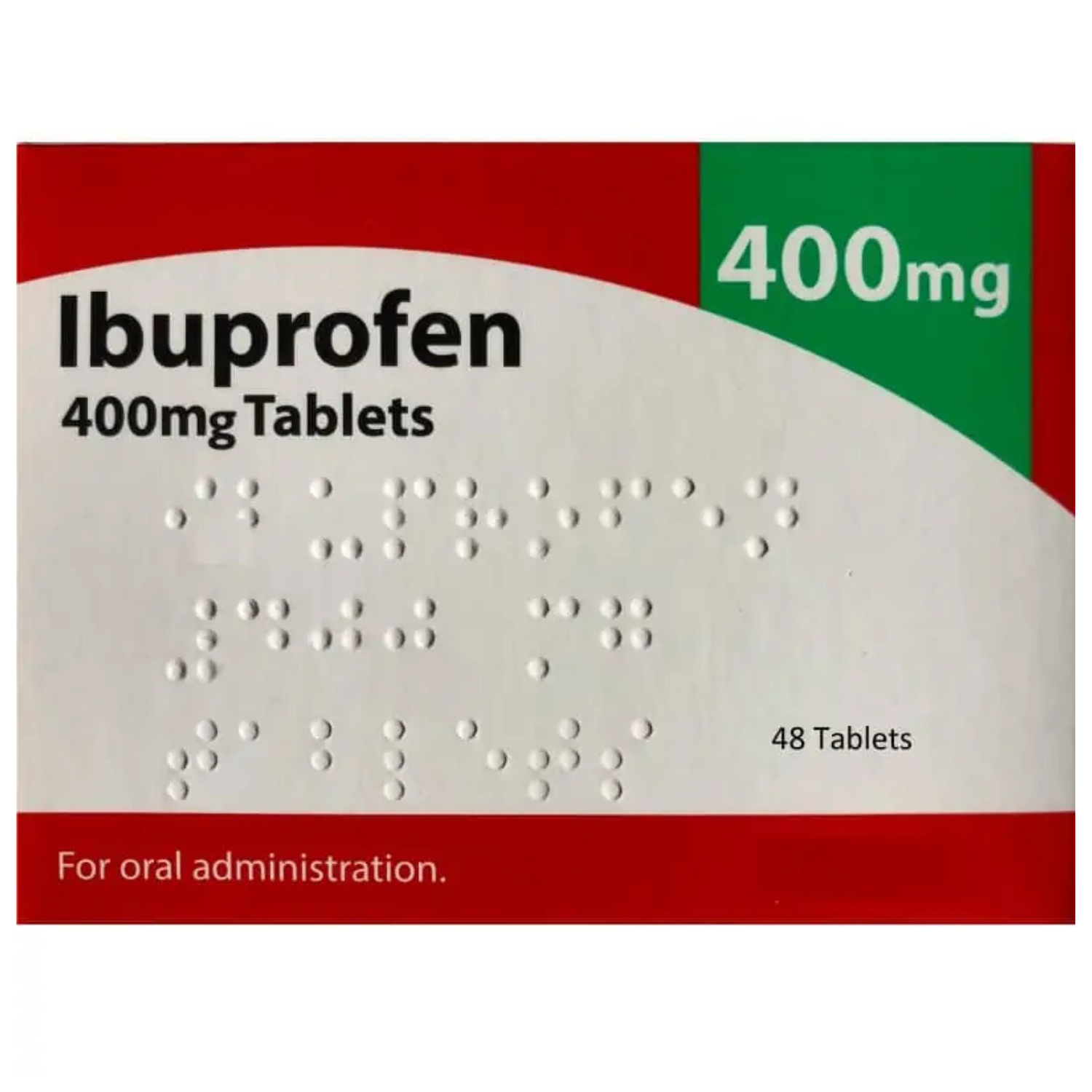
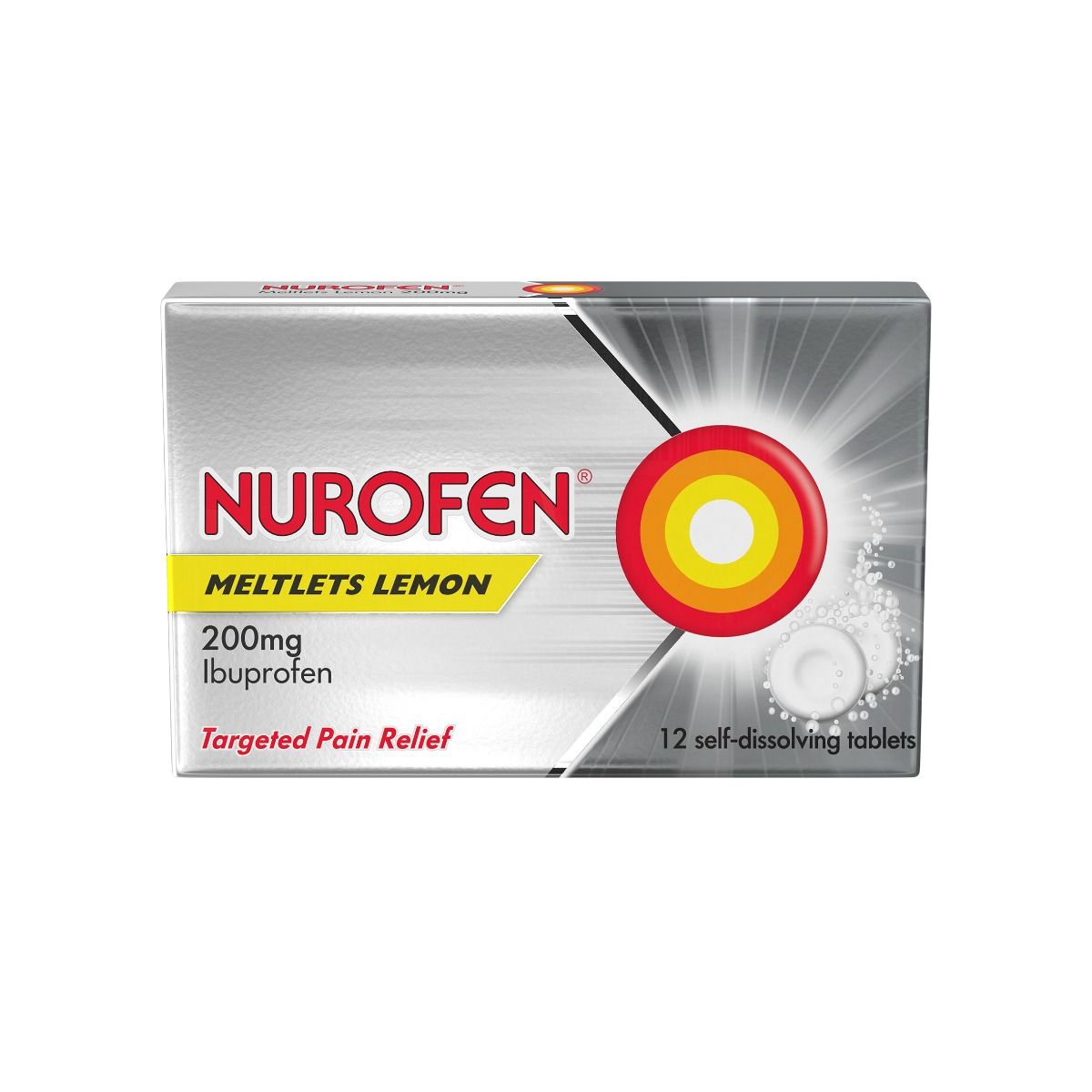
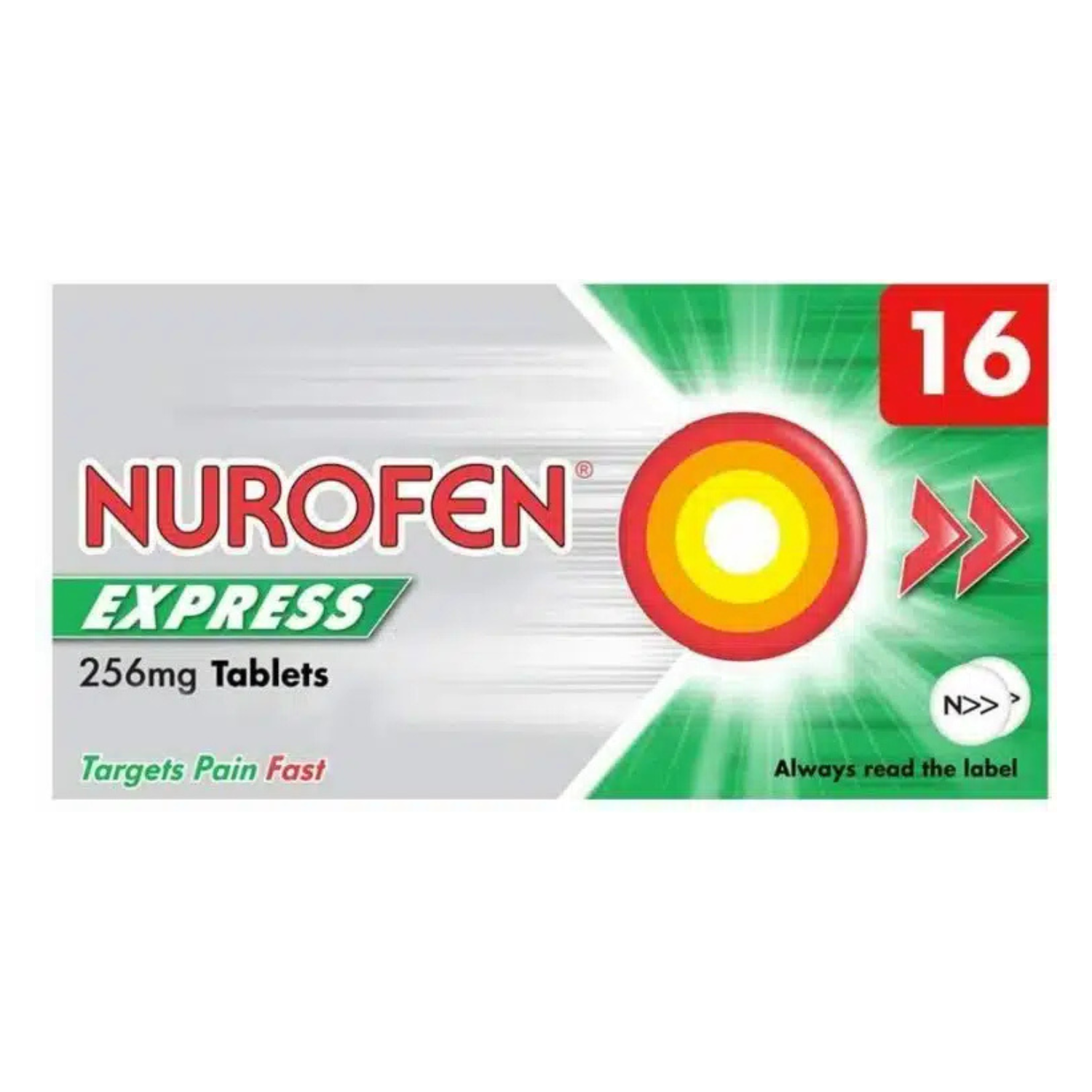
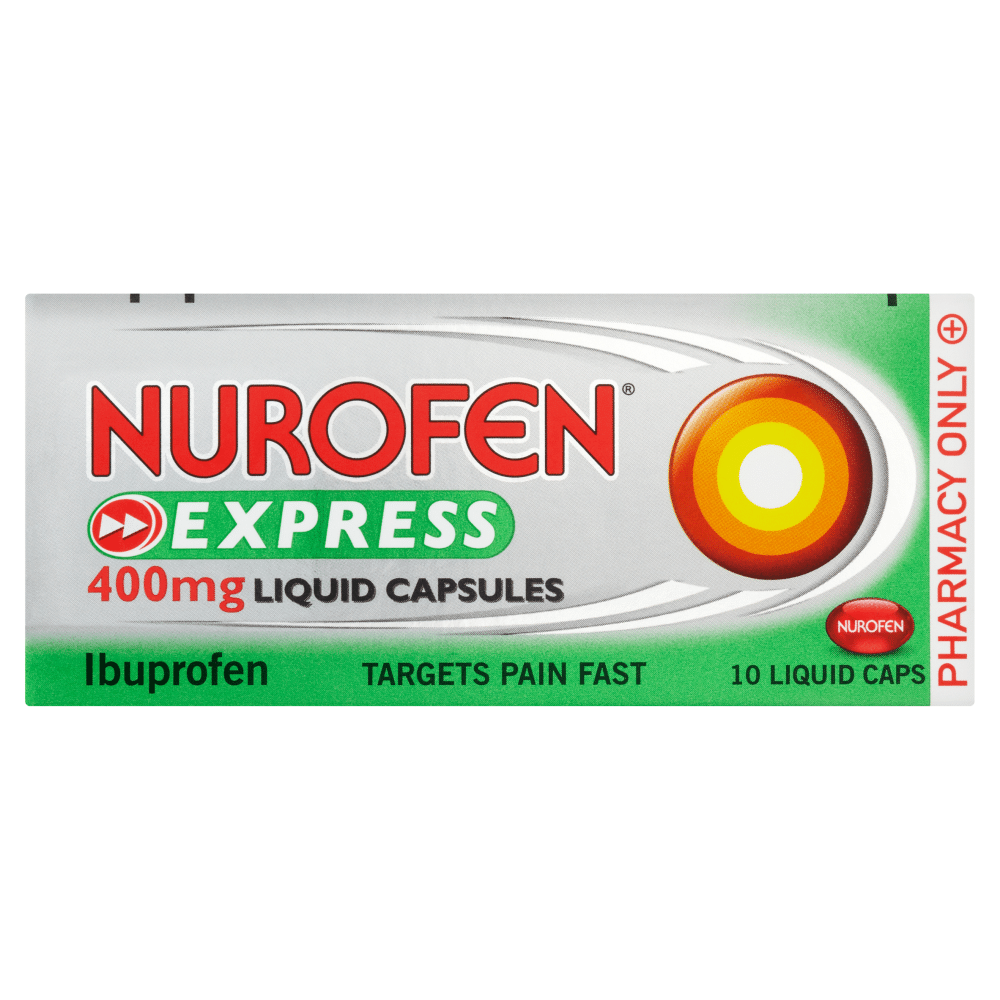
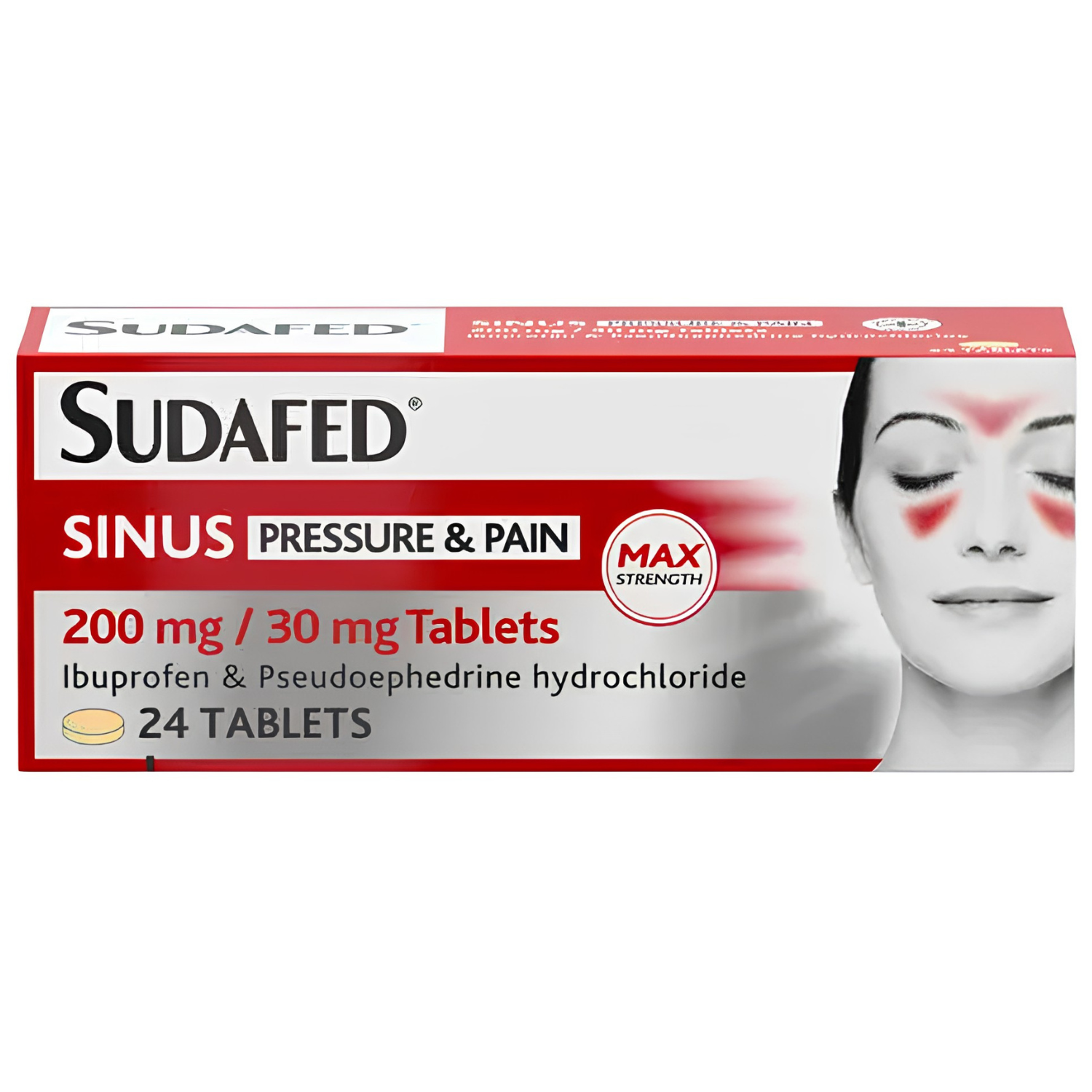
Ibuprofen
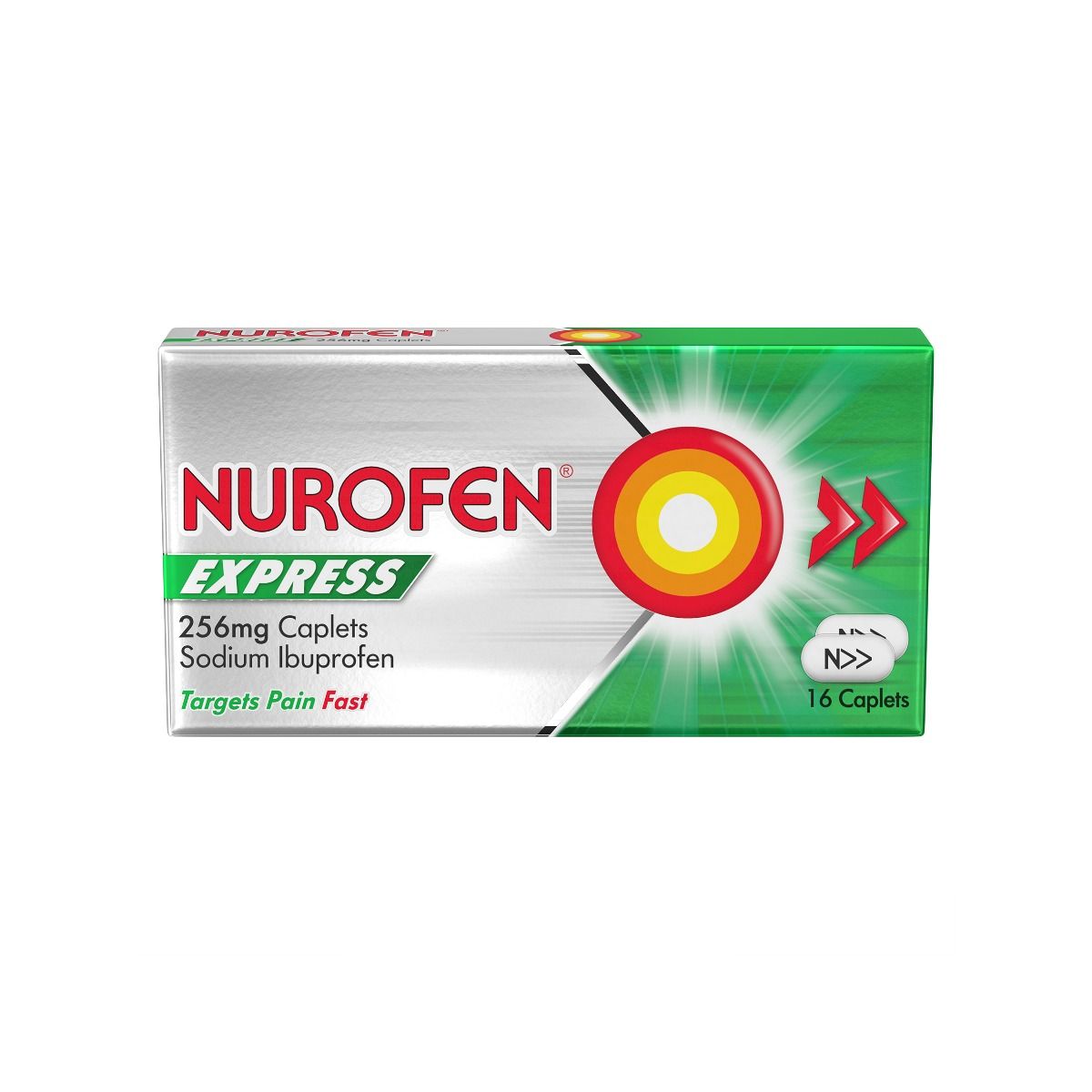
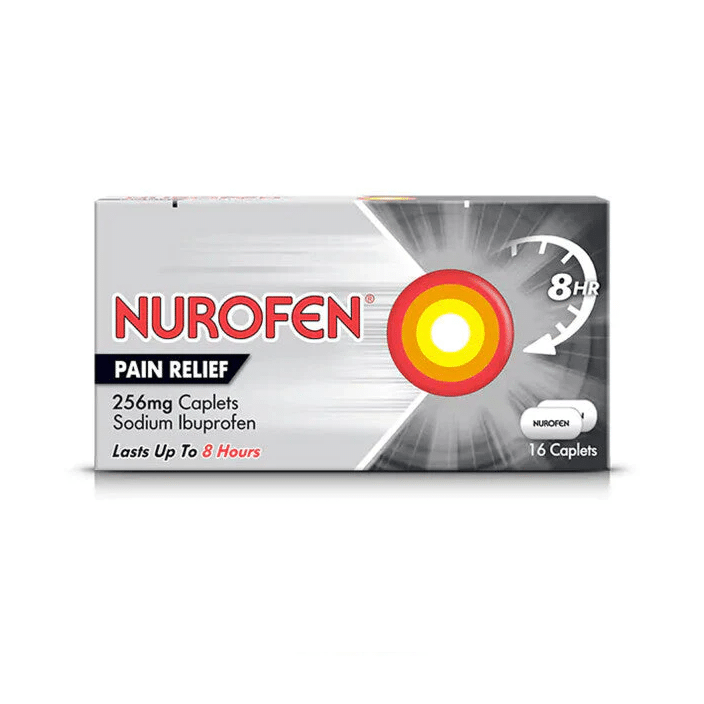
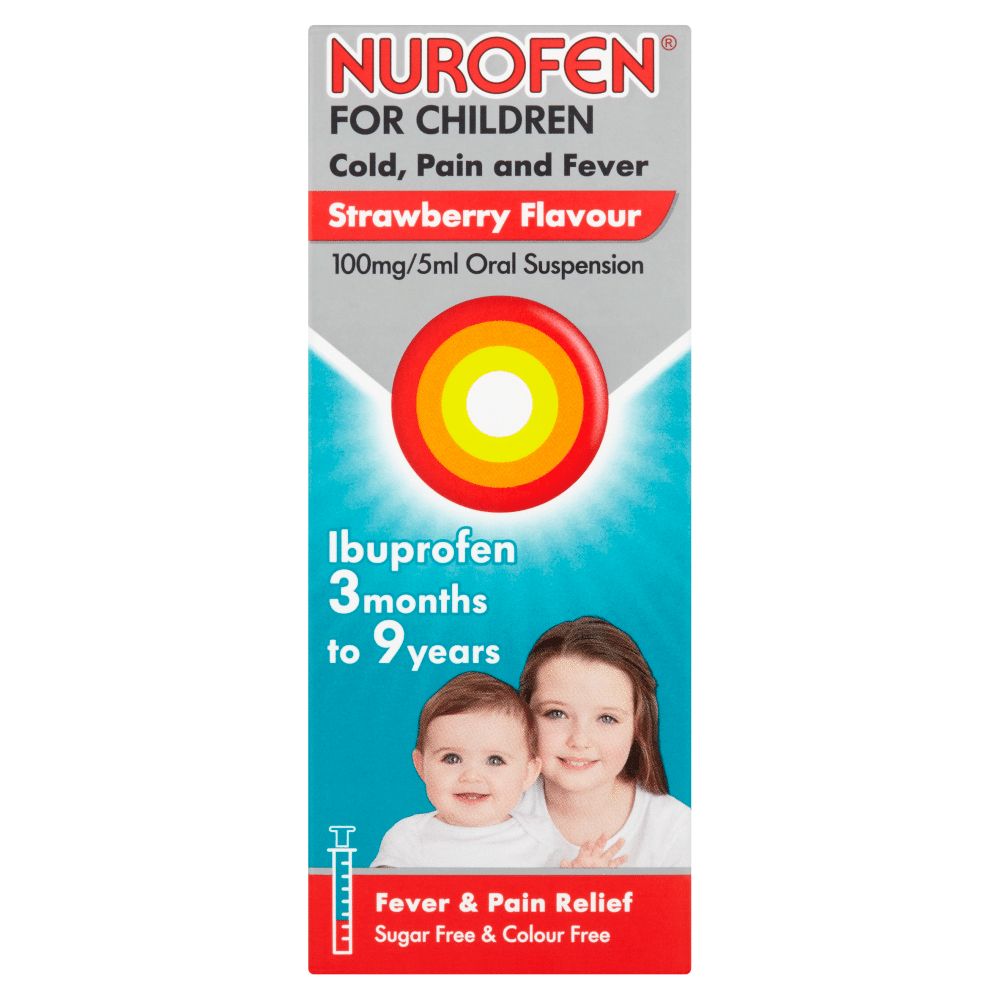
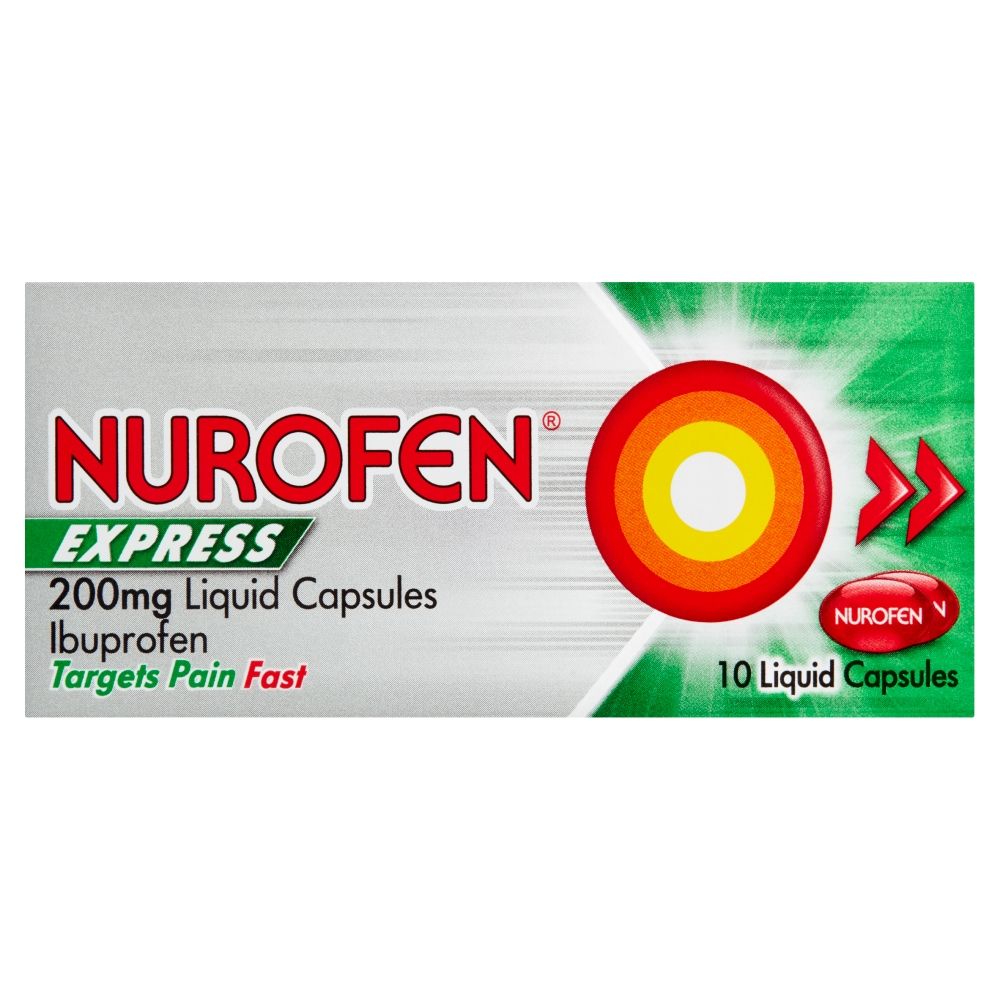
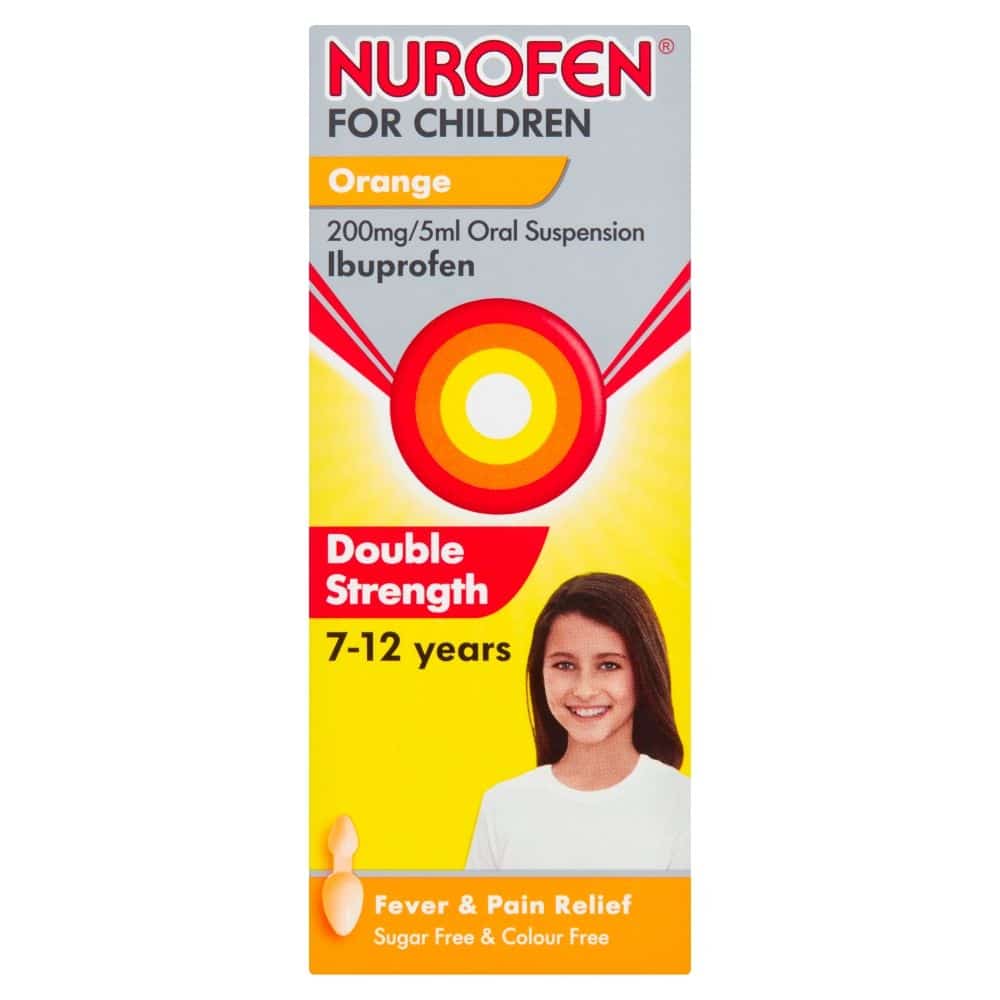
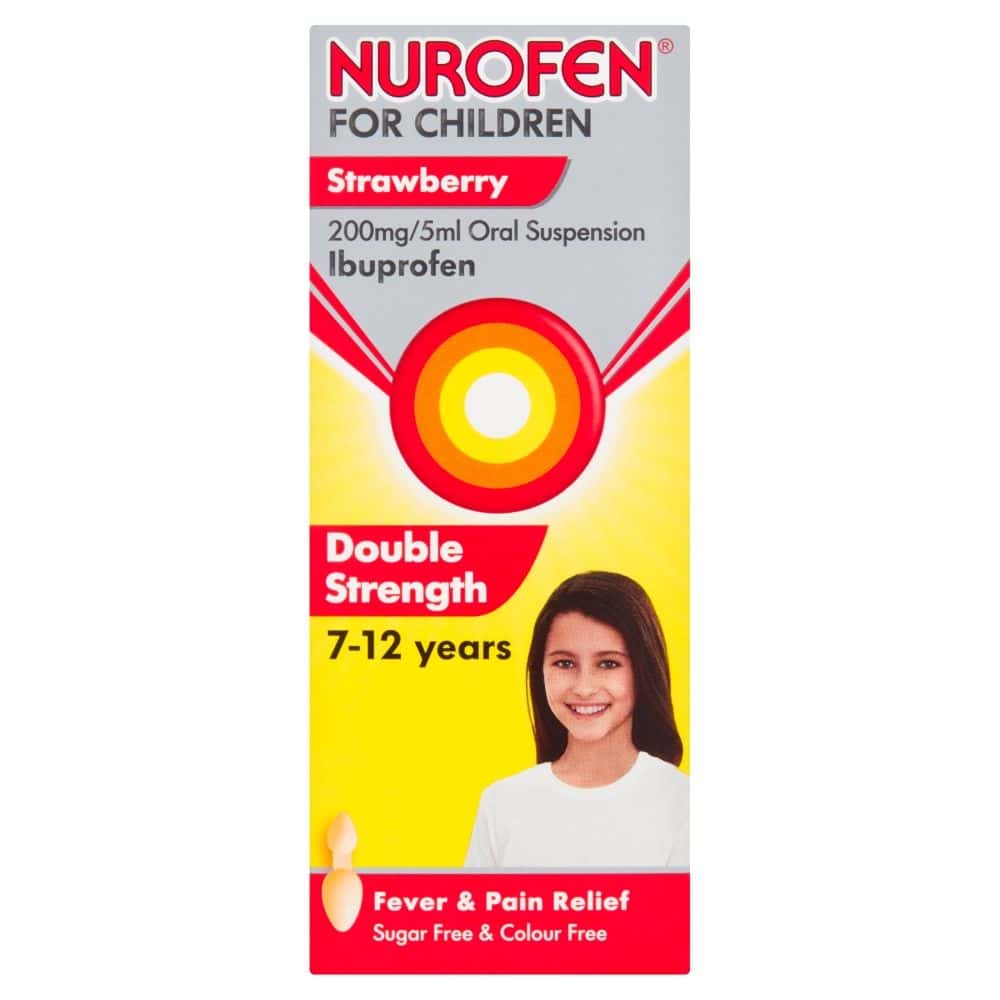
Particularly effective for reducing inflammation alongside pain and fever relief, and can help with muscle aches and headaches that often accompany the flu. However, it should be taken with food to avoid stomach irritation.
Decongestants
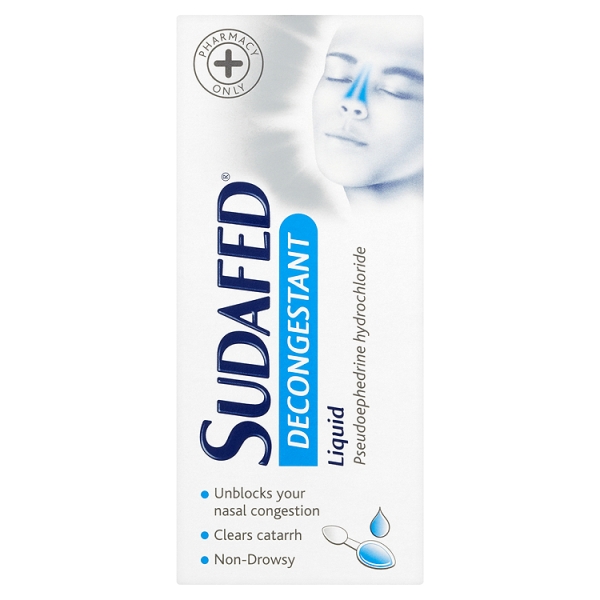
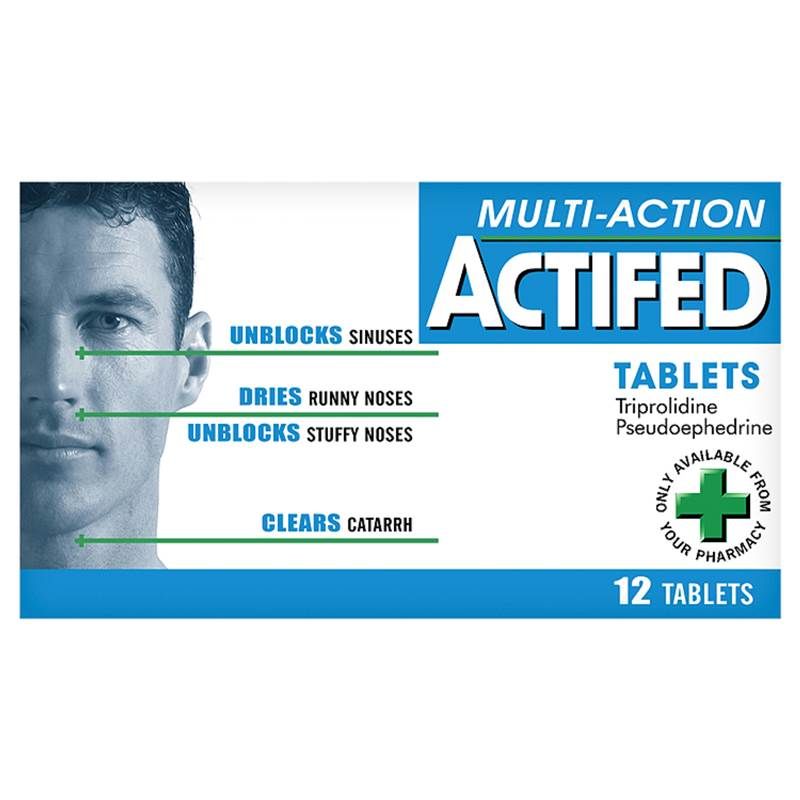
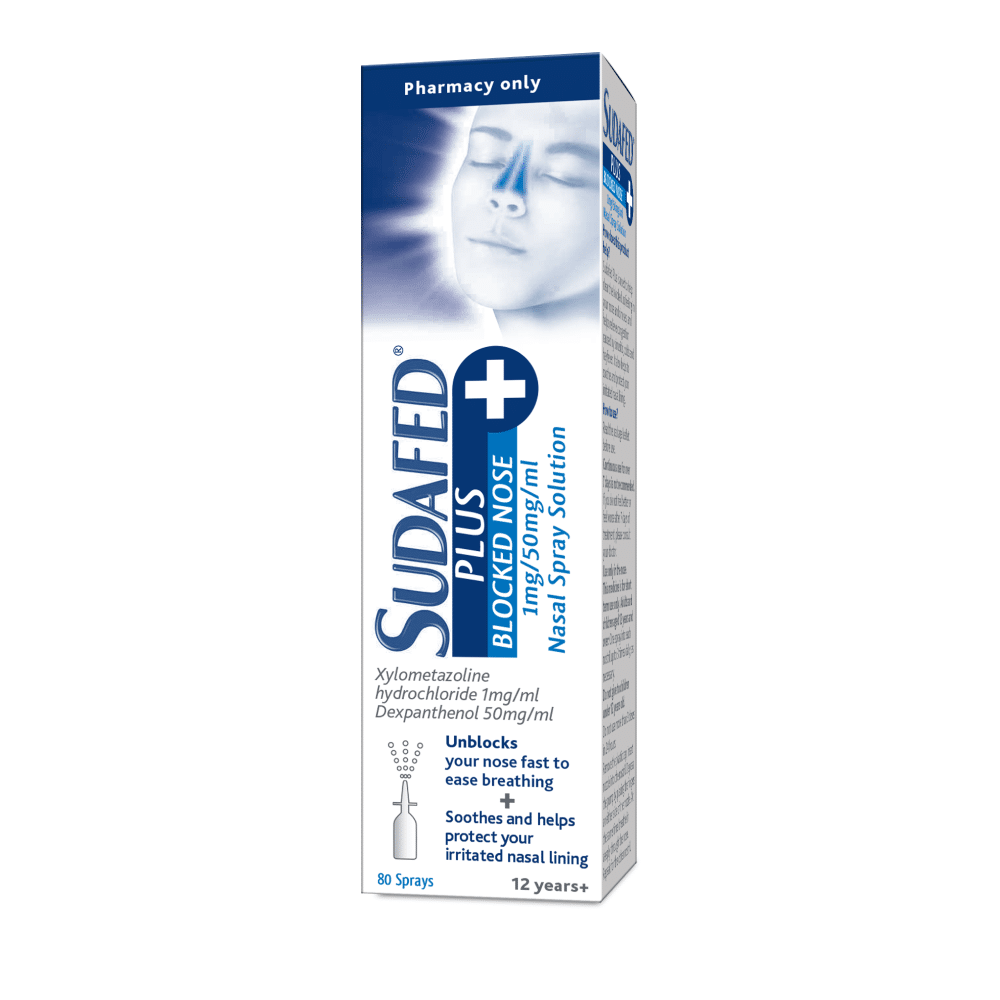
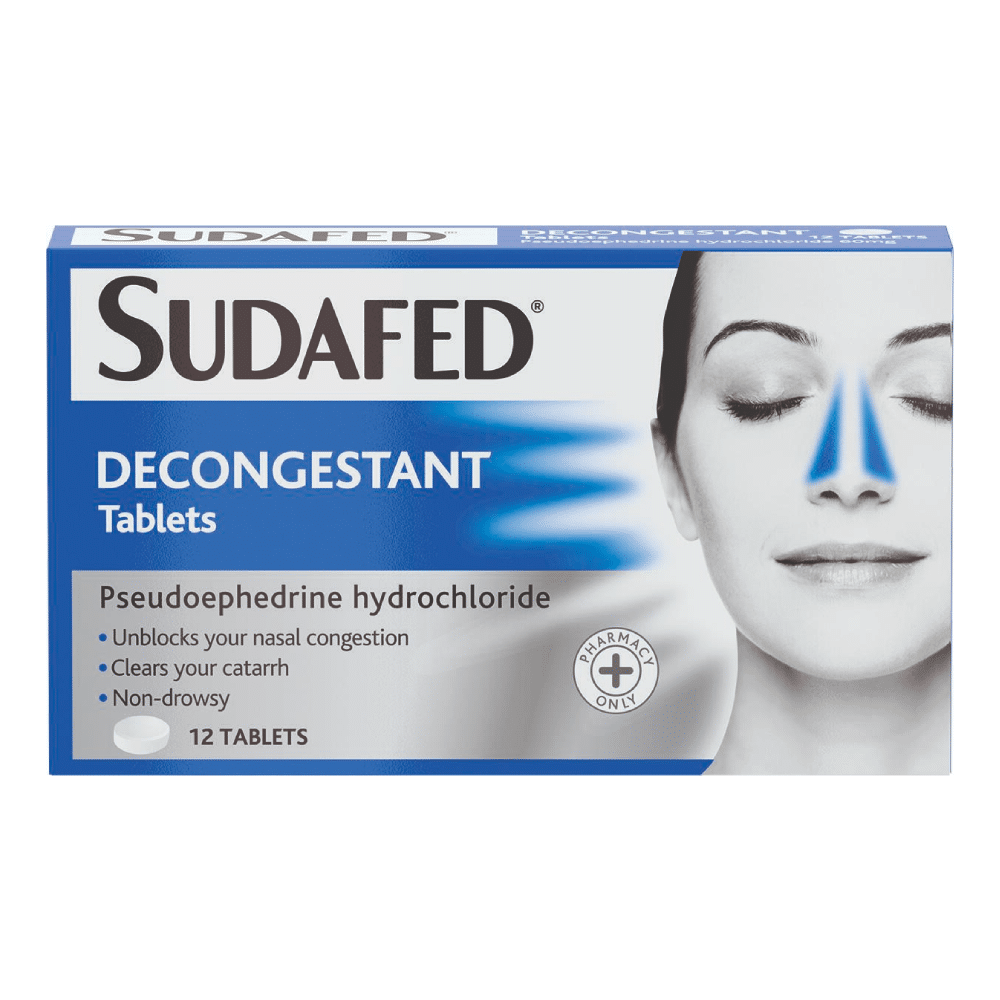
Pseudoephedrine
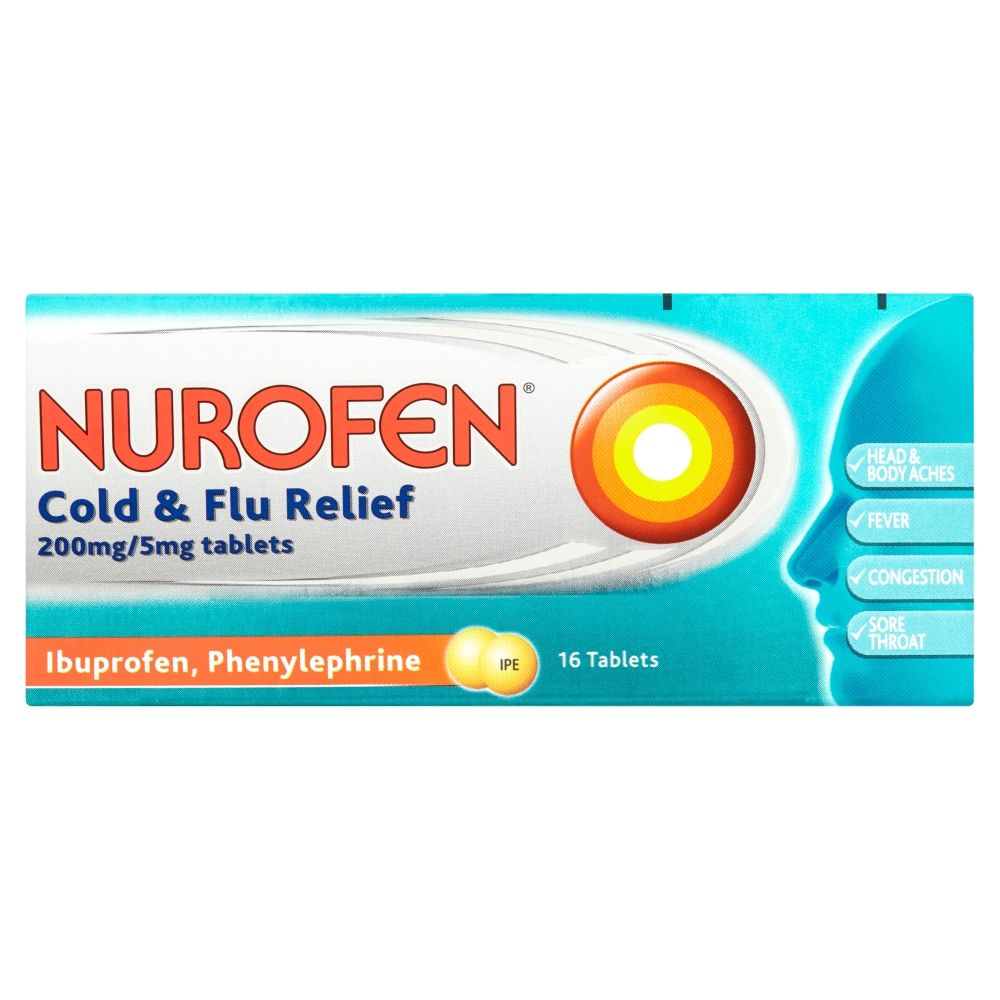
A powerful decongestant that reduces nasal stuffiness by shrinking swollen blood vessels in the nasal passages. It’s available behind the pharmacy counter in Nurofen Cold & Flu tablets and requires ID to purchase due to regulations.
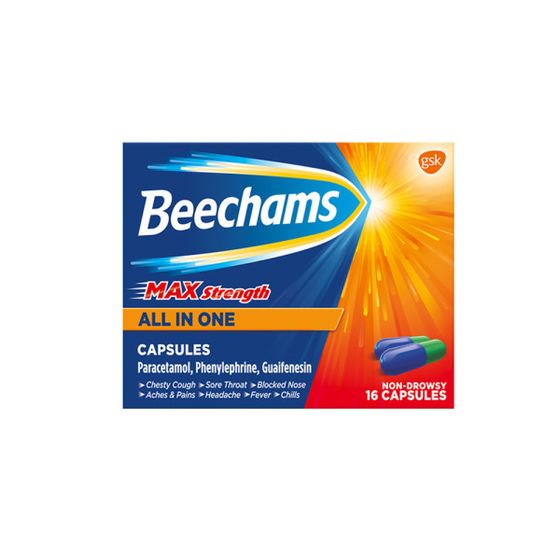
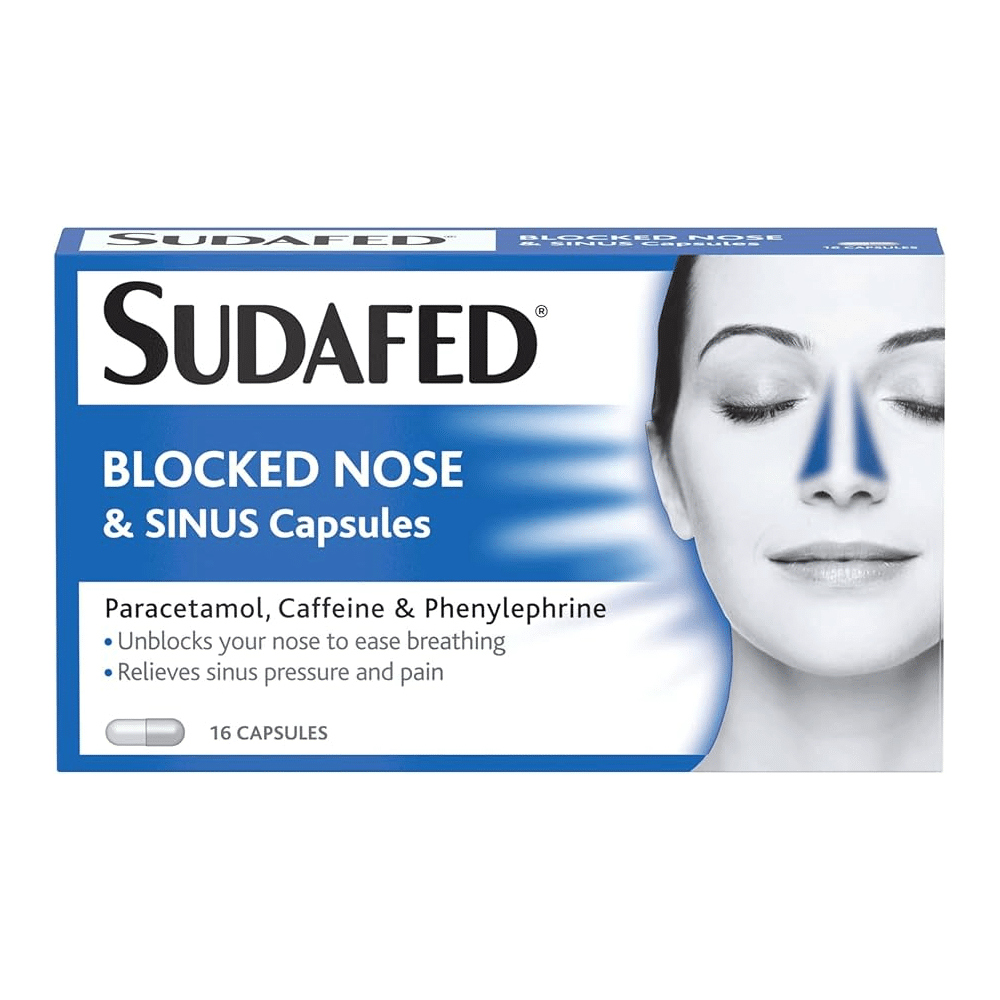
Phenylephrine
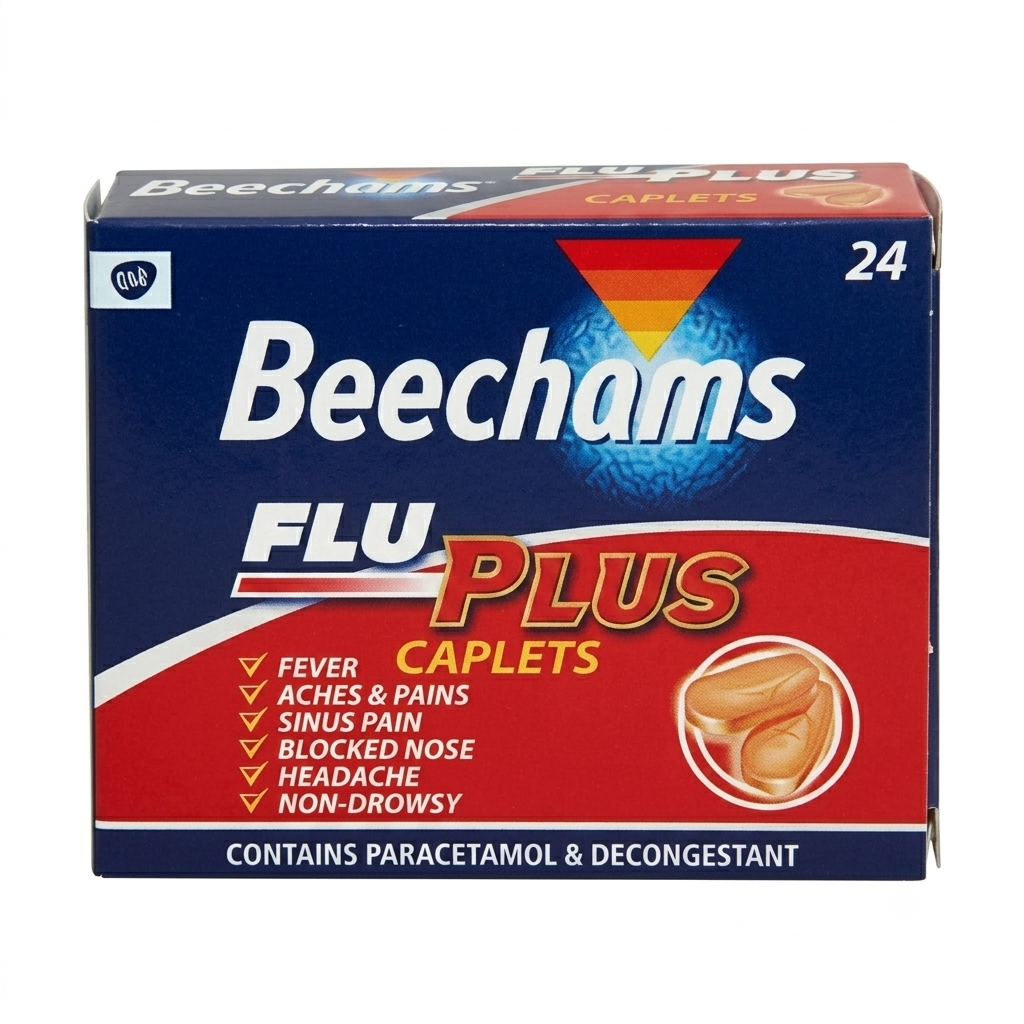
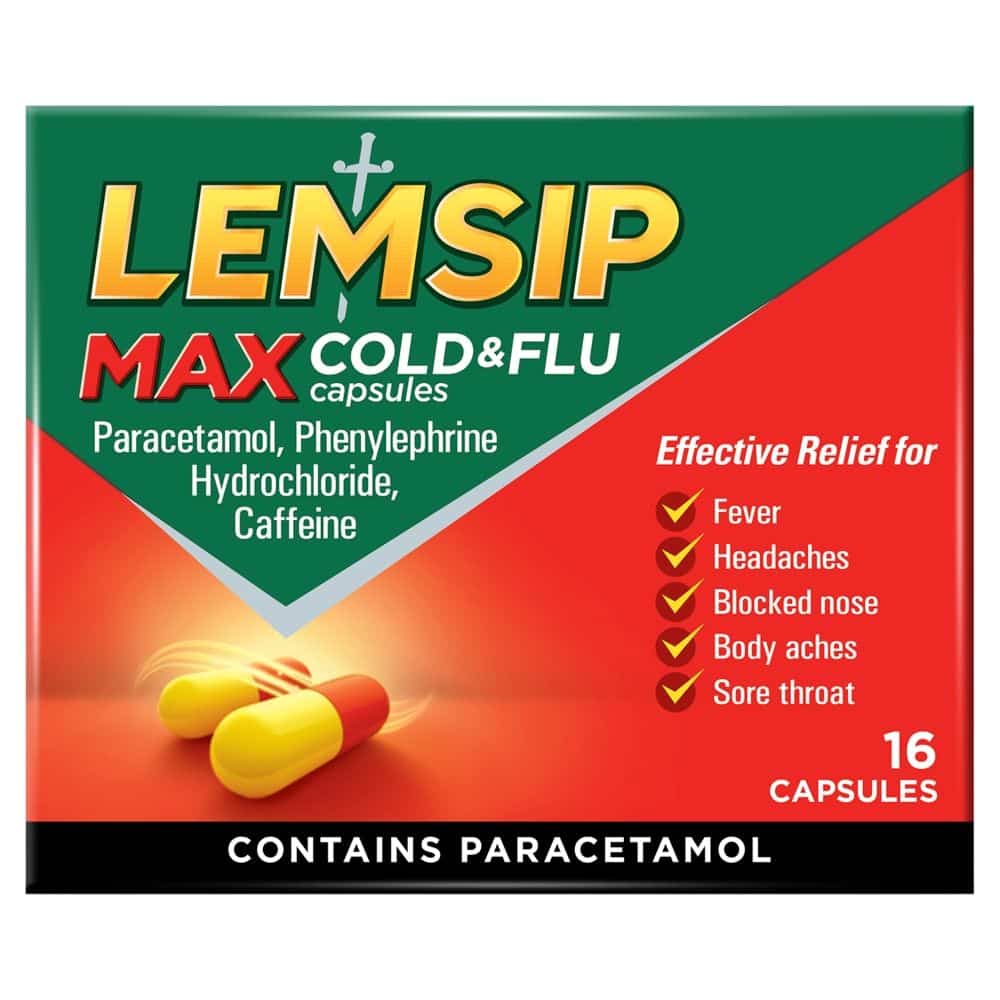
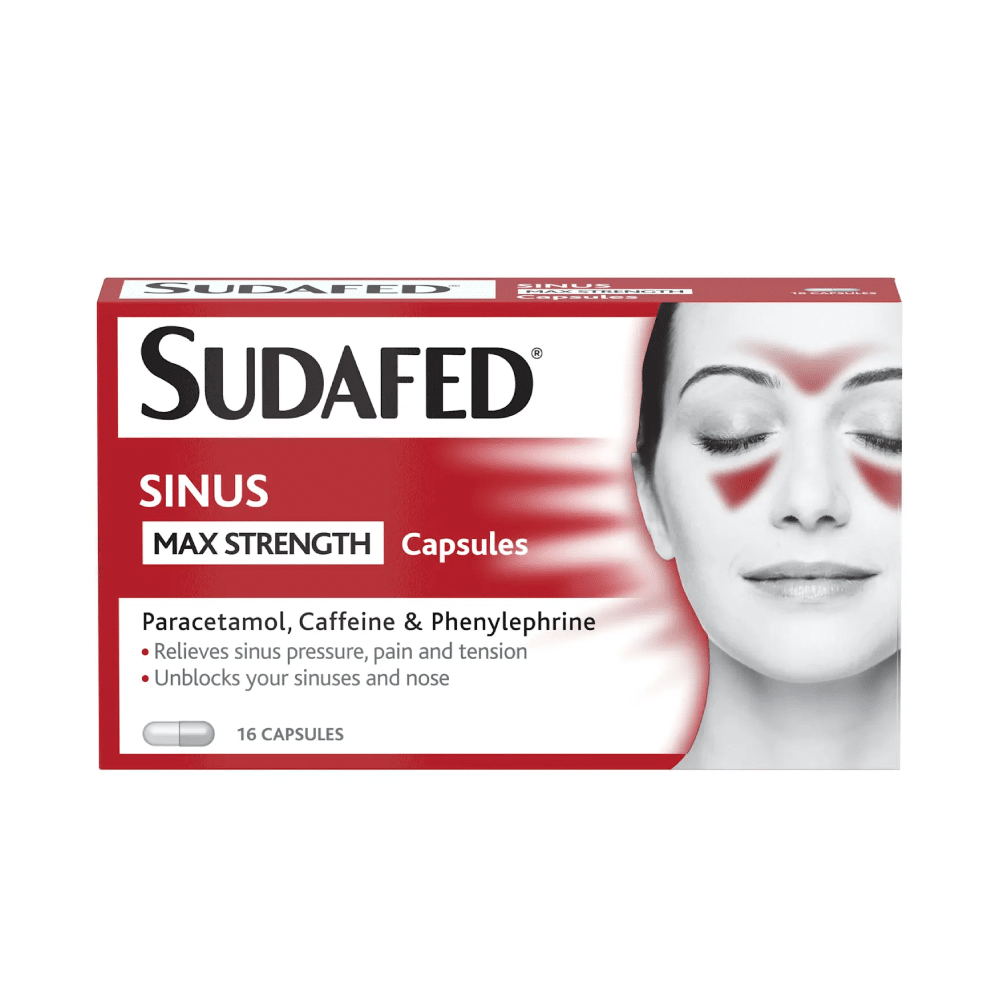
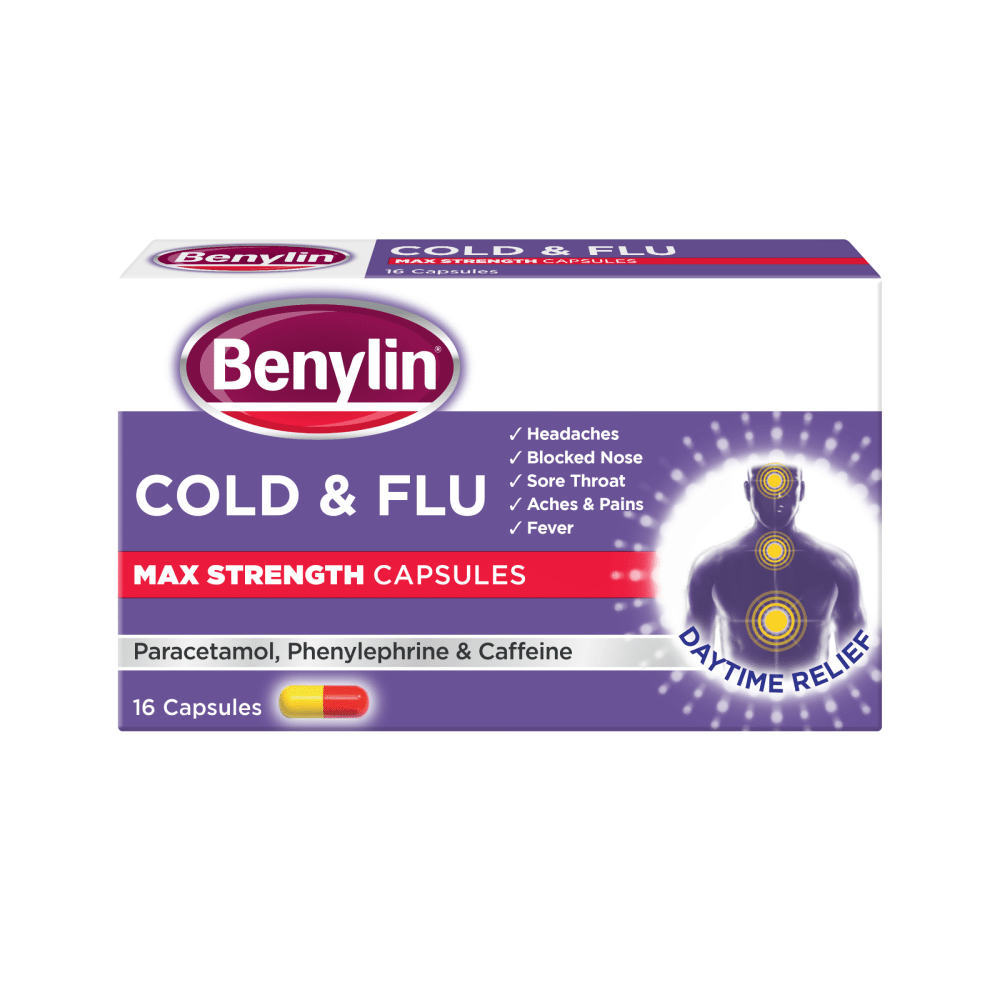
A milder decongestant that’s available in many over-the-counter cold medications like Beechams All in One and Flu Plus tablets. While less potent than pseudoephedrine, it can still provide relief from nasal congestion.
Cough Medicines
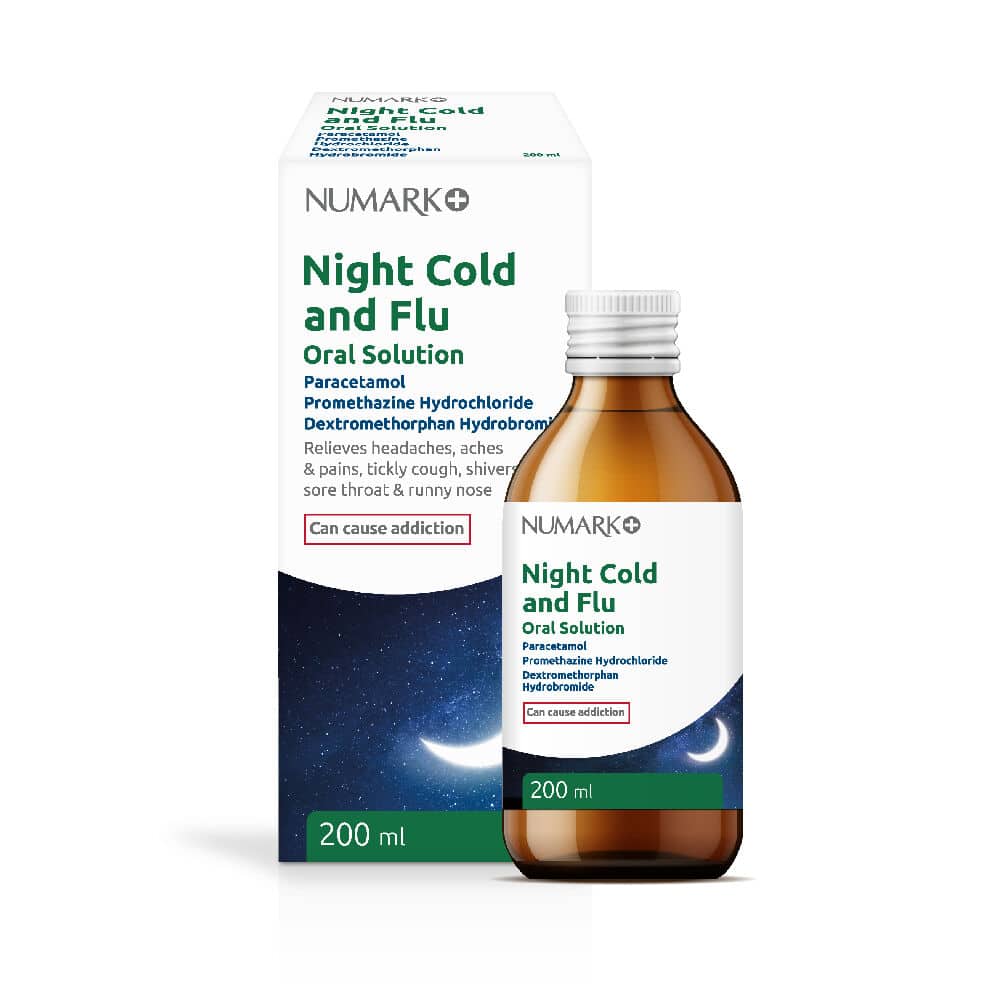
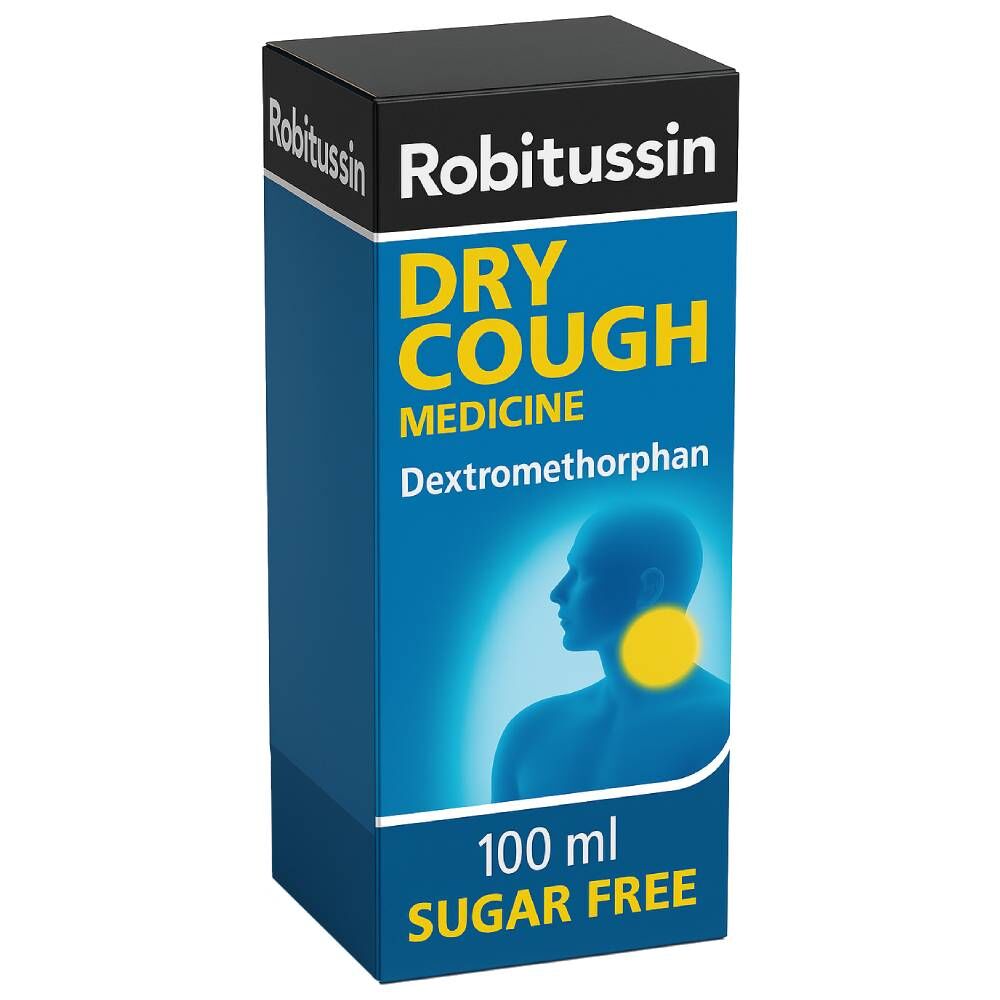
Dextromethorphan
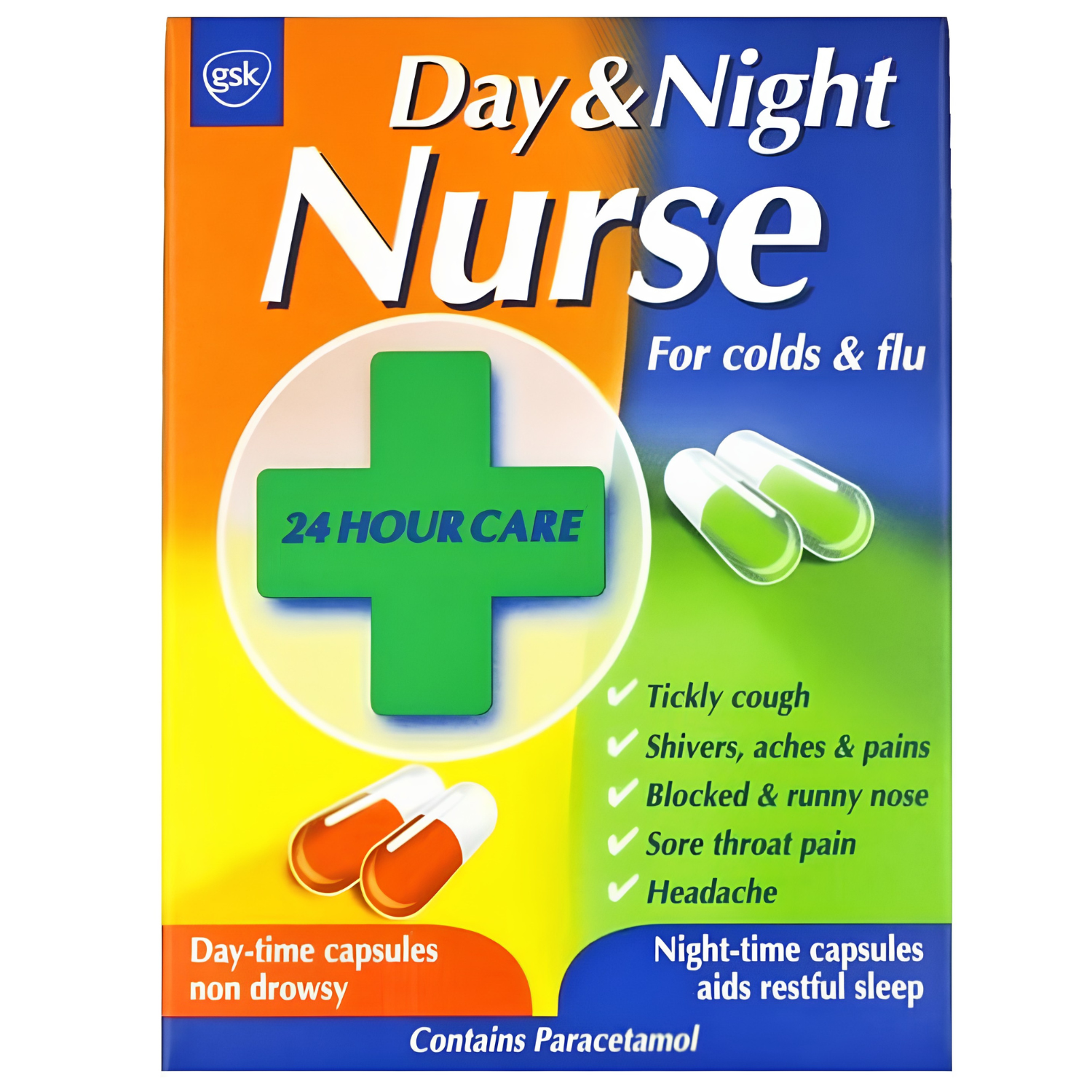
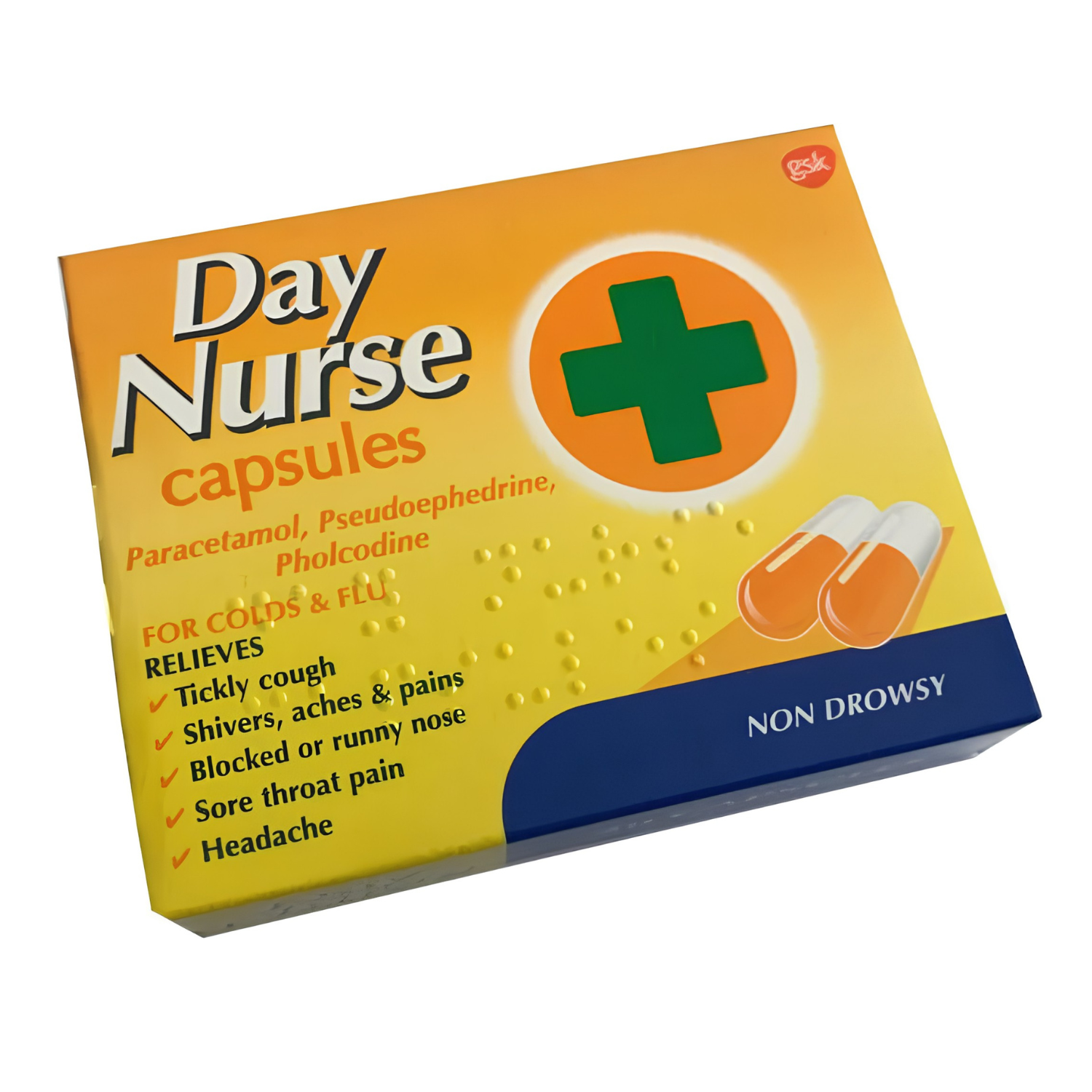
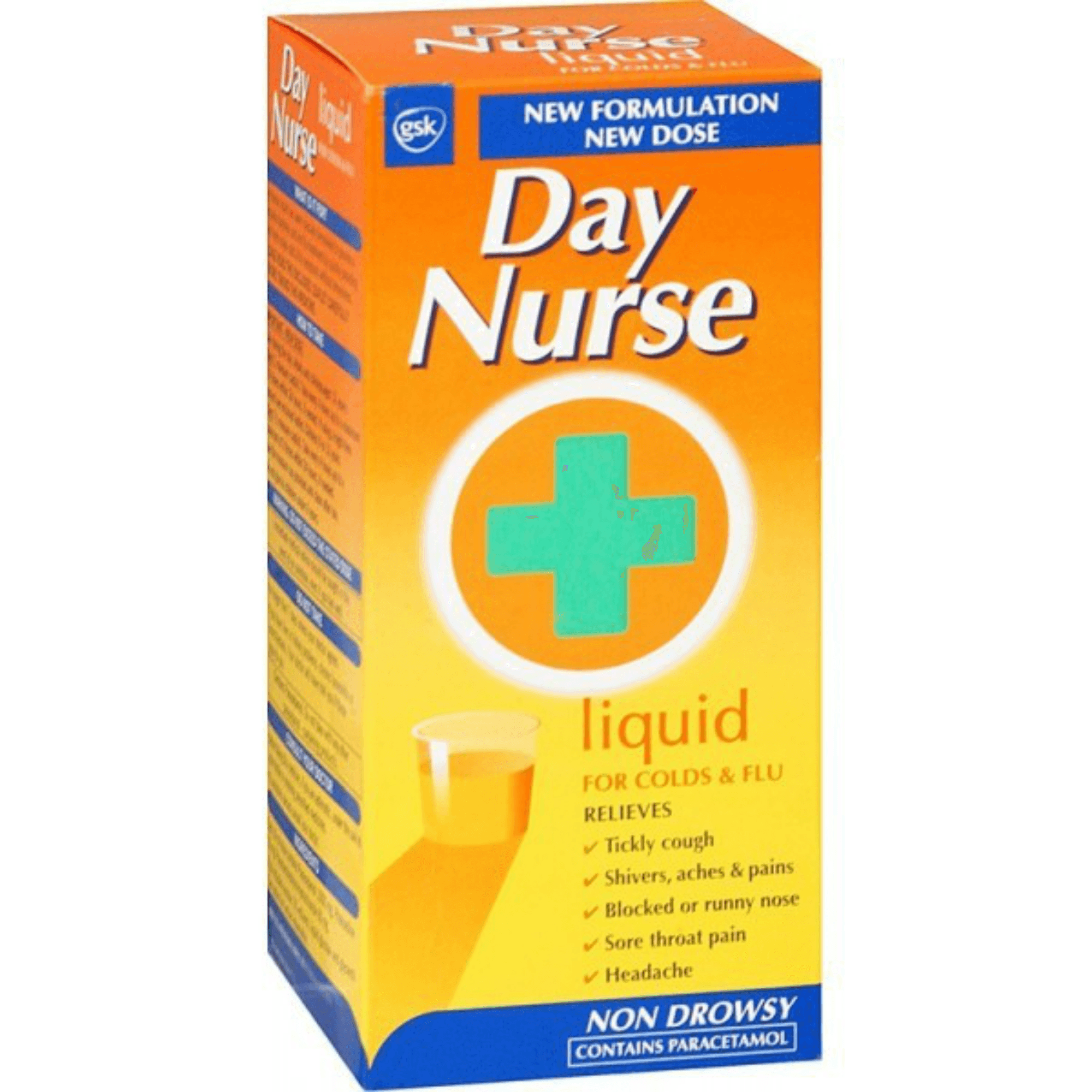
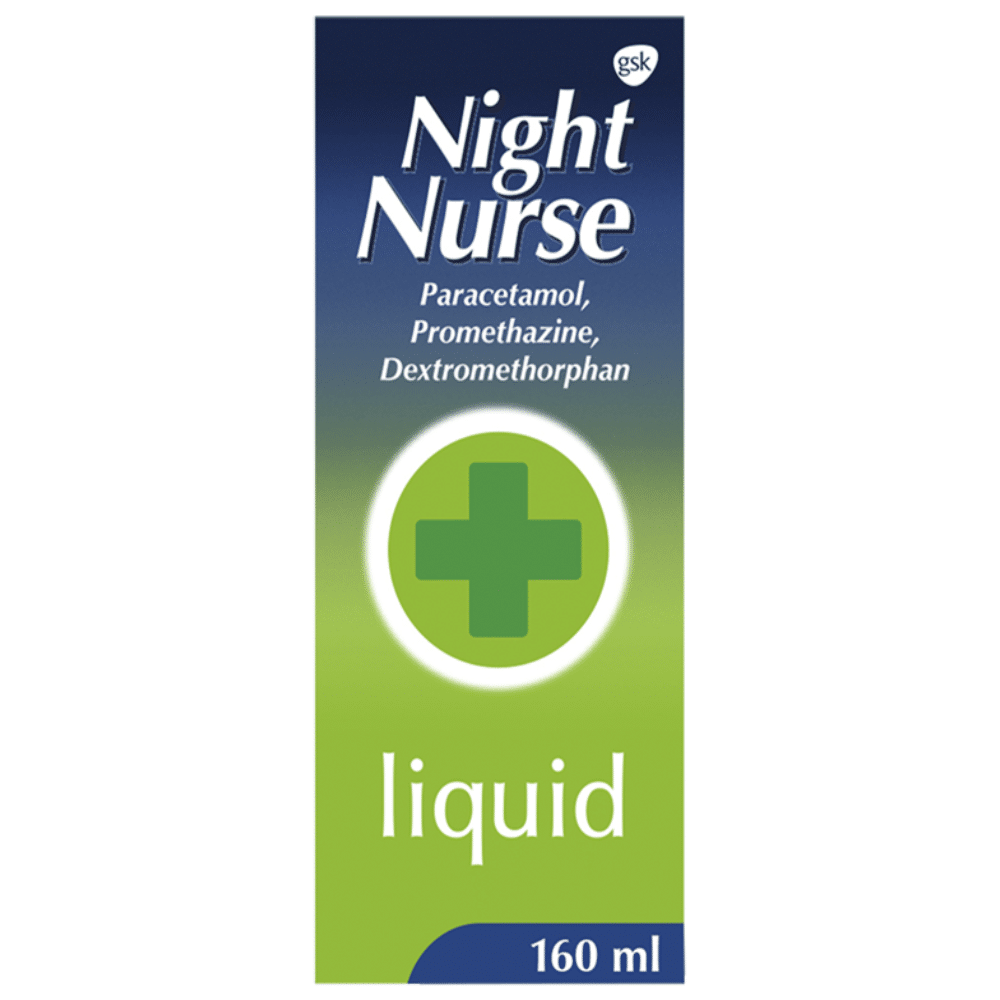
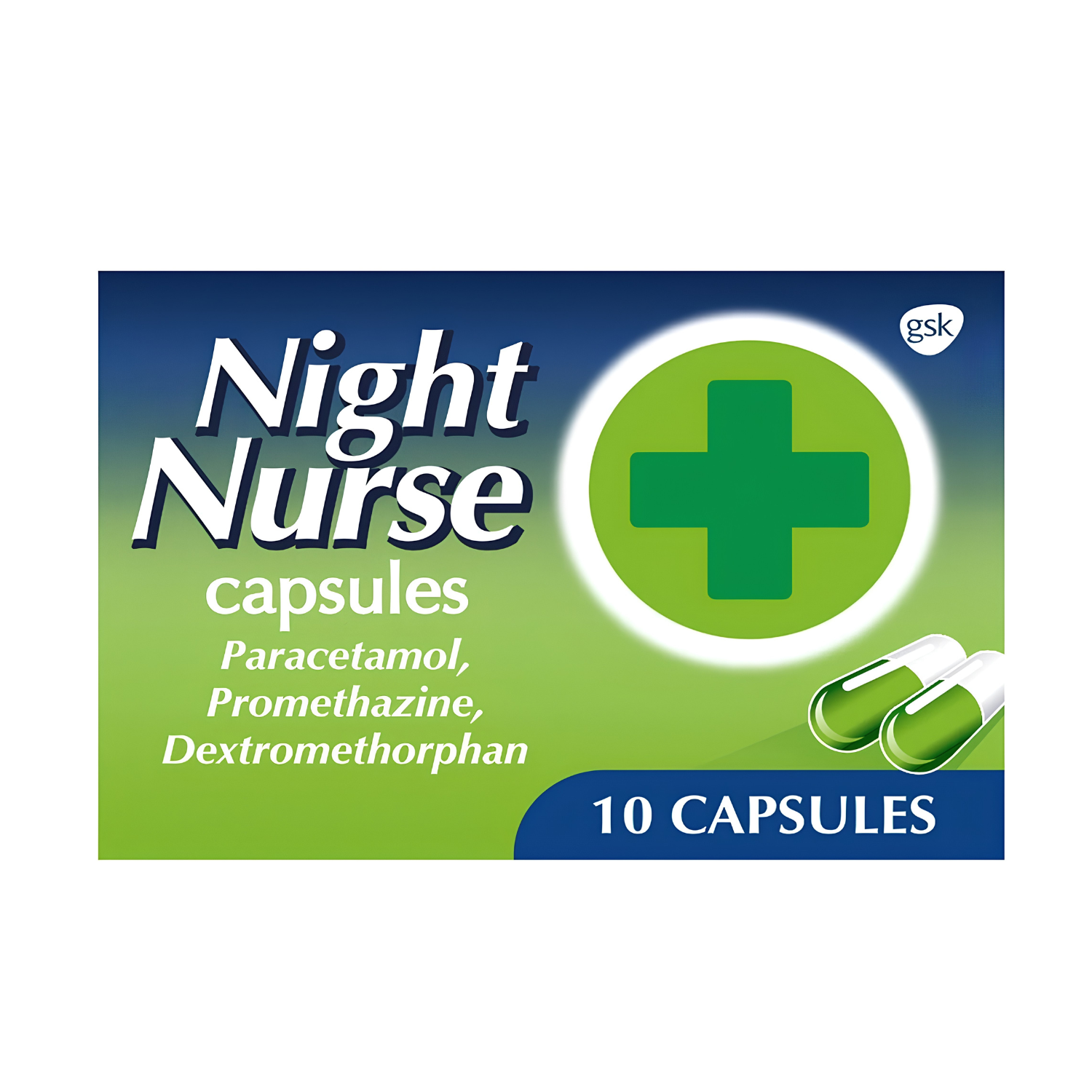
An effective cough suppressant found in cough medications like Day Nurse and Night Nurse helps reduce persistent dry coughs that can disrupt sleep and daily activities. It’s particularly useful for the dry, tickly cough associated with flu.
Guaifenesin
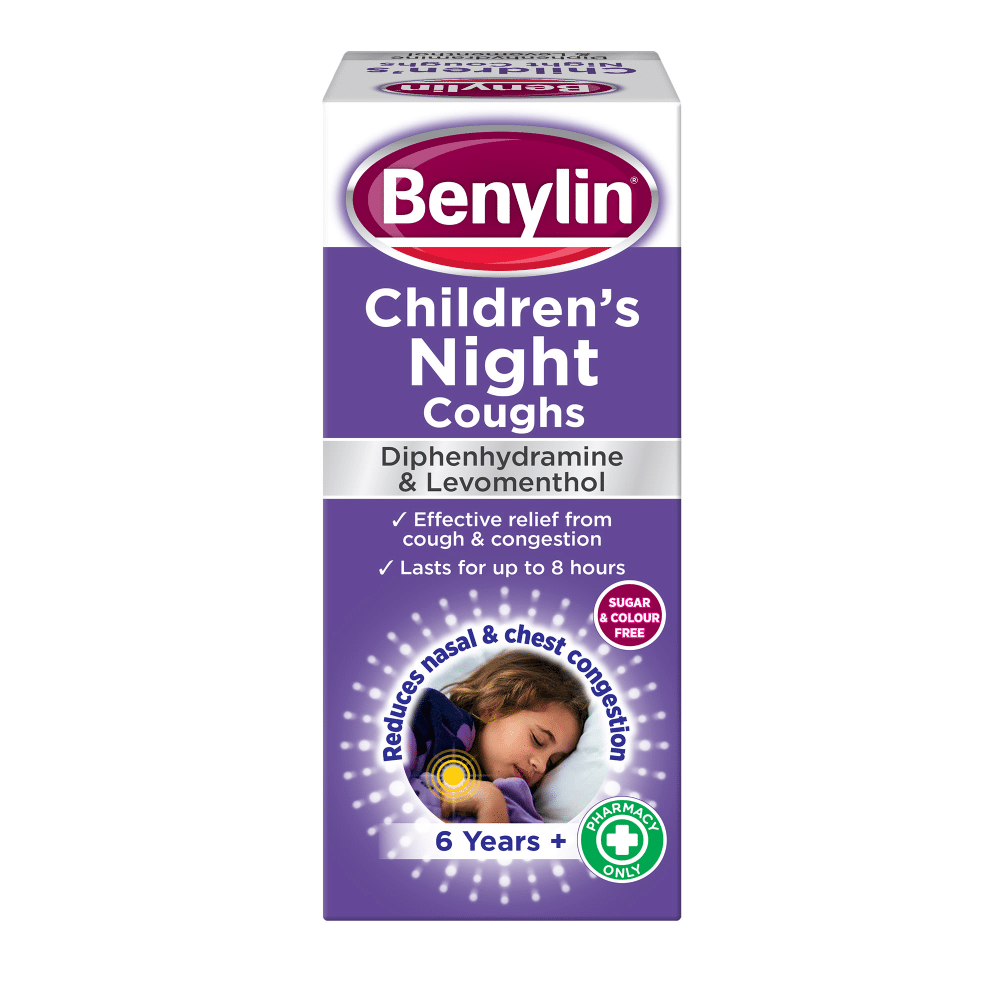
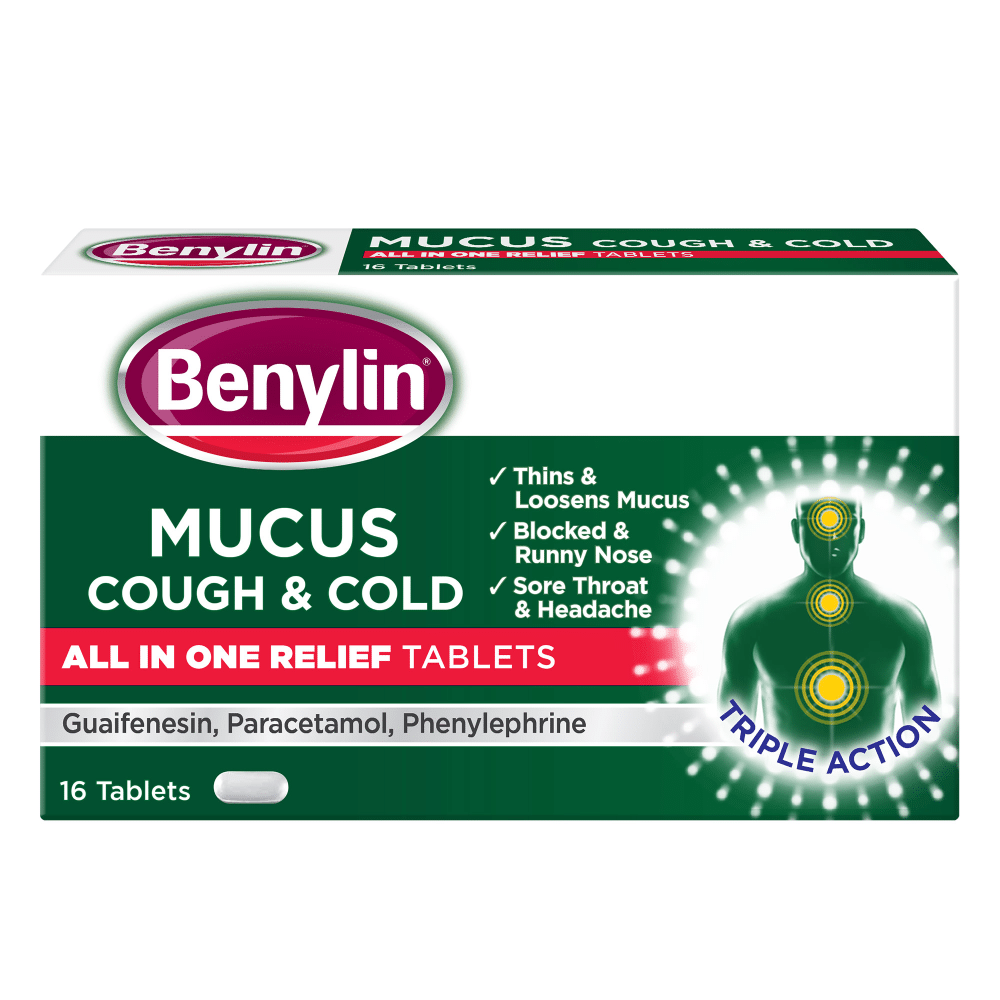
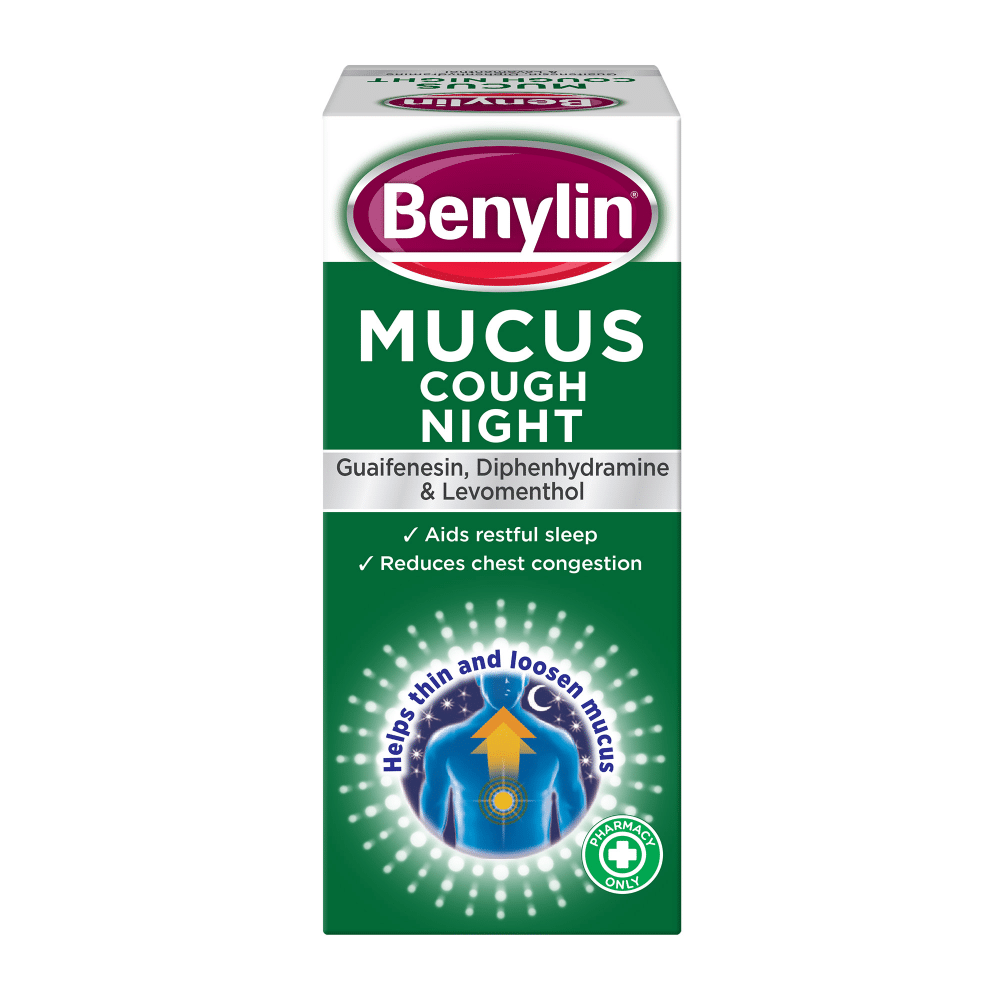
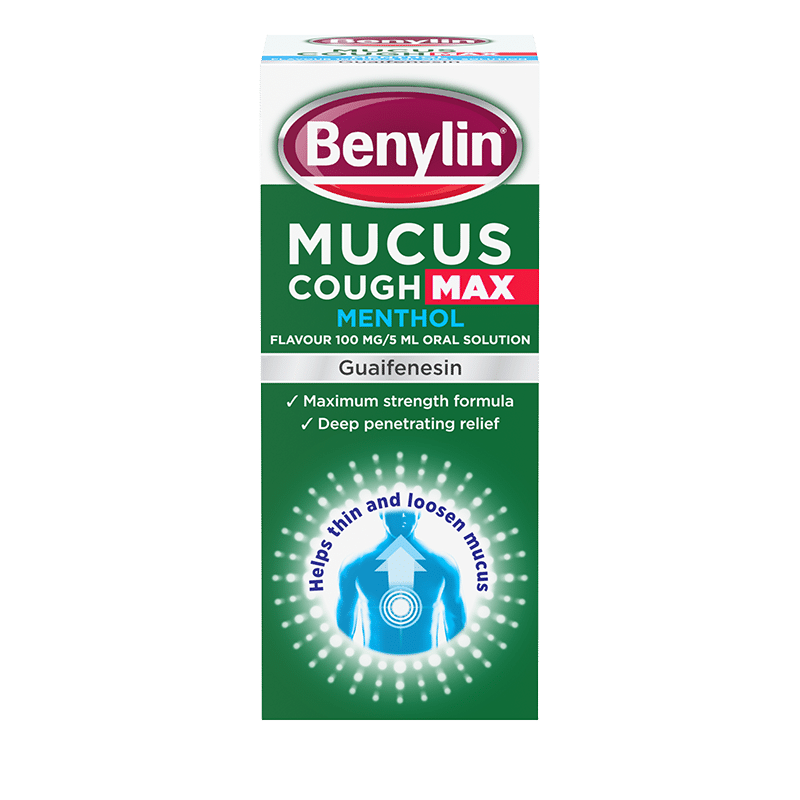
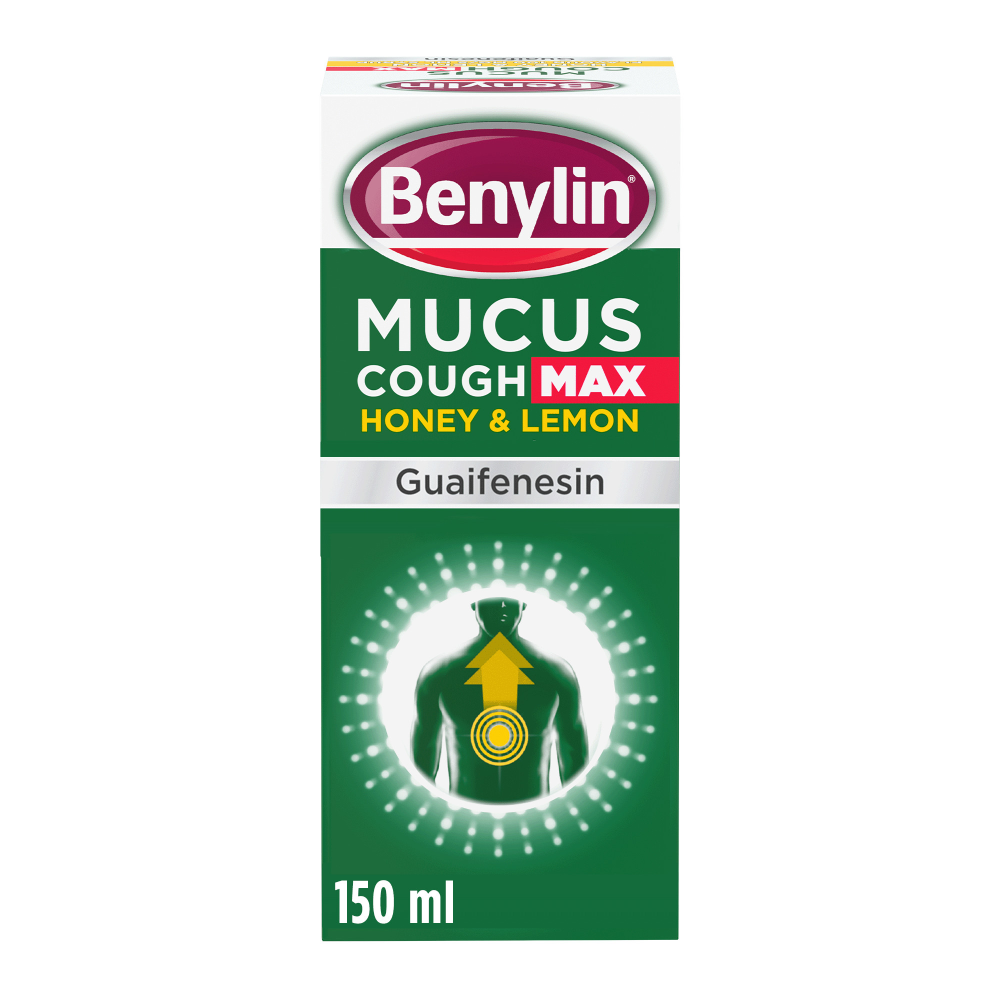
An expectorant that helps thin and loosen mucus, making it easier to cough up. Benylin Mucus Relief is most beneficial when you have a productive cough with thick phlegm.
Combination Medications
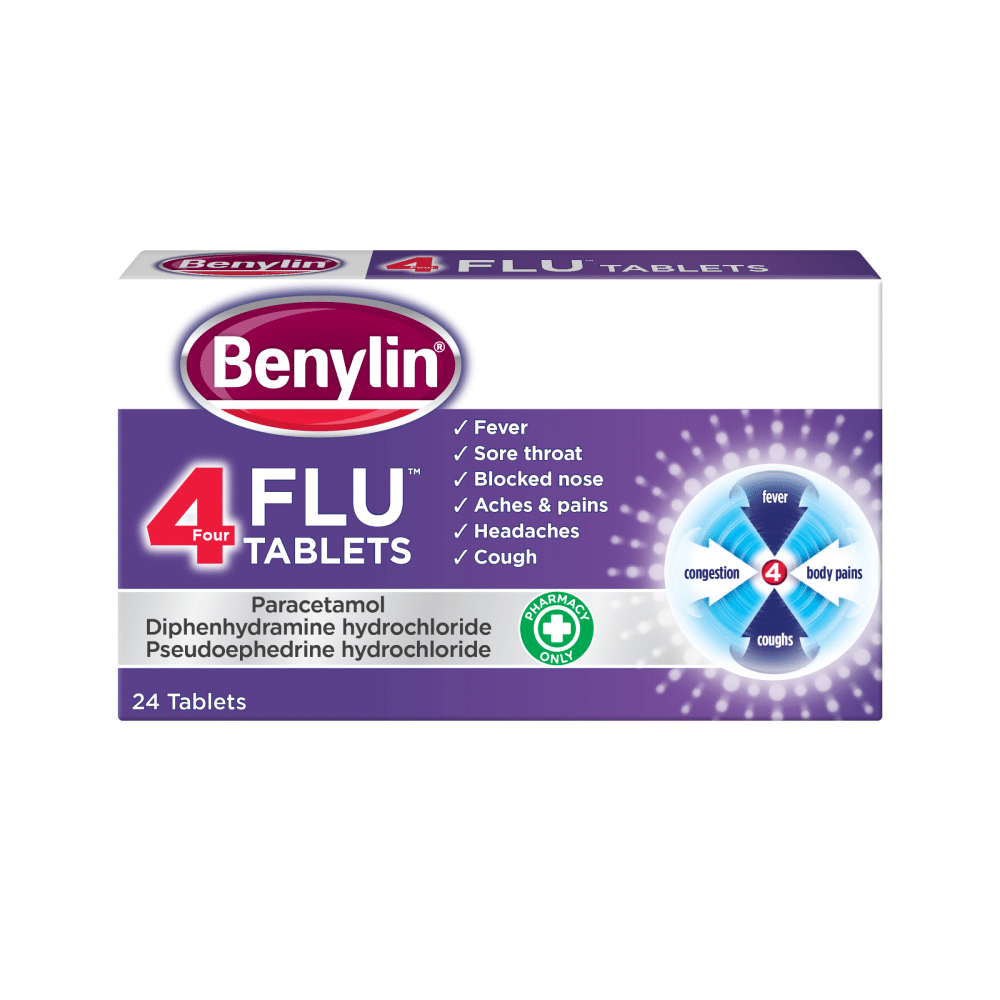
Many cold and flu medications combine several active ingredients to tackle multiple symptoms at once. Popular options include:
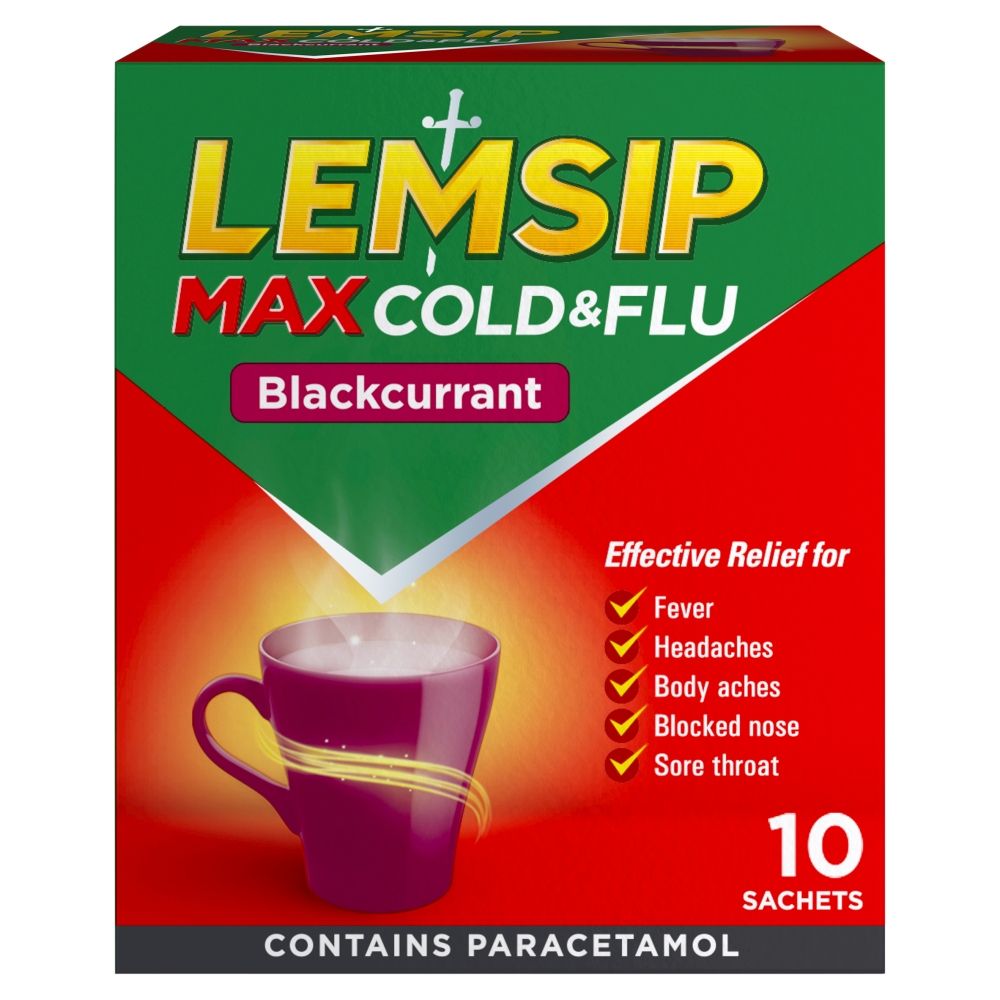
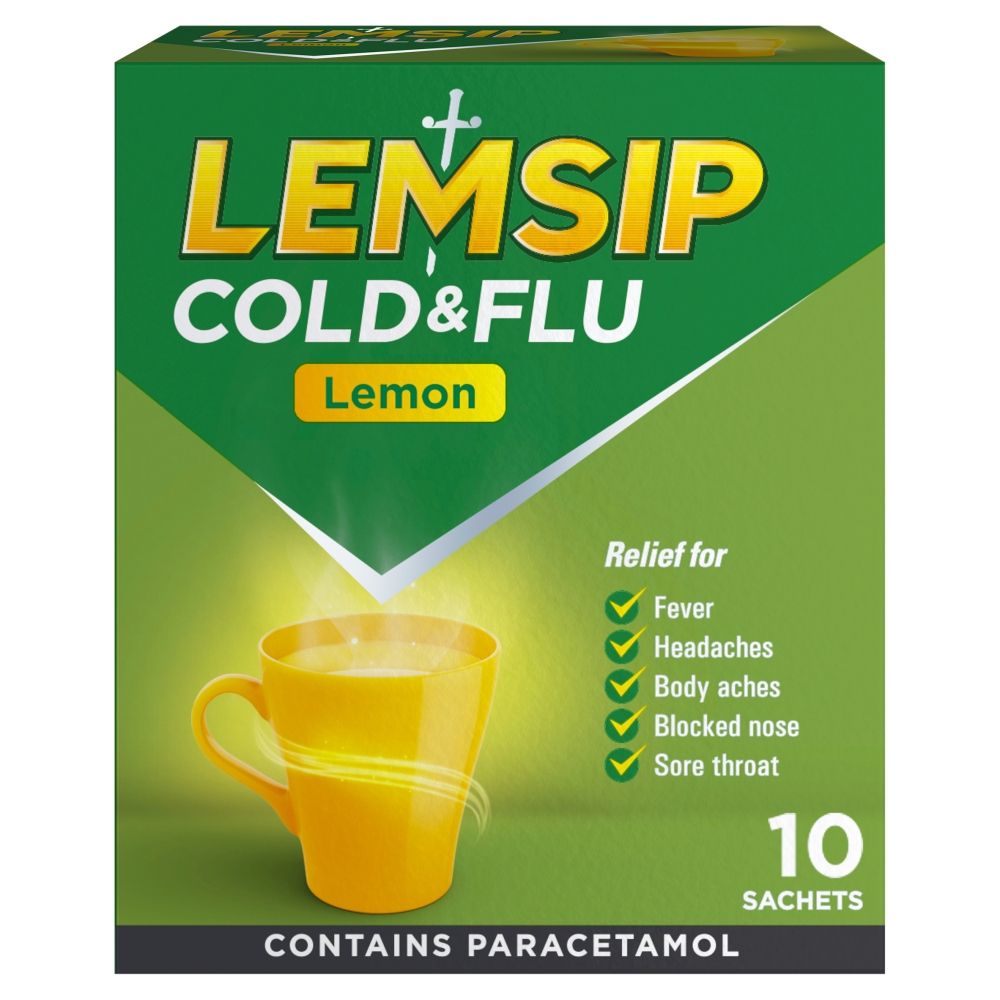
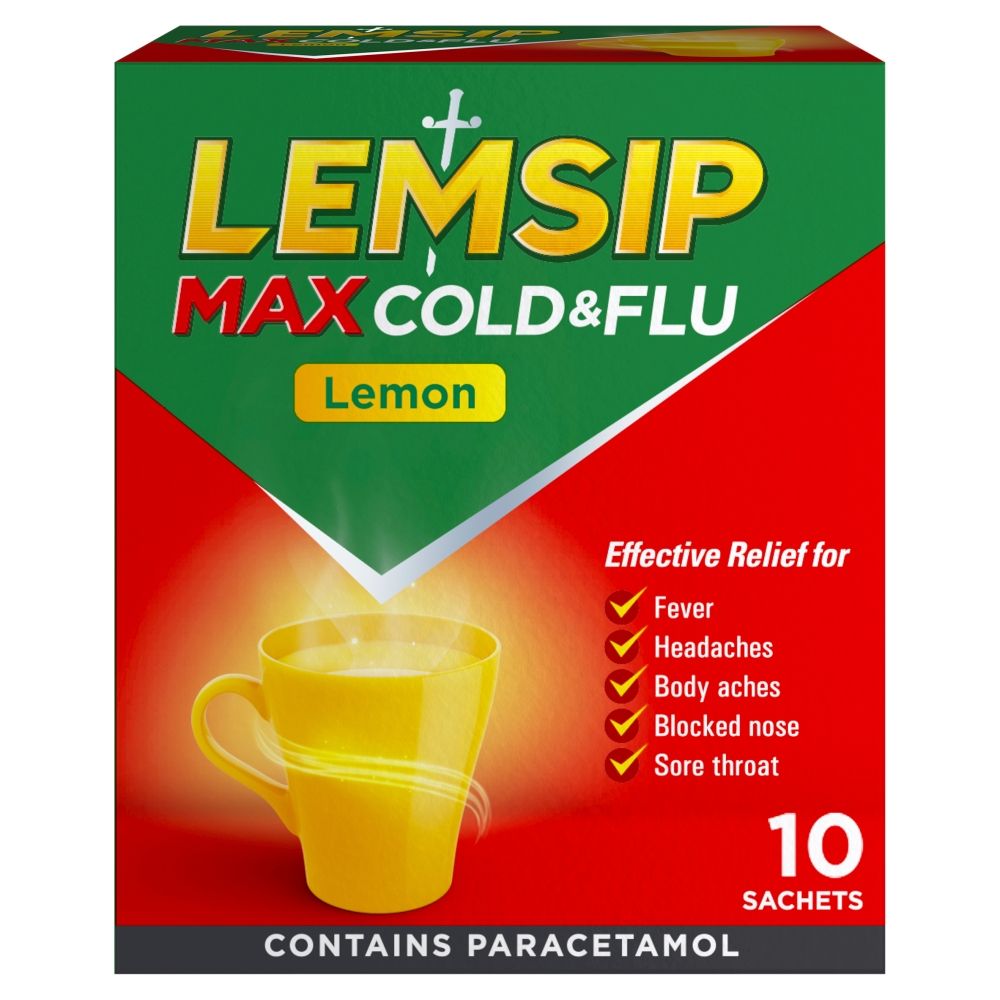
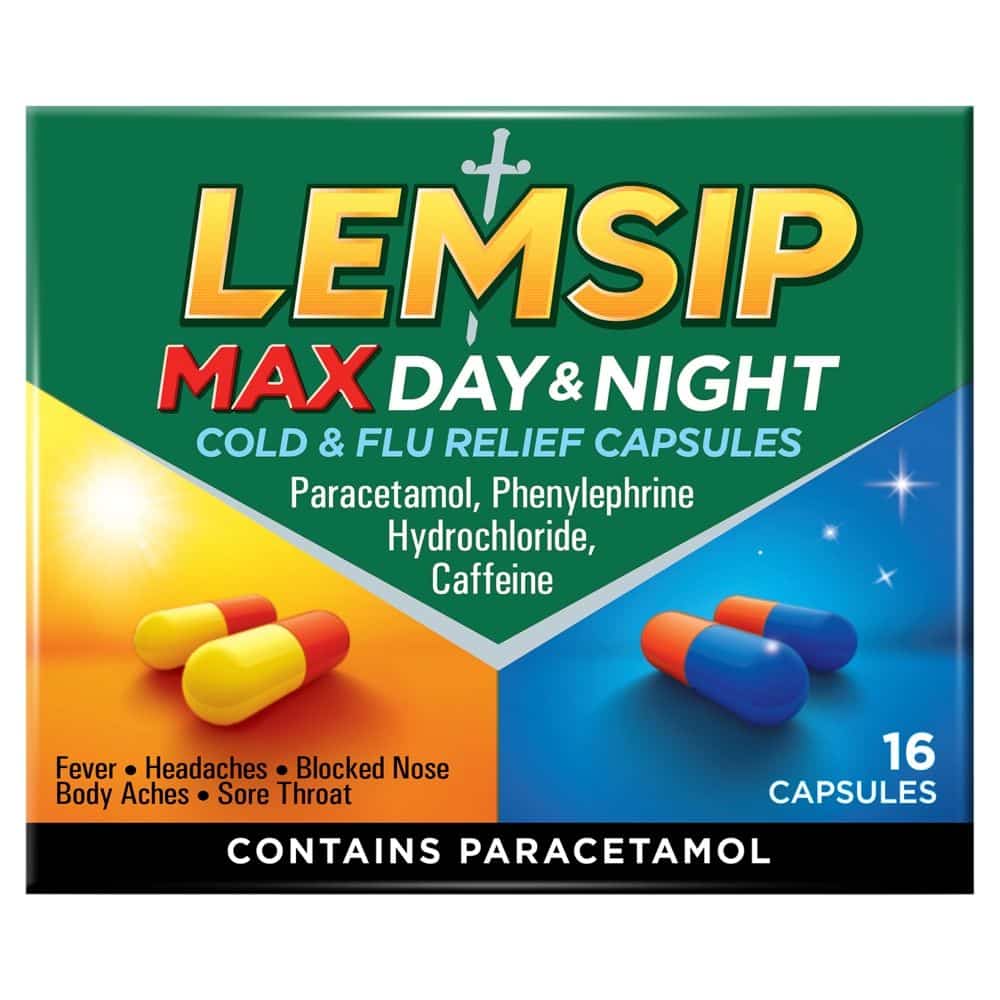
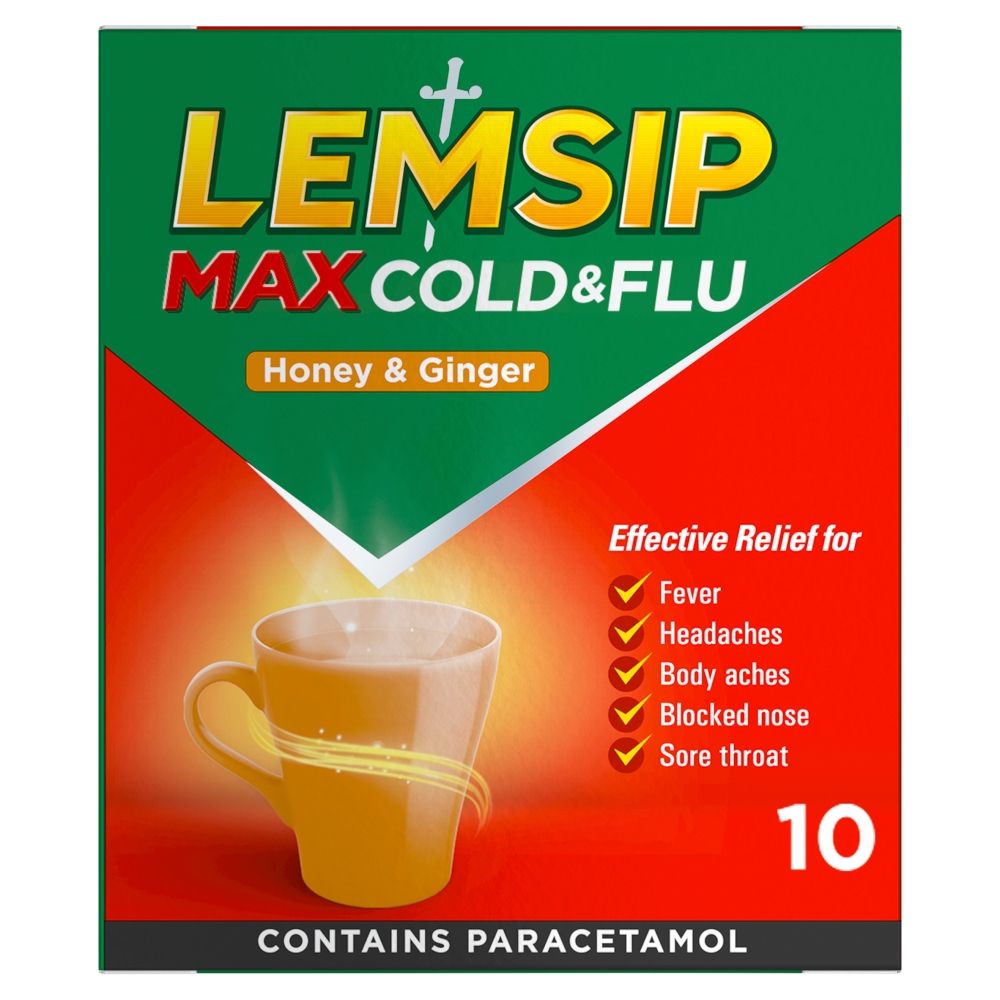
- Lemsip and similar hot drinks containing paracetamol and decongestants
- Day & Night Nurse provide symptom relief around the clock
- Capsules containing pain relief, decongestants, and cough suppressants
When to Seek Medical Attention
While most colds and flu resolve on their own, certain symptoms require medical attention:
- High fever lasting more than three days
- Difficulty breathing or chest pain
- Severe headache with neck stiffness
- Persistent vomiting
- Symptoms that worsen after initial improvement
- Signs of secondary bacterial infection
If you have underlying health conditions like asthma, diabetes, or heart disease, you should seek medical advice earlier rather than waiting for symptoms to worsen.
Cough and cold medicines should not be given to children under 6 years of age. Ask a doctor or pharmacist for advice before giving cough and cold medicines to children aged 6 to 11 years.