

constipation Consultation

Please answer the following questions as honestly as possible so we can ensure your preferred treatment is the best treatment for your needs.

Estimated time to complete: 2 minutes

Buy Constipation Treatment Online

Constipation is a common condition that affects people of all ages. It happens when bowel movements become less frequent and stools become harder to pass, which often leads to discomfort, bloating and straining. At Click2Pharmacy, our online clinic offers a range of constipation treatment options to help you get things moving again quickly and discreetly.

Start Your Online Consultation

After completing your online consultation, you will be able to select your preferred treatment.

Takes less than 5 minutes

100% confidential

UK registered pharmacy

Ordered with us before? Click here to login and reorder from your account.

How to Buy Constipation Medication Online

Step 1: Online Consultation

Fill in a quick online consultation for our licensed pharmacists to review.

Step 2: Choose a Treatment

Our pharmacists will review your treatment to ensure it’s suitable.

Step 3: Quick & Discreet Delivery

Your treatment will be delivered to your door quickly & discreetly.

Laxatives for Constipation

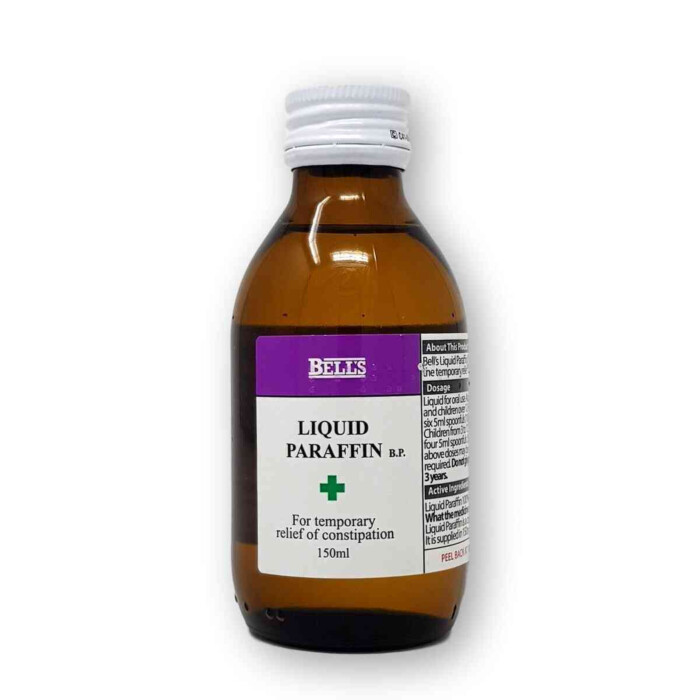
Bell's Liquid Paraffin BP

  • 150ml
  • Oral Liquid solution
  • Contains Liquid Paraffin
From £3.65
Add to basket

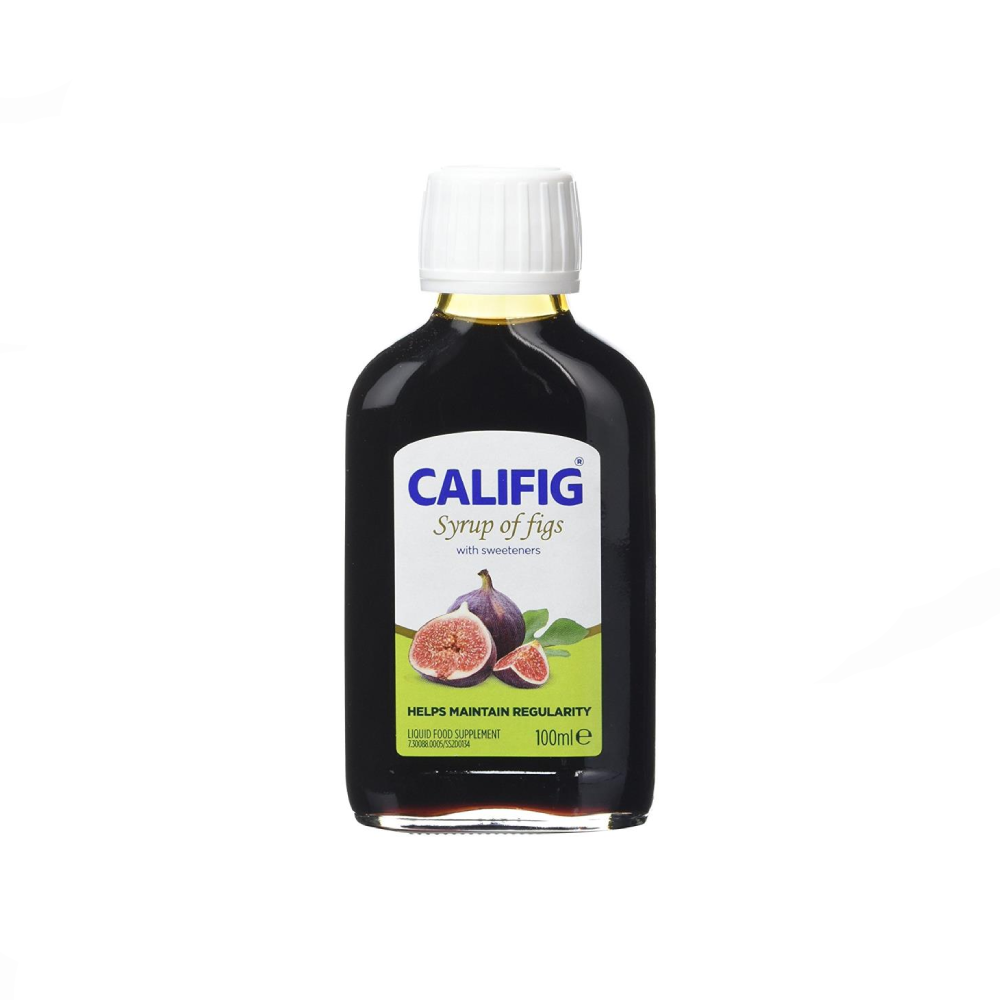
Califig Syrup Of Figs 100ml

  • 100ml syrup
  • Relieves constipation
  • Contains senna
£5.95
Add to basket

Cleen (Fleet) Enema

  • 133ml liquid
  • Relief from occasional constipation
  • Contains sodium phosphate & sodium biphosphate
From £6.15
Add to basket

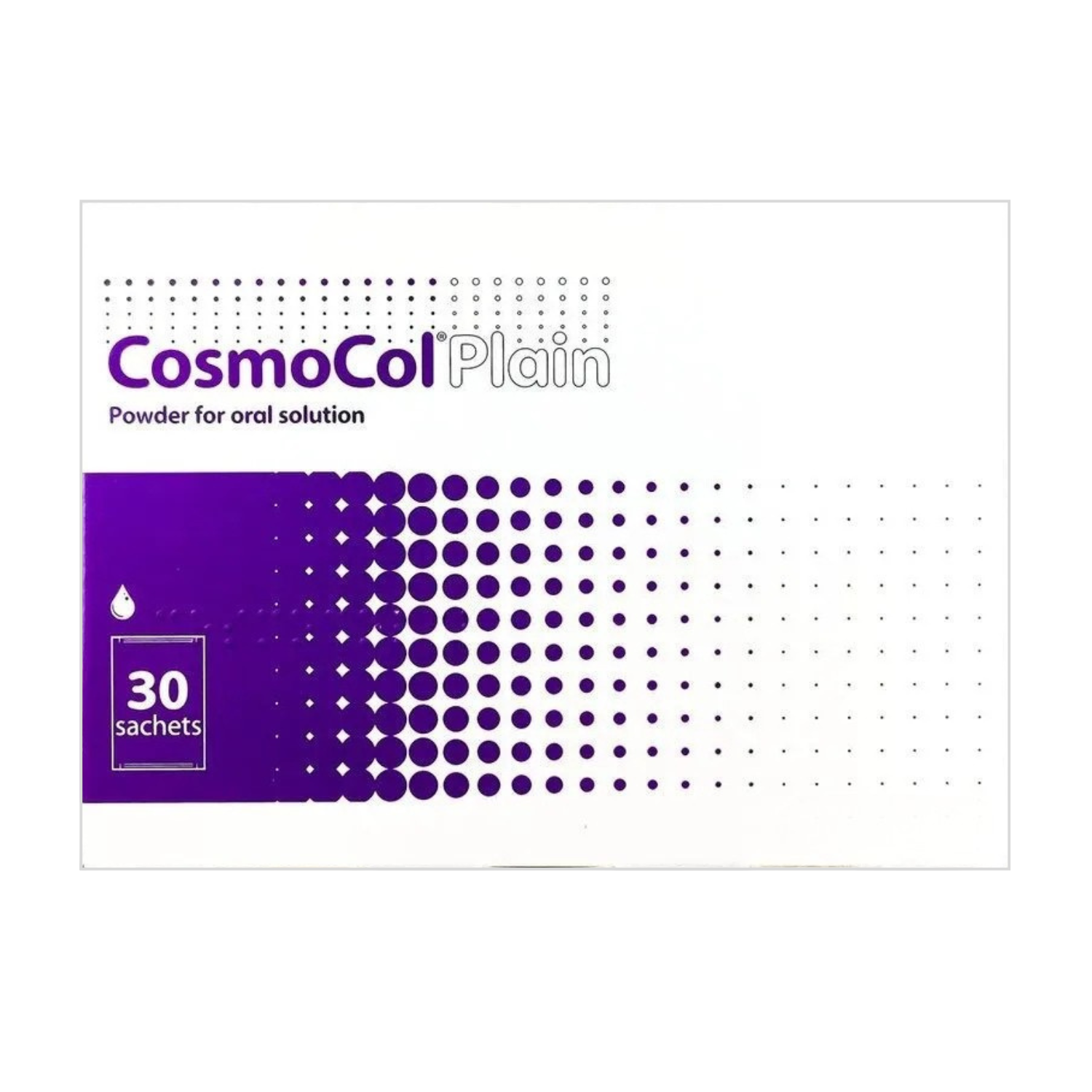
Cosmocol Sachets

  • 30 sachets
  • Relieves constipation and softens stools
  • Contains macrogol & sodium chloride
£9.49
More information

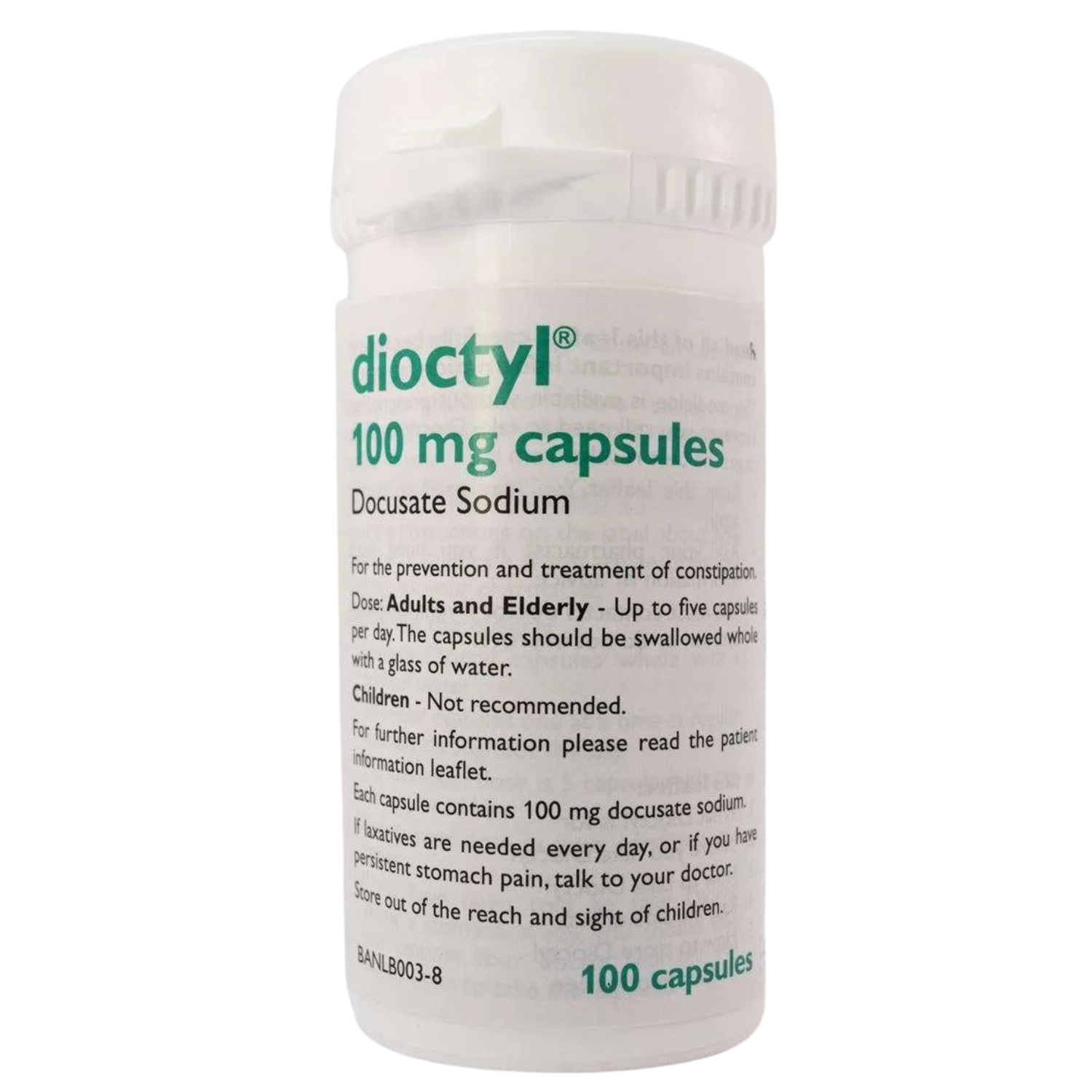
Docusate (Dioctyl) 100mg Capsules

  • 100mg tablets
  • Relieves constipation
  • Contains docusate sodium
£16.99
More information

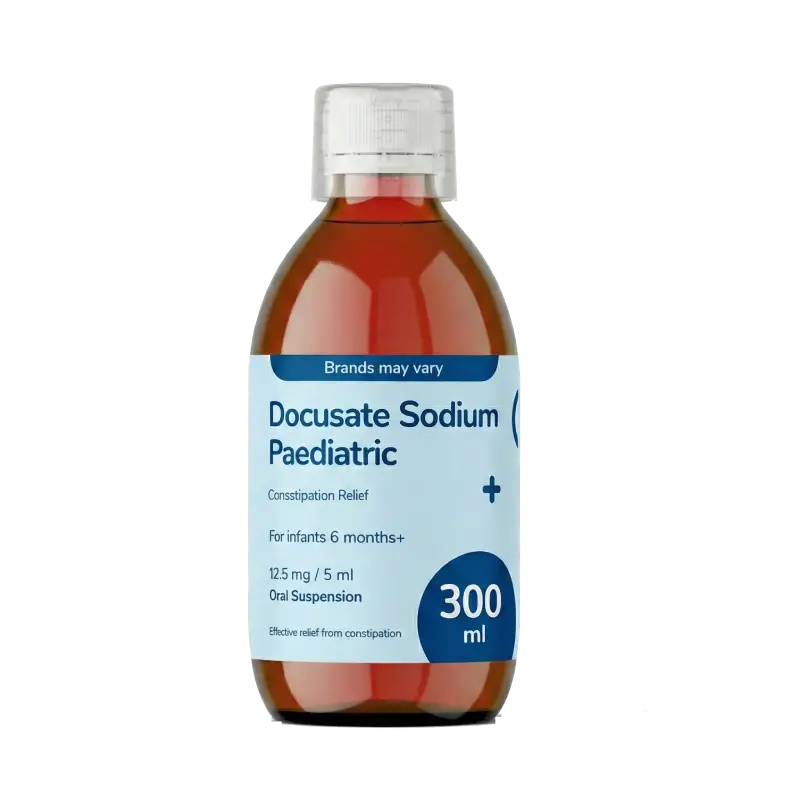
Docusate Sodium Paediatric Oral Solution

  • 300ml
  • Oral liquid suspension
  • Contains docusate sodium
£39.99
Add to basket

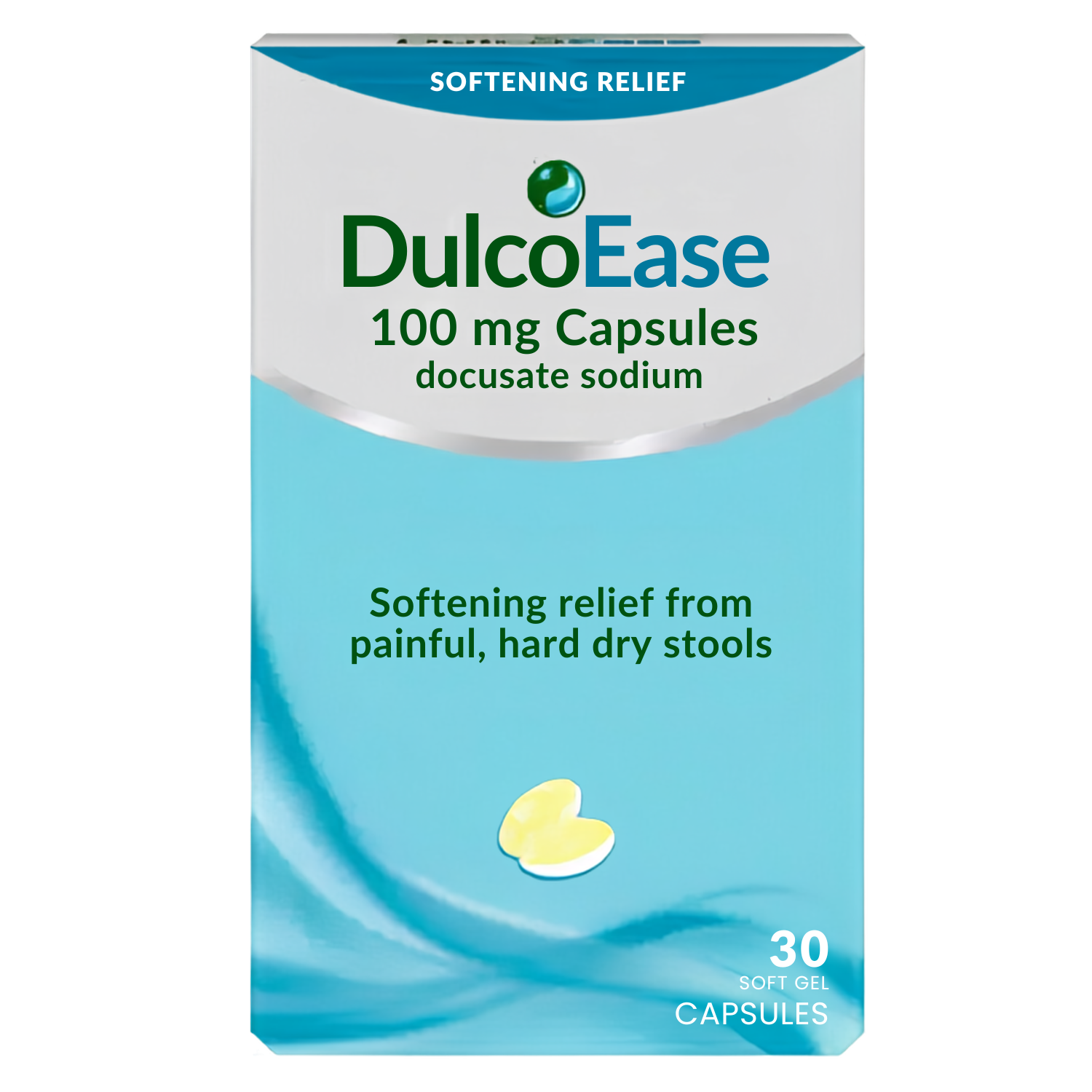
DulcoEase Capsules

  • 30 soft capsules
  • Relieves constipation
  • Contains docusate sodium
£5.49
Add to basket

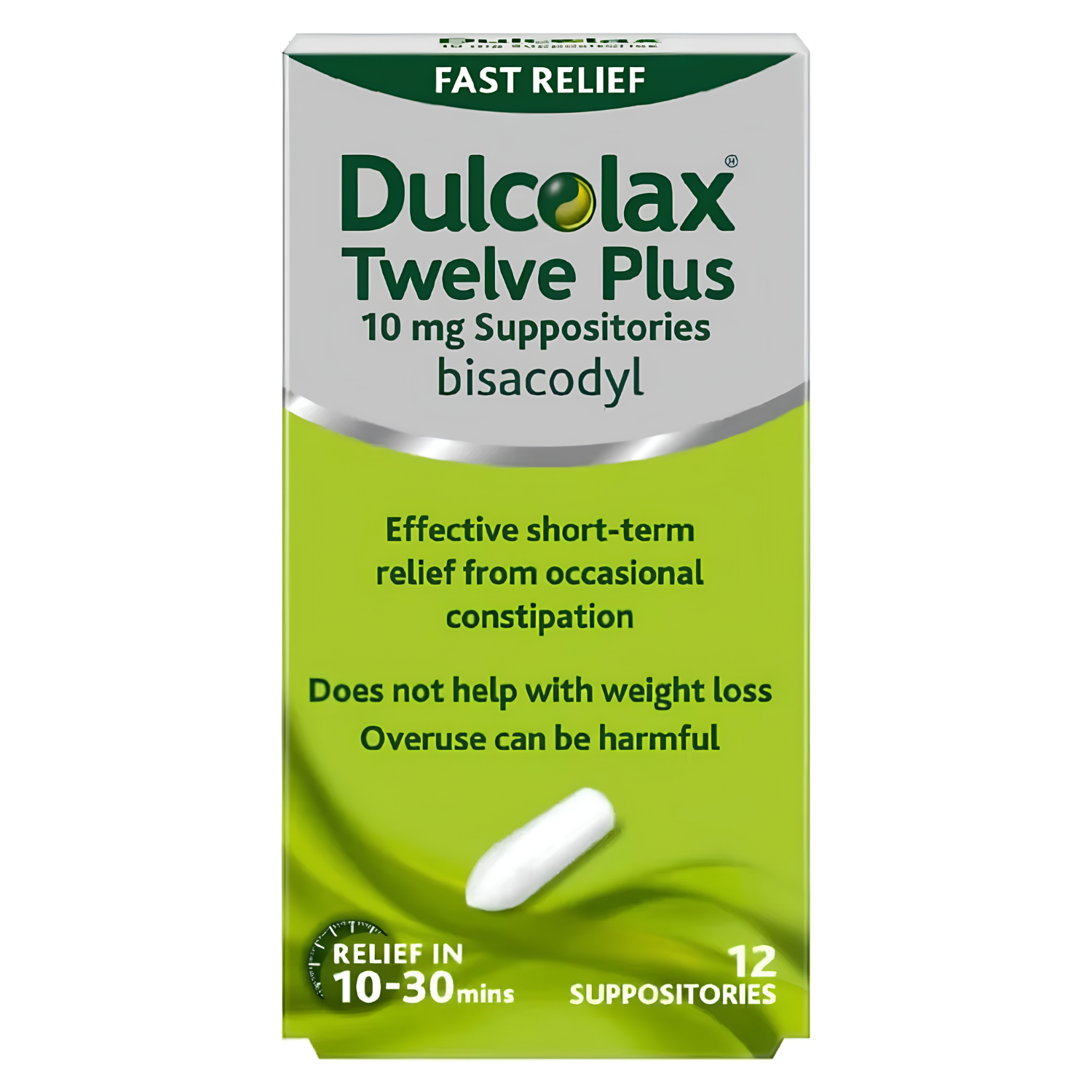
Dulcolax 10mg Suppositories

  • 10mg suppositories
  • Relieves constipation
  • Contains bisacodyl
£5.49
More information

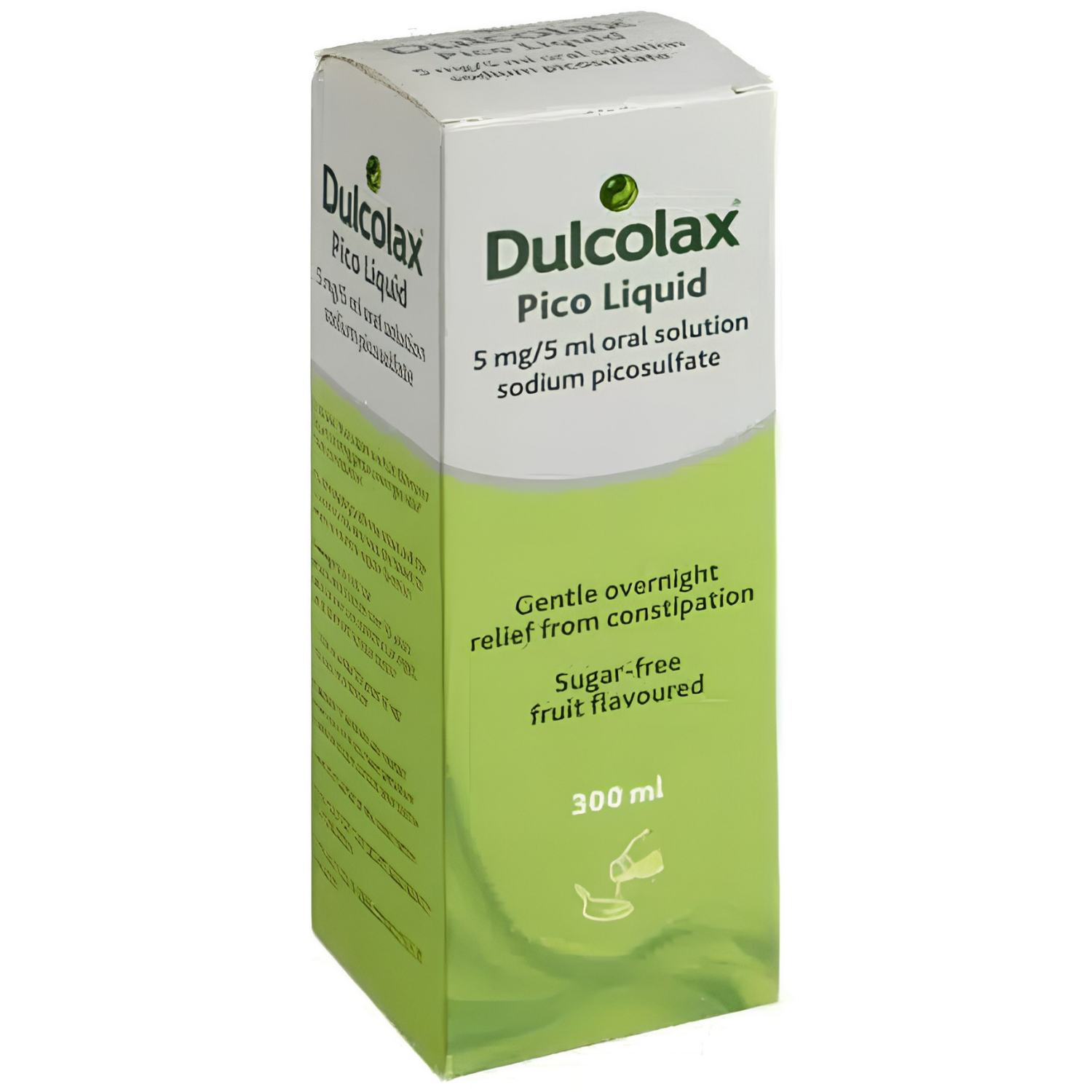
Dulcolax Pico Liquid 5mg/5ml

  • 5mg/5ml liquid
  • Relieves constipation
  • Contains sodium picosulfate
£8.25
More information

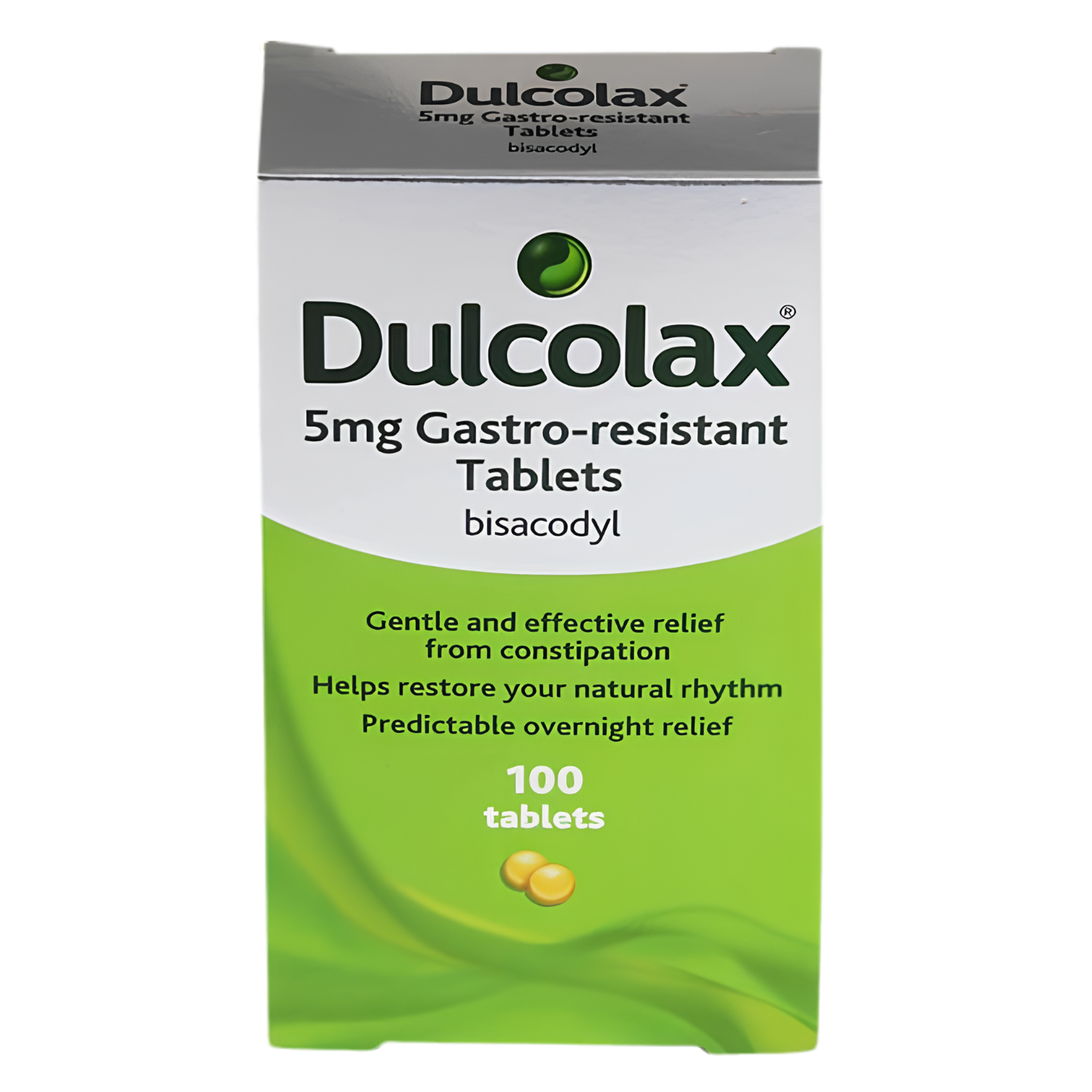
Dulcolax Tablets

  • 60 & 100 tablets
  • Relieves occasional constipation
  • Contains bisacodyl
From £4.79
Add to basket

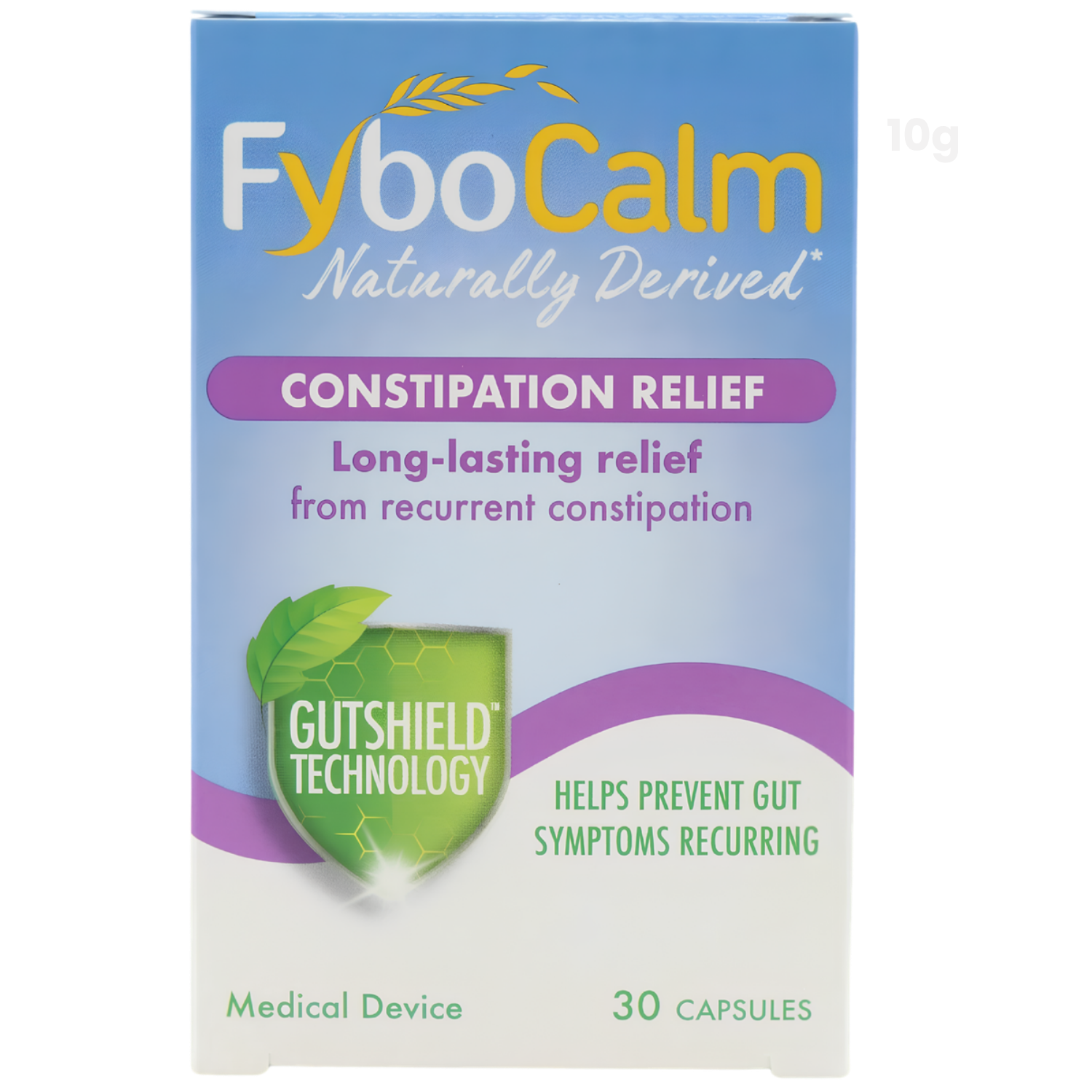
FyboCalm Constipation Relief capsules

  • 30 capsules
  • Relieves constipation
  • Active ingredients are Xyloglucan, Pea Protein, and Chia Seed Powder
£15.99
Add to basket

Fybogel Fibre Chews

  • Oral chews
  • Supports digestive health & regularity
  • Contains ispaghula husk
£12.99
Add to basket
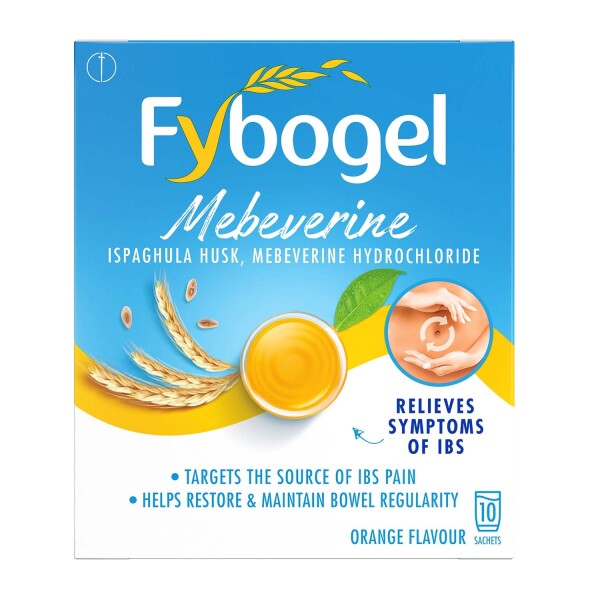
Fybogel Mebeverine Sachets

Fybogel Mebeverine Sachets

  • 10 sachets per box
  • Eases abdominal pain, bloating & irregular bowel movements
  • Contains ispaghula husk & mebeverine hydrochloride
£14.49
Add to basket

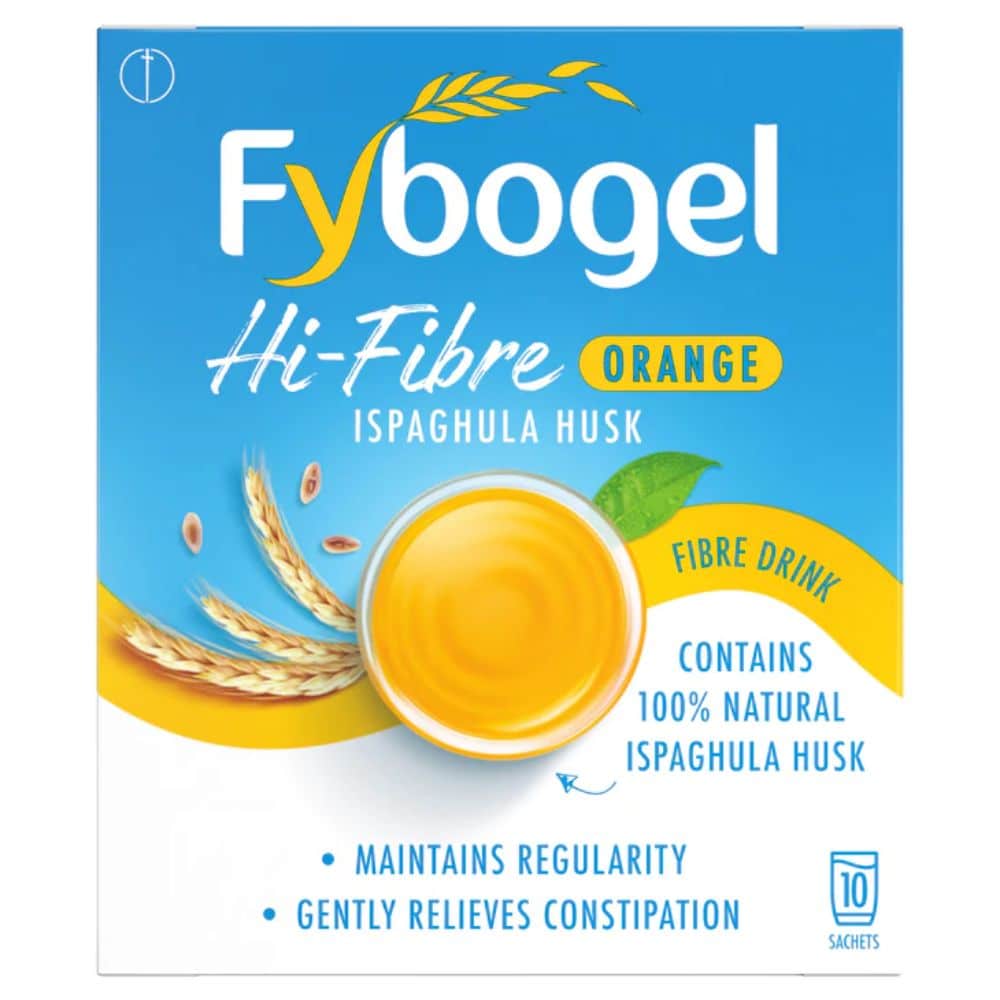
Fybogel Orange Sachets

  • 10, 30 or 60 Sachets
  • Natural fibre sachets
  • Contains Ispaghula husk
From £5.39
Add to basket

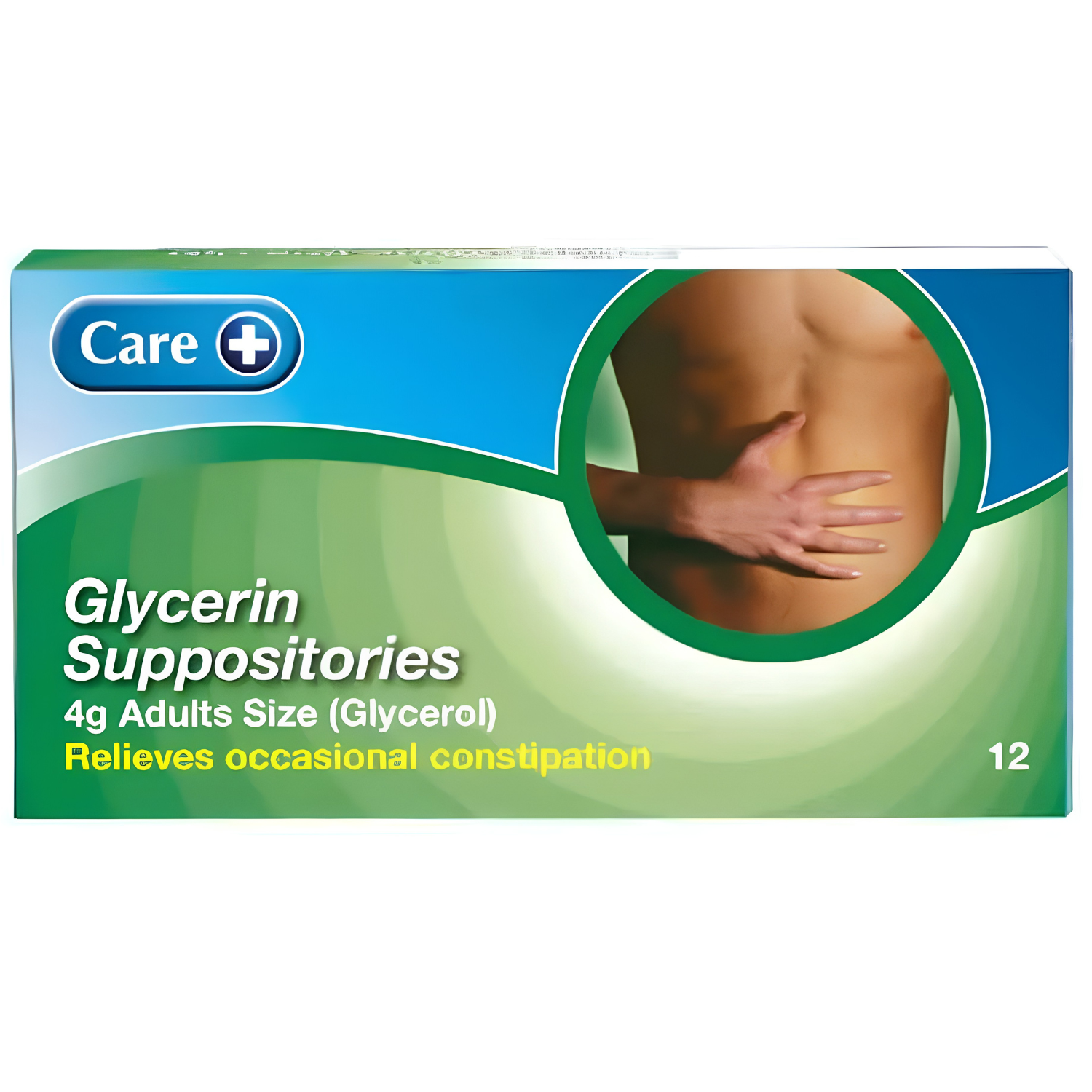
Glycerin 4g Suppositories

  • 12 suppositories
  • Relieves occasional constipation
  • Contains glycerin
£4.99
Add to basket

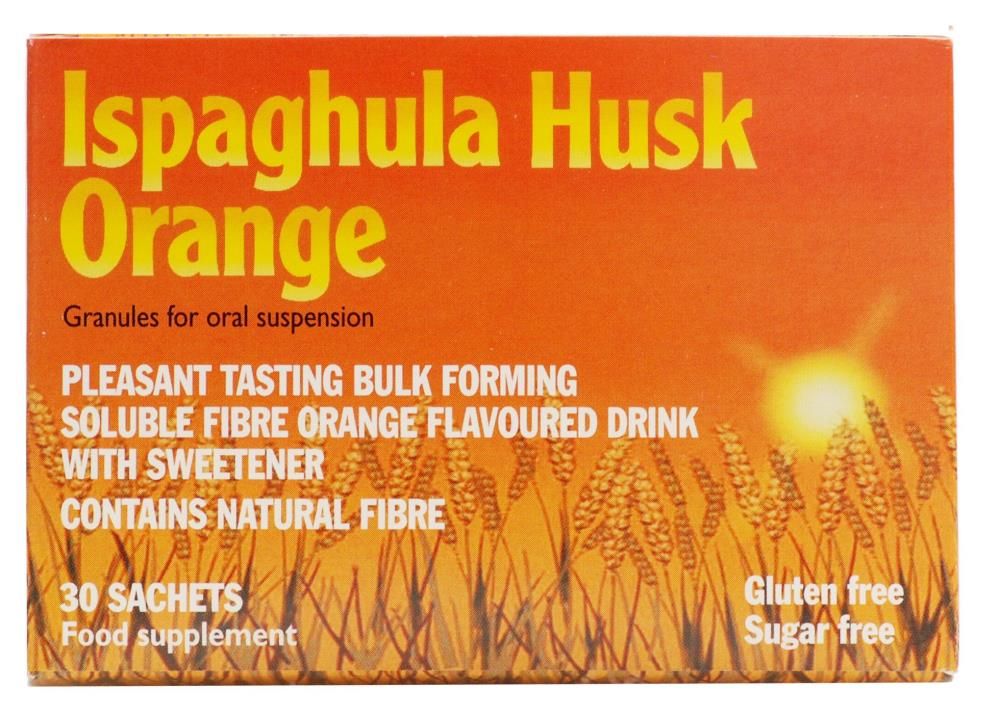
Ispaghula Husk Orange Sachets

  • 30 sachets
  • Oral suspension
  • Contains ispaghula husk
£5.79
Add to basket

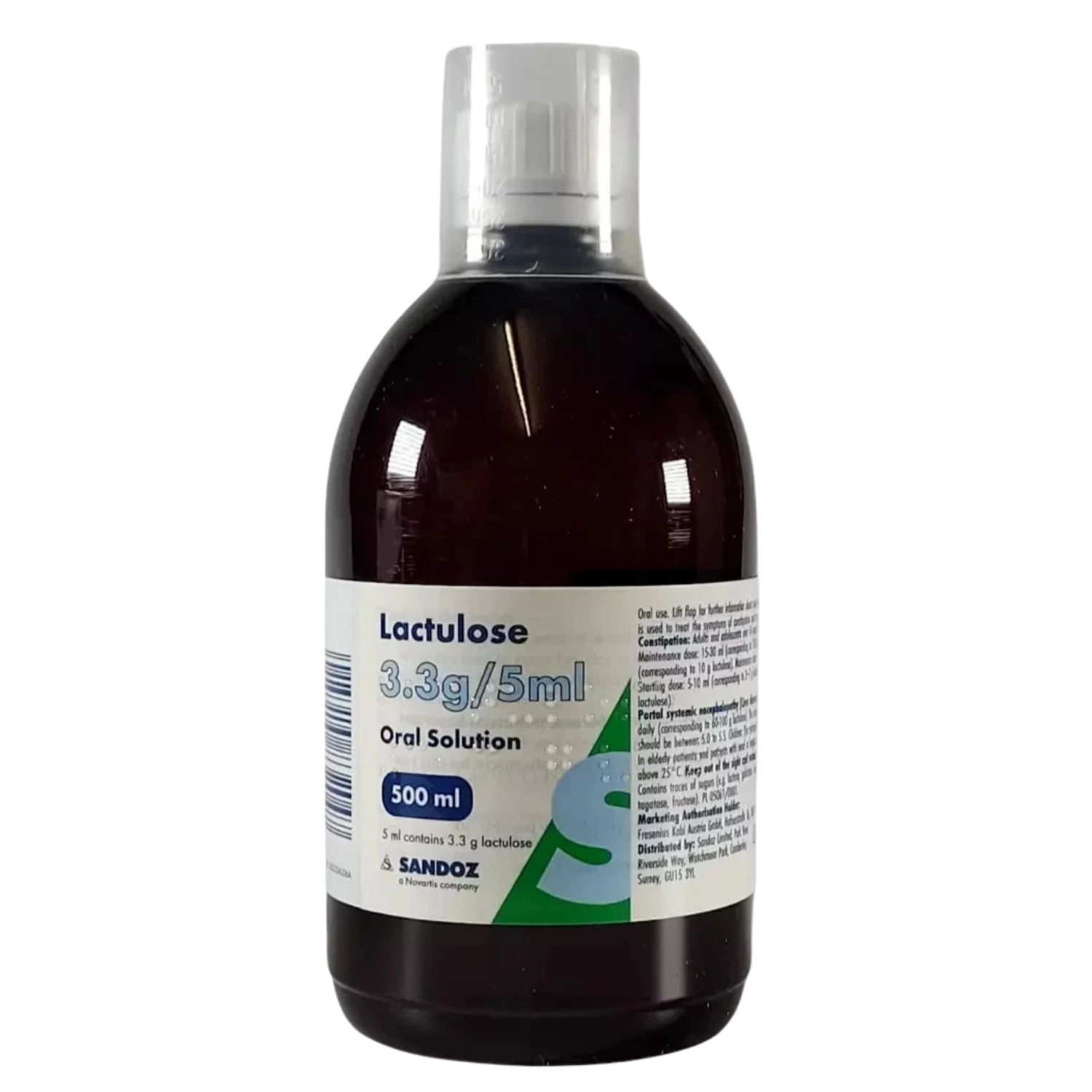
Lactulose Solution

  • 5ml oral solution
  • Relieves constipation
  • Contains lactulose
From £8.49
More information

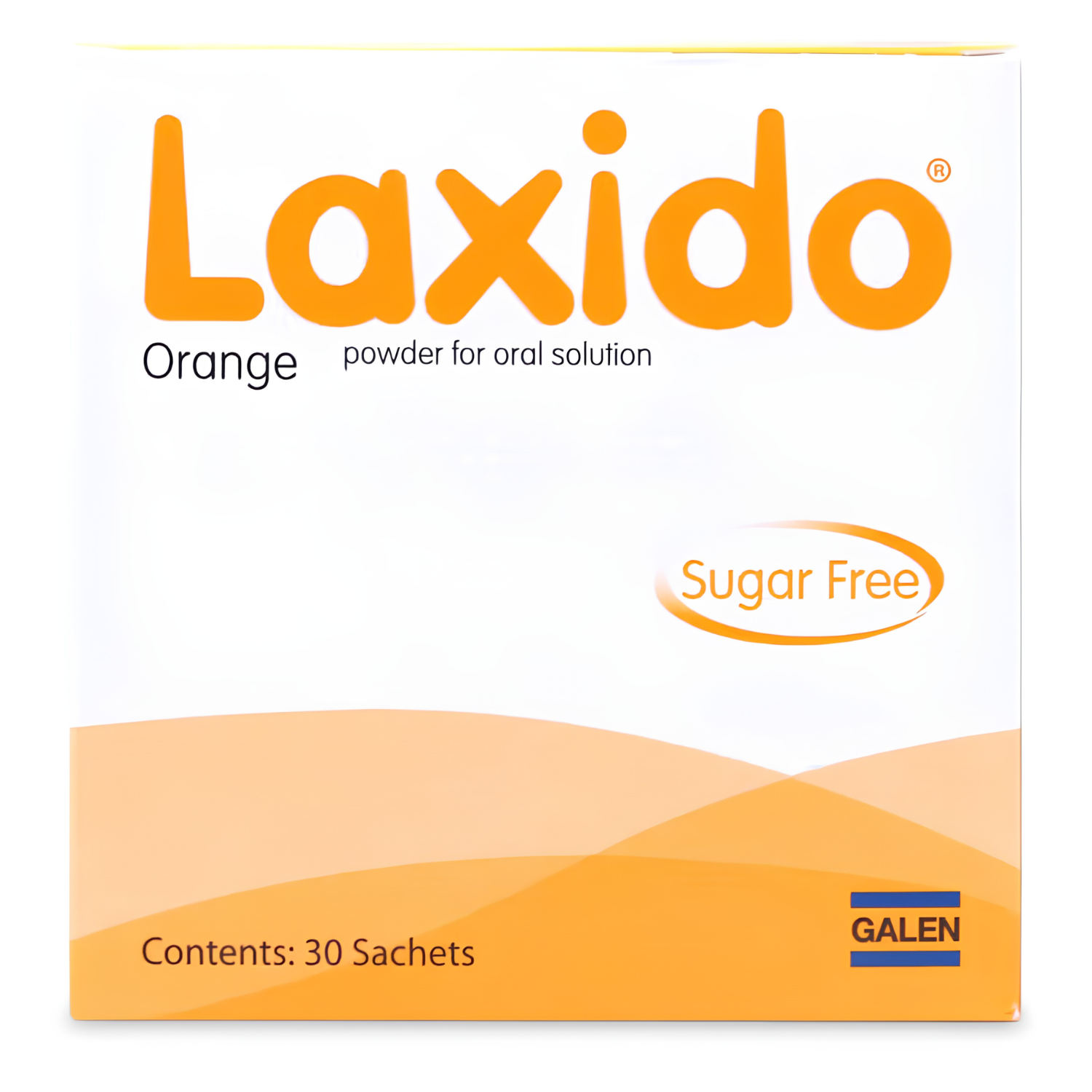
Laxido Sachets

  • 30 sachets
  • Relieves constipation
  • Contains macrogol & sodium chloride
£8.99
Add to basket

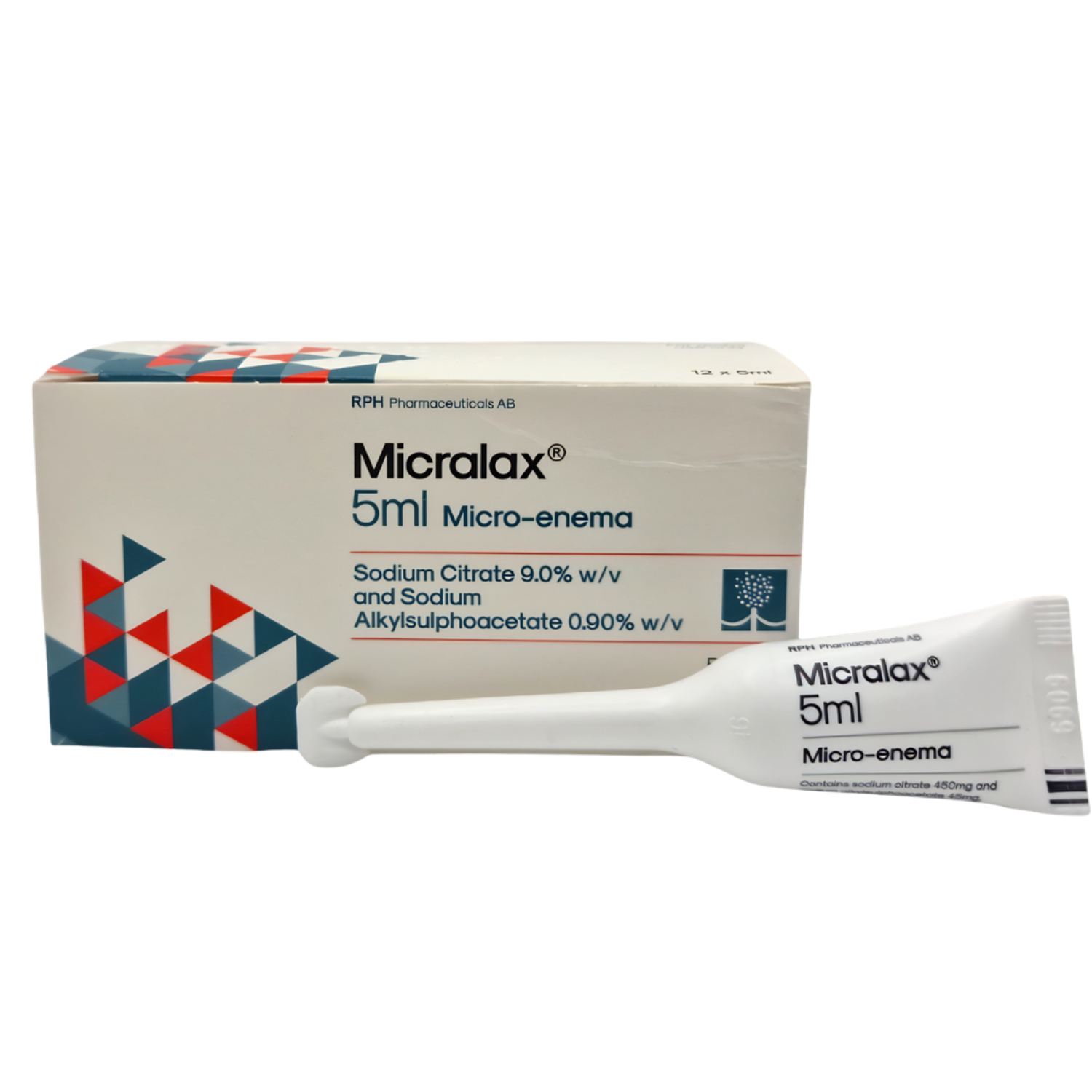
Micralax Enemas

  • 5ml single use bottles
  • Provides fast relief from constipation
  • Contains sodium citrate & sodium lauryl sulfoacetate
£14.99
Add to basket

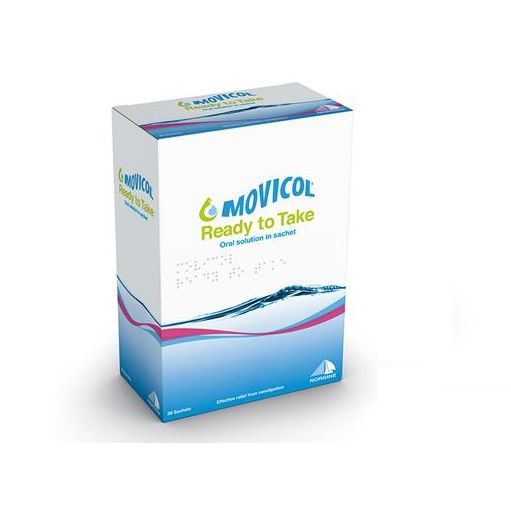
Movicol Ready To Take Sachets

  • 30 sachets
  • Pre-mixed oral solution
  • Contains Macrogol and essential electrolytes
£14.85
Add to basket

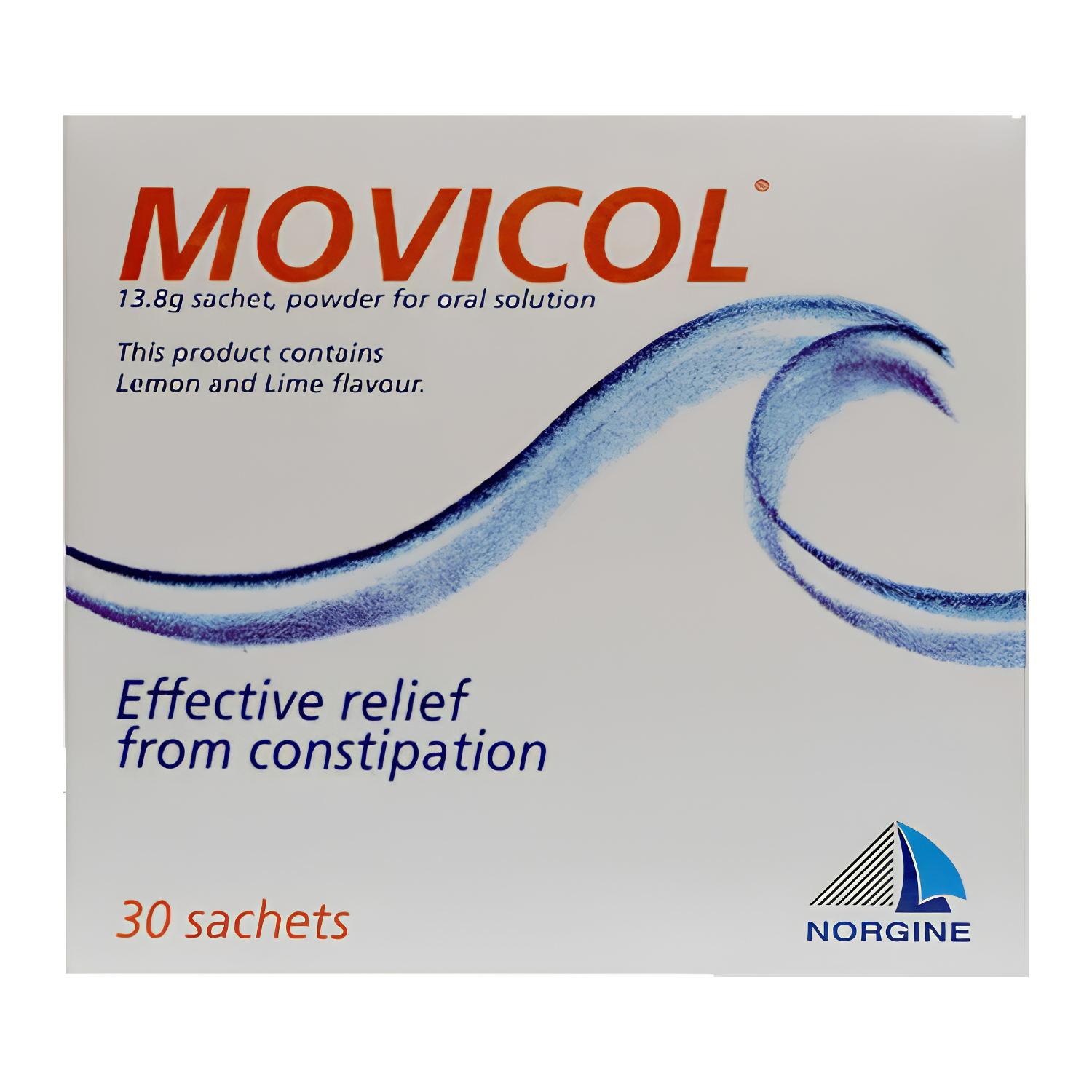
Movicol Sachets

  • 30 sachets
  • Relieves constipation
  • Contains macrogol 3350 & sodium chloride
£17.99
More information

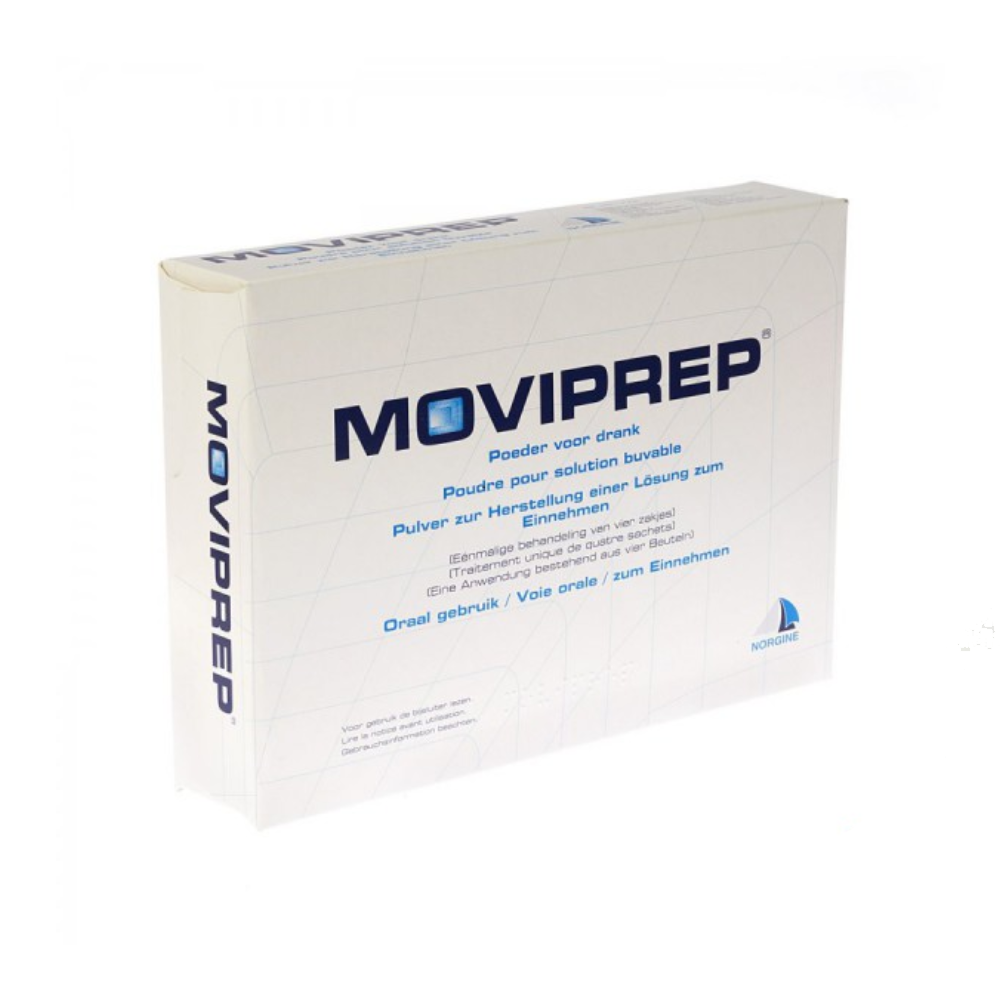
Moviprep Sachets

  • 4 sachets
  • Powder sachets
  • Contains macrogol, sodium sulfate, and vitamin c
£25.59
Add to basket

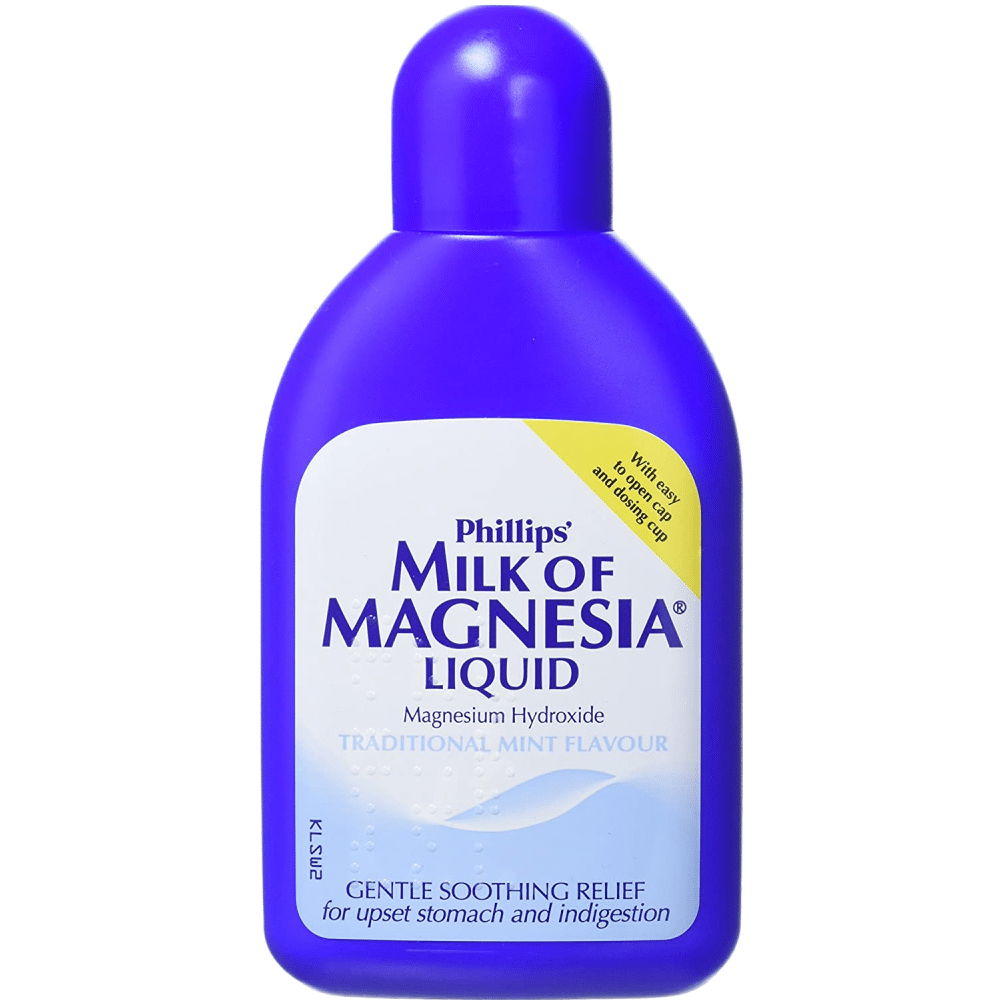
Phillips' Milk Of Magnesia Liquid

  • 200ml
  • Dual-action antacid
  • Contains magnesium hydroxide
From £6.33
Add to basket

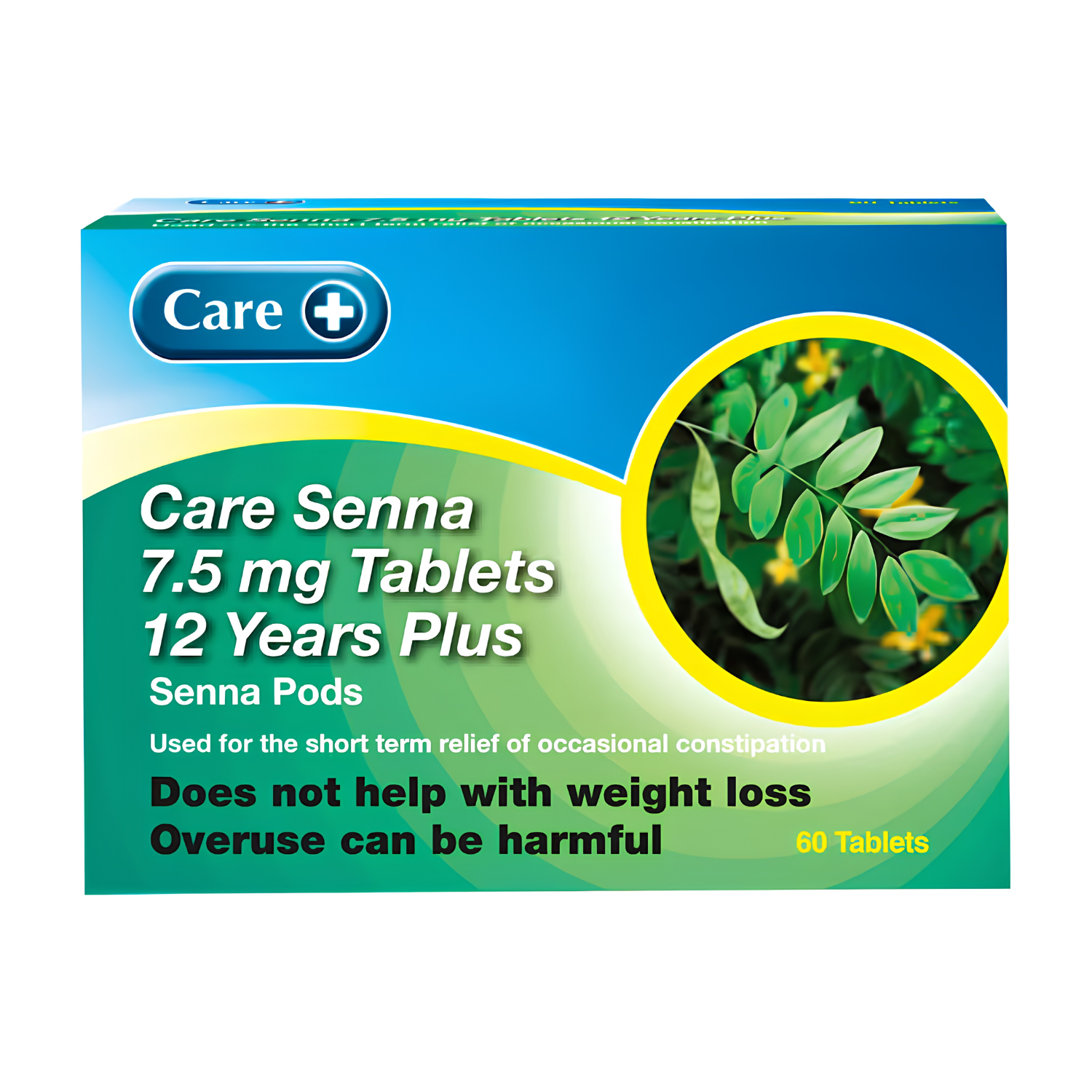
Senna Tablets (60)

  • 60 tablets
  • Relieves occasional constipation
  • Contains sennosides
£4.99
Add to basket

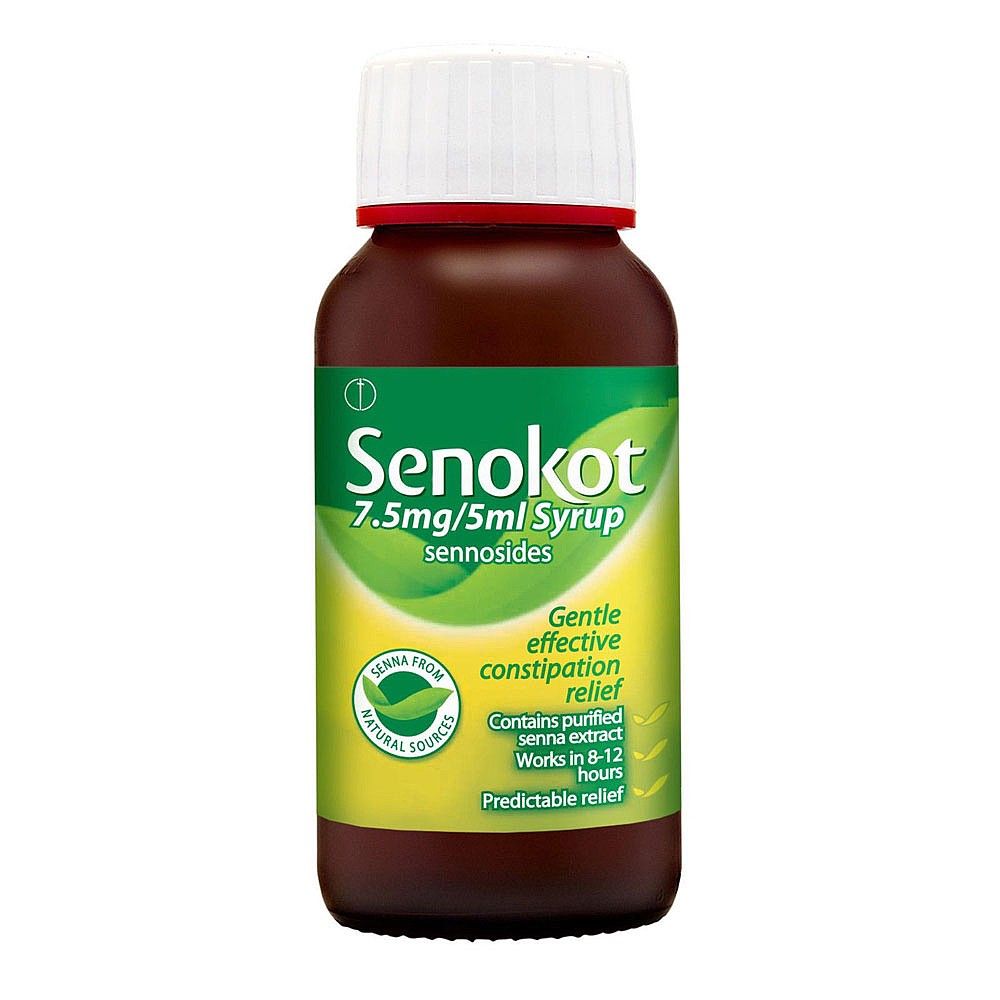
Senokot Syrup

  • 500ml
  • Oral liquid
  • Contains calcium sennosides
£15.99
Add to basket

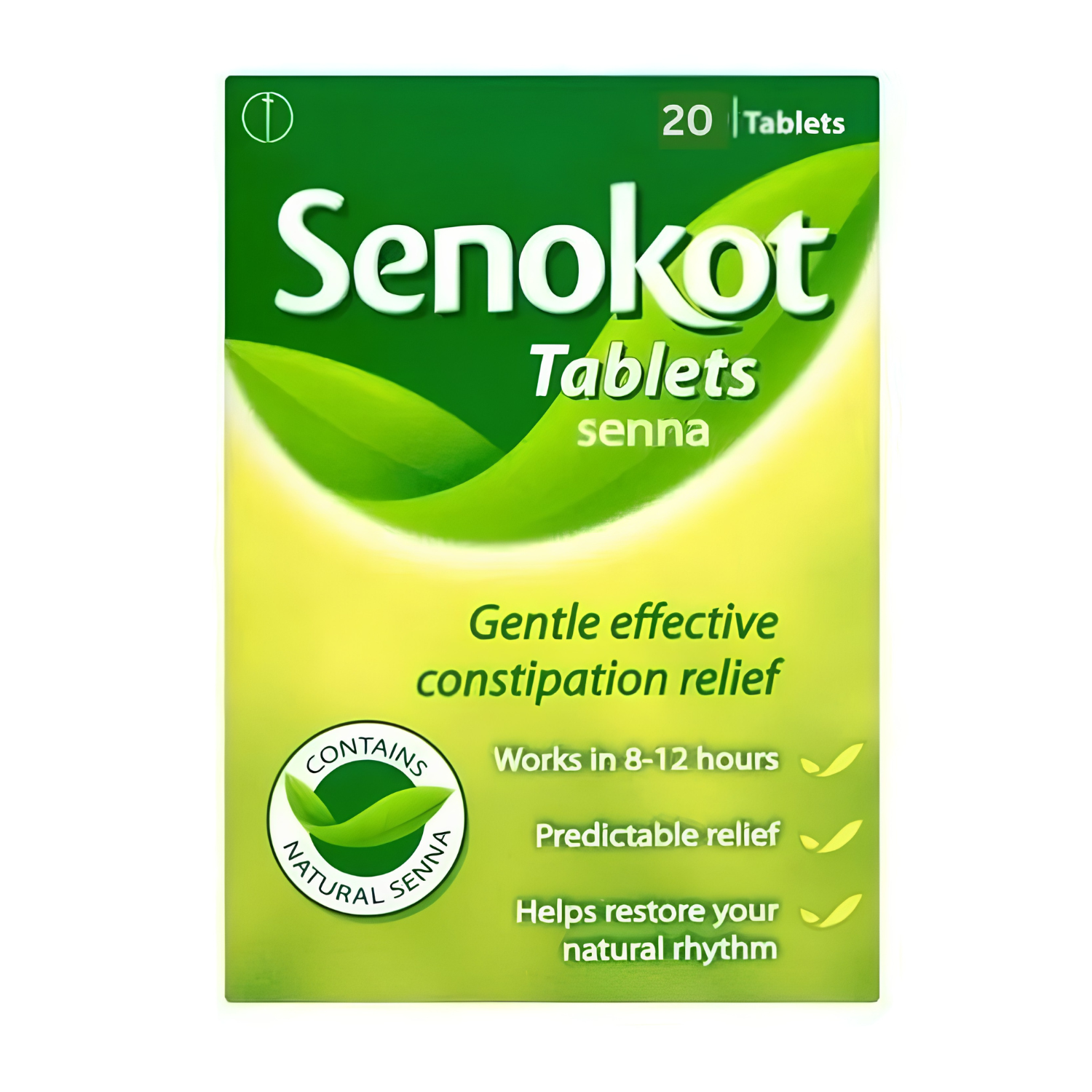
Senokot Tablets

  • Senna-based stimulant laxative
  • Relieves occasional constipation
  • Simple nighttime dosing
From £4.99
Add to basket

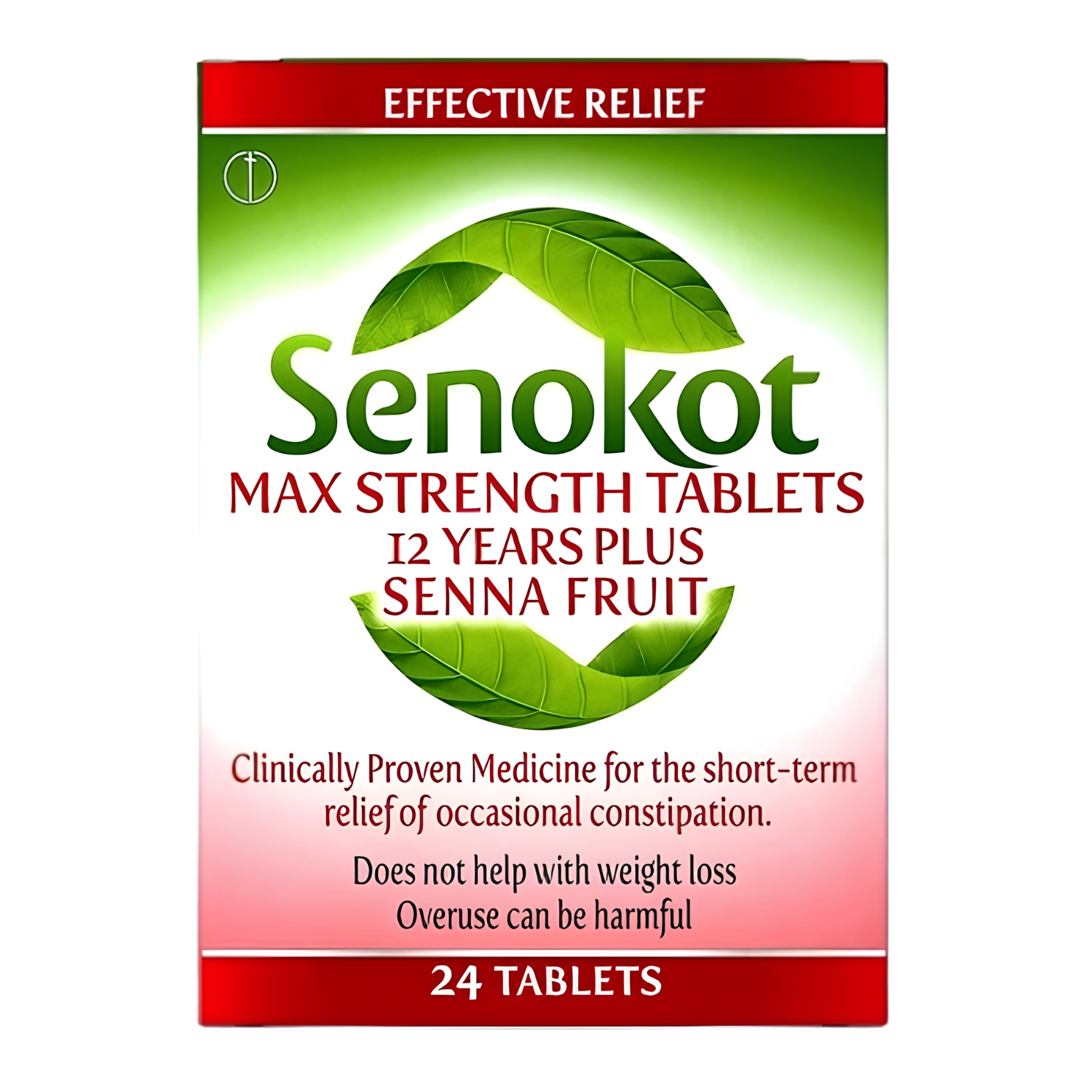
Senokot Tablets Max Strength

  • 24 tablets & 48 tablets
  • Senna-based laxative
  • Short-term relief of occasional constipation
From £6.49
Add to basket

Wind, Bloating & IBS Relief

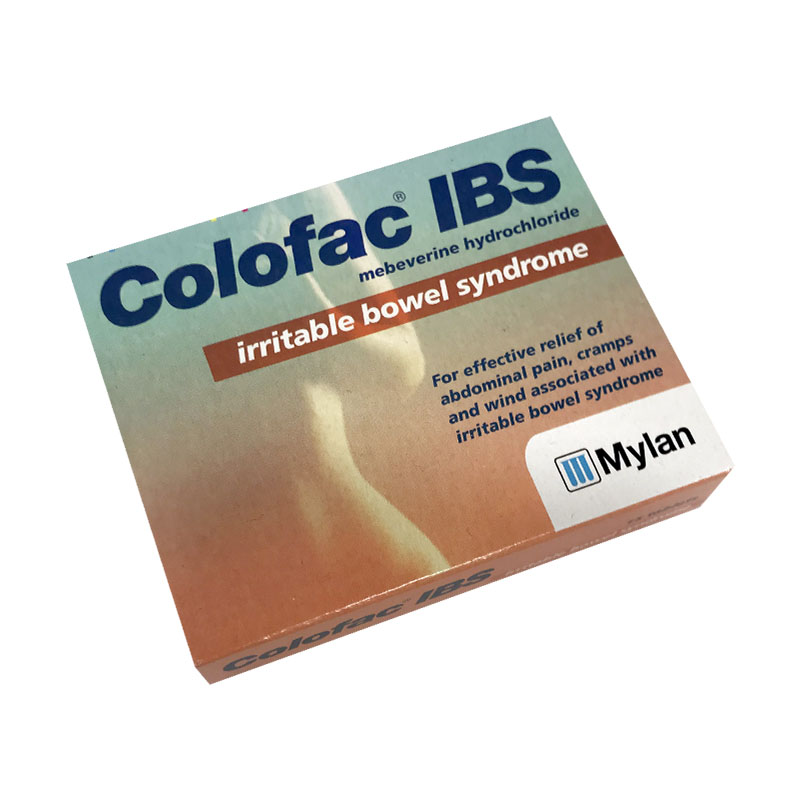
colofac-IBS-tablets

Colofac IBS Tablets

  • 20 tablets
  • Relief for IBS symptoms
  • Contains mebeverine
£4.99
Add to basket

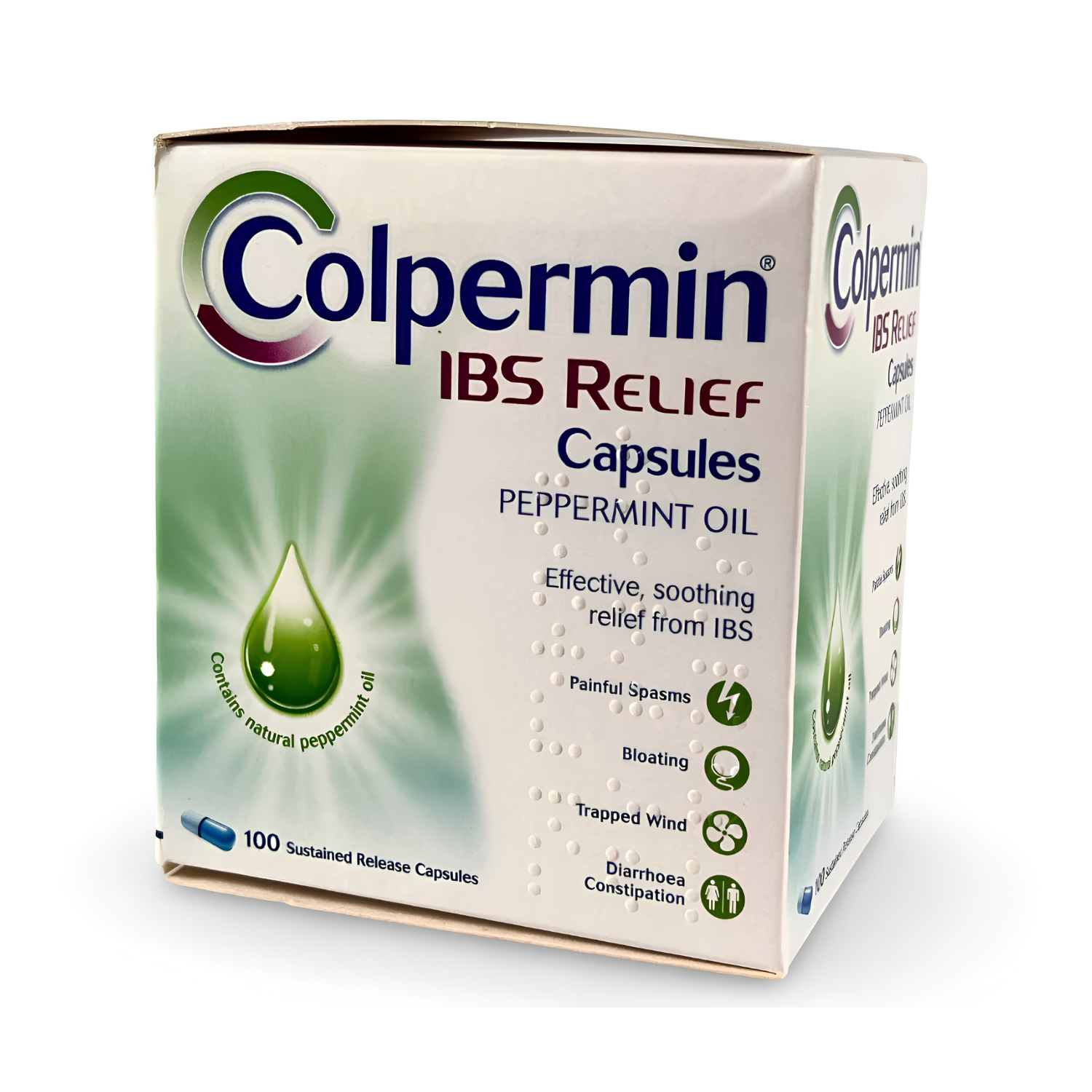
Colpermin

  • 20 or 100 capsules
  • Relieves symptoms of IBS
  • Contains peppermint oil & peanut oil
From £6.95
Add to basket

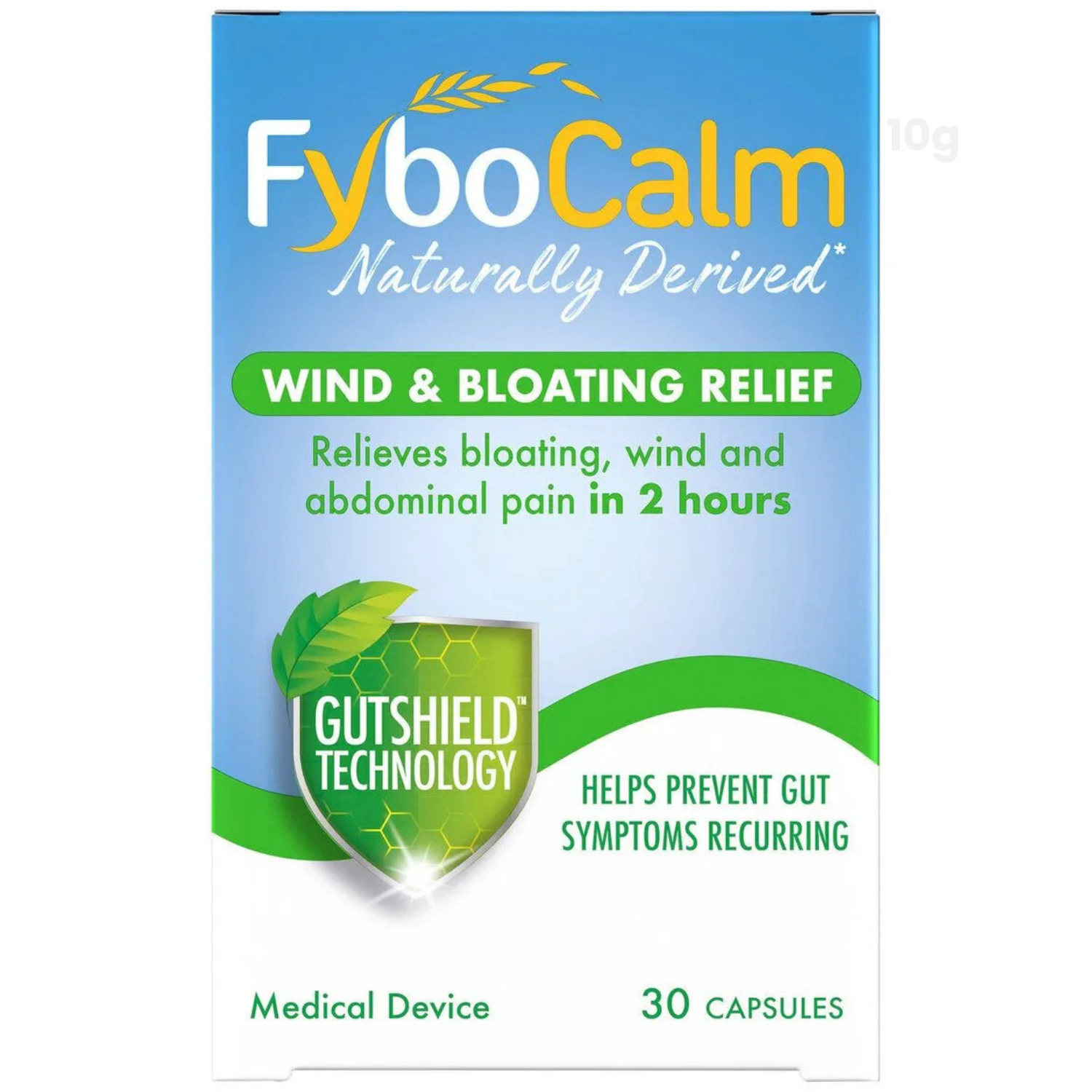
Fybocalm Wind & Bloating relief capsules

  • 30 tablets
  • Relieves wind & bloating
  • Contains Xyloglucan, Pea Protein and Magnesium Stearate
£14.99
Add to basket

What is constipation?

Constipation is when you’re not passing stools as often as usual, or when they’re hard, dry and difficult to push out. Most people have a bowel movement somewhere between three times a day and three times a week, so there’s no single “normal”. It becomes a problem when bowel movements are infrequent, uncomfortable or leave you feeling like you haven’t fully emptied.

What are the causes of constipation?

Constipation often comes down to everyday habits rather than anything serious. Common triggers include not drinking enough fluid, a low-fibre diet, a lack of physical activity, ignoring the urge to go, and stress or a change in routine. Some medicines, such as certain painkillers, antidepressants, iron tablets and antacids, can also lead to constipation. Underlying conditions such as irritable bowel syndrome, an underactive thyroid or pregnancy can be behind it too.

Constipation Symptoms

You might be constipated if you notice:

  • Difficulty or straining when passing stools
  • Hard, dry or lumpy stools
  • Fewer than three bowel movements a week
  • Stomach ache, cramps or bloating
  • Feeling sick or that your bowel hasn’t fully emptied

If constipation lasts a long time, it can lead to complications like haemorrhoids or faecal impaction, so it’s worth treating it early.

What can I do to relieve constipation?

Lifestyle Changes

For mild or occasional constipation, simple lifestyle changes are often enough. It helps to drink plenty of fluids, eat more fibre-rich foods such as wholegrains, fruit and vegetables, and move more to get your bowels back into a regular rhythm. Try not to ignore the urge to go, as holding on can make things worse.

Over-the-Counter Constipation Treatments

When lifestyle changes aren’t enough, different types of laxatives can offer relief. Bulk-forming laxatives like Fybogel add fibre to soften and bulk out stools, osmotic laxatives such as Laxido draw water into the bowel, and stimulant laxatives like Senna and Dulcolax encourage the bowel muscles to move things along. Stool softeners such as Docusate add moisture to make stools easier to pass. You can buy these from our online constipation clinic.

Prescription Constipation Treatments

For chronic constipation where symptoms are ongoing or haven’t responded to over-the-counter laxatives, stronger prescription options may help. Medicines like lubiprostone and linaclotide work by increasing fluid in your digestive tract to soften stools and speed up movement, while prucalopride helps stimulate the bowel to contract.

Our pharmacists can review your symptoms during an online consultation and advise whether a prescription treatment is right for you.

When to Seek Medical Advice

Most constipation clears up with diet changes or a short course of laxatives, but sometimes it needs proper medical attention. Speak to your pharmacist or GP if constipation lasts more than a couple of weeks, keeps coming back, or doesn’t improve with treatment. Seek urgent advice if you notice blood in your stools, unexplained weight loss, severe or ongoing tummy pain, or if you’re constipated and being sick, as these can signal a more serious problem.


Constipation Treatment FAQs

A stimulant laxative like bisacodyl or a suppository like glycerin tends to work fastest, often within a few hours. Suppositories and enemas usually act quicker than oral laxatives because they work directly in the rectum. These are best kept for occasional use rather than long-term relief.

There’s no single best option for everyone, as it depends on the cause and how long you’ve had symptoms. Bulk-forming laxatives and lifestyle changes suit mild or ongoing constipation, while osmotic or stimulant laxatives help when you need faster relief. Our pharmacists can help you find the option that fits your situation during an online consultation.

Short bouts of constipation often settle on their own within a few days once you drink more fluid, eat more fibre and stay active. If it’s linked to a medication, condition or ongoing habit, it can last much longer and may need treatment to clear. Constipation that lasts more than a couple of weeks should be checked by your GP.

Yes, you can buy a range of constipation medications online from Click2Pharmacy, including laxatives, stool softeners and suppositories. Some are available to buy directly, while others need a quick online consultation so our pharmacists can check they’re suitable. Once approved, your treatment is delivered discreetly to your door.

The right choice depends on your symptoms, how long they’ve lasted and any other medicines or conditions you have. Bulk-forming laxatives are a gentle first option, while stimulant or osmotic laxatives suit people who need faster results. If you’re unsure, our pharmacists can recommend something suitable based on your consultation answers.

See your GP if constipation lasts longer than a couple of weeks, keeps returning, or doesn’t improve with laxatives and lifestyle changes. You should seek advice sooner if you have blood in your stools, unexplained weight loss, ongoing stomach pain or persistent bloating. These symptoms can occasionally point to an underlying condition that needs checking.

Yes, diet is one of the most common causes of constipation. Not eating enough fibre or not drinking enough fluid makes stools harder and more difficult to pass. Adding more wholegrains, fruit and vegetables, and drinking plenty of water, can make a real difference.

Constipation can slow down how quickly your body absorbs some medicines, which may make them less effective. If you’re constipated and taking other medication, it’s worth treating the constipation and speaking to your pharmacist if you have concerns. Never stop taking a prescribed medicine without checking with your GP first.

You’re likely constipated if you’re passing stools fewer than three times a week, straining to go, or passing hard, dry or lumpy stools. You might also feel bloated, crampy or like your bowel hasn’t fully emptied. Everyone’s normal is different, so it’s the change from your usual pattern that matters most.

There’s no set number that’s right for everyone, and a normal range is anywhere from three times a day to three times a week. What matters more is whether your bowel habits have changed and whether stools are comfortable to pass. A sudden change in how often you go should be mentioned to your GP.

Constipation is more common in women than men, partly due to hormonal changes during the menstrual cycle and pregnancy. It’s also more common in older adults and affects people of all ages. Women are more prone to certain conditions, like an underactive thyroid, that can contribute too.

Constipation isn’t usually serious and most cases clear up with simple treatment. Now and then, long-lasting constipation can lead to complications such as haemorrhoids or faecal impaction, where hardened stool builds up in the bowel. Speak to your GP if it’s severe, ongoing, or comes with warning signs like bleeding or weight loss.

Yes, constipation is very common in pregnancy, largely because hormonal changes slow down the digestive system. A growing baby pressing on the bowel later in pregnancy can add to it. Increasing fibre and fluids can help, but always check with your GP or pharmacist before taking any laxatives while pregnant.

Some foods can make constipation worse by slowing digestion or offering little fibre like dairy products, red and processed meat, fried and heavily processed foods, refined carbs like white bread, and alcohol. Cutting back on these while adding more fibre and water can help keep things moving.

You can lower your chances of constipation by eating plenty of fibre from wholegrains, fruit and vegetables, drinking around six to eight glasses of fluid a day, and getting regular physical activity. Going to the toilet when you feel the urge, rather than holding on, also helps keep your bowels regular. Building these habits into your daily routine is the best way to stop constipation coming back.

Customer Reviews

Our Experienced UK-based Pharmacy Team

Clinical Consultant
MUDr, MRCEM, EBCEM, FRCEM
GMC no. 7176414

Pharmacist
MPharm
GPhC no. 2065469

Pharmacist
MPharm
GPhC no. 2046514

Page content authored by Dr Hussain Ahmad, last reviewed by Mr Mohammed on 21st August 2026.

More From Our Online Clinic

Looking for something else? Browse our online clinic to see all treatments available, or search for a condition or treatment below.