



About Prickly Heat
What is heat rash?
Heat rash is a skin condition that happens when your sweat ducts become blocked, trapping sweat under your skin. This creates small, itchy bumps or blisters that appear red or clear. It’s particularly common in hot, humid weather or when you’re doing activities that make you sweat a lot.
While heat rash can affect anyone, it’s especially common in babies, young children, and people who aren’t used to hot weather. The good news is that most heat rashes are mild and clear up on their own once you cool down and keep the affected area dry.
Types of Heat Rash
There are three main types of heat rash, depending on how deep the blocked sweat ducts are:
Miliaria Crystallina (Clear Heat Rash): This is the mildest form, appearing as tiny, clear blisters that break easily. It usually affects the upper layers of skin and doesn’t typically itch or hurt.
Miliaria Rubra (Prickly Heat): This is the most common type, creating red, itchy bumps that can feel prickly or sting. It affects deeper layers of skin and can be quite uncomfortable.
Miliaria Profunda (Deep Heat Rash): This is the least common but most severe form, causing larger, flesh-colored bumps that don’t typically itch but can be painful. It affects the deepest layer of skin.
Symptoms of Heat Rash
Heat rash symptoms can vary depending on the type and severity, but common signs include:
- Small, raised bumps or blisters on the skin
- Red, pink, or clear-colored rash
- Itching or prickling sensation
- Mild swelling in the affected area
- Feeling of heat or burning on the skin
- Rash typically appears in areas where you sweat most, such as the neck, chest, back, armpits, or groin
The rash usually develops in skin folds or areas covered by clothing where sweat gets trapped, or on the face, neck, and chest in babies.
What causes heat rash?
Heat rash develops when your sweat ducts get clogged, preventing sweat from reaching the skin’s surface. This can happen for a few reasons:
- Hot, humid weather that makes you sweat more than usual
- Overdressing or wearing tight, non-breathable clothing
- Intense physical activity that causes excessive sweating
- Spending time in very warm environments like saunas or hot cars
- Certain medications that increase sweating
- Fever or illness that raises your body temperature
Your risk of developing heat rash increases if you have sensitive skin, live in a tropical climate, or suddenly move to a hotter environment where your body hasn’t had the time to adjust.
How to Prevent Heat Rash
The best way to prevent heat rash is to stay cool and keep your skin dry. Simple changes to how you dress and manage hot weather will help you avoid it:
Keep Cool – Wear loose, lightweight cotton clothing and stay in air-conditioned or well-ventilated areas when possible. Avoid being outdoors during the hottest part of the day.
Stay Dry – Take cool showers after sweating and use powder on areas prone to moisture, like skin folds. Change out of sweaty clothes quickly to keep your skin cool.
Stay Hydrated – Drink plenty of water to help your body regulate temperature naturally.
Special Care for Babies – Dress babies in lightweight clothing and keep their sleeping area cool. Check regularly for signs of overheating.
How to Treat Heat Rash
Most heat rashes improve on their own once you cool down and keep the affected area clean and dry. However, there are several treatment options available to help speed up healing and provide relief from symptoms.
Topical Treatments
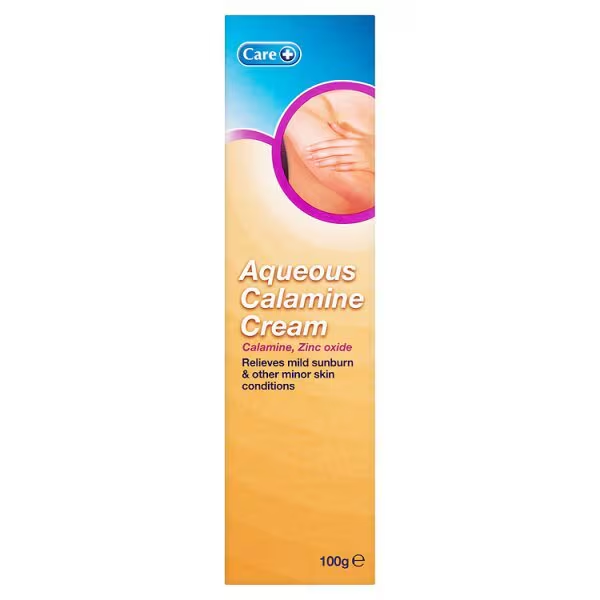
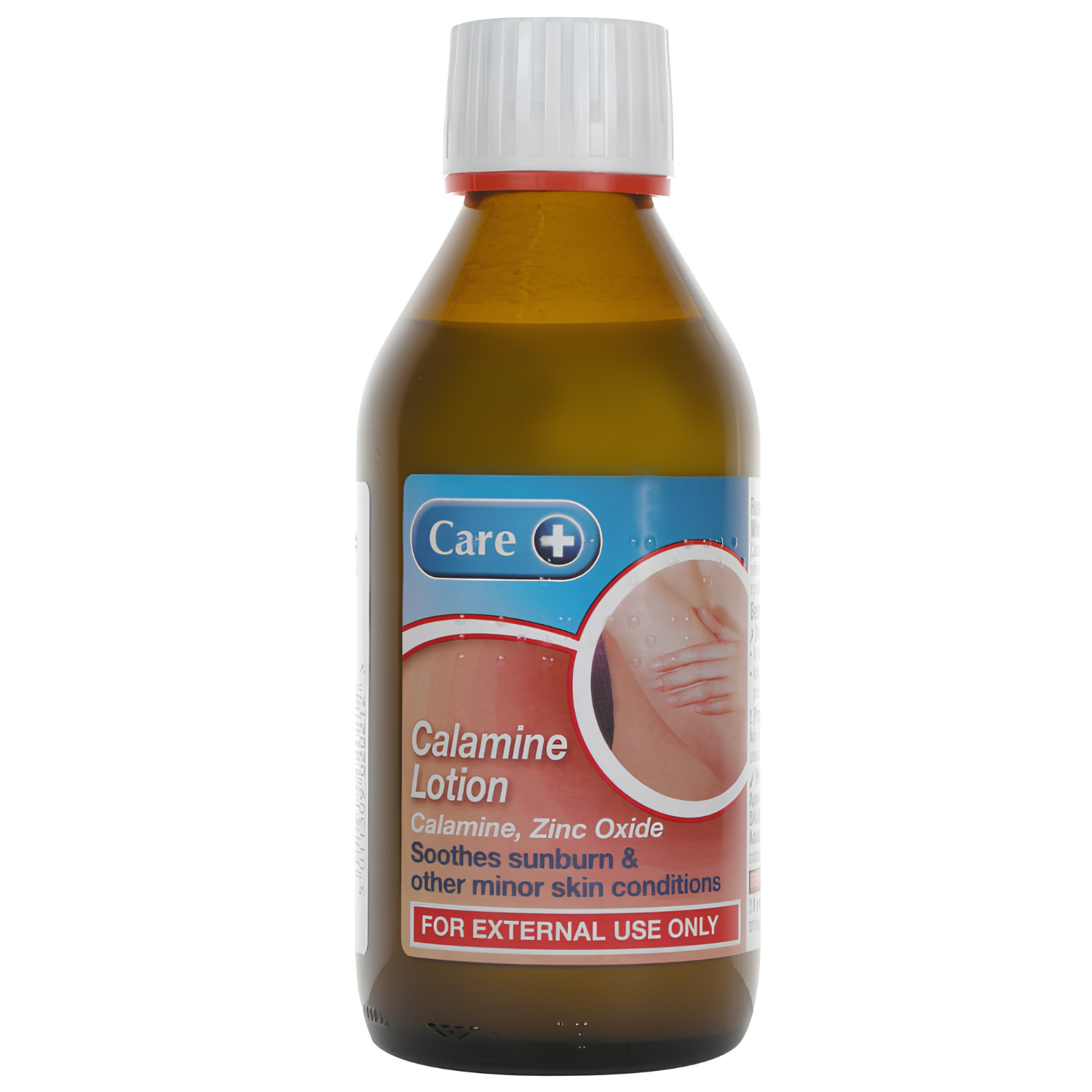
- Calamine Lotion – A popular over-the-counter treatment that helps dry out the rash and reduce itching. It’s cooling effect that can immediately relieve the prickling sensation.
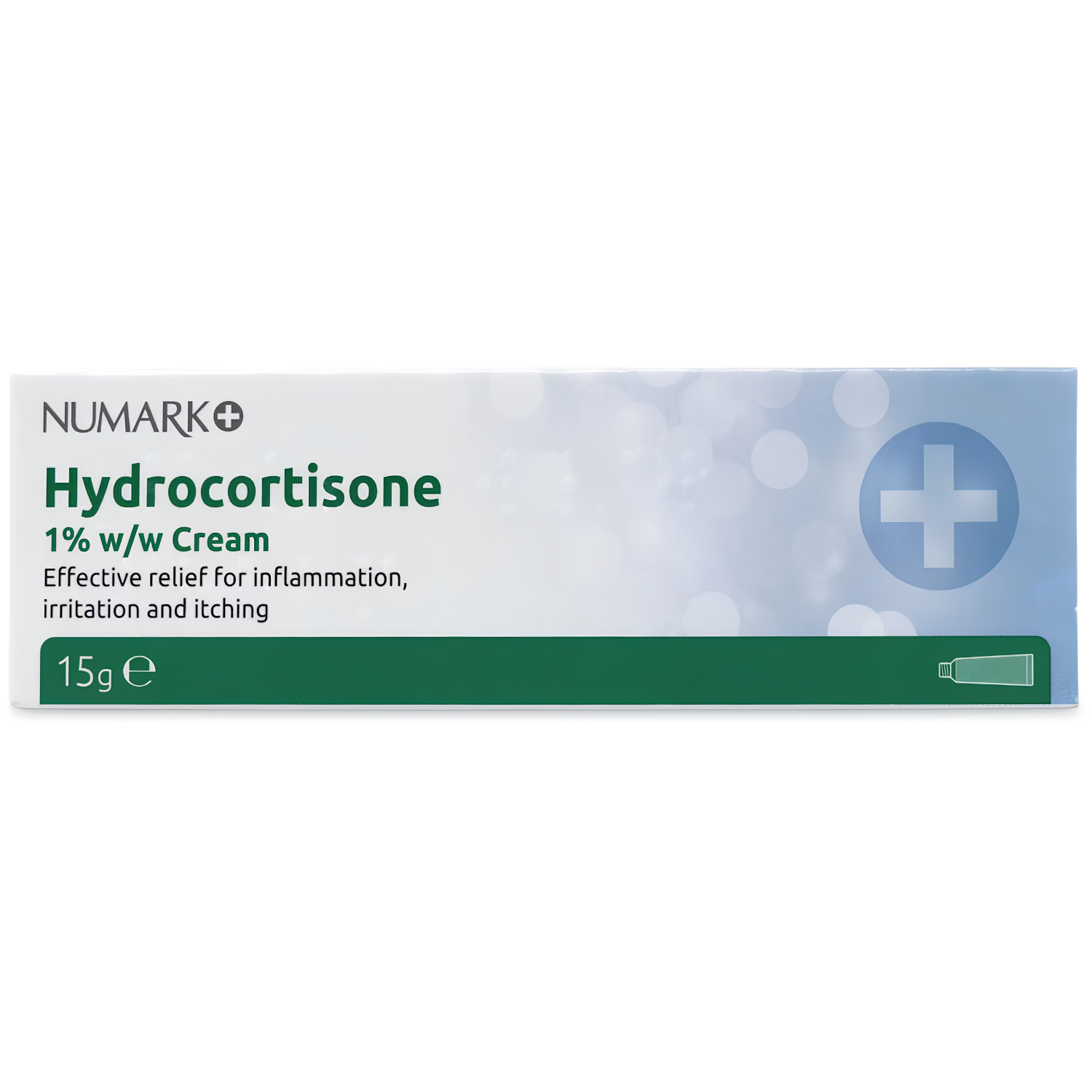
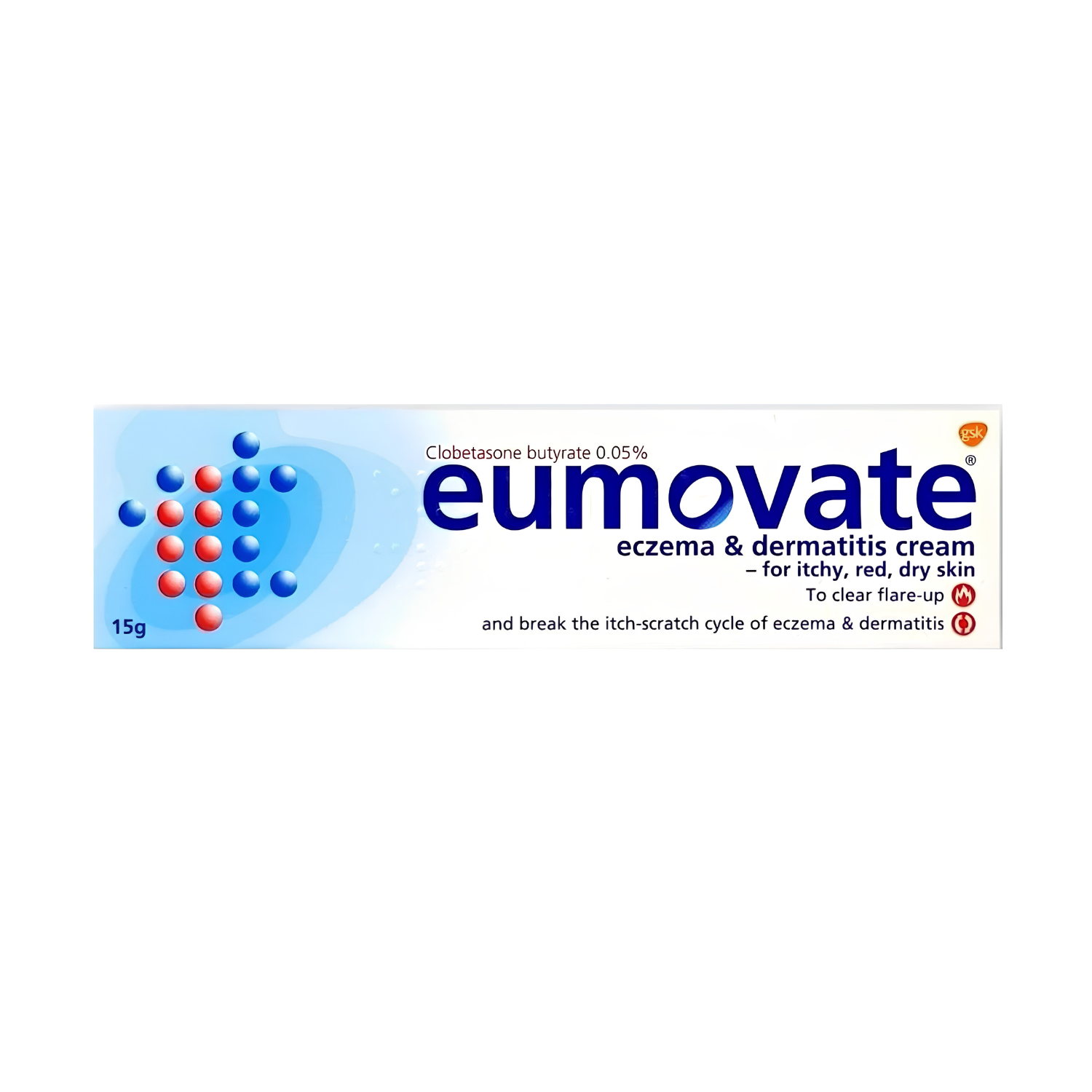
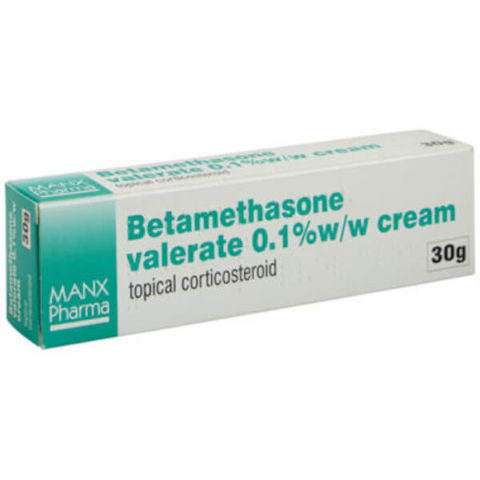
- Hydrocortisone Cream – A mild steroid cream can help reduce inflammation and irritation. It’s particularly useful for more persistent or uncomfortable heat rashes.
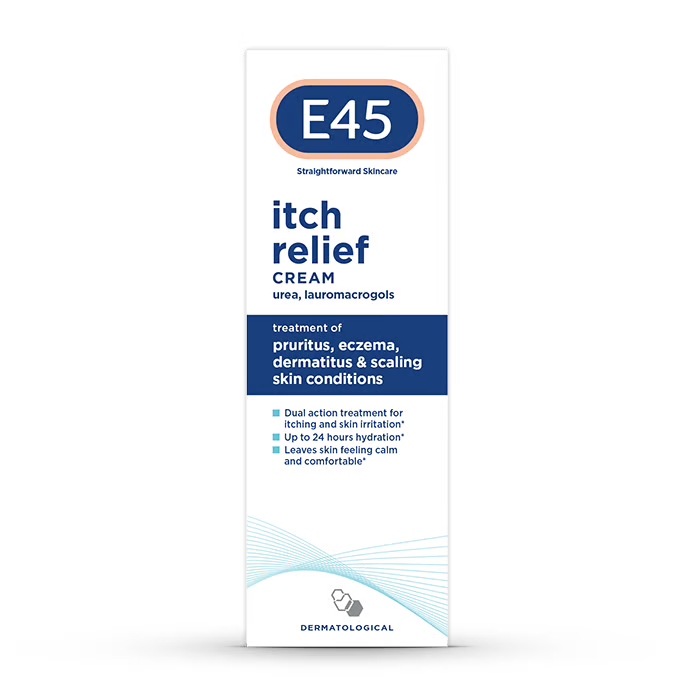
- Antihistamine Creams – Topical antihistamines can help reduce itching and provide cooling relief. These work well for mild to moderate symptoms.
Oral Medications
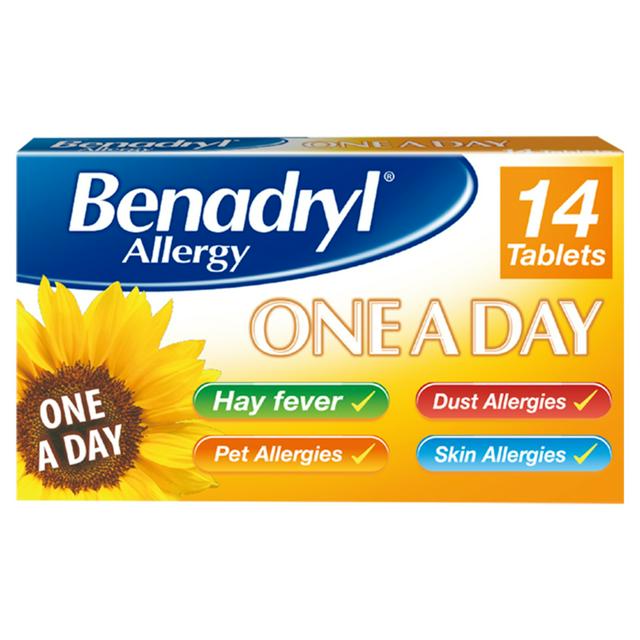
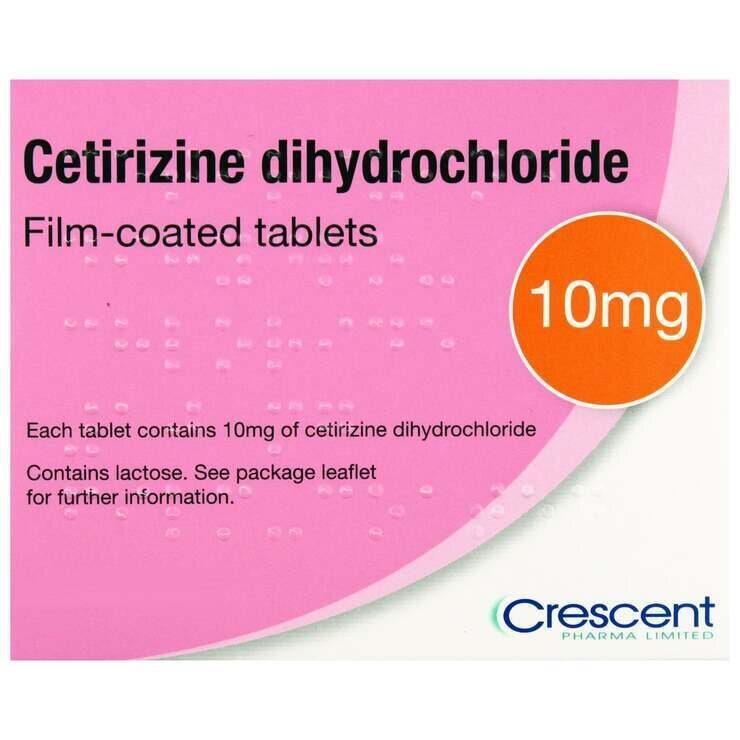
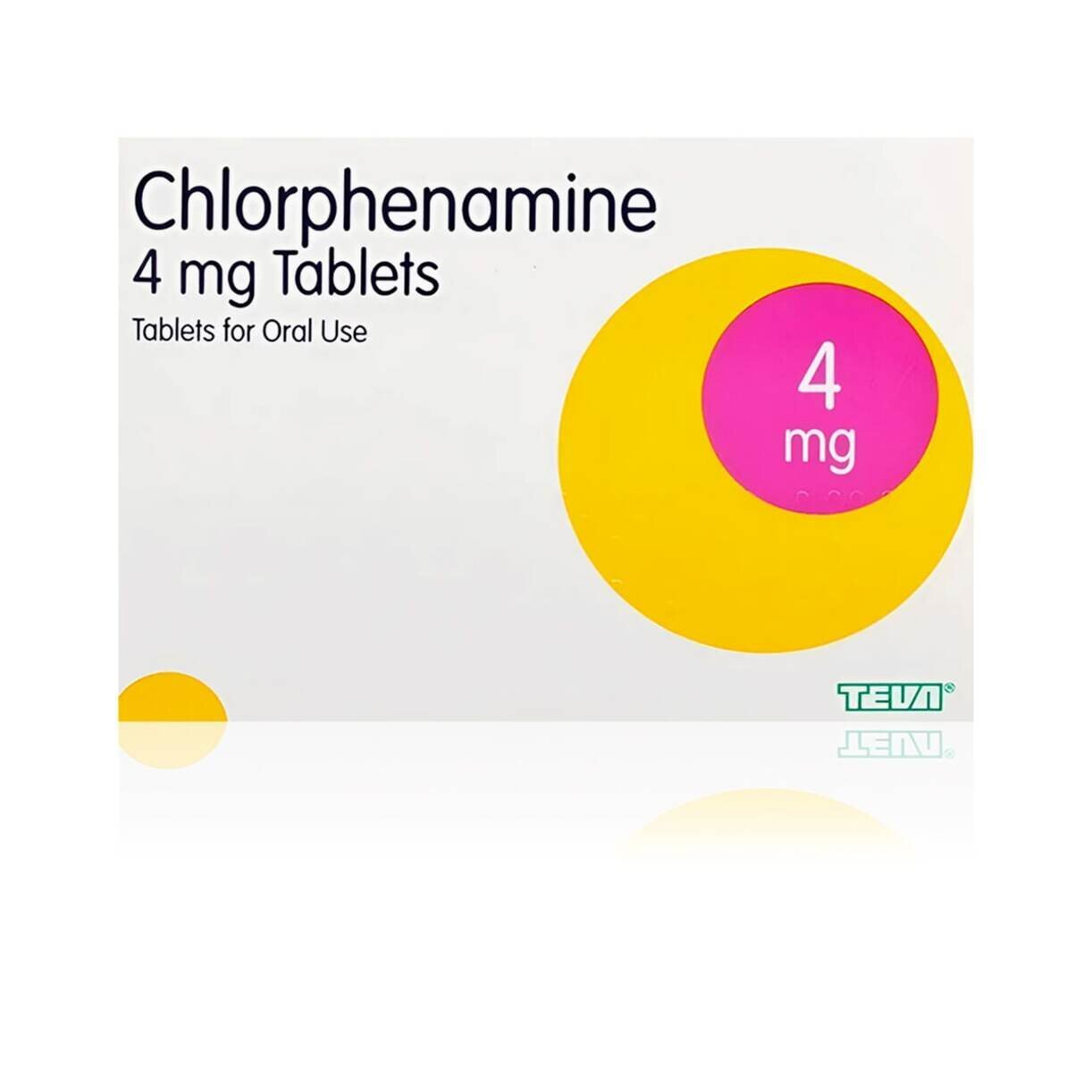
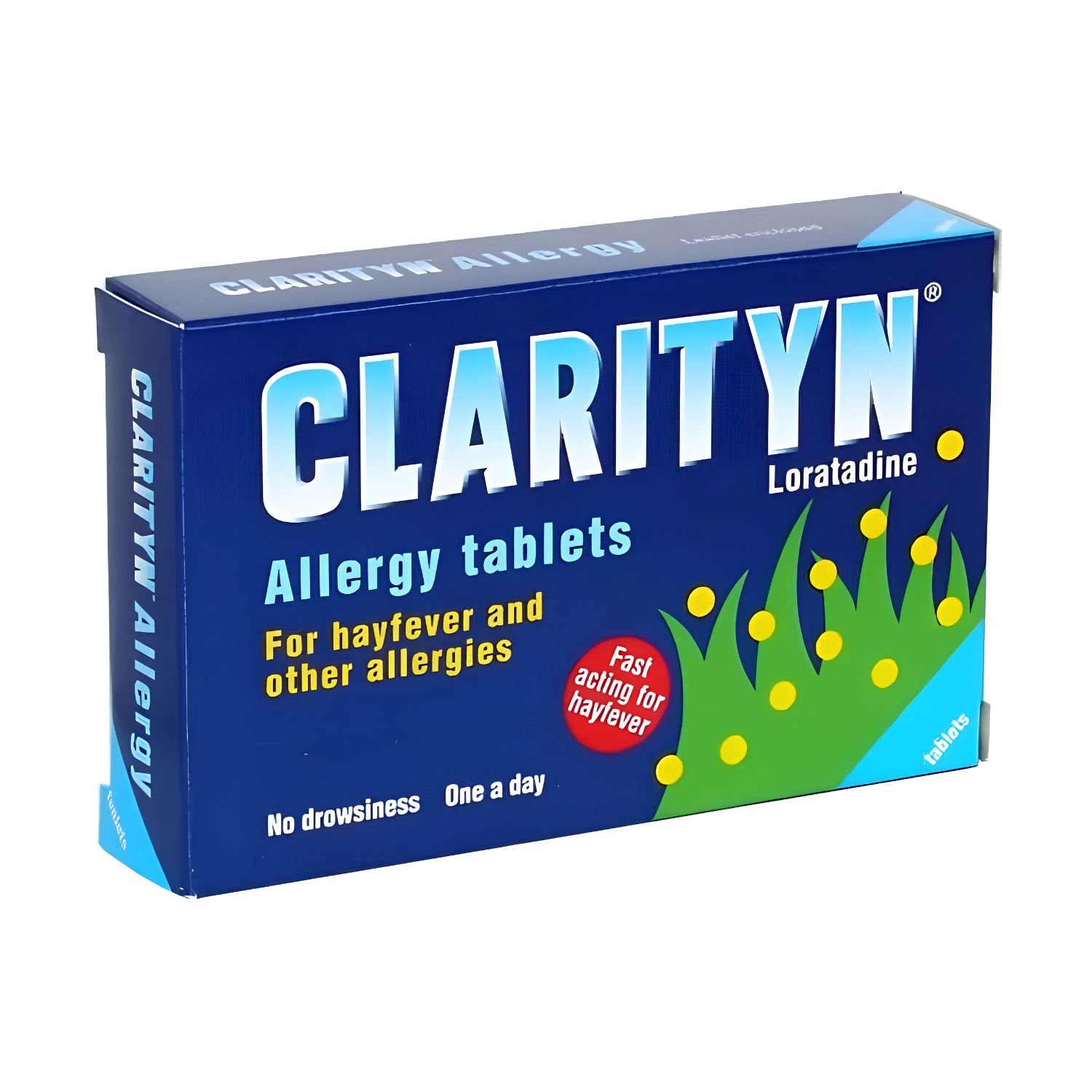
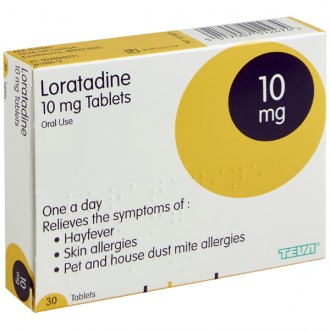
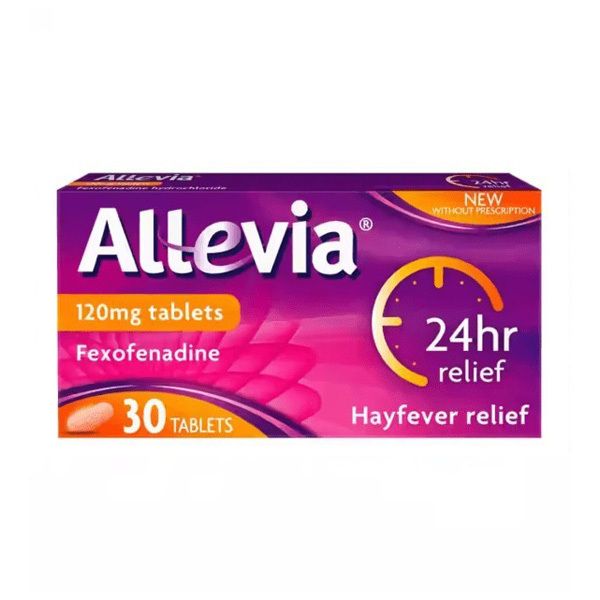
- Antihistamine Tablets – Oral antihistamines like cetirizine or loratadine can help reduce irritation from the inside out, especially if the rash is widespread or particularly irritating.
- Pain Relief – Over-the-counter pain relievers like paracetamol or ibuprofen can help if the rash is causing discomfort or if you’re dealing with fever alongside the heat rash.
When to Use Each Treatment
- Mild heat rash often responds well to simple cooling measures and calamine lotion.
- Moderate heat rash with itching may benefit from antihistamines or mild steroid creams.
- Persistent or severe heat rash might need stronger treatments or a combination approach.
- Infected heat rash (with pus or increased redness) needs medical attention.
Our Click2Pharmacy consultation can help determine which treatment is most appropriate for your specific situation, ensuring you get effective relief quickly.