


What is nasal congestion?
Nasal congestion happens when the nasal tissues lining your nose become swollen and inflamed, usually due to increased blood flow to the area. This swelling narrows the swollen nasal passages, making it difficult to breathe through your nose. It can also cause a build-up of mucus, which adds to that blocked, stuffy feeling.
Although it is rarely serious, nasal congestion can significantly affect your sleep, concentration, and day-to-day comfort, particularly if it persists for more than a few days.
What causes nasal congestion?
Nasal congestion has a number of common causes, including:
- A cold or the flu
- Allergic rhinitis, including hay fever and other seasonal allergies
- Sinusitis, where the sinuses become inflamed due to a viral or bacterial infection
- Non-allergic rhinitis, which causes similar symptoms to hay fever without an allergic trigger
- Nasal polyps, which are small, non-cancerous growths inside the nasal passages
- A deviated septum, where the wall between your nostrils sits off-centre
- Certain medications, including some blood pressure treatments and nasal decongestant sprays used for too long
Symptoms of Nasal Congestion
Alongside a blocked nose, you might also experience:
- A runny nose or post-nasal drip
- Pressure or pain around your forehead, cheeks, or eyes
- Reduced sense of smell or taste
- Sneezing
- Difficulty sleeping or snoring
- A feeling of fullness or pressure in the middle ear
Nasal Congestion Treatment
There are several effective treatments for nasal congestion, and the right option for you will depend on what is causing your symptoms.
Decongestant Nasal Sprays
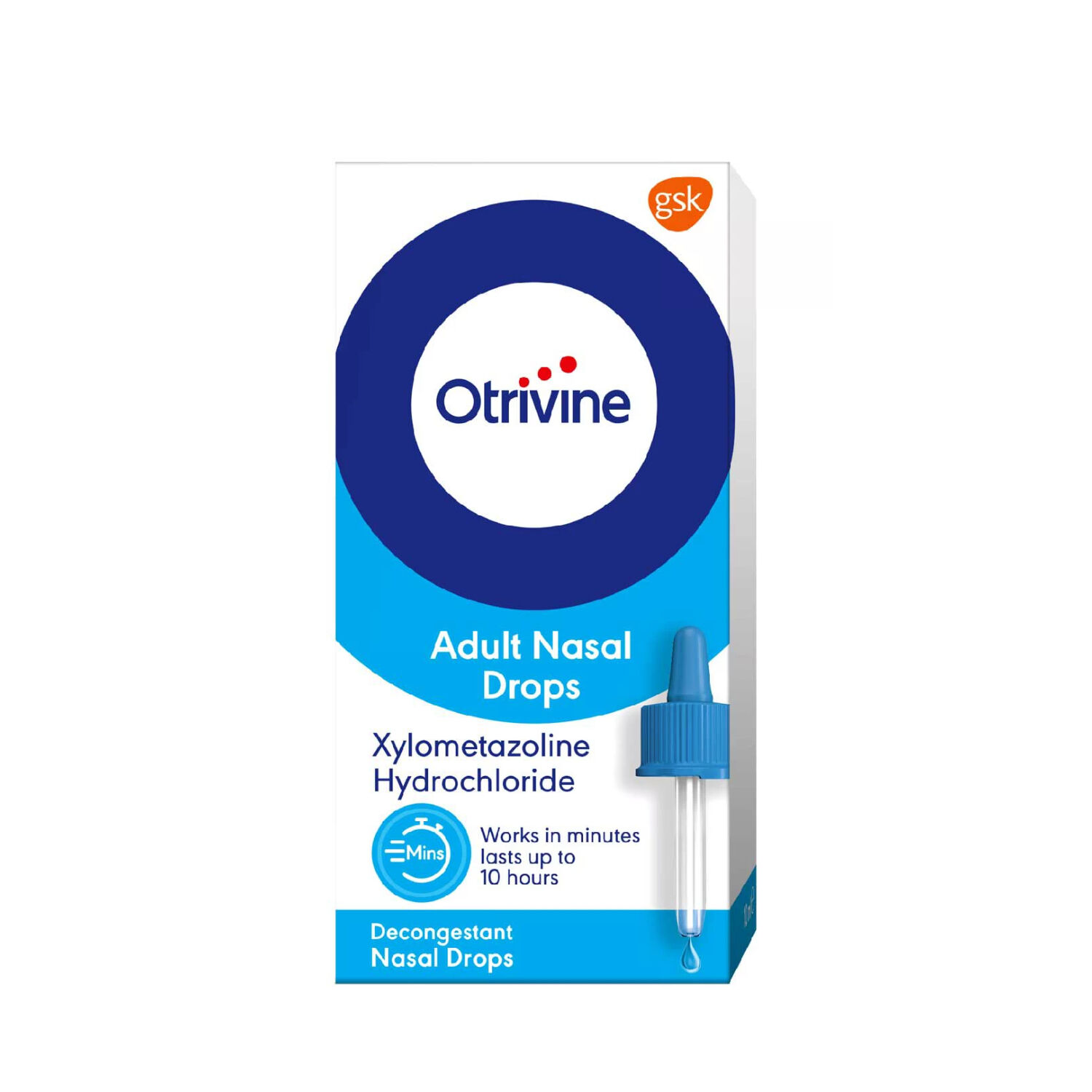
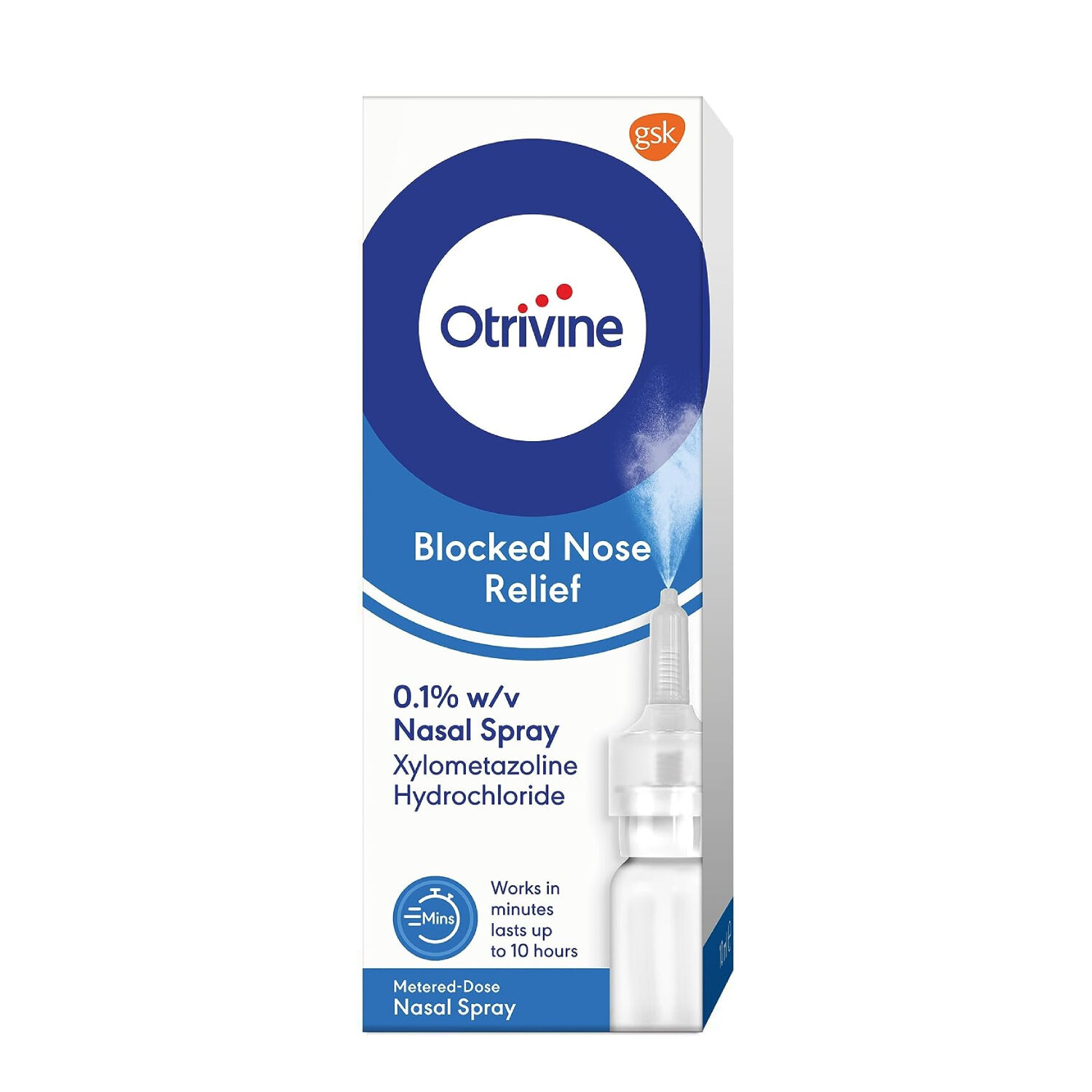
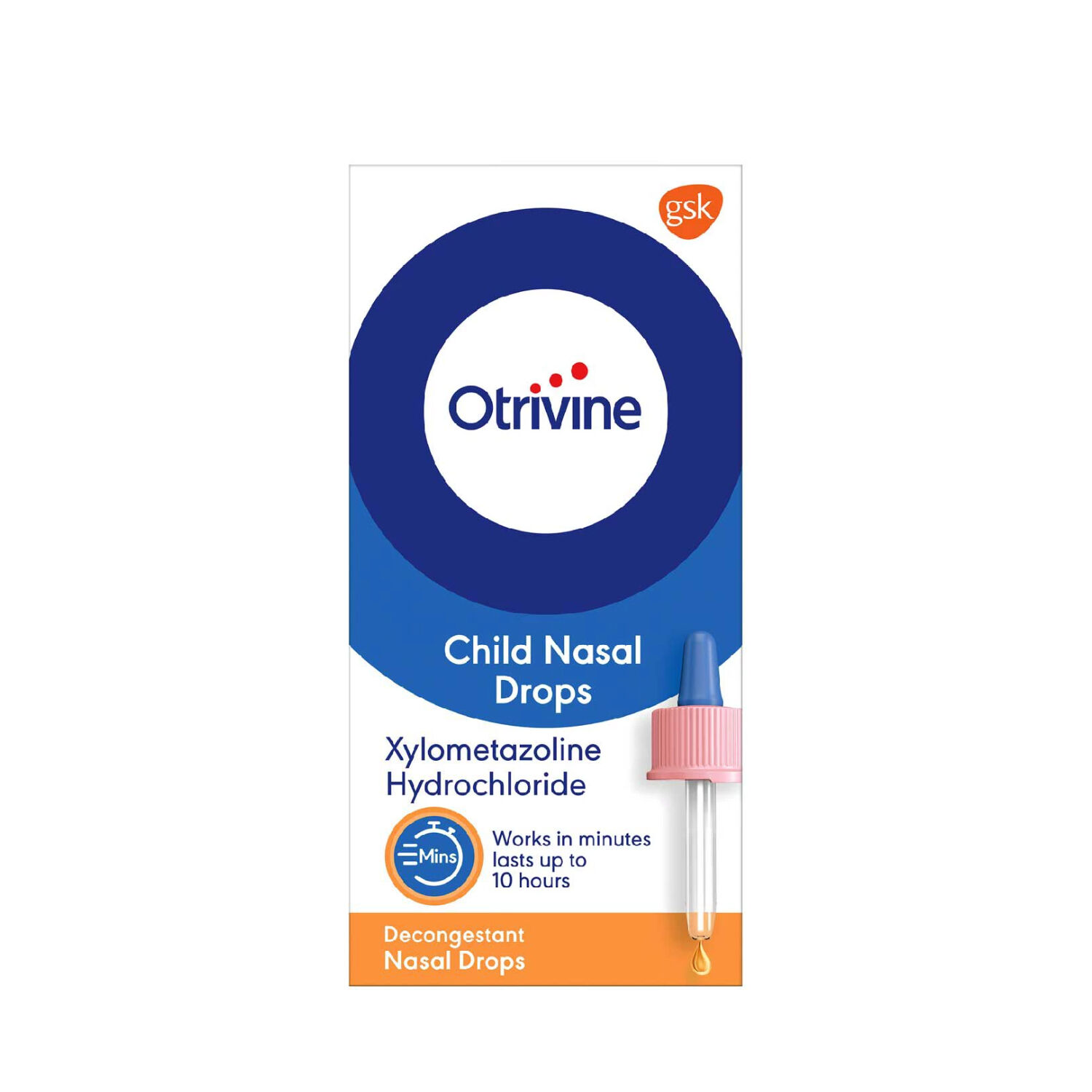
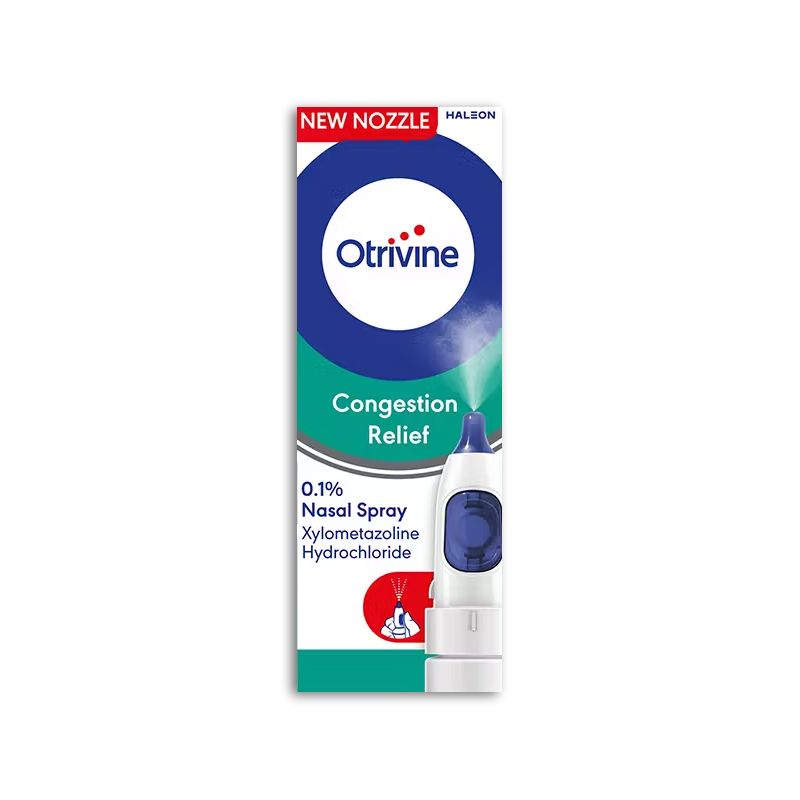
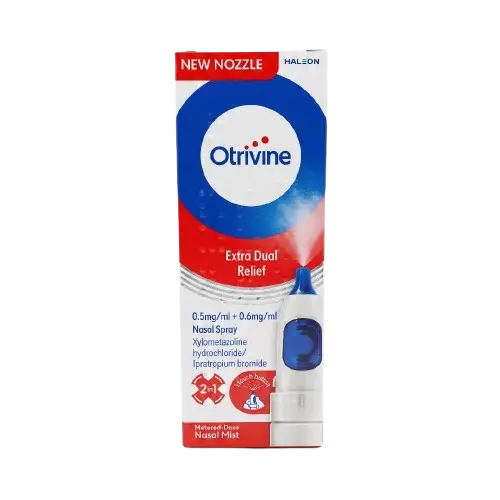
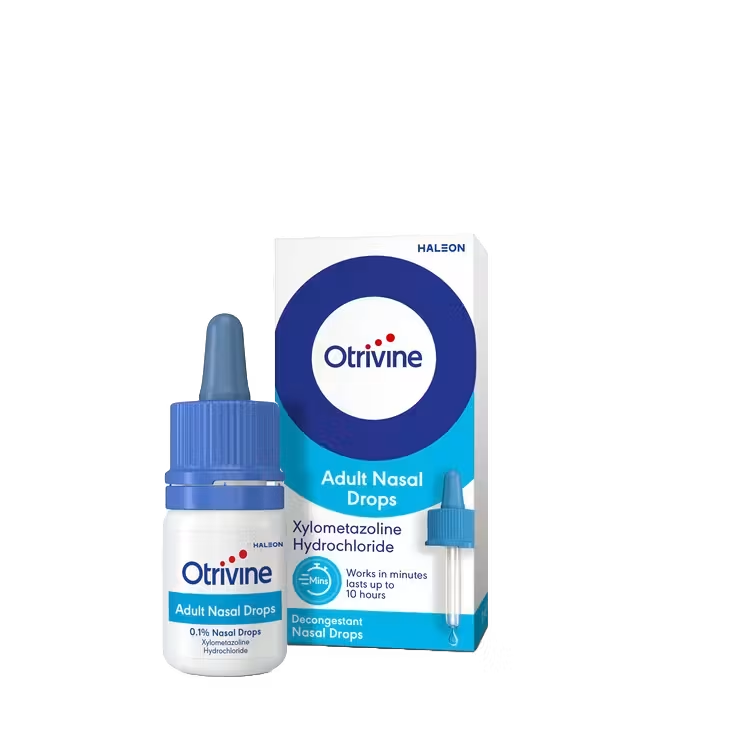
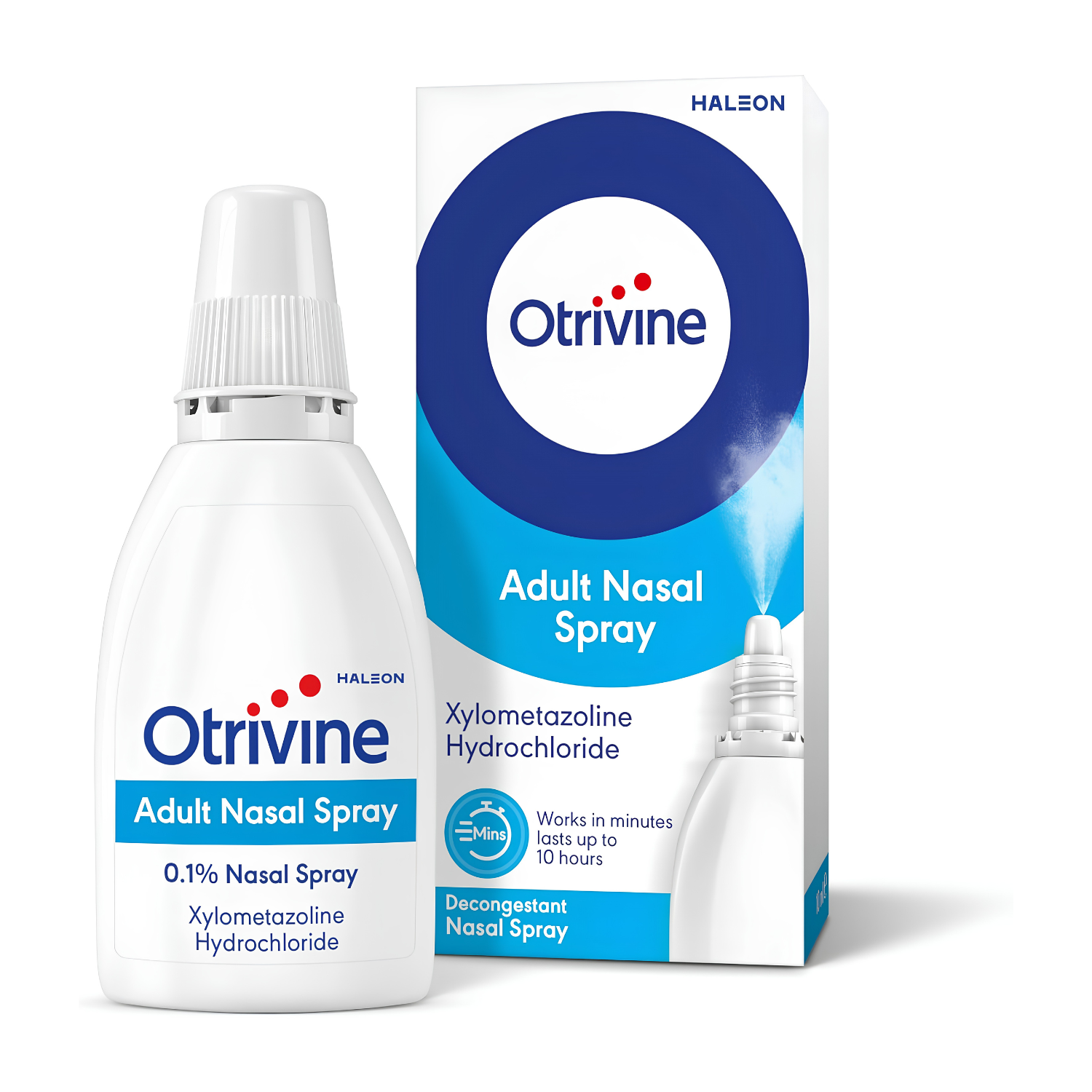
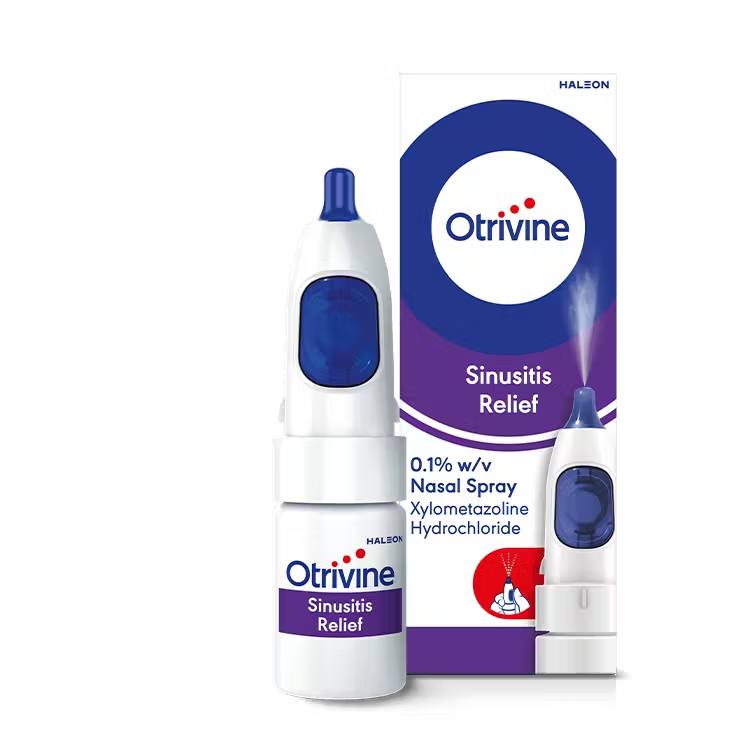
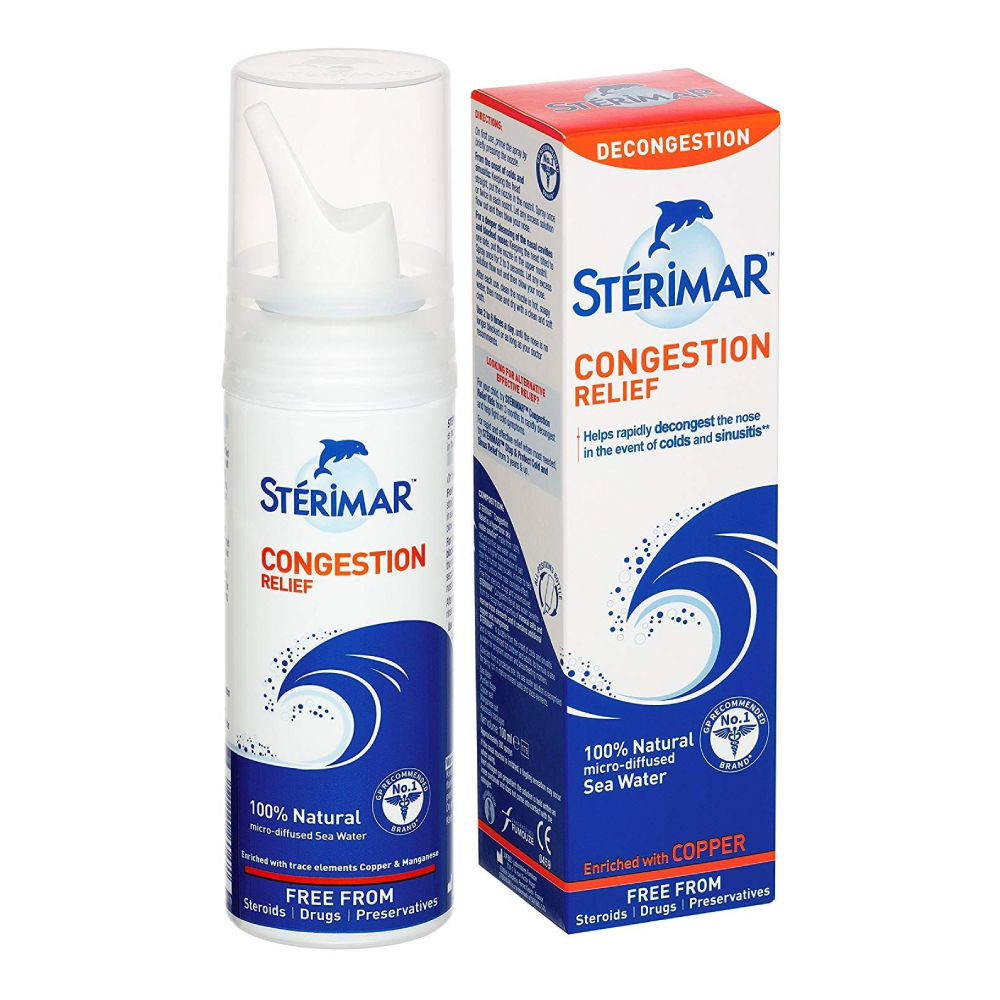
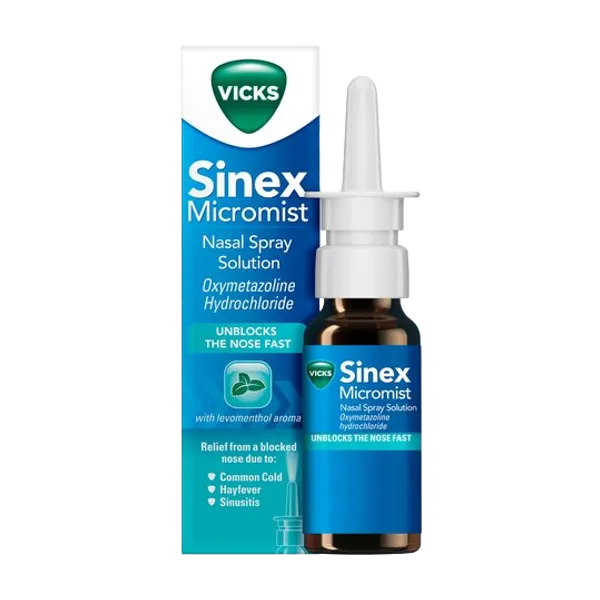
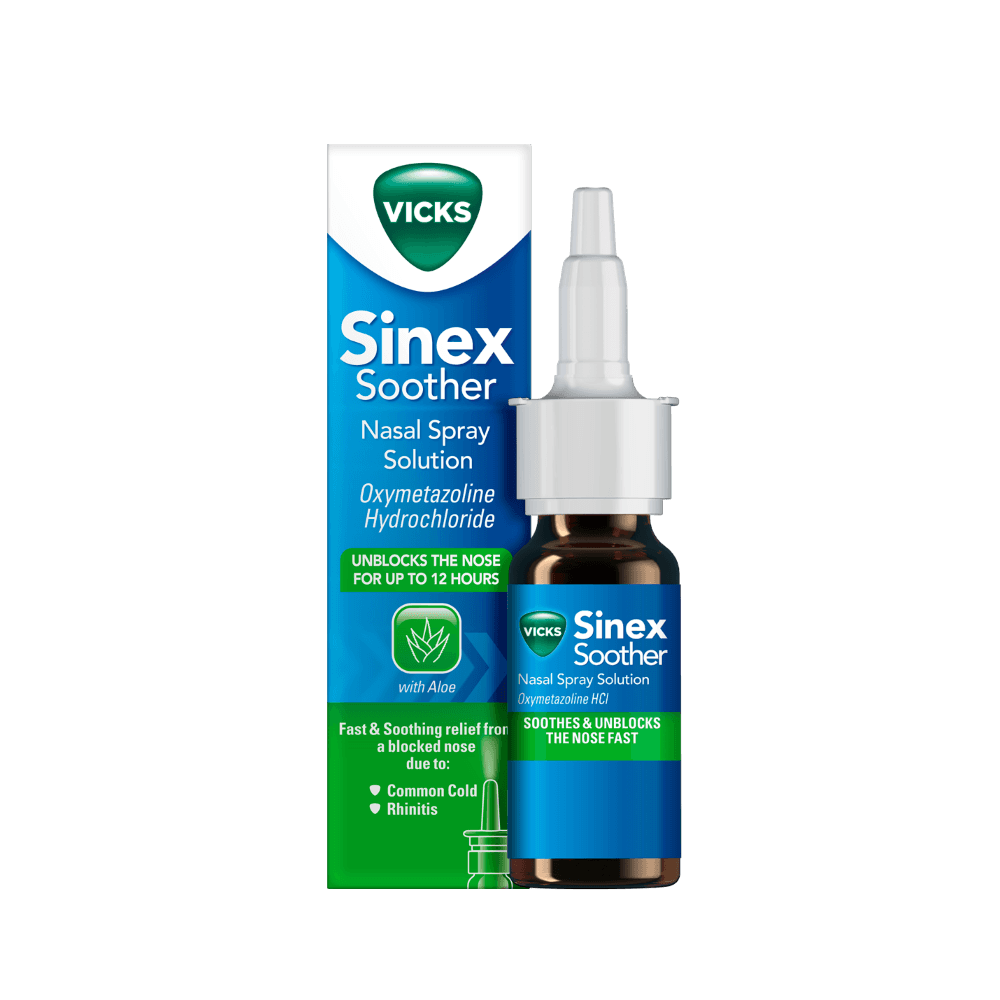
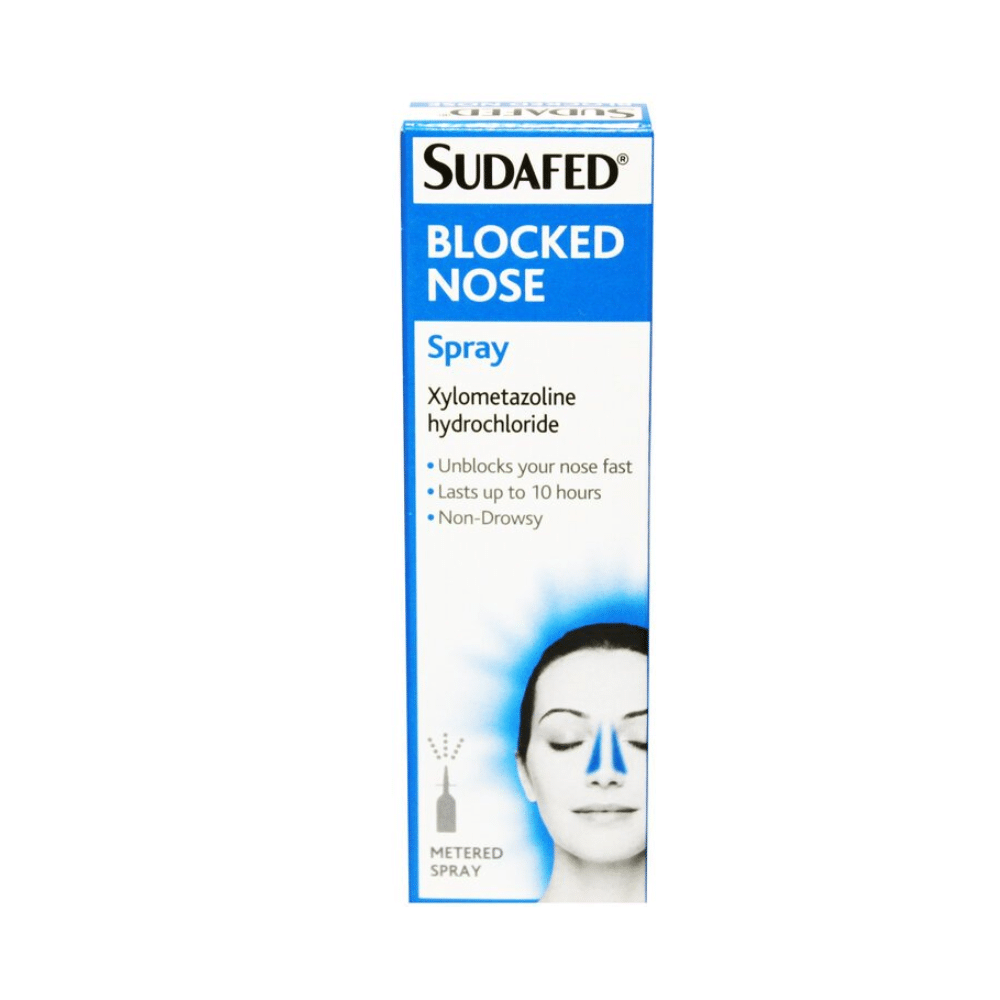
A decongestant nasal spray or drops, such as xylometazoline (Otrivine) or oxymetazoline, works quickly to shrink the swollen blood vessels in your nose, giving you fast relief from a blocked nose. They are best used for short-term relief only, as using them for more than seven days can cause rebound congestion, where your symptoms return worse than before once you stop using them.
Corticosteroid Nasal Sprays
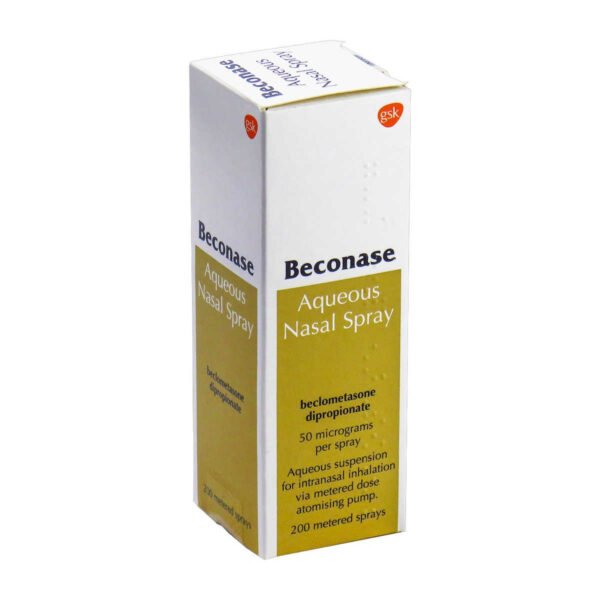
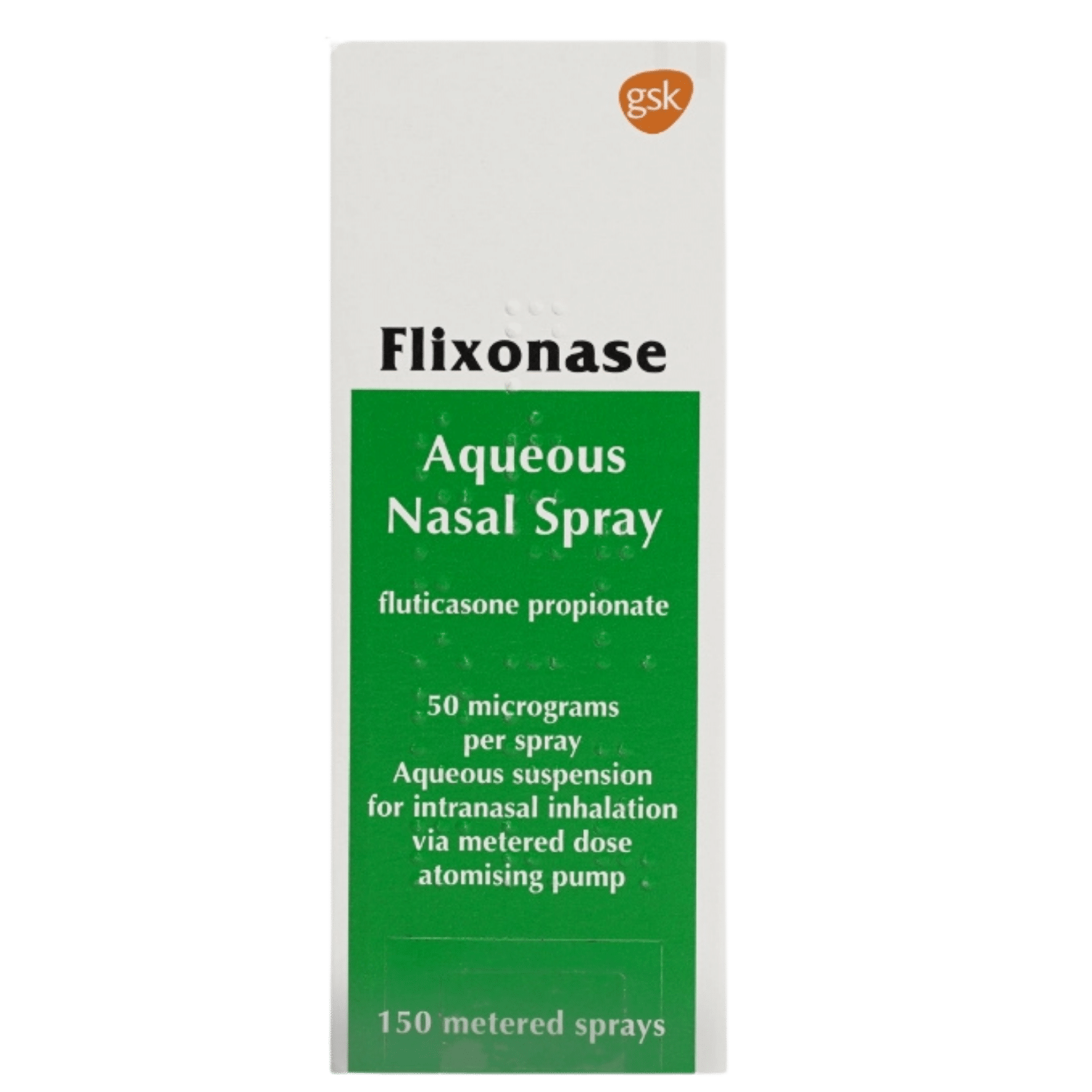
Corticosteroid sprays like Beconase, Flixonase, and Nasacort reduce inflammation in the nasal passage. They’re effective for allergy-related congestion and non-allergic rhinitis, and unlike decongestant sprays they’re safe to use long-term. Results aren’t immediate and may take a few days of regular use to notice a difference.
Antihistamines
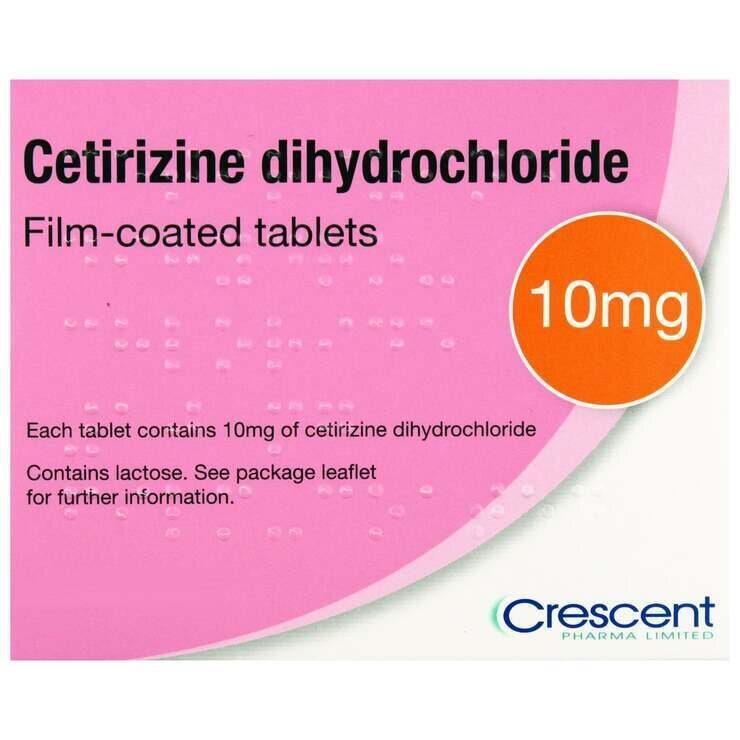
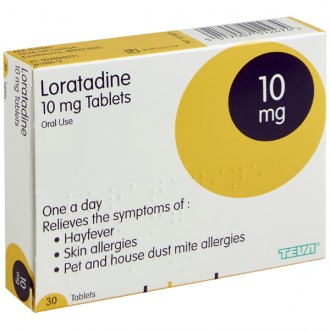
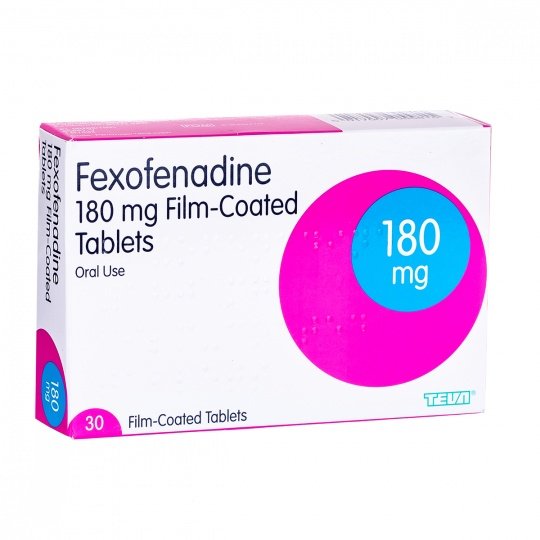
If your nasal congestion is triggered by allergies, antihistamines can help by blocking the body’s reaction to allergens. There are non-drowsy options like cetirizine, loratadine, and fexofenadine, while older antihistamines like chlorphenamine can cause drowsiness and may be better suited to evening use. Antihistamines are often used alongside a corticosteroid nasal spray for allergy-related symptoms.
Oral Decongestants
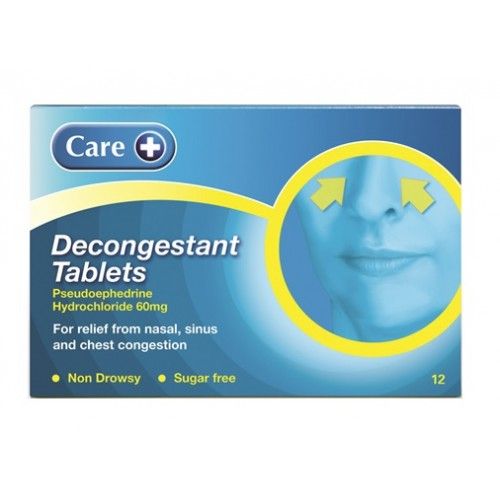
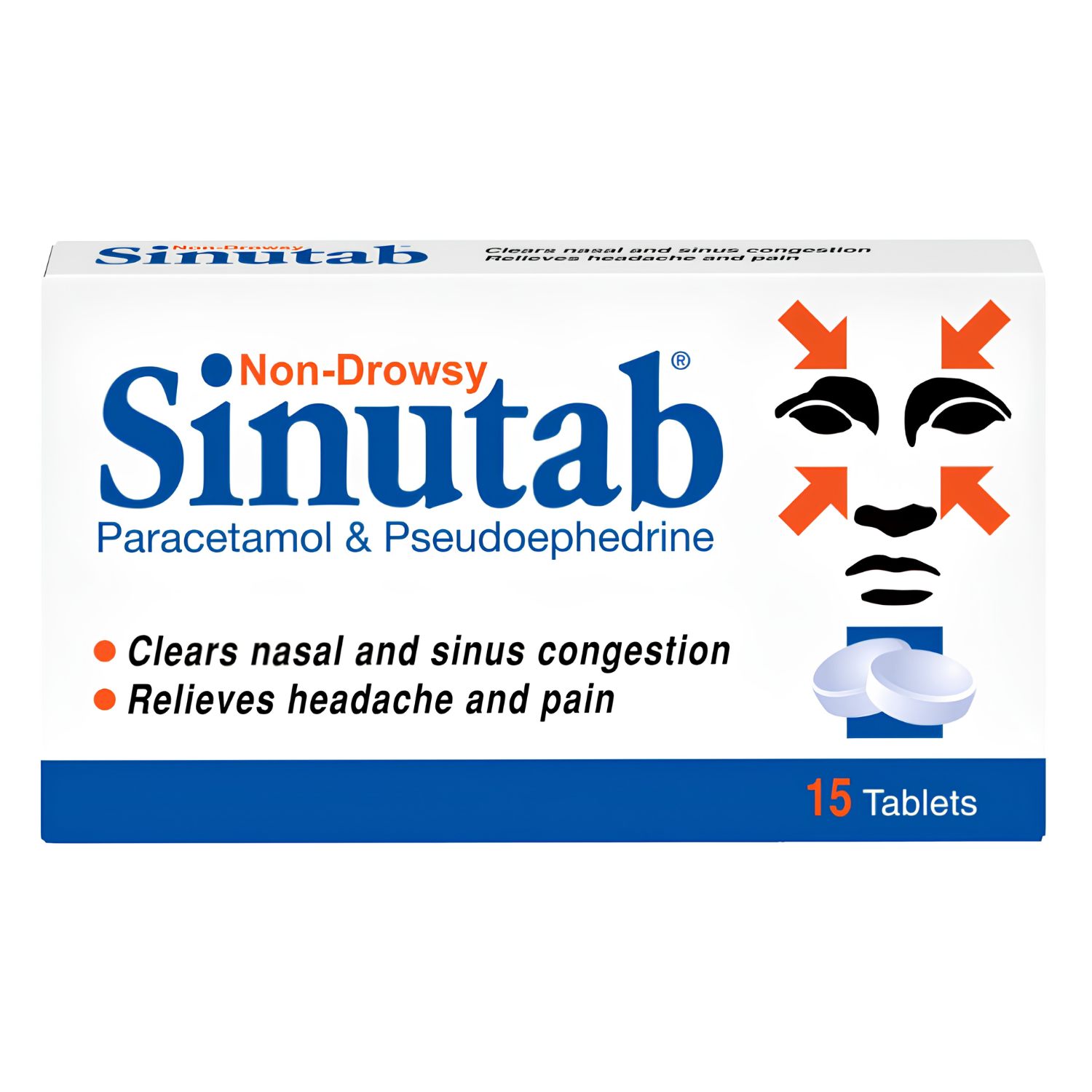
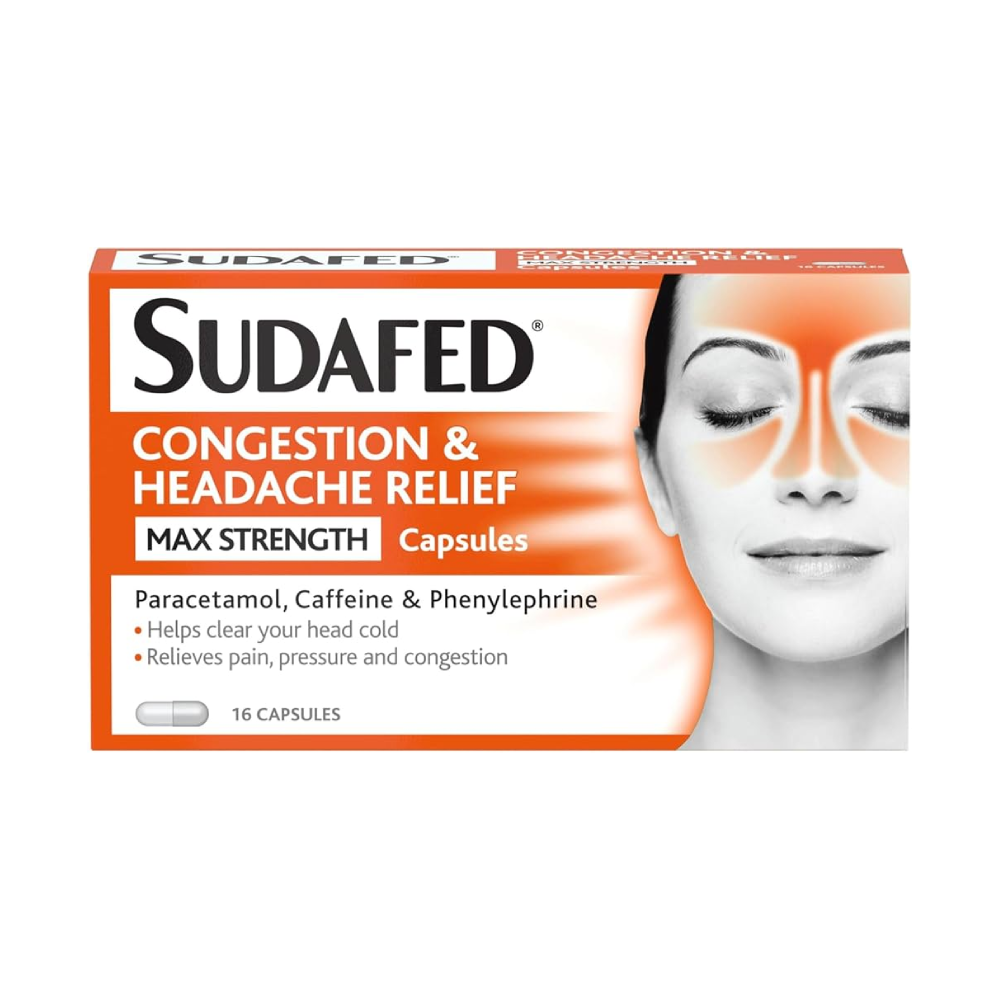
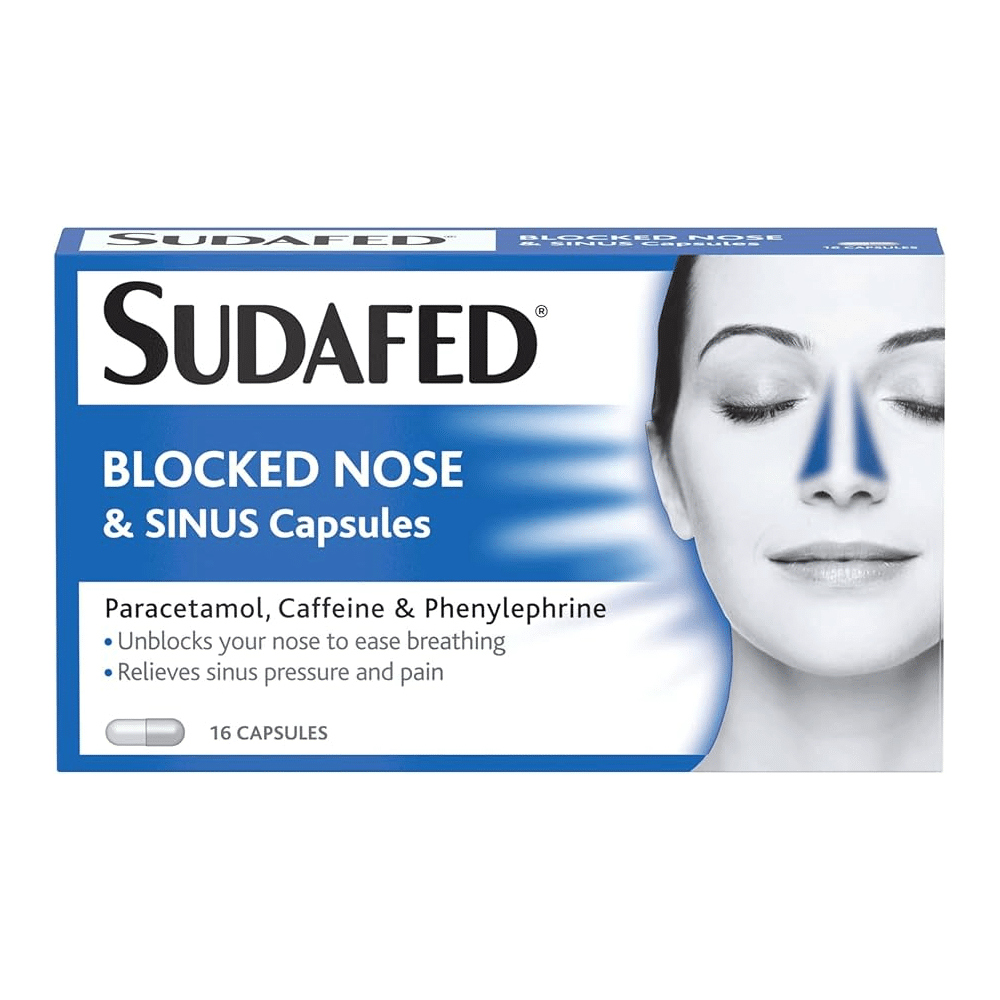
Tablets and capsules containing pseudoephedrine or phenylephrine can help relieve nasal congestion by narrowing blood vessels in the body. They’re best used for short-term relief but they aren’t suitable for everyone, including those with high blood pressure, heart conditions, or an overactive thyroid.
Saline Nasal Solutions and Rinses
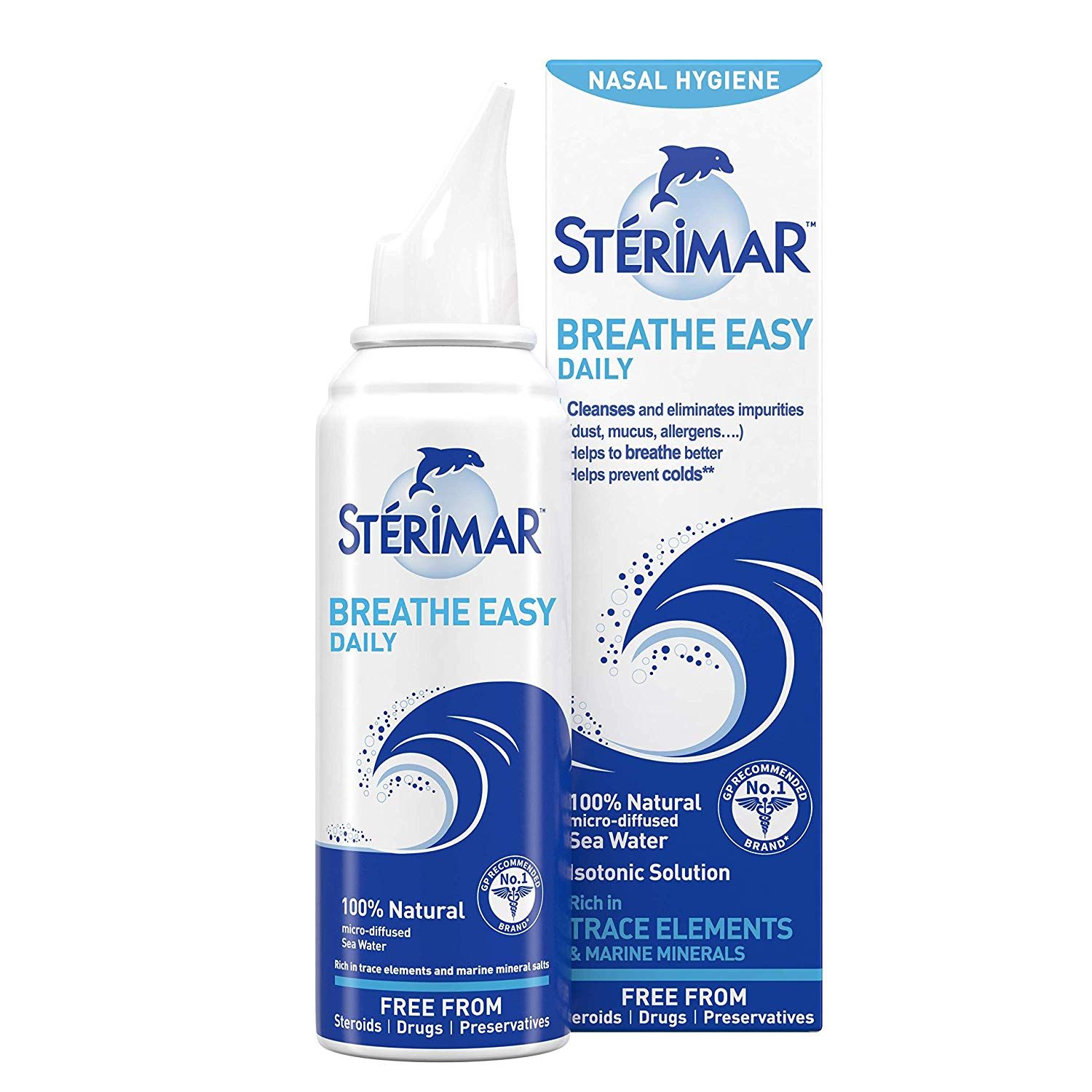
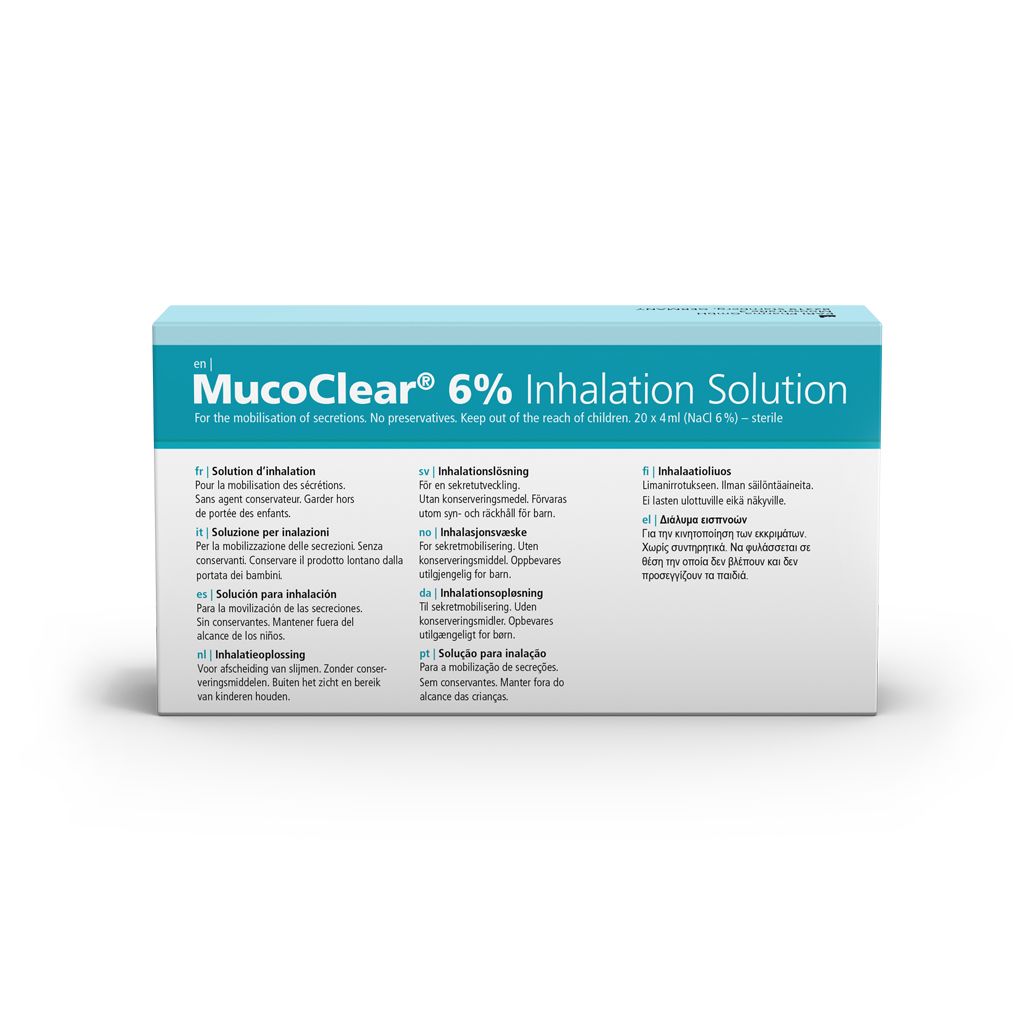
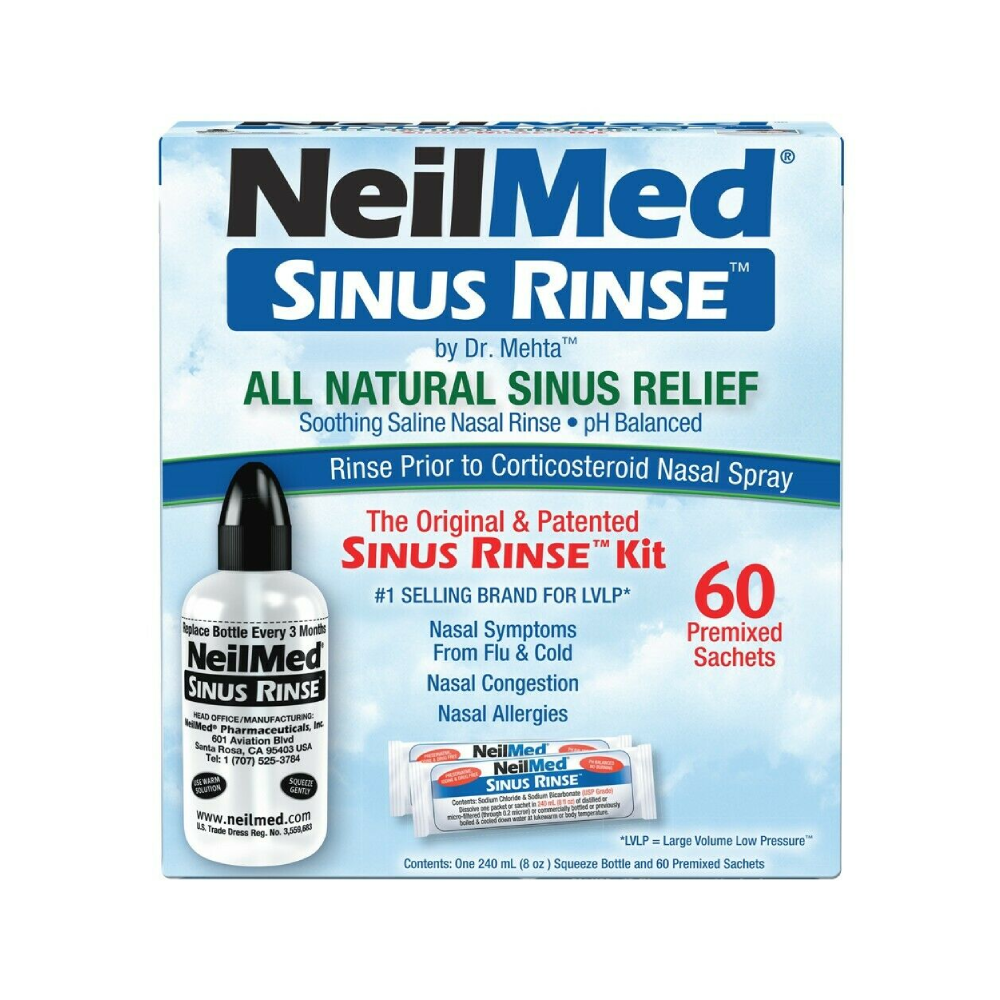
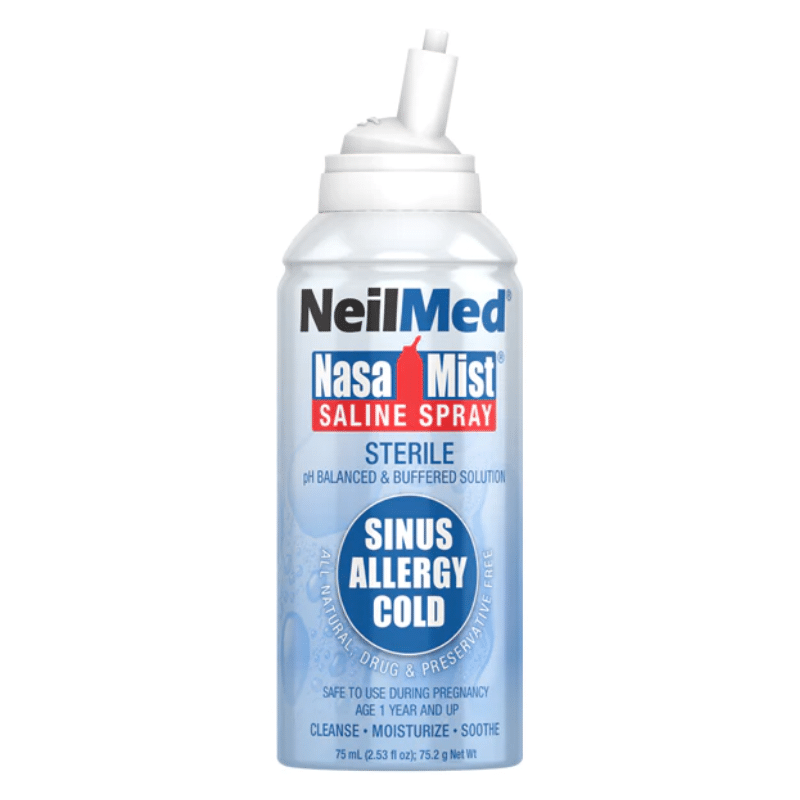
Saline solutions and sinus rinses are a drug free option for loosening and clearing mucus from the nasal passages. They’re safe to use as often as needed and are suitable for all ages, including during pregnancy. While they won’t address the underlying cause of congestion, they can provide soothing relief alongside other medicated treatments.
When should I see a doctor to treat nasal congestion?
Most cases of nasal congestion clear up on their own or with over-the-counter treatment within one to two weeks. However, you should speak to your GP if:
- Your symptoms have lasted more than ten days without improving
- You have a high fever alongside severe facial pain or swelling
- You notice blood in your nasal discharge
- Your congestion keeps coming back without an obvious cause
- You have been using a decongestant nasal spray for more than seven days
Nasal Congestion Remedies at Home
If your symptoms are mild, there are several things you can try at home to help ease discomfort while your body recovers.
Steam Inhalation
Breathing in the steam from a bowl of hot water can help loosen mucus and temporarily relieve that blocked feeling. Drape a tea towel over your head to keep the steam in, and try adding a few drops of Olbas oil for additional soothing relief. Be careful with very hot water to avoid scalding.
Keep Hydrated
Drinking plenty of fluids like water, herbal teas and warm broths helps to thin out mucus, making it easier for your body to clear. Try to avoid drinking alcohol and excess caffeine, as these can dehydrate you and make your congestion worse.
Elevate Your Head at Night
Lying flat can make congestion feel worse, particularly at night. Propping yourself up with an extra pillow can help encourage drainage and make sleeping more comfortable.
Warm Compress
Applying a warm, damp cloth over your nose and forehead can help to relieve the pressure and discomfort that often come with nasal congestion, particularly if sinusitis is involved.
Use a Humidifier
Use a humidifier to add moisture to the air and prevent your nasal passages from drying out, which can make irritation worse. This is especially useful during winter when central heating tends to dry out indoor air.
Avoid Known Triggers
If your congestion is allergy related, try to identify and reduce your exposure to common triggers like pollen, pet dander, dust mites, or mould. Keep your windows closed during high pollen seasons and regularly wash bedding at high temperatures.





