


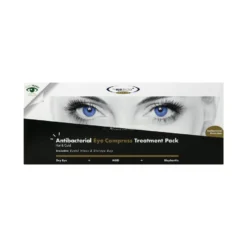
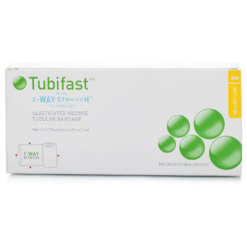
What are medical dressings?
Medical dressings are protective coverings placed directly over a wound to support the healing process. A good dressing does several jobs at once:
- It keeps the wound clean
- Absorbs any fluid
- Protects against knocks and dirt
- Helps reduce the risk of infection
Many modern dressings are also designed to keep the wound at the right level of moisture, which helps it heal faster and can reduce scarring.
Are dressings and bandages the same thing?
Dressings and bandages do different jobs. A dressing is the pad that sits against the wound, while a bandage is used to hold a dressing in place or to provide support and compression. Many products combine the two, with an absorbent pad already attached to an adhesive backing or a bandage.
Why is wound care important?
Looking after a wound properly does more than just cover it up. Clean, well-dressed wounds are less likely to become infected, tend to heal more quickly, and often leave less scarring.
Leaving a wound exposed lets it dry out and form a hard scab, which can slow healing and make it more prone to cracking. A suitable dressing keeps the area protected and comfortable while your body repairs itself.
Types Of Medical Dressings and Bandages
Different wounds need different dressings. Choosing the right one depends on the wound type, how much fluid it produces, and where it is on the body. Common types include:
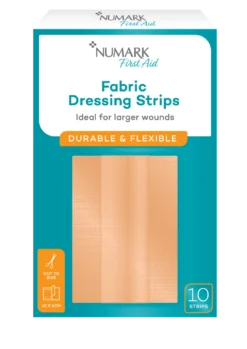
- Adhesive plasters: Everyday adhesive dressings for small cuts, grazes and blisters, with an absorbent pad and a sticky backing. Available in fabric, waterproof and hypoallergenic versions.
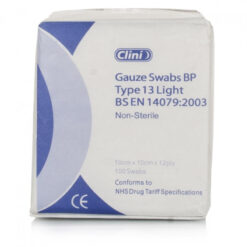
- Sterile gauze and absorbent dressings: Used to clean wounds and soak up blood or fluid. They’re usually held in place with tape or a bandage.
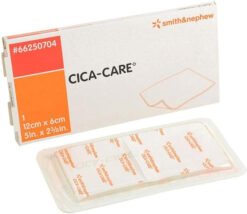
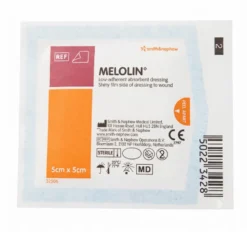
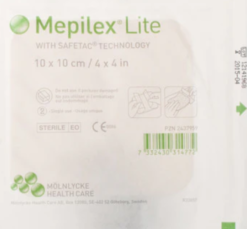
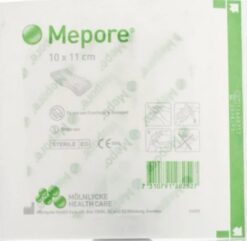
- Non-adherent (non-adhesive) dressings: Designed not to stick to the wound, making them ideal for grazes, minor burns and fragile skin, so removal is far less painful.
- Hydrocolloid dressings: Form a gel over the wound to keep it moist. Popular for blisters and low-fluid wounds, and often waterproof.
- Foam dressings: Highly absorbent and cushioning, suited to wounds that produce a moderate to heavy amount of fluid.
- Film dressings: Thin, transparent and waterproof, allowing you to keep an eye on a minor wound while showering.
- Antimicrobial dressings: Contain agents such as silver to help manage infected or high-risk wounds.
- Wound closure strips: Thin adhesive strips (such as Steri-Strips) used to hold the edges of a small, clean cut together.
How do I choose the right medical dressing for a wound?
Picking the right dressing comes down to a few simple questions about the wound itself. For most minor injuries at home, the choice is usually straightforward:
- How big is the wound? A small cut or graze may only need a plaster, while a larger area is better covered with a sterile pad and tape or a bandage.
- How much is it bleeding or weeping? Wounds producing more fluid need a more absorbent dressing, such as gauze or foam, whereas a dry, minor wound is fine with a simple plaster.
- Where is it? Areas that bend, get wet or rub against clothing benefit from flexible or waterproof dressings that stay in place.
- Is the skin fragile? For delicate or easily damaged skin, a non-adherent dressing reduces pain and trauma when it’s time to change it.
- Is it a blister or a burn? Blisters often do well with hydrocolloid plasters, while minor burns should be covered with a clean, non-fluffy, non-adherent dressing.
If you’re unsure, our pharmacists are happy to help you choose. For anything more than a minor wound, it’s always best to seek medical advice.
How To Apply And Change A Dressing
Wash your hands thoroughly before you start. Gently clean the wound with cool running water and pat the surrounding skin dry, then apply your chosen dressing so the pad fully covers the wound. Change the dressing when it becomes wet, dirty or loose, or as often as the packaging advises.
When removing a slightly stuck dressing, dampening it can make it easier and more comfortable to lift away.
What are the best types of dressings for your first aid kit?
A well-stocked first aid kit means you’re ready for most everyday bumps, cuts and grazes. Alongside dressings, it’s worth including antiseptic wipes, tape, scissors and disposable gloves. Useful dressings to keep in your kit include:
- Assorted adhesive plasters in a range of sizes (small, medium and large) for small cuts and grazes
- Sterile gauze swabs for cleaning wounds and absorbing fluid
- Sterile wound dressings (pads with an attached bandage) for larger injuries
- Non-adherent dressings for grazes and minor burns
- Blister plasters for hotspots and blisters
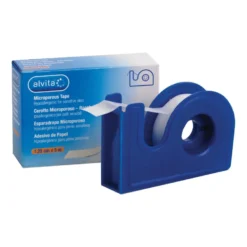
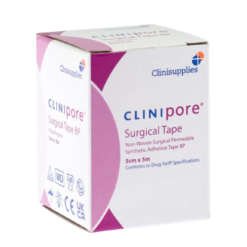
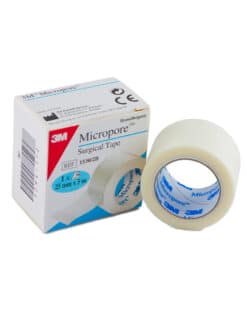
- Adhesive tape (such as micropore) to hold dressings in place
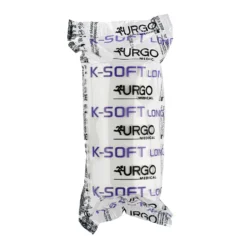
- A conforming or crepe bandage for support and to secure dressings
- Wound closure strips for small, clean cuts
When to seek medical help
Most minor wounds can be treated safely at home, but some require professional care. You should see your GP, visit an urgent care centre or call NHS 111 if a wound won’t stop bleeding, is deep or gaping and may need stitches, was caused by an animal or human bite, or contains dirt or a foreign object you can’t remove.
You should also seek advice if you notice signs of infection, such as increased redness, swelling, warmth, pus, a spreading red area, or a fever.
If you have diabetes or poor circulation, take extra care with any wound, as these can be slower to heal. Call 999 or go to A&E for severe bleeding that won’t stop, a very deep wound, or any injury where a body part may be seriously damaged.





