
Benefits of Quitting Smoking: What Happens?
It doesn’t matter how long you’ve been smoking; quitting brings immediate and long-term health benefits. Your body starts to heal from the moment you stop.
Immediate Benefits
Within 20 minutes, your heart rate and blood pressure drop to normal levels. After 8 hours, carbon monoxide levels in your blood fall and oxygen levels return to normal. Within 48 hours, your sense of taste and smell begin to improve as nerve endings start to regrow.
Short-Term Benefits
After 2-12 weeks, your circulation improves, and lung function increases by up to 30%. You’ll notice you can breathe more easily, have more energy, and can exercise without getting as breathless. Many people find they’re coughing less and have fewer colds and respiratory infections.
Long-Term Benefits
Within 1 year of quitting, your risk of heart attack drops by half. After 10 years, your risk of lung cancer is about half that of someone who continues to smoke. After 15 years, your risk of heart disease is similar to someone who’s never smoked.
Other Benefits
Beyond health improvements, you’ll save a significant amount of money. If you smoke 20 cigarettes a day, you could save over £3,363 a year. You’ll also notice your clothes and home smell fresher, your skin looks healthier, and your teeth are whiter. Many people report feeling more confident and proud of their achievement.
Why Is It Hard to Stop Smoking?
Smoking is both a physical and psychological addiction. Nicotine is a highly addictive substance that affects your brain within seconds of inhaling. It triggers the release of dopamine, creating feelings of pleasure and relaxation that your brain begins to crave.
The physical addiction means your body has become dependent on nicotine, leading to withdrawal symptoms when you try to quit. These can include irritability, anxiety, difficulty concentrating, increased appetite, and strong cravings for cigarettes.
The psychological addiction involves the habits and routines you’ve built around smoking – having a cigarette with your morning coffee, during breaks at work, or when socialising with friends. Breaking these patterns is often just as challenging as managing the physical withdrawal.
Symptoms of Nicotine Withdrawal
When you stop smoking, you might experience withdrawal symptoms as your body adjusts to life without nicotine. These symptoms are temporary and are actually signs that your body is healing:
- Strong cravings for cigarettes
- Irritability, frustration, or anger
- Anxiety or feeling restless
- Difficulty concentrating
- Increased appetite and weight gain
- Trouble sleeping or insomnia
- Headaches
- Feeling tired or low in energy
- Low mood or depression
Most withdrawal symptoms are strongest in the first few days and weeks after quitting, gradually reducing over time. Using stop smoking medication can significantly reduce these symptoms and increase your chances of successfully quitting.
Stop Smoking Treatment
Nicotine Replacement Therapy (NRT)
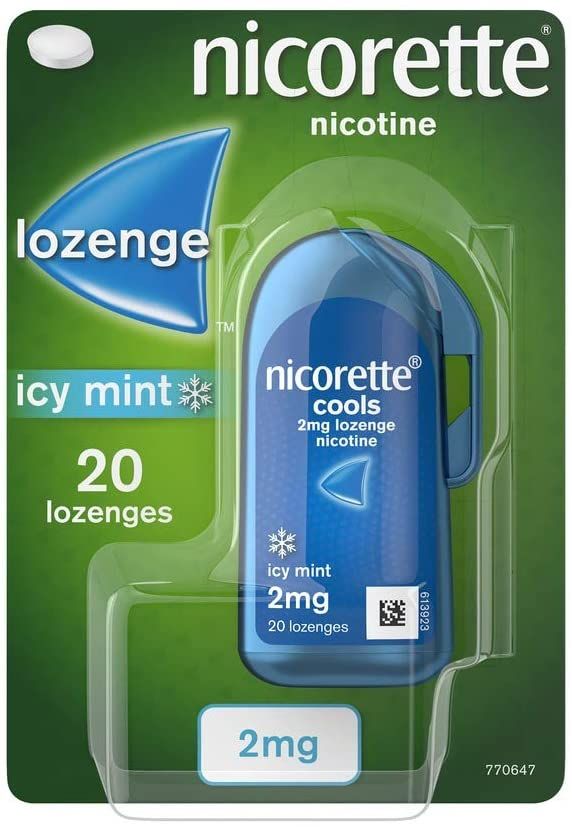
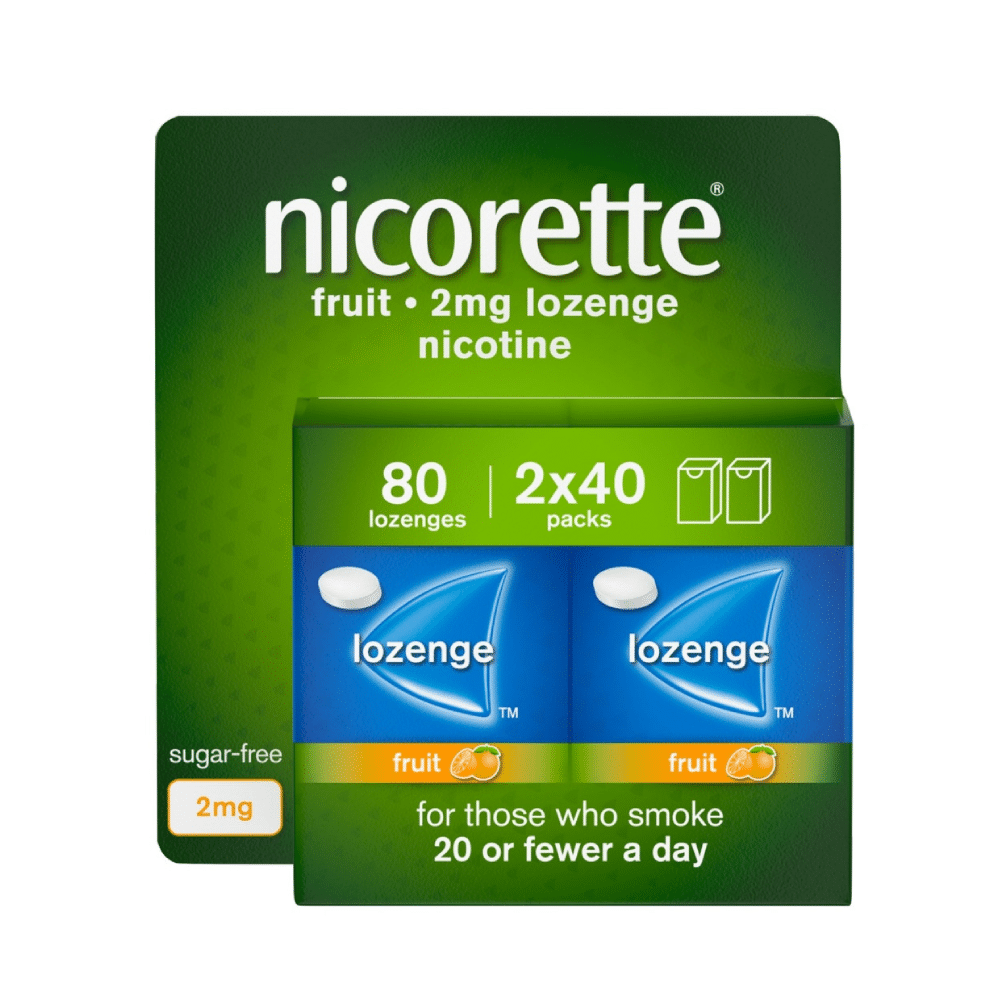
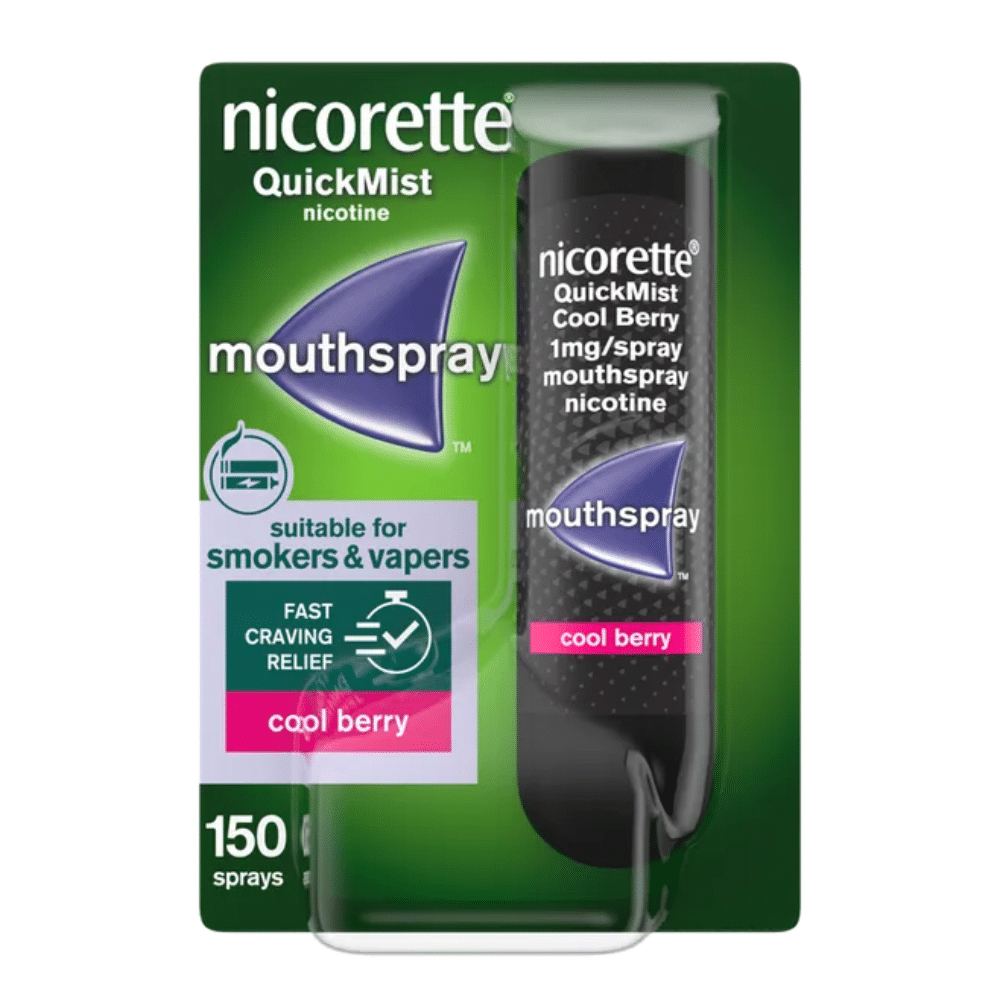
Nicotine replacement products provide your body with nicotine without the harmful chemicals found in cigarettes. They help reduce withdrawal symptoms and cravings while you break your habit.
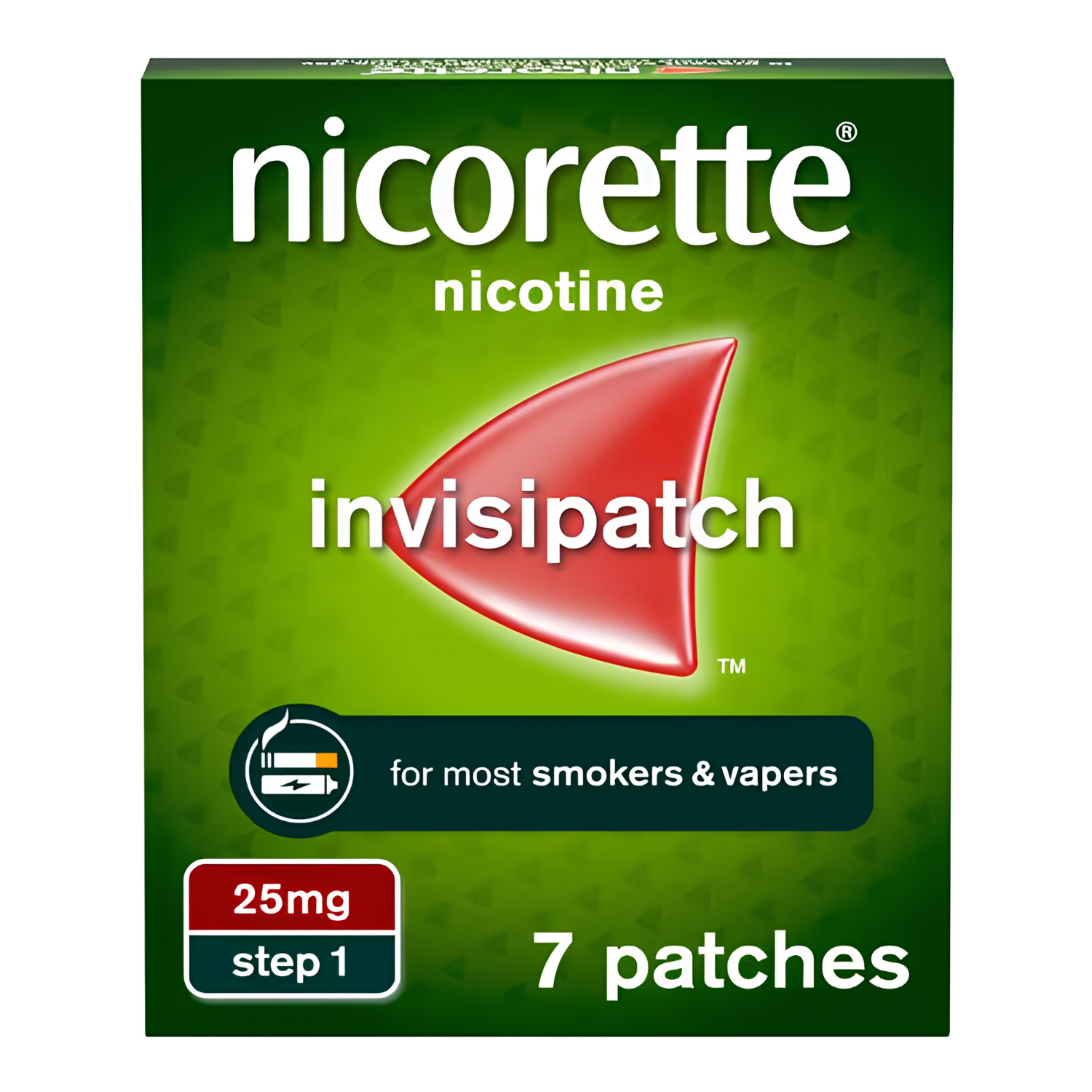
Nicotine Patches
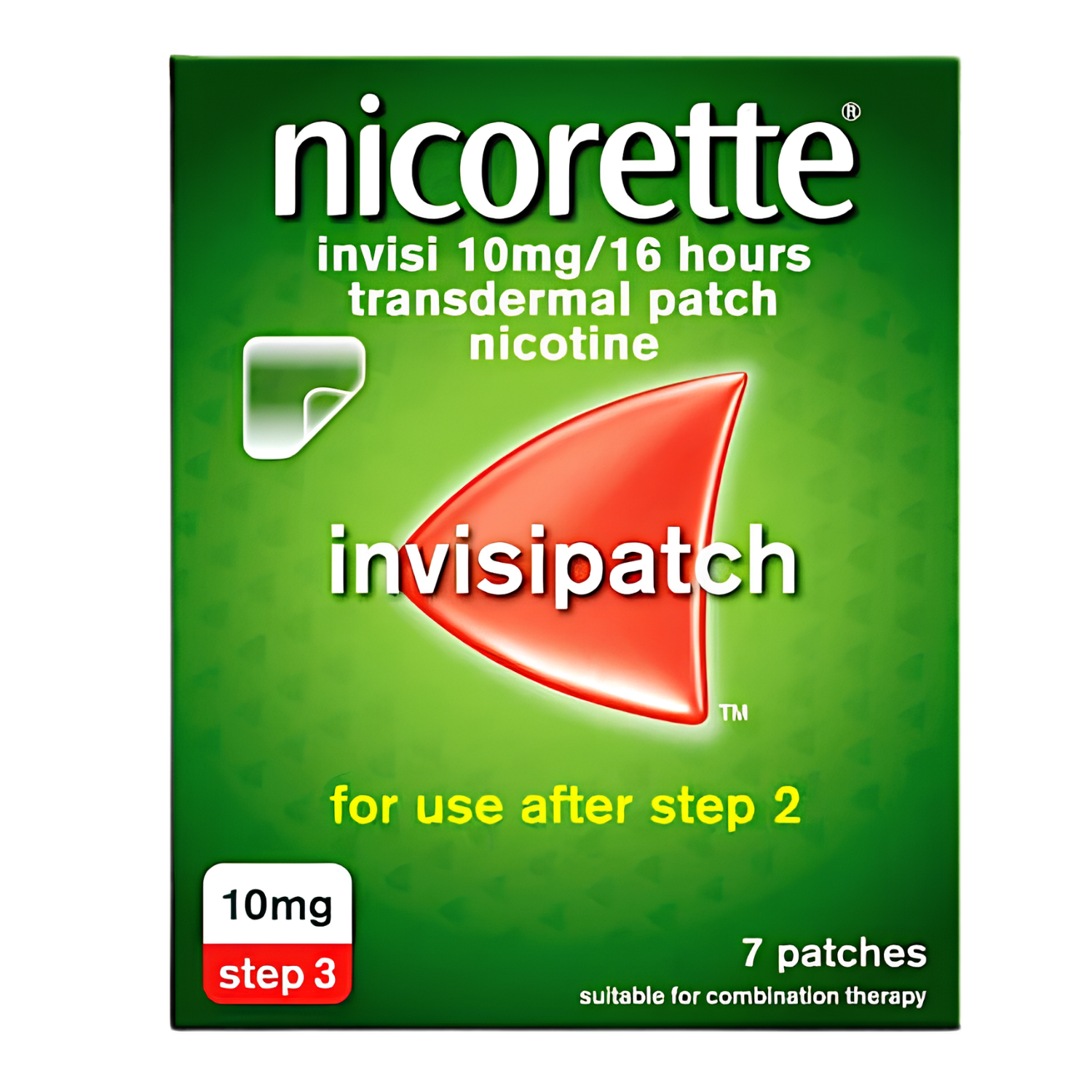
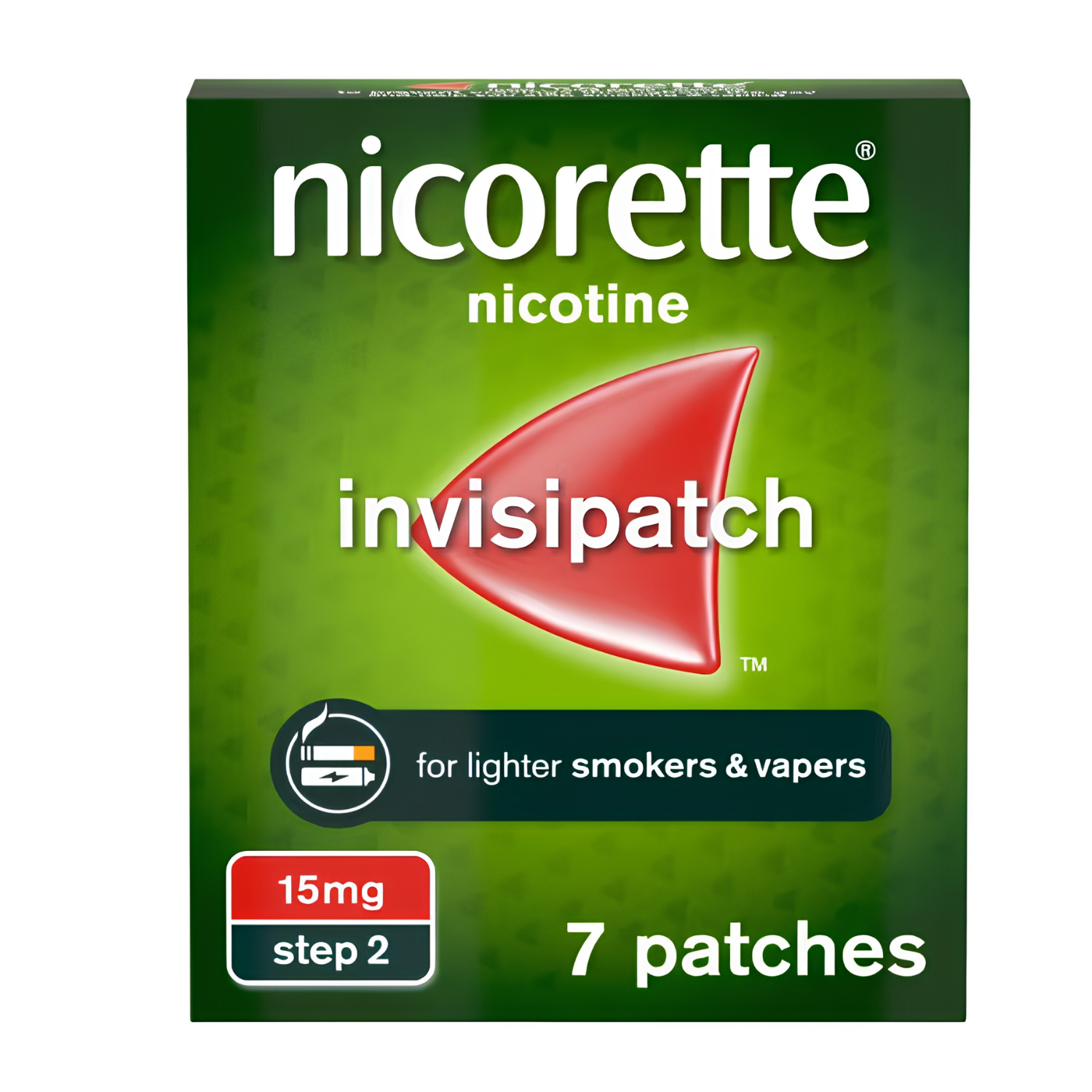
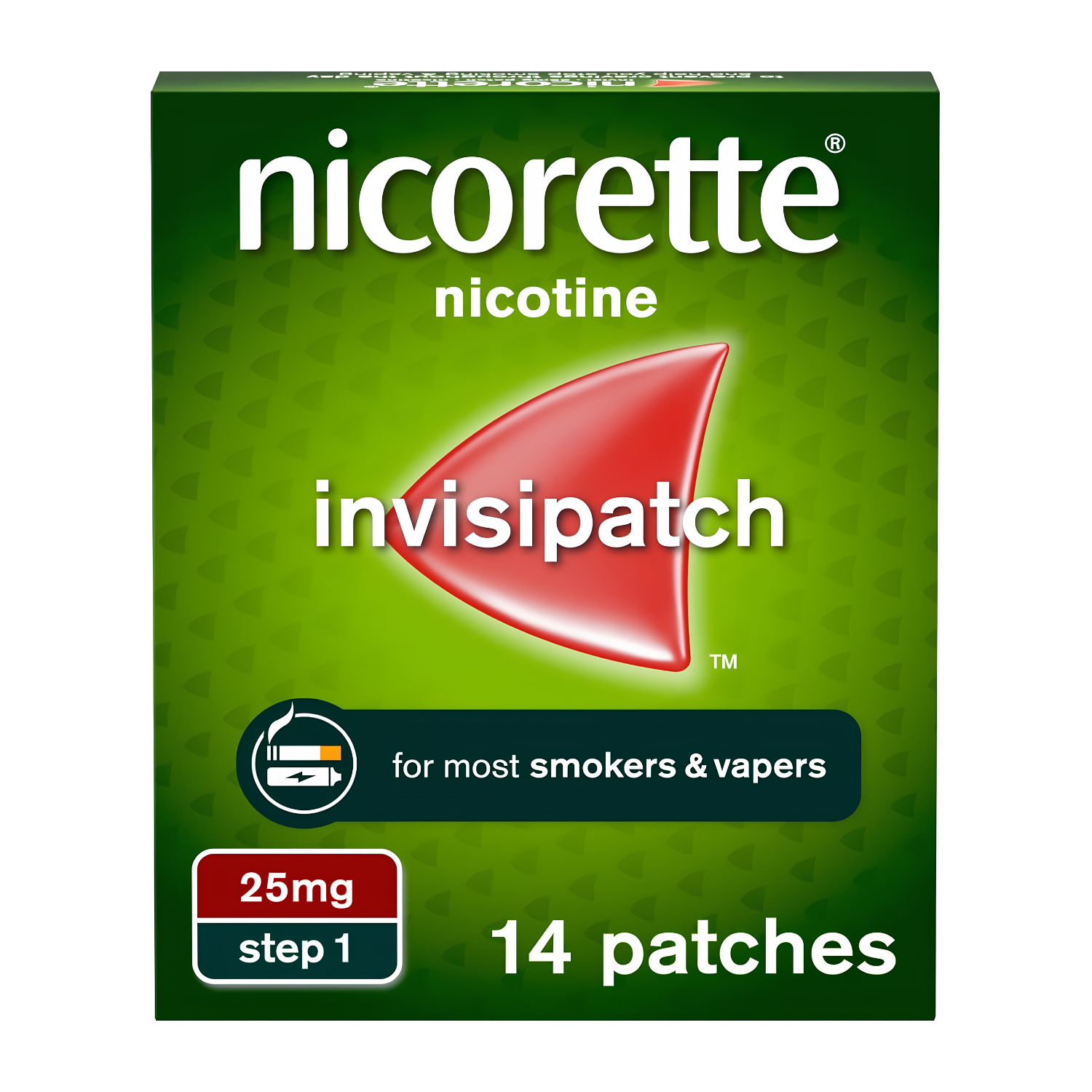
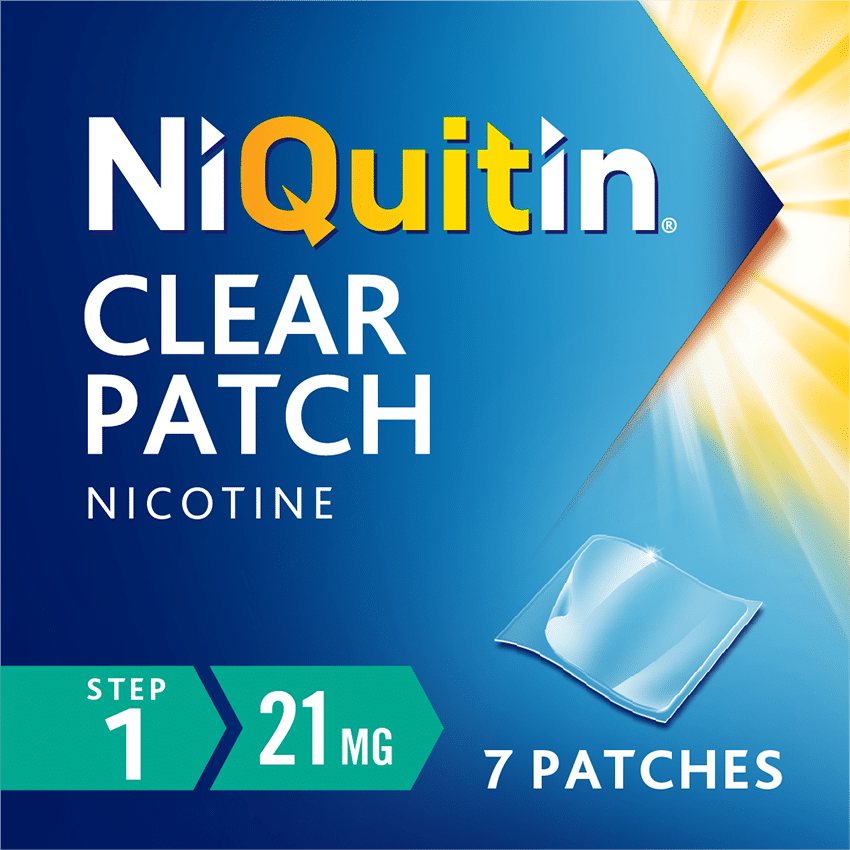
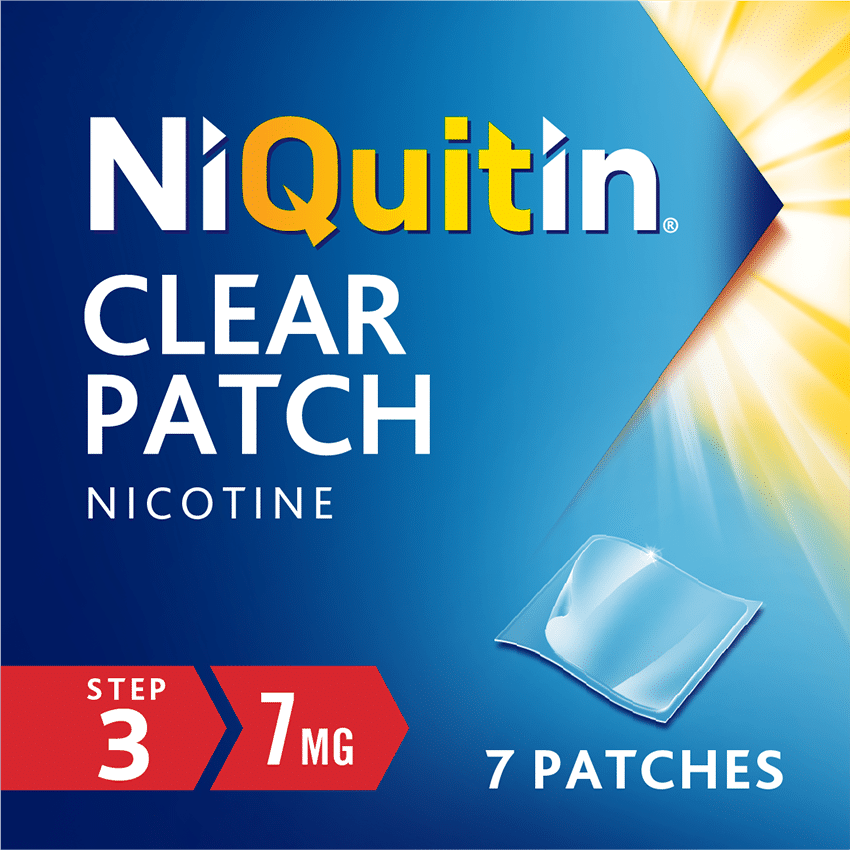
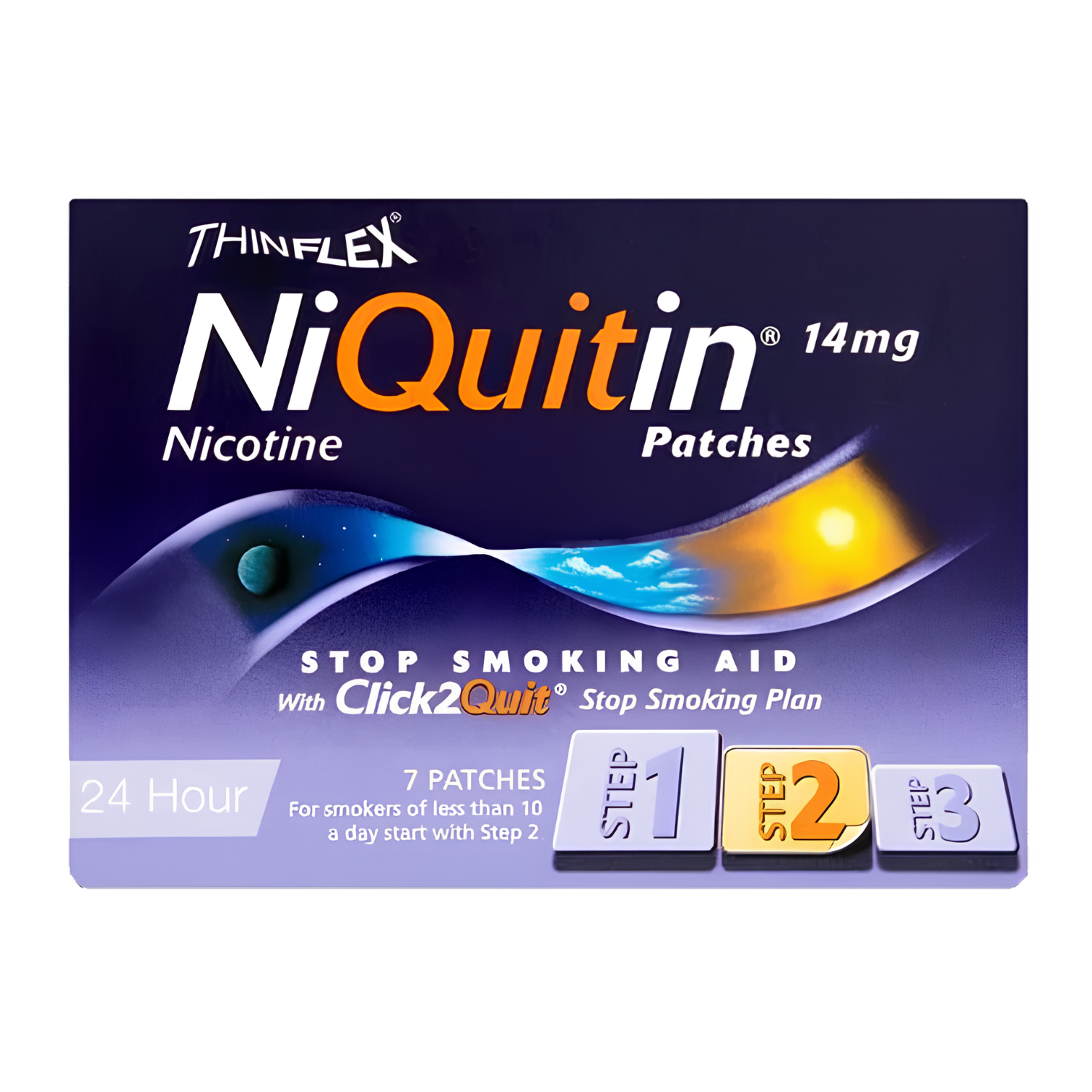
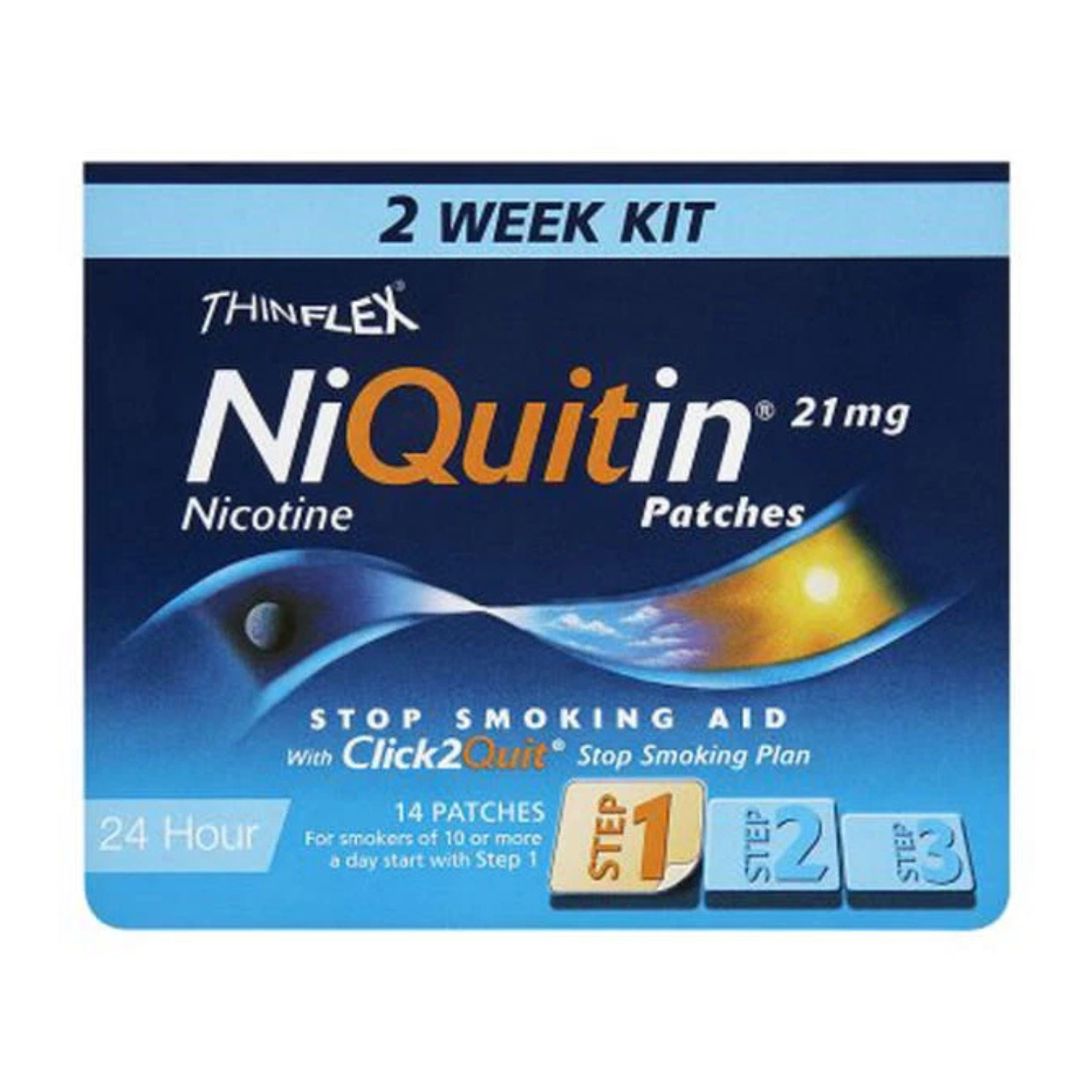
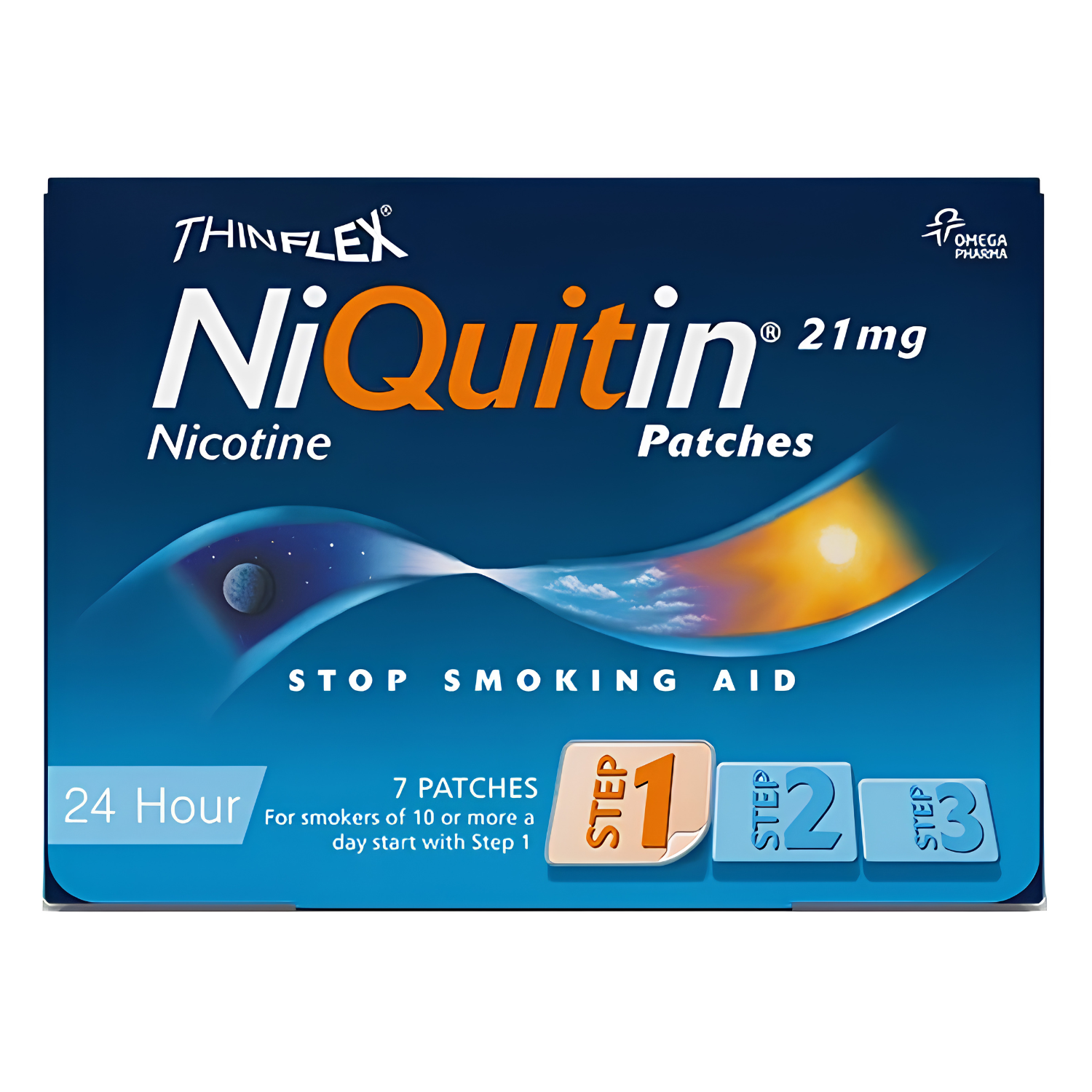
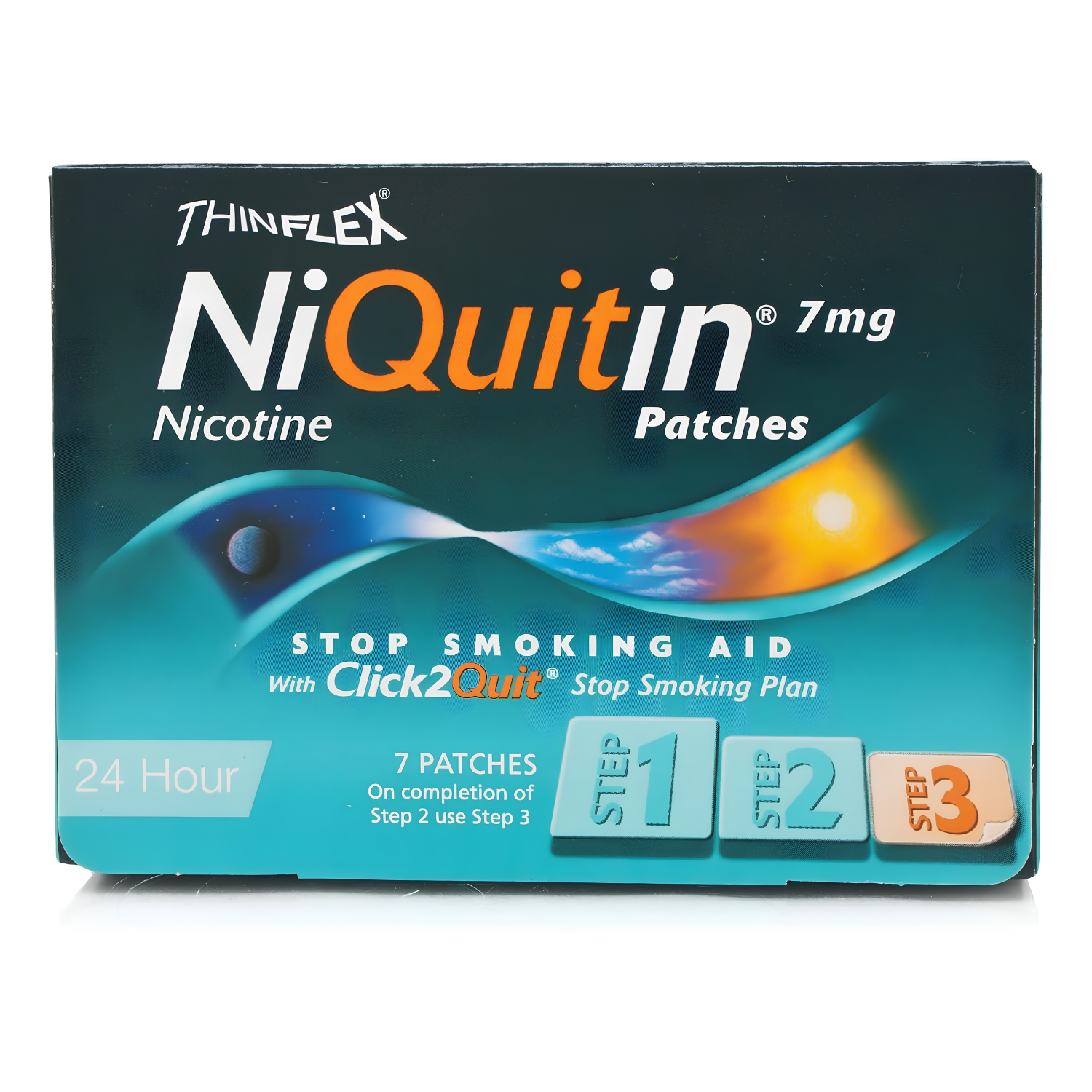
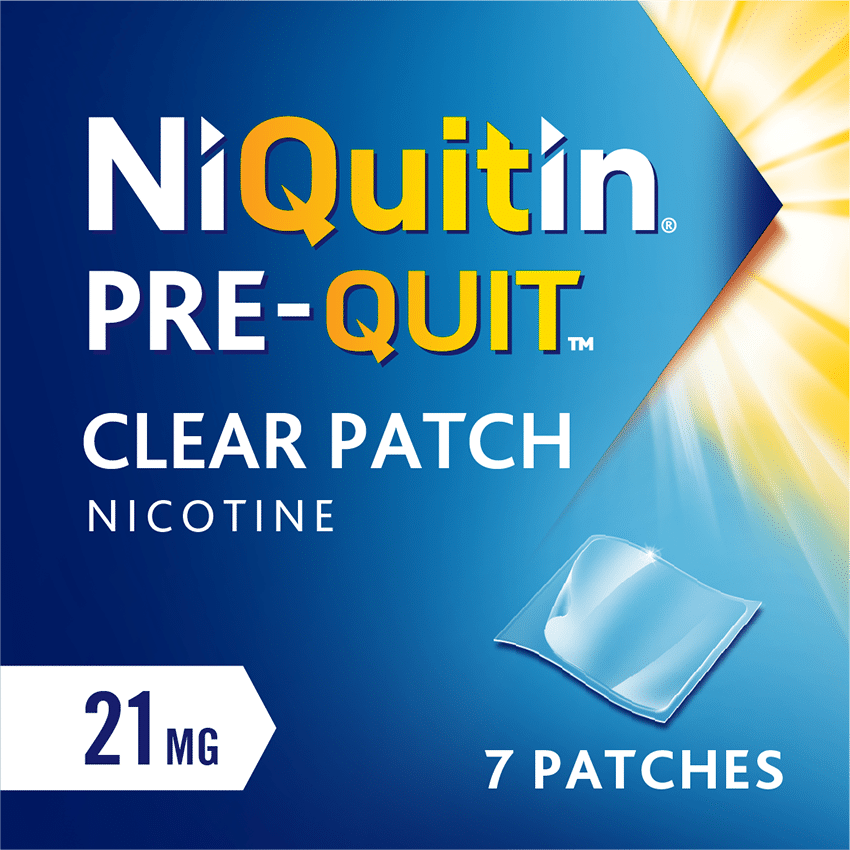
Patches deliver a steady dose of nicotine through your skin throughout the day. You’ll typically start with a higher strength patch like 25mg and then gradually reduce to lower strengths over 8-12 weeks. They’re convenient and discreet, worn under clothing.
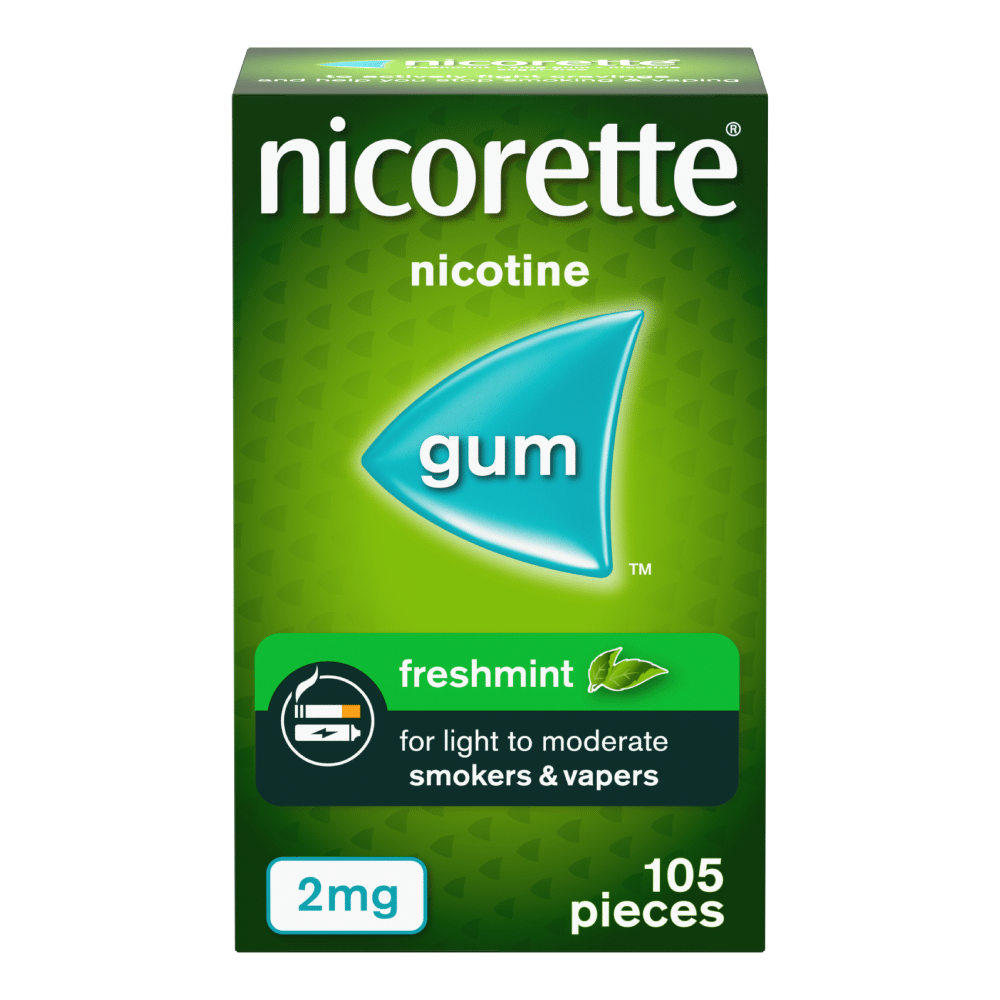
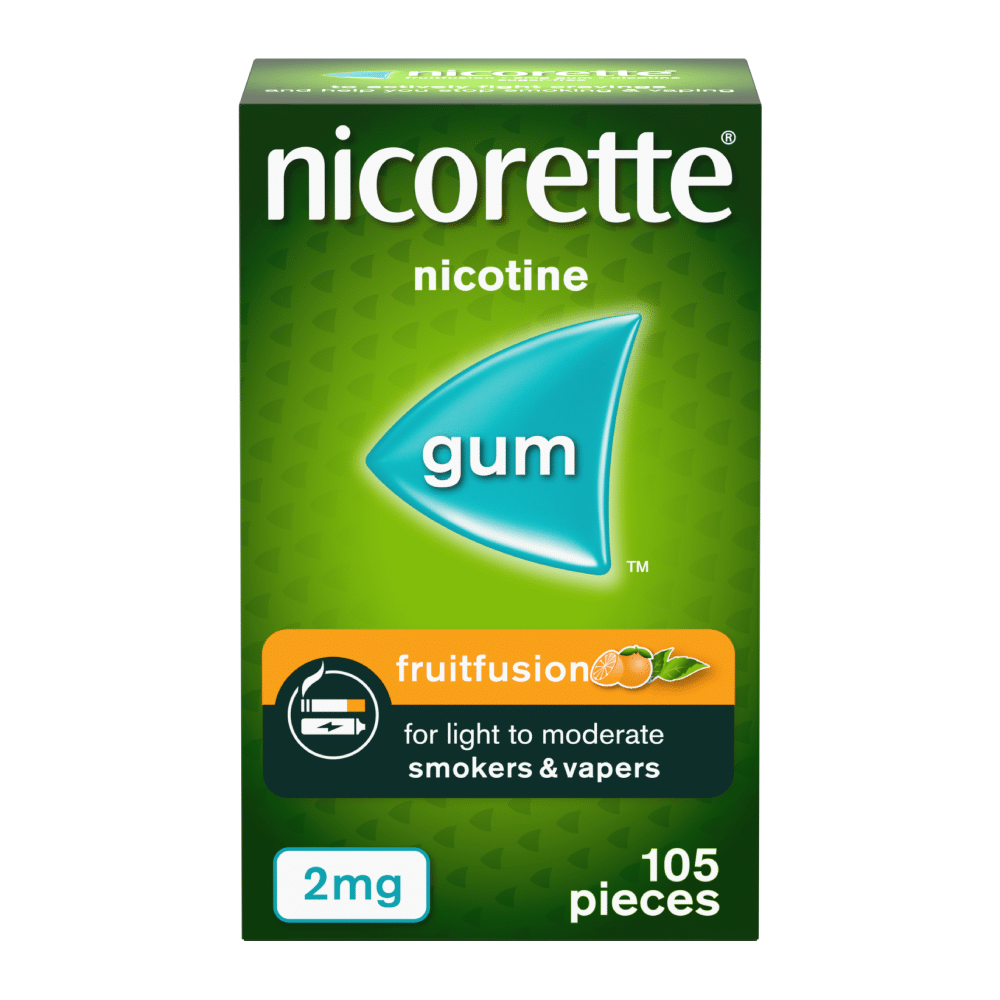
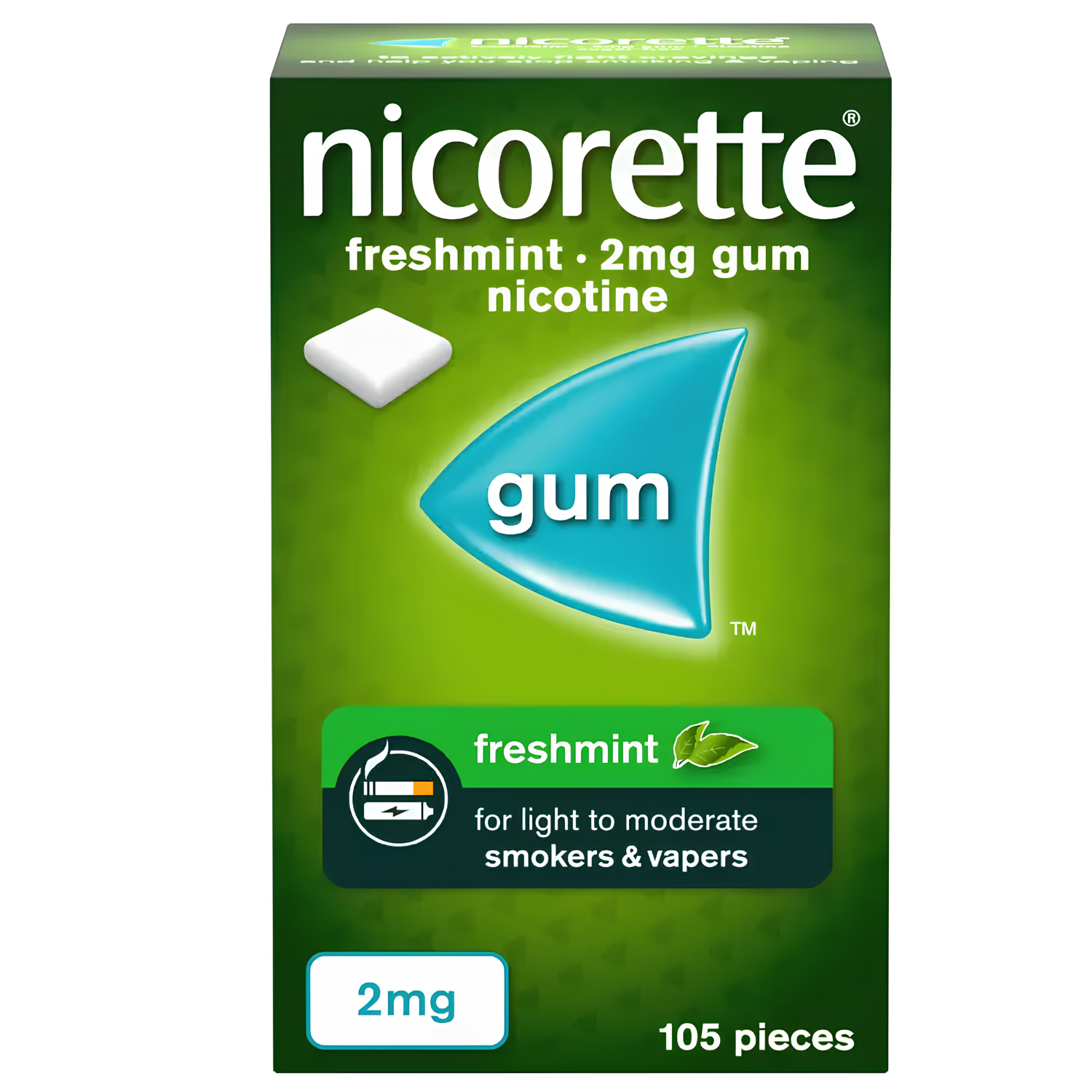
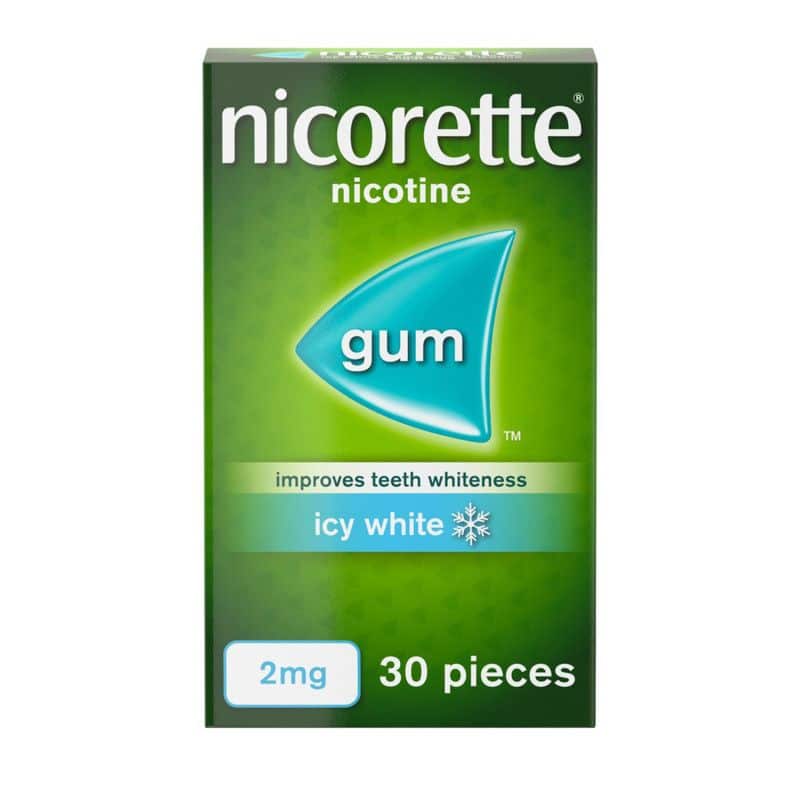
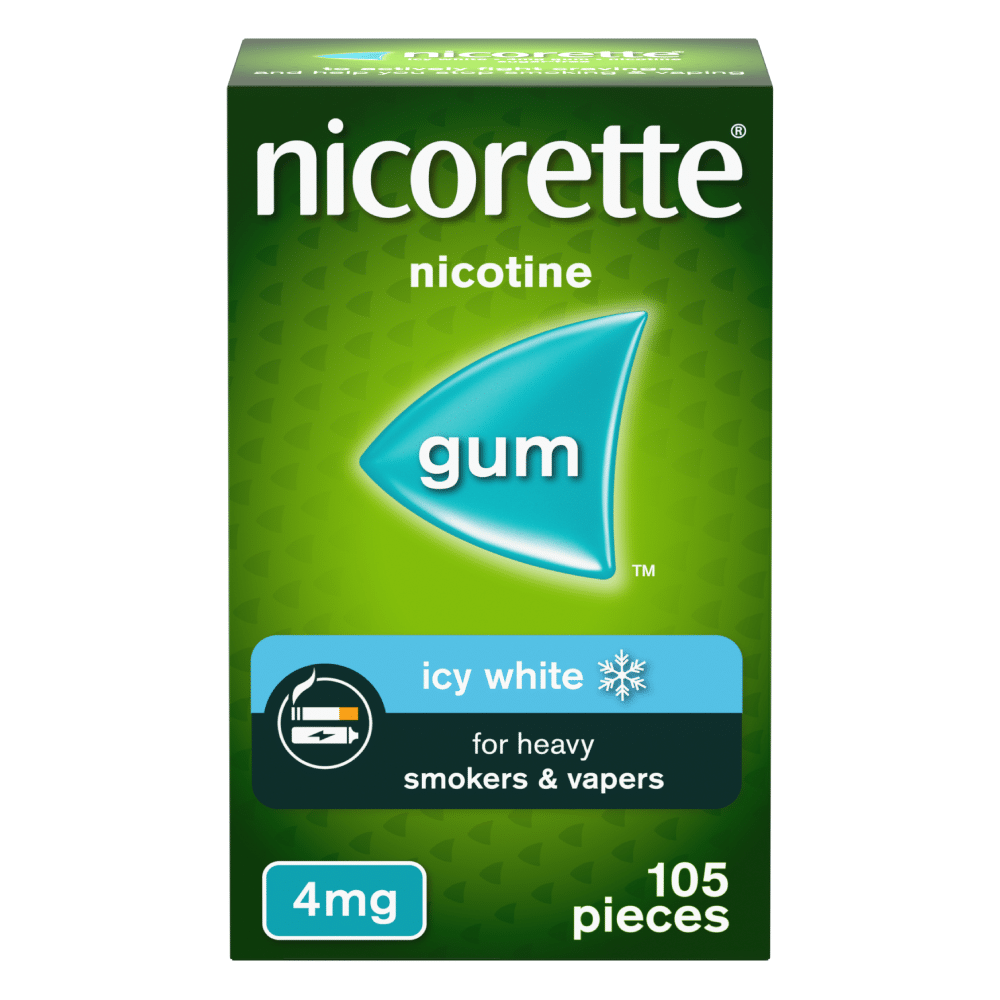
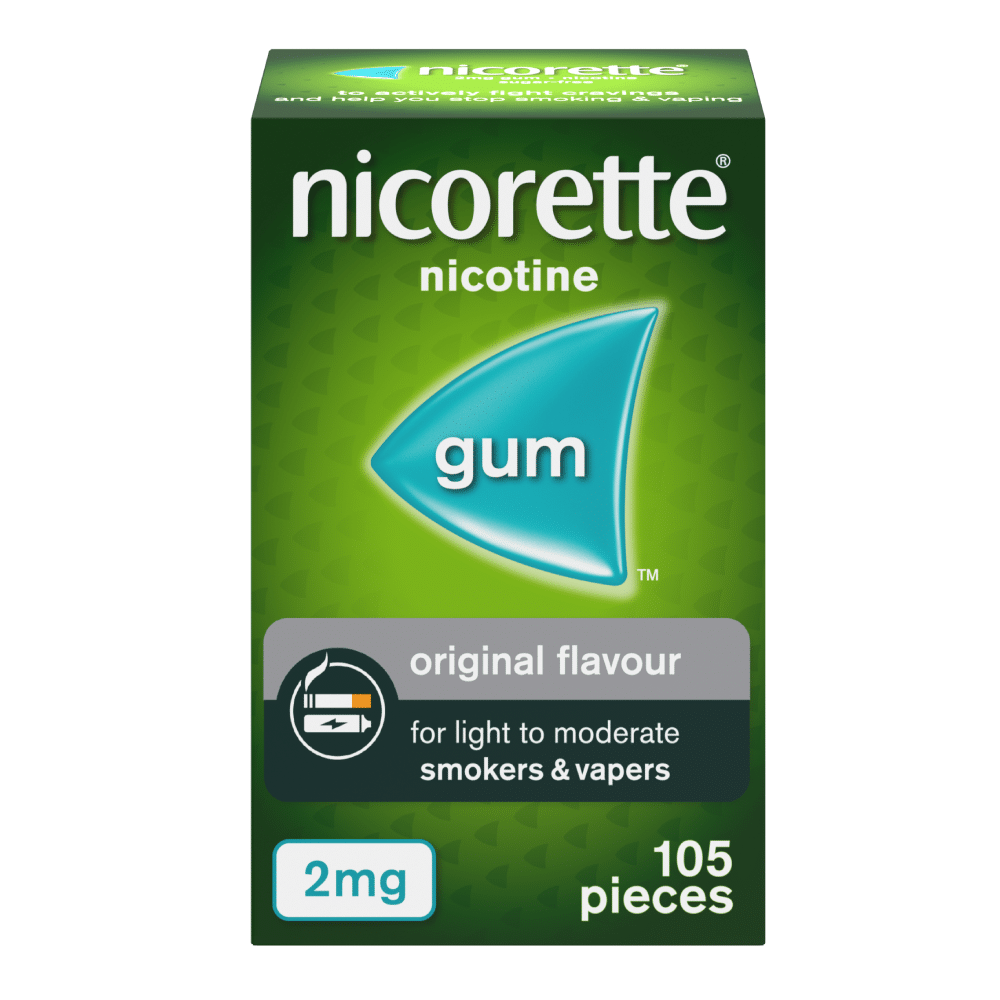
Nicotine Gum
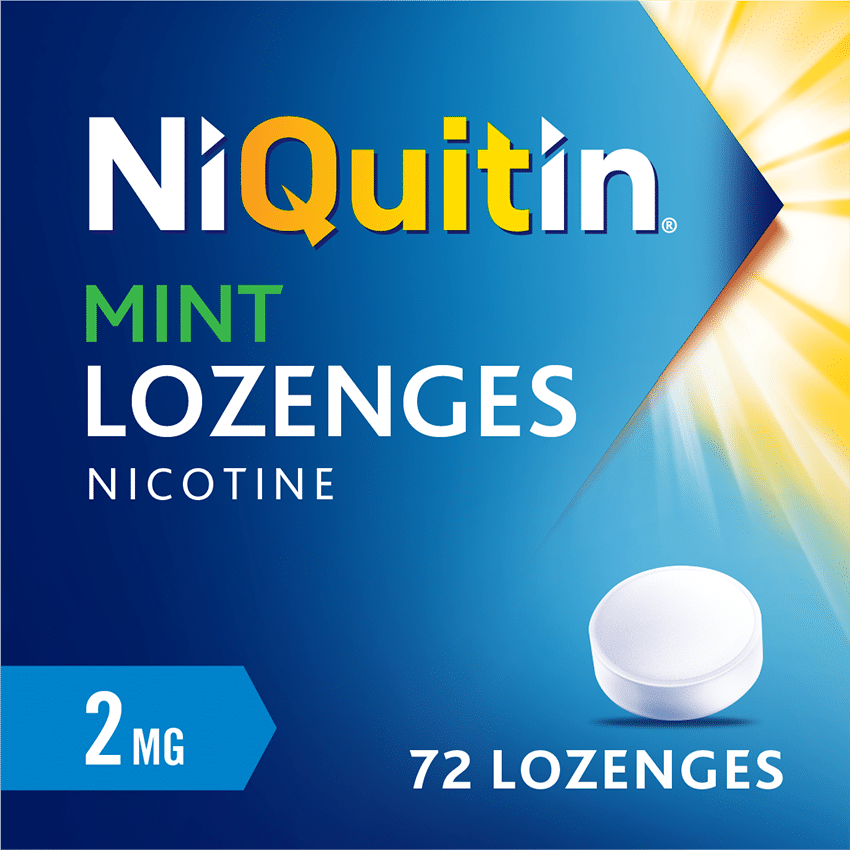
Nicotine gum provides quick relief from cravings when you need it. You’ll chew the gum slowly until you taste the nicotine, then rest it between your cheek and gum. Available in different strengths and flavours.
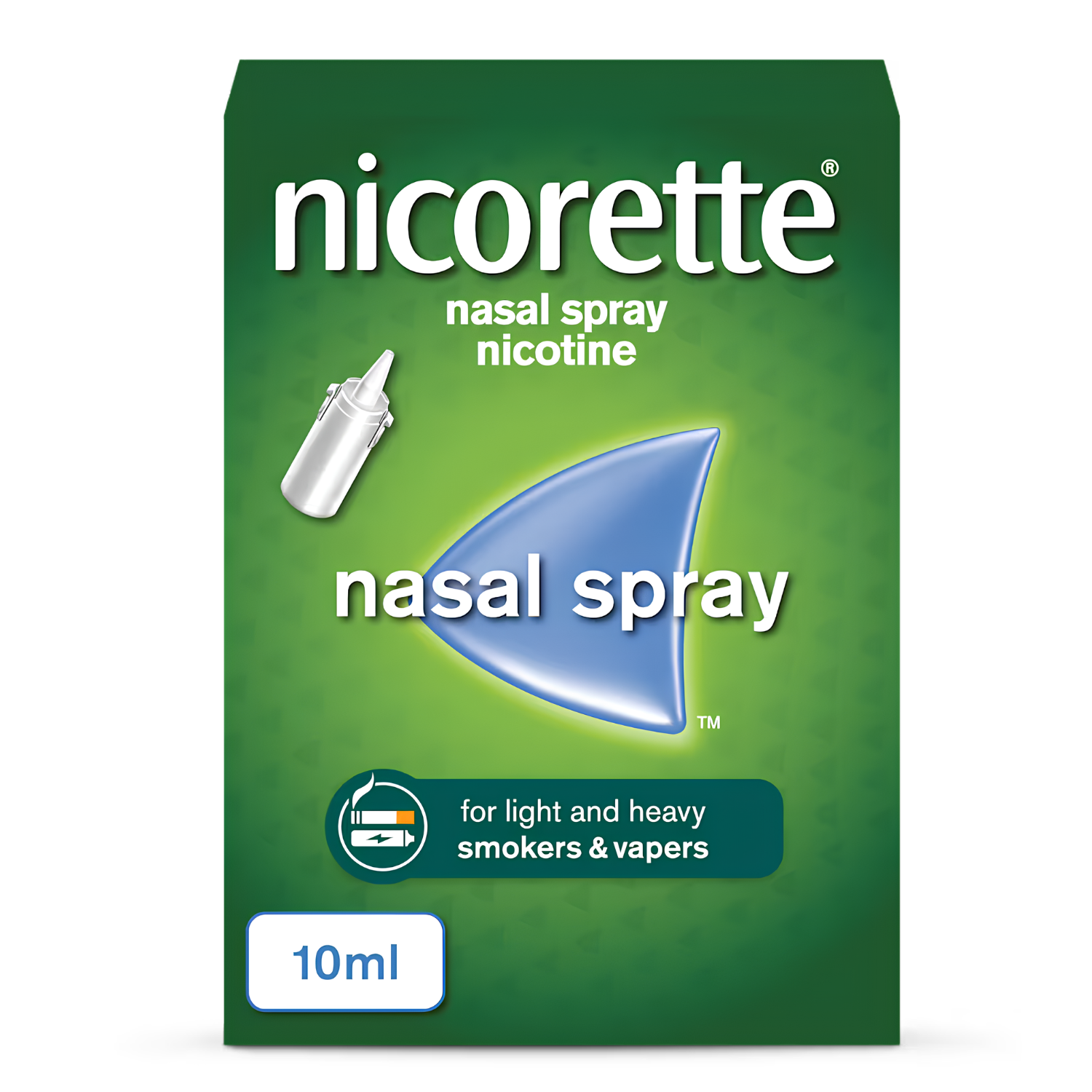
Nicotine Nasal Sprays
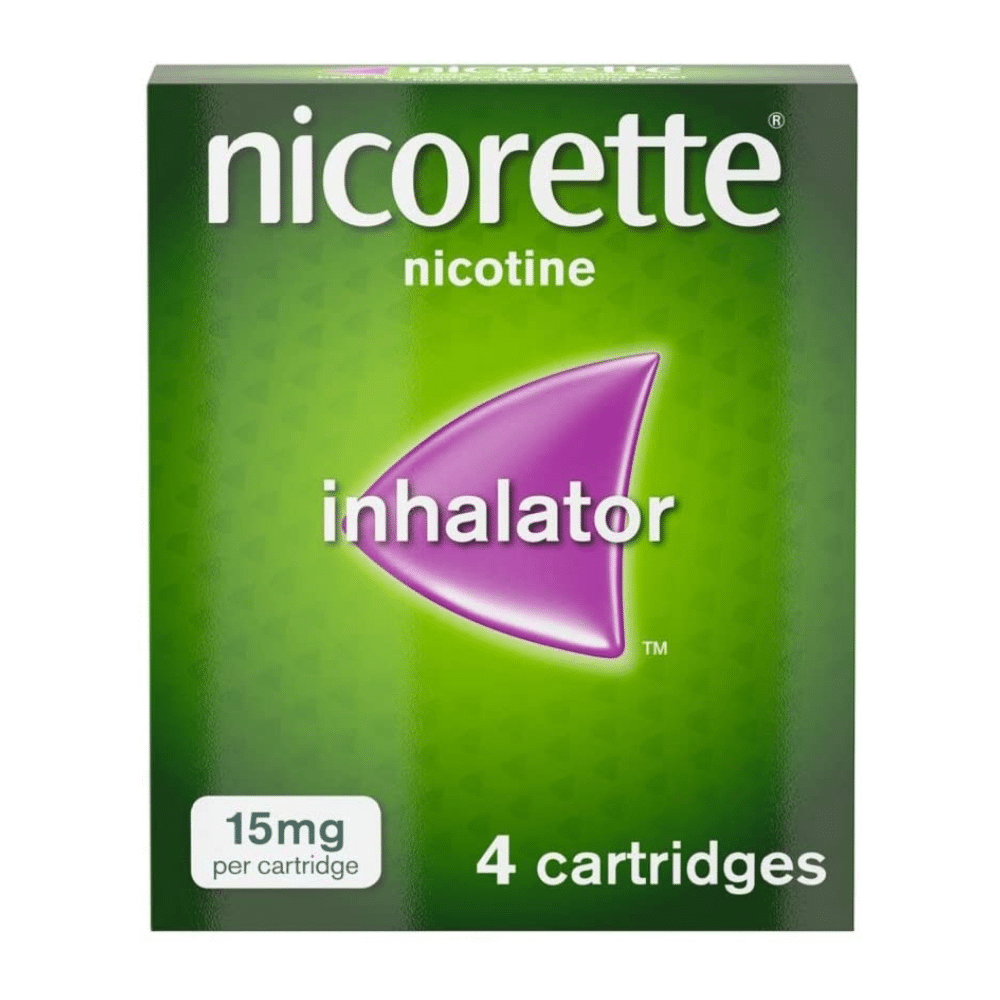
These products provide faster nicotine delivery for stronger cravings. The inhalator resembles a cigarette, which some people find helpful for the hand-to-mouth habit. Nasal spray gives the quickest nicotine hit but can cause irritation.
Combining NRT Products
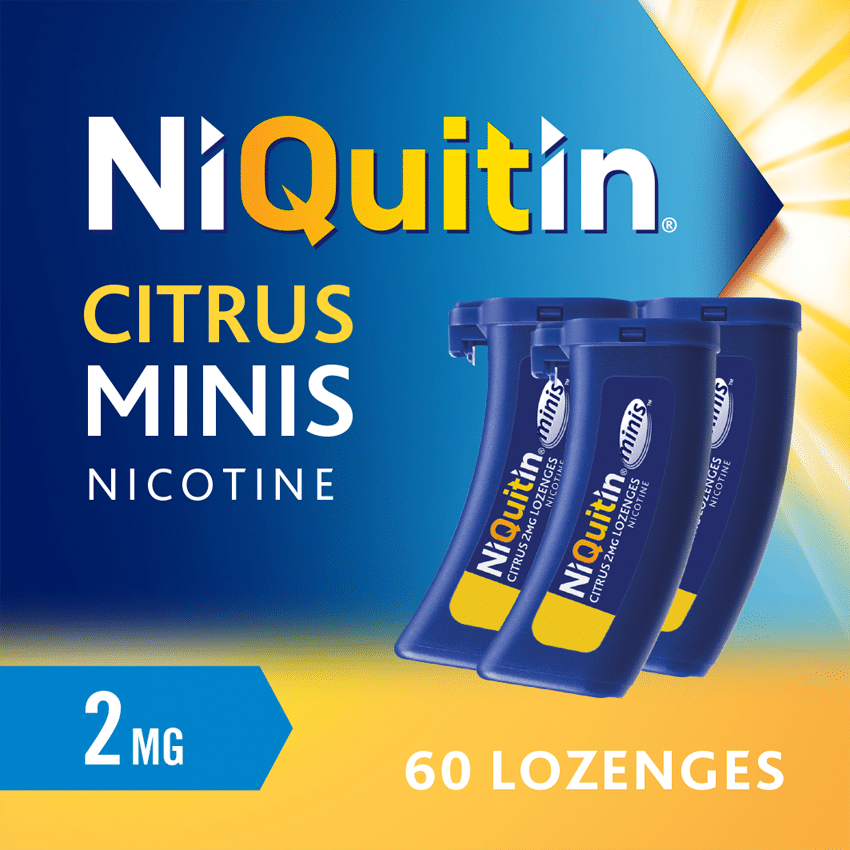
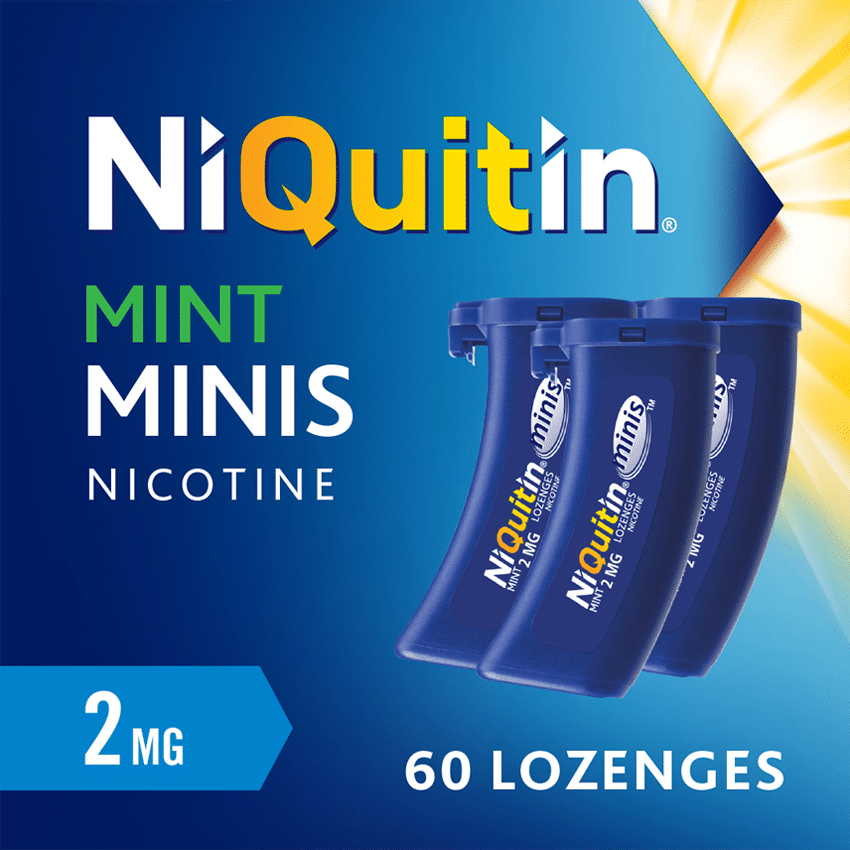
You can often combine different forms of NRT for better results. For example, using a patch for steady background nicotine levels alongside gum or lozenges for sudden cravings.
When to Use NRT
- NRT products are suitable for most smokers who want to quit
- They’re particularly effective when combined with behavioural support
- You can use NRT even if you’re still smoking occasionally as you cut down
- Most people use NRT for 8-12 weeks, though you can use it for longer if needed
Prescription Stop Smoking Medication
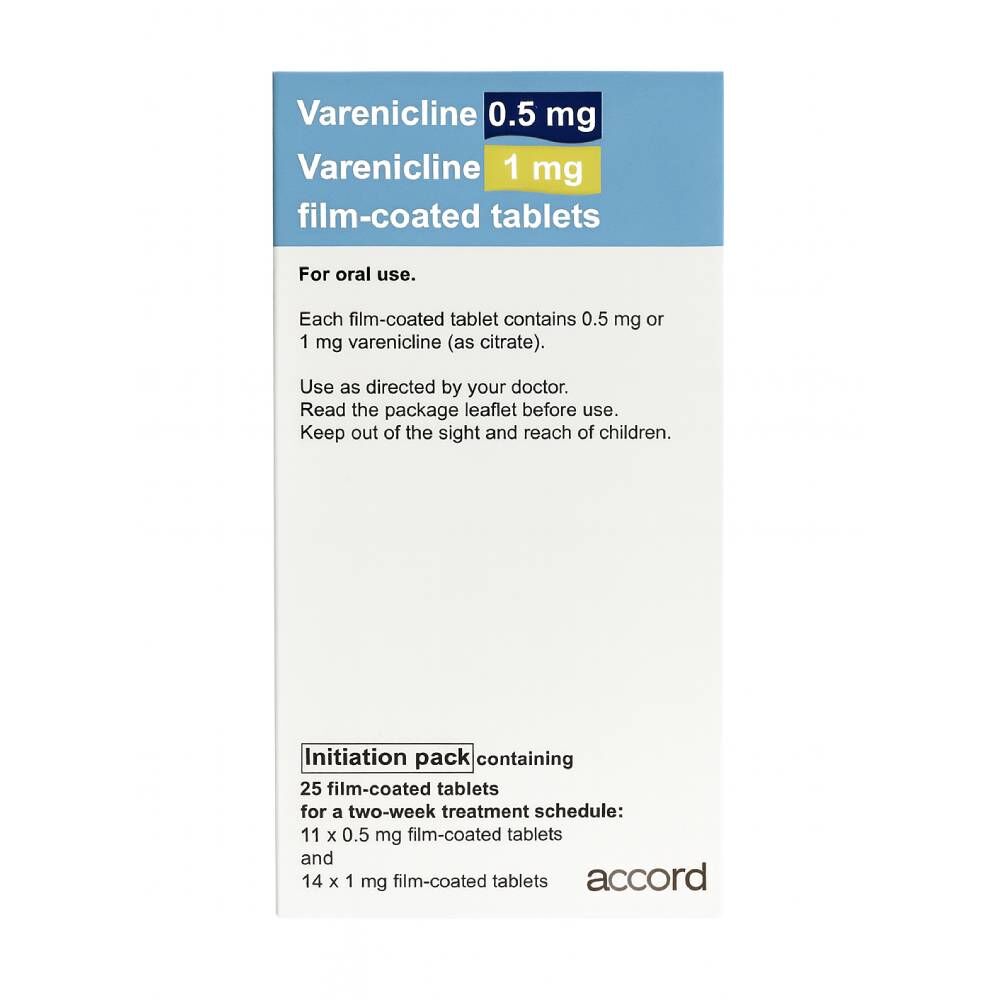
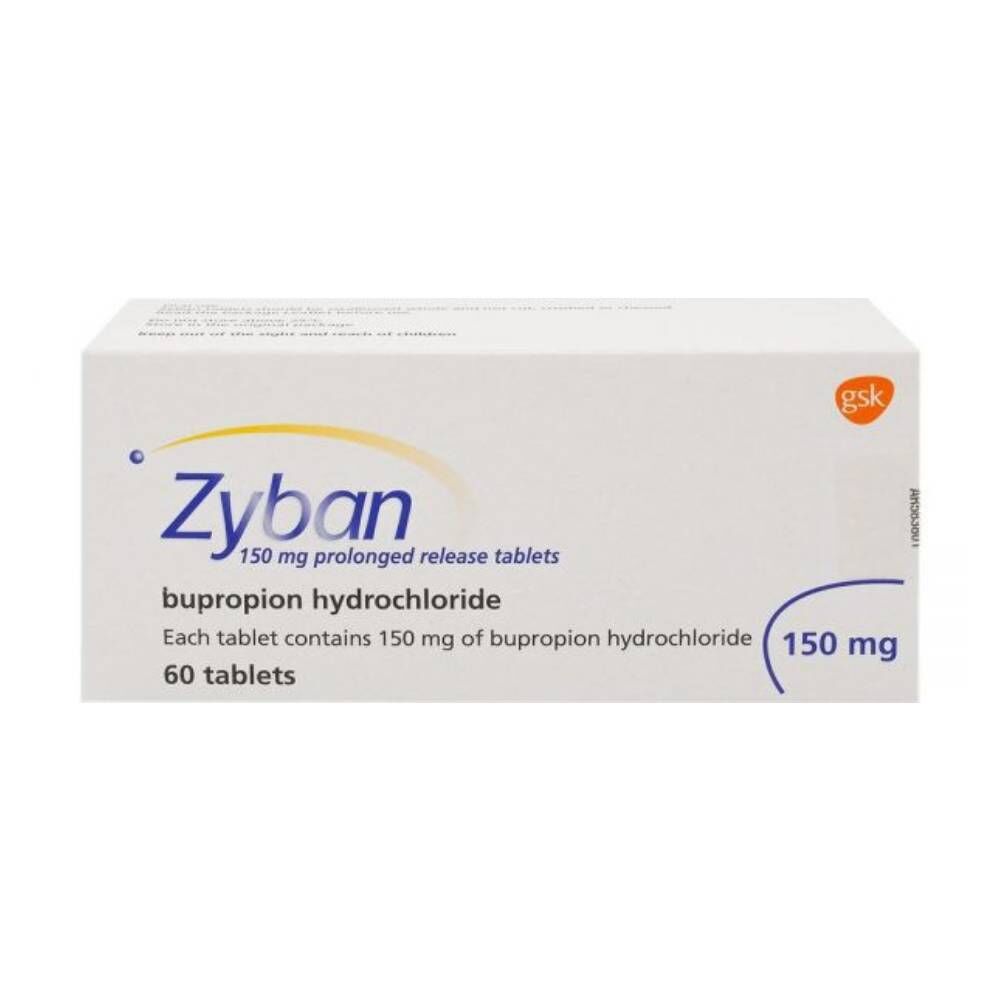
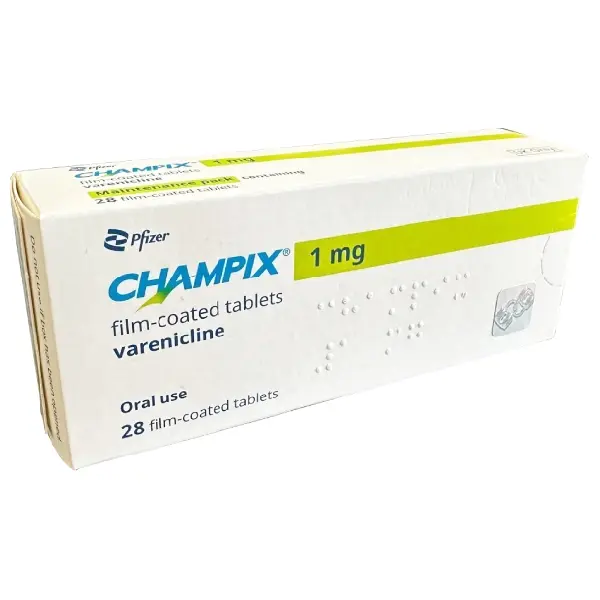
For some people, prescription tablets like Champix (varenicline) or Zyban (bupropion) may be more effective than NRT alone, particularly for heavy smokers or those who’ve tried to quit before without success.
These prescription treatments are available through your GP or local NHS Stop Smoking Service, offering free support and advice to help you quit. The NHS Stop Smoking Service provides expert guidance and behavioural support and can prescribe the most suitable treatment for you.
You can find your local stop smoking service online or by calling the National Smoke Free Helpline on 0300 123 1044.