
What is chlamydia?
Chlamydia is a common sexually transmitted infection (STI) caused by a bacterium called Chlamydia trachomatis. It can affect both men and women and is usually passed on through unprotected sex – either vaginal, anal, or oral sex.
Chlamydia most commonly infects the cervix (in women), the urethra (in men and women), the rectum, and occasionally the throat or eyes.
One of the biggest concerns with chlamydia is that many people don’t realise they have it, as it often causes no symptoms.
What causes chlamydia?
Chlamydia is caused by a bacterial infection that spreads through sexual contact with someone who already has the infection.
You can get infected with chlamydia through:
- Unprotected vaginal, anal, or oral sex
- Sharing sex toys that haven’t been washed or covered with a new condom
- Genital contact with an infected partner
It cannot be passed through casual contact like hugging, sharing cutlery, or using public toilets.
What are the symptoms of chlamydia?
Up to 70% of women and 50% of men with chlamydia infection may not experience any symptoms at all. This is why regular STI testing is important if you are sexually active.
When symptoms do happen, they may include:
Chlamydia Symptoms in Women
- Unusual vaginal discharge
- Pain when urinating
- Lower abdominal or pelvic pain
- Bleeding between periods or after sex
- Pain during sex
Chlamydia Symptoms in Men
- White, cloudy or watery discharge from the penis
- Burning or pain when urinating
- Pain or swelling in the testicles
Chlamydia Symptoms in Both Men & Women
- Rectal pain, discharge, or bleeding (if the infection is in the rectum)
- Sore throat (if transmitted through oral sex)
If you notice symptoms or think you may have been exposed, you should get tested as soon as possible.
What happens if chlamydia is left untreated?
If chlamydia isn’t treated, it can lead to serious complications.
In women, untreated chlamydia can cause:
- Pelvic inflammatory disease (PID)
- Chronic pelvic pain
- Ectopic pregnancy
- Infertility
In men, it can cause:
- Epididymitis (painful swelling of the testicles)
- Reduced fertility in rare cases
In rare cases, untreated chlamydia can cause reactive arthritis, where the joints (usually the knees or ankles) become inflamed and painful.
Chlamydia can also increase your risk of catching or passing on HIV.
The good news is that chlamydia is easily treated with antibiotics when diagnosed early.
Chlamydia Testing
Because chlamydia often causes no symptoms, testing is the only reliable way to know if you have the infection. Many people feel completely well but can still pass the infection on to others or develop complications if it is left untreated. Regular testing is an important part of protecting your sexual health.
In the UK, getting tested for chlamydia is simple, confidential, and widely available. You can get a test at an NHS sexual health clinic, a GUM clinic, or through your GP. If you are under 25, you can also access the National Chlamydia Screening Programme through many community pharmacies or by ordering a free home testing kit online via your local council or NHS service.
The test is non-invasive and doesn’t usually require a physical examination.
- For men, testing usually involves providing a simple urine sample.
- For women, testing usually involves a self-taken vaginal swab, similar to using a cotton bud.
If you have had oral or anal sex, a healthcare professional may recommend taking a swab from the throat or rectum to ensure a thorough check.
Results are typically sent by text, phone call, or post within 7 to 10 days, depending on the service used. If you think you may have been exposed, it is usually best to wait around 1 to 2 weeks before testing to ensure the infection can be accurately detected.
If a recent sexual partner has tested positive for chlamydia, you may be offered treatment without waiting for your own result. However, testing is still recommended to confirm the infection and check for other sexually transmitted infections.
If your test result is positive, treatment is straightforward and highly effective with antibiotics.
Treatment for Chlamydia
Once diagnosed with chlamydia, treatment is simple and highly effective when taken correctly. It is important to start treatment as soon as possible, as chlamydia won’t clear on its own.
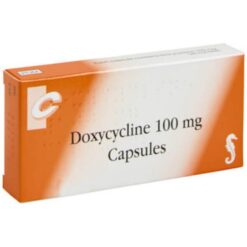
Doxycycline
Doxycycline is the first-line treatment for uncomplicated chlamydia in the UK. It is usually prescribed as 100mg capsules taken twice daily for 7 days.
This antibiotic works by preventing the bacteria from multiplying, allowing your body to clear the infection fully. You should complete the full 7-day course, even if your symptoms improve before finishing the medication.
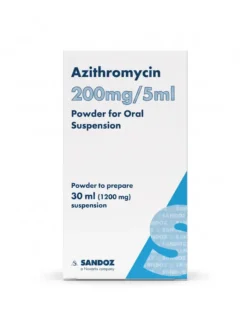
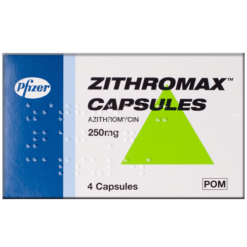
Azithromycin
Azithromycin may be prescribed if doxycycline isn’t suitable, due to allergies or specific medical circumstances. It works in a similar way by stopping bacterial growth and is sometimes used as an alternative way to treat chlamydia.
Your prescriber will decide which antibiotic is most appropriate based on your medical history and any other medicines you are taking.
Side Effects of Chlamydia Treatment
Most people tolerate chlamydia treatment well, but as with all antibiotics, side effects can happen.
Common side effects may include:
- Nausea
- Stomach discomfort
- Diarrhoea
- Headache
- Loss of appetite
Doxycycline can also make your skin more sensitive to sunlight, so you should avoid sunbeds and prolonged sun exposure while taking it.
Serious side effects are rare. However, you should seek urgent medical attention if you experience symptoms such as facial swelling, difficulty breathing, severe skin rash, or persistent vomiting.
Important Advice During Chlamydia Treatment
While taking chlamydia treatment, you should avoid all sexual contact, including oral sex, until you and your partner have both completed treatment. This helps prevent reinfection and further spread.
Recent sexual partners should also be informed so they can get tested and treated if necessary.
When taken correctly, chlamydia treatment cures the infection in the vast majority of cases.