




What is trapped wind?
Trapped wind happens when gas builds up in your digestive system and can’t escape easily. This gas can accumulate in your stomach or intestines, causing discomfort, bloating, and sometimes sharp pains. While passing wind is a normal bodily function, trapped wind occurs when this gas becomes stuck, leading to uncomfortable pressure and cramping.
Everyone experiences trapped wind from time to time, and it’s usually harmless. However, when it happens frequently or causes significant discomfort, it can affect your daily activities and quality of life.
What are the causes of trapped wind?
There are several things about your diet and lifestyle that can cause trapped wind:
Swallowing air: You naturally swallow small amounts of air when eating and drinking, but certain habits increase this. Swallowing too much air happens when you eat too quickly, talk while eating, chew gum, drink through straws, or consume fizzy drinks. All these introduce extra air into your digestive system when you eat.
Foods that produce gas: Certain foods are notorious for causing wind. Beans, lentils, broccoli, cabbage, onions, and Brussels sprouts contain complex sugars that your body struggles to break down, producing gas in the process. Your small intestine may lack the enzyme needed to digest these properly. Dairy products can cause problems if you’re lactose intolerant.
Digestive issues: Conditions like irritable bowel syndrome (IBS), inflammatory bowel disease, constipation, or food intolerances can slow down digestion, giving bacteria more time to produce gas. When your digestive system isn’t working efficiently, gas can become trapped more easily. Some people also experience bloating and diarrhoea alongside trapped wind.
Lifestyle factors: Stress and anxiety can affect your digestive system, leading to increased wind. Smoking introduces air into your system, while a lack of physical activity can slow down digestion and make it harder for gas to move through your system naturally.
Common Trapped Wind Symptoms
The most common symptoms of trapped wind are:
- A swollen stomach that feels tight or full, often described as bloatedness
- Sharp, cramping pains in your abdomen that come and go
- Trapped wind pain that can feel like abdominal pain
- Uncomfortable pressure or fullness in your chest or stomach
- Rumbling or gurgling noises from your stomach
- The need to pass wind or burp frequently
- Feeling unable to pass wind despite the urge
- Discomfort that improves after passing wind or having a bowel movement
The pain from trapped wind can sometimes be quite severe and may move around your abdomen. Some people mistake it for other conditions because the discomfort can be intense.
How to Get Rid of Trapped Wind
Over-the-Counter Bloating Relief
Wind-Eze Gel Caps
Wind-Eze contains simeticone, which works by breaking down gas bubbles in your digestive system, making them easier to pass. It’s one of the most effective treatments for trapped wind and bloating, providing relief within 30 minutes to an hour. You can take it as needed when symptoms occur, and is available from our online pharmacy without a prescription.
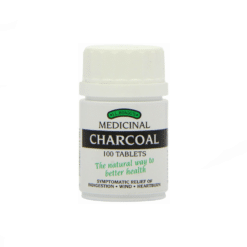
J.L Braggs Activated Medicinal Charcoal Tablets
Activated charcoal tablets absorb excess gas in your digestive system, helping to reduce bloating and discomfort. J.L Braggs tablets are particularly useful if you know you’re going to eat foods that typically cause you problems. Take them before or after meals as directed. While they’re generally safe, they can interfere with some medications, so check with a pharmacist if you take regular medication.
Rennie Deflatine
Rennie Deflatine combines an antacid with simeticone, tackling both indigestion and trapped wind at the same time. It’s particularly effective if your bloating comes with heartburn or indigestion. The antacid neutralises excess stomach acid while the simeticone breaks down gas bubbles, providing dual relief. You can take these tablets as needed when symptoms occur to ease trapped wind.
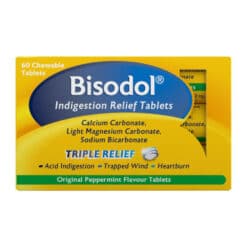
Bisodol Indigestion Relief Tablets
Bisodol tablets help relieve indigestion, heartburn, and trapped wind symptoms. They work by neutralising excess stomach acid and can help ease the discomfort caused by gas in your upper digestive system. These tablets provide quick relief and can be taken as needed throughout the day.
Home Remedies for Trapped Wind
Gentle Movement and Exercise
Going for a short walk can help move trapped gas through your digestive system naturally. Gentle exercise stimulates your bowel movements and helps release trapped wind – even 10-15 minutes of walking after meals can make a significant difference.
Abdominal Massage
Massaging your stomach in a clockwise direction can help move trapped gas along your digestive tract. Use gentle, circular motions starting from your right hip, moving up towards your ribs, across your stomach, and down your left side. This follows the natural path of your large intestine.
Heat Therapy
Placing a warm hot water bottle on your stomach can help relax your abdominal muscles and ease the discomfort of trapped wind. The heat can also help stimulate digestion and encourage gas to move through your system more easily.
Peppermint Tea
Drinking peppermint tea can help relax the muscles in your digestive tract, making it easier for trapped wind to pass. The natural compounds in peppermint have antispasmodic properties. Sip it slowly after meals for the best results.
Knee-to-Chest Position
Lying on your back and bringing your knees up to your chest can help release trapped wind. Hold this position for a few minutes, or try gently rocking from side to side. This position puts pressure on your abdomen, which can help gas escape.
Proper Eating Habits
Eating slowly and chewing your food thoroughly reduces the amount of air you swallow when eating or drinking. Try to eat in a relaxed environment, avoid talking with your mouth full, and put your fork down between bites. These simple changes can significantly reduce trapped wind.
Prescription Treatments
If you suffer from trapped wind frequently and over-the-counter remedies aren’t providing enough relief, your GP might prescribe stronger medications depending on the underlying cause of your symptoms. These could include prescription-strength antispasmodics, medications for IBS, or treatments for specific digestive conditions that cause pain and bloating.