


What is a dry scalp?
Dry scalp happens when the skin on your head doesn’t hold enough moisture, leaving it tight, flaky and often itchy. Just like the skin on the rest of your body, your scalp needs a healthy balance of natural oils and water to stay comfortable. When that balance gets thrown off, the skin can become irritated and start to shed small, dry flakes.
Dry scalp is often confused with dandruff, but they’re not quite the same thing. Dandruff is usually caused by excess oil and a yeast called Malassezia, which leads to larger, greasier flakes. A dry scalp lacks moisture, with smaller, whiter flakes and a tight or itchy feeling.
It’s a common issue that can affect anyone at any age, and while it’s rarely serious, it can be persistent and uncomfortable if left untreated.
What causes dry scalp?
A number of everyday factors can trigger dry scalp, and often it’s a combination of a few things rather than just one cause.
The most common culprits include:
- Cold, dry weather: Low humidity and central heating in the winter months strip moisture from your skin and weaken your skin barrier.
- Harsh hair care products: Shampoos containing sulphates, strong fragrances or alcohol can disrupt your scalp’s natural oils.
- Over-washing: Washing your hair too often can strip your scalp of the protective oils it needs to stay hydrated.
- Hot water: Very hot showers can dry out your scalp, just as they dry out the skin on your body.
- Hard water: Areas with high mineral content in the water supply can leave your scalp feeling dry and irritated.
- Heat styling: Frequent use of hairdryers, straighteners or curling tongs can damage the scalp and reduce moisture.
- Age: As you get older, your skin naturally produces less oil, which can leave your scalp drier.
- Skin conditions: Eczema, psoriasis and contact dermatitis can all affect the scalp and cause dryness, flaking and itching.
- Dehydration and diet: Not drinking enough water or missing key nutrients like omega-3 and zinc can show up on your skin and scalp.
If you’ve tried adjusting your routine and your scalp is still dry, itchy or flaky, it’s worth speaking to a pharmacist or your GP to rule out an underlying skin condition.
Dry Scalp Symptoms
The symptoms of a dry scalp can range from mildly annoying to genuinely uncomfortable, and they often get worse if the cause isn’t addressed. You might notice:
- Itchiness, tightness or sensitivity across the skin on your scalp
- Small, dry, white flakes in your hair or on your shoulders
- Redness or patches of irritation
- A sore or tender feeling, especially after washing
- Dry, brittle or dull-looking hair
- Soreness from scratching, which can sometimes break the skin
For some people, symptoms come and go with the seasons, while others find their scalp stays dry year-round. If your symptoms are severe, spreading or not improving with basic treatment, it’s a good idea to get advice from a pharmacist or your GP.
Dry Itchy Scalp Treatment
The right dry scalp treatment depends on the cause and severity of your symptoms, as well as your overall scalp health. For most people, a combination of gentle haircare and over-the-counter products is enough to bring relief. For more persistent or severe cases, prescription options may be needed.
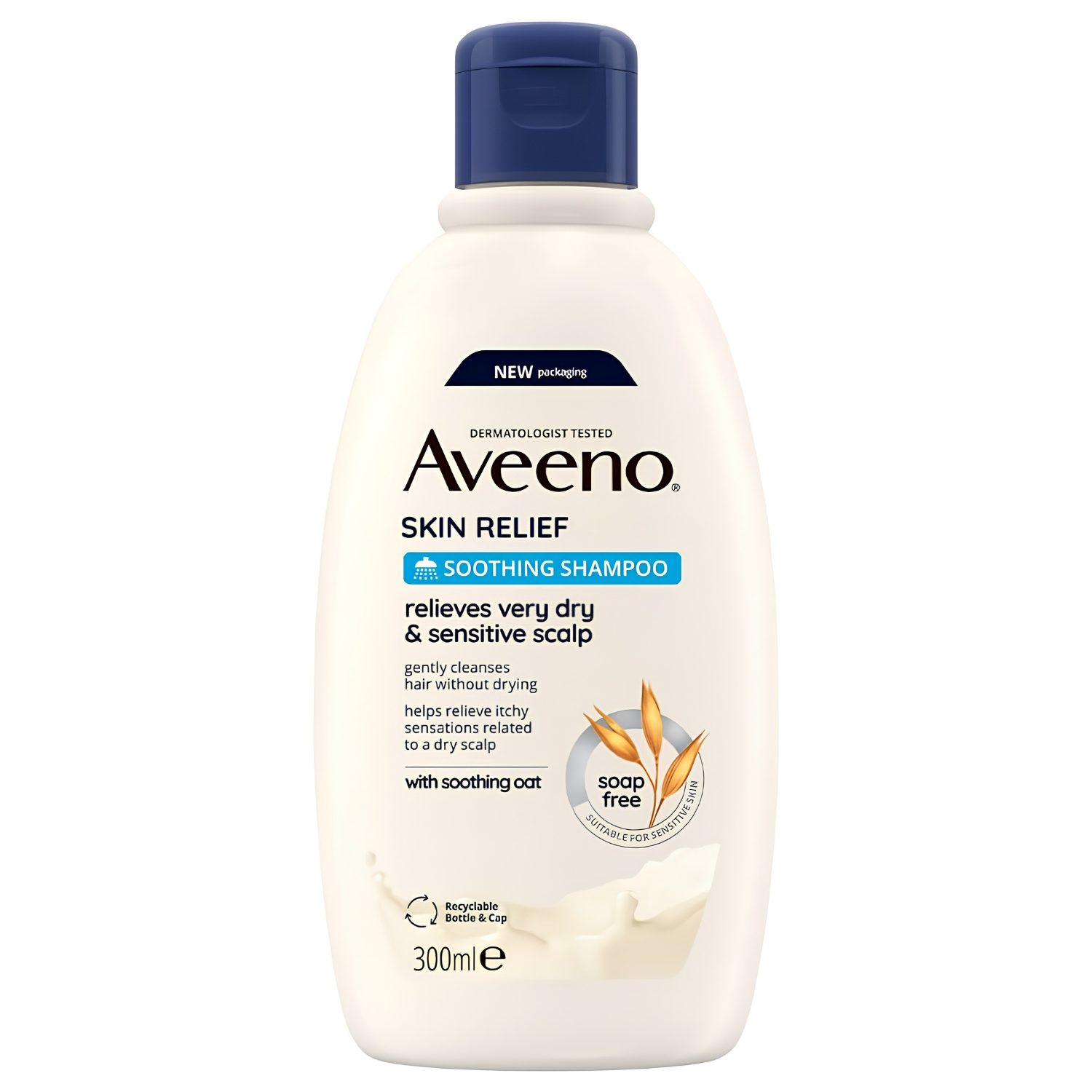
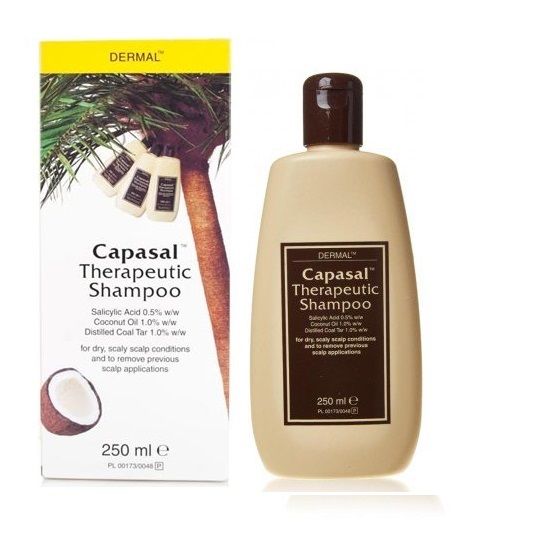
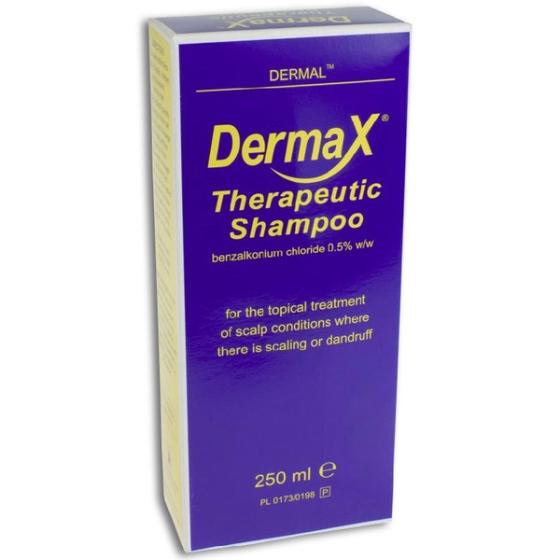
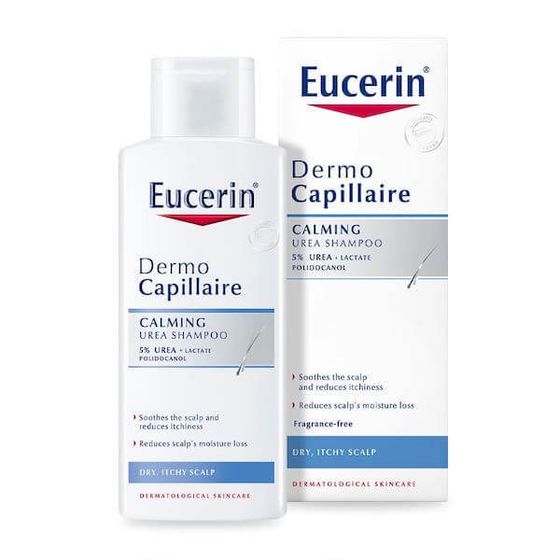
Medicated Shampoos
Medicated shampoos are usually the first line of treatment for a dry, flaky or itchy scalp. A good dry scalp shampoo contains clinically proven ingredients that calm inflammation, reduce flaking and help rebalance the scalp.
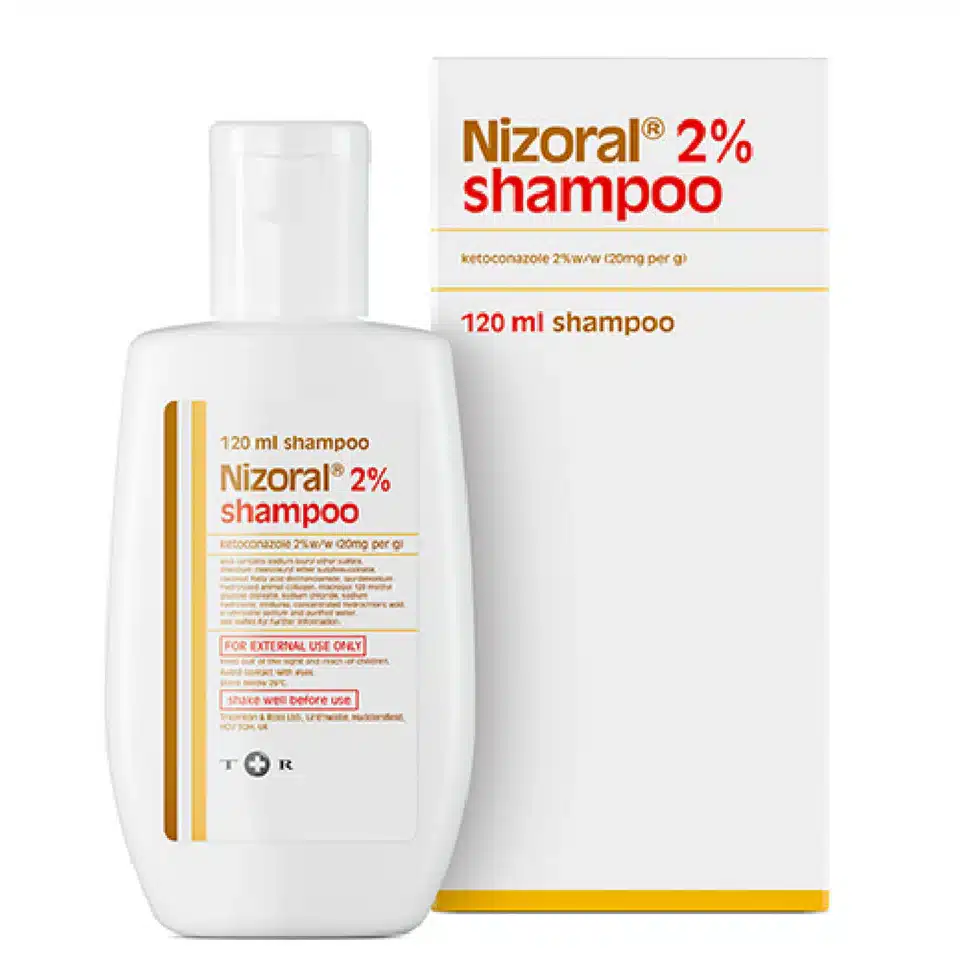
- Ketoconazole shampoo: An antifungal shampoo like Nizoral can help with dryness linked to seborrhoeic dermatitis and stubborn dandruff.
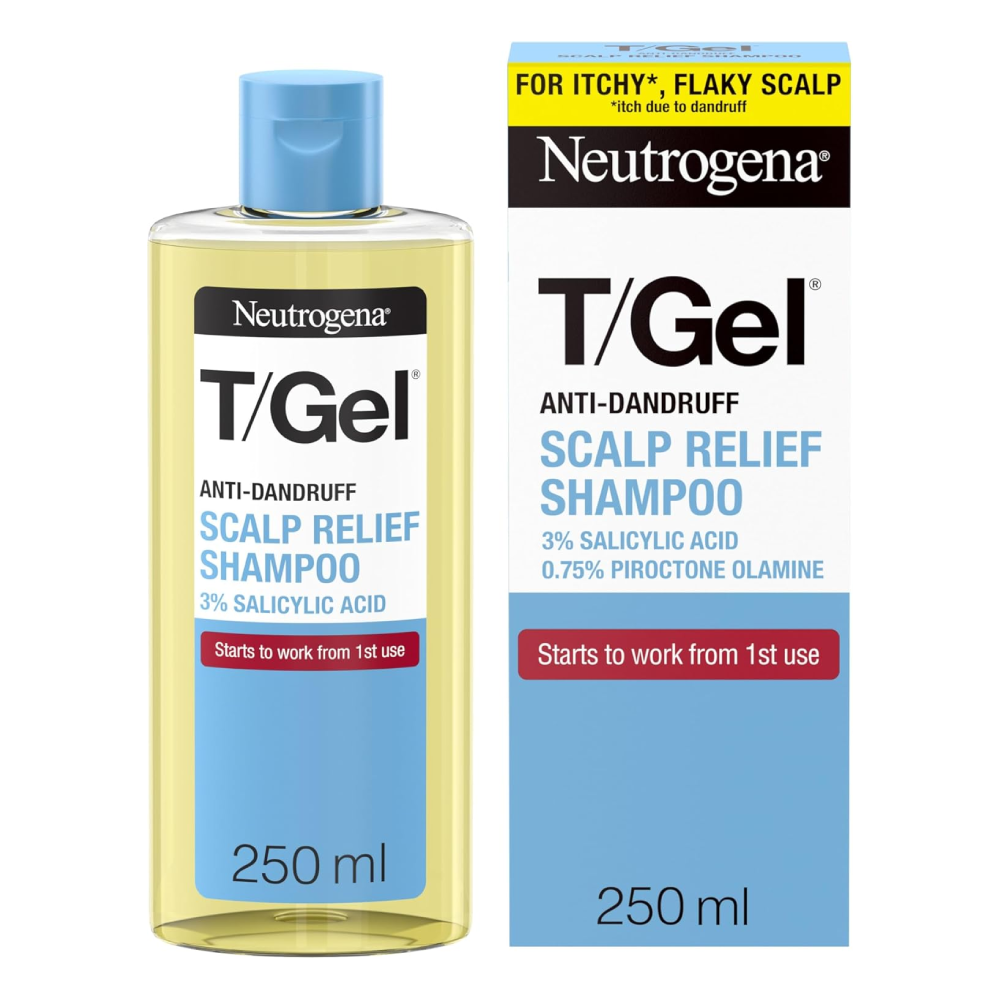
- Coal tar shampoo: Shampoos like Polytar and Neutrogena T Gel slow skin cell turnover and reduce flaking.
- Salicylic acid shampoo: Dermax helps exfoliate dead skin cells and clear scalp buildup.
- Zinc pyrithione shampoo: A common active ingredient in anti-dandruff shampoos that targets the yeast and bacteria that can worsen scalp irritation.
- Selenium sulphide shampoo: Reduces fungal activity and slows skin cell shedding.
Scalp Oils and Moisturising Treatments
For milder dryness, a scalp oil or leave-in treatment can help moisturise the scalp and soothe dry, irritated skin. Ingredients like argan oil, jojoba oil, coconut oil and aloe vera are commonly used to nourish and condition the scalp without weighing the hair down.
Prescription Treatments
If your dry scalp is part of a wider skin condition like eczema, psoriasis or severe seborrhoeic dermatitis, your pharmacist or doctor may recommend prescription-strength options. These can include:
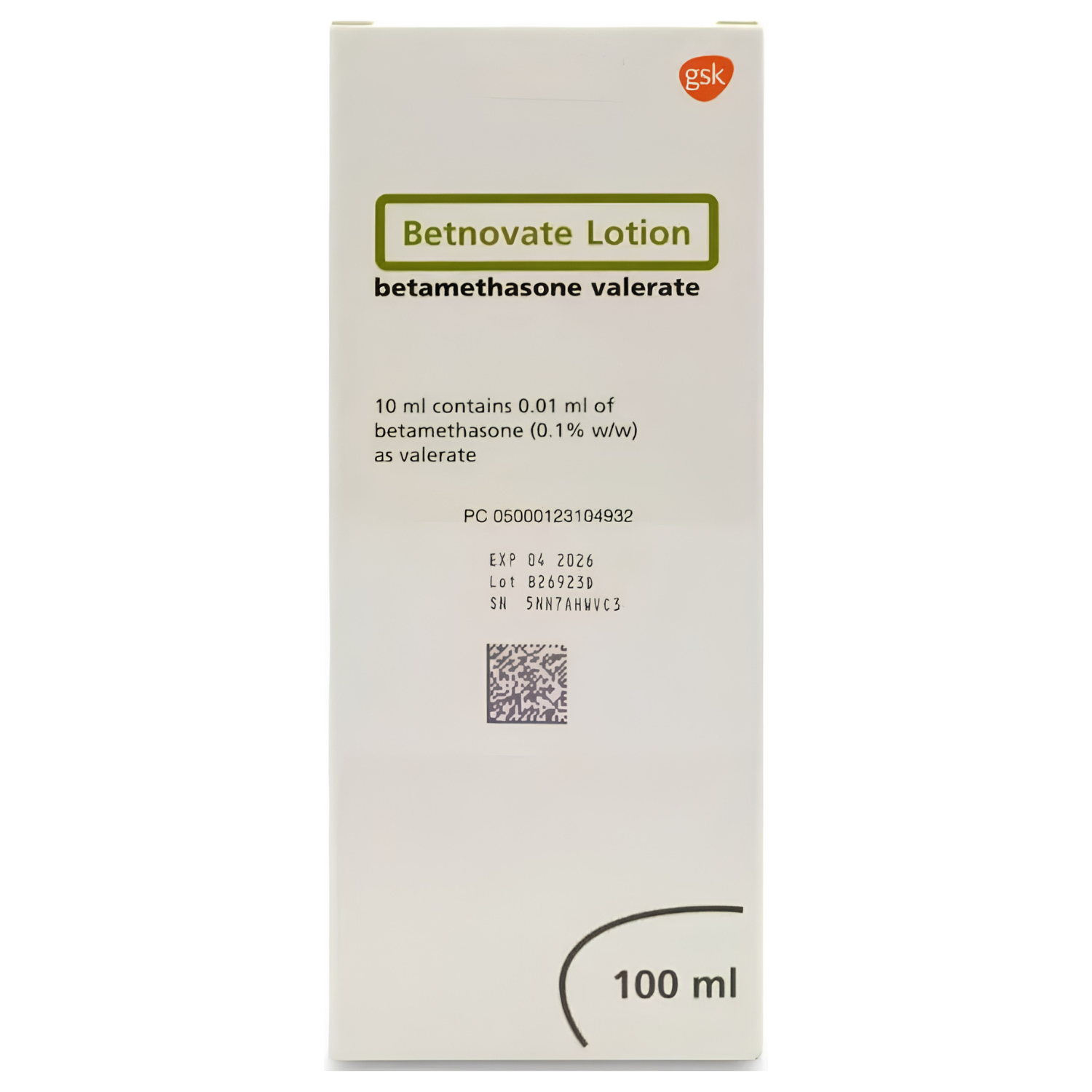
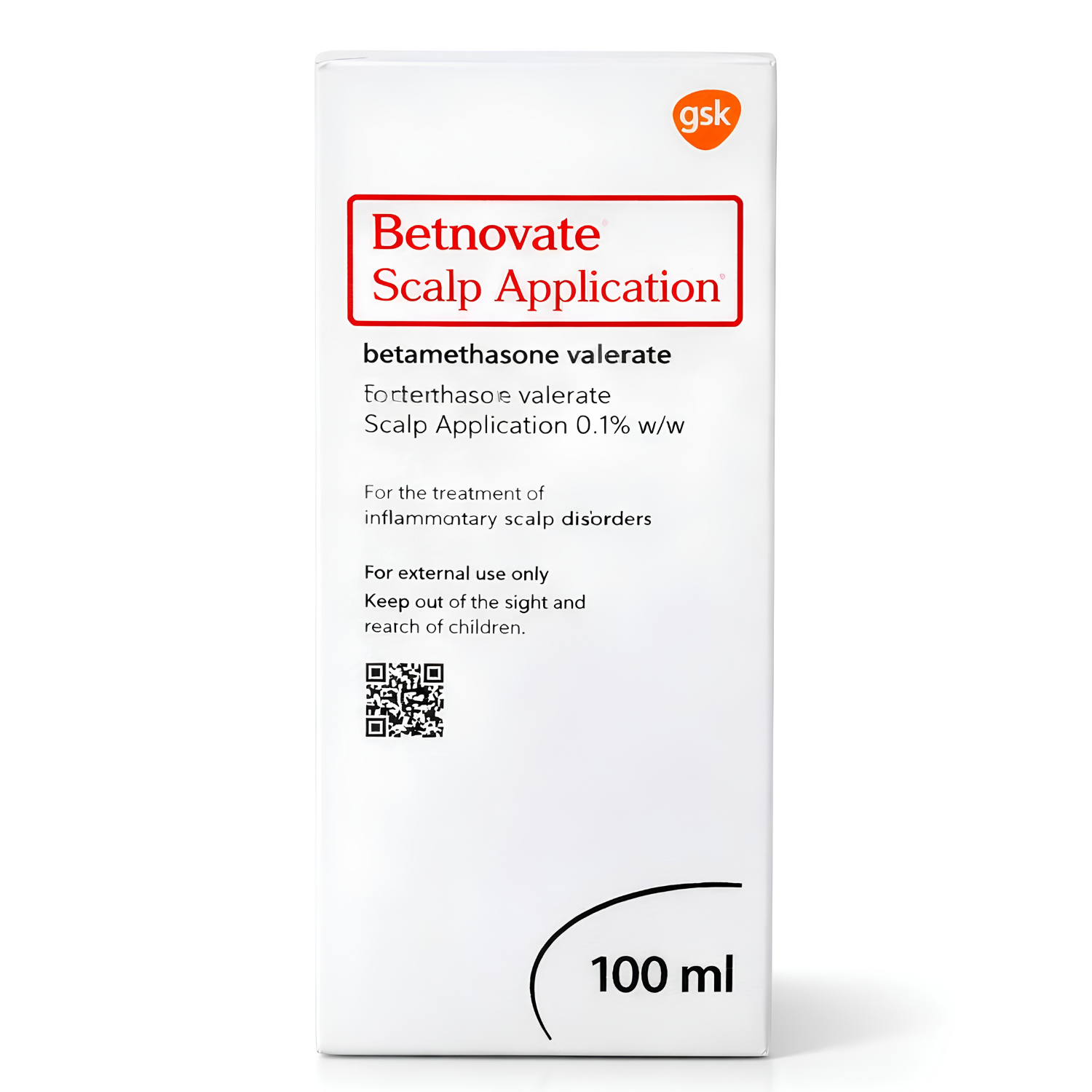
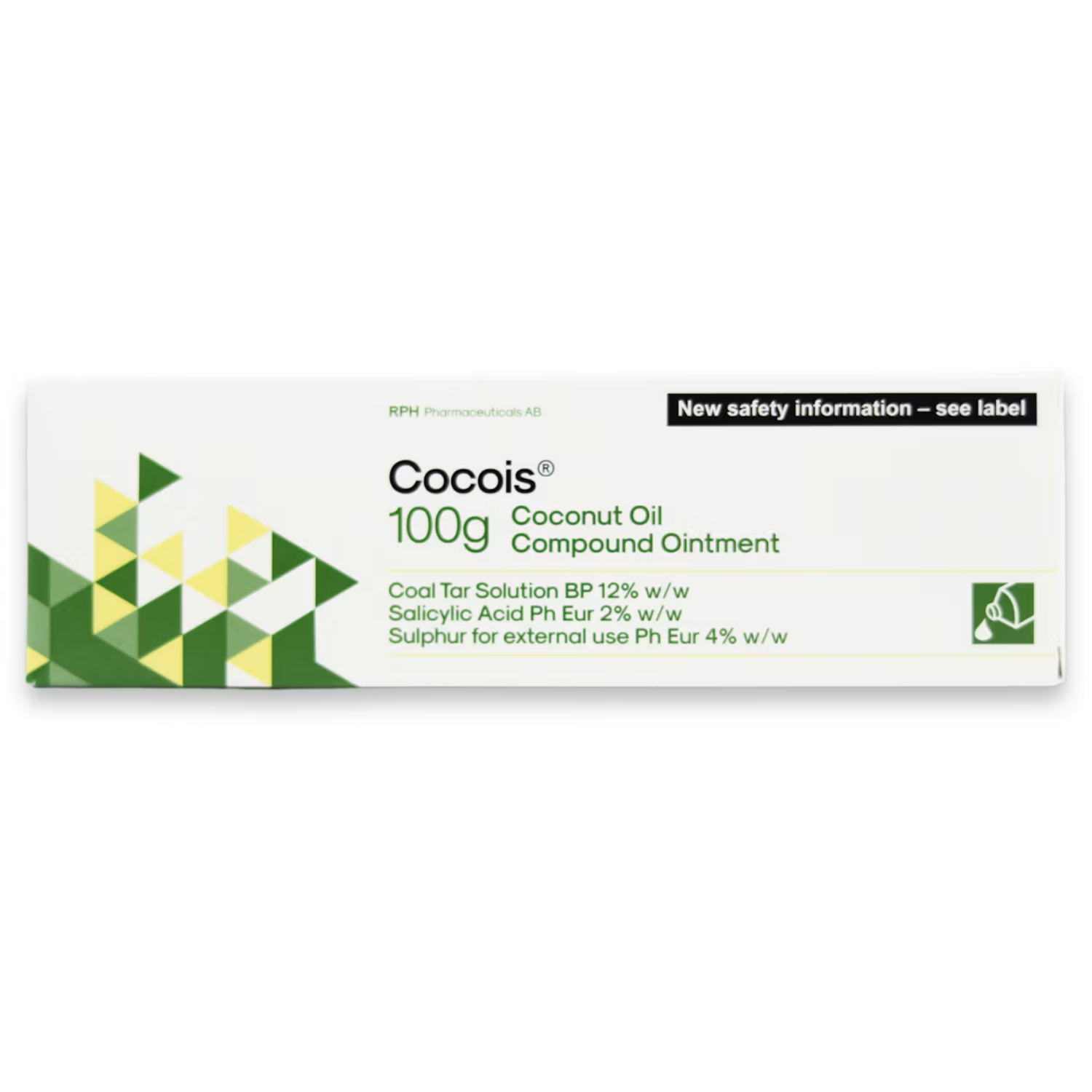
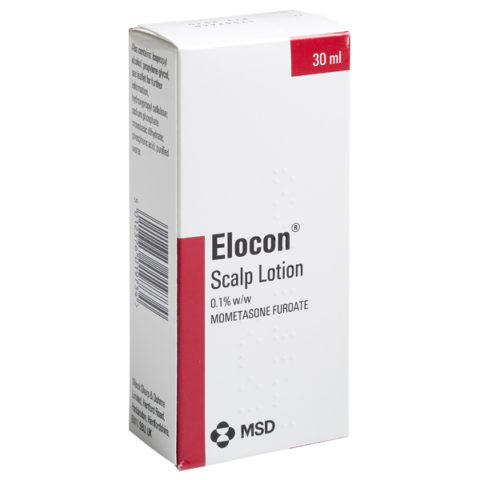
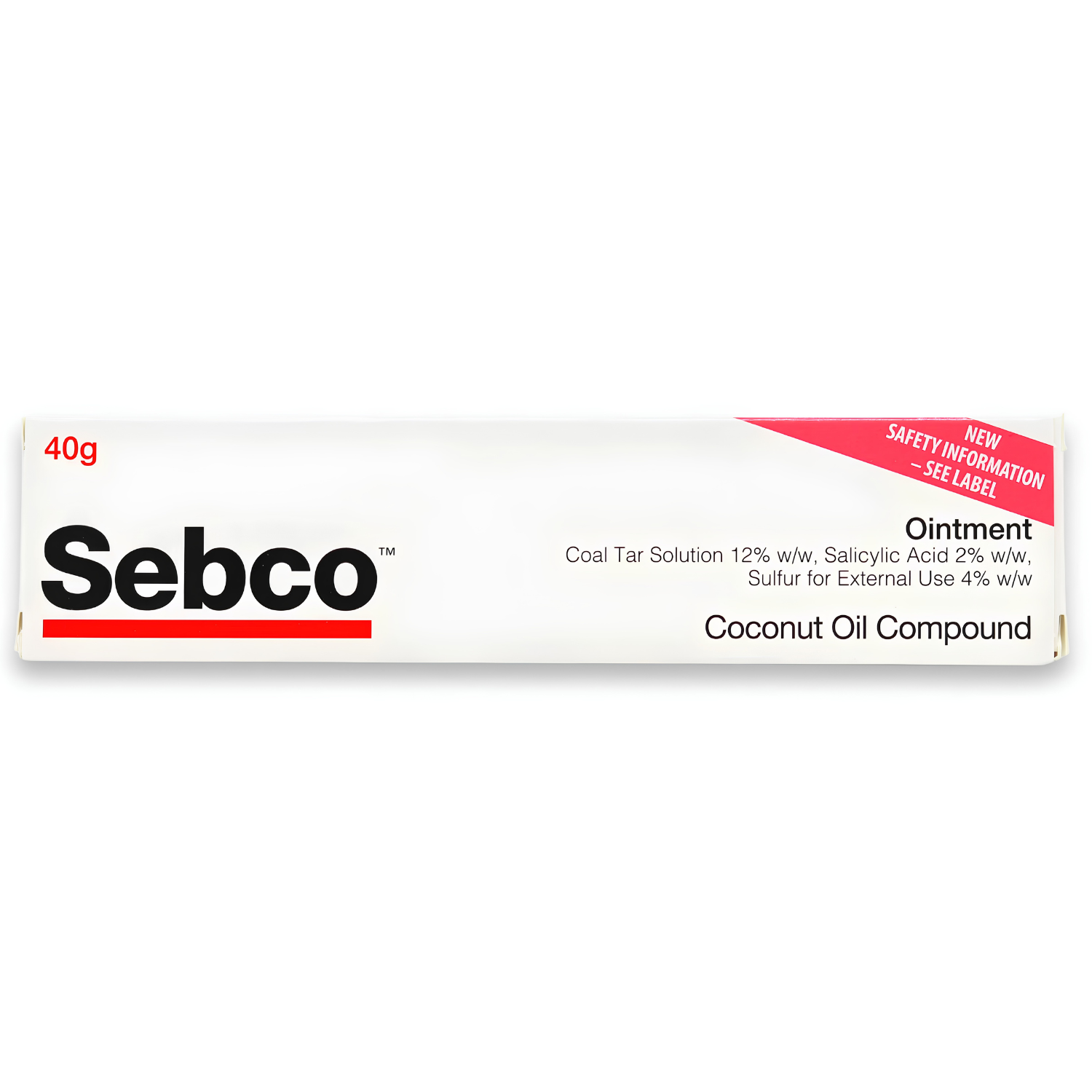
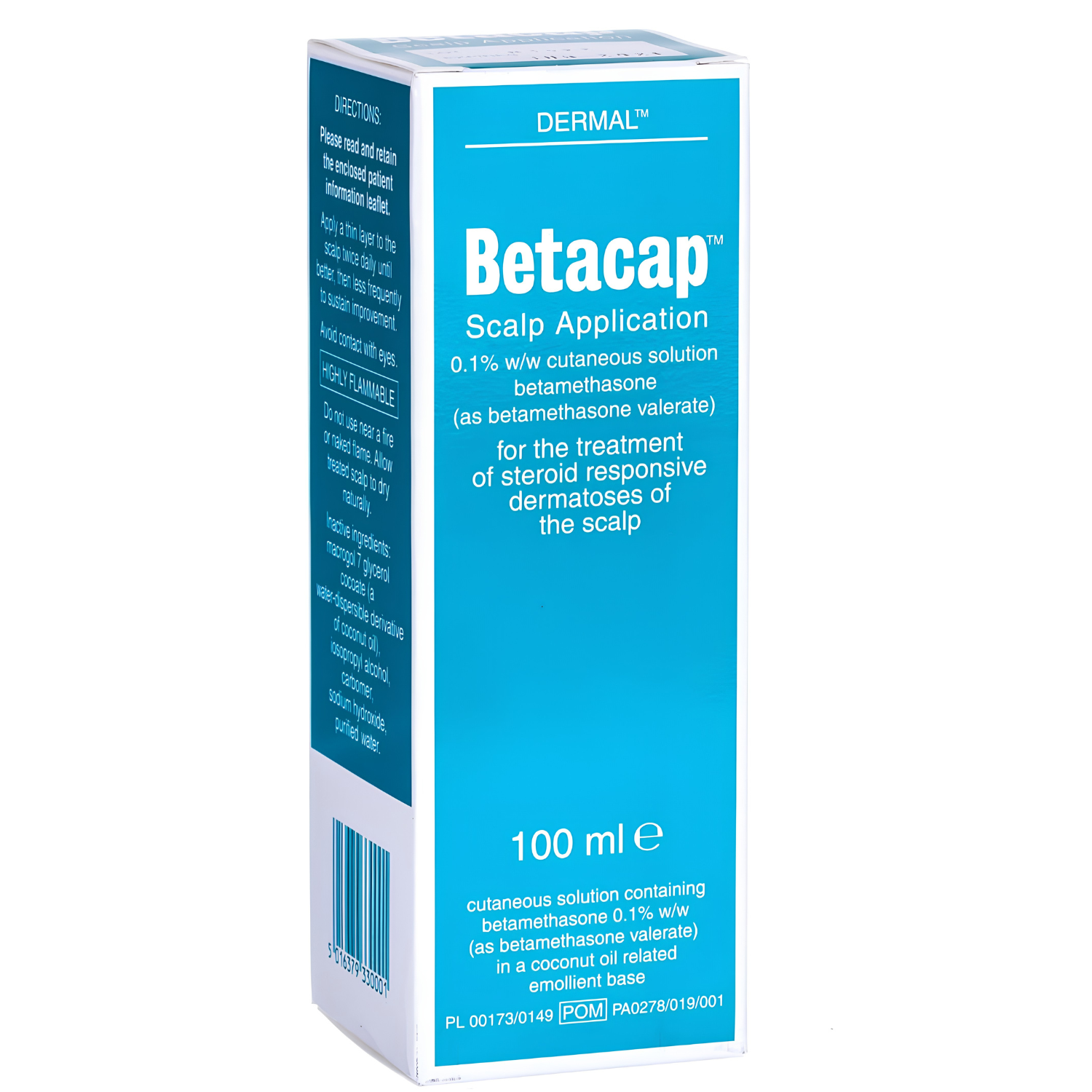
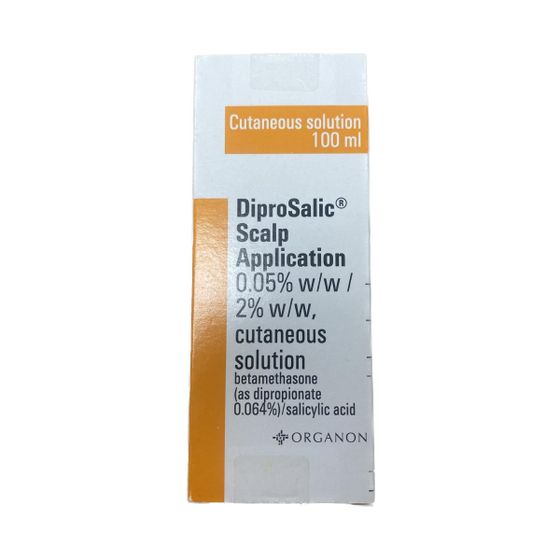
- Topical steroid lotions or creams: Ointments like Sebco and Betnovate reduce inflammation, redness and itching on the scalp, particularly when caused by eczema or psoriasis.
- Prescription-strength medicated shampoos: Higher concentrations of antifungal or anti-inflammatory ingredients for stubborn cases.
- Calcineurin inhibitors: Non-steroid creams that can be used on inflamed areas of the scalp.
You can speak to one of our licensed pharmacists through our online consultation to find out if a prescription treatment is suitable for you.
Dry Scalp Treatment at Home
Alongside medicated products, a few simple changes to your scalp care routine can help protect the scalp and reduce irritation:
- Wash your hair with lukewarm water rather than hot water
- Use a gentle, sulphate-free shampoo on the days you’re not using a medicated one
- Avoid styling products that contain alcohol or strong fragrances
- Limit heat styling and let your hair air dry where possible
- Drink plenty of water and eat a balanced diet rich in omega-3 and vitamins
- Try a humidifier in winter if dry indoor air is making your symptoms worse
These changes work best alongside a proper treatment routine and support a healthy scalp, especially if you’re prone to flare-ups.