
What is Trichomoniasis?
Trichomoniasis (also called trich) is a sexually transmitted infection caused by a tiny parasite called Trichomonas vaginalis.
The infection primarily affects the genital area – in women, vaginal trichomoniasis typically infects the vagina, while in men it usually affects the urethra (the tube that carries urine out of the body). What makes this infection particularly tricky is that many people don’t experience any symptoms at all, so they might have it without realising.
How do I get Trichomoniasis?
You contract trichomoniasis through sexual contact with someone who has the infection. The parasite spreads through vaginal, anal, or oral sex with an infected person, even if they don’t have any symptoms.
The parasite can survive outside the body for a short time, which means there’s a small chance of catching it from shared damp towels or sharing sex toys, though this is much less common than transmission through sexual intercourse.
Some factors can increase your risk:
- Being sexually active with multiple partners
- Not using condoms during intercourse
- Having another sexually transmitted infection (STI)
- A previous infection
You can’t get trichomoniasis from kissing, hugging, sharing food or drinks, or from toilet seats.
Trichomoniasis Symptoms
Many people with trichomoniasis don’t notice any symptoms at all – in fact, only about 30% of people develop noticeable signs of infection. When symptoms do appear, they usually develop within a month of infection, but they can appear at any time.
Trichomoniasis Symptoms in Women
Women are more likely to experience symptoms than men. If you’re a woman with trichomoniasis, you might notice:
- Unusual vaginal discharge that’s often yellow-green and frothy, with an unpleasant fishy smell
- Itching, soreness, or irritation around the vagina
- Discomfort when passing urine or during sex
- Redness or inflammation around the vaginal area
- Lower abdominal pain, though this is less common
Trichomoniasis Symptoms in Men
Men with trichomoniasis often have no symptoms at all, but when they do, they might include:
- Irritation or inflammation inside the penis
- A thin, whitish discharge from the penis
- Slight burning sensation after urination or ejaculation
- More frequent need to urinate
If you’re experiencing any of these symptoms, it’s worth getting tested. Even without symptoms, if you think you might have been exposed, testing is important to prevent complications and stop the infection from spreading to sex partners.
How do I test for Trichomoniasis?
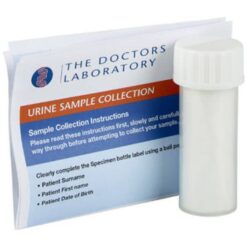
Testing for this infection is straightforward. For women, a healthcare professional takes a vaginal swab. For men, testing usually involves a urine sample or a swab from the tip of the penis.
You can also use a self-test kit at home, which involves taking your own swab and sending it to a laboratory for testing. Home test kits offer a discreet and convenient option if you’d prefer not to visit a clinic.
You can get tested at:
- Your GP surgery
- Sexual health or GUM clinics
- Some pharmacies offering sexual health services
- At home using a self-test kit
Results typically come back within a few days to a week. If you tested positive for trichomoniasis, it’s important that any recent sex partners also get tested and get treatment, even if they don’t have symptoms. This prevents the infection from spreading and stops reinfection.
Treatment for Trichomoniasis
Treatment of trichomoniasis requires antibiotics – the infection won’t go away on its own. Once you’re diagnosed with trichomoniasis, your doctor will prescribe treatment to clear the parasite completely.
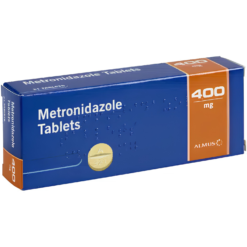
Metronidazole
Oral metronidazole is the most commonly prescribed antibiotic. You’ll take either a single dose (2g) all at once, or a lower dose (400-500mg) twice daily for 5-7 days. The single-dose treatment is convenient and helps make sure you complete the full course, though some people prefer the longer course if they experience side effects.
Tinidazole
Tinidazole has been discontinued in the UK.
Tinidazole works similarly to metronidazole and is usually given as a single 2g dose. Some people find it causes fewer side effects, though it’s generally more expensive.
Important Treatment Guidelines
- Avoid alcohol completely while taking these antibiotics and for 48 hours after finishing. Mixing them with alcohol causes severe nausea, vomiting, and headaches.
- Sexual partners need treatment at the same time, even without symptoms. Otherwise, you’ll keep passing the infection back and forth.
- Avoid sexual intercourse until you’ve both finished treatment, and it’s been at least a week since your last dose.
- Complete the full course, even if symptoms clear up early. Stopping too soon means the infection might come back.
Most symptoms improve within a few days of antibiotic treatment. If they haven’t improved after finishing your medication, contact your doctor as you might need a different treatment. It’s worth getting retested 3 months after treatment to confirm the infection has cleared and check for reinfection.