

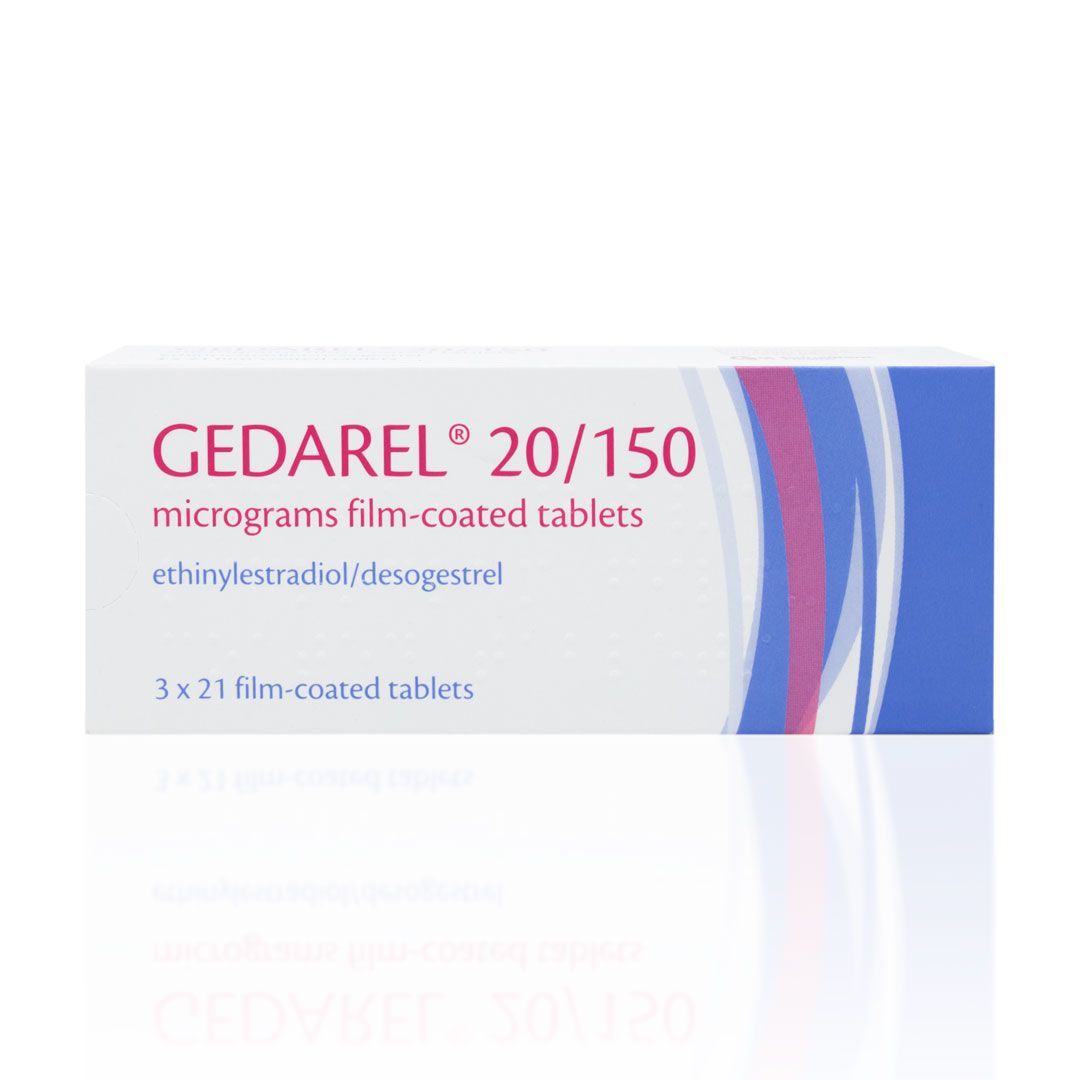
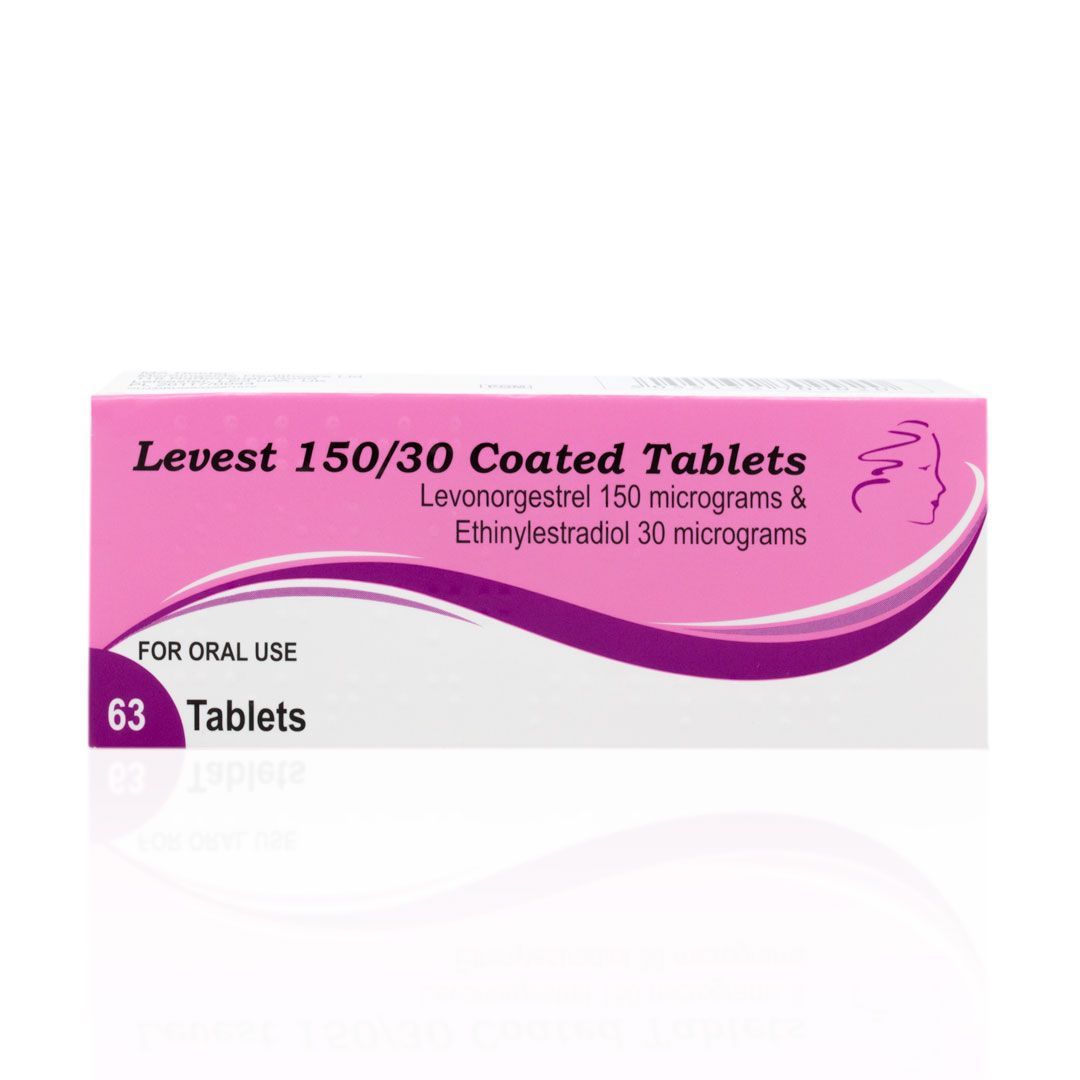
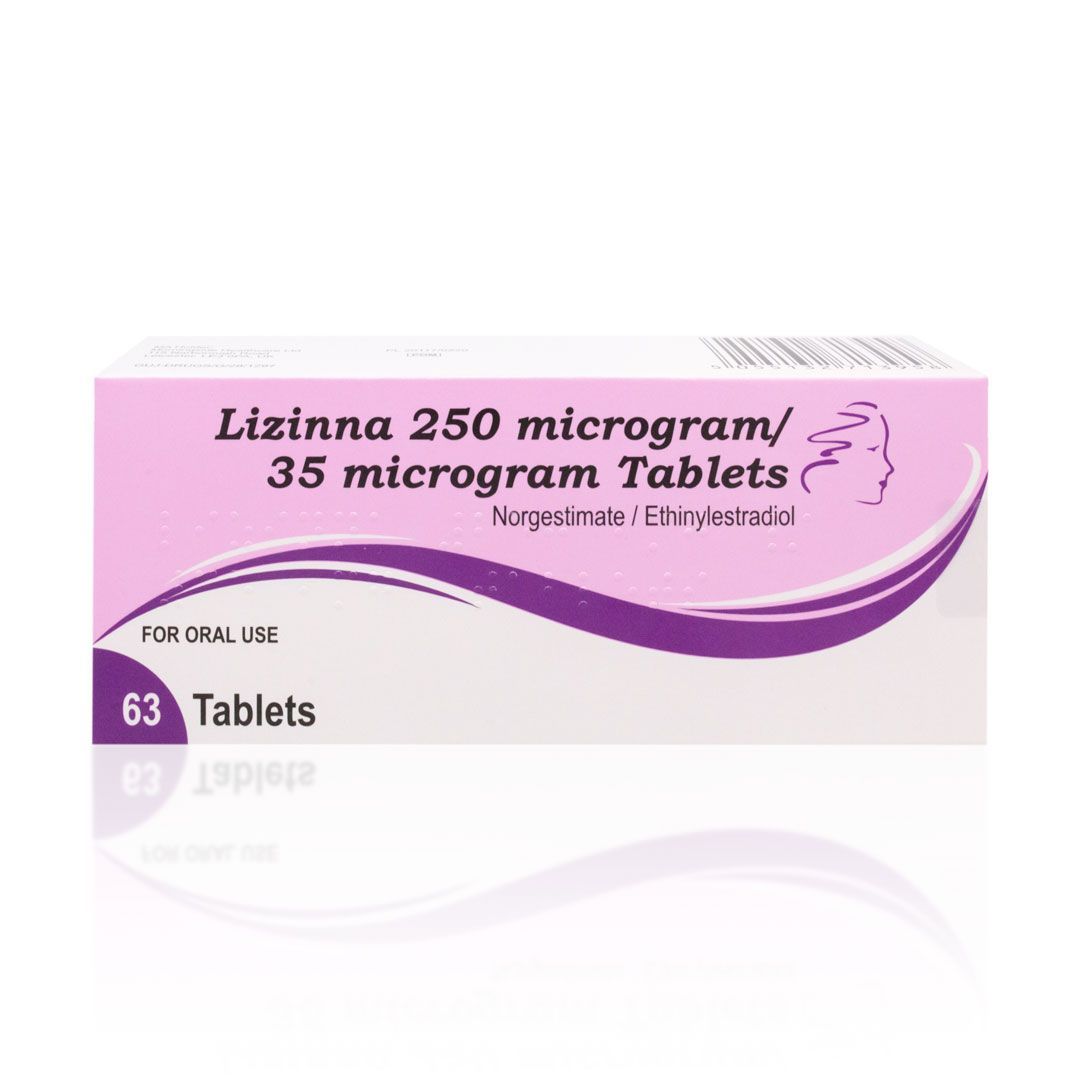

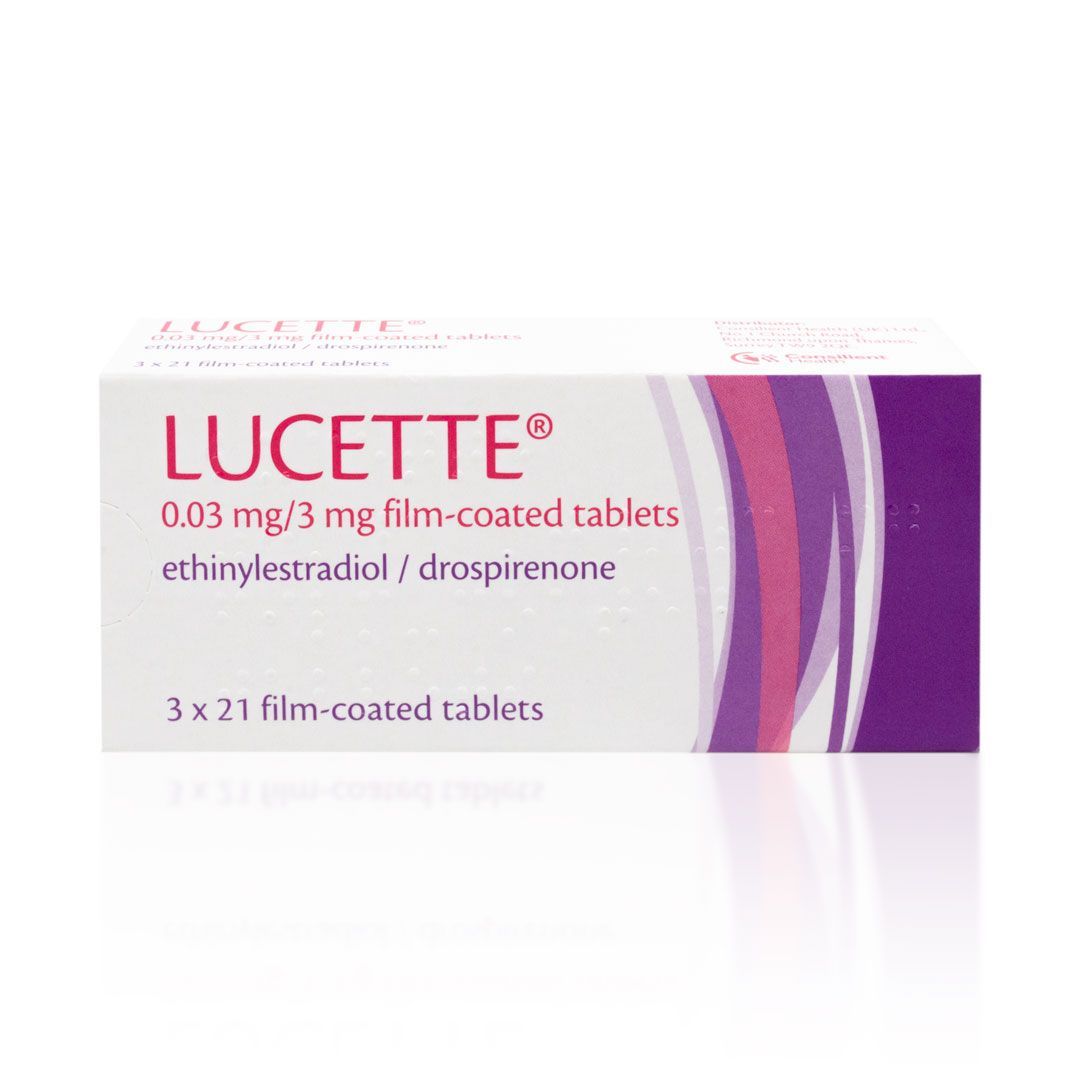
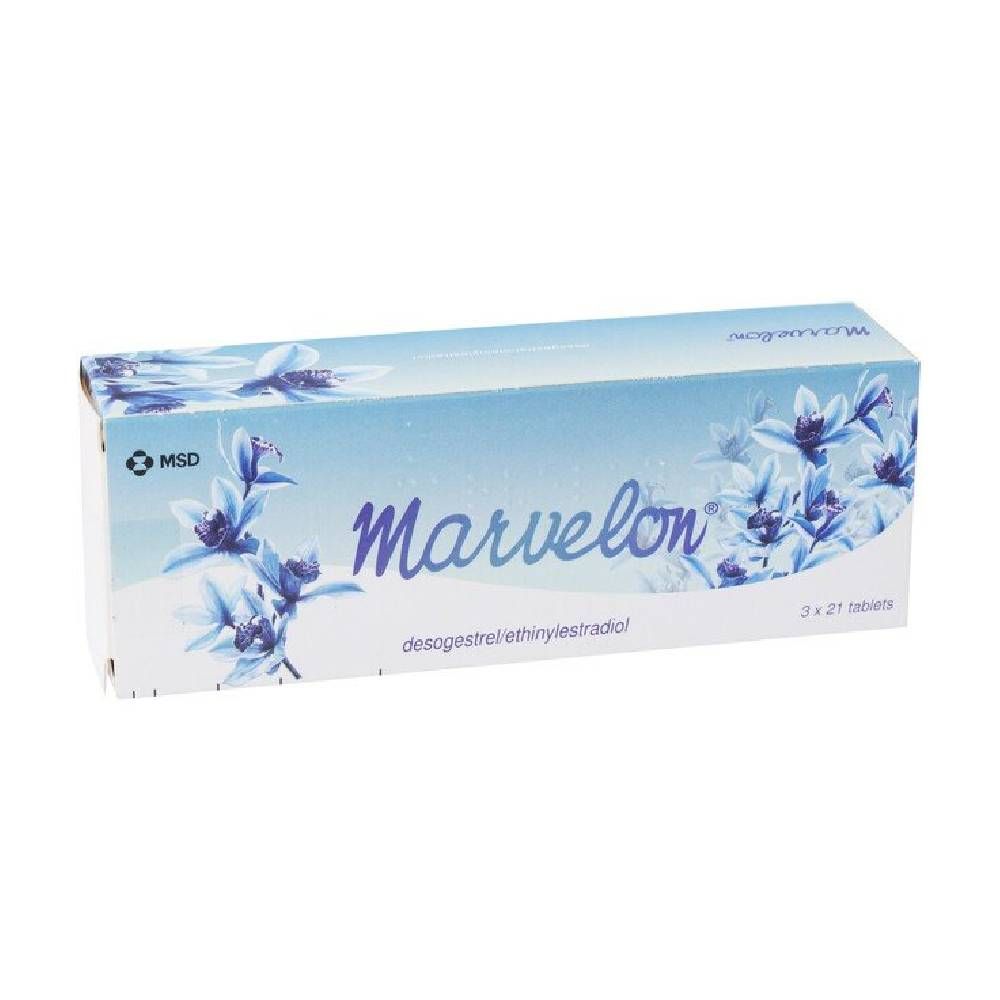

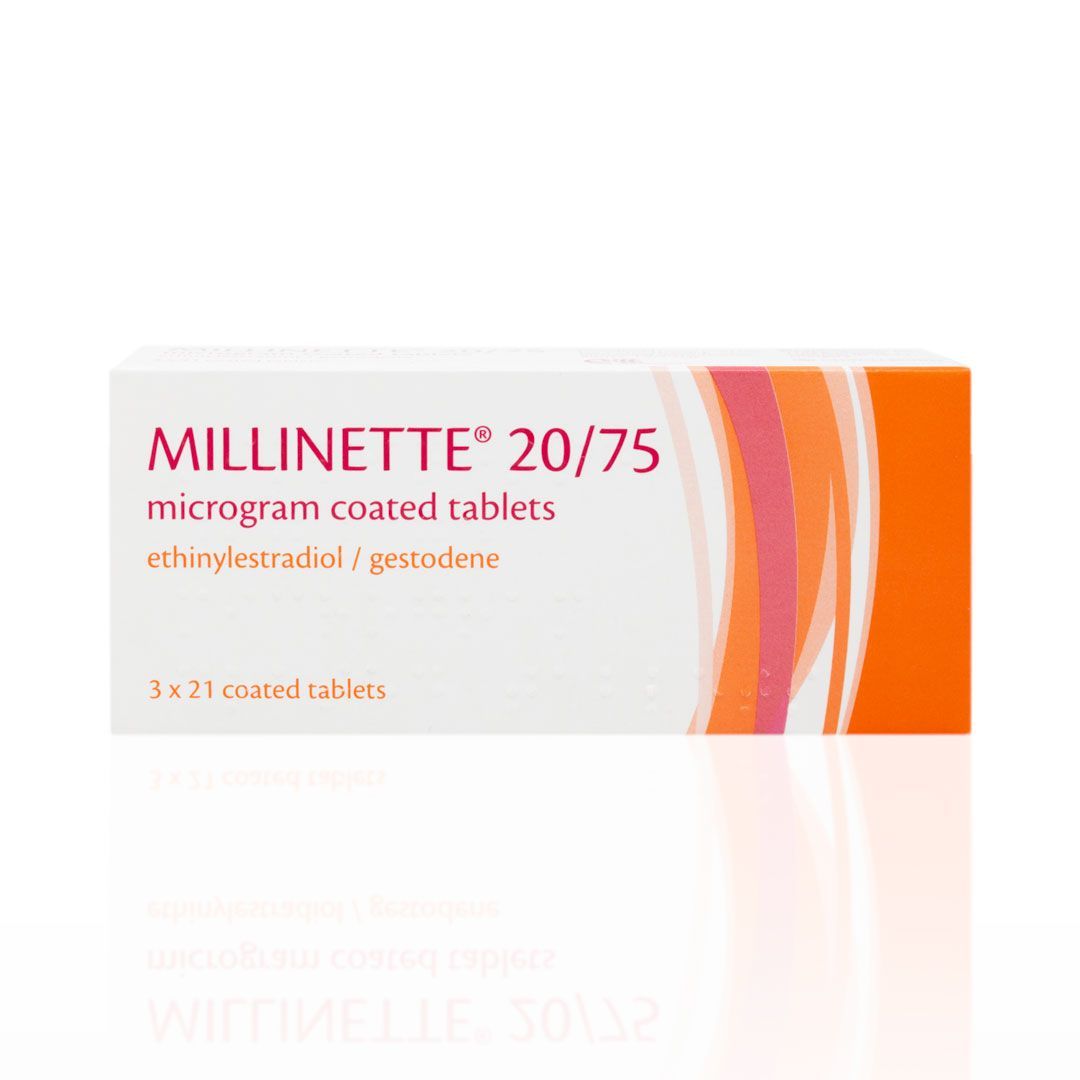
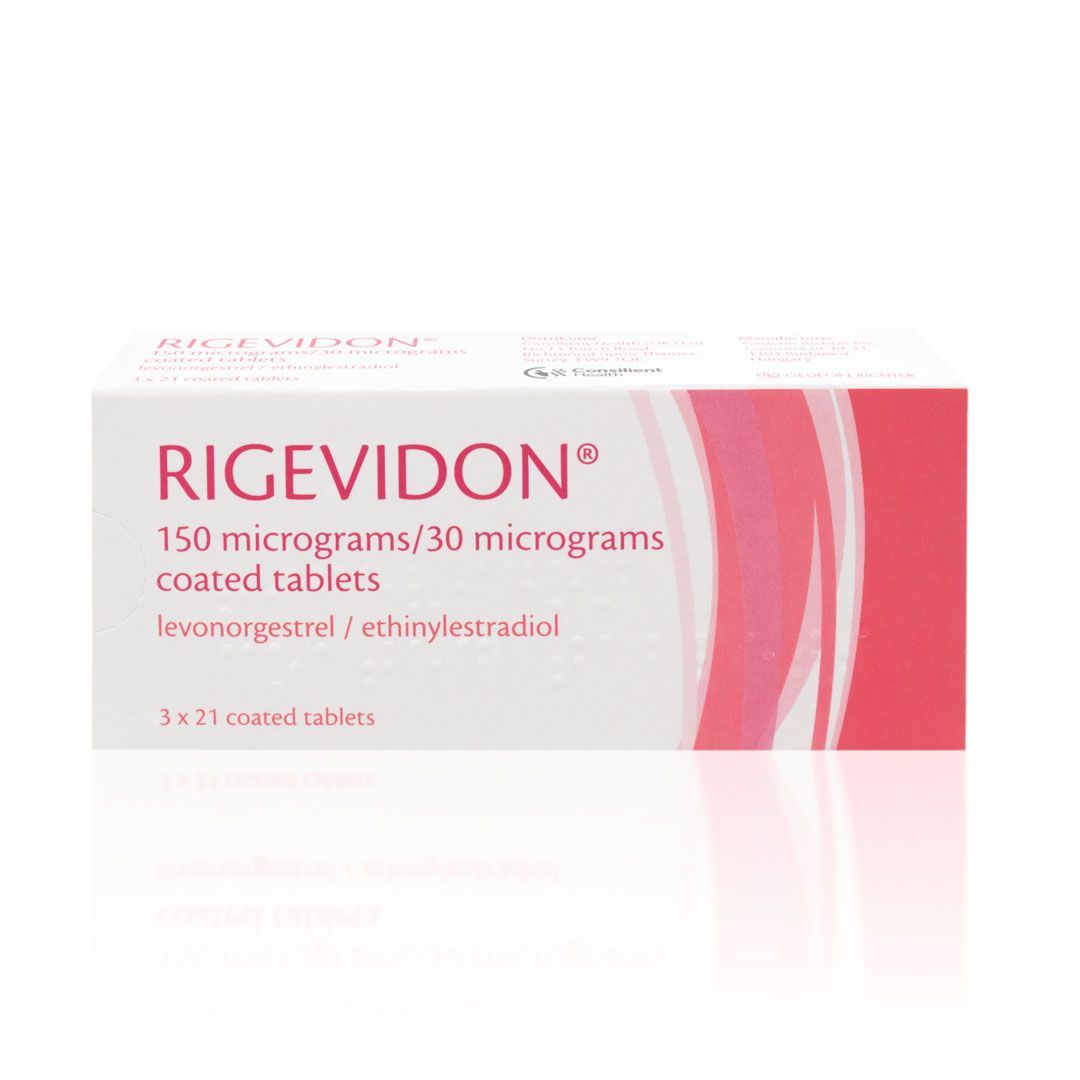
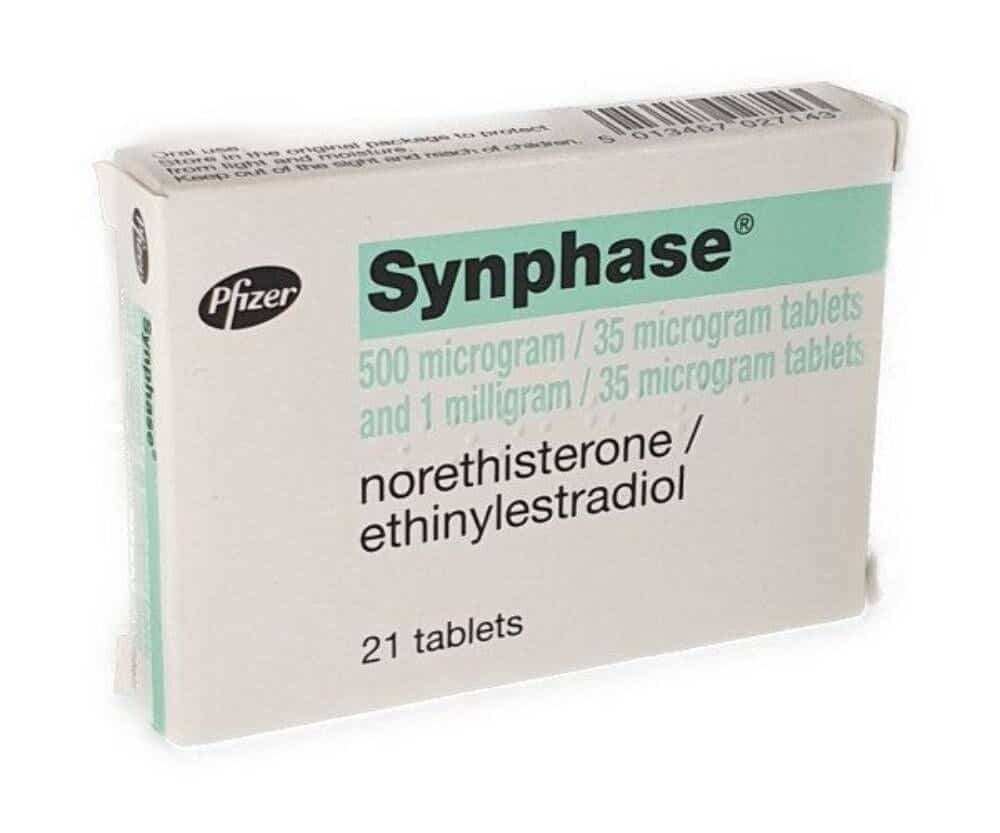


What are contraceptive pills?
Contraceptive pills are a type of hormonal birth control that you take daily to prevent pregnancy. They’re one of the most popular and effective forms of contraception when taken correctly. The oral contraceptive pill is available in different formulations to suit different needs and health profiles.
The pill works by releasing hormones that stop your ovaries from releasing an egg each month. It also thickens the mucus in your cervix, making it harder for sperm to reach an egg, and thins the lining of your womb so a fertilised egg is less likely to implant.
Types of Contraceptive Pills
There are two main types of contraceptive pills:
Combined Pill
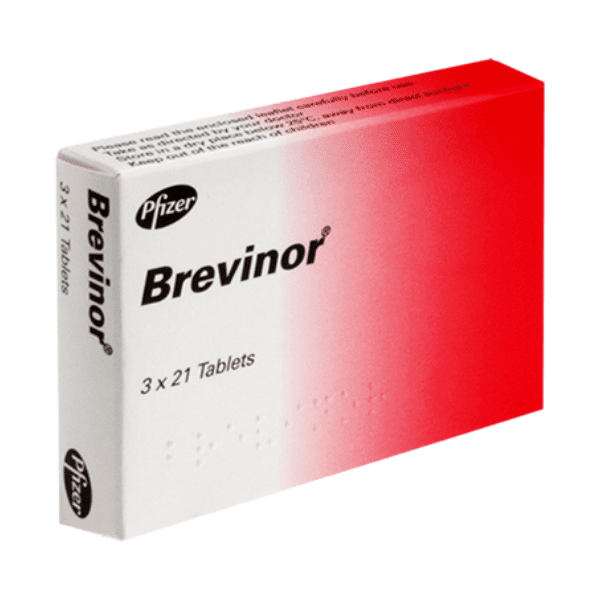
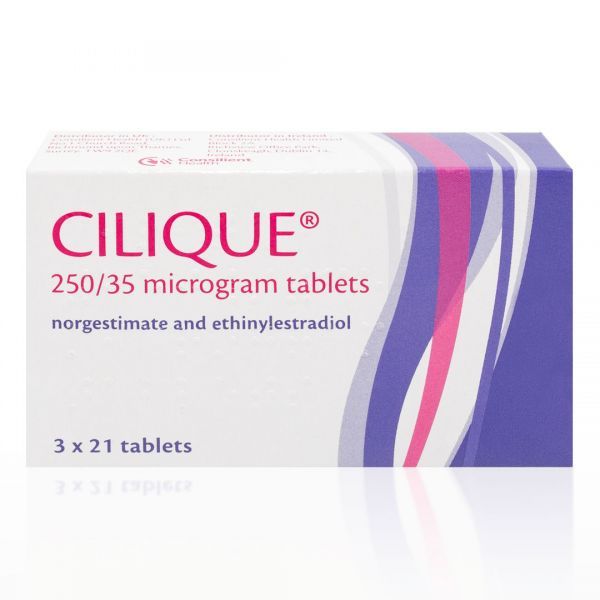
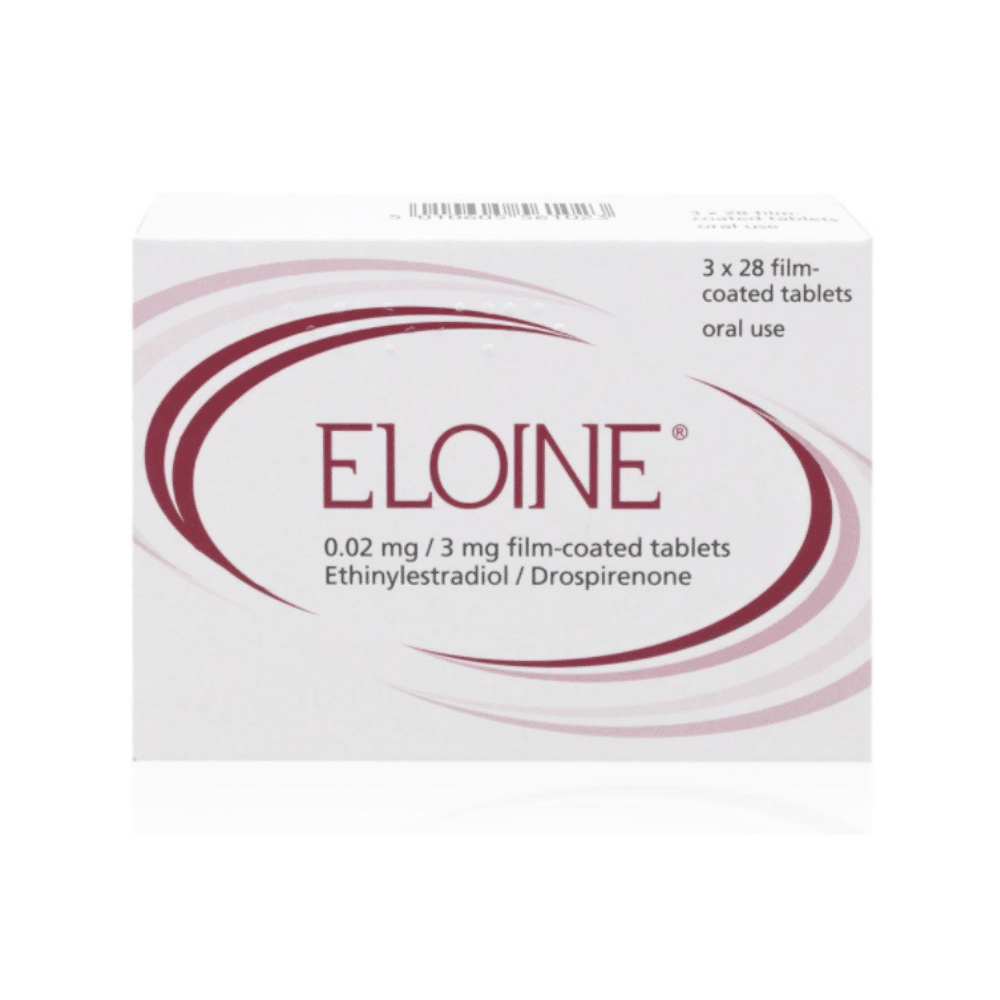
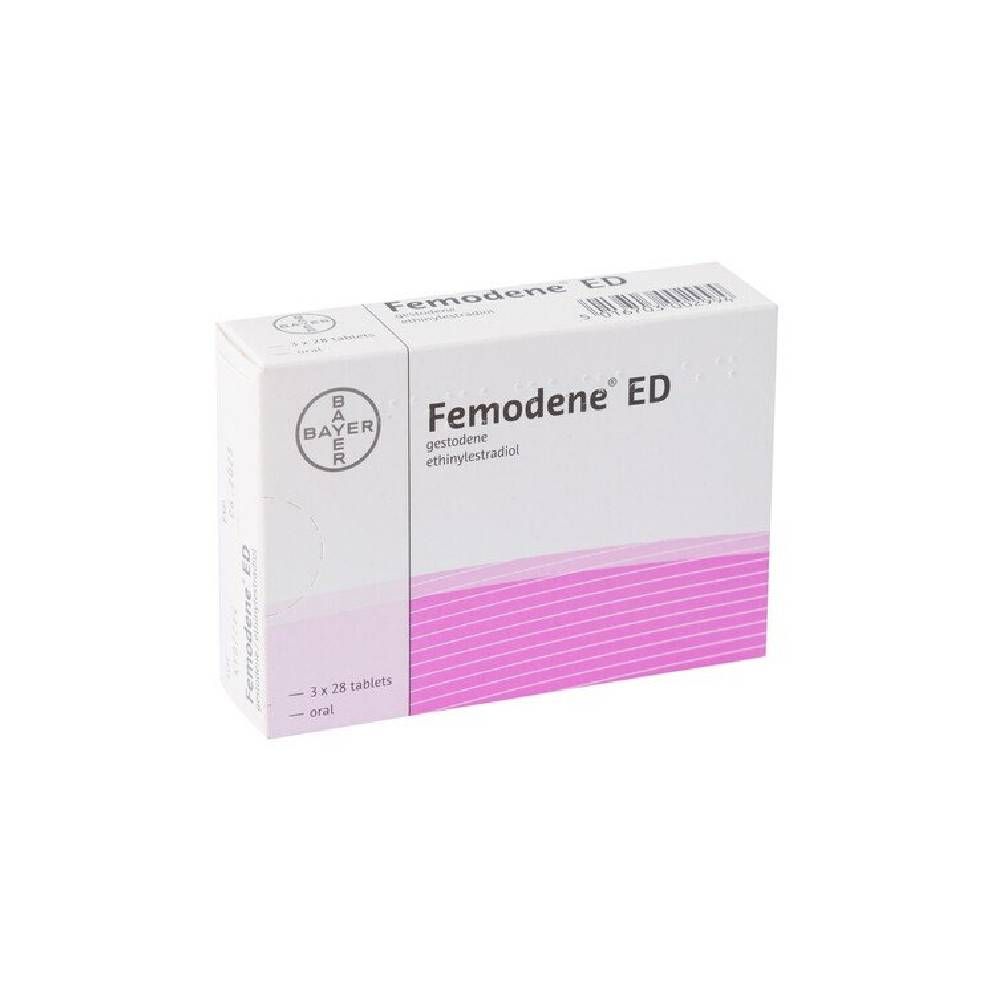
The combined pill contains two hormones – oestrogen and progestogen. You take it for 21 days, then have a 7-day break (or take inactive pills) during which you’ll usually have a withdrawal bleed similar to a period. Some brands are taken for 28 days without a break.
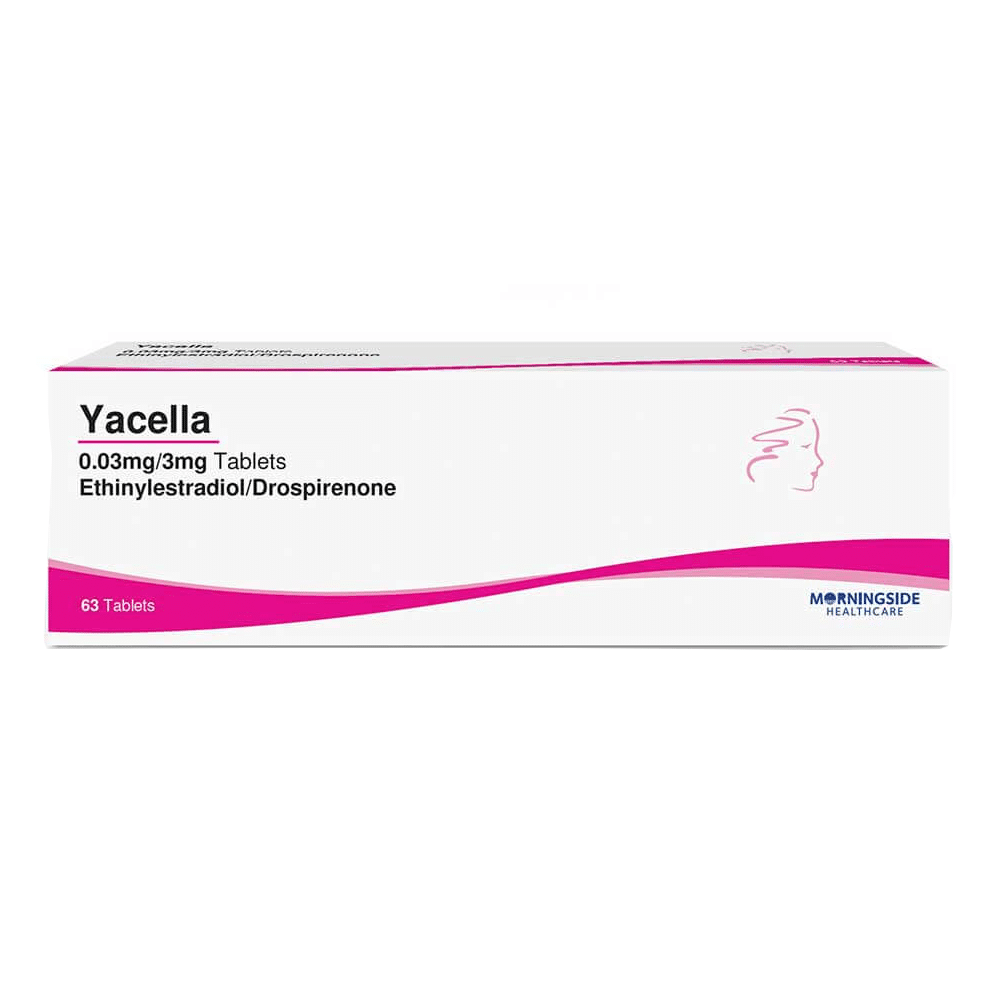
Popular combined pills include Millinette, Rigevidon, and Yasmin.
Mini Pill (Progesterone-Only Pill)
The mini pill contains only progestogen and needs to be taken at the same time every day without a break. It’s often suitable for people who can’t take oestrogen, including those who are breastfeeding or have certain health conditions.
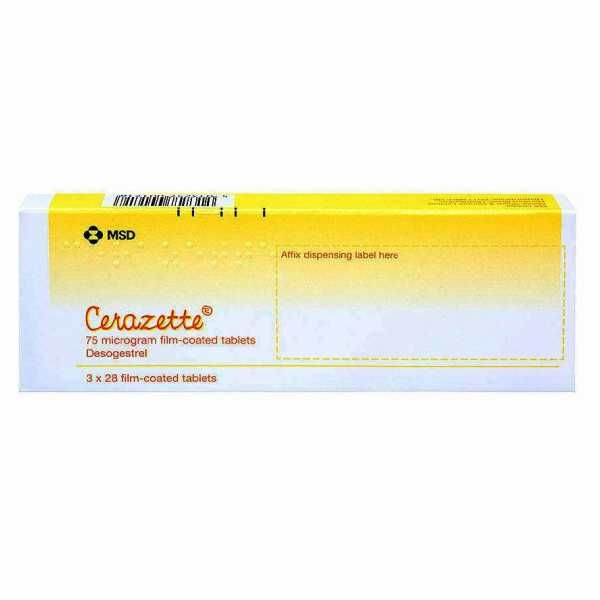
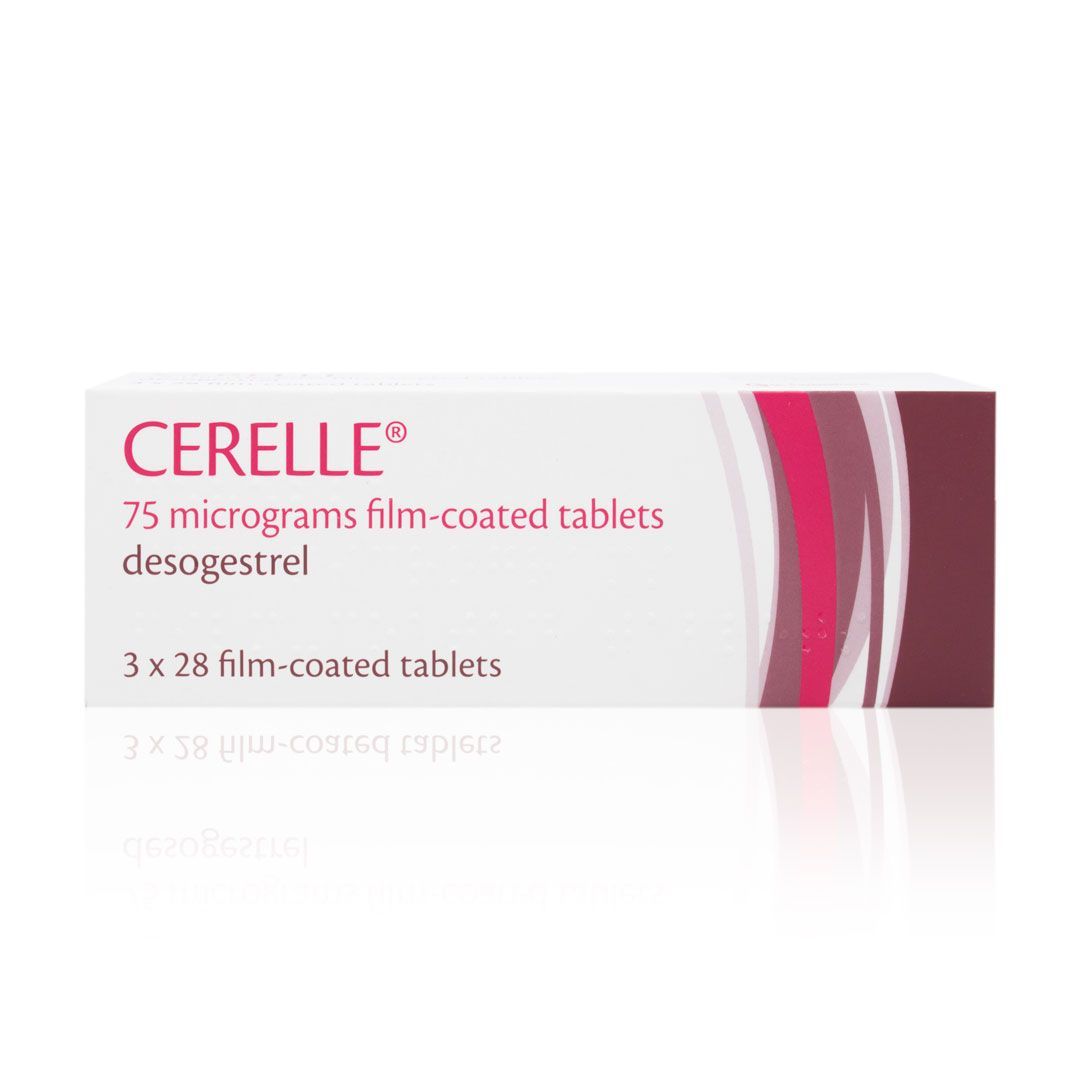
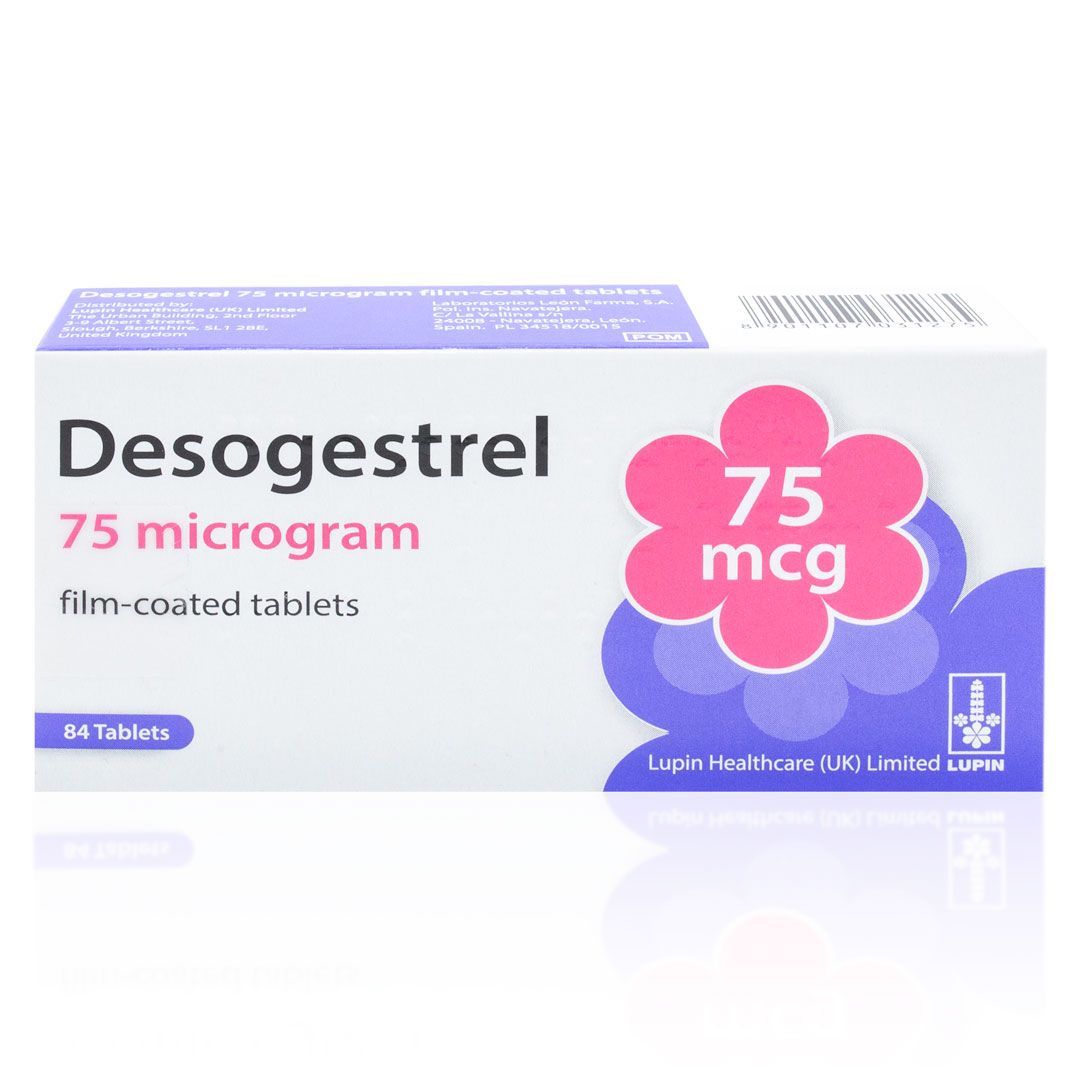
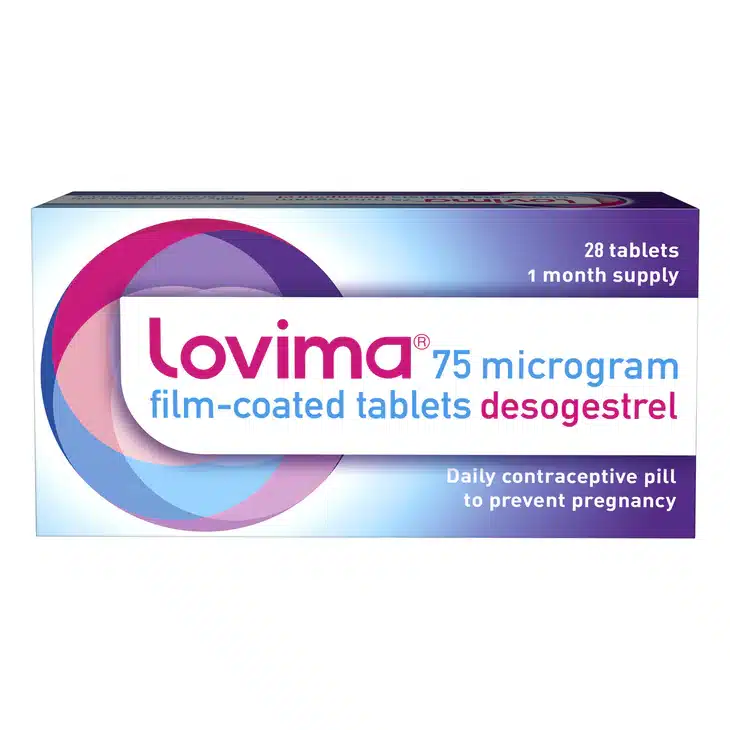
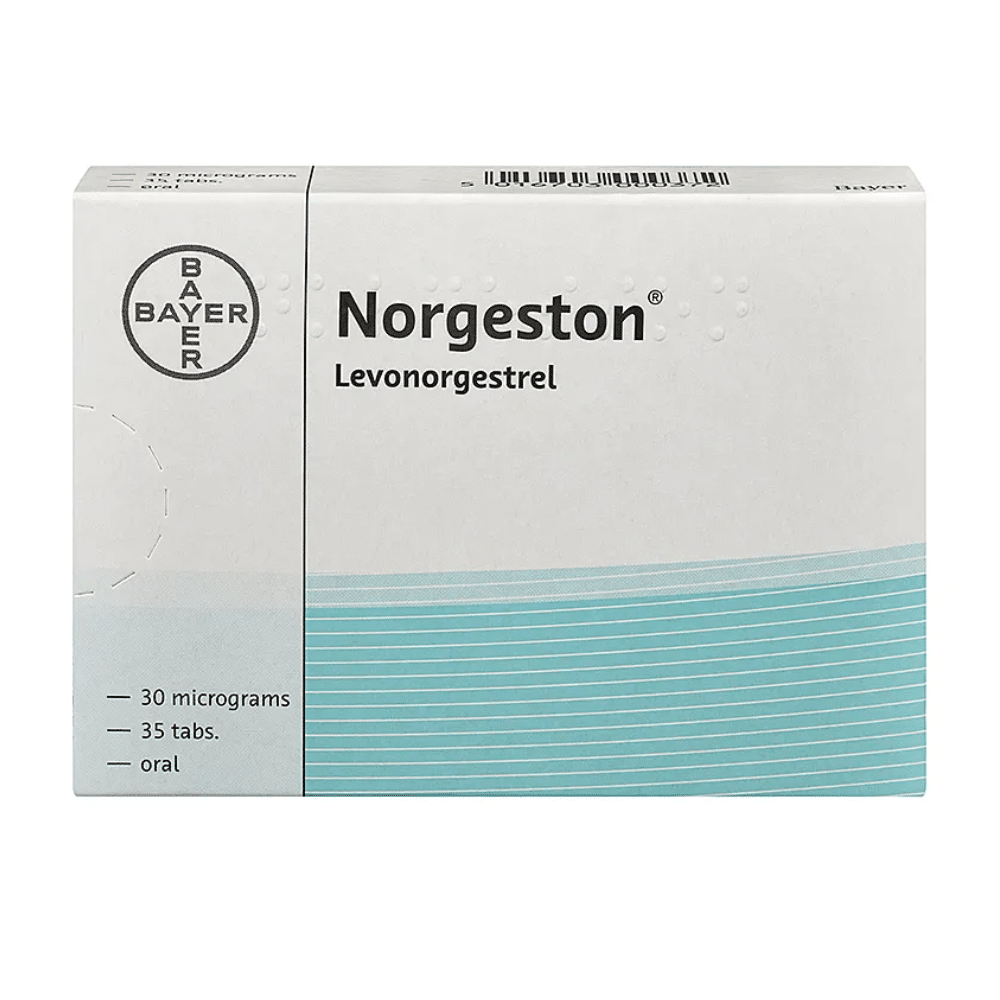
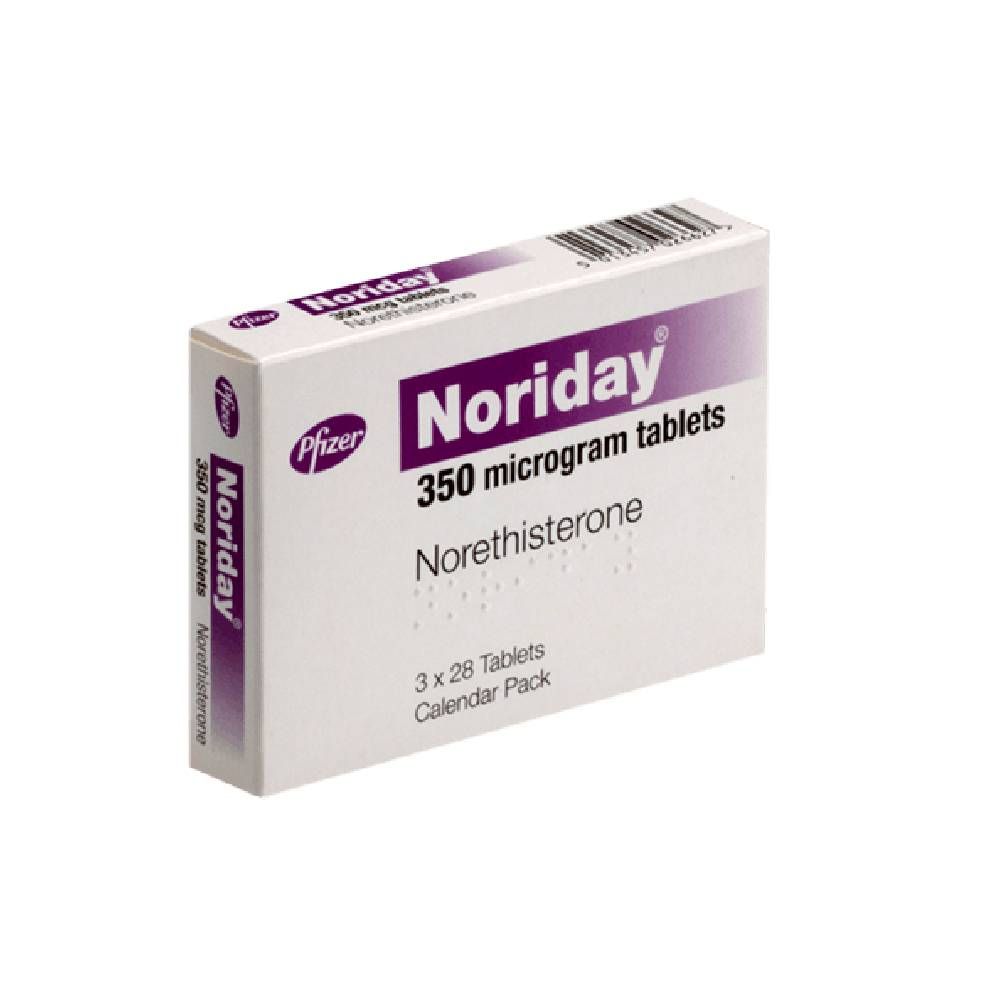
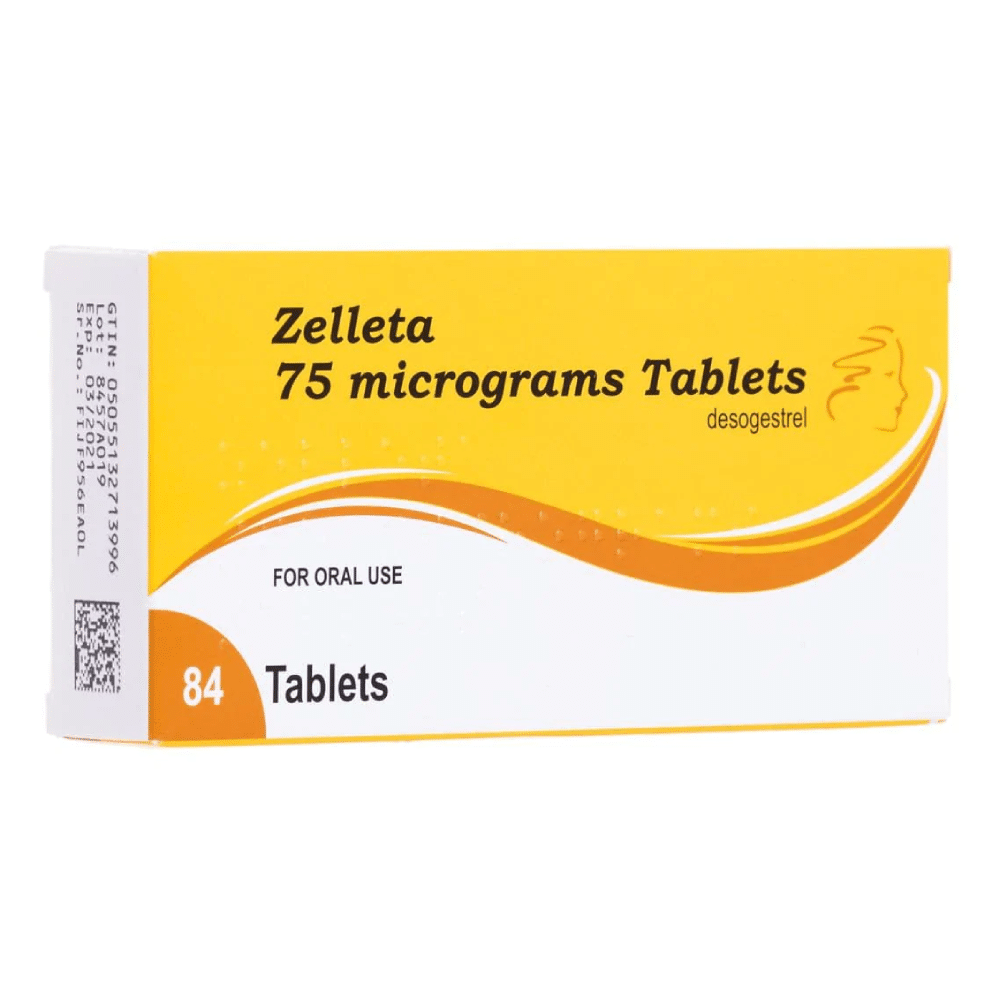
Common mini pills include Cerazette, Cerelle, and Noriday. These contain desogestrel or norethisterone as the active ingredient.
How effective are contraceptive pills?
When taken correctly, the contraceptive pill is over 99% effective at preventing pregnancy. In typical use – accounting for missed pills or taking them late – the pill is about 91% effective.
To get the best protection, take your pill every day at the same time and be aware of what to do if you miss a dose.
Choosing the Right Contraceptive Pill
Finding the right contraceptive pill for you depends on your medical history, lifestyle, and any side effects you want to avoid. Some things a doctor or online doctor will consider include:
- Your age and whether you smoke
- Your blood pressure and family medical history
- Any medications you’re currently taking
- If you experience heavy or painful periods
- Whether you have migraines with aura
- If you’re breastfeeding
What happens during the online consultation?
Our online consultation asks about your medical history, current medications, and lifestyle factors that might affect which pill is right for you. It takes about 5-10 minutes to complete.
One of our licensed pharmacists will review your answers to make sure the contraceptive pill you’ve requested is safe and suitable. If approved, we’ll dispense your prescription and arrange delivery. If the pill isn’t suitable, we’ll suggest alternative options or recommend you speak with your GP.
Common Side Effects of Contraceptive Pills
Most people take the contraceptive pill without any problems, but some might experience side effects, especially in the first few months as your body adjusts. These symptoms don’t mean you’re on the pill incorrectly – they’re just your body getting used to the hormones.
Common side effects include:
- Headaches
- Nausea
- Breast tenderness
- Mood changes
- Spotting or breakthrough bleeding between periods
- Changes to your period (lighter, heavier, or irregular)
These side effects often settle down after a few months. If they persist or bother you, speak to a pharmacist or doctor about switching to a different pill.
You should stop taking the pill and contact your GP immediately if you experience:
- Severe chest pain or breathlessness
- Severe pain in your leg or it becomes swollen
- Severe stomach pain
- Sudden problems with your speech or vision
- Severe headaches or migraines (especially if you don’t usually get them)
- Yellowing of your skin or eyes
Always check the patient information leaflet that comes with your pill for specific guidance, or contact our pharmacists if you’re unsure.
What if I miss a pill?
What you need to do if you miss a pill depends on which type you’re taking and how long it’s been since your missed dose.
Combined pill: If you miss one pill or take it more than 24 hours late, take it as soon as you remember (even if that means taking two pills in one day) and continue as normal. You should still be protected. If you miss two or more pills, you might need to use additional contraception for 7 days.
Mini pill: If you’re more than 3 hours late taking your pill (or 12 hours for some brands like Cerazette), take it as soon as you remember and use additional contraception for 48 hours.
If you’ve had unprotected sex during the time you weren’t protected, you might need emergency contraception. You can get the morning-after pill from Click2Pharmacy through our online emergency contraception service.