
What are dry eyes?
Dry eye is a common condition that happens when your eyes don’t make enough tears or when the tears you do produce evaporate too quickly. Your tears keep the surface of your eye smooth, clear and protected, so when that layer breaks down, your eyes can start to feel uncomfortable and irritated. You might also hear it called dry eye syndrome or dry eye disease.
What causes dry eyes?
Dry eyes happen when there’s a problem with your tears, either because you’re not making enough or because they’re drying up faster than they should. A few things can be behind it, including:
- getting older, as tear production naturally slows with age
- long periods of screen use, which reduces how often you blink
- wearing contact lenses
- dry, windy or air-conditioned surroundings, along with central heating
- blepharitis, a condition that causes inflammation in the oil glands along your eyelids
- certain medicines, such as antihistamines, some antidepressants and blood pressure tablets
- hormonal changes, particularly around the menopause
- underlying health conditions like Sjögren’s syndrome, rheumatoid arthritis or diabetes
Symptoms of Dry Eyes
You might have dry eyes if you notice:
- a gritty or sandy feeling, like there’s something in your eye
- stinging or burning
- red, sore eyes
- blurred vision that clears when you blink
- sensitivity to light
- watery eyes, as they try to make up for the dryness
- tired, heavy eyes, especially after screen use
The symptoms of dry eye can come and go, but they often get worse in dry or air-conditioned rooms, after long hours on a screen, or towards the end of the day.
Treatment for Dry Eyes
You can treat dry eyes at home with the right product, and for most people that’s enough to keep symptoms under control. Lubricating drops, gels and ointments are the go-to options for relief from dry eyes, and the best one for you depends on how mild or persistent your symptoms are. Our Click2Pharmacy consultation can help you find the right fit.
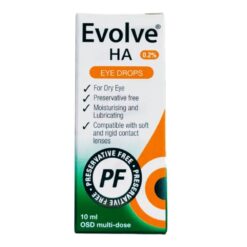
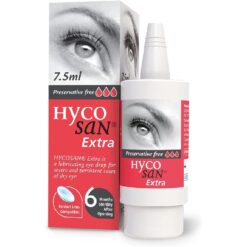
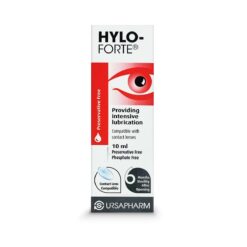
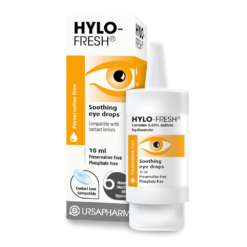
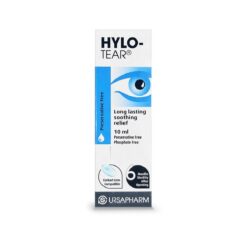
Lubricating Eye Drops
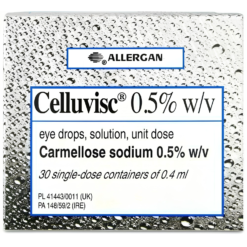
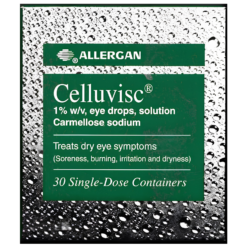
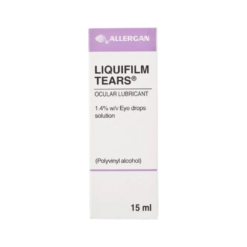
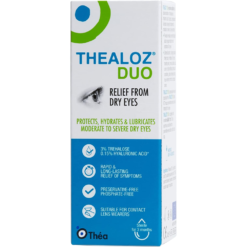
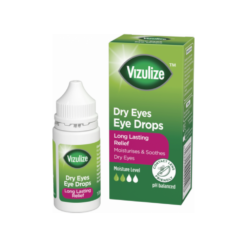
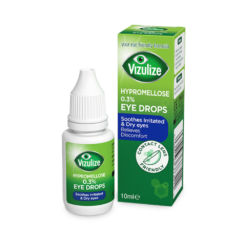
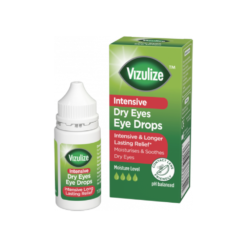
Also known as artificial tears, lubricating eye drops top up your natural tear film to ease dryness and irritation. They come in different strengths and formulas, from thinner drops for mild symptoms to longer-lasting ones for more stubborn dryness. You’ll find options containing ingredients like sodium hyaluronate, hypromellose, carmellose sodium and polyvinyl alcohol, designed to keep the surface of your eye moist and comfortable.
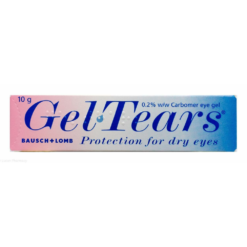
Eye Gels
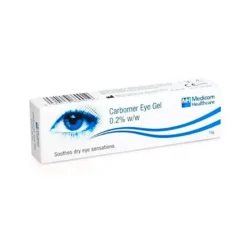
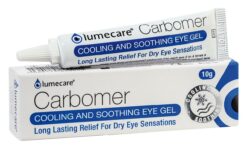
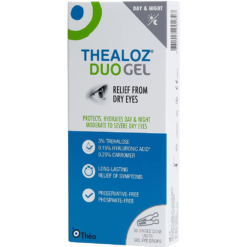
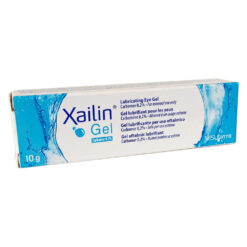
Gels are thicker than drops so they stay on the surface of your eye for longer and give longer-lasting eye relief. Carbomer-based gels are a popular choice for moderate dryness during the day, and they’re a good step up if standard drops aren’t quite doing enough on their own.
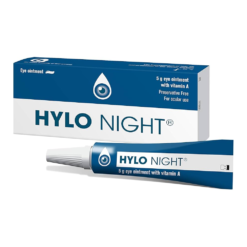
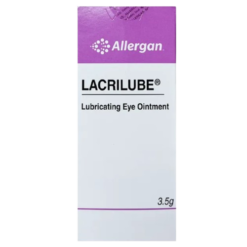
Night-Time Eye Ointments
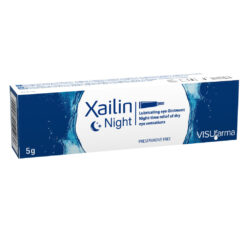
Ointments are the thickest option and are designed to be used at bedtime. They coat and protect your eyes overnight, which is helpful if you wake up with dryness or discomfort. Because they can blur your vision for a short while, they’re best applied just before you go to sleep.
Preservative-Free Eye Drops
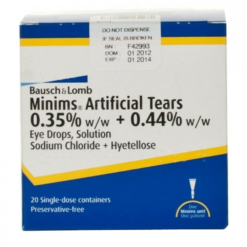
If you use drops several times a day, wear contact lenses or have sensitive, irritated eyes, preservative-free formulas are gentler and less likely to cause irritation with regular use. They’re supplied in single-dose units or special bottles that keep the drops sterile without added preservatives.
Managing Dry Eyes Day to Day
A few small changes can take the pressure off your eyes alongside treatment:
- take regular screen breaks and remember to blink fully
- keep your screen slightly below eye level to slow down tear evaporation
- use a humidifier in heated or air-conditioned rooms
- stay hydrated and include omega-3 rich foods that support your eye health
- avoid sitting directly in front of fans, heaters or air-con vents
- clean your eyelids gently each day, wiping along the base of your eyelashes if you’re prone to blepharitis
- hold a warm compress over closed eyes to help loosen any blocked oil glands
When to Seek Further Help
Dry eyes are usually easy to manage, but you should see your GP or optician if your symptoms don’t improve with treatment, keep coming back, or start to affect your vision. Book an urgent appointment or contact NHS 111 if you have eye pain, sudden changes in your sight, strong sensitivity to light or any discharge, as these can indicate a problem that needs prompt attention.