What is hirsutism?
If you’re growing thick, dark hair on your chin, chest or stomach, you’re in good company, even if it doesn’t feel that way. Hirsutism is the medical name for it, i.e. hair in a male pattern, growing in places women don’t usually grow it. Coarse hair develops in place of the fine, pale hair most women have on their face and body, and it’s usually a sign of a hormonal disorder rather than anything you’ve done.
All women have body hair, and what counts as “too much” varies between people and between families. Hirsute women don’t all want treatment, and there’s no obligation to do anything about it. If the hair is darker or thicker than it used to be, or it’s getting you down, that’s reason enough to look into it.
The areas most commonly affected are:
- Upper lip, chin and jawline
- Chest and around the nipples
- Stomach, particularly the line below the belly button
- Lower back and buttocks
- Upper arms and inner thighs
What causes hirsutism?
Excessive hair growth is driven by androgens, the hormones sometimes called male hormones. Every woman produces small amounts of them, and hirsutism is usually caused by increased androgen levels or by hair follicles that are especially sensitive to normal levels.
Common causes include:
- Polyendocrine metabolic ovarian syndrome (PMOS), previously known as polycystic ovarian syndrome or PCOS, which is behind most cases and often comes with irregular periods, acne and weight gain
- Genetics and ethnic background, as hair growth patterns run in families and vary between populations
- Carrying extra weight, which can raise androgen levels and make hair growth worse
- Hormonal changes around the menopause, when falling oestrogen leaves androgens more dominant
- Medicines such as ciclosporin, glucocorticoids, minoxidil, phenytoin and testosterone-containing treatments
- Less common conditions affecting the ovaries or adrenal glands, including congenital adrenal hyperplasia and Cushing’s syndrome
In some women, no underlying hormonal problem is found, and the hair follicles are simply more sensitive to normal hormone levels. This is known as idiopathic hirsutism, and hirsutism may simply be how your body is, with nothing underlying it that needs treating.
See your GP if hair growth comes on suddenly or worsens quickly or if you notice a deepening voice, hair thinning on your scalp, increased muscle bulk, periods stopping or unexplained weight gain, as these need investigating.
Symptoms of Hirsutism
The main sign of hirsutism is coarse, dark hair growing in areas where women don’t typically grow it. It tends to develop gradually, often from the teenage years onwards, and becomes more noticeable as you get older. Where hormones are involved, it usually appears alongside oily skin and changes to your menstrual cycle.
Common symptoms include:
- Thick, dark hair on the face, chest, stomach or back
- Hair that regrows quickly after shaving or waxing
- Skin irritation, ingrown hairs or spots from frequent hair removal
- Acne and oily skin
- Irregular, infrequent or absent periods
- Thinning hair on the scalp
Removing hair this often can also leave the skin sore or trigger folliculitis, where the hair follicles become inflamed and spotty. Many women find that hair affects their confidence, what they wear and how they feel about social situations, which is a good reason on its own to get it looked at.
How is hirsutism diagnosed?
Your GP will ask about your periods, your family history, any medicines you take and how quickly the hair growth developed. They’ll look at where the hair is growing and how much of it there is, sometimes using a simple scoring chart.
Blood tests can check your testosterone and other hormone levels, and you may be offered an ultrasound scan of your ovaries if PMOS is suspected. Where hair growth has come on suddenly or is severe, further tests look for a problem with the ovaries or adrenal glands.
Getting a diagnosis matters because treating the cause often improves the hair growth as well as the other symptoms that come with it.
Should I get my hormone levels tested?
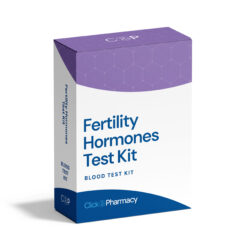
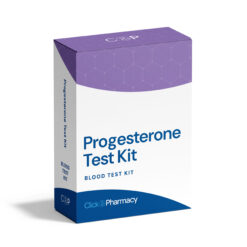
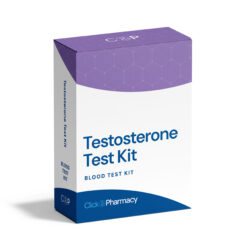
It’s worth considering, particularly if your periods are irregular or the hair growth has changed recently. Hirsutism is usually driven by androgens, so checking your hormone levels is often the quickest way to work out what’s going on. Testosterone is the main one looked at, and a wider panel covering oestrogen, FSH, LH and prolactin gives more context if you’re also having trouble conceiving.
If you’d rather not wait for a GP appointment, home blood testing kits let you take a small finger-prick sample and post it to a lab, with results returned alongside a clinician’s comments. Our pharmacists can talk you through which test suits your symptoms.
Testing doesn’t diagnose the cause on its own, so take your results to your GP if anything comes back outside the normal range or your symptoms are getting worse.
Treatment for Hirsutism
Unwanted hair is manageable, though treatment for hirsutism does take time. Hair grows in cycles, so most treatments need at least three to six months before you can judge them properly, and the treatment of hirsutism tends to work best when you combine a couple of approaches.
Most women with hirsutism use a prescription treatment alongside their existing hair removal routine, and the treatment options below are usually combined rather than picked between.
Self-Care and Hair Removal
Hair removal methods don’t change the underlying cause, but they deal with the hair you can see and work alongside medical treatment. Most hair removal methods are done at home, while electrolysis and laser therapy are performed in a clinic.
- Shaving and waxing are quick and inexpensive, though regrowth is fast and shaving can leave stubble
- Threading and plucking remove unwanted hair from the root, so results last longer
- Depilatory creams dissolve hair at the surface and suit people who find waxing painful, though they can irritate the skin
- Bleaching lightens fine hair so it’s less obvious, without removing it
- Losing weight, if your Body Mass Index (BMI) is above the healthy range, can help reduce excessive hair growth
- Electrolysis uses a fine probe to destroy the hair follicle one at a time, giving permanent results over repeated sessions
- Laser treatment and IPL reduce regrowth over several sessions and work best on dark hair and lighter skin
Laser and intense pulsed light can irritate your skin for a day or two afterwards, so a patch test first is sensible, particularly if you’re already using a prescription treatment.
Prescription Creams
A topical cream is applied directly to the skin to slow hair growth, so you shave or wax less often.
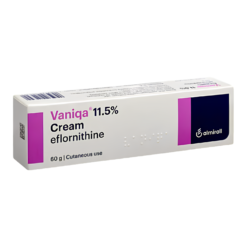
- Vaniqa Cream (eflornithine): A prescription cream for unwanted facial hair in women over 18. It blocks an enzyme that the hair follicles need, which slows growth in the treated area. It’s used twice a day, and hair growth returns when you stop, so treatment continues long-term.
Eflornithine cream doesn’t remove hair, so you carry on with your usual facial hair removal routine in between. Improvement is usually seen after around eight weeks of regular use.
Hormonal Treatments
If PMOS or a hormone imbalance is behind your symptoms, treating that often reduces hair growth over time. An oral contraceptive pill is usually the first thing tried, with anti-androgens added by a specialist if that isn’t enough on its own.
- Combined contraceptive pills: Some combined pills help lower androgen levels and can improve hair growth and skin alongside it. They’re an option for premenopausal women who also want contraception.
- Anti-androgen medicines: A GP or specialist may prescribe a medicine that blocks androgens working on the hair follicles. Side effects include irregular bleeding and a loss of libido, so these are started and monitored by a doctor, and they aren’t suitable in pregnancy.
Hormonal treatment usually takes six months or more to treat hirsutism noticeably, so it’s often combined with a cream or cosmetic hair removal in the meantime.
Other Treatments Your GP May Suggest
If hair growth doesn’t settle, or you have severe hirsutism, a GP or specialist can talk through other options:
- Treating the underlying condition, such as PMOS or an adrenal problem
- Reviewing any medicine that may be contributing to the hair growth
- Referral to a dermatologist if the cause is unclear or the hair growth is difficult to manage
- Support with the emotional impact, including counselling, as excess hair can affect confidence and mood
Your GP can also refer you to an endocrinologist if your hormone levels point to a problem with your ovaries or adrenal glands.