


Keratosis Pilaris (Strawberry Skin)

Keratosis Pilaris (KP), often called chicken skin or strawberry skin, causes small rough bumps to appear on the arms, thighs and bottom. It’s completely harmless, but the dry, bumpy texture can be frustrating to live with, particularly when it flares up over winter. At Click2Pharmacy, our online clinic offers keratosis pilaris treatment to help soften and smooth affected skin.

How to Buy Keratosis Pilaris Treatment Online

Step 1: Choose Treatment

Select from our wide range of treatments available to buy online.

Step 2: Place Order

Choose from fast and flexible payment and delivery options.

Step 3: Quick & Discreet Delivery

Your treatment will be delivered to your door quickly & discreetly.

What is Keratosis Pilaris (KP)?

Keratosis pilaris is a common skin condition that causes patches of small, rough bumps, usually on the backs of the upper arms, the fronts of the thighs and the buttocks. It can also show up on the cheeks, particularly in children. The bumps can look like permanent goosebumps, which is where the name “chicken skin” comes from, while the redness around each bump on lighter skin gives it the nickname “strawberry skin”.

It isn’t harmful and doesn’t usually need medical attention, but plenty of people want to improve how their skin looks and feels.

What causes keratosis pilaris?

Keratosis pilaris happens when hair follicles become blocked with a build-up of keratin, a protein found in your skin, hair and nails. Each blocked follicle forms a small, hard plug, which is what you feel as a rough bump.

It’s not fully understood why some people get this build-up and others don’t, but it often runs in families. It’s also more common in people who have dry skin or atopic eczema. Cold weather, low humidity and long hot showers can further dry out your skin and make the bumps more noticeable.

Symptoms of Keratosis Pilaris

Symptoms can be mild and easy to miss, or more obvious and widespread. You might notice:

  • dry, rough skin that feels like sandpaper
  • painless small bumps grouped in patches
  • bumps that are skin-coloured, red on white skin or darker on brown and black skin
  • mild itching, especially when your skin is dry
  • symptoms that improve in summer and get worse in winter

If a rash is painful, spreading or weeping, or it appeared suddenly, speak to a pharmacist or GP, as it may be something other than keratosis pilaris, such as folliculitis.

How to Treat Keratosis Pilaris

There’s no cure, but a regular skincare routine can soften the plugs and make the bumps less noticeable. The best treatment for keratosis pilaris depends on how much of your skin is affected and how sensitive it is. Most people get better results by combining moisturisers with gentle exfoliants, but it takes a few weeks of daily use, and the bumps may return if you stop using them.

Emollients and Moisturisers

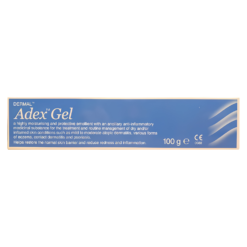
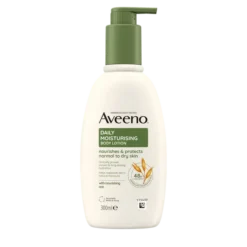
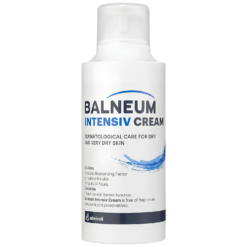
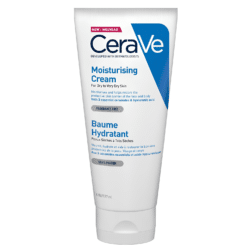
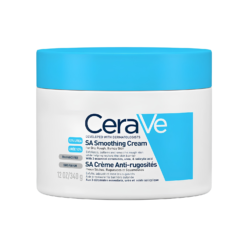
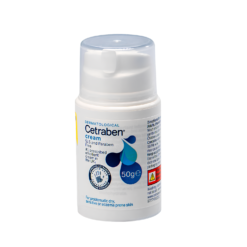
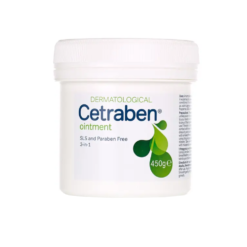
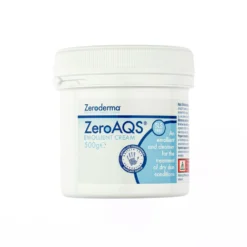
Keeping your skin well moisturised is the first step in any chicken skin treatment. Emollients soften dry, rough and bumpy skin and stop it from feeling tight and itchy. Creams containing ceramides, the natural fats in your skin’s outer layer, help strengthen the skin barrier so it holds on to moisture for longer.

They work best when you apply them straight after a bath or shower while your skin is still slightly damp. Choosing unperfumed products and swapping regular soap for an emollient wash can reduce dryness even more.

Exfoliating Creams

Exfoliating creams are the next step for strawberry skin treatment when moisturising alone isn’t enough. They contain ingredients that gently loosen dead skin cells and help break down the keratin plugs, including:

  • Urea: softens thickened skin and draws moisture into it
  • Lactic acid: an alpha-hydroxy acid (AHA) that smooths skin texture and adds hydration
  • Salicylic acid: a beta-hydroxy acid (BHA) that loosens the build-up inside hair follicles
  • Glycolic acid: another AHA that helps resurface the skin, often found in body lotions and washes

There’s no single strawberry treatment cream that suits everyone, so it can take some trial and error to find a product your skin is comfortable with. These ingredients can sting on broken or irritated skin, so start by using them every other day if your skin is sensitive. Our pharmacists can help you choose a suitable cream during your online consultation.

Prescription Treatments

If over-the-counter keratosis pilaris treatments haven’t made a difference after a few months, your GP may refer you to a dermatology clinic. Specialist options can include stronger creams such as topical retinoids, a short course of steroid cream to calm inflamed patches or laser therapy to reduce redness. These are usually saved for more stubborn cases.

When to See a Pharmacist or GP

Speak to a pharmacist if the things you’ve tried at home aren’t helping and your skin is bothering you. Our team can talk you through each treatment for pilaris keratosis we stock and recommend one that suits your skin. See your GP if the bumps become painful, bleed or look infected, if the rash covers large areas or if you’re not sure it’s keratosis pilaris.

Keratosis Pilaris FAQs

Keratosis pilaris often starts in childhood, becomes more noticeable during the teenage years and then gradually improves in adulthood. For some people it clears up completely, while others have mild patches for many years. Regular moisturising and exfoliation can keep the bumps under control in the meantime.

Moisturise at least once a day with an unperfumed emollient, ideally straight after a bath or shower, and use a gentle cream containing urea, lactic acid or salicylic acid to soften the plugs. Have lukewarm rather than hot showers, pat your skin dry and use a soft washcloth or exfoliating mitt instead of a harsh scrub. Picking or scrubbing the bumps hard can make them redder and may leave marks or scarring.

Most people find their keratosis pilaris flares up in winter, when cold air outside and central heating inside dry the skin out. Symptoms usually ease in summer, when humidity is higher and your skin holds on to more moisture. Switching to a thicker emollient and keeping showers short and lukewarm can help during the winter months.

Salicylic acid is one of the most widely used ingredients for keratosis pilaris because it helps loosen the keratin plugs that cause the bumps. You’ll usually find it in body creams, lotions and washes, and it works best alongside a good moisturiser, as it can be drying. Speak to a pharmacist before using it on children, if you’re pregnant or if you plan to apply it to large areas of skin.

There’s no cure for keratosis pilaris, but it’s harmless and often improves with age. Treatments can soften your skin and make the bumps much less noticeable, although you’ll need to keep using them to maintain results. If you stop, the bumps tend to return gradually.

Shaving doesn’t cause keratosis pilaris, but it can irritate the hair follicles and make KP bumps look redder and more inflamed. Use a sharp, clean razor, shave in the direction of hair growth and apply a moisturiser afterwards. If shaving regularly triggers a flare-up, trimming or other hair removal methods may be gentler on your skin.

Keratosis pilaris isn’t contagious, so you can’t catch it from someone or pass it on through touch or shared towels. It’s caused by keratin building up in the hair follicles rather than by an infection. That means you can swim, play sports and share spaces with others as normal.

Keratosis pilaris affects between 50% and 70% of teenagers and around 40% of adults. It’s usually most noticeable in the teenage years and often settles in adulthood, although not for everyone. It also tends to run in families, with each child of an affected parent having a 1 in 2 chance of inheriting it.

Keratosis pilaris is more common in people who have atopic eczema or naturally dry skin, and it’s also linked to an inherited dry skin condition called ichthyosis vulgaris. These conditions all involve a weaker skin barrier that loses moisture more easily. Keeping your skin well moisturised can help with both keratosis pilaris and eczema.

Customer Reviews

GOOD
Google star 1Google star 2Google star 3Google star 4Google star 5.0.3
Based on 184 reviews
Posted on Google Google
Bradley Robinson profile picture
Bradley Robinson
30/04/2026
Google star 1Google star 2Google star 3Google star 4Google star 5
Absolutely Amazing staff! Such a help thank you so much
Posted on Google Google
Samiur Rahman profile picture
Samiur Rahman
30/04/2026
Google star 1Google star 2Google star 3Google star 4Google star 5
Best pharmacy in the UK. The staff here are very helpful, empathetic, understanding and compassionate. Brilliant customer service and staff are actual people who use their discretion to help people.
Posted on Google Google
Vivien donnellon profile picture
Vivien donnellon
29/04/2026
Google star 1Google star 2Google star 3Google star 4Google star 5
Extremely efficient and knowledgeable information given. All my questions were answered and also some advise regarding the issue. Thank you Rehana
Posted on Google Google
james watkins profile picture
james watkins
22/04/2026
Google star 1Google star 2Google star 3Google star 4Google star 5
Brilliant device ordered yesterday received it today

More From Our Online Clinic

Looking for something else? Browse our online clinic to see all treatments available, or search for a condition or treatment below.
