



What is male thrush?
Male thrush is a fungal infection caused by an overgrowth of Candida, a type of fungus that lives harmlessly on the skin and in the body most of the time. When conditions under the foreskin become warm and damp, the yeast can multiply and cause inflammation of the head of the penis, known as candidal balanitis.
It’s very common, isn’t classed as a sexually transmitted infection (STI), and usually responds well to antifungal treatment you can buy from a pharmacy.
Symptoms of Male Thrush
Common symptoms of thrush in men include:
- Redness, irritation or soreness on the head of the penis or under the foreskin
- Itching or a burning feeling
- A white, lumpy discharge under the foreskin
- An unpleasant smell
- Difficulty pulling back your foreskin
- Discomfort when peeing or during sex
What causes male thrush?
Thrush happens when the balance of yeast on your skin is disrupted, giving Candida a chance to grow. Things that make this more likely include:
- Having an uncircumcised penis, as moisture can collect under the foreskin
- Not drying properly after washing, or wearing tight, non-breathable underwear
- Washing with perfumed soaps or shower gels that irritate the skin
- Taking a course of antibiotics
- Having diabetes, especially if your blood sugar isn’t well controlled
- A weakened immune system due to illness or medication
- Having sex with a partner who has thrush
Is male thrush different from female thrush?
Male and female genital thrush are caused by the same yeast, but they present differently. In women, vaginal thrush usually causes itching, soreness and a thick, white discharge. In men, it affects the head of the penis and the foreskin, causing redness, soreness and sometimes discharge under the foreskin.
Thrush is also much less common in men than in women. Some men carry the yeast without any thrush symptoms at all, which is why it can pass between sexual partners without either person realising. The same yeast can also cause oral thrush, which affects the mouth and throat in both men and women.
How to Treat Male Thrush
Antifungal Creams
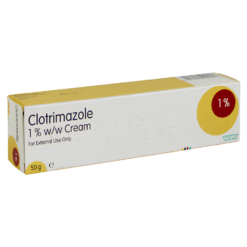
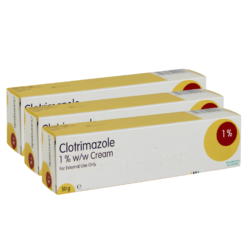
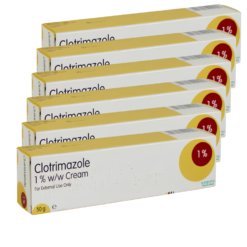
Antifungal creams are usually the first choice to treat thrush on the penis. Clotrimazole 1% Cream kills the yeast causing the infection, and you’ll apply a thin layer to the affected area two to three times a day. Keep using it for the full course, even once your symptoms start to settle, so the infection doesn’t come back.
Combination creams like Canesten Hydrocortisone pair clotrimazole with a mild steroid to calm redness and itching. Speak to one of our pharmacists before using a steroid cream on the genital area, as it isn’t suitable for everyone.
Oral Antifungal Capsules
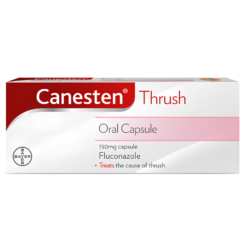
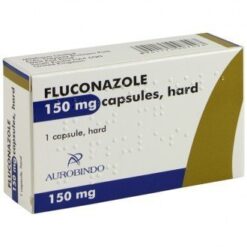
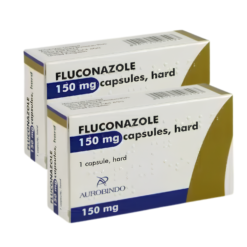
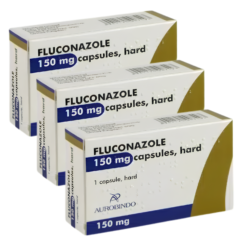
If you’d rather not use a cream, an oral capsule containing fluconazole offers a simple single-dose option. Canesten Oral Capsule is licensed for men aged 16 to 60 with a penile yeast infection, and it works from the inside to clear the infection. It isn’t suitable for everyone, so check the patient information leaflet or ask our pharmacists if you take other medicines or have liver problems.
Self-Care Tips
Medication will work best alongside a few simple lifestyle changes:
- Wash your penis daily with warm water, making sure to gently pull back the foreskin
- Use an emollient or soap substitute rather than any perfumed products
- Dry the area properly after washing
- Wear loose cotton underwear
- Avoid sex until your symptoms have cleared
When should a man see a doctor about thrush?
Most cases of male thrush can be treated at home, but you should speak to your GP or a sexual health clinic if:
- It’s the first time you’ve had symptoms
- You’re under 16 or over 60
- Your symptoms haven’t improved after a week of treatment
- You get thrush more than twice in six months
- You have diabetes or a weakened immune system
- You have sores, blisters, or discharge coming from the tip of your penis
- Your foreskin has become very tight or you can’t pull it back





