
Phimosis Consultation

Please answer the following questions as honestly as possible so we can ensure your preferred treatment is the best treatment for your needs.

Estimated time to complete: 3 minutes

Buy Tight Foreskin (Phimosis) Treatment Online

A tight foreskin, known medically as phimosis, can make it painful or impossible to pull the foreskin back over the head of the penis. At Click2Pharmacy, our online clinic offers steroid creams and other treatments to help loosen the foreskin and ease discomfort, delivered discreetly to your door.

Start Your Online Consultation

After completing your online consultation, you will be able to select your preferred treatment.

Takes less than 5 minutes

100% confidential

UK registered pharmacy

Ordered with us before? Click here to login and reorder from your account.

How to Buy Treatment for Phimosis Online

Step 1: Online Consultation

Fill in a quick online consultation for our licensed pharmacists to review.

Step 2: Choose a Treatment

Our pharmacists will review your treatment to ensure it’s suitable.

Step 3: Quick & Discreet Delivery

Your treatment will be delivered to your door quickly & discreetly.

What is phimosis?

Phimosis is when the foreskin is too tight to pull back (retract) over the glans, which is the head of the penis. It’s completely normal in babies and young boys, as the foreskin is naturally attached to the glans at birth and separates gradually as they grow. Most boys can retract their foreskin fully by the time they reach adulthood.

When a tight foreskin develops later in life or doesn’t loosen after puberty, it’s called pathological phimosis. This type is usually caused by scarring and often needs treatment, particularly if it’s causing pain, infections, or problems with sex or passing urine.

What causes phimosis?

Phimosis in adults is usually caused by scarring or inflammation that stops the foreskin from stretching properly. Common causes and risk factors include:

  • Recurrent infections such as balanitis, which causes inflammation of the head of the penis and foreskin
  • Lichen sclerosus, a skin condition that causes white, scarred patches and can tighten the foreskin over time
  • The foreskin being forced back too early in childhood, causing small tears that heal with scar tissue
  • Skin conditions like eczema or psoriasis affecting the penis
  • Diabetes, as sugar in the urine can encourage infections under the foreskin
  • Injury to the foreskin, including tears during sexual activity

In some people, a foreskin that was never fully retractable in childhood simply stays tight into adulthood.

What are the symptoms of phimosis?

Some people with phimosis have no symptoms at all and only notice it when they try to pull back the foreskin. Others find it causes:

  • Pain or tightness when retracting the foreskin
  • Pain during erections or sex
  • Ballooning of the foreskin when you pass urine
  • A weak or spraying urine stream
  • Redness, soreness or swelling around the tip of the penis
  • Small cracks or splits in the foreskin, which may bleed
  • A white, shiny or scarred ring of skin at the opening of the foreskin
  • Difficulty keeping the area clean, leading to smells or discharge from repeated infections

How is phimosis diagnosed and graded?

Phimosis is usually diagnosed with a simple physical examination. Your GP will look at your foreskin and ask how long it’s been tight and whether you’ve had any pain, infections or problems passing urine. You won’t normally need any tests, but you may be asked to provide a urine sample to check for infection or diabetes, or to have a swab taken if there are signs of infection. If there’s scarring that suggests lichen sclerosus, your GP may refer you to a specialist.

Doctors also grade phimosis by how far the foreskin can be pulled back. One commonly used scale runs from 0 to 5:

  • Grade 0: The foreskin retracts fully with no tightness
  • Grade 1: The foreskin retracts fully, but there’s a tight band behind the head of the penis
  • Grade 2: Only part of the head of the penis can be exposed
  • Grade 3: The foreskin pulls back just far enough to see the opening of the urethra
  • Grade 4: The foreskin moves slightly, but neither the head of the penis nor the urethral opening can be seen
  • Grade 5: The foreskin can’t be pulled back at all

Lower grades usually respond well to steroid creams and stretching, while higher grades with heavy scarring are more likely to need surgery.

What is the difference between phimosis and paraphimosis?

Phimosis means the foreskin is too tight to pull back. Paraphimosis is the opposite problem, where the foreskin has been pulled back behind the head of the penis and can’t return to its normal position.

With paraphimosis, the tight foreskin acts like a band, restricting blood flow to the penis and causing the head to swell which makes it even harder to move the foreskin forward. It’s a medical emergency and can cause serious damage if it isn’t treated quickly. People with a tight foreskin are more likely to develop paraphimosis, especially after sex, cleaning, or a medical procedure like having a catheter fitted.

If your foreskin is stuck behind the head of your penis and you can’t ease it back, go to A&E straight away.

Treatment for a Tight Foreskin

Most adults with phimosis can avoid surgery. The first-line treatment for phimosis is usually a steroid cream applied to the tight band of skin, used alongside gentle stretching to loosen the foreskin gradually.

Steroid Creams

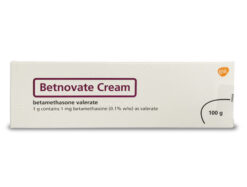
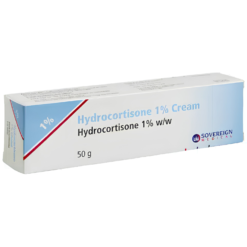
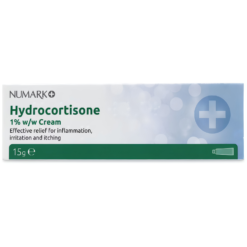
Topical corticosteroids reduce inflammation and help the skin of the foreskin become thinner and more elastic, so it stretches more easily. Betnovate Cream, which contains the potent steroid betamethasone valerate, is often used for this.

You’ll usually apply a thin layer to the narrowest part of the foreskin once or twice a day for 4 to 8 weeks. A phimosis treatment cream works best when you combine it with gentle stretching, and most people notice the foreskin starting to loosen within a few weeks. Our prescribers will review your consultation to check that a steroid cream is suitable for you and advise how long to use it.

Gentle Stretching

Once you’ve been using the cream for about a week, you can start gently easing the foreskin back when you’re in a warm bath or shower when the skin is softer. Only pull it back as far as feels comfortable, and stop if it hurts, as forcing it can cause small tears that heal into scar tissue. Always return the foreskin to its normal position afterwards.

Treating Infections

If your tight foreskin is linked to an infection, it’s important to treat that too. Balanitis caused by a yeast infection is usually treated with an antifungal cream like clotrimazole, while bacterial infections may need an antibiotic.

What should I do if I have a tight foreskin and when should I see a doctor?

If your foreskin is tight but isn’t painful and doesn’t cause any problems, there’s no need to panic. Avoid forcing it back, keep the area clean and dry, and consider a steroid cream if you’d like to loosen it.

You should speak to your GP if:

  • Your foreskin is painful, red or swollen
  • You keep getting infections under the foreskin
  • You notice white patches or scarring on the foreskin
  • Passing urine is difficult or painful, or your stream is weak
  • There’s blood in your urine
  • Treatment hasn’t helped after 6 to 8 weeks

Go to A&E straight away if you can’t pass urine at all, or if your foreskin is stuck behind the head of your penis and won’t go back.

Our online clinic is for adults aged 18 and over, so if your child has a tight foreskin, speak to your GP for advice.

Phimosis FAQs

In young boys, a tight foreskin usually loosens on its own as they grow and rarely needs treatment. In adults, it’s less likely to improve by itself, but most cases respond to phimosis medical treatment like steroid creams and gentle stretching without the need for surgery. Surgery is usually only considered when the foreskin is badly scarred or when other treatments haven’t worked.

The most common surgical option is male circumcision, which removes the foreskin completely and permanently cures phimosis. Foreskin-preserving procedures like preputioplasty involve small cuts in the tight band of skin to widen the opening while keeping the foreskin in place. Your urologist will talk you through which option suits you best, based on the severity of the scarring and your personal preferences.

A mildly tight foreskin that doesn’t cause symptoms may never lead to any problems. More severe phimosis can lead to repeated infections, painful sex, splitting and scarring of the foreskin, and in some cases difficulty passing urine. Long-term untreated phimosis is also linked to a higher risk of paraphimosis and, rarely, penile cancer, so it’s worth getting it checked.

Phimosis needs treatment if it’s causing pain, infections, problems during sex or difficulty passing urine. You should also get it checked if the tightness develops later in life, as this often points to scarring or a skin condition like lichen sclerosus. If your foreskin is tight but causes no symptoms, treatment is optional.

You can usually still have sex with phimosis, but it may feel uncomfortable or painful, especially as the foreskin stretches during an erection. Using plenty of lubricant and a condom can reduce friction and lower the risk of the foreskin tearing. If sex causes pain, bleeding or splitting, stop and speak to a doctor or pharmacist, as small tears can heal with scar tissue and make the tightness worse.

Poor hygiene doesn’t directly cause phimosis but it can lead to repeated infections like balanitis, and the inflammation from these can scar and tighten the foreskin over time. Washing too often with harsh soaps can also irritate the skin and cause similar problems. Gently rinsing under the foreskin with warm water each day is usually enough to keep the area healthy.

Gentle stretching can help loosen a mildly tight foreskin, and it works much better when combined with a steroid cream. The key is to stretch slowly and only as far as feels comfortable, as forcing the foreskin back can cause tears and more scarring. Stretching is less likely to help if the foreskin has thick scar tissue from lichen sclerosus or repeated infections.

You don’t always need to see a GP in person. At Click2Pharmacy, you can complete a quick online consultation, and our prescribers will assess whether a steroid cream is suitable before your treatment is discreetly delivered to your door. If your symptoms suggest an infection, scarring or another underlying condition, we’ll recommend you see your GP for an examination.

Wash your penis daily with warm water, gently easing the foreskin back only as far as it comfortably goes, and use a soap-free emollient instead of shower gel or perfumed soap. Dry the area thoroughly afterwards and always return the foreskin to its normal position. If you have diabetes, keeping your blood sugar well controlled can lower your risk of infections under the foreskin.

Topical steroids are the main non-surgical treatment for adults with phimosis, and most people see some improvement within 4 to 8 weeks. Results are usually best when the cream is used consistently alongside gentle stretching. Steroid creams are less effective if the foreskin is heavily scarred and the tightness can return if the underlying cause isn’t managed.

Circumcision isn’t usually the first option, as most cases of phimosis improve with steroid creams and stretching. It may be recommended if other treatments haven’t worked, you keep getting infections, or your foreskin is badly scarred from a condition like lichen sclerosus. It’s a permanent decision, so talk it through with your GP or urologist and ask about foreskin-preserving alternatives too.

Customer Reviews

GOOD
Google star 1Google star 2Google star 3Google star 4Google star 5.0.3
Based on 184 reviews
Posted on Google Google
Bradley Robinson profile picture
Bradley Robinson
30/04/2026
Google star 1Google star 2Google star 3Google star 4Google star 5
Absolutely Amazing staff! Such a help thank you so much
Posted on Google Google
Samiur Rahman profile picture
Samiur Rahman
30/04/2026
Google star 1Google star 2Google star 3Google star 4Google star 5
Best pharmacy in the UK. The staff here are very helpful, empathetic, understanding and compassionate. Brilliant customer service and staff are actual people who use their discretion to help people.
Posted on Google Google
Vivien donnellon profile picture
Vivien donnellon
29/04/2026
Google star 1Google star 2Google star 3Google star 4Google star 5
Extremely efficient and knowledgeable information given. All my questions were answered and also some advise regarding the issue. Thank you Rehana
Posted on Google Google
james watkins profile picture
james watkins
22/04/2026
Google star 1Google star 2Google star 3Google star 4Google star 5
Brilliant device ordered yesterday received it today

Our Experienced UK-based Pharmacy Team

Clinical Consultant
MUDr, MRCEM, EBCEM, FRCEM
GMC no. 7176414

Pharmacist
MPharm
GPhC no. 2065469

Pharmacist
MPharm
GPhC no. 2046514

Page content authored by Amjad Khan, last reviewed by Dr Hussain Ahmad on 1st October 2026.

More From Our Online Clinic

Looking for something else? Browse our online clinic to see all treatments available, or search for a condition or treatment below.