

What is a bacterial skin infection?
A bacterial skin infection happens when bacteria enter the skin, usually through a cut, scratch, bite or patch of broken skin and start to multiply.
Most are caused by two types of bacteria, Staphylococcus aureus and Streptococcus pyogenes, which many people carry on their skin or in their noses without any problems.
Some infections stay on the surface, like impetigo, while others reach deeper layers of the skin, like cellulitis. Mild infections often settle with topical treatments like antibiotic creams, but deeper or spreading infections usually need antibiotic capsules or tablets.
Types of Bacterial Skin Infections
The most common bacterial skin infections include:
- Impetigo: A contagious infection that causes red sores, often around the nose and mouth, which burst and leave golden-brown crusts. It’s most common in young children, but anyone can catch it.
- Cellulitis: An infection of the deeper layers of skin that makes the area red, hot, swollen and painful, most often on the lower legs. It can make you feel generally unwell and needs oral antibiotics.
- Folliculitis: Infected hair follicles that show up as clusters of small red bumps or white-headed spots, often after shaving or waxing.
- Boils and carbuncles: Painful, pus-filled lumps that form around a hair follicle. A carbuncle is a group of boils joined together under the skin.
- Infected eczema: When eczema becomes infected, it can weep, crust over and flare up quickly instead of settling with your usual creams.
- Infected wounds and bites: Cuts, grazes and insect bites can become infected if bacteria get in, causing redness, swelling and pus around the area.
What causes bacterial skin infections?
Anything that breaks the skin’s surface gives bacteria a way in. Common triggers include:
- Cuts, grazes, burns and surgical wounds
- Insect bites, especially if you scratch them
- Skin conditions like eczema that leave the skin dry and cracked
- Shaving, waxing or picking at spots
- Close contact with someone who has impetigo
- Sharing towels, razors or sports equipment
You’re also more likely to get skin infections if you have diabetes, a weakened immune system, poor circulation or swelling in your legs.
Signs & Symptoms of Bacterial Skin Infections
Symptoms depend on the type of infection and how deep it goes, but you might notice:
- Redness that spreads outwards from a cut, bite or spot
- Skin that feels warm, swollen or tender to the touch
- Pus, weeping or yellow-brown crusts
- Painful lumps or blisters
- Pain that gets worse over a day or two
- A high temperature, chills or feeling generally unwell with deeper infections
Different Types of Skin Infections: What’s the difference?
Working out which type of skin infection you have matters because antibiotics only work against bacteria and won’t clear a fungal infection. Bacterial infections tend to come on quickly and feel warm, swollen and painful, often with pus, weeping or yellow crusts. Fungal infections usually develop more slowly and feel itchier, with dry, scaly or ring-shaped patches.
A fungus thrives in warm, damp places like skin folds, the groin and between the toes, causing ringworm, athlete’s foot and yeast infections like thrush, which cause a red, flaky rash and clear up with an antifungal cream, powder or tablet instead.
Infections caused by viruses and parasites can be mistaken for a bacterial infection too:
- Viral skin infections: The herpes simplex virus causes cold sores, and other viruses are behind chickenpox, shingles and warts. Antibiotics won’t help with viral infections, but an antiviral cream or tablet can shorten some outbreaks.
- Parasitic skin infections: Scabies mites burrow under the skin and cause intense itching, especially at night, while head lice live in the hair and feed on the scalp. Scratching can break the skin and allow bacteria to enter, which is why impetigo sometimes develops alongside these conditions.
If you’re not sure which one you have, our pharmacists can check your symptoms during your consultation.
Treatment for Bacterial Skin Infections
Treating a skin infection early usually means a shorter course of antibiotics and less chance of it spreading. If a small infection has very little pus and is already starting to settle, your body may clear it without help. If it’s getting more painful, weeping or spreading, or you’ve got a temperature, it’s time to get it checked.
The right treatment depends on how much skin is affected, how deep the infection goes and whether there’s a skin condition like eczema underneath:
- Small, surface infections: An antibiotic cream for skin infection, like Fucidin Cream, is usually enough for impetigo, infected cuts and small patches of infected skin. It’s applied three to four times a day for up to a week, and you shouldn’t use it for longer than your pharmacist advises, as bacteria can become resistant to it.
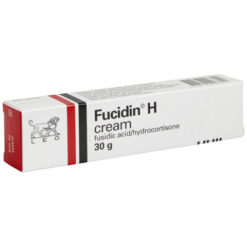
- Infected eczema or dermatitis: A standard cream for bacterial skin infections won’t calm the inflammation beneath the skin, so Fucidin H Cream pairs fusidic acid with hydrocortisone, a mild steroid. It clears the infection and soothes red, itchy skin at the same time, and it’s used for no longer than two weeks.
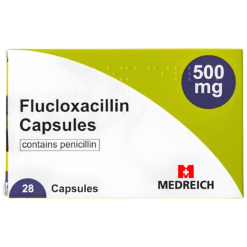
- Spreading or deeper infections: Mild cellulitis, boils and widespread impetigo usually need an oral antibiotic like Flucloxacillin 500mg Capsules, taken four times a day on an empty stomach for five to seven days. They aren’t suitable if you’re allergic to penicillin, and we’ll need to let your GP know if we prescribe them.
Our pharmacists will check your symptoms during your consultation and recommend the treatment that suits you. If you’re in England, impetigo and infected insect bites are also covered by our Pharmacy First service, which lets you get NHS treatment from a pharmacist without seeing your GP.