
Perioral Dermatitis Consultation

Please answer the following questions as honestly as possible so we can ensure your preferred treatment is the best treatment for your needs.

Estimated time to complete: 3 minutes

Buy Perioral Dermatitis Treatment Online

Perioral dermatitis is a rash of small red bumps that usually appears around the mouth, and sometimes around the nose and eyes. It can feel sore, dry or itchy and often hangs around for months if nothing changes. Our online clinic offers perioral dermatitis treatment reviewed by our UK-based pharmacy team, with tablets, creams and gels available where they’re suitable for you.

Start Your Online Consultation

After completing your online consultation, you will be able to select your preferred treatment.

Takes less than 5 minutes

100% confidential

UK registered pharmacy

Ordered with us before? Click here to login and reorder from your account.

How to Buy Perioral Dermatitis Treatment Online

Step 1: Online Consultation

Fill in a quick online consultation for our licensed pharmacists to review.

Step 2: Choose a Treatment

Our pharmacists will review your treatment to ensure it’s suitable.

Step 3: Quick & Discreet Delivery

Your treatment will be delivered to your door quickly & discreetly.

Antibiotic Tablets for Perioral Dermatitis

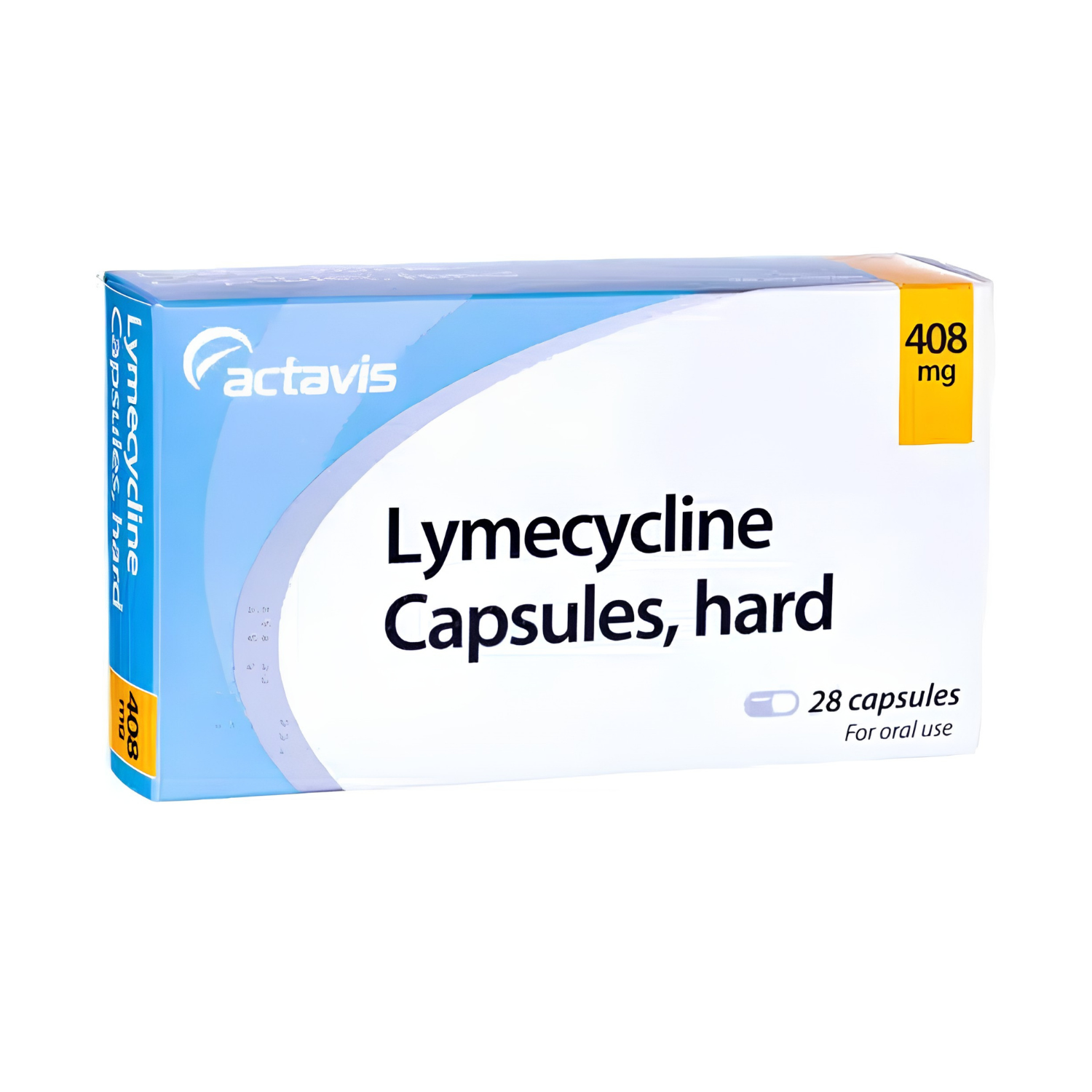
Lymecycline 408mg Capsules

  • Oral antibiotics
  • Suitable for severe acne
  • Treats moderate to severe acne
From £13.25
More information

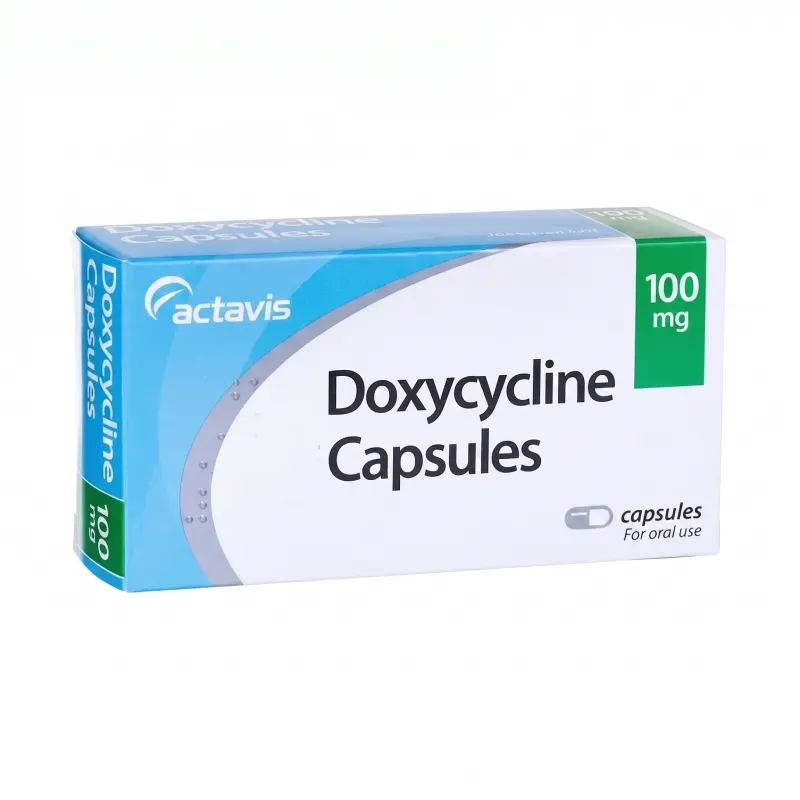
Doxycycline 100mg capsules

  • 100mg
  • Oral antibiotic
  • Treats moderate to severe acne
From £9.99
More information

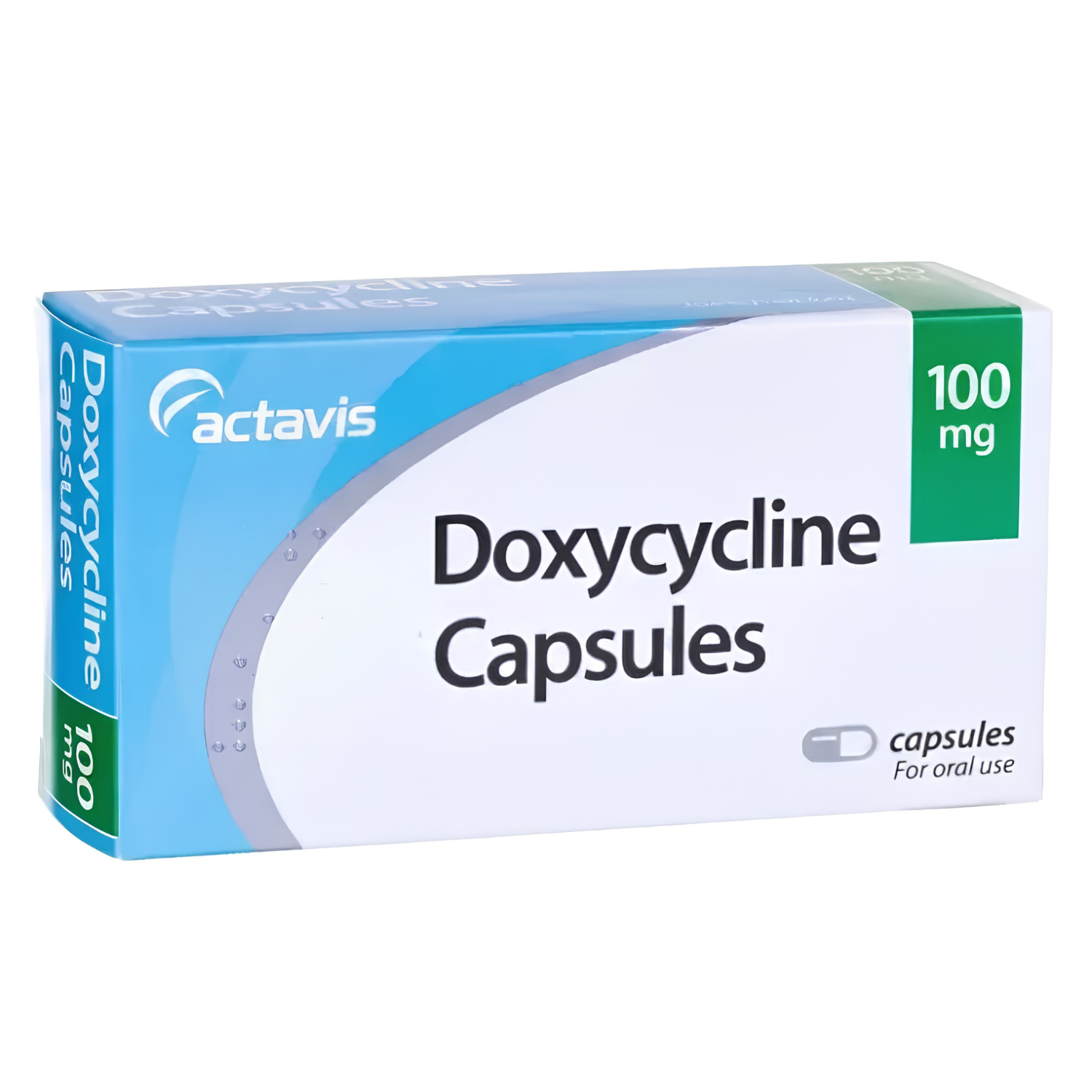
Doxycycline 100mg capsules - 3 Pack

  • 100mg
  • Oral antibiotic
  • Treats moderate to severe acne
£31.98
More information

Creams & Gels for Perioral Dermatitis

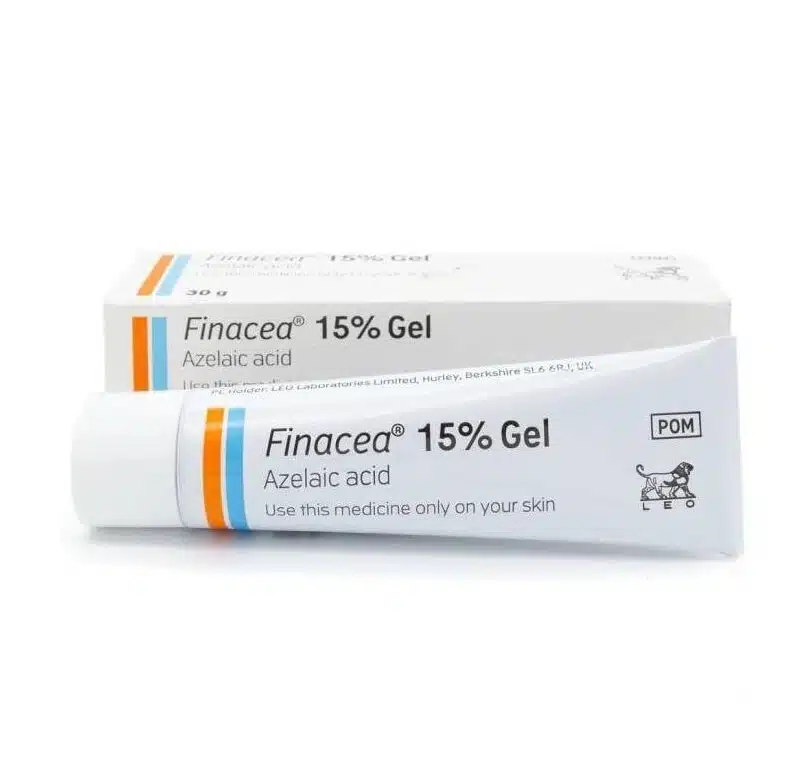
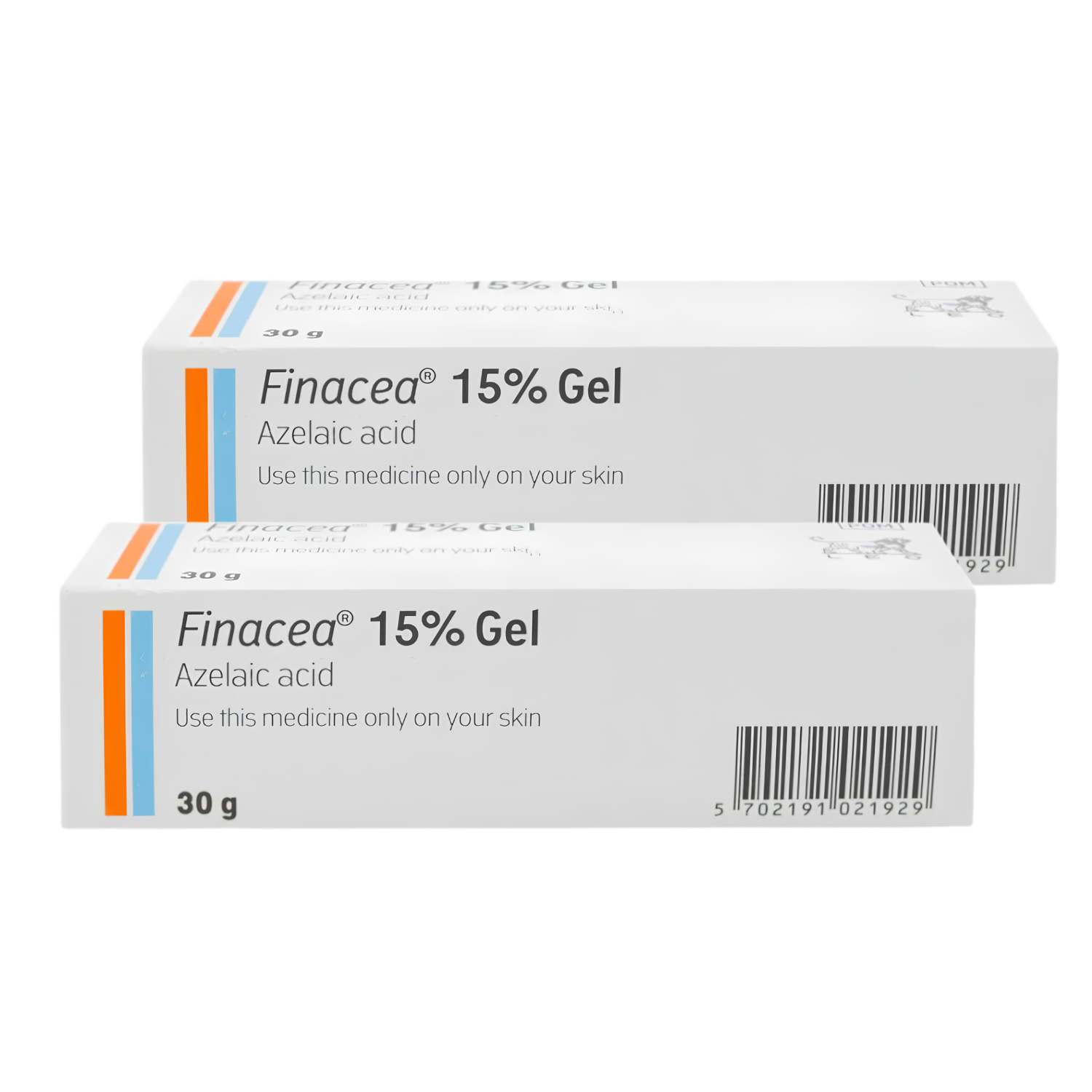
Finacea Gel (Azelaic Acid) 30g

  • Treats acne, rosacea & hyperpigmentation
  • Suitable for sensitive skin
  • Contains 15% azelaic acid
From £18.00
More information

Finacea Gel 30g - 2 Pack

  • 30g - 2 pack
  • Topical gel
  • Contains 15% azelaic acid
£38.99
More information

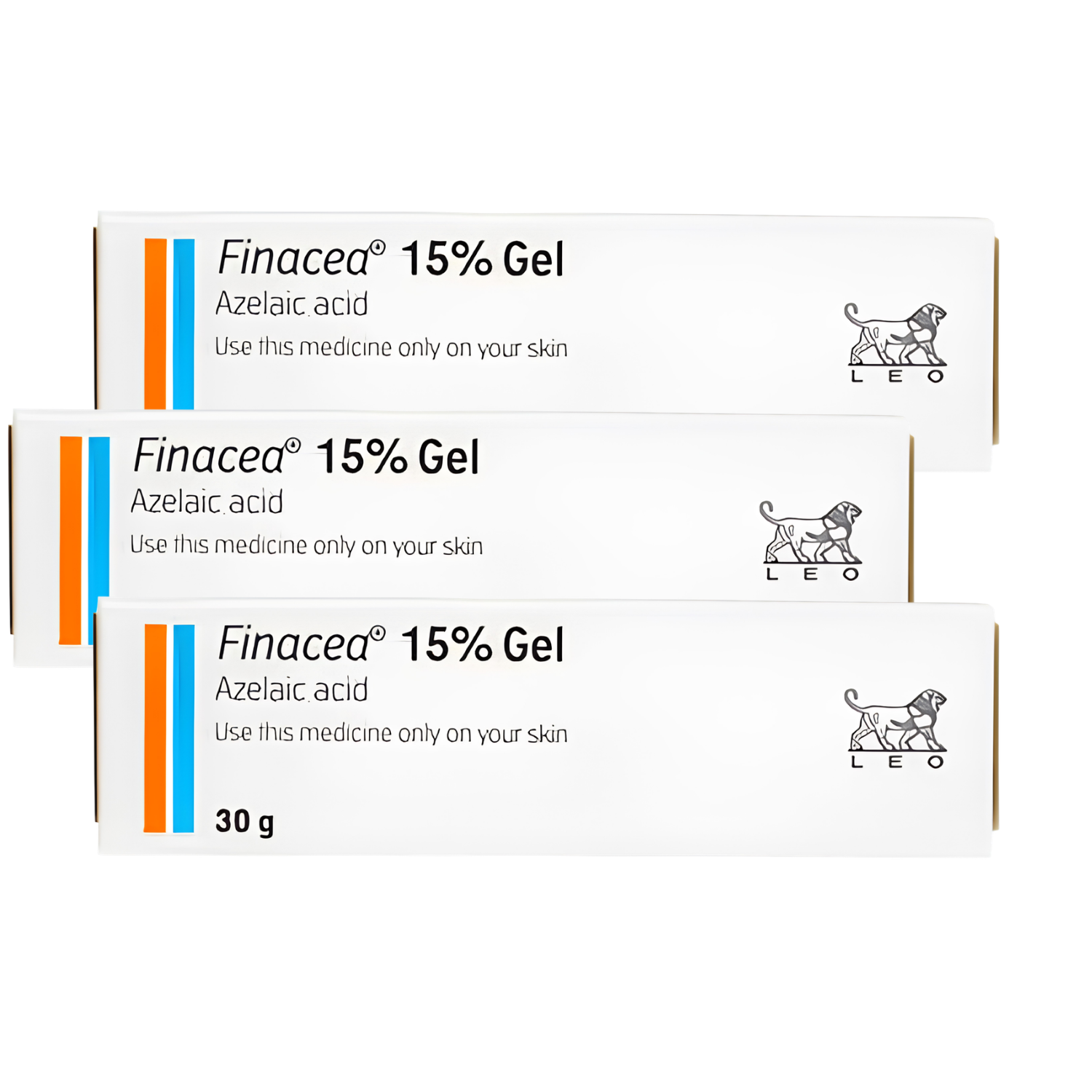
Finacea Gel 30g - 3 Pack

  • 30g - 3 pack
  • Topical gel
  • Contains 15% azelaic acid
£53.99
More information
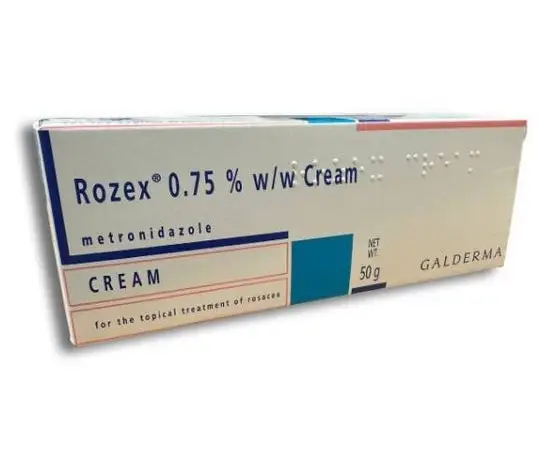
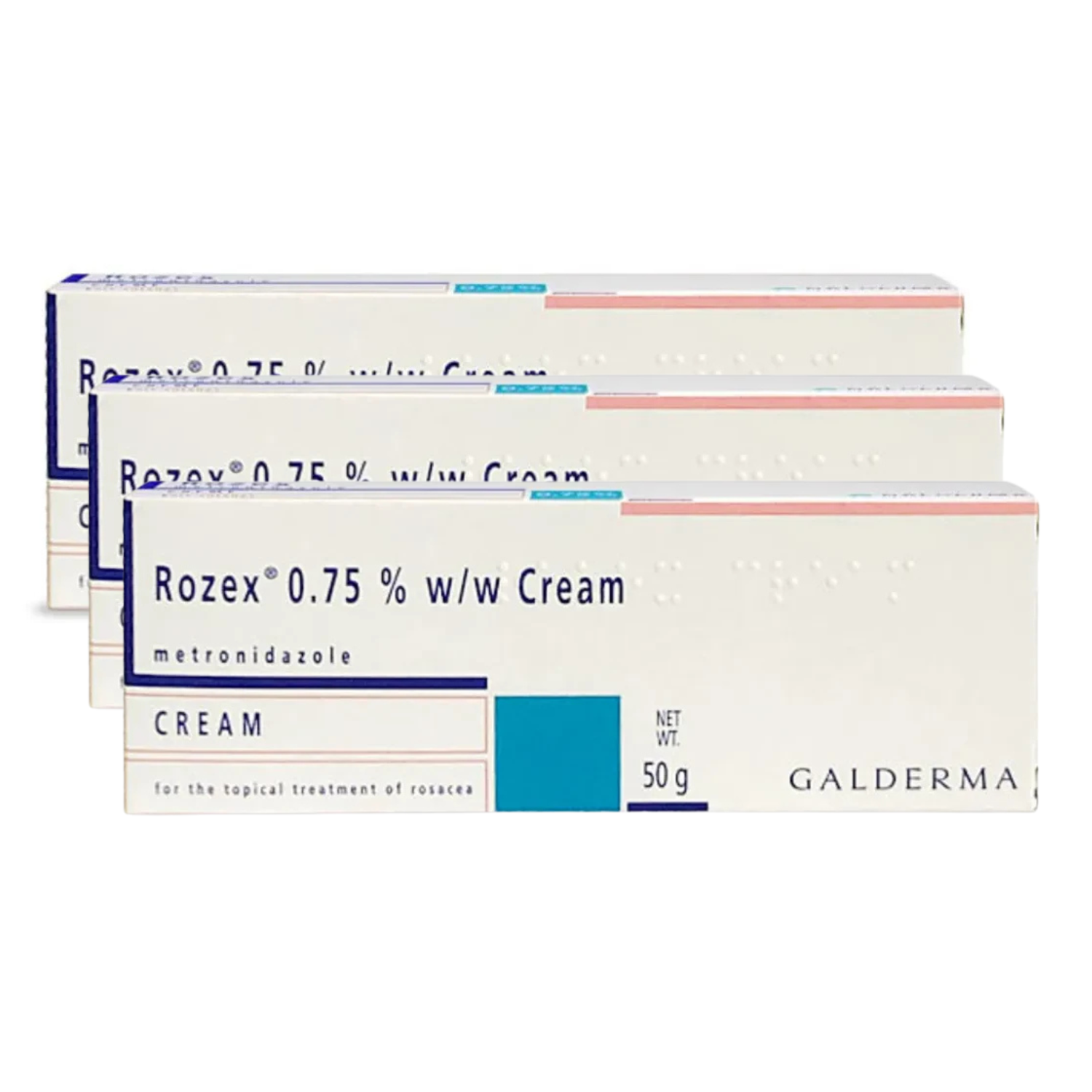
Rozex Cream

Rozex Cream

  • Treats rosacea symptoms
  • Available in 50g cream
  • Contains metronidazole
£25.99
More information

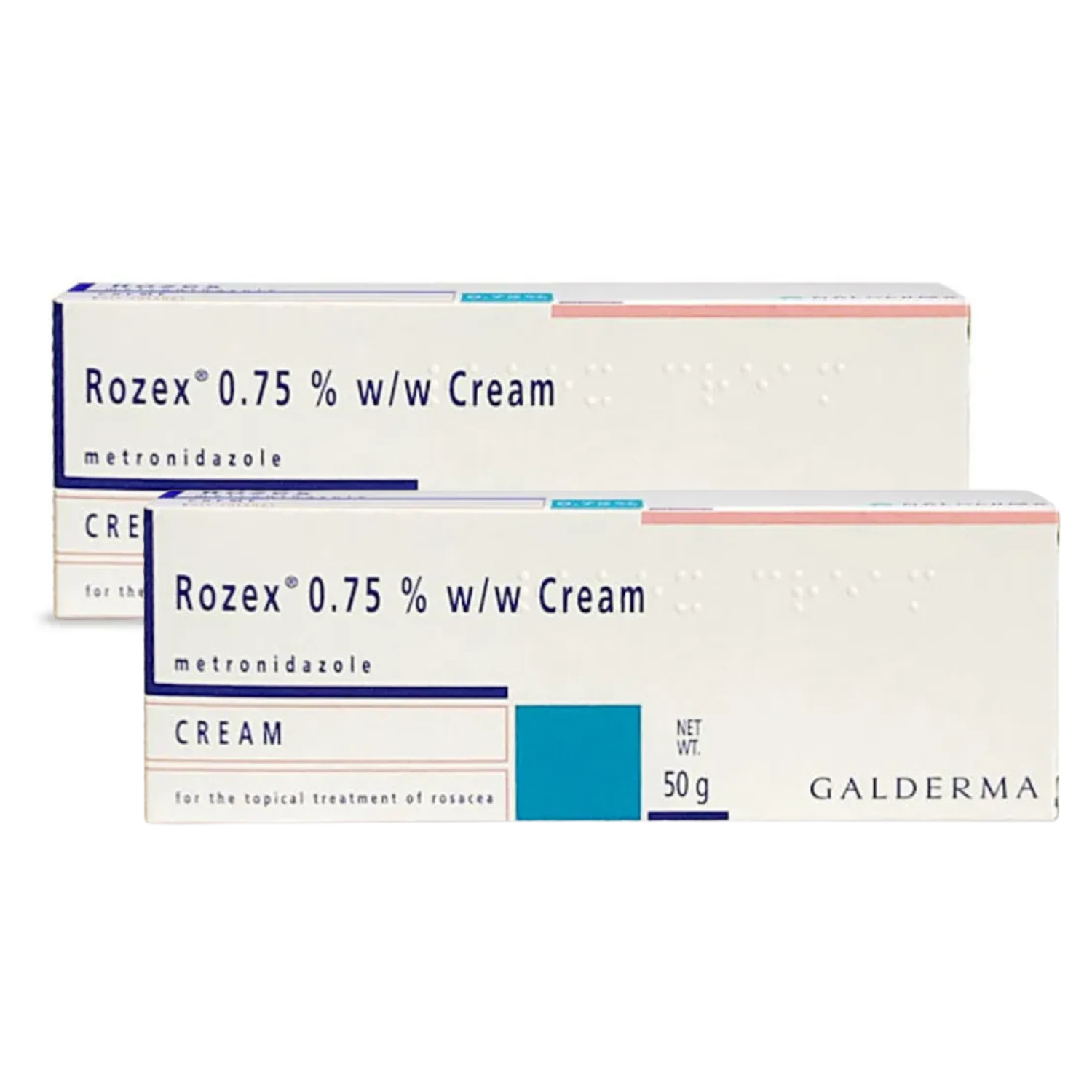
Rozex Cream 50g - 2 Pack

  • 2 Pack (50g)
  • Topical cream
  • Contains metronidazole
£47.98
More information

Rozex Cream 50g - 3 Pack

  • 3 Pack (50g)
  • Topical cream
  • Contains metronidazole
£68.97
More information
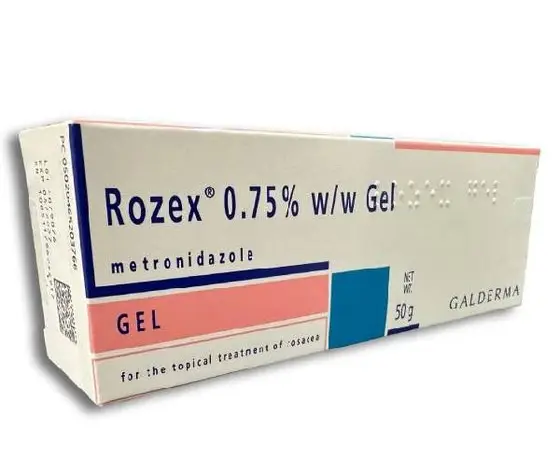
Rozex gel 0.75% metronidazole

Rozex Gel

  • Treats rosacea symptoms
  • Apply twice daily
  • Contains metronidazole
From £17.99
More information

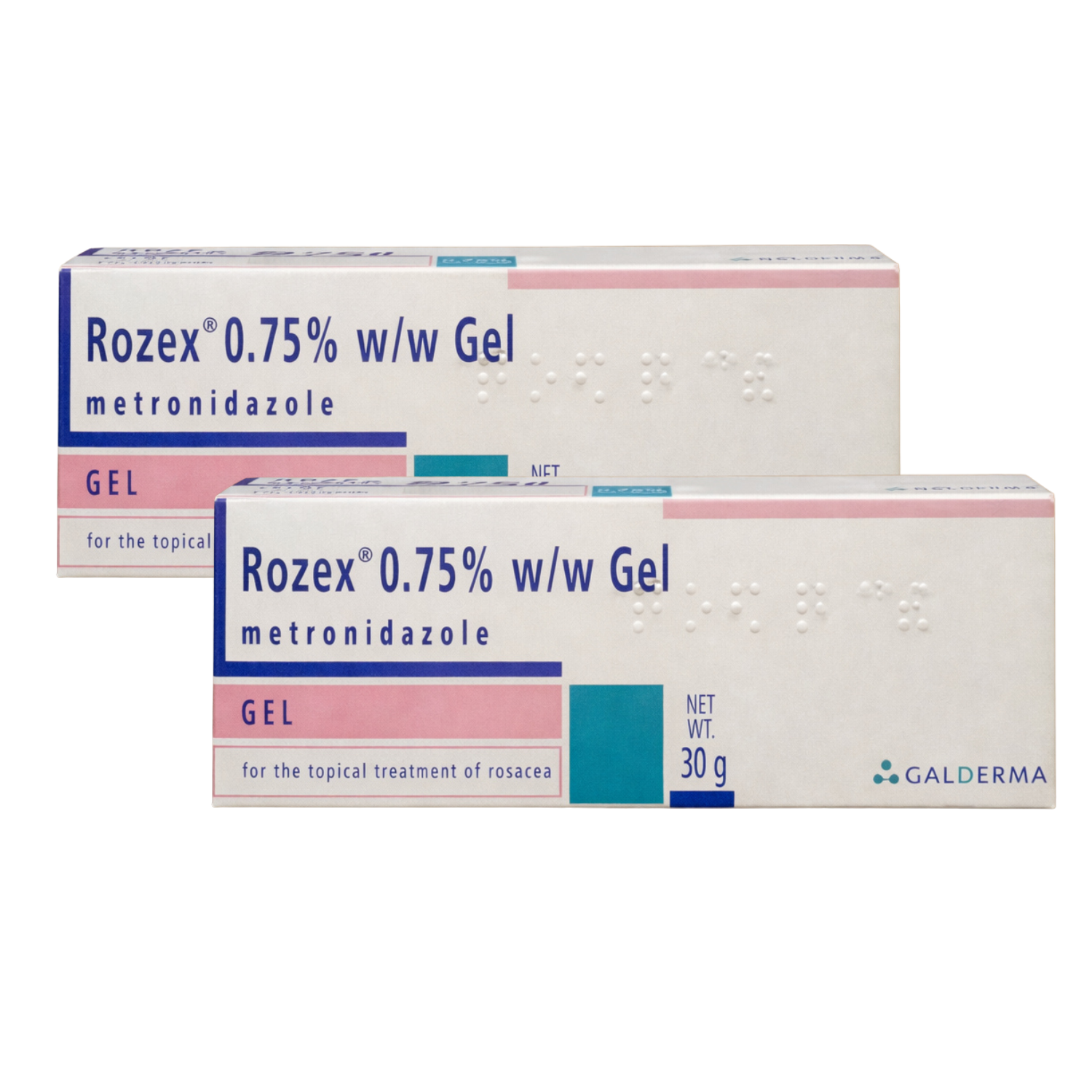
Rozex Gel 30g - 2 Pack

  • 2 pack (30g)
  • Topical aqueous gel
  • Contains metronidazole
£33.98
More information

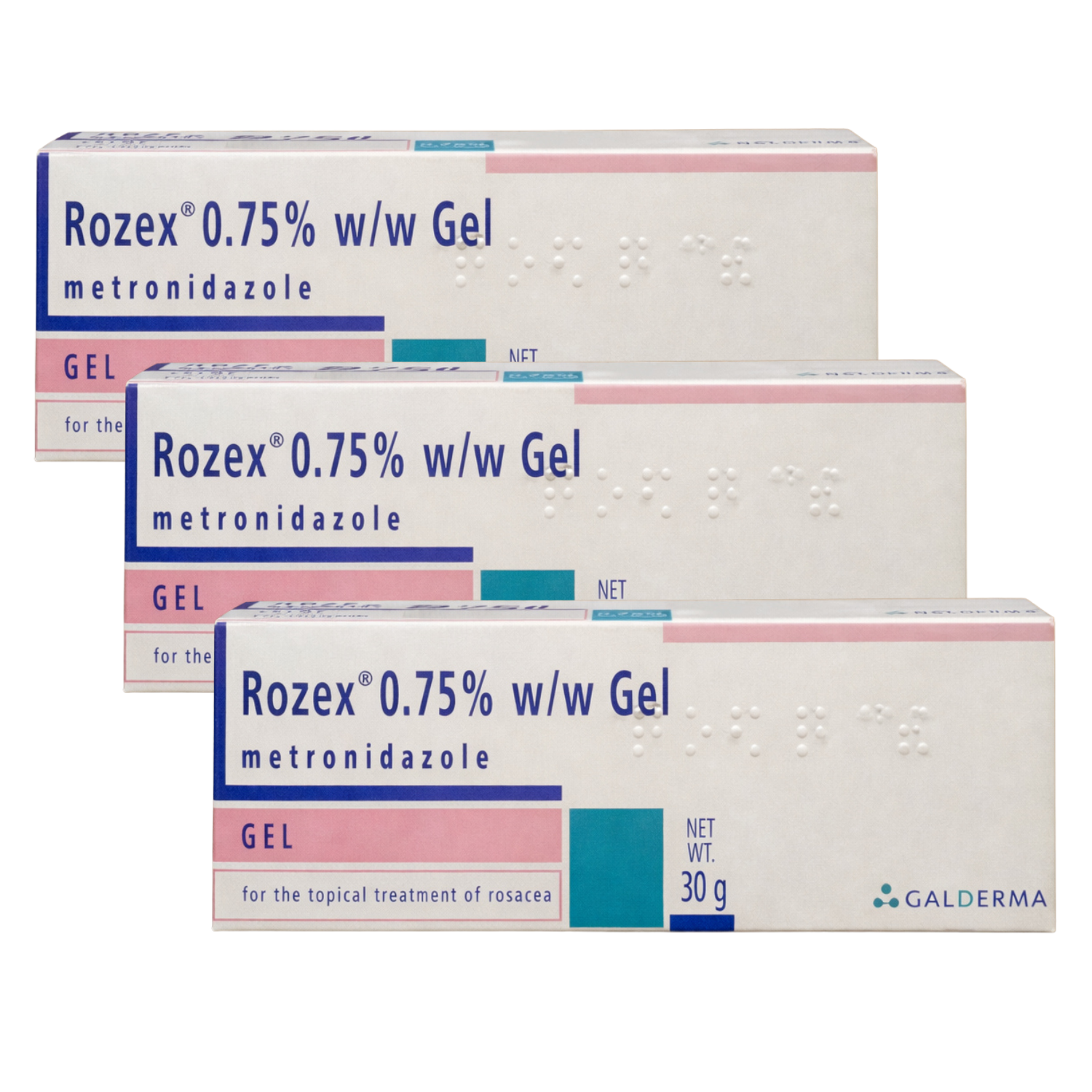
Rozex Gel 30g - 3 Pack

  • 3 pack (30g)
  • Topical aqueous gel
  • Contains metronidazole
£48.98
More information

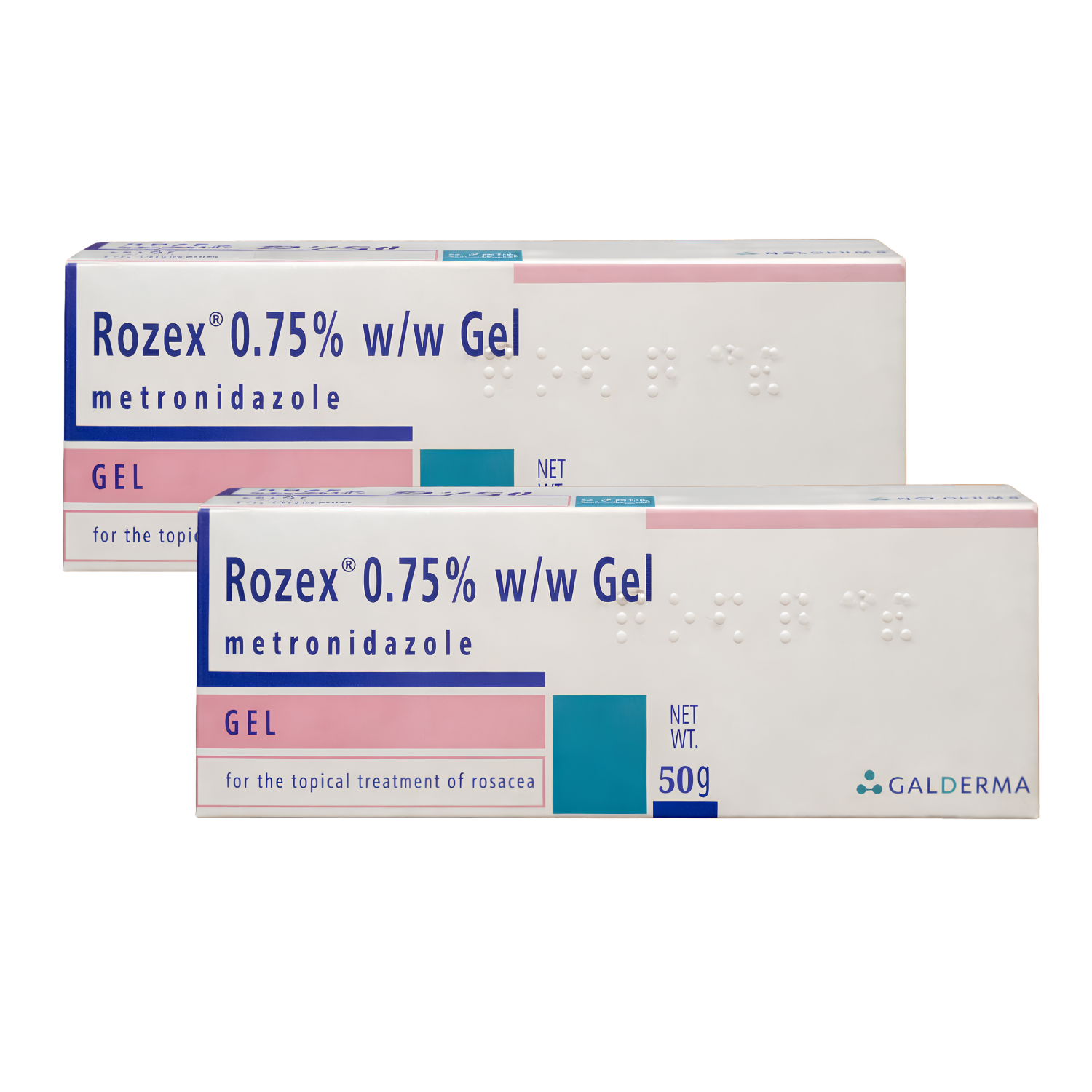
Rozex Gel 50g - 2 Pack

  • 2 pack (50g)
  • Topical aqueous gel
  • Contains metronidazole
£49.98
More information

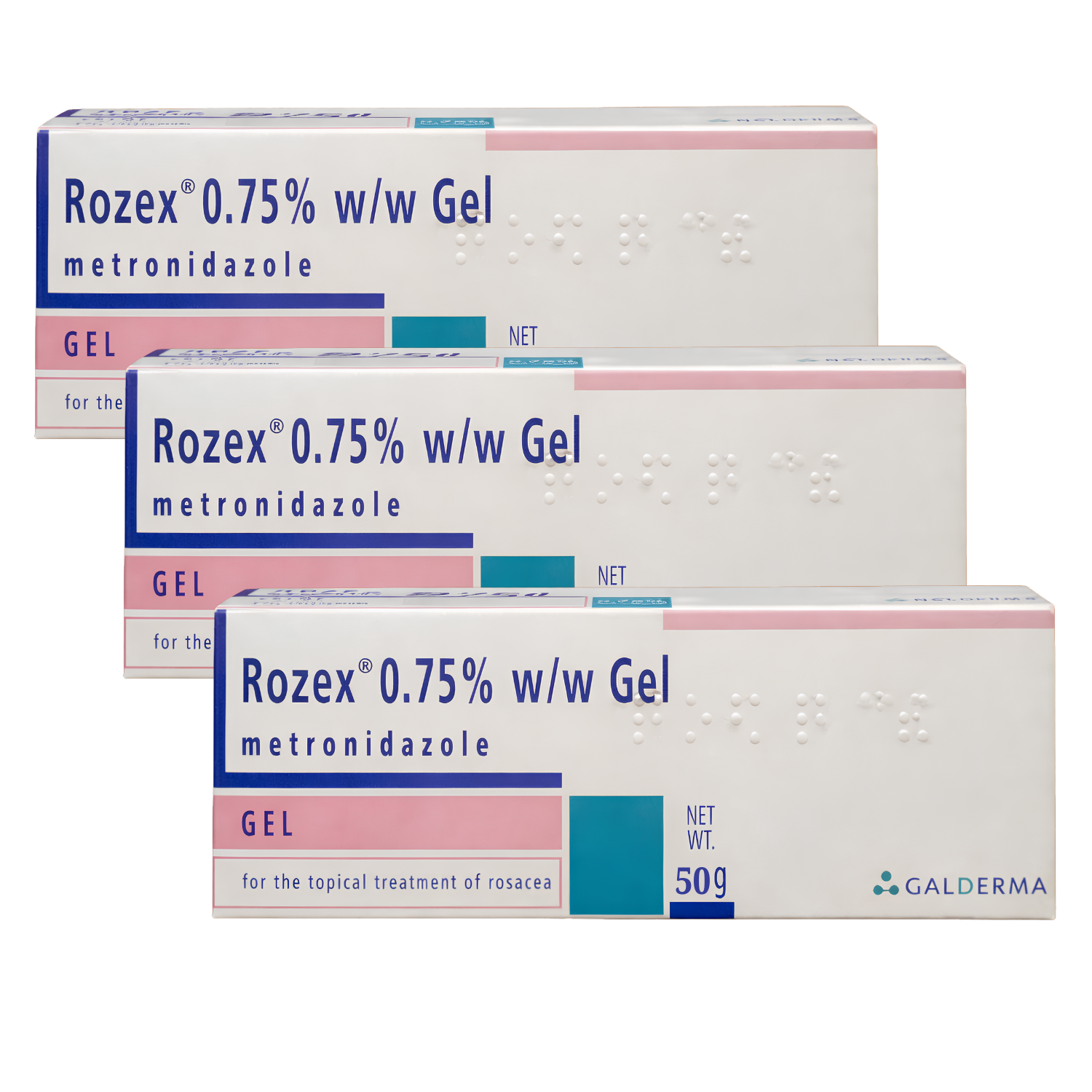
Rozex Gel 50g - 3 Pack

  • 3 pack (50g)
  • Topical aqueous gel
  • Contains metronidazole
£71.97
More information

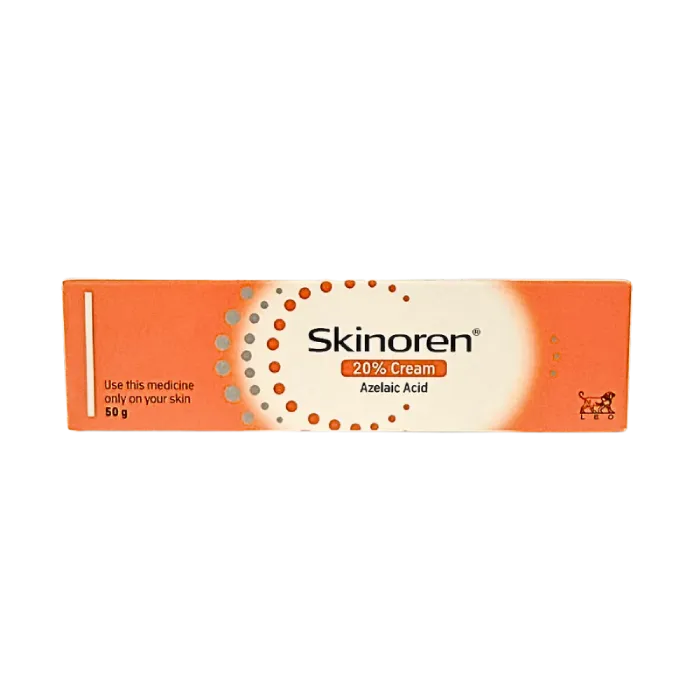
Skinoren Azelaic Acid Cream 20%

  • Treats acne, rosacea & hyperpigmentation
  • Suitable for sensitive skin
  • Contains 20% azelaic acid
From £11.70
More information

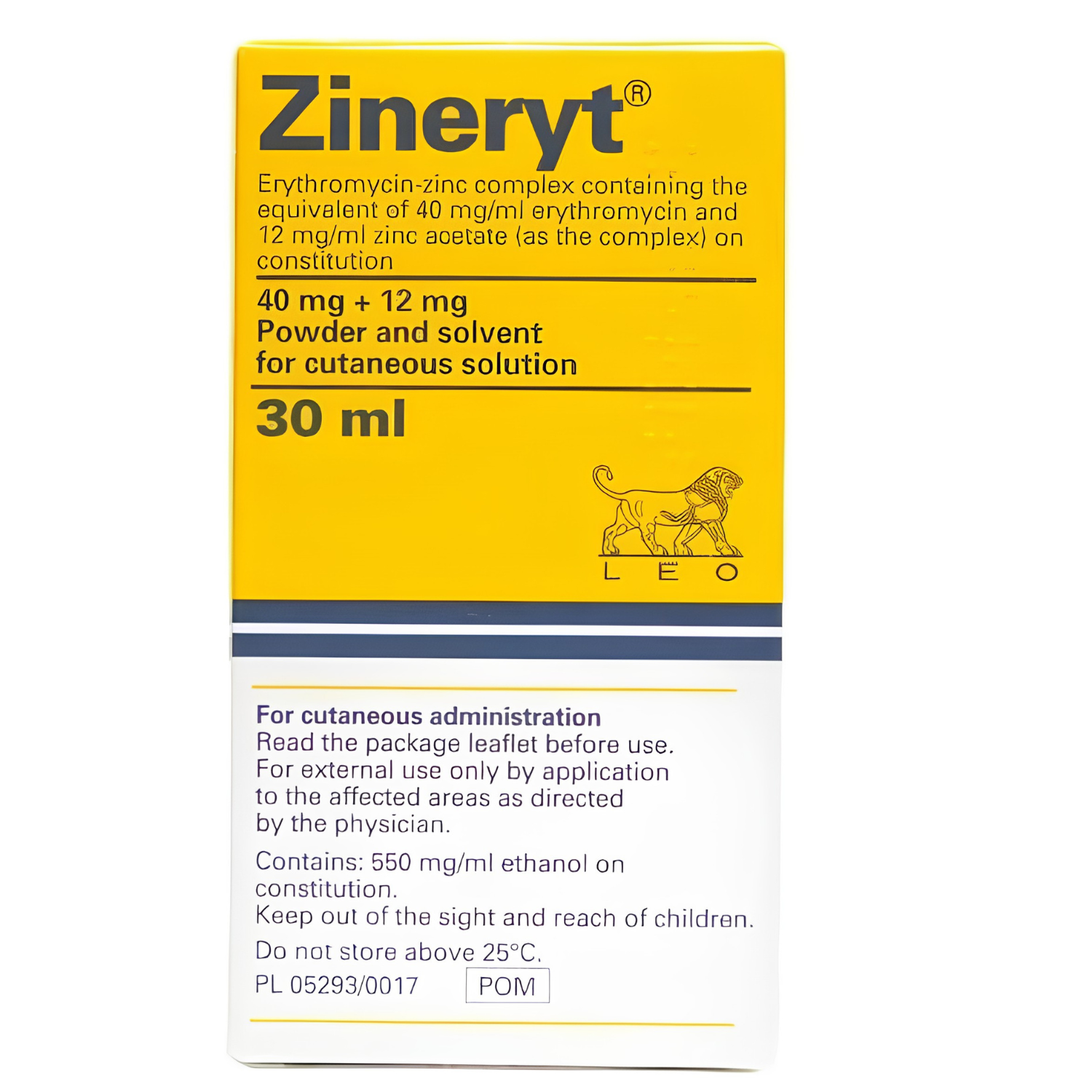
Zineryt Solution 30ml (Erythromycin)

  • Topical antibiotic solution
  • Used to treat all types of acne
  • Contains erythromycin & zinc acetate
From £15.89
More information

What is perioral dermatitis?

Perioral dermatitis is a common inflammatory skin condition that mostly affects the lower face. Despite the name, it isn’t a form of eczema. It’s more common in women but can affect men and children too.

It usually starts as a rash around the mouth, but it can spread to the skin beside the nose and around the eyes. When it affects more than one of these areas, it’s sometimes called periorificial dermatitis. The condition is not contagious, so you can’t catch it from someone or pass it on.

Symptoms of Perioral Dermatitis

Symptoms usually build up gradually over a few weeks. You might notice:

  • Clusters of small red, pink or skin-coloured bumps around the mouth and chin
  • Bumps in the creases between your nose and mouth, or around the nostrils and eyes
  • Small pus-filled spots mixed in with the bumps
  • Dry, flaky patches on and around the rash
  • A burning, stinging or tight feeling, sometimes with itching
  • A thin strip of clear skin right next to the lips

On darker skin tones, the bumps may look purple, brown or darker than your usual skin colour rather than red.

How is perioral dermatitis diagnosed?

Perioral dermatitis is diagnosed by looking at the skin, and tests aren’t usually needed. A pharmacist or doctor will check where the bumps sit on your face and ask about the products you’ve been using, including whether you’ve recently applied a topical corticosteroid to your face.

The rash can look a lot like acne, rosacea or seborrhoeic dermatitis, so getting the right diagnosis is important. Some creams used for other facial rashes can make perioral dermatitis worse. If there’s any doubt, a swab or skin scraping may be taken to rule out an infection.

Perioral Dermatitis Causes and Triggers

The exact cause isn’t known, but certain things are closely linked to flare-ups:

  • Any topical steroid used on the face, including mild over-the-counter hydrocortisone
  • Steroid nasal sprays, inhalers and tablets
  • Heavy face creams, moisturisers and make-up
  • Thick or greasy sunscreens
  • Fluoride toothpaste in some people
  • Hormonal changes, such as starting the contraceptive pill or the days before a period
  • Heat, wind and UV light, which can make an existing rash worse

Steroid creams are the most common link. They can initially calm the redness, which makes it tempting to keep using them, but over time they make the rash worse and it often flares when you stop.

How to Treat Perioral Dermatitis

Most perioral dermatitis treatments start the same way: stop using anything that could be irritating the skin. Dermatologists call this zero therapy, and in mild cases it can be enough to clear the rash on its own. If the rash doesn’t settle, the next step is a prescription medicine.

Oral tetracycline antibiotics, such as doxycycline and lymecycline, are the most widely used treatments for perioral dermatitis. They help reduce inflammation in the skin, and most people see their rash clear within 6 to 12 weeks. They aren’t suitable during pregnancy or breastfeeding, so let us know in your consultation if either applies to you.

Topical options include metronidazole, erythromycin and azelaic acid, found in Finacea and Skinoren. Metronidazole and erythromycin have the most evidence behind them for perioral dermatitis. They suit milder rashes, but some people find their skin too sensitive for creams and gels while the rash is active.

Skincare Tips for Perioral Dermatitis

A few changes to your routine can help, whichever treatment you use:

  • Stop using face creams, make-up and steroid creams unless a healthcare professional tells you otherwise
  • Wash your face with warm water alone until the rash clears, then switch to a gentle soap substitute
  • Use a thin layer of light, fragrance-free, oil-free moisturiser if your skin feels very dry
  • Pick a liquid or gel sunscreen over thick creams
  • Wash your hands after applying steroid cream elsewhere on your body, so none ends up on your face
  • Rinse your face and mouth after using a steroid inhaler or nasal spray
  • Try not to pick or squeeze the spots

Don’t stop a prescribed steroid inhaler, nasal spray or tablet without speaking to your GP first.

When to Get Advice About Perioral Dermatitis

Speak to a pharmacist or GP if your rash hasn’t improved after a few weeks without skincare products, if it’s spreading or if you’re not sure what it is. It’s also worth getting advice if you’ve been using a steroid cream on your face, as stopping can cause a short-lived flare. If the diagnosis isn’t clear, your GP may refer you to a dermatologist.

Our pharmacy team provides perioral dermatitis treatment UK-wide through our online clinic. If you’d like advice before choosing anything, you can book an online pharmacist consultation.

Perioral Dermatitis FAQs

There isn’t one cream that works best for everyone. Metronidazole and erythromycin have the strongest evidence, while azelaic acid may help some people. Steroid creams, including hydrocortisone, should be kept off the face as they tend to make perioral dermatitis worse over time.

Neither extreme works well. Heavy creams and ointments can make the rash worse, so it’s best to stop using them while it clears. If your skin feels tight or flaky, a thin layer of light, unperfumed, oil-free moisturiser is usually fine.

Most rashes start to improve within a few weeks of starting treatment. If you’ve been using a steroid cream, the rash may get worse for a short time after you stop before it starts to settle. Finishing the full course lowers the chance of it coming back.

Mild cases can clear without medicine once you stop using steroid creams and other facial products. More stubborn rashes can come and go for months or even years without treatment. If you’ve seen no improvement after a few weeks, prescription treatment can speed things up.

Antibiotic tablets like doxycycline and lymecycline can cause an upset stomach, nausea or headaches, and doxycycline can make your skin more sensitive to the sun. Creams and gels may cause mild stinging, burning, dryness or redness where you apply them, which often eases as your skin gets used to them. Always read the patient information leaflet and speak to a pharmacist if side effects bother you or don’t settle.

There’s no good evidence that tea tree oil helps perioral dermatitis. Essential oils can irritate sensitive skin and are a known cause of allergic contact dermatitis, which could make your rash worse. Adding products to the skin tends to aggravate perioral dermatitis, so it’s best to keep tea tree oil and other home remedies away from the affected area.

A new flare often follows a recent change, such as starting a steroid cream, nasal spray or inhaler, or switching to a richer moisturiser or new make-up. Hormonal shifts, like starting the contraceptive pill, can also set it off. Thinking back over the last few weeks can help you spot the trigger.

They’re different conditions. Contact dermatitis is a reaction to something that touches the skin, such as a fragrance or metal, and causes an itchy, eczema-like rash where the substance touched. Perioral dermatitis causes small bumps clustered around the mouth, nose or eyes and, despite its name, isn’t a type of eczema.

Perioral dermatitis isn’t usually permanent and tends to clear well with treatment. It rarely leaves scarring or lasting marks, except in some severe cases. It can come back, especially if steroid creams are used on the face again, but the same treatment usually works a second time.

Perioral dermatitis is usually described as a chronic condition because it develops gradually and can last for months without treatment. It doesn’t come on overnight like an acute allergic reaction. Most people clear it with treatment, but some have repeat flare-ups over the years.

Experts don’t know the exact cause, but one theory is that the skin’s protective barrier stops working properly. Products then penetrate the skin more easily and irritate it, leaving it dry and tight, so people apply more creams, and the cycle continues. It’s most common in women aged 20 to 45 and isn’t hereditary.

Customer Reviews

GOOD
Google star 1Google star 2Google star 3Google star 4Google star 5.0.3
Based on 184 reviews
Posted on Google Google
Bradley Robinson profile picture
Bradley Robinson
30/04/2026
Google star 1Google star 2Google star 3Google star 4Google star 5
Absolutely Amazing staff! Such a help thank you so much
Posted on Google Google
Samiur Rahman profile picture
Samiur Rahman
30/04/2026
Google star 1Google star 2Google star 3Google star 4Google star 5
Best pharmacy in the UK. The staff here are very helpful, empathetic, understanding and compassionate. Brilliant customer service and staff are actual people who use their discretion to help people.
Posted on Google Google
Vivien donnellon profile picture
Vivien donnellon
29/04/2026
Google star 1Google star 2Google star 3Google star 4Google star 5
Extremely efficient and knowledgeable information given. All my questions were answered and also some advise regarding the issue. Thank you Rehana
Posted on Google Google
james watkins profile picture
james watkins
22/04/2026
Google star 1Google star 2Google star 3Google star 4Google star 5
Brilliant device ordered yesterday received it today

Our Experienced UK-based Pharmacy Team

Clinical Consultant
MUDr, MRCEM, EBCEM, FRCEM
GMC no. 7176414

Pharmacist
MPharm
GPhC no. 2065469

Pharmacist
MPharm
GPhC no. 2046514

Page content authored by Amjad Khan, last reviewed by Dr Hussain Ahmad on 7th October 2026.

More From Our Online Clinic

Looking for something else? Browse our online clinic to see all treatments available, or search for a condition or treatment below.