


What is balanitis?
Balanitis is inflammation of the head of the penis (the glans), and it often affects the foreskin too. When both the glans and foreskin are inflamed, the condition is also known as balanoposthitis. It’s common and can affect men and boys of any age, though it’s more likely in those who are uncircumcised.
What does balanitis look like?
Balanitis typically causes the head of the penis to appear red, shiny and swollen. You might also notice a tight or sore foreskin, small spots or patches, and sometimes a thick discharge under the foreskin. In some cases, the skin can look cracked, flaky or moist.
Different Types of Balanitis
There are a few different types of balanitis, and knowing which one you’re dealing with helps guide the right treatment.
Zoon balanitis: A form of chronic balanitis that mainly affects middle-aged and older uncircumcised men. It causes shiny, orange-red patches on the glans and is typically long-lasting but not painful.
Circinate balanitis: Linked to reactive arthritis, this type causes small, pale patches with defined borders on the head of the penis. It usually clears once the underlying condition is treated.
Pseudoepitheliomatous keratotic and micaceous balanitis: A rare form that produces thick, scaly, wart-like growths on the glans. It needs specialist assessment as it can occasionally become more serious.
Candidal balanitis: The most common type, caused by Candida yeast overgrowth. It typically causes itching, redness and a white discharge under the foreskin, and it’s essentially the same yeast infection that causes thrush.
Bacterial balanitis: Caused by bacteria multiplying under the foreskin, often leading to swelling, soreness and a smelly discharge.
Irritant or allergic balanitis: Triggered by soaps, detergents, latex or lubricants, this type usually clears once the irritant is removed.
Balanitis Symptoms
Symptoms of balanitis can vary depending on the cause, but common signs include:
- Redness and swelling of the head of the penis
- A tight foreskin that’s difficult to retract
- Soreness, itching or a burning sensation that often causes pain
- Thick, lumpy or smelly discharge under the foreskin
- Pain when peeing
- Small red spots, patches or a rash on the glans
- Cracked, dry or shiny skin
If symptoms are severe, spreading, or don’t improve with treatment, it’s important to see your GP to rule out any underlying conditions. Left alone, untreated balanitis can occasionally scar the skin or lead to further complications.
Balanitis Causes
Balanitis can be triggered by a range of factors, and identifying the cause is key to choosing the right treatment.
Poor hygiene: Not cleaning under the foreskin properly can allow sweat, urine and a substance called smegma to build up, irritating the skin and encouraging infection.
Over-washing or harsh soaps: Washing too often or using perfumed shower gels, soaps or wipes can strip the skin’s natural protection and trigger inflammation.
Fungal infections: Thrush caused by the Candida yeast is one of the most common causes of balanitis, particularly in warm, moist conditions.
Bacterial infections: Bacteria can multiply under the foreskin and cause redness, swelling and discharge.
Sexually transmitted infections: STIs including herpes, gonorrhoea and chlamydia can sometimes cause balanitis-like symptoms.
Skin conditions: Eczema, psoriasis and lichen sclerosus can all affect the genital area and cause inflammation.
Phimosis: A tight foreskin that won’t pull back easily can trap moisture and bacteria, making balanitis more likely.
Allergic reactions: Latex condoms, spermicides, lubricants and laundry detergents can trigger a reaction in sensitive skin.
Diabetes: Men with poorly controlled diabetes are more prone to balanitis because higher sugar levels in urine can encourage fungal and bacterial growth.
How to Treat Balanitis
Treatment for balanitis depends on the cause, so a proper assessment is important before starting any medication. Mild balanitis often clears quickly with the right topical cream or ointment, alongside good hygiene practices.
Antifungal Creams
If balanitis is caused by a fungal infection like thrush, an antifungal cream is usually the first-line treatment.
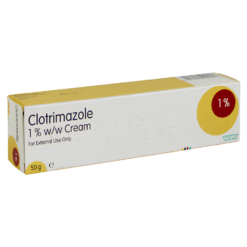
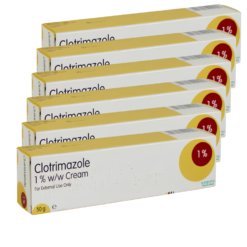
Clotrimazole Cream: Applied thinly to the affected area two to three times daily, this cream tackles the yeast responsible for most fungal cases of balanitis.
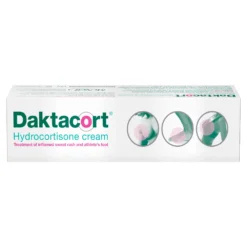
Miconazole (Daktacort): Another effective antifungal that also has mild antibacterial properties, making it useful when the cause isn’t clear-cut.
Steroid Creams
For balanitis caused by skin conditions or irritation, a mild steroid cream can help reduce inflammation and calm symptoms.
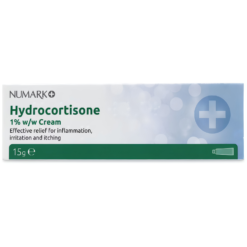
Hydrocortisone Cream: A gentle steroid used short-term to ease redness, swelling and itching. It’s often combined with an antifungal if both infection and inflammation are present.
Antibiotic Treatments
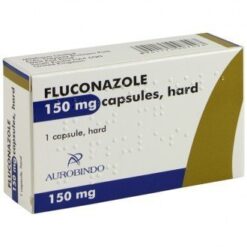
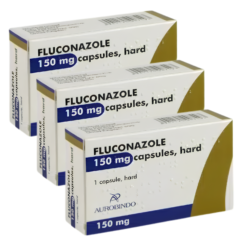
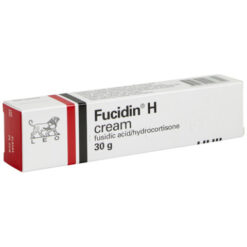
If a bacterial infection is the cause, oral antibiotics like Fluconazole or an antibiotic cream like Fucidin may be prescribed following consultation with a pharmacist or GP.
Good Hygiene
Alongside medication, gentle hygiene is a big part of curing balanitis and preventing it from coming back. Wash the area daily with warm water, dry it thoroughly, and avoid perfumed products, harsh soaps and tight underwear.
Does balanitis go away on its own?
Mild cases of balanitis triggered by irritation can sometimes settle on their own once the cause is removed, for example, by switching to a gentler soap or improving hygiene.
However, most cases benefit from proper treatment to clear the infection and prevent it from returning. If symptoms last longer than a few days, get worse, or keep coming back, you should speak to a pharmacist or GP for advice.
Preventing Balanitis
A few simple habits can lower your risk of developing balanitis or having it come back:
- Wash under the foreskin daily with warm water and dry the area gently
- Keep up good personal hygiene without over-washing
- Avoid perfumed soaps, shower gels and wipes on the genital area
- Change out of damp or sweaty underwear promptly
- Wear loose, breathable cotton underwear
- Use condoms during sex to reduce the risk of irritation and infection
- Keep diabetes well-managed if you have it
- Avoid known allergens like latex or certain lubricants if they’ve caused a reaction before