
Gout Consultation

Please answer the following questions as honestly as possible so we can ensure your preferred treatment is the best treatment for your needs.

Estimated time to complete: 3 minutes

Buy Gout Treatment & Medication Online

Gout can turn a quiet night’s sleep into hours of throbbing, burning pain, often starting in the big toe. It’s a form of arthritis caused by a build-up of uric acid that forms sharp crystals in the joints. At Click2Pharmacy, our online clinic offers gout treatment to ease a gout flare and bring your uric acid levels down over time.

Start Your Online Consultation

After completing your online consultation, you will be able to select your preferred treatment.

Takes less than 5 minutes

100% confidential

UK registered pharmacy

Ordered with us before? Click here to login and reorder from your account.

How to Buy Gout Treatment Online

Step 1: Online Consultation

Fill in a quick online consultation for our licensed pharmacists to review.

Step 2: Choose a Treatment

Our pharmacists will review your treatment to ensure it’s suitable.

Step 3: Quick & Discreet Delivery

Your treatment will be delivered to your door quickly & discreetly.

What is gout?

Gout happens when there are high levels of uric acid in your blood, a condition called hyperuricaemia. Uric acid is a waste product your body makes when it breaks down purines, which are found in your own cells and in some foods.

Most of the time your kidneys clear it out, but when it builds up, the acid can form tiny, needle-sharp crystals of a salt called urate in and around a joint. Those crystals set off the sudden swelling, heat and intense pain of a gout attack, and the same build-up can lead to kidney stones in some people.

What causes gout?

High uric acid levels are the root cause, but several factors push levels up or trigger a joint flare.

Common risk factors include:

  • A diet high in purine-rich foods like red meat, offal and some seafood
  • Regular alcohol, particularly beer and spirits
  • Sugary drinks and foods high in fructose
  • Carrying extra weight
  • Some medicines, including certain diuretics (“water tablets”)
  • Kidney problems that reduce how much uric acid you clear
  • Conditions such as high blood pressure and diabetes
  • A family history of gout

Men are three times more likely to get gout than women, and the risk of gout climbs with age. Women’s risk rises after the menopause.

Gout Symptoms

The symptoms of gout tend to come on fast, often overnight. The big toe is the usual first target, though it can hit the ankles, knees, wrists, fingers or elbows.

During an attack, you might notice:

  • Sudden, severe joint pain, often at its worst in the first 12 to 24 hours
  • Swelling and pain that leave the joint hot and tender
  • Skin that looks red, shiny or slightly purple
  • Pain that lingers as a dull ache for days or weeks after the sharpest pain fades

Some people have one attack of gout and never another. Others get repeat flares, and without treatment, the gaps between them can get shorter.

Diagnosis of Gout

A GP can diagnose gout based on your symptoms and a blood test that checks your uric acid levels.

How to Treat Gout

Treatment for gout works on two fronts: calming a flare when it hits and keeping uric acid low so flares stop.

Prescription Treatments

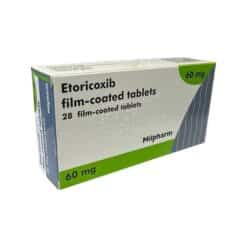
For acute attacks of gout, prescription options bring gout pain and inflammation down quickly:

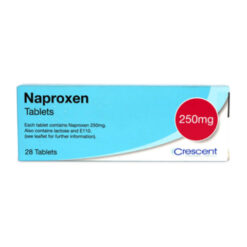
  • Naproxen: one of the anti-inflammatory medicines known as NSAIDs, easing the pain and swelling of a flare. It works best when started as early in an attack as possible.
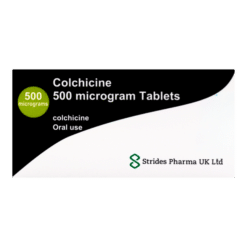
  • Colchicine: used to settle a flare, particularly when anti-inflammatories aren’t suitable. It’s taken over a short period at the first sign of symptoms.
  • Corticosteroids: a short course of steroid tablets, such as prednisolone, can calm a severe attack when other options don’t fit.

As a long-term treatment to prevent future attacks, urate-lowering medicine is taken every day:

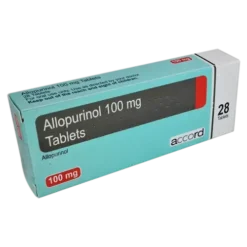
  • Allopurinol: the most widely used urate-lowering medicine. It gradually reduces uric acid and, over months, dissolves the crystals already sitting in your joints.
  • Febuxostat: an alternative when allopurinol isn’t suitable, working in a similar way to bring uric acid down.

We have a range of these medications available for purchase from our online pharmacy after a short consultation with one of our licensed pharmacists, who can prescribe the right option for you. Once approved, we’ll have your prescription sent directly to your door.

Over-the-counter Treatments

For mild symptoms, some pain relief is available without a prescription:

  • Ibuprofen: an over-the-counter anti-inflammatory that can ease mild pain and swelling during a flare.
  • Paracetamol: helps with the pain, though it won’t reduce inflammation, so it’s often used alongside an anti-inflammatory.

These can take the edge off a mild attack, but they won’t lower the uric acid levels that cause gout, so they’re not a long-term fix.

Preventing Gout & Managing it Day to Day

Medication does the heavy lifting, but a few everyday changes help prevent gout and can cut how often flares happen:

  • Drink plenty of water to help your kidneys clear uric acid
  • Reduce consumption of beer, spirits and sugary drinks
  • Follow a low-purine diet, going easy on red meat, offal and shellfish
  • Reach and keep a healthy weight, losing it slowly rather than crash dieting
  • Stay active with low-impact exercise that’s kind to your joints
  • Keep taking any urate-lowering medicine even when you feel well

Some people also find the DASH plan (dietary approaches to stop hypertension) useful, since the same eating pattern is linked to lower uric acid.

During an attack, resting the joint, keeping it cool and raising it can take the edge off while your treatment works.

Treatment for Gout FAQs

Foods high in purines are the main culprits, including red meat, offal such as liver and kidney and seafood like anchovies, sardines, mussels and scallops. Sugary foods and drinks made with fructose can also raise uric acid. You don’t have to cut these out completely, but keeping them occasional rather than everyday helps.

The quickest relief comes from starting anti-inflammatory medication as soon as an attack begins, alongside colchicine or a short steroid course if those suit you better. Resting the joint, applying something cool and keeping it raised all help too. Speed matters, so treating a flare on the first day tends to shorten it.

Water is your best friend, since staying well hydrated helps your kidneys clear uric acid. Skimmed milk and low-fat dairy products may slightly lower uric acid levels, and coffee in moderation is fine for most people. It’s best to limit beer, spirits and sugary soft drinks, as they all raise uric acid levels.

A flare happens when uric acid crystals irritate a joint, and certain triggers can set one off. Common ones are a rich meal, a heavy drinking session, dehydration, illness, injury to the joint or a sudden change in medication. Starting urate-lowering treatment can briefly trigger a flare too, which is why it’s usually introduced carefully.

Staying hydrated, cutting back on alcohol and sugary drinks, and eating fewer purine-rich foods all help keep uric acid down. Losing any excess weight gradually and staying active also makes a difference over time. These changes work best alongside medication rather than in place of it.

For many people, future attacks can be prevented with the right treatment and habits. Urate-lowering medication taken daily is the most effective way to stop crystals from forming. Watching your diet, alcohol and weight adds further protection.

An untreated attack usually peaks within 12 to 24 hours and settles over one to two weeks. With early treatment, the worst of it often eases within a few days. If an attack drags on much longer or keeps coming back, it’s worth getting reviewed.

It’s best to keep alcohol low or avoid it, since beer and spirits raise uric acid and can undo the benefit of your treatment. Some medicines used for gout can also interact with alcohol. If you’re unsure, our pharmacy team can talk through what’s safe for you.

Some anti-inflammatory painkillers like ibuprofen can be bought over the counter to ease mild symptoms, but they won’t tackle the underlying uric acid. The medicines that prevent attacks and lower uric acid are prescription-only. An online consultation is the simplest way to find out which option suits you.

Acute gout is a sudden, painful attack in one or more joints that flares up and then settles.

Chronic gout develops when high uric acid goes unmanaged for a long time, leading to frequent attacks and, in some cases, lumps of crystals called tophi under the skin. Chronic gout can cause lasting joint damage, which is why keeping uric acid low matters.

You can order gout treatment through Click2Pharmacy after a quick consultation. A prescriber reviews your answers to make sure the treatment is right and safe for you. Once approved, it’s dispensed and delivered to your door in discreet packaging.

A single attack usually calms down on its own over a week or two, but that doesn’t mean the gout has gone. The high uric acid behind it stays put, so more attacks tend to follow and can worsen over time. Treating the cause, not just the flare, is what keeps it from progressing.

Customer Reviews

Our Experienced UK-based Pharmacy Team

Clinical Consultant
MUDr, MRCEM, EBCEM, FRCEM
GMC no. 7176414

Pharmacist
MPharm
GPhC no. 2065469

Pharmacist
MPharm
GPhC no. 2046514

More From Our Online Clinic

Looking for something else? Browse our online clinic to see all treatments available, or search for a condition or treatment below.