
What is lichen sclerosus?
Lichen sclerosus is a chronic inflammatory skin condition that causes patches of thin, white, wrinkled-looking skin. It most commonly affects the skin around the vulva, penis, and anus, but can also appear on the upper body, breasts, and arms.
While anyone can develop it, LS is most often diagnosed in women who’ve been through the menopause. It also affects men, children, and younger women. It isn’t contagious and can’t be passed on through sexual contact, but without treatment, it can cause scarring and lasting changes to the skin.
Types of Lichen Sclerosus
The condition is usually grouped by where it appears on the body. Symptoms and treatment are broadly similar, but the impact can differ depending on the area affected.
Vulval Lichen Sclerosus
This is the most common form of genital lichen sclerosus. Also known as vulvar lichen sclerosus, it affects the skin of the vulva, and sometimes the perianal area, causing white patches, itching, and soreness that can make everyday activities, sex, and going to the toilet uncomfortable. Over time, the vulva can change shape, with the labia minora becoming less defined, the clitoris becoming buried under scar tissue, and the vaginal opening narrowing.
Penile Lichen Sclerosus
In men, the condition typically affects the foreskin and head of the penis. Also known as male genital lichen sclerosus or balanitis xerotica obliterans, it can cause tightening of the foreskin, difficulty pulling it back, and problems with urination or sex. It’s more common in uncircumcised men, and in severe cases circumcision may be recommended as part of treatment.
Lichen Sclerosus in Children
Prepubescent children can develop the condition too. Symptoms often improve or clear up on their own around puberty, but treatment is still important to control discomfort and prevent any scarring.
Extragenital Lichen Sclerosus
Less commonly, lesions appear on other areas of the body such as the back, chest, breasts, or arms. These patches are usually less itchy than genital ones and don’t tend to scar in the same way.
Symptoms of Lichen Sclerosus
Symptoms vary depending on where the condition appears and how advanced it is. Common signs include:
- Itchy skin, which is often the first thing people notice
- Smooth white patches that may join together to form larger areas
- Skin that looks thin, crinkled, or shiny
- Soreness, burning, or stinging in the affected area
- Small tears, cracks, or bruising on the skin
- Pain during sex or when passing urine
- Bleeding or blistering in more severe cases
- Changes to the shape of the vulva or tightening of the foreskin over time
Some people have very mild symptoms, while others find flare-ups significantly disrupt daily life. If you notice any of these signs, it’s worth getting checked so you can start treatment early.
What causes lichen sclerosus?
The exact cause isn’t fully understood, but it’s thought to be linked to an overactive immune system attacking healthy skin cells. Hormonal changes may also play a part, which could explain why the condition is more common after the menopause and in young children before puberty.
Several factors may increase your risk:
- A family history of the condition or other autoimmune disorders
- Being post-menopausal
- Previous skin damage or scarring in the affected area
- Having another autoimmune condition, such as thyroid disease, vitiligo, or type 1 diabetes
It isn’t caused by poor hygiene or infection, and you can’t catch it from someone else.
How is lichen sclerosus diagnosed?
Diagnosis is usually made by a GP or specialist based on a physical examination of the skin. In some cases, a small biopsy is taken to confirm the condition and rule out other skin problems that can look similar.
If you’re worried about symptoms, don’t put off getting checked. Prompt diagnosis and treatment lower the risk of scarring and lasting damage, and early treatment gives the best chance of keeping symptoms well controlled.
Treatment for Lichen Sclerosus
There’s currently no cure for Lichen Sclerosus, but the right treatment can control symptoms, prevent scarring, and keep flare-ups to a minimum. Most people manage well with topical treatment alongside a good daily skin care routine.
Steroid Creams and Ointments
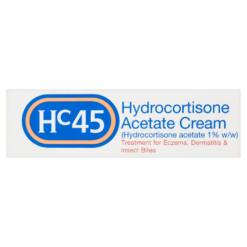
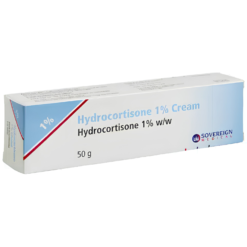
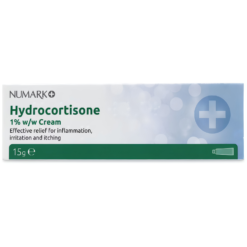
Strong topical corticosteroids are the main treatment. Clobetasol propionate (Dermovate) is the most commonly prescribed option and works by reducing inflammation, calming itching, and helping the skin recover. You’ll usually apply the cream once a day for several weeks to bring symptoms under control, then switch to a maintenance treatment to keep symptoms stable.
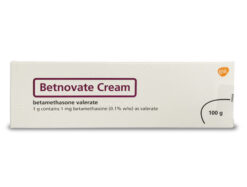
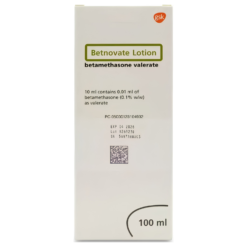
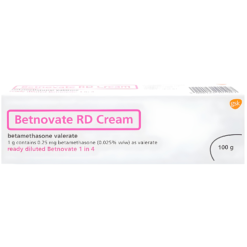
Once the condition is well controlled, your prescriber may step you down to a lower-potency steroid such as betamethasone valerate (Betnovate) for ongoing use. Following a short consultation with one of our licensed pharmacists, you can buy prescription steroid treatments from our online clinic and have them delivered discreetly to your door.
Emollients and Moisturisers
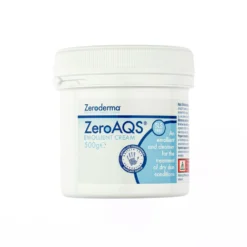
Regular use of an unperfumed emollient helps protect the skin, lock in moisture, and reduce irritation between steroid applications. Emollients can also be used as a soap substitute to avoid the harsh ingredients found in standard shower gels and washes, which often make symptoms worse.
Other Lichen Sclerosus Treatment Options
If steroid creams don’t control your symptoms, your doctor may suggest alternatives such as topical calcineurin inhibitors like tacrolimus or refer you to a specialist. In rare cases, surgery may be needed to correct scarring, particularly for men with a tight foreskin caused by the condition.
Management of Lichen Sclerosus Symptoms at Home
Alongside prescription treatment, a few small changes to your daily routine can make a big difference to how comfortable you feel:
- Wash the affected skin with an emollient or soap substitute, avoiding perfumed products
- Pat the skin dry rather than rubbing
- Wear loose, cotton underwear and avoid tight clothing
- Skip fabric softeners and biological detergents, which can irritate the skin
- Use a barrier cream if urine or sweat is making symptoms worse
- Apply a plain moisturiser regularly to keep the skin supple
Lichen Sclerosus Complications
Left untreated, LS can cause lasting changes to the skin, including scarring, tightening, and changes to the shape of the genitals. In women, this can lead to a narrowing of the vaginal opening; in men, it can cause a tight foreskin that may eventually need surgery.
Long-standing lichen sclerosus also carries a small increased risk of skin cancer in the affected area. Regular check-ups with your GP or specialist are important so any changes can be picked up early.
When should I see a doctor about lichen sclerosus?
You should book an appointment with your GP if you notice:
- Persistent itching or soreness in the genital or anal area
- White patches or changes in skin colour or texture
- Pain during sex or when going to the toilet
- Bleeding, cracking, or tearing of the skin
- Any lumps, ulcers, or areas of thickened skin that don’t heal
Getting seen quickly means you can start treatment sooner and reduce the chance of scarring or long-term damage.