



What is seborrhoeic dermatitis?
Seborrhoeic dermatitis is a common, long-term skin condition that causes inflamed, scaly patches on areas of your skin with lots of sebaceous glands, which produce oil. It mostly affects the scalp, but it can also appear on the face, ears, chest and in skin folds.
On the scalp, it often starts as stubborn dandruff that doesn’t clear with ordinary shampoo. It’s most common in adults between 30 and 60, and it tends to affect men more than women.
Babies can get it too, usually as cradle cap. This shows up as greasy, yellow crusts on the scalp in the first few months and normally clears up on its own. Speak to a pharmacist before using any medicated product on a baby.
What causes seborrhoeic dermatitis?
The exact cause isn’t fully understood, but it’s linked to a yeast called Malassezia that lives naturally on everyone’s skin. In some people, the skin overreacts to this yeast, which leads to inflammation, redness and flaking.
It isn’t contagious, and it isn’t caused by poor hygiene or an allergy. Things that can make you more likely to get it, or trigger a flare-up, include:
- Stress and tiredness
- Cold, dry weather, which is why symptoms often get worse in winter
- Oily skin
- Hormonal changes
- Harsh soaps, detergents or alcohol-based skincare products
- A weakened immune system
- Conditions that affect the nervous system, such as Parkinson’s disease
Symptoms of Seborrhoeic Dermatitis
Symptoms can be mild or more noticeable, and they usually affect the same areas each time. You might notice:
- White or yellow flakes on your scalp, hair, eyebrows or beard
- Greasy, scaly patches of skin
- Red or pink patches, which may look darker or lighter than the surrounding skin on brown and black skin
- Itching, stinging or a burning feeling
- Flaky skin around the sides of your nose, between your eyebrows or behind your ears
- Red, crusty eyelids (blepharitis)
- Rashes in skin folds, such as under the arms, under the breasts or in the groin
Is it seborrhoeic dermatitis or something else?
A few scalp and skin conditions look similar, so it’s easy to mix them up. Ordinary dandruff is a milder form of the same condition, without the redness or inflammation. If your scalp feels tight and flaky but isn’t greasy or red, you might have a dry scalp instead.
Psoriasis can also affect the scalp, but the patches are usually thicker, silvery and more clearly defined, and they often spread past the hairline. Other types of eczema and dermatitis tend to cause dry rather than greasy skin. If you’re not sure what condition you have, our pharmacists can help during your consultation.
Treatment for Seborrhoeic Dermatitis
There’s no cure for Seborrhoeic Dermatitis, but with the right diagnosis and treatment, most people can control their symptoms well. The treatment you need will depend on where your symptoms are and how severe they are.
Antifungal Shampoos
Medicated shampoos are usually the first step in treating seborrhoeic dermatitis on your scalp, beard or eyebrows. They work by reducing the yeast on your skin, which calms inflammation and cuts down on flaking.
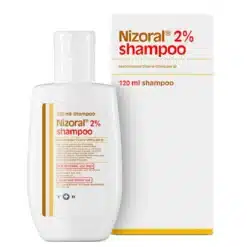
- Nizoral Anti-Dandruff Shampoo: Contains ketoconazole, an antifungal that targets Malassezia directly. You’ll usually use it twice a week for 2 to 4 weeks, then once every week or two to stop symptoms coming back.
- Oilatum Scalp Treatment Shampoo: Contains ciclopirox olamine, an antifungal that also helps reduce scaling and itching.
- Neutrogena T/Gel Scalp Relief Shampoo: Contains salicylic acid to loosen and lift flakes, plus piroctone olamine to tackle yeast.
For best results, massage the shampoo into your scalp and leave it on for a few minutes before rinsing. Anti-dandruff shampoos containing zinc pyrithione or selenium sulfide can also help keep milder symptoms in check.
Antifungal Creams
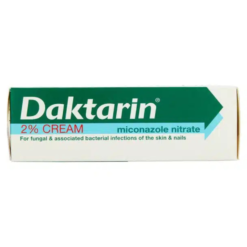
For patches on your face, ears, chest or skin folds, an antifungal cream is often the best place to start. Daktarin Cream contains miconazole, which reduces yeast on the skin and helps clear redness and scaling. It’s applied thinly to the affected area once or twice a day.
Steroid Scalp Applications and Lotions
If your skin is very red, itchy or inflamed, a short course of a topical corticosteroid can quickly settle a flare-up. These are prescription-only treatments, available after a short online consultation with our pharmacists.
- Betnovate Scalp Application: Contains betamethasone valerate and is designed to be applied directly to the scalp.
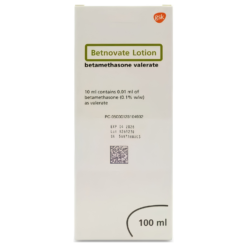
- Betnovate Lotion: Contains the same steroid in a lotion that can be used on the scalp and hairy areas of skin.
- Elocon Scalp Lotion: Contains mometasone furoate, a steroid that only needs to be applied once a day.
Steroids should only be used for short periods, especially on the face, as long-term use can thin the skin. They’re often used alongside an antifungal shampoo or cream, which can then be continued to keep symptoms away. If you need longer-term treatment on your face, your GP or a dermatologist might prescribe topical calcineurin inhibitors, like tacrolimus or pimecrolimus, which don’t thin the skin.
Scalp Ointments for Thicker Scales and Patches
When scales build up into thick crusts, a medicated ointment can soften and lift them so other treatments work better. When you need a stronger seborrhoeic dermatitis scalp treatment, these are usually the next step after shampoo alone.
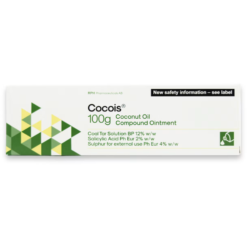
- Cocois Ointment: Contains coal tar, salicylic acid and sulphur to loosen scale and calm itching.
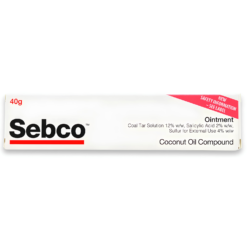
- Sebco Ointment: Contains coal tar and salicylic acid to break down thick patches on the scalp.
Both are applied to the scalp, left on for a set time and then washed out with shampoo.
Managing Flare-Ups
Treatment works best when you combine it with a few simple changes to your routine. These can help you keep symptoms under control between flare-ups:
- Keep using your antifungal shampoo once every week or two, even when your skin has cleared
- Wash your scalp and skin regularly to remove oil and flakes
- Use gentle, fragrance-free cleansers and moisturisers on your face and body
- Avoid hair products, gels and sprays that leave a residue on your scalp
- Rinse your hair and skin well after washing
- If you have a beard or moustache, shaving the area or washing it daily with medicated shampoo can help
- Try to manage stress and get enough sleep, as both can trigger flare-ups