




What is tonsillitis?
Tonsillitis is an infection that causes your tonsils to become inflamed. Your tonsils are the two small pads of tissue at the back of the throat, and they’re part of your immune system, trapping germs that enter through your mouth and nose.
It’s one of the most common causes of a sore throat and affects children most often, but adults can get it too. Most cases are caused by a virus and clear up on their own within a week.
What causes tonsillitis?
Most cases of tonsillitis are caused by viruses, including those that cause colds and flu. Glandular fever, caused by the Epstein-Barr virus, can also lead to badly swollen tonsils.
A smaller number of cases are bacterial and usually caused by group A streptococcus, which is often called strep throat.
The viruses and bacteria behind tonsillitis spread through coughs, sneezes and close contact. You can also pick them up from shared cups, cutlery and toothbrushes.
Tonsillitis Symptoms
The main symptoms of tonsillitis include:
- A sore throat
- Pain or difficulty swallowing
- Red, swollen tonsils
- White or yellow spots of pus on the tonsils
- A high temperature of 38°C or above
- Swollen lymph nodes (glands) in your neck
- Earache, headache or bad breath
- A hoarse or croaky voice
Some people also have cold symptoms like a cough or a blocked nose.
How to Treat Tonsillitis
Most tonsillitis treatments focus on easing pain and swelling while your immune system clears the infection. The right option for you depends on how bad your symptoms are and whether you have a viral or bacterial infection.
Self-Care at Home
Home remedies for tonsillitis can help you feel more comfortable while the infection runs its course. Rest, drink plenty of fluids and stick to soft or cool foods that are easier to swallow. Gargling with warm, salty water can soothe your throat, but this isn’t suitable for young children.
Painkillers
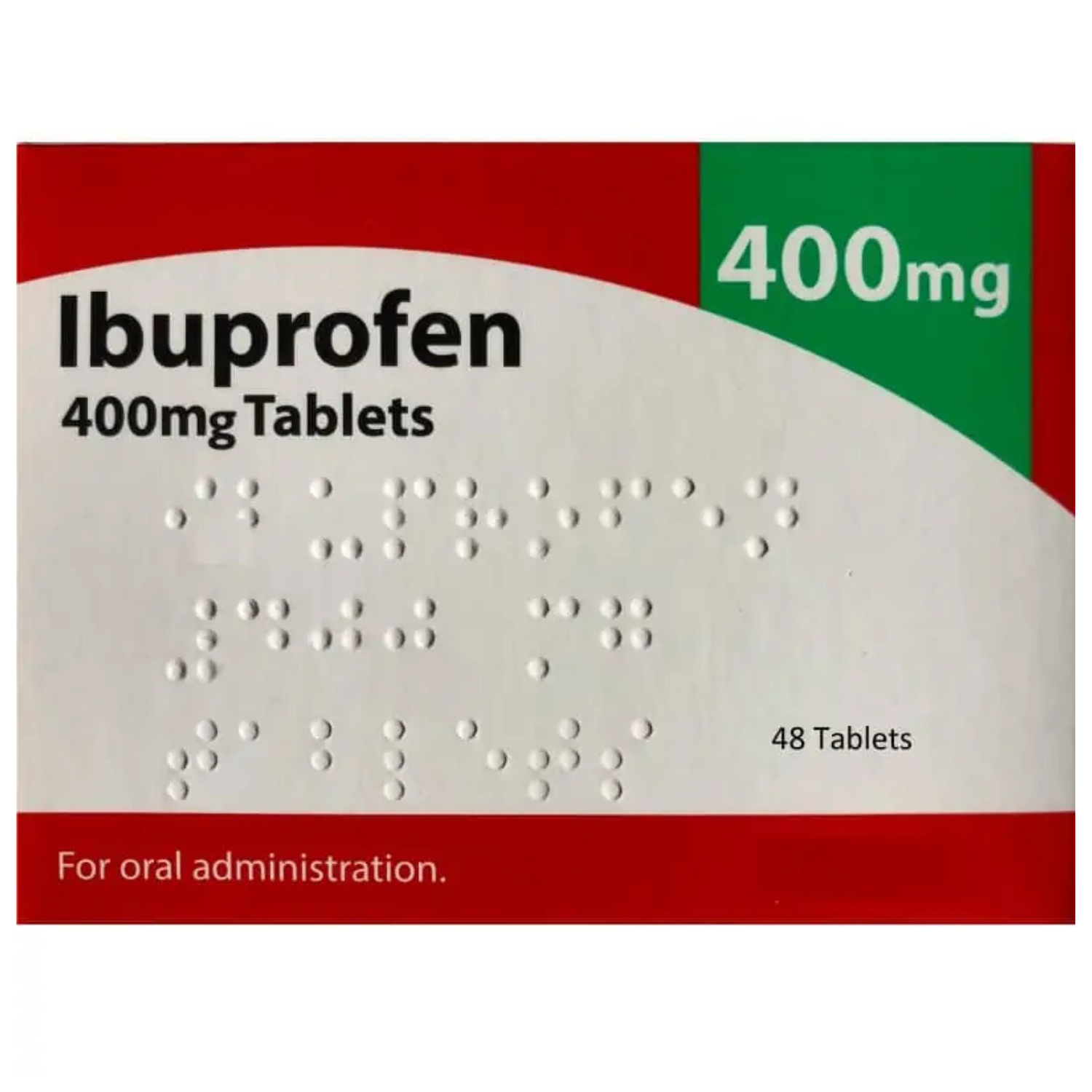
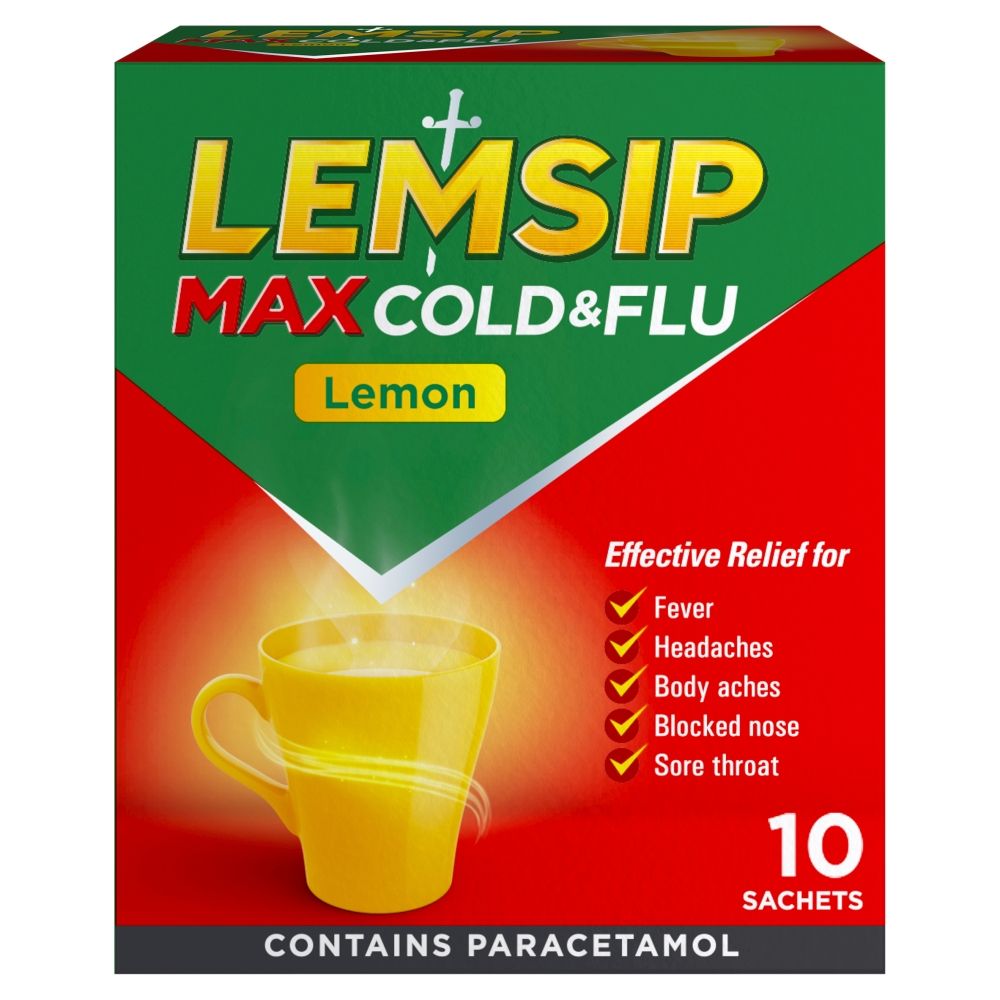
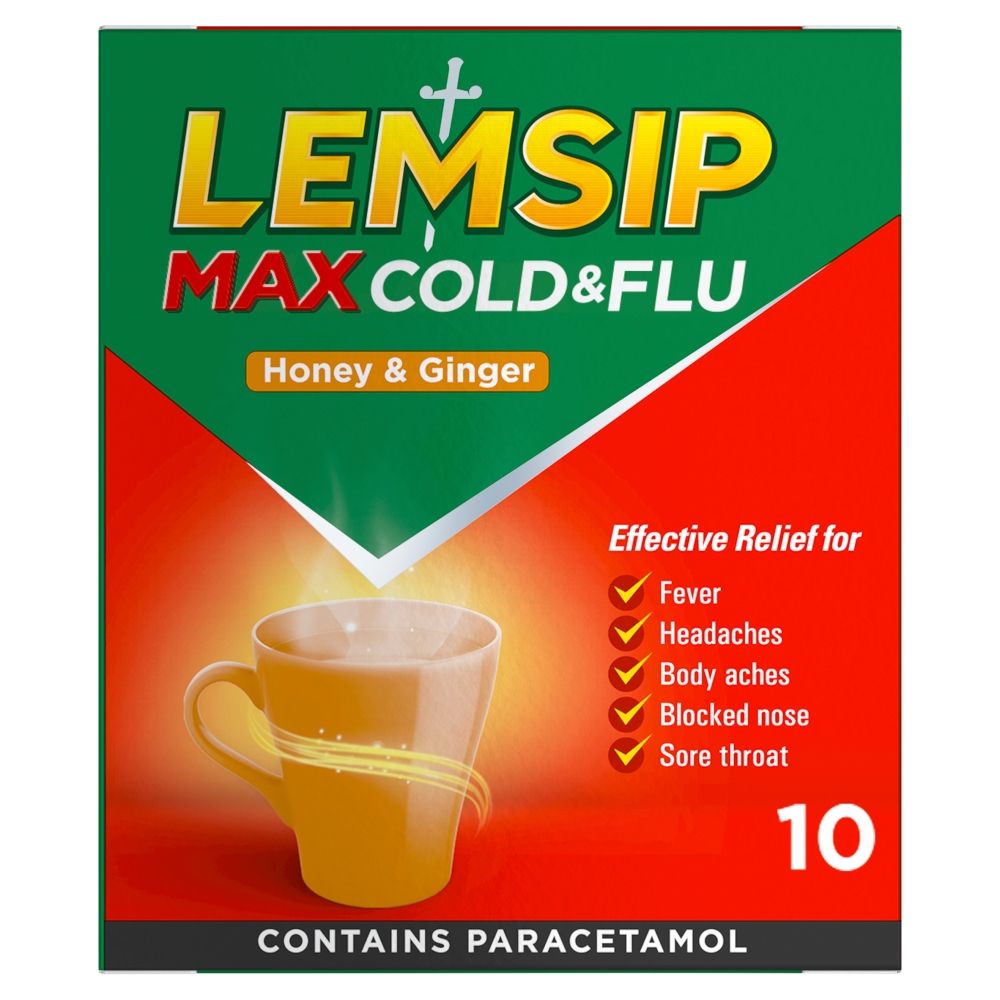
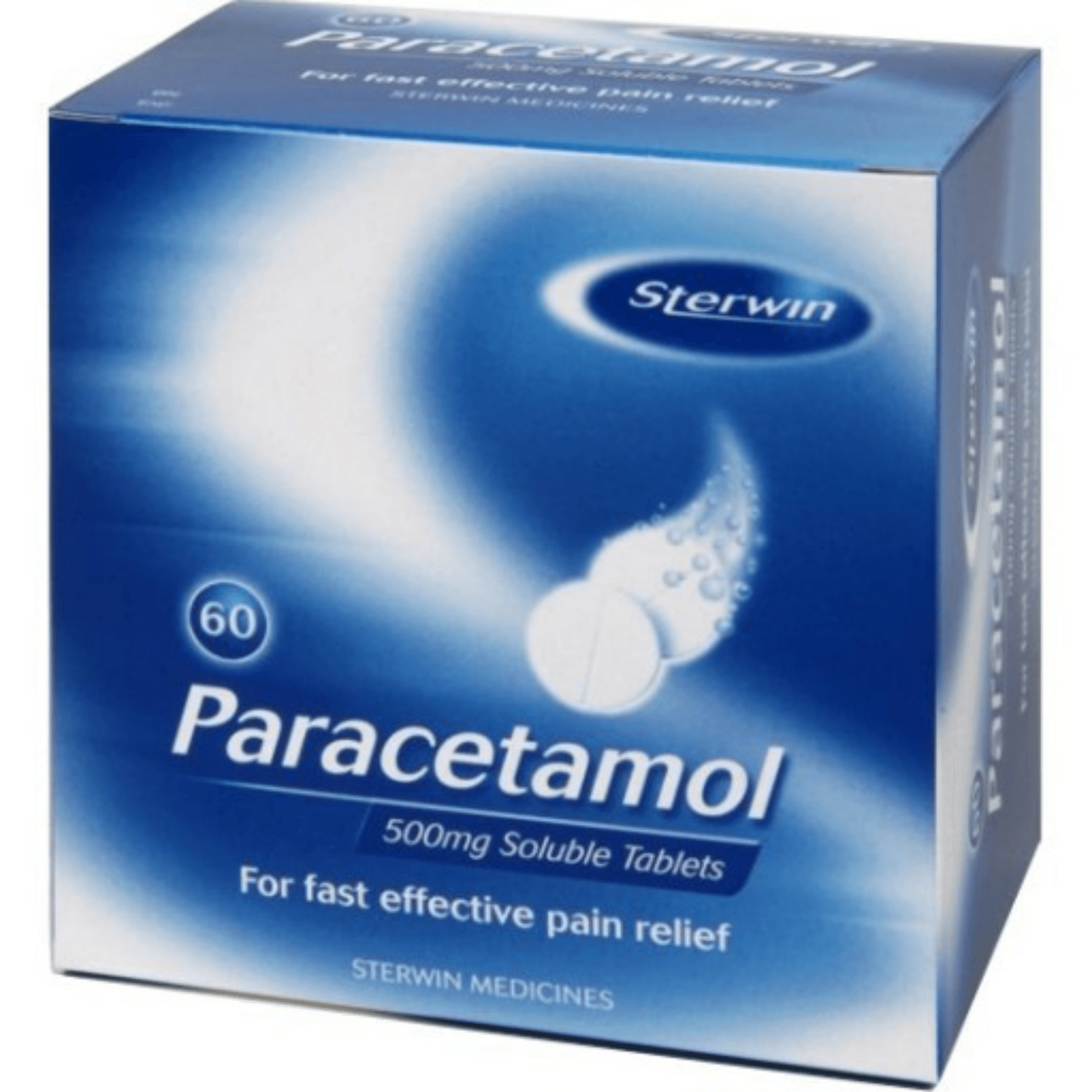
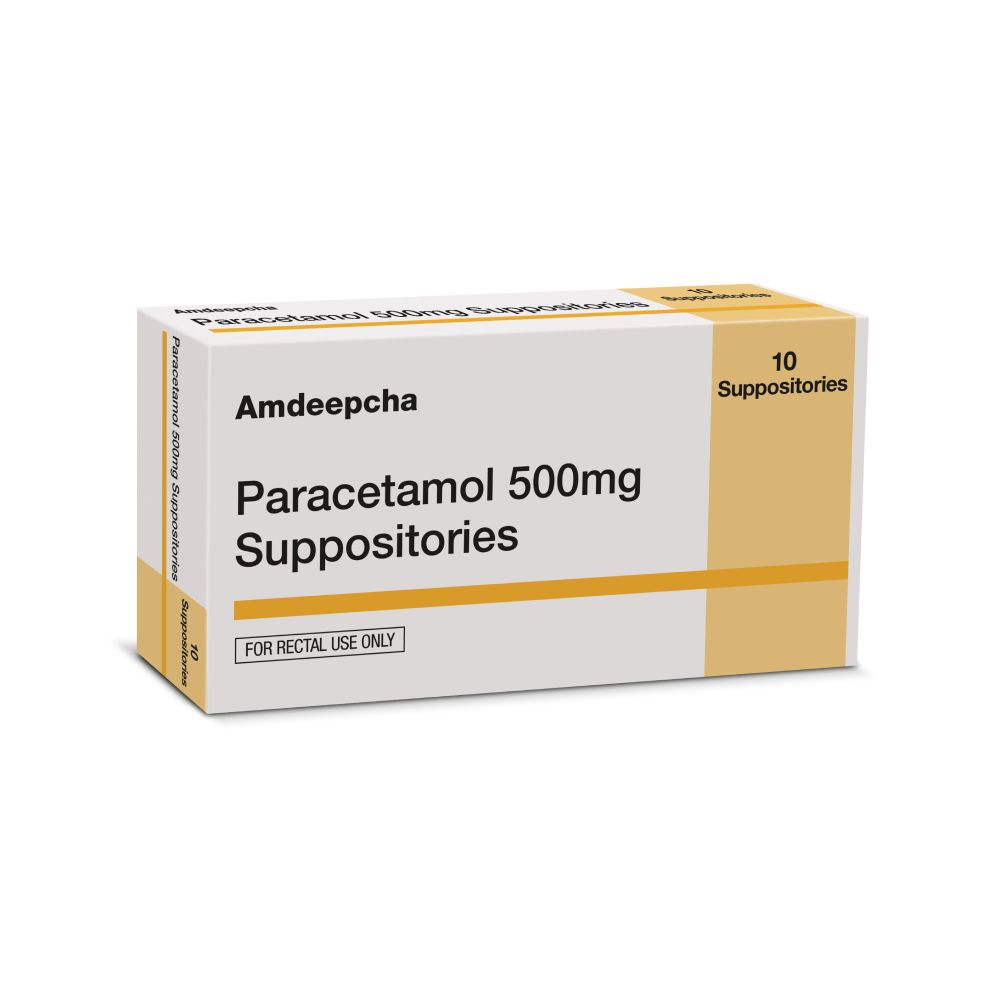
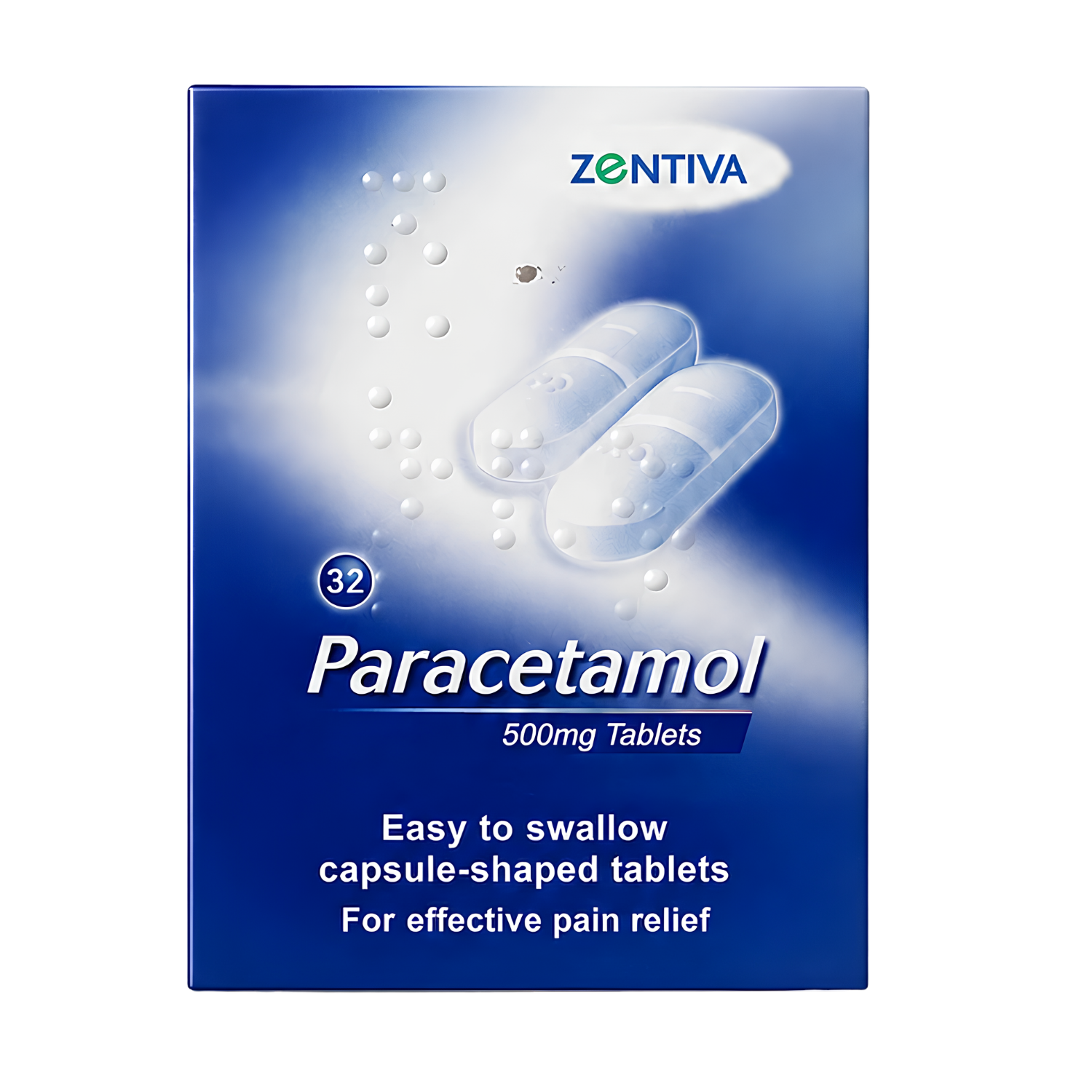
Over-the-counter pain relief like paracetamol or ibuprofen can ease throat pain and bring down a high temperature. Ibuprofen isn’t suitable for everyone, including some people with asthma or stomach ulcers, so check with a pharmacist if you’re not sure.
Throat Sprays and Lozenges
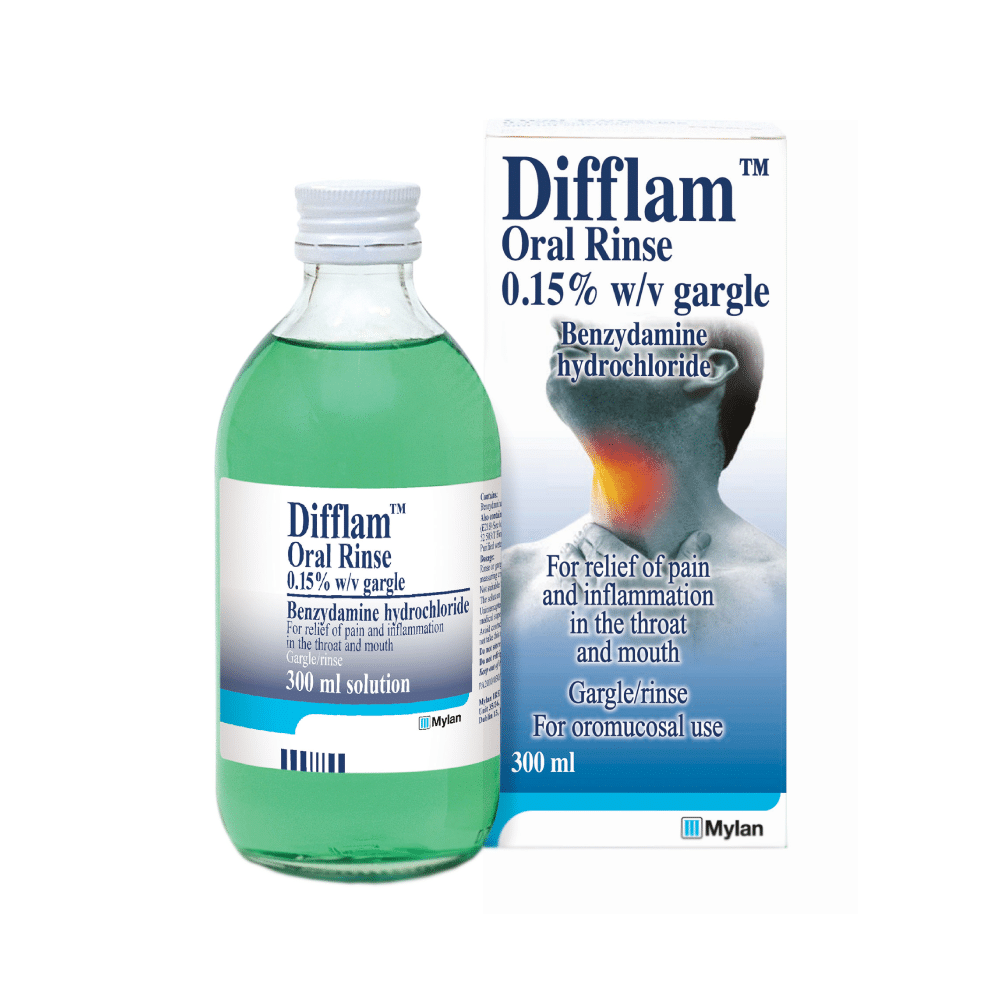
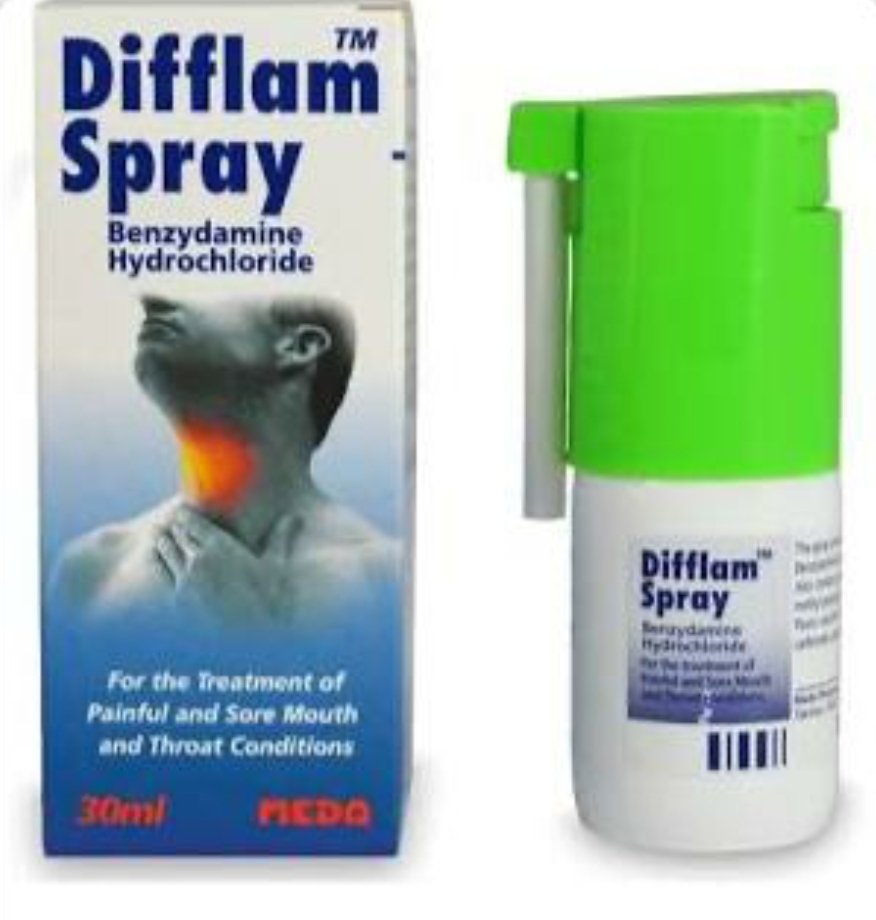
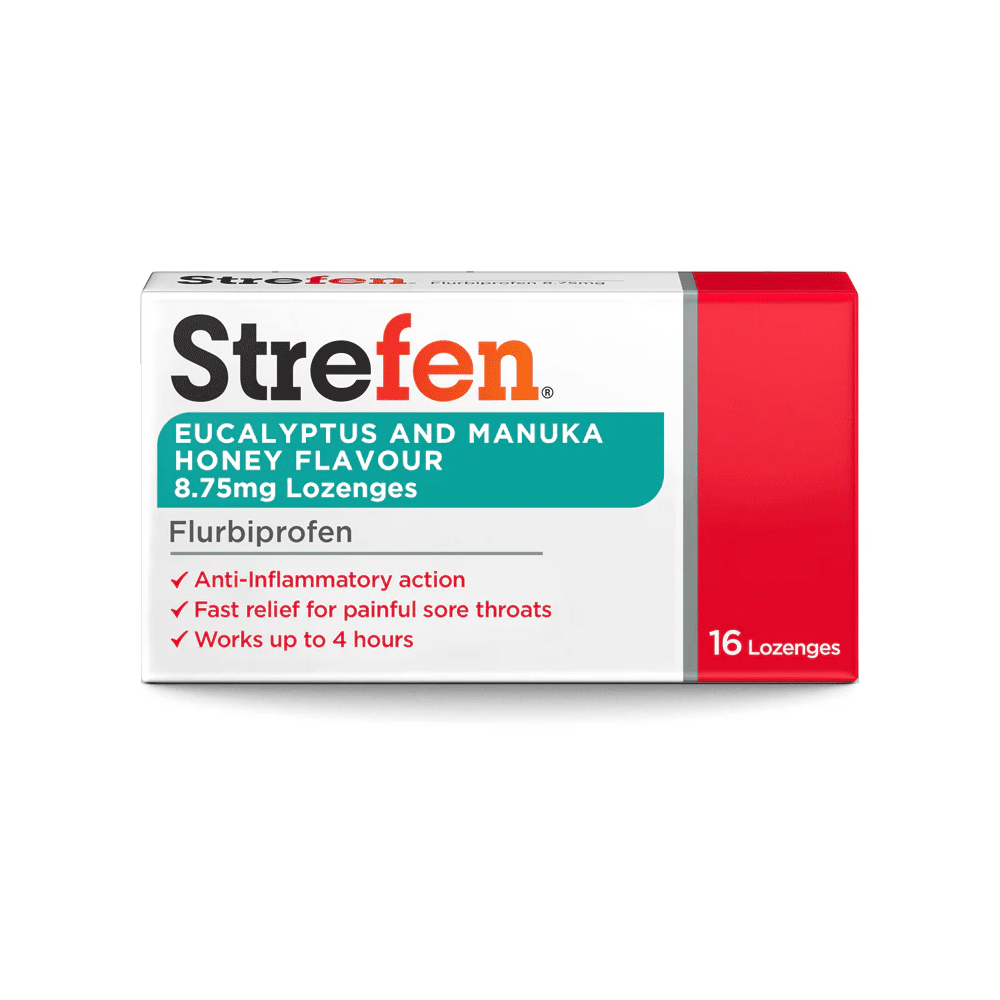
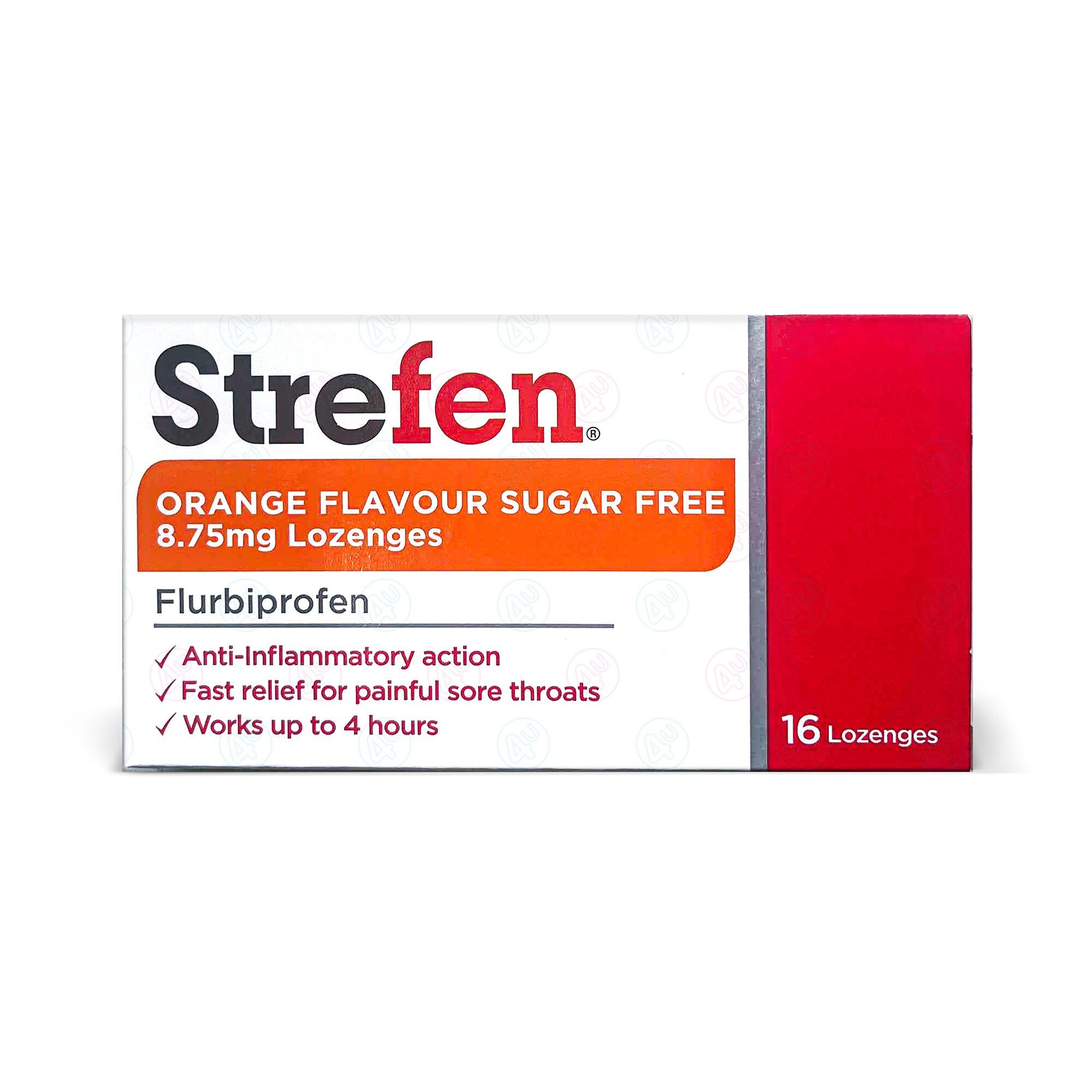
Medicated sprays and throat lozenges are a simple tonsillitis inflammation treatment you can use alongside painkillers. Difflam Spray contains benzydamine and Strefen lozenges contain flurbiprofen, both of which are anti-inflammatories that work on the sore area. Don’t take Strefen at the same time as ibuprofen or other anti-inflammatory painkillers.
Antibiotics
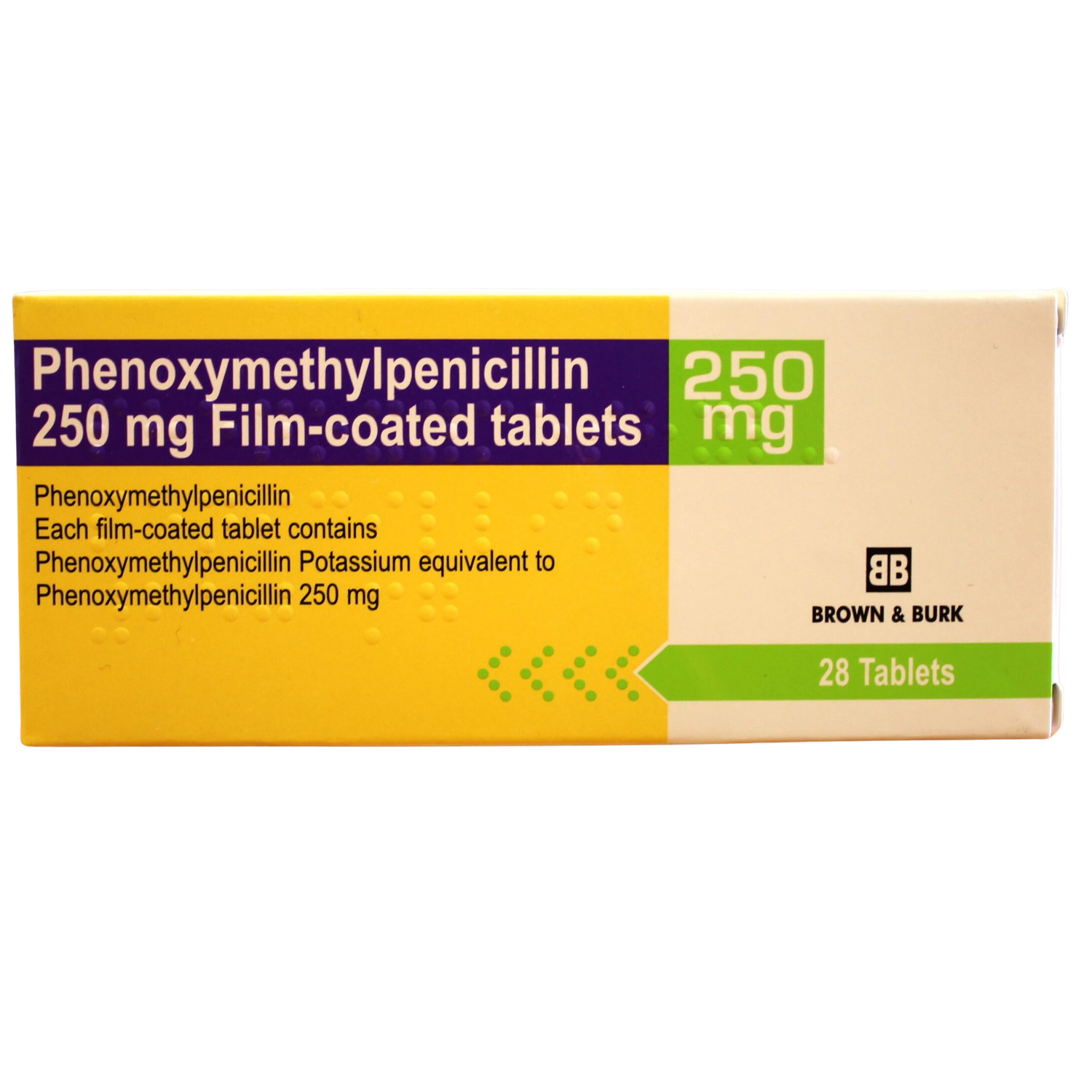
Antibiotics only work on bacterial tonsillitis and won’t help you recover faster from viral tonsillitis. If your symptoms point to a bacterial cause, our pharmacists may prescribe Phenoxymethylpenicillin, which is usually the first choice, or Clarithromycin if you’re allergic to penicillin. Bacterial tonsillitis can very rarely lead to complications like rheumatic fever, which is one reason to finish the full course of antibiotics, even if you start to feel better after a few days.
Our online consultation is for adults aged 18 and over, and we’ll let your GP know if we prescribe you antibiotics.
Tonsil Removal
Surgery to remove the tonsils, known as a tonsillectomy, is usually only considered for severe recurrent tonsillitis. Your GP can refer you to a specialist if your episodes meet the criteria.