What is vaginal atrophy?
Vaginal atrophy is a condition where the vaginal lining becomes thinner, drier, and inflamed due to a drop in oestrogen levels. It’s also known as atrophic vaginitis, or when it affects the urinary tract as well, genitourinary syndrome of menopause (GSM).
Vaginal tissues rely on oestrogen to maintain elasticity, lubrication, and overall vaginal health. When oestrogen levels start to fall, the tissues lose thickness and moisture which can lead to discomfort, irritation, and increased sensitivity. The drop in oestrogen can also change the vaginal pH, making the vagina less acidic and more prone to irritation or infection. Vaginal atrophy is most common in postmenopausal women, but it can affect women at other stages of life too.
Symptoms of Vaginal Atrophy
Vaginal symptoms can vary from person to person, but you might be experiencing vaginal atrophy if you notice:
- Vaginal dryness or a burning sensation
- Itching, soreness, or irritation around the vagina and vulva
- Pain or bleeding during or after sex
- Reduced natural lubrication during arousal
- Watery or unusual vaginal discharge
- More frequent urinary tract infections
- Needing to urinate more often or urgently
- A burning feeling when passing urine
- Light spotting between periods or after intercourse
Symptoms tend to develop slowly and often get worse without treatment. If dryness and discomfort are affecting your daily life, it’s worth speaking to a pharmacist or GP.
What causes vaginal atrophy?
Vaginal atrophy is caused by a drop in oestrogen, which the body needs to keep vaginal tissues healthy. Menopause is the most common trigger, but oestrogen levels can fall for other reasons too.
Factors that can lead to vaginal atrophy include:
- Menopause and perimenopause
- Breastfeeding and the postpartum period
- Surgical removal of the ovaries (oophorectomy)
- Cancer treatment involving chemotherapy or radiation therapy to the pelvic area
- Hormonal treatments for breast cancer, such as tamoxifen or aromatase inhibitors
- Anti-oestrogen medications used for endometriosis or fibroids
- Smoking, which can affect blood flow and oestrogen levels
Some women experience symptoms during perimenopause, while others don’t notice changes until years after their last period.
Treatment for Vaginal Atrophy
While vaginal atrophy is a long-term condition, treating vaginal atrophy effectively is possible with the right approach. Options range from non-hormonal moisturisers and lubricants to prescription hormonal treatments that restore oestrogen locally to the vaginal tissues.
Vaginal Oestrogen Treatments
Topical oestrogen is often the first-line prescription treatment for vaginal atrophy. It delivers a low dose of oestrogen directly to the vaginal tissues, helping rebuild thickness, restore natural lubrication, and reduce irritation. Because the dose is low and localised, absorption into the rest of the body is very minimal.
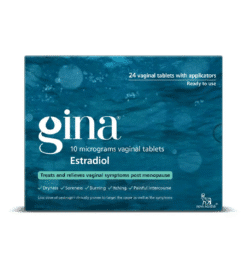
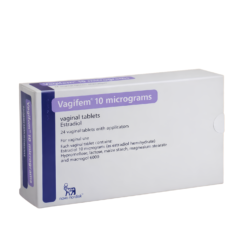
- Vagifem (Estradiol): A small vaginal tablet inserted using an applicator, typically used daily for two weeks and then twice weekly for maintenance.
- Ovestin Cream (Estriol): A vaginal cream applied with an applicator to relieve dryness, itching, and discomfort.
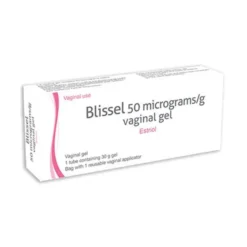
- Blissel Gel (Estriol): A low-dose vaginal gel used to treat symptoms like dryness and painful intercourse.
- Estring (Estradiol): A flexible vaginal ring inserted into the vagina that releases a low, steady dose of oestrogen over 90 days.
After a short online consultation with one of our licensed pharmacists, we’ll send your prescription directly to your door once approved.
Non-Hormonal Treatments
If hormonal treatments aren’t suitable for you, non-hormonal options like a vaginal moisturiser or lubricant can help manage day-to-day symptoms.
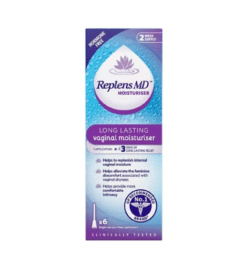
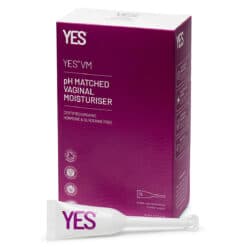
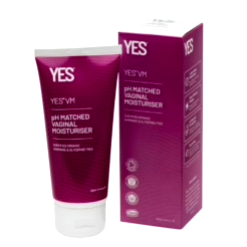
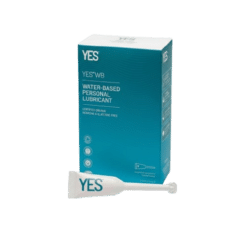
- Vaginal Moisturisers: Products like Replens and YES VM help treat vaginal dryness by hydrating vaginal tissues over time.
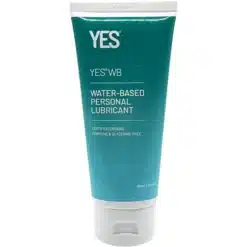
- Vaginal Lubricants: Used during sex to reduce friction and discomfort. Water-based options like Sylk or YES WB are gentle on sensitive tissues.
These treatments don’t reverse how the tissue changes, but they can ease everyday discomfort and help you feel more like yourself.
Systemic Hormone Replacement Therapy (HRT)
For women experiencing other menopausal symptoms alongside vaginal atrophy, such as hot flushes, night sweats, mood changes, or discomfort during sexual activity, systemic HRT may be a suitable option.
Systemic HRT delivers oestrogen, often combined with progesterone, throughout the body via tablets, patches, or gels. This treatment requires a consultation with your GP or menopause specialist.
If your symptoms don’t improve with treatment, or if you experience unusual vaginal bleeding, pain, or discharge, speak to your GP. They can rule out other causes and, if needed, refer you to a specialist. Any post-menopausal bleeding should be reviewed by a doctor, even if you’re already using treatment for vaginal atrophy.