

What is vulvodynia?
Vulvodynia is pain around the vulva, the skin and tissue outside the vagina, that lasts for three months or more and has no obvious cause, like an infection or skin condition. It’s a chronic pain condition rather than a sign of anything serious, though it can be frustrating to live with.
Vulvodynia causes different types of pain, from burning and stinging to rawness or throbbing. For some women, the pain is there constantly, while for others it only comes on when the area is touched, during intercourse, when inserting a tampon or after sitting for long periods.
Vulvodynia is usually grouped by where the pain occurs and what triggers it:
- Generalised vulvodynia affects a wider area of the vulva and is often present without anything triggering it.
- Localised vulvodynia affects one spot, usually the vestibule at the entrance to the vagina, and tends to flare when that area is under pressure. Pain in the vestibule that occurs only with pressure or touch is called provoked vestibulodynia.
What causes vulvodynia?
There’s no single known cause of vulvodynia, which is part of what makes it difficult to diagnose. It’s thought to involve the nerves in the vulval skin becoming oversensitive, so pain signals are sent when nothing would normally hurt.
Several things are linked to developing vulvodynia:
- Damage or irritation to the pudendal nerve, the main nerve supplying the vulva
- A history of repeated thrush or urinary tract infections
- Previous surgery or childbirth injury affecting the area
- Hormonal changes, particularly a drop in oestrogen around the menopause or while breastfeeding
- Skin conditions affecting the vulva, such as lichen sclerosus or eczema
- Tightness or spasm in the pelvic floor muscles
- Sensitivity to soaps, wipes, bubble baths or other products used on the area
Vulvodynia isn’t sexually transmitted and it isn’t caused by poor hygiene, stress and anxiety, though they can make the pain feel worse and living with chronic pain can understandably affect your mood and your relationships. Many women find it helps to talk to others in the same position, through a GP, a counsellor or a support group like the Vulval Pain Society.
Symptoms of Vulvodynia
Vulvodynia symptoms centre on pain around the vulva with no visible cause. The skin usually looks normal, so pain in your vulva is often the only sign, which is why the condition is frequently missed or mistaken for thrush.
Common symptoms include:
- Burning, stinging or a raw feeling around the vulva
- Soreness or throbbing that comes and goes, or stays constant
- Pain during or after sex
- Discomfort when inserting a tampon
- Pain from pressure on your vulva when sitting for long periods, cycling or wearing tight clothing
- Tenderness when the area is touched, even lightly
- Areas of pain that spread towards the inner thighs or buttocks
Some women also notice bladder and bowel discomfort alongside the vulval pain, which can overlap with chronic pelvic pain.
See your GP if you notice a lump, ulcer, unusual discharge, bleeding or any change in the skin, as these may indicate something other than vulvodynia.
How is vulvodynia diagnosed?
There’s no specific test for vulvodynia, so diagnosis and treatment both start with ruling other causes out. Your GP will ask about your symptoms and examine the area, and may take a swab to test for an infection or a skin condition. They might also gently touch the vulva with a cotton bud to map exactly where the pain is.
It’s worth booking an appointment if pain has lasted more than a few weeks, if it’s getting worse, if treatments aren’t helping, if you notice any change in the skin or discharge, or if the discomfort is affecting your sleep, work or relationships. Vulval pain is common, there are treatments that can help, and there’s no need to put up with it.
Treatment for Vulvodynia
No single treatment works for everyone, so most women manage vulvodynia with a combination of treatments, from self-care to soothing products. The treatment of vulvodynia takes some patience, as pain management often takes a few weeks to get right.
Self-Care Measures
Simple home remedies and small changes often make a noticeable difference, particularly where irritation is part of the problem. You can:
- Wash with plain water or an unperfumed emollient rather than soap, shower gel or wipes
- Avoid bubble baths, feminine hygiene products and scented panty liners
- Wear loose cotton underwear and avoid tight trousers where you can
- Use a cool gel pack wrapped in a cloth against the vulva to ease your pain during a flare-up
- Sit on a soft cushion or a ring cushion if sitting is uncomfortable
- Take breaks from cycling, horse riding or anything that puts pressure on the area
Non-Hormonal Treatments
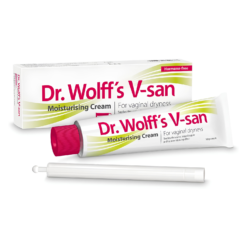
Vaginal dryness makes vulvodynia pain worse, and hormone-free products are often the first thing to try, particularly if oestrogen isn’t suitable for you.
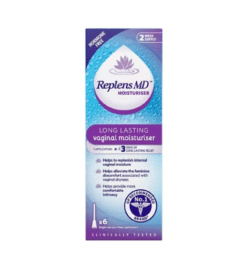
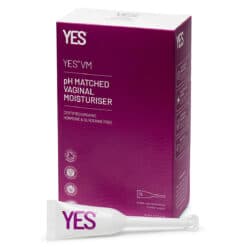
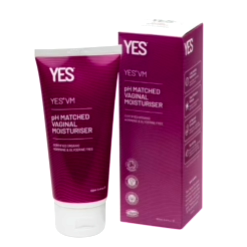
- Vaginal Moisturisers: Products like Replens MD and YES VM hydrate the tissues over time and can be applied directly to the vulva as well as internally.
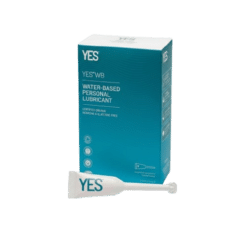
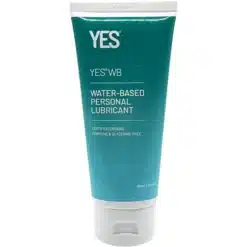
- Vaginal Lubricants: Used during sex to reduce friction and discomfort. Water-based options like YES WB are gentle on sensitive skin and won’t damage condoms.
A topical moisturiser is used regularly to keep the tissue comfortable between flare-ups, while a lubricant is used just before and during sex, so one treatment rarely replaces the other.
Local Oestrogen Treatments
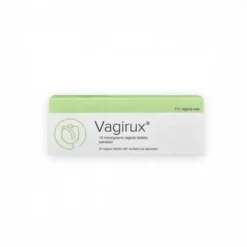
If your symptoms started around the menopause, or you also have dryness and thinning of the vaginal tissue, low-dose oestrogen applied locally can help restore moisture and elasticity, giving long-term pain relief. It delivers a small dose directly to the tissue, so very little is absorbed into the rest of the body.
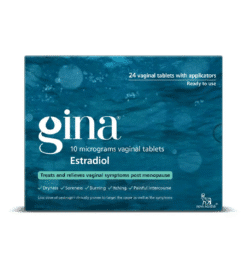
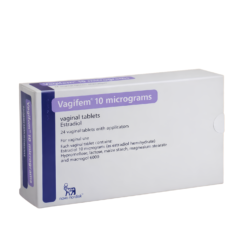
- Vagifem (Estradiol): A small vaginal tablet inserted with a single-use applicator, containing 10 micrograms of estradiol.
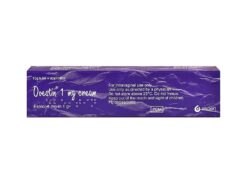
- Ovestin Cream (Estriol): A vaginal cream applied with an applicator to relieve dryness and irritation.
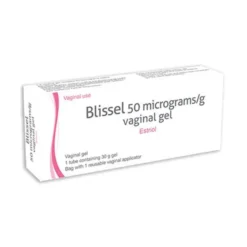
- Blissel Gel (Estriol): A low-dose estriol gel supplied with an applicator.
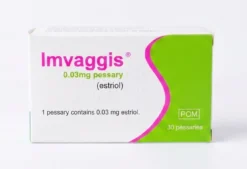
- Imvaggis (Estriol): Vaginal pessaries that don’t need an applicator, with 30 per pack.
These are licensed for vaginal atrophy rather than being used to treat vulvodynia directly, so our pharmacists will check they’re appropriate for your symptoms before supplying them.
Other Treatments Your GP May Suggest
If pain doesn’t settle with the measures above, a GP or specialist can talk through a further treatment option:
- Local anaesthetic gel or ointment applied before sex or during a flare-up
- Antidepressants and anticonvulsants prescribed for nerve pain, usually a tricyclic antidepressant such as amitriptyline, or an anticonvulsant such as gabapentin or pregabalin
- Pelvic floor physiotherapy, which helps if muscle tension is contributing
- Psychosexual counselling or cognitive behavioural therapy to help with the impact on sex and mood
- Alternative medicine, such as acupuncture, which some women find helpful alongside medical treatment
- Referral to a specialist vulval clinic if symptoms are severe or long-standing
Starting a new treatment is usually done gradually, so give it time before judging how well it’s working.