


What are razor bumps?
Razor bumps are the small, sore bumps that come up after shaving, where the regrowing hair curls round and pierces the skin instead of breaking cleanly through it. The medical name is pseudofolliculitis barbae, and they turn up wherever you shave, most often the beard area, legs, armpit and bikini area.
Anyone can get them, but you’re more likely to if you have coarse or curly hair, because curly hair is much more likely to re-enter the skin as it grows back.
What are ingrown hairs?
An ingrown hair is a hair that grows back into the skin instead of growing out of the follicle. The body treats it as something that shouldn’t be there, so the area becomes red, raised and tender, often with a visible hair trapped just under the surface.
Ingrown hairs aren’t dangerous and often clear on their own without you doing anything. They do tend to come back with each round of hair removal, though, and picking at them can leave dark marks or scarring.
Symptoms of Razor Bumps and Ingrown Hairs
Symptoms usually appear a day or two after shaving or waxing and settle in the areas where you removed hair. Redness around the hair is normally the first sign. You might experience:
- Small red or skin-coloured bumps, sometimes with a hair visible inside
- Bumps filled with pus that look similar to spots
- Itching, tenderness or a stinging feeling
- Darker patches of skin where old bumps have healed, particularly on deeper skin tones
- Bumps that look red on white skin, or a different colour to the surrounding skin on black or brown skin
- A firmer, deeper lump under the skin where a hair is trapped
- Redness and swelling across the shaved area
If a bump becomes very painful, hot, swollen or starts spreading, it may have become infected and needs looking at. See your GP if you have a fever, if the lumps keep returning to the same spot, or if you notice unusual hair growth on your face or body, as this can indicate an underlying hormonal cause.
What causes ingrown hairs and razor bumps?
Ingrown hairs happen when a hair can’t break cleanly through the surface of the skin. How it happens depends on the hair removal methods you use.
Shaving leaves a sharp, angled tip that can pierce the follicle wall or the skin next to it, while waxing and epilating pull the hair at the root, so the new hair often snaps below the surface as it regrows. A build-up of dead skin can also clog hair follicles, leaving the hair nowhere to go.
Common triggers include:
- Shaving too closely, against the direction of growth, or with a blunt blade
- Waxing, plucking, threading and epilating, which can break the hair below the surface
- Naturally curly or coarse hair, which curves back towards the skin as it regrows
- A build-up of dead skin cells blocking the follicle
- Tight clothing rubbing against freshly shaved skin
- Dry skin and a lack of preparation before hair removal
- Higher androgen levels, which can cause thicker, faster-growing hair
Conditions like folliculitis and acne can look very similar, so if bumps are appearing in areas you don’t shave, it’s worth getting them checked rather than treating them as ingrown hairs. Knowing which of these applies to your ingrown hairs is important because it changes how you treat them
Treatment for Razor Bumps and Ingrown Hairs
Most bumps clear on their own, so treating ingrown hairs is about easing the irritation you have now and stopping new ones from forming. The right ingrown hair treatment depends on how sore the skin is, how often the bumps come back and where they appear.
Where ingrown hairs are persistent, changing how you remove the hair matters as much as anything you put on the skin, so the two together tend to work better than either alone when you want to treat and prevent ingrown hairs. If a hair is trapped deeper and a firm lump has formed, ingrown hair cyst treatment starts with warm compresses to soften the area rather than anything applied to the surface.
Self-Care Measures
Changing how you remove hair often does more than anything you apply afterwards. A simple skincare routine around the areas you shave makes a difference too. Alongside any treatment for ingrown hair and razor bumps, you can:
- Stop shaving the area for a few days to let the skin settle
- Soften the hair with warm water before you shave and use a shaving gel or cream
- Shave in the direction the hair grows, using a sharp blade and light pressure
- Rinse the blade after every stroke and replace it regularly
- Exfoliate gently two or three times a week to lift dead skin off the follicle
- Apply a warm, damp flannel to a sore bump for a few minutes a few times a day
- Wear loose cotton clothing over freshly shaved areas
- Leave the bumps alone, as squeezing or digging a hair out with tweezers usually makes things worse
A gentle exfoliator used a few times a week is enough to remove dead skin cells without aggravating the area, and a fragrance-free moisturiser to hydrate the skin afterwards helps it settle. A cool compress will soothe a flare-up if the skin feels hot and sore.
Topical Treatments
Hormone-free creams, gels and washes are the usual way to tackle ingrown hairs, and several work by clearing the follicle so trapped hairs can grow out normally.
A salicylic acid exfoliant clears away the skin cells that can clog the follicle, and a retinoid keeps new ones from building up in the same way.
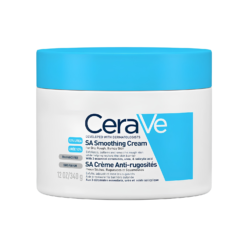
- Salicylic acid: An exfoliating acid that loosens dead skin around the follicle. Products like CeraVe SA Smoothing Cream can help with rough, bumpy skin over time.
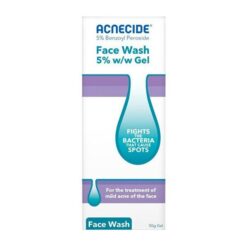
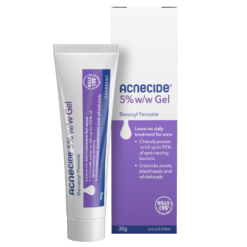
- Benzoyl peroxide: Reduces bacteria on the skin and helps settle inflamed, pus-filled bumps. Available as a wash or a leave-on gel such as Acnecide.
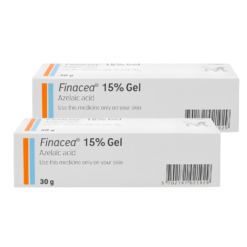
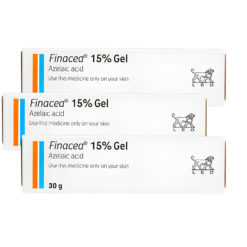
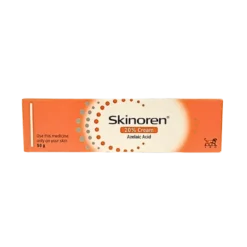
- Azelaic acid: Found in Skinoren and Finacea, it calms inflammation and can help with the darker marks left behind once bumps heal.
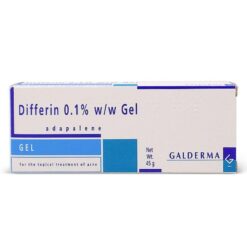
- Adapalene: A retinoid gel or cream, sold as Differin, that speeds up skin cell turnover so follicles are less likely to block.
Give any topical razor bump treatment a good few weeks before deciding how well it’s working, and azelaic acid is a good option to help reduce redness while you wait. Anything used to treat ingrown hairs on the face needs to be gentle on the skin, so introduce acids and retinoids slowly rather than daily from the start.
Prescription Treatments
If bumps become infected or if the same areas flare again and again, our pharmacists can review you for a prescription option.
- Fucidin Cream (fusidic acid): A topical antibiotic used for infected follicles.
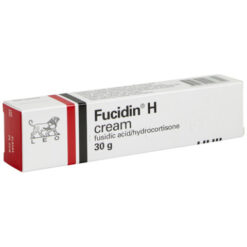
- Fucidin H Cream: Fusidic acid with hydrocortisone, which settles the inflammation as well as the infection.
- Zineryt (erythromycin and zinc acetate): A topical antibiotic solution.
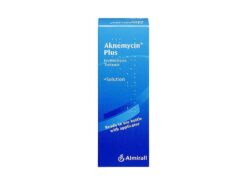
- Aknemycin Plus (erythromycin and tretinoin): An antibiotic and a retinoid in one, for skin that’s both inflamed and blocked.
These are licensed for conditions like acne and bacterial skin infection rather than for ingrown hairs specifically, so our pharmacists will check they’re appropriate for your symptoms before supplying them.
Longer-Term Options
If shaving is the trigger and the bumps never really settle, reducing hair growth altogether tends to be the most reliable fix. Prescription creams that slow facial hair growth are available through our facial hair removal clinic, and laser hair removal carried out by a qualified practitioner can reduce regrowth over a course of sessions. Simply growing a beard or switching to an electric trimmer that leaves slight stubble also works well for many men.
Speak to your GP if bumps keep getting infected, if you develop a painful lump that won’t drain, or if you’re left with scarring or hyperpigmentation you’d like treated.
How to Prevent Ingrown Hairs
The most useful tips to prevent ingrown hairs come down to technique: soften the hair with warm water first, use a shaving gel and a sharp blade, and shave in the direction the hair grows back rather than against it. Cutting the hair close to the skin by stretching it taut is what leaves the tip below the surface, so ease off the pressure.
Exfoliating two or three times a week can help prevent the follicles from clogging, and loose cotton clothing over freshly shaved skin reduces friction.