


What is folliculitis?
Folliculitis is inflammation of the hair follicles, the tiny pockets in your skin that each hair grows from. When a follicle becomes infected or irritated, it can swell into a small red bump or a whitehead-like spot, often appearing in clusters.
Most cases are mild and settle on their own, but some are more stubborn and need treatment to stop them from spreading or coming back. Bacteria are behind most cases, but fungi, ingrown hairs, and blocked follicles can also trigger it.
Types of Folliculitis
Folliculitis is grouped by what’s causing the inflammation and how deep it reaches into the skin.
Superficial folliculitis only affects the top of the follicle, while deeper types spread further into the surrounding tissue. Each specific type of folliculitis has slightly different triggers and treatment options.
- Bacterial folliculitis: The most common type, this bacterial infection is usually caused by Staphylococcus aureus entering damaged follicles.
- Fungal folliculitis: Also known as malassezia folliculitis or pityrosporum folliculitis, this type is triggered by an overgrowth of yeast on the skin and often appears on the chest, back, and shoulders.
- Hot tub folliculitis: Caused by Pseudomonas bacteria found in poorly maintained hot tubs, pools, and warm water.
- Razor bumps: Also known as pseudofolliculitis barbae, this happens when shaved or waxed hairs curl back into the skin, and it’s common on the beard area and legs.
- Scalp folliculitis: Affects the follicles on the scalp and hairline, sometimes causing itchy, sore spots that crust over.
- Boils and carbuncles: A deeper, more severe type where the infection spreads below the follicle, creating painful, pus-filled lumps.
- Eosinophilic folliculitis: A rarer, non-infectious type that causes itchy, recurring pustules, usually on the face, scalp, and upper body. It’s more common in people with a weakened immune system.
- Folliculitis decalvans: A scarring form that affects the scalp and can cause permanent hair loss. Folliculitis decalvans is rare, but it needs specialist treatment early to prevent lasting damage.
What causes folliculitis?
Folliculitis develops when hair follicles become damaged and then infected or irritated. A build-up of bacteria is the usual culprit, but yeast, ingrown hairs, and blocked follicles can all set it off.
Several things can increase your risk of folliculitis:
- Shaving, waxing, or plucking, which can damage the follicle
- Friction from tight or non-breathable clothing
- Sweating heavily or spending time in warm, humid conditions
- Using hot tubs or pools that aren’t properly cleaned
- Blocked follicles from heavy oils, make-up, or skincare products
- Long-term use of antibiotics or steroid creams
- A weakened immune system or a condition like diabetes
Symptoms of Folliculitis
Folliculitis often looks like acne, with clusters of small bumps forming around the hair follicles. Each lesion tends to sit right at a hair follicle, which is one of the clearest ways to tell it apart from other skin bumps.
Depending on the cause and where it appears, you might notice:
- Small red bumps or whiteheads around hair follicles
- Itching, burning, or a prickly feeling on the skin
- Tenderness or soreness in the affected area
- Pus-filled spots that crust over as they heal
- Clusters of spots on the scalp, beard, legs, back, or buttocks
Mild folliculitis usually settles on its own, but if the bumps are spreading, painful, or keep coming back, it’s worth getting them treated.
Folliculitis Treatments
Most cases of folliculitis clear up with good skin care, but for persistent or spreading folliculitis, medicated options usually work better. The right choice depends on whether your folliculitis is bacterial or fungal, and where on the body it’s affecting you.
Antibacterial Washes and Creams
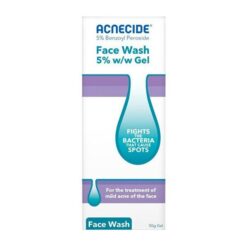
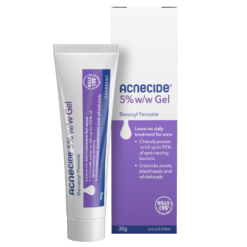
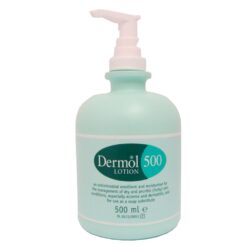
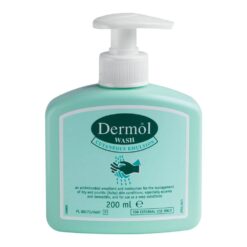
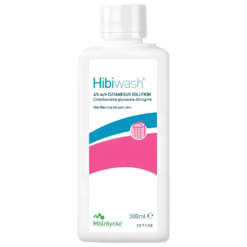
- Antiseptic washes: Products containing chlorhexidine or benzoyl peroxide help clear bacteria from the skin and are useful for mild, widespread folliculitis.
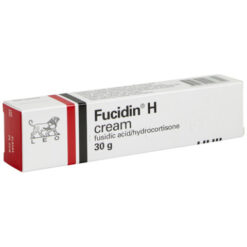
- Fusidic acid cream or ointment: A topical antibiotic that targets the bacteria behind most cases, applied directly to the affected area.
Oral Antibiotic Tablets
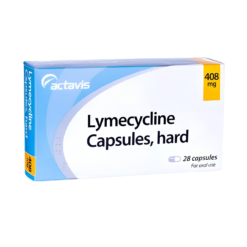
- Lymecycline: A tetracycline antibiotic often prescribed for stubborn or widespread bacterial folliculitis, particularly on the trunk, back, and shoulders.
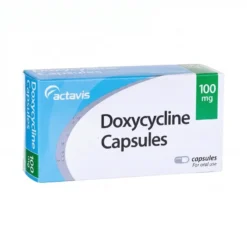
- Doxycycline: Another tetracycline antibiotic used for deeper or recurring folliculitis, with the added benefit of anti-inflammatory properties that help calm irritated skin.
Antifungal Treatments
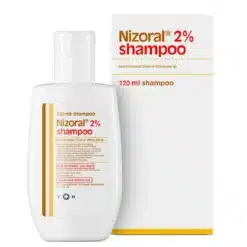
- Ketoconazole cream or shampoo: Used when folliculitis is caused by yeast rather than bacteria, which is common on the chest, back, and shoulders.
Scalp and Hairline Treatment
Because the scalp is covered in dense hair, treatment for folliculitis on the scalp often pairs a medicated antibacterial or antifungal shampoo with a topical cream to reach the follicles properly.
Preventing Folliculitis
Folliculitis is often linked to habits and environments that damage or block the hair follicles, so a few small changes can make a real difference to how often it flares up.
Shaving and Hair Removal
Shaving is one of the most common triggers, particularly on the beard area, legs, and bikini line. To reduce irritation:
- Use a clean, sharp razor and replace it regularly
- Shave in the direction of hair growth, not against it
- Apply a gentle shaving gel or cream to soften the hair
- Consider swapping to an electric razor if you get frequent razor bumps
- Avoid shaving over broken or already inflamed skin
Clothing and Skin Care
Sweat, friction, and blocked follicles all create the conditions folliculitis thrives in.
- Wear loose, breathable fabrics, especially when exercising
- Change out of sweaty gym clothes or swimwear as soon as you can
- Shower after workouts and pat your skin dry with a clean towel
- Avoid heavy oils or thick moisturisers on areas prone to breakouts
- Use a mild antibacterial wash if you’re prone to recurring bumps
Hot Tubs and Shared Spaces
Poorly maintained pools and hot tubs are a well-known source of bacterial folliculitis.
- Only use hot tubs and pools that are properly cleaned and chlorinated
- Rinse off in the shower straight after
- Don’t share razors, towels, flannels, or hair tools with others
Managing Underlying Health
If you have diabetes, a weakened immune system, or a skin condition like eczema, working with your GP to keep these well-managed can lower your risk of developing folliculitis and cut down on repeat flare-ups.
When to See a Doctor About Folliculitis
Folliculitis is usually harmless and clears within a week or two, but you should speak to a pharmacist or GP if:
- The bumps are spreading, very painful, or filled with pus
- Your symptoms don’t improve after a week of self-care
- You keep getting folliculitis in the same area
- You develop a fever, or the skin around the follicles becomes hot and swollen
- You have a condition like diabetes or a weakened immune system
Without treatment, deep or recurring folliculitis can sometimes lead to boils or scarring, so getting the right care early helps stop it from becoming more serious.
In some cases your GP may refer you to a dermatologist for specialist assessment. Our pharmacists can review your symptoms through a quick online consultation and recommend a suitable treatment for you.