


What is pitted keratolysis?
Pitted keratolysis is a superficial bacterial skin infection affecting the stratum corneum, the tough outer layer of the skin on the soles of your feet. Superficial means that only the top layer is involved, nothing deeper. The bacteria break down keratin, the protein that holds it together, leaving behind shallow craters and a smell that soap alone won’t shift.
It’s a common skin disorder affecting the soles of roughly 2 in 100 people, and far more among athletes and anyone in work boots all day. It turns up on the pressure-bearing parts of the foot, usually the ball and the heel, and sometimes the toe webs. It’s an infection of the skin surface and nothing more serious than that. You might see it called plantar pitted keratolysis, keratolysis plantare sulcatum or ringed keratolysis. They all mean the same thing, and they all describe the plantar skin, which is just the skin on the sole.
The skin can look white and soggy after a bath or shower, which makes the pits far easier to spot. It isn’t dangerous, but it’s persistent and tends to recur if the conditions that caused it don’t change.
Understanding pitted keratolysis starts with the smell. It’s one of the most common reasons for genuinely smelly feet, and it’s often mistaken for poor hygiene, which it isn’t, or for a fungal infection, which needs a completely different approach.
What causes pitted keratolysis?
Pitted keratolysis occurs when bacteria that live harmlessly on the skin of the feet, mainly Kytococcus sedentarius, Dermatophilus congolensis and certain Corynebacterium species, multiply in a warm, moist environment. They release enzymes that digest keratin, giving off sulphur compounds as they go. Pitted keratolysis causes its distinctive smell that way.
Things that make the feet a comfortable place for these bacteria include:
- Sweaty feet or excessive sweating (hyperhidrosis)
- Wearing occlusive footwear like work boots, trainers or wellingtons for long stretches
- Nylon or synthetic socks that trap moisture against the skin
- Jobs and hobbies that keep feet damp, including nursing, catering, the armed forces, construction and sport
- Hot, humid weather
- Not drying between the toes properly after washing
- Thickened skin on the soles, which holds moisture
- Diabetes or a weakened immune system, which can make skin infections more likely
If your feet are damp for most of the day, the bacteria have everything they need. That’s why the incidence of pitted keratolysis is so much higher in people who spend their days in boots or trainers. Symptoms often flare in summer, during a heavy block of training or across a run of long shifts. The things most associated with pitted keratolysis are the same ones behind sweaty feet, so anyone whose feet stay damp has a greater chance of developing pitted keratolysis.
Symptoms of Pitted Keratolysis
The smell is usually what alerts people that something might be wrong, but the pits are what confirm it. The lesions are shallow and painless in most cases, so they’re easy to miss. Look at the soles of your feet just after a shower, when the skin is still damp and pale.
Common symptoms include:
- A strong, cheesy or sulphur-like odour that returns quickly after washing
- Clusters of small, crater-like pits on the soles, often joining up into larger patches
- White, soggy-looking skin on the soles after bathing or a long day in shoes
- Damp or clammy feet
- Mild soreness or a tender, burning feeling when walking, in some cases
- Itching, though this is less common than with athlete’s foot
If you’re seeing flaking or cracked skin between the toes instead, athlete’s foot is more likely.
See your GP if:
- The skin becomes red, swollen, painful or starts weeping
- You have diabetes or poor circulation and notice any change in your feet
- The problem doesn’t settle with treatment
How is pitted keratolysis diagnosed?
A GP or pharmacist can usually diagnose pitted keratolysis by looking at the feet. The combination of shallow pits on a weight-bearing sole and a strong odour is fairly distinctive, so tests are rarely needed.
The diagnosis of pitted keratolysis is made based on what a healthcare provider sees on your feet and what you tell them, so expect questions about your footwear, your job, and how much your feet sweat.
If there’s any doubt, a skin scraping can be sent off to rule out a fungal infection, since athlete’s foot can cause similar symptoms and may be present at the same time. Swabs aren’t routinely taken to confirm a bacterial skin infection because the bacteria responsible are part of everyone’s normal skin population anyway.
Treatment for Pitted Keratolysis
Pitted keratolysis responds well to treatment, and pitted keratolysis treated early tends to clear faster. Treatment options fall into two groups:
- Clearing the bacteria from the skin
- Drying the feet out so they can’t come straight back
The treatment of pitted keratolysis almost always combines a topical product with changes to footwear and foot care, so a good pitted keratolysis treatment plan does both from the start. The odour usually improves within a week or two.
Self-Care Measures
Getting the feet dry is the single most useful thing you can do, and it’s the part of at-home pitted keratolysis treatment that makes everything else work better.
Home remedies won’t clear the infection on their own, but keeping your feet clean and dry and sorting out your shoes and socks will help prevent pitted keratolysis from coming back once treatment finishes. You can:
- Wash your feet twice a day with an antibacterial or antiseptic wash and dry them thoroughly, especially between the toes
- Change your socks at least once a day, more if they get damp
- Wear cotton or moisture-wicking socks rather than nylon
- Alternate your shoes so each pair has 24 hours to dry out
- Choose breathable footwear and take your shoes off when you can
- Avoid sharing towels, shoes or nail clippers
- Go barefoot or wear open sandals at home
- Use a separate towel for your feet and wash it regularly
Antiperspirants for the Feet
If sweating is driving the problem, a strong antiperspirant applied to the soles reduces the moisture the bacteria need. Aluminium chloride products are the usual choice and they’re applied at night to dry skin, then washed off in the morning.
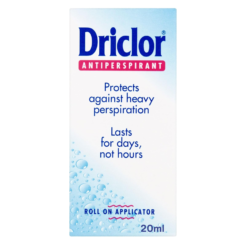
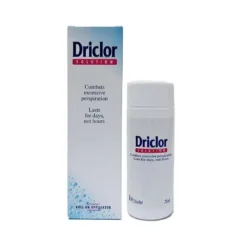
- Driclor Solution: A 20% aluminium chloride hexahydrate roll-on used at bedtime and washed off the following morning.
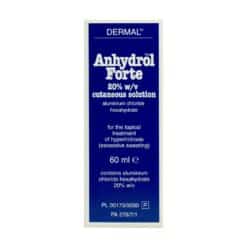
- Anhydrol Forte Roll-on: A 20% aluminium chloride hexahydrate solution used in the same way.
These are licensed for excessive sweating rather than for pitted keratolysis itself, so our pharmacists will check they’re right for your symptoms before supplying them. They can sting on broken or freshly shaved skin, so leave a couple of days after any irritation before starting.
Antibacterial Washes
An antiseptic wash used in place of soap lowers the number of bacteria on the skin and is a straightforward, smelly feet treatment to build into your routine.
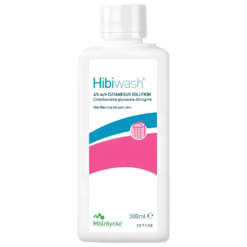
- Hibiwash: A chlorhexidine gluconate antiseptic wash.
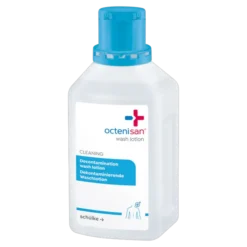
- Octenisan Wash Lotion: An antimicrobial wash lotion containing octenidine hydrochloride.
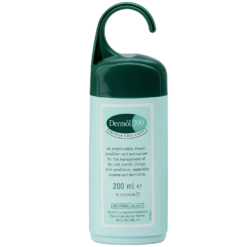
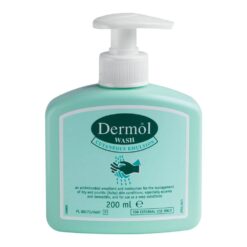
- Dermol Wash: An antimicrobial emollient wash with benzalkonium chloride and chlorhexidine dihydrochloride, useful if the skin is also dry.
Topical Treatments From Our Pharmacists
Where self-care and antiperspirants haven’t been enough, a topical antibiotic or antibacterial applied directly to the soles clears the infection more quickly.
- Fucidin Cream (fusidic acid 2%): A topical antibiotic cream applied to the affected skin.
- Zineryt Solution (erythromycin and zinc acetate): A topical antibiotic solution.
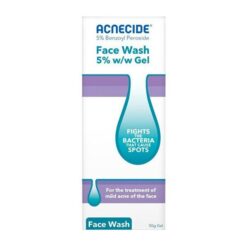
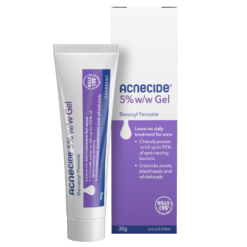
- Acnecide Gel (benzoyl peroxide 5%): An antibacterial gel that also helps dry the skin.
These treatments are licensed for other skin conditions, so they’d be supplied following a consultation once our pharmacists have confirmed they’re appropriate for you. Treatment is usually continued for a couple of weeks and finished properly, even once the smell has gone, so the bacteria don’t return.
If your feet don’t improve after a few weeks of treatment, or the skin becomes painful, red or weepy, speak to your GP. They can check for another cause and, if needed, prescribe an oral antibiotic or refer you to a dermatologist or podiatrist.