


Weight Management & Treatment
Carrying excess body weight raises your risk of health problems including type 2 diabetes, heart disease, high blood pressure and some cancers. It’s also common. The Health Survey for England 2022 found that 29% of adults in England were living with obesity and 64% were overweight or obese.
Body Mass Index (BMI)
BMI is the standard way to check if you’re a healthy weight for your height. It’s worked out by dividing your weight in kilograms by your height in metres squared. You can check yours with our BMI calculator or the NHS BMI calculator.
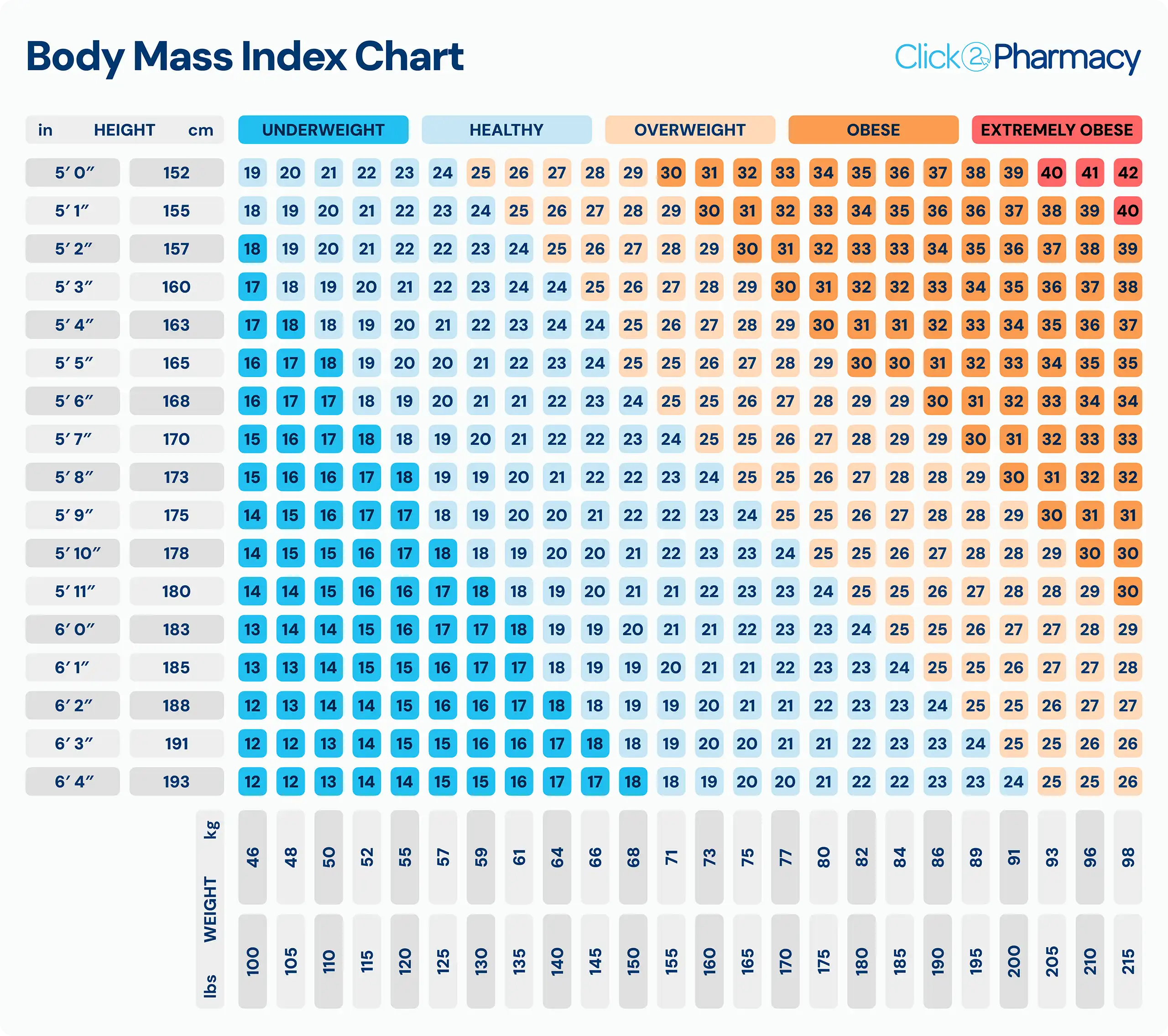
- Below 18.5: underweight
- 18.5 to 24.9: healthy weight
- 25 to 29.9: overweight
- 30 or above: obese
If you’re from a South Asian, Chinese, Middle Eastern, Black African or African-Caribbean background, your risk of weight-related health problems can start at a lower BMI. BMI doesn’t measure body fat directly, so a very muscular person can have a high BMI without carrying excess fat.
What causes obesity?
Most of the time, weight gain comes from taking in more calories than your body uses, especially if you’re not very active. Some people gain weight because of an underlying health condition, such as an underactive thyroid, or as a side effect of certain medicines. Genes, sleep, stress and your surroundings can all make it harder to manage your weight too.
How to Lose Weight
To lose weight, you need to take in fewer calories than your body burns. Small changes you can stick to usually work better than strict diets: smaller portions, more fruit, vegetables and fibre, fewer sugary drinks and regular activity. Our weight loss recipes and meal plans can help you plan healthier meals that support weight loss.
If diet and exercise alone haven’t worked, weight loss medication may help. Every medicine on this page is licensed for use alongside a reduced-calorie diet and more physical activity, not instead of them.
Which weight loss medication is right for me?
The right medicine depends on your BMI, your health, your weight loss goals, any other medicines you take and if you’d prefer an injection or a tablet. Our prescribers review your consultation answers and only approve treatment that’s safe and appropriate for you. If a medicine isn’t right for you, they’ll explain why and suggest an alternative where possible.
Weight Loss Injections
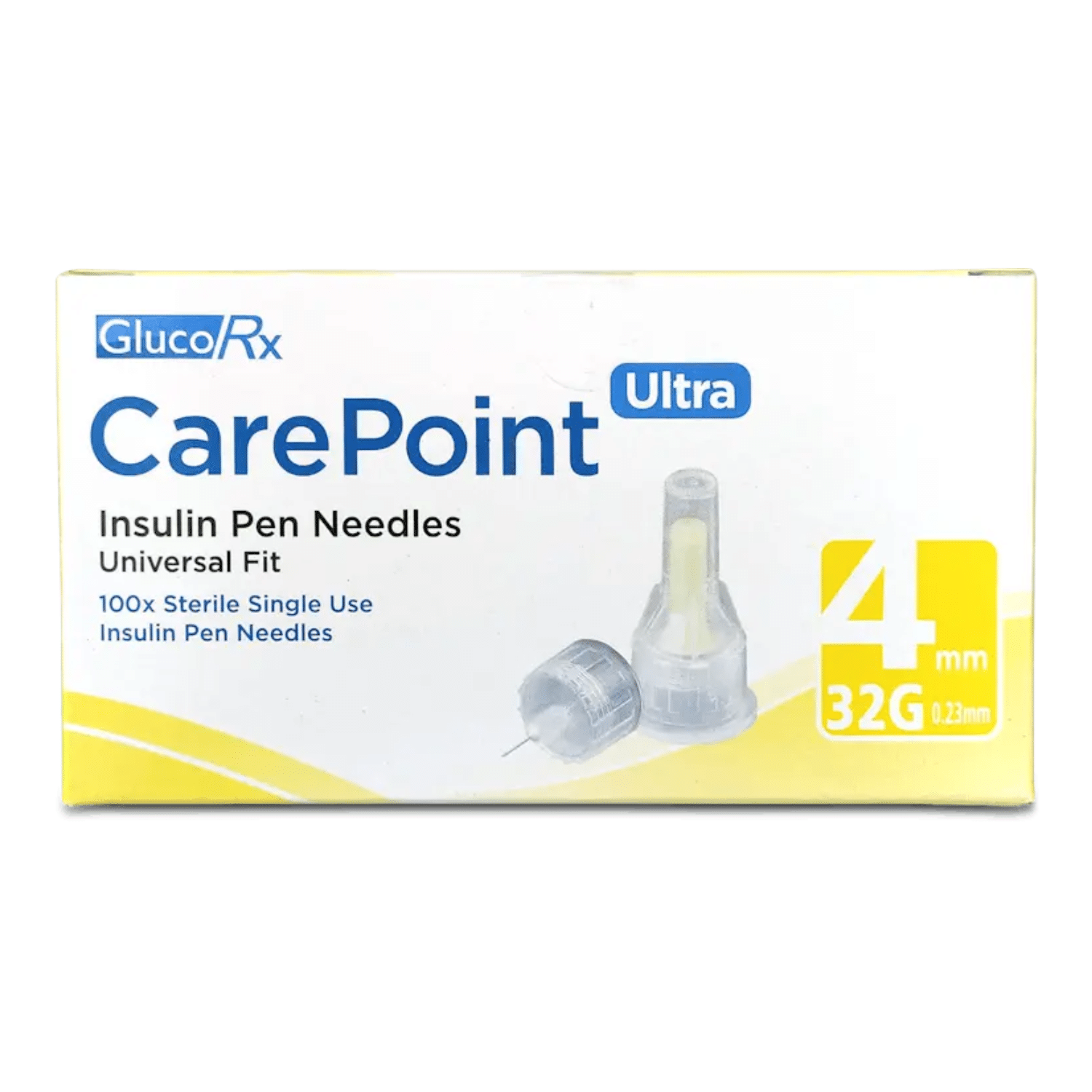
Weight loss injections are prescription-only medicines, so you can only buy weight loss injections after a consultation and a prescriber’s approval. Wegovy and liraglutide are GLP-1 injections, while Mounjaro acts on GLP-1 and a second hormone, GIP. All of them come as prefilled pens that you inject just under the skin of your stomach, thigh or upper arm.
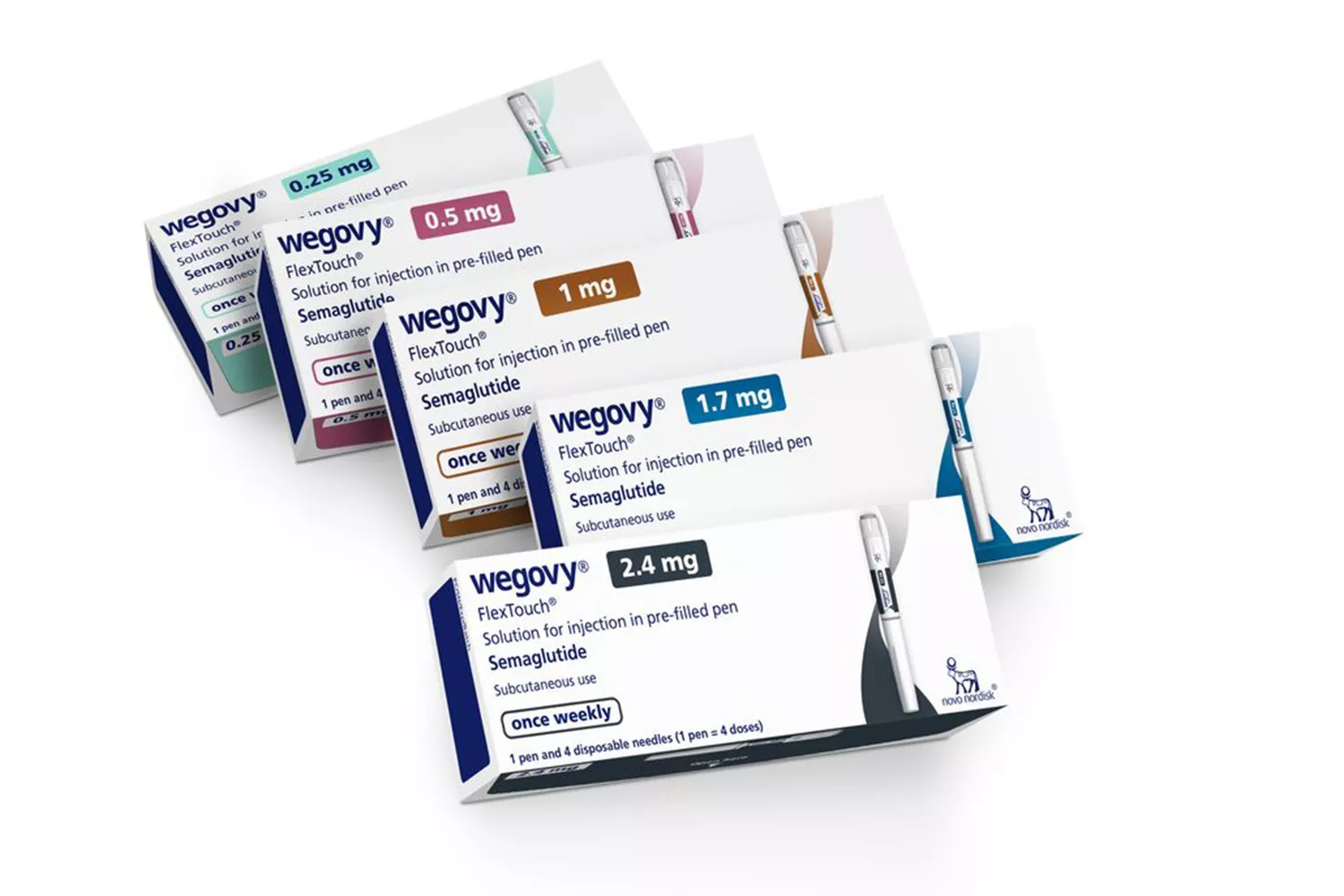
Wegovy
Wegovy is a once-weekly injection containing semaglutide.
- Acts like a natural gut hormone called GLP-1 to help you feel fuller and less hungry
- One injection a week, starting at 0.25mg and increasing every four weeks to a usual maintenance dose of 2.4mg
- A higher 7.2mg weekly dose was approved by the MHRA in January 2026 for adults with a BMI of 30 or above
- In the STEP 1 trial, people using Wegovy alongside diet and exercise lost more weight on average than those using a placebo
- Licensed for adults with a BMI of 30 or above, or 27 or above with at least one weight-related condition
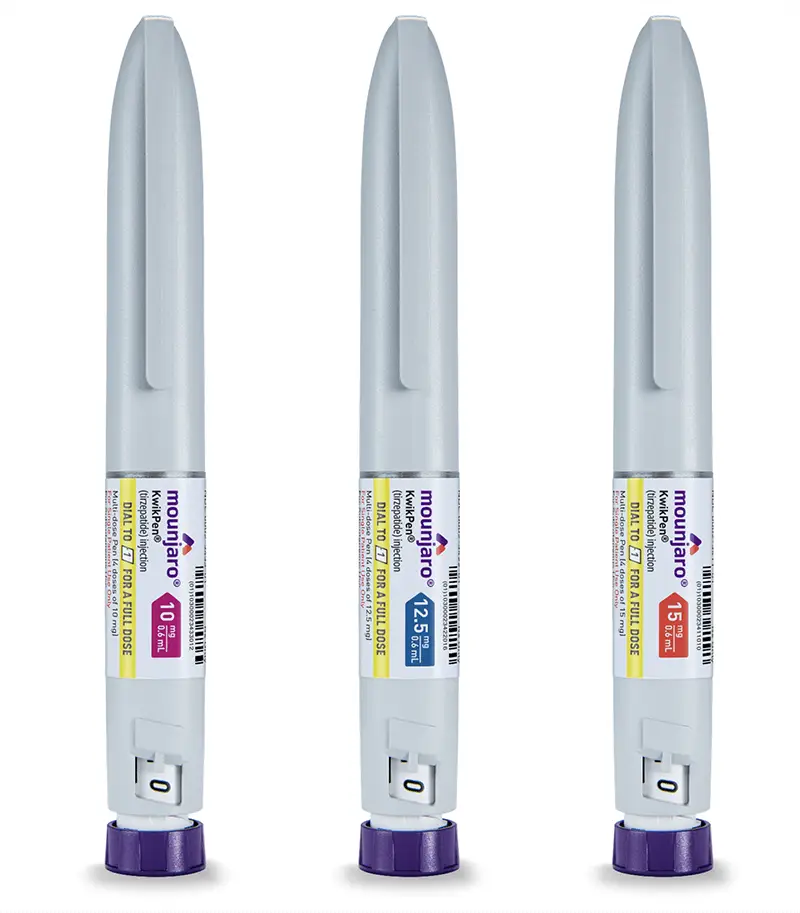
Mounjaro
Mounjaro is a once-weekly injection containing tirzepatide.
- Acts on two gut hormones, GIP and GLP-1, to reduce your appetite and help you feel fuller for longer
- One injection a week, starting at 2.5mg, with the dose increased gradually every four weeks if needed
- In the SURMOUNT-1 trial, people using Mounjaro with diet and exercise lost more weight on average than those using a placebo
- Licensed for adults with a BMI of 30 or above, or 27 to 30 with at least one weight-related condition
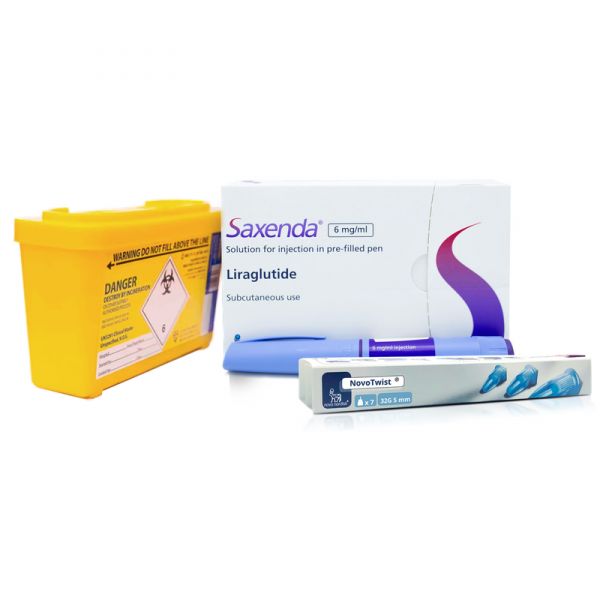
Saxenda, Nevolat and Liraglutide Injections
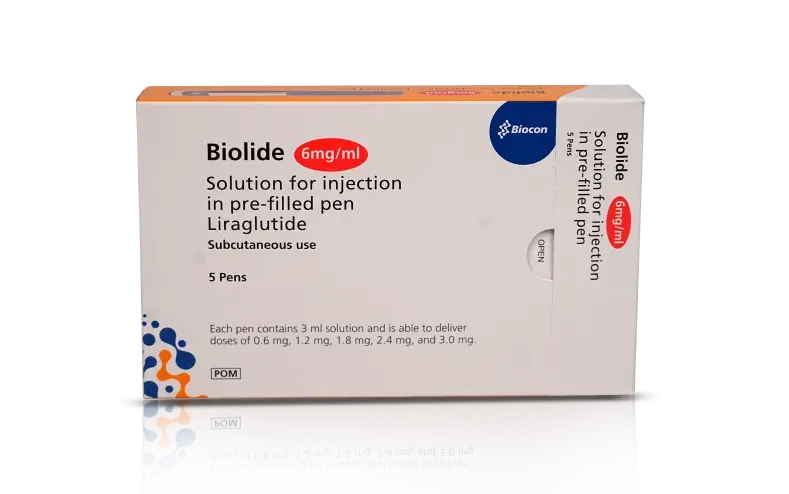
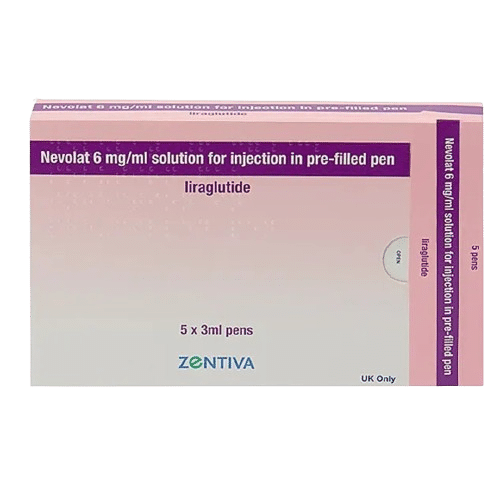
Saxenda, Nevolat and our generic liraglutide injections all contain liraglutide, a GLP-1 medicine you inject once a day.
- Acts like the GLP-1 hormone to help you feel fuller and less hungry
- One injection a day, starting at 0.6mg and going up each week to 3mg
- In the SCALE trial, people using liraglutide alongside diet and exercise lost more weight on average than those using a placebo
- Treatment is stopped if you haven’t lost at least 5% of your starting weight after 12 weeks on the 3mg dose
- Licensed for adults with a BMI of 30 or above, or 27 or above with at least one weight-related condition
Weight Loss Tablets
If you’d rather buy weight loss tablets than use injections, there are several options, including two once-daily GLP-1 tablets. Most are prescription-only, while Alli and Orlos are lower-strength pharmacy medicines.
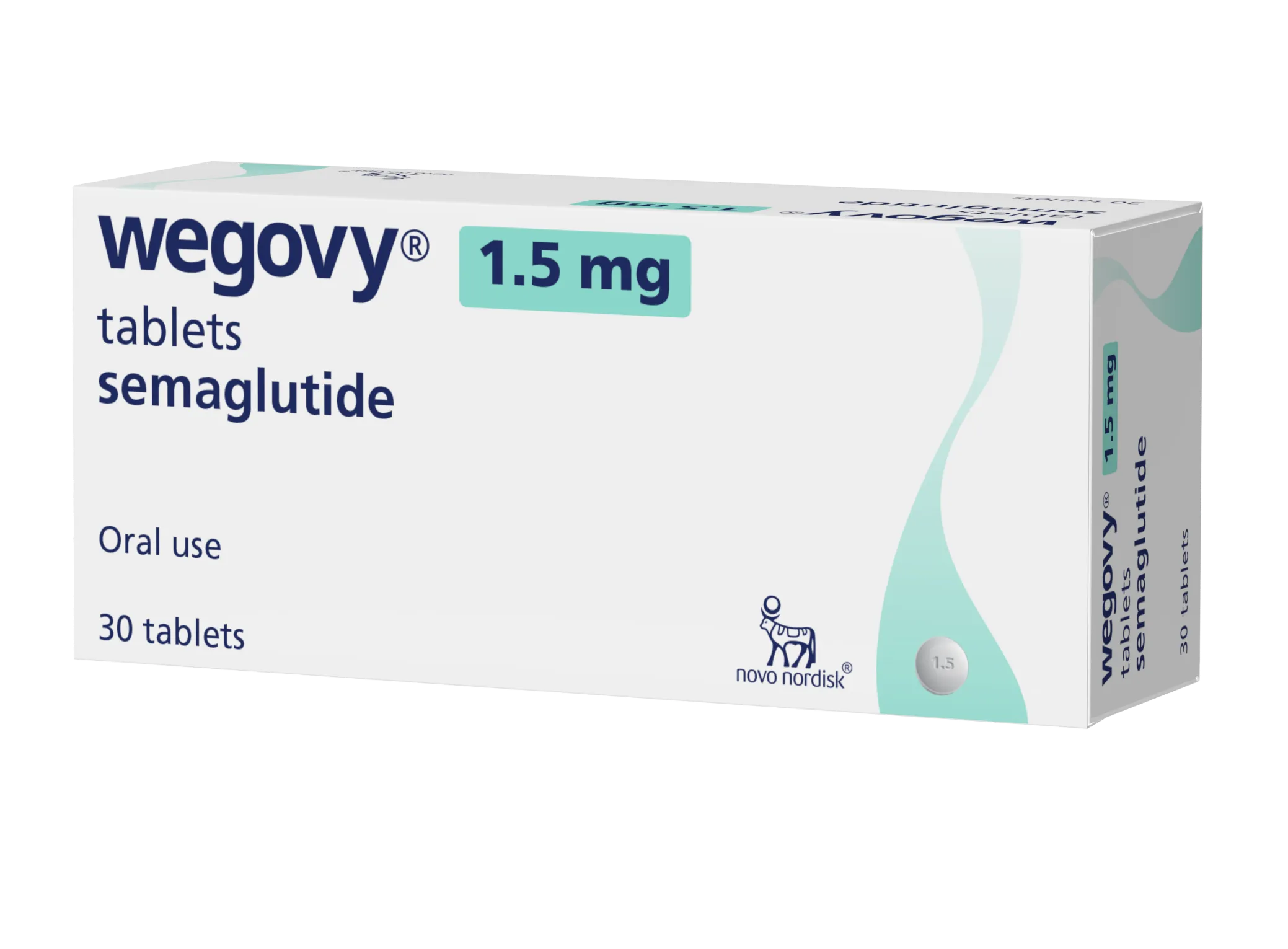
Wegovy Tablets
Wegovy tablets contain semaglutide, the same active ingredient as the Wegovy injection, in a once-daily tablet.
- No needles or injections
- Taken first thing in the morning after fasting for at least eight hours, swallowed whole with a sip of water (up to 120ml)
- You’ll need to wait at least 30 minutes before eating, drinking or taking other tablets
- Licensed for adults with a BMI of 30 or above, or 27 or above with at least one weight-related condition
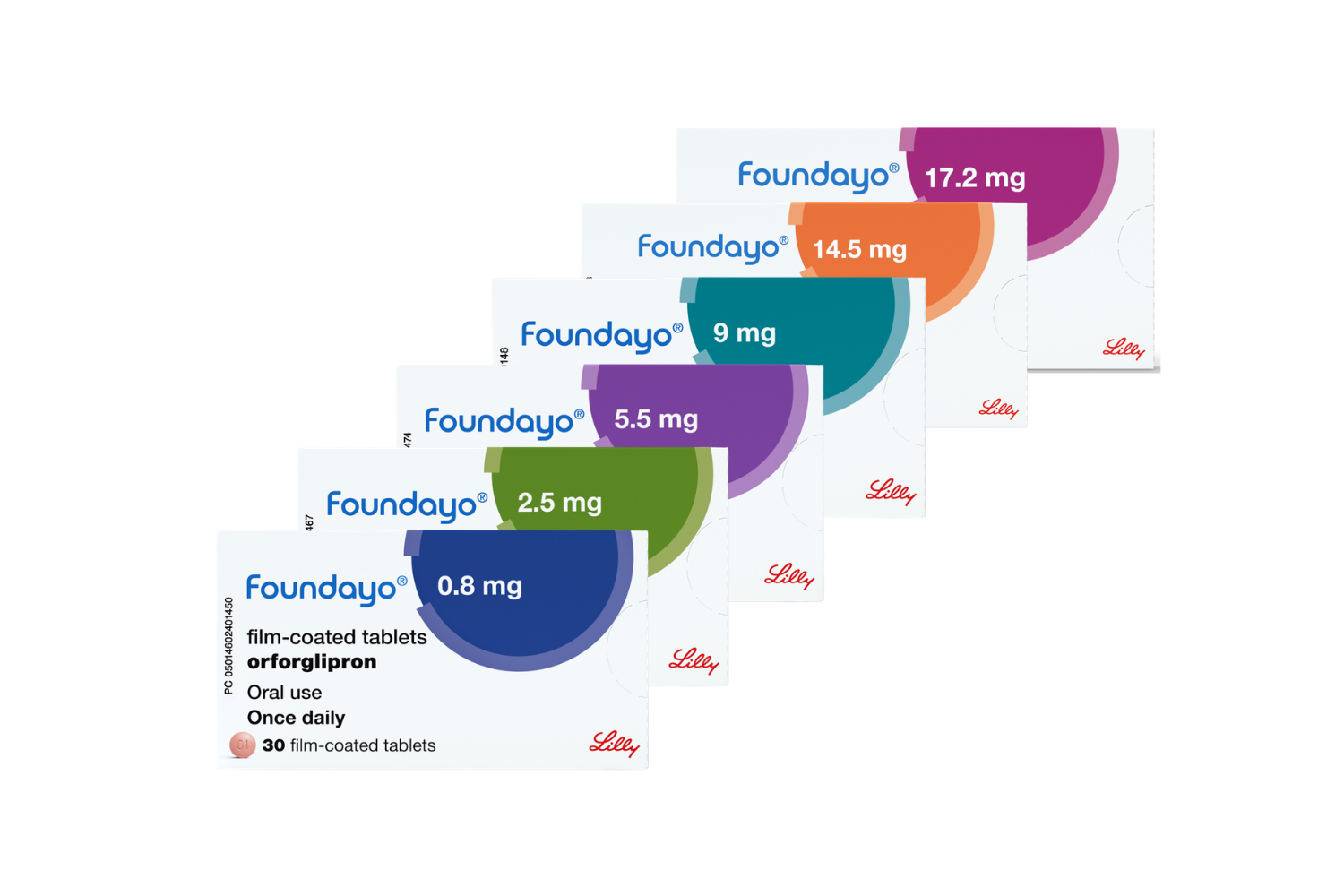
Foundayo
Foundayo contains orforglipron, a once-daily GLP-1 tablet.
- No needles or injections
- Can be taken at any time of day with no food or water restrictions
- Authorised by the MHRA in August 2026 for weight management in adults
- Licensed for adults with a BMI of 30 or above, or 27 to 30 with at least one weight-related condition
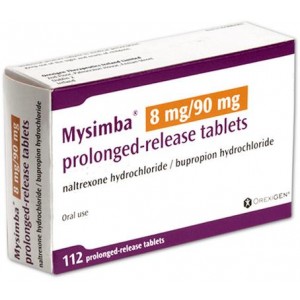
Mysimba
Mysimba combines naltrexone and bupropion in prolonged-release tablets.
- Acts on the parts of the brain that control appetite and the reward you get from eating
- The dose builds up over four weeks to two tablets twice a day
- Treatment is stopped if you haven’t lost at least 5% of your starting weight after four months
- Licensed for adults with a BMI of 30 or above, or 27 to 30 with at least one weight-related condition
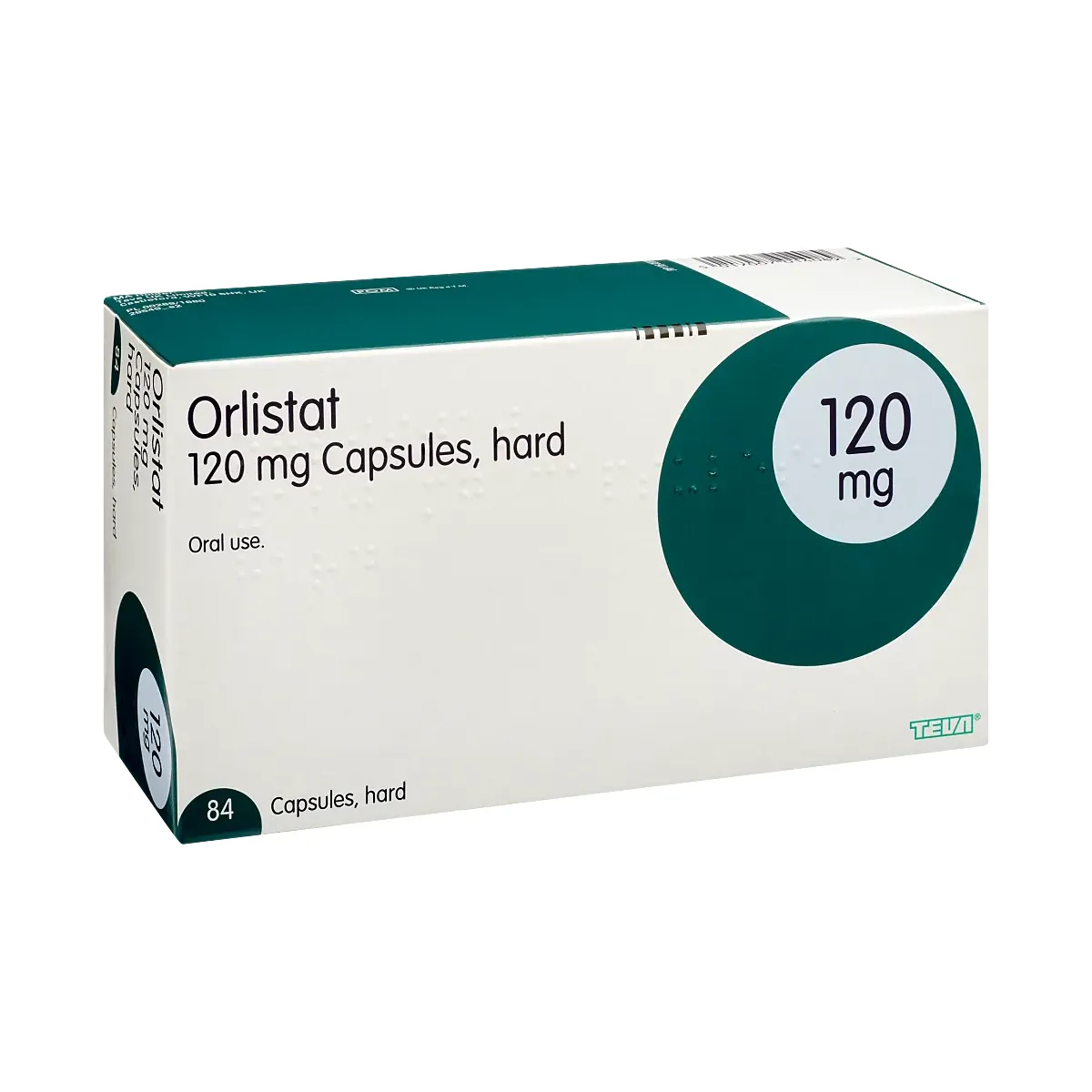
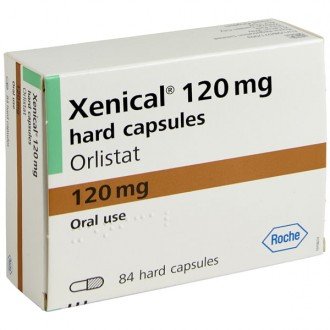
Xenical and Orlistat 120mg
Xenical and generic Orlistat 120mg work in your gut rather than your brain.
- Stops about a third of the fat in your food from being absorbed, so it passes out of your body instead
- One taken with each main meal that contains fat, up to three times a day
- In the XENDOS trial, people taking orlistat with diet and exercise lost more weight over four years than those taking a placebo
- Generic orlistat 120mg contains the same active ingredient at the same strength as Xenical
- Licensed for adults with a BMI of 30 or above, or 28 or above with weight-related risk factors
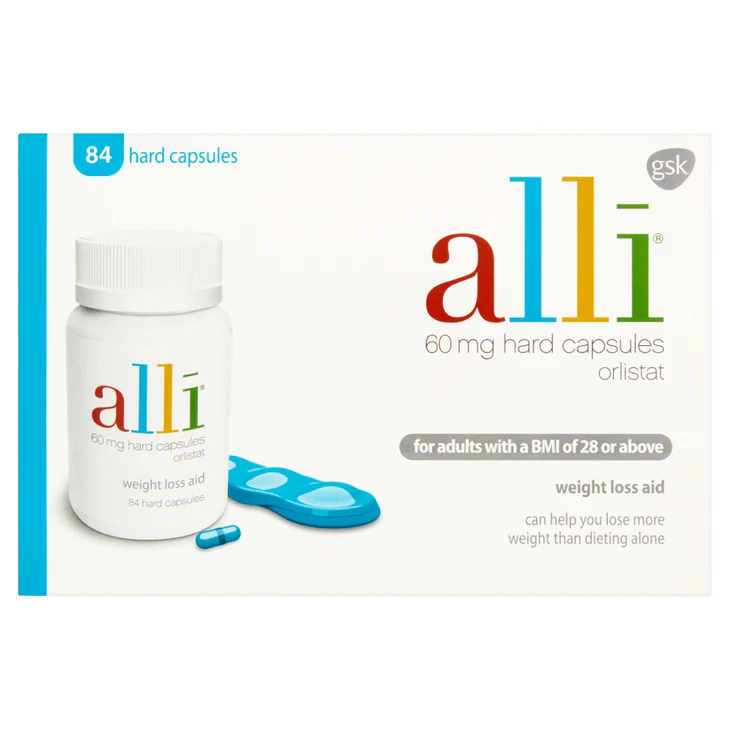
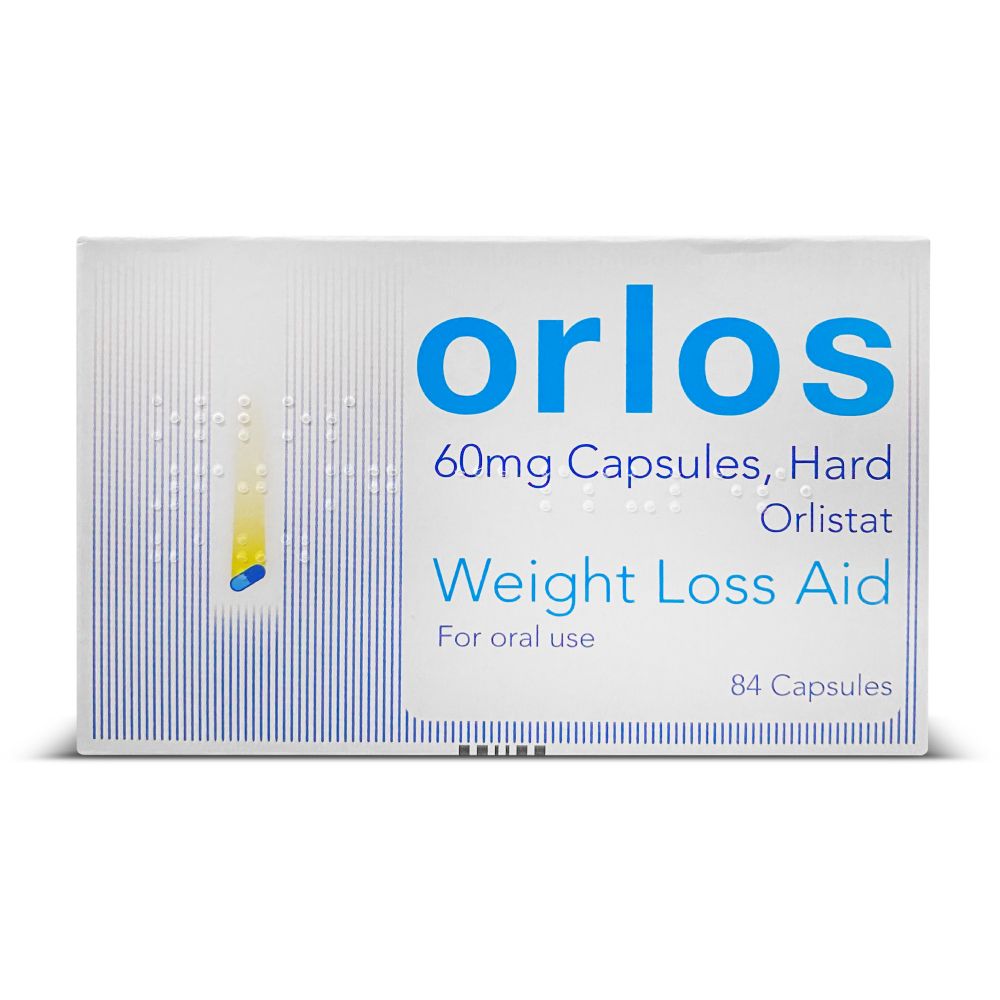
Alli and Orlos
Alli and Orlos contain 60mg of orlistat, half the prescription strength.
- No prescription needed, although our pharmacists still check that they’re suitable for you
- Taken with each main meal that contains fat, up to three times a day
- For adults with a BMI of 28 or above
Weight Loss Pills vs Injections
Pills and injections can both help you lose weight, but they suit different routines. Weekly injections such as Mounjaro and Wegovy mean fewer doses to remember, while tablets avoid needles altogether. Wegovy tablets need a strict morning routine, and orlistat can cause oily stools if your meals are high in fat. Before you buy weight loss pills or injections, think about which routine you’ll find easiest to stick with.
| Medicine | Form | How often | Active ingredient | How it works | Prescription needed |
| Wegovy injection | Prefilled pen | Once a week | Semaglutide | Acts like the GLP-1 hormone to reduce appetite | Yes |
| Mounjaro | Prefilled pen | Once a week | Tirzepatide | Acts on GIP and GLP-1 to reduce appetite | Yes |
| Saxenda, Nevolat, liraglutide | Prefilled pen | Once a day | Liraglutide | Acts like the GLP-1 hormone to reduce appetite | Yes |
| Wegovy tablets | Tablet | Once a day, on an empty stomach | Semaglutide | Acts like the GLP-1 hormone to reduce appetite | Yes |
| Foundayo | Tablet | Once a day, at any time | Orforglipron | Acts like the GLP-1 hormone to reduce appetite | Yes |
| Mysimba | Prolonged-release tablet | Up to twice a day | Naltrexone and bupropion | Acts on the brain’s appetite and reward areas | Yes |
| Xenical, orlistat 120mg | Capsule | With each main meal, up to three times a day | Orlistat | Stops about a third of dietary fat being absorbed | Yes |
| Alli, Orlos | Capsule | With each main meal, up to three times a day | Orlistat 60mg | Stops some dietary fat being absorbed | No |
Who can use weight loss medication?
Weight loss injections and tablets are licensed for adults based on their BMI, and the exact criteria for each one are listed above. A weight-related condition means something like type 2 diabetes, prediabetes, high blood pressure, high cholesterol, obstructive sleep apnoea or heart disease.
Weight loss medication isn’t suitable if you’re pregnant, trying to get pregnant or breastfeeding, and may not be suitable if you have or have had an eating disorder. To prescribe safely, we’ll check your identity and ask for proof of your current weight before any prescription weight loss treatment is approved. With your consent, our prescribers can also check your NHS Summary Care Record.
Weight Loss Medication Safety
All weight loss medicines can cause side effects. Most are mild and settle as your body adjusts to treatment, but some require urgent attention. The patient information leaflet for your medicine lists them in full.
Common Side Effects
- GLP-1 medicines (Wegovy, Mounjaro, liraglutide and Foundayo) often cause nausea, vomiting, diarrhoea, constipation, indigestion or stomach pain, especially when you start or increase your dose.
- Vomiting and diarrhoea can leave you dehydrated, which can affect your kidneys, so drink plenty of fluids.
- Orlistat can cause oily spotting, wind and urgent or fatty stools, which are more likely after high-fat meals.
- Mysimba can cause nausea, constipation, headaches, dizziness, a dry mouth and trouble sleeping.
Serious Side Effects
- Severe stomach pain that won’t go away, sometimes spreading to your back, with or without vomiting, can be a sign of pancreatitis. Stop your medicine and get medical help straight away. The MHRA strengthened its pancreatitis warnings for GLP-1 medicines in January 2026 after rare severe and fatal cases.
- Pain in the upper right side of your stomach, a high temperature or yellowing of your skin or eyes can be signs of gallstones or an inflamed gallbladder.
- Swelling of your face or throat or difficulty breathing can be signs of a serious allergic reaction and need emergency help.
- If you take insulin or a sulfonylurea for diabetes, GLP-1 medicines can make low blood sugar more likely.
- Mysimba can cause fits (seizures) in rare cases. Get help straight away if you notice changes in your mood or have thoughts of harming yourself.
Contraception and Pregnancy
- GLP-1 medicines shouldn’t be used during pregnancy, while trying to get pregnant or while breastfeeding, so use effective contraception throughout treatment.
- Mounjaro can make the contraceptive pill less effective. If you take the pill, use condoms too for four weeks after starting Mounjaro and for four weeks after each dose increase, or switch to a non-oral method.
- Stop treatment before trying for a baby. Depending on your medicine, you may need to keep using contraception for up to two months after your last dose.
- Severe diarrhoea from orlistat can stop the contraceptive pill from working properly, so use an extra method if this happens.
- If you get pregnant during treatment, stop your medicine and speak to your doctor.
Using More Than One Weight Loss Medicine
- Don’t use two GLP-1 medicines together. This includes Wegovy injections or tablets, Mounjaro, Saxenda, Nevolat, liraglutide and Foundayo, as well as diabetes medicines such as Ozempic, Rybelsus, Victoza and Trulicity.
- Using a GLP-1 medicine with other weight loss medicines, such as orlistat or Mysimba, hasn’t been shown to be safe or effective, so don’t combine them.
- Tell our prescribers about every medicine you take, including herbal remedies and slimming products bought elsewhere.
- Before any operation or procedure needing a general anaesthetic or deep sedation, tell your doctor or anaesthetist you’re taking a GLP-1 medicine.
- Orlistat can reduce how well your body absorbs some vitamins, so taking a multivitamin at bedtime is often recommended.
You can report any suspected side effect or a medicine you think might be fake through the MHRA Yellow Card scheme.
Buying Weight Loss Medication Safely
Fake and unregulated weight loss medicines are sold through websites, social media and beauty salons. The MHRA advises that the only way to be sure you’re getting genuine medicine is from a legitimate pharmacy, with a prescription from a healthcare professional.
Before you buy weight loss medication from any website:
- Check the pharmacy is listed on the General Pharmaceutical Council (GPhC) register.
- Make sure you have a proper consultation and that your weight and medical history are checked.
- Avoid sellers offering prescription medicines without a consultation, unbranded pens, or prices that seem too good to be true.
- Check your medicine arrives sealed, with a patient information leaflet and a pharmacy dispensing label.