



What is a mouth ulcer?
A mouth ulcer is a small sore that forms on the soft lining inside your mouth, usually on the inside of the lips or cheeks, on the tongue, on the gums or on the roof of your mouth. Most look like a small crater, round or oval and usually white or yellow in the middle with a red border, and they can be surprisingly sore for something so small.
Mouth ulcers are a common problem, and plenty of people get them repeatedly, sometimes several times a year. Recurring ulcers affect up to 20% of people at any one time. Most mouth ulcers are harmless and heal on their own within a week or two. The recurring kind, known as aphthous ulcers, are usually grouped by size and how long they last:
- Minor ulcers are the most common type. They’re less than 1cm across and heal within a week or two without scarring.
- Major ulcers are larger and deeper, can take several weeks to heal and sometimes leave a small scar.
- Herpetiform ulcers are lots of tiny sores in a cluster that can join up into bigger patches. Despite the name, they aren’t caused by the herpes virus.
What causes mouth ulcers?
The causes of mouth ulcers aren’t always obvious, but most follow some kind of damage or irritation to the lining of the mouth. Anything that breaks the surface can leave a sore behind, from accidentally biting the inside of your cheek or tongue to a burn from a hot drink. Being low in iron, vitamin B12 or folate also raises your risk of developing them.
Other common causes and triggers include:
- Damage from a toothbrush, sharp tooth, braces, dentures or a filling
- Stress or tiredness
- Hormonal changes, particularly around your period
- Stopping smoking, which can bring ulcers on for a short while as your mouth adjusts
- Toothpastes and mouthwashes containing sodium lauryl sulfate, which irritate some people
- Certain foods, such as chocolate, coffee, citrus fruit, tomatoes and anything very salty or spicy
- Some medicines, including nicorandil, beta blockers and anti-inflammatory painkillers like ibuprofen and naproxen
If you’re getting ulcers again and again, it’s sometimes linked to a condition like coeliac disease, Crohn’s disease, ulcerative colitis or a weakened immune system, so it’s worth mentioning to your GP or dentist.
Symptoms of Mouth Ulcers
The main symptom is a sore that appears inside the mouth and feels far worse than it looks. You might notice:
- One or more round or oval sores with a white, yellow or grey centre
- A red, inflamed edge around the sore
- Pain or stinging that gets worse when eating, drinking or brushing your teeth
- A tingling or burning feeling in the area a day or two before the ulcer appears
- Discomfort when eating salty, spicy or acidic foods
- Swelling around the sore
See a dentist or GP if an ulcer lasts longer than 3 weeks, keeps returning, is unusually large or painful, spreads to your lips or around the mouth or comes with a fever, diarrhoea, a rash or feeling generally unwell. A sore that doesn’t heal needs to be checked, as very occasionally it can be a sign of something more serious.
Treatment for Mouth Ulcers
Most ulcers heal by themselves, so treatment is about easing the pain and protecting the sore while that happens. Over-the-counter treatment options won’t speed up the healing process dramatically, but they make eating, drinking and brushing far more comfortable in the meantime.
The right treatment for mouth ulcers depends on how sore the ulcer is, where it sits in your mouth and how often you get them. They’re miserable while they last, but they’re rarely anything to worry about.
Self-Care Measures
Small changes take the pressure off the sore and stop you irritating it further while it heals, and the same home remedies help prevent mouth ulcers from coming back. You can:
- Use a soft-bristled toothbrush and brush gently around the ulcer
- Try a toothpaste that doesn’t contain sodium lauryl sulfate if you get ulcers often
- Avoid spicy, salty and acidic foods, and anything very hot or crunchy
- Drink through a straw to keep drinks away from the sore
- Rinse your mouth with warm salty water
- Avoid chewing on the side where the ulcer is
- Get any sharp tooth, filling or denture edge seen to by your dentist
For a saltwater rinse, dissolve half a teaspoon of salt in a glass of warm water, swill it gently around the mouth, and spit it out. Drink plenty of water through the day too, as a dry mouth makes everything sting more.
Numbing Gels and Liquids
A local anaesthetic gel or liquid numbs the sore for a short while, which helps most around mealtimes and before brushing your teeth.
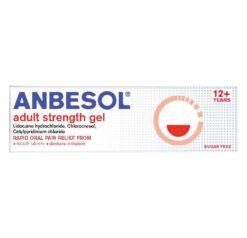
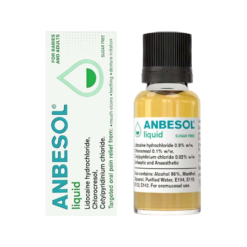
- Anbesol Adult Gel and Anbesol Liquid: Contain lidocaine hydrochloride alongside antiseptic ingredients to numb the area and keep it clean.
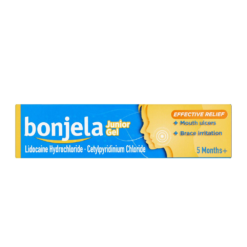
- Bonjela Junior Gel: A sugar-free gel with lidocaine hydrochloride and cetylpyridinium chloride, suitable for children as well as adults.
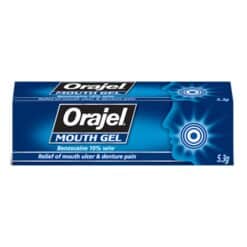
- Orajel Mouth Gel: Contains benzocaine for fast, short-lasting numbing of the sore.
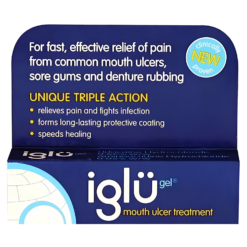
- Iglu Mouth Ulcer Gel: Contains lidocaine hydrochloride and aminacrine hydrochloride, and forms a protective layer over the ulcer.
Numbing products wear off after a while, so use one when you need it rather than on a set schedule.
Anti-Inflammatory Gels and Rinses
If the area around the ulcer is swollen and sore, an anti-inflammatory treatment can settle the irritation rather than just masking it.
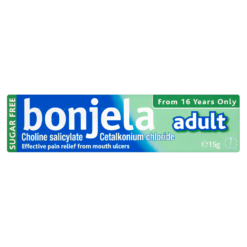
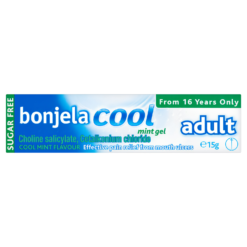
- Bonjela Adult and Bonjela Cool Mint Adult: Contain choline salicylate to reduce pain and inflammation, plus cetalkonium chloride as an antiseptic. These are for adults and children over 16 only, as choline salicylate is related to aspirin.
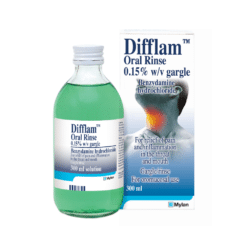
- Difflam Oral Rinse and Difflam Spray: Contain benzydamine hydrochloride, which relieves pain and inflammation in the mouth and throat. The spray is useful for ulcers that are awkward to reach.
Antiseptic Mouthwashes
An antiseptic mouthwash keeps the area clean and reduces the bacteria around the ulcer, which helps prevent infection and stops brushing being quite so uncomfortable. Staying on top of your oral health while the sore heals makes a difference too.
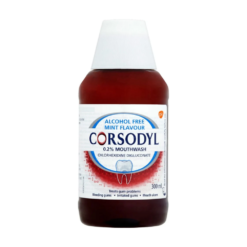
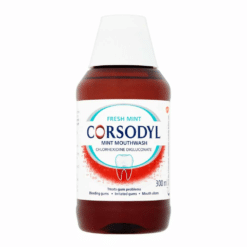
- Corsodyl Mint Mouthwash and Corsodyl Alcohol-Free Mouthwash: Contain chlorhexidine digluconate. The alcohol-free version tends to sting less on a raw ulcer.
Chlorhexidine can stain teeth with longer use, so leave a gap between brushing and rinsing, and stick to the recommended course length.
Pain Relief
If the ulcer is making it hard to eat or sleep, simple pain relief like paracetamol can take the edge off alongside a topical treatment. Ulcers at the back of the mouth often feel like a sore throat, and the same rinses and sprays work for both. Speak to a pharmacist for advice if you’re not sure which mouth ulcer pain relief suits you best.
When to Seek Further Help
If your ulcers keep coming back, visit your dentist or GP to look for a cause, such as a rough tooth edge, a nutritional deficiency or an underlying condition. Blood tests are sometimes arranged to check iron, vitamin B12 and folate levels.
For ulcers that are severe or long-lasting, a GP or dentist may prescribe a stronger corticosteroid treatment or refer you to an oral medicine specialist.