



What is vaginitis?
Vaginitis is the medical term for inflammation of the vagina. It’s very common and can affect anyone with a vagina, whether they’re sexually active or not. When the vulva is inflamed too, it’s called vulvovaginitis. Most cases come down to an infection or a change in the vagina’s natural balance of bacteria, but hormonal changes and irritation from everyday products can cause it as well.
Types of Vaginitis
There are several types of vaginitis, and each one has its own telltale signs. Knowing which type you have makes it easier to choose the right treatment.
Bacterial Vaginosis
Bacterial vaginosis, sometimes called bacterial vaginitis, is the most common cause of abnormal vaginal discharge in women of childbearing age. It happens when bacteria that normally live in the vagina grow out of balance. The main sign is a thin white or grey discharge with a strong fishy smell, which is often worse after sex. BV isn’t a sexually transmitted infection.
Yeast Infection (Thrush)
Thrush is a yeast infection caused by Candida. It usually causes thick white discharge that looks a bit like cottage cheese, along with itching and soreness around the vagina. The discharge doesn’t normally smell.
Trichomoniasis
Trichomoniasis is a sexually transmitted infection caused by a tiny parasite called Trichomonas vaginalis, which spreads through sexual contact. It can cause frothy yellow or green discharge, a fishy vaginal odour, soreness and pain when you pee. Around half of people with trichomoniasis don’t notice any symptoms, so testing is the only way to know for sure. It needs antibiotic treatment, and sexual partners should be treated at the same time.
Atrophic Vaginitis
Atrophic vaginitis, also called vaginal atrophy, happens when lower oestrogen levels make the vaginal walls thinner and drier. Symptoms include vaginal dryness, itching, soreness and pain during sex.
Irritant Vaginitis
Irritant vaginitis isn’t an infection. It’s a reaction to something that comes into contact with the delicate skin in and around the vagina, and symptoms usually settle once you stop using the product causing it.
What causes vaginitis?
Your vagina has its own mix of healthy bacteria that keeps it slightly acidic. When that balance shifts, an overgrowth of other bacteria or yeast can lead to a bacterial infection like BV or a yeast infection like thrush. Hormone levels and the products you use can also affect how healthy the vaginal tissue stays.
Things that make vaginitis more likely include:
- Taking antibiotics, which can kill off healthy vaginal bacteria
- Pregnancy, breastfeeding or the menopause
- Some types of contraception or cancer treatment that lower oestrogen levels
- Having a new sexual partner or more than one partner
- Having sex without a condom
- Diabetes that isn’t well controlled
- Using perfumed soaps, bubble bath, vaginal douches or deodorants
- Spermicides and latex condoms
Symptoms of Vaginitis
Symptoms vary depending on the cause, but you might notice:
- Itching or vaginal irritation
- A change in the colour, smell or amount of discharge
- Soreness, redness or swelling of the vulva
- Stinging or burning when you pee
- Pain or discomfort during sex
- Light bleeding or spotting
BV, thrush and trichomoniasis can feel quite similar, so it’s not always easy to tell them apart from symptoms alone. A home test kit or speaking to your GP can help point you towards the right medicine.
How to Treat Vaginitis
The right treatment for vaginitis depends on what’s causing it, so a medicine that clears thrush won’t help with BV and vice versa. Our pharmacists will look at your symptoms and medical history during your consultation to recommend a suitable option.
Over-the-Counter Treatments
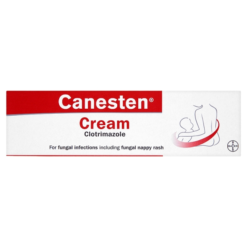
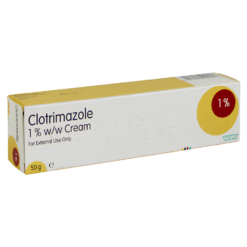
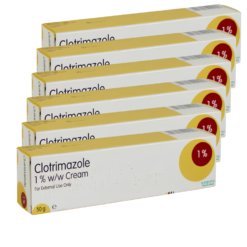
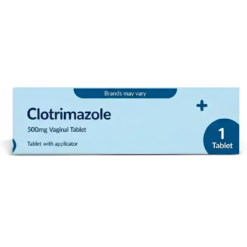
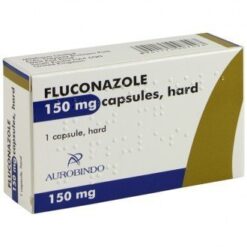
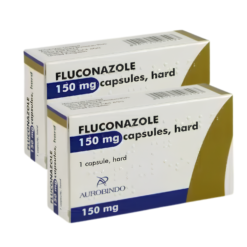
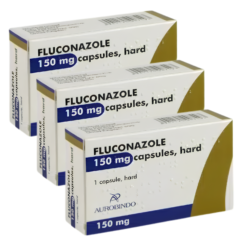
If you’ve had thrush diagnosed before and recognise the symptoms, an OTC vaginitis treatment is often all you need. A single Clotrimazole Pessary or one Fluconazole 150mg Capsule treats most cases, and Clotrimazole 1% Cream can be used alongside it to ease itching on the outside.
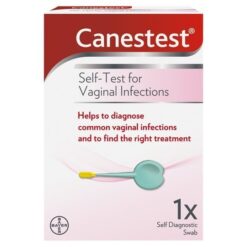
For BV, lactic acid gels like Balance Activ and Canesbalance help restore vaginal pH to relieve odour and discharge. If you’re not sure whether you have BV or thrush, the Canestest Self-Test uses a simple swab to help you find out at home.
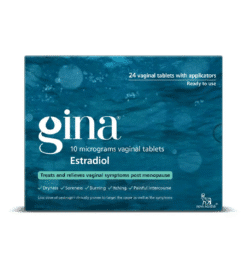
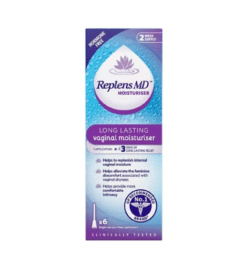
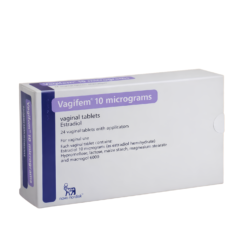
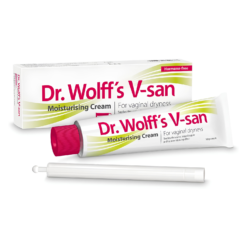
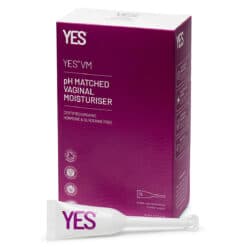
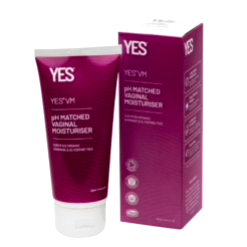
Hormone-free vaginal moisturisers can ease vaginal dryness after the menopause, and some low-dose vaginal oestrogen tablets are available without a prescription if you’re 50 or over and haven’t had a period for at least a year.
Prescription Treatments
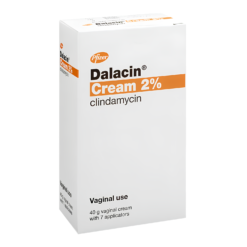
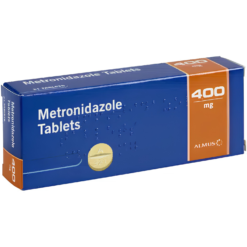
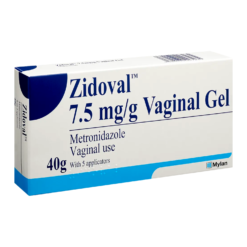
BV is usually treated with antibiotics. Metronidazole Tablets are normally taken twice a day for 5 to 7 days, and you shouldn’t drink alcohol while taking them or for 48 hours afterwards. If you’d rather not take tablets, Zidoval Vaginal Gel is used once a night for 5 nights and Dalacin Cream once a night for 7 nights.
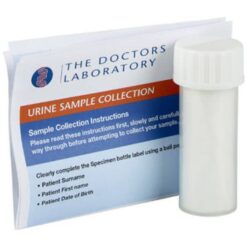
Trichomoniasis also needs antibiotics, usually metronidazole, after a positive test. Our Trichomoniasis Test Kit lets you post a urine sample from home for lab analysis. You should avoid sex until you and your partner have both finished treatment.
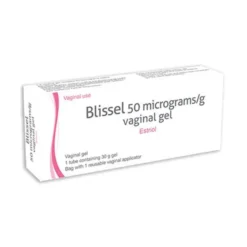
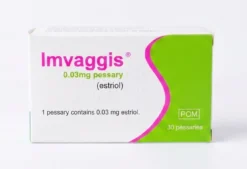
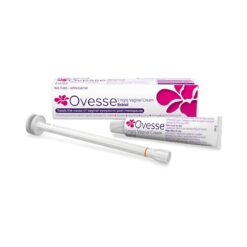
Atrophic vaginitis is usually treated with vaginal oestrogen, which comes as tablets, pessaries, creams and gels. These release a low dose of oestrogen directly into the vaginal tissue, and most people notice an improvement within a few weeks.
Preventing Vaginitis
You can’t always prevent vaginitis, but a few simple habits can lower the chances of it coming back:
- Wash the area around your vagina with plain water or an unperfumed emollient
- Avoid douching, vaginal deodorants and perfumed bath products
- Wear cotton underwear and avoid very tight clothing
- Wipe from front to back after using the toilet
- Change out of wet swimwear or sweaty gym clothes as soon as you can
- Use condoms with new partners to lower the risk of trichomoniasis
When should I see a GP about vaginitis?
Speak to your GP or a sexual health clinic if:
- It’s the first time you’ve had these symptoms
- You’re pregnant or think you might be
- You’re under 16 or over 60
- You’ve had thrush more than twice in 6 months
- Your symptoms haven’t improved after 7 days of treatment
- You have bleeding after sex, between periods or after the menopause
- You have pain in your lower tummy, a high temperature, sores or blisters
- You think you might have a sexually transmitted infection