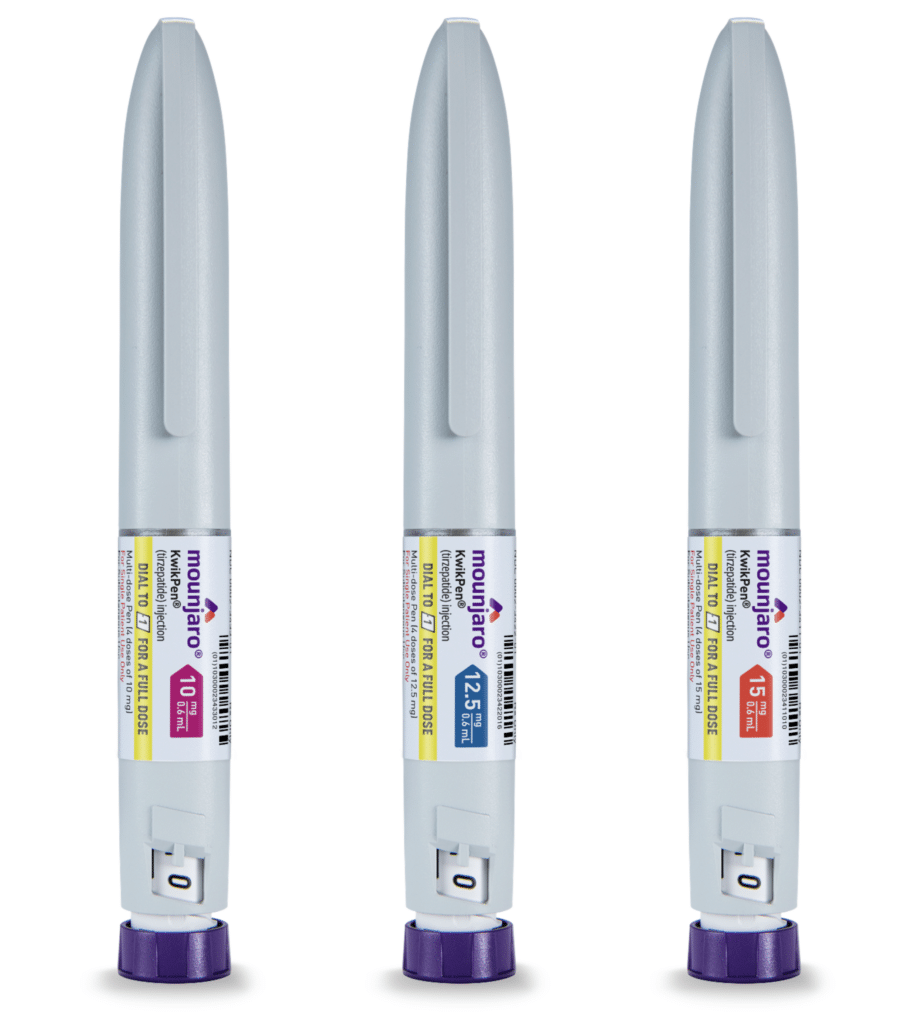

Sulphur burps, sometimes called eggy burps, are a common side effect of Mounjaro. That unpleasant smell is a digestive response to the way tirzepatide works in the body, and while it’s not harmful, it can be persistent.
Sulphur burps are caused by a build-up of hydrogen sulphide gas in the digestive tract. This sulphur gas is the same compound responsible for the smell of rotten eggs, which is why eggy burps on Mounjaro can be so difficult to ignore.
Regular burping releases swallowed air. Sulphur burps are different. The gas comes from inside the gut, produced when bacteria break down certain compounds during digestion.
This happens to everyone to some extent. But when digestion slows, and food sits in the stomach for longer than usual, gas production increases, and the smell becomes more noticeable.
Sulphur burps are not exclusive to Mounjaro. They can occur with other medications, certain foods, or underlying digestive conditions – but tirzepatide affects the gut in a way that makes them more likely.
Mounjaro is a dual agonist that activates both GIP and GLP-1 receptors. These are hormones involved in blood sugar regulation and appetite control. Mounjaro slows gastric emptying, the rate at which food moves from the stomach into the small intestine.
This is useful for weight management. Food leaving the stomach more slowly helps you feel full for longer. But it also means food spends more time in your stomach and digestive tract, giving gut bacteria more time to ferment it. The production of hydrogen sulphide gas increases, which causes sulphur burps.
Sulphur burps tend to be more noticeable at higher doses or after a dose of Mounjaro is increased. The effects on gastric motility become more pronounced as the dose goes up, so the timing often tracks with escalation.
They are also part of a wider picture of Mounjaro side effects. Sulphur burps and diarrhoea, nausea, bloating, abdominal pain and constipation all share the same underlying cause: the gut adjusting to a change in how quickly it processes food.
Sulphur burps aren’t listed as a standalone side effect in Mounjaro’s clinical trial data. However, the SURMOUNT trials, the large-scale studies behind Mounjaro’s approval, recorded high rates of gastrointestinal side effects overall. Nausea affected around 25-33% of participants at doses of 5-15g, with vomiting and diarrhoea also commonly reported.
Around 4% of Mounjaro users experience sulphur burps while taking this weight loss medication, though this may be more.
Burping, including sulphur burps, isn’t usually a cause for concern. For most people, symptoms settle as the body adjusts to Mounjaro treatment and are rarely a reason to stop.
Sulphur burps usually start within the first few weeks of treatment or following a dose increase. Mounjaro sulphur burps are nothing to worry about in most cases – they tend to ease off as the body adapts to the medication.
Some people find symptoms improve within a week or two. For others it takes a little longer, particularly if they are still working through dose escalation.
If sulphur burps persist well beyond a dose increase and are affecting your day-to-day life, it is worth speaking to your prescriber. In some cases, slowing the titration schedule can help the body adjust more gradually.
While tirzepatide creates the conditions for sulphur burps, certain foods and habits can make them significantly worse:
The most effective way to reduce sulphur burps is to temporarily cut back on foods high in sulphur compounds. This doesn’t need to be permanent, but reducing consumption of the following foods while your body adjusts to the medication will make a noticeable difference:
Eating smaller, more frequent meals as part of your Mounjaro diet puts less demand on a stomach that is already emptying slowly, which reduces the opportunity for fermentation.
Avoiding carbonated drinks and alcohol may help stop sulphur burps on Mounjaro, as both add gas to the digestive system and can worsen bloating.
Chewing slowly and thoroughly reduces the amount of air swallowed and makes food easier to digest before it reaches the stomach.
Drinking water consistently throughout the day supports your digestion and helps move things through the gut more efficiently. Taking little sips of water with meals rather than drinking large amounts at once is generally better tolerated on Mounjaro.
Other Mounjaro users often recommend peppermint tea and ginger tea as natural digestive aids. Neither is a clinical treatment, but many people find them helpful for settling general GI discomfort.
Antacids such as Gaviscon or Rennie may help with stomach acid and the acid component of digestive discomfort, though they aren’t specifically targeted at sulphur burps.
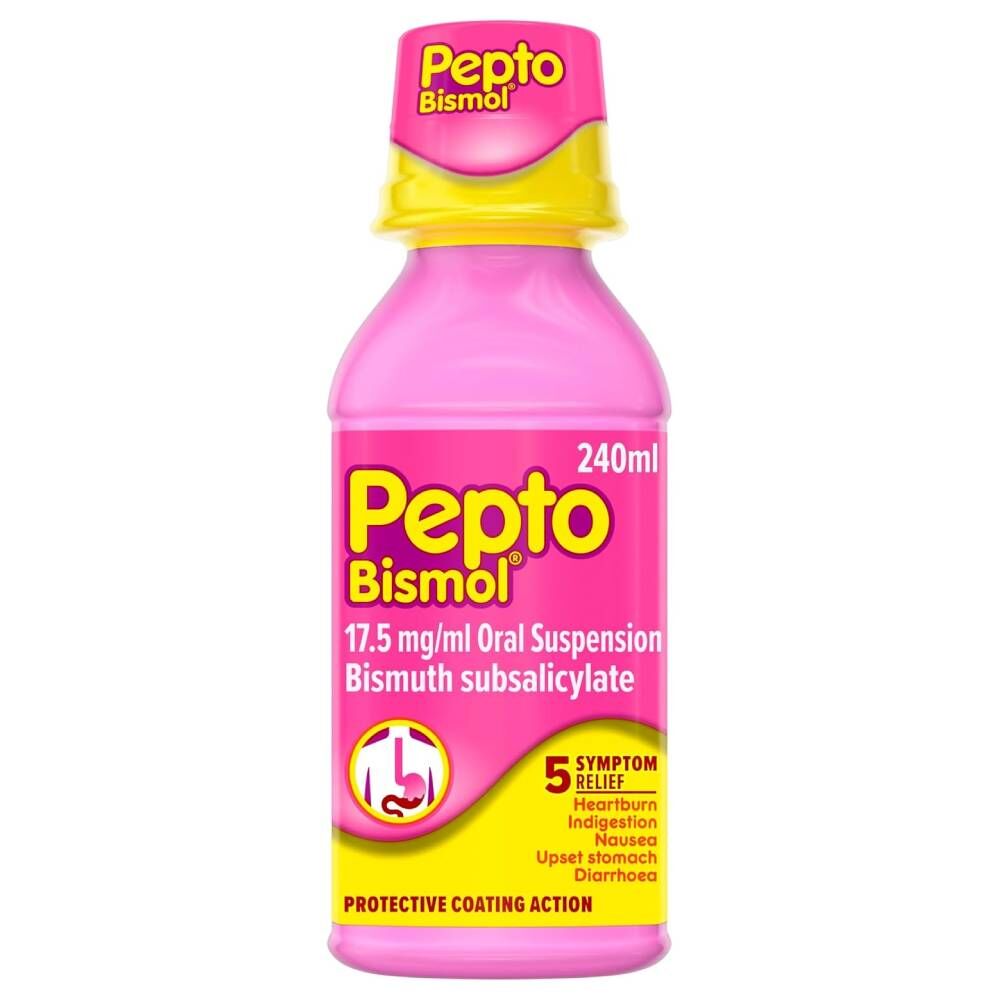
Bismuth subsalicylate, the active ingredient in Pepto-Bismol and some other indigestion remedies, has some evidence for reducing hydrogen sulphide production in the gut. It should be used with caution in people taking blood thinners or aspirin, and is not suitable for everyone. Check with your pharmacist before using it alongside other medications.
Simethicone-containing products like Deflatine are designed to reduce gas and bloating. They work by breaking up gas bubbles in the digestive tract and may help provide some relief from the discomfort associated with sulphur burps, even if they do not address the root cause directly.
Avoid lying down immediately after eating. Staying upright for at least an hour after a meal gives the stomach time to begin emptying before you rest.
If symptoms are worse at night, elevating the head of the bed slightly can help reduce acid reflux and gas build-up while you sleep.
For most people, yes. Sulphur burps are not usually a cause for concern and tend to improve as the body adjusts to the medication. They are generally at their worst in the early weeks of treatment or in the days following a dose increase.
Mounjaro may cause more pronounced GI symptoms during dose escalation, which is why the titration schedule is designed to increase gradually. Starting at a lower dose and increasing slowly gives the gut time to adapt.
If symptoms remain disruptive after a few weeks at a stable dose, speak to your prescriber. Staying at the current dose for longer before escalating is a common and reasonable approach to managing persistent Mounjaro side effects.
Click2Pharmacy is a GPhC-registered online pharmacy offering Mounjaro for weight loss with a full online consultation. All orders are reviewed by a qualified prescriber and dispensed from a regulated UK pharmacy.
If you experience side effects during treatment, we have a dedicated helpline so you can report side effects directly through your account and get support from a qualified professional whenever you need it.