
What is acne?
Acne is a skin condition that develops when hair follicles become blocked with oil and dead skin cells. It shows up as spots, blackheads and whiteheads, and in more severe cases as deeper lumps under the skin. Acne most often affects the face, but it can also appear on the back, chest, neck and shoulders.
It’s one of the most common skin conditions in the UK, with 95% of young people and adolescents suffering from the condition, and while it isn’t a serious health risk, the right acne treatment can clear existing spots and stop new ones from forming.
What causes acne?
Acne is a condition where spots and pimples develop on the skin when the glands produce too much oil, known as sebum. When too much sebum is produced, it can mix with dead skin cells and block the skin’s pores and hair follicles. This can create blackheads and whiteheads (or pimples). In addition, if bacteria mix with the plugged hair follicles, this can result in papules, pustules, nodules, and cysts. Acne occurs mainly on the face but can also be present on other parts of the body, such as the chest and back.
Acne can occur at any age. Changes in hormonal levels can cause spots, which is why acne is most common in teenagers. Most spots in teenagers will clear up by the time they reach their mid-twenties, but acne creams and spot treatment may help. Acne treatment for teens is extremely popular due to how common acne is within this age group but may differ from adult acne treatment.
Acne Symptoms
Acne symptoms range from mild to severe and can appear anywhere oil glands are active, including the face, neck, back, chest and shoulders. Common signs include:
- blackheads, small dark bumps caused by blocked follicles
- whiteheads, firm white or skin-coloured bumps
- papules, small red or tender bumps
- pustules, spots with a white, pus-filled tip
- nodules, large hard lumps that build up beneath the skin
- cysts, painful pus-filled lumps that carry the highest risk of scarring
Oily skin, along with scarring or dark marks left behind after spots heal, can also come with acne. Knowing which type of spots you have helps determine the most suitable acne medication, from topical treatments for mild cases to oral antibiotics for more severe, widespread acne.
Prescription Acne Treatment Options
Living with acne can be stressful, and it’s not just the face that can be affected. Most people have mild to moderate acne, which can be targeted with acne spot treatment. Severe acne, also called nodular or cystic acne, can require antibiotic treatment.
There are many treatments available, ranging from over-the-counter products to prescription treatments. Many pharmacies sell acne medication online, but it’s important to check that the pharmacy is UK-registered.
Skin acne treatment is available as oral antibiotics and topical medicines used to treat acne. These target the bacteria that cause acne and work well when used correctly. However, acne is often not treated for long enough to see results, so we recommend using treatments for at least three months to get acne under control and see a noticeable difference.
Some people with mild acne may look for a home remedy for pimples or a natural acne treatment. Some acne skin care tips that may help are to wash and shower if the skin becomes sweaty from exercise, avoid tight and restrictive clothing where acne is present, and use oil-free (non-comedogenic) products. These habits can also help prevent acne flare-ups between courses of treatment. Avoid picking spots and pimples too, as this can cause scarring.
Types of Prescription Acne Medication for Adults
There are several types of prescription acne medications for adults, and the best treatment for acne depends on its severity. Some people think there are quick-fix treatments for acne removal, but this is not the case, and acne treatments should be used carefully, following all instructions from your prescriber and the patient information leaflet for your specific acne medication.
Mild Acne Treatments
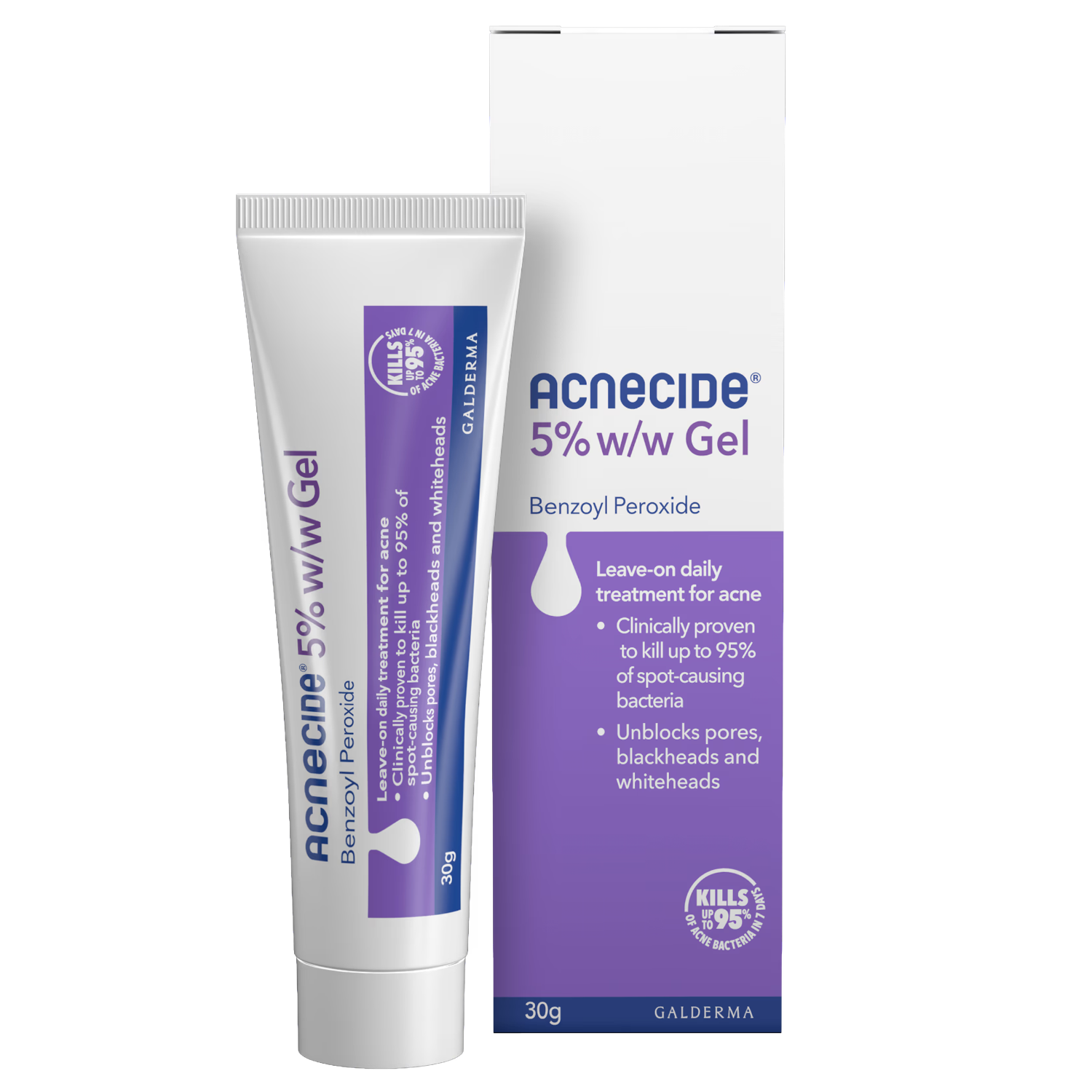
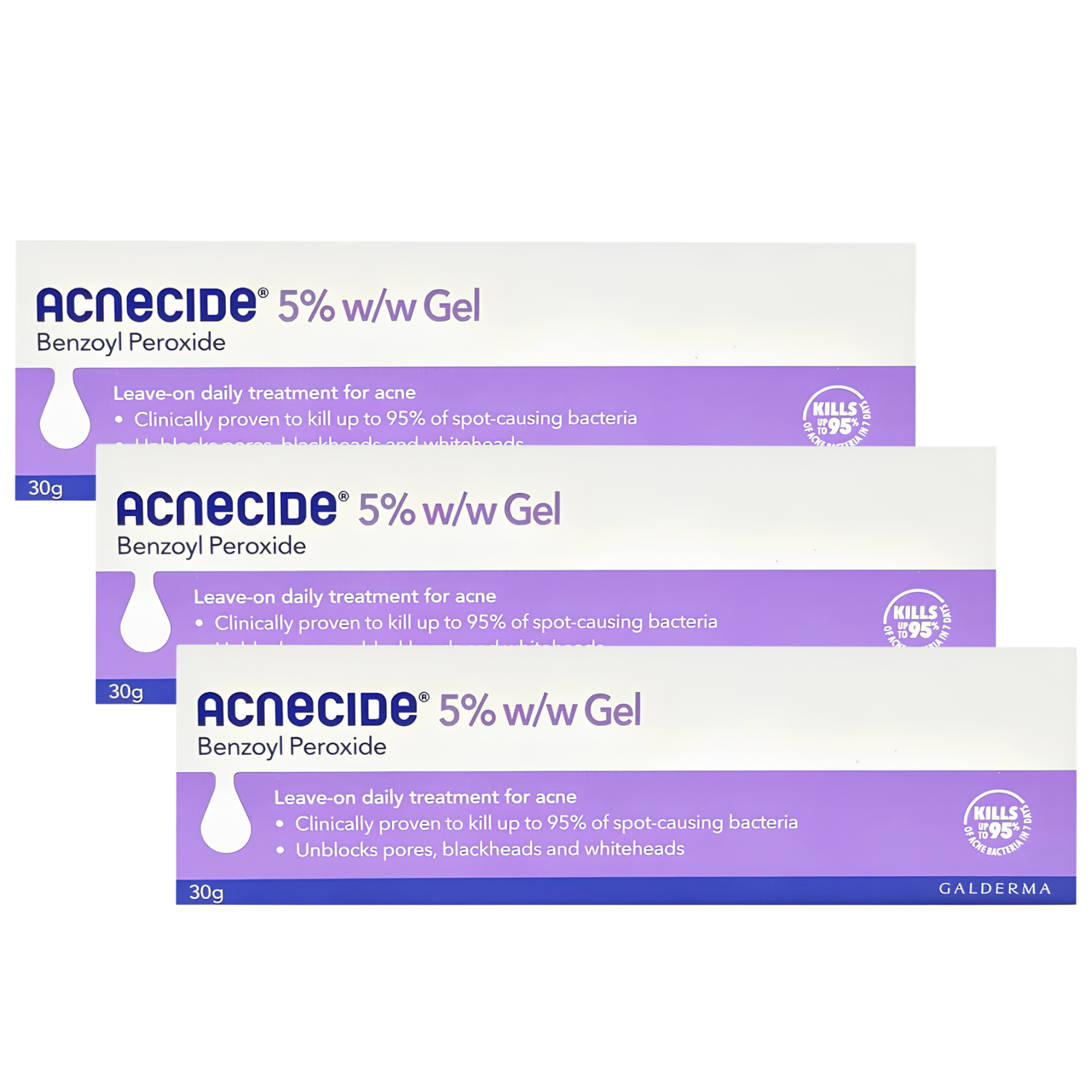
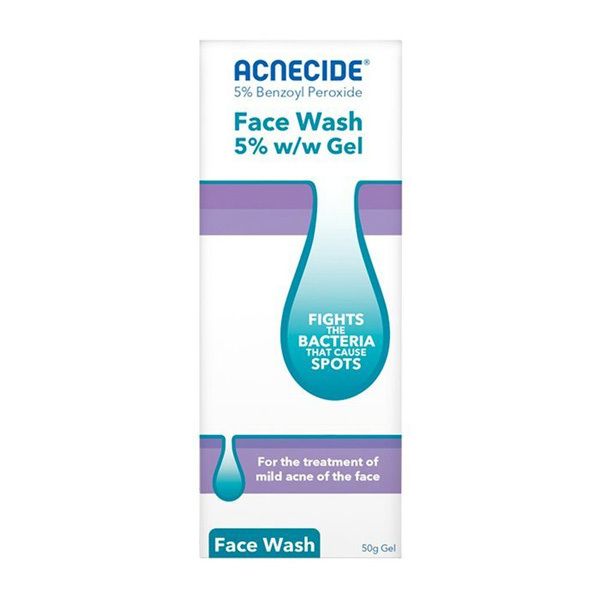
Most sufferers of mild acne should use spot treatment products which are applied directly to the acne spots. If acne symptoms are mild, they can be treated with over-the-counter (OTC) topical acne treatment. These mild face acne treatments are available without a prescription, but they typically contain benzoyl peroxide, which works by preventing dead skin cells from blocking pores and hair follicles. There are numerous Benzoyl Peroxide spot treatment products such as Acnecide, a facial acne gel containing benzoyl peroxide.
Moderate to Severe Acne Medication
Moderate to severe acne treatment usually requires a prescription acne cream medication containing much higher levels of benzoyl peroxide and other active ingredients or oral antibiotics.
Prescription Acne Medication
There is a wide range of prescription acne medications available, from topical antibiotic creams and tablets to combined and hormonal treatment options. The right choice depends on how severe your acne is, from milder cases of acne to widespread, stubborn breakouts.
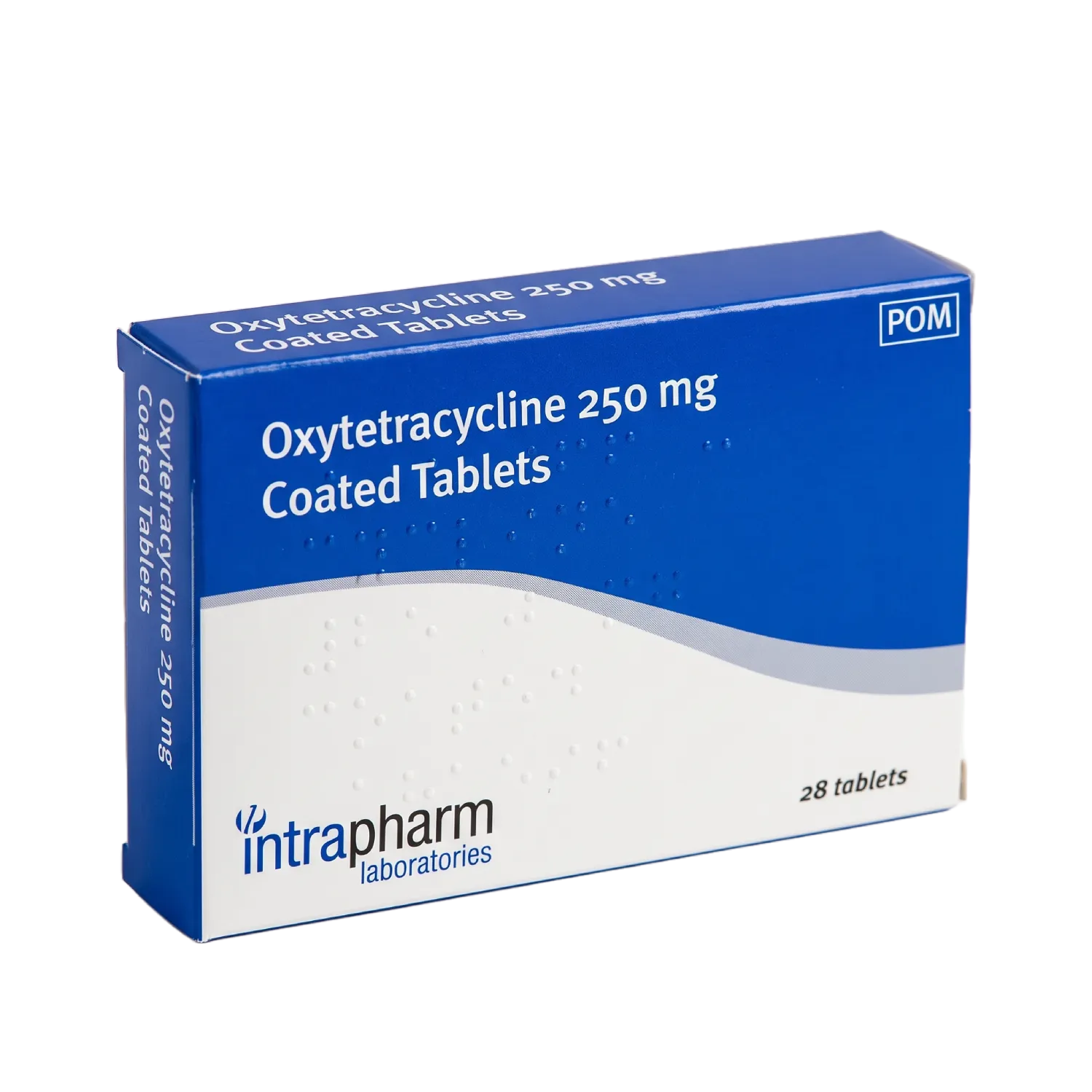
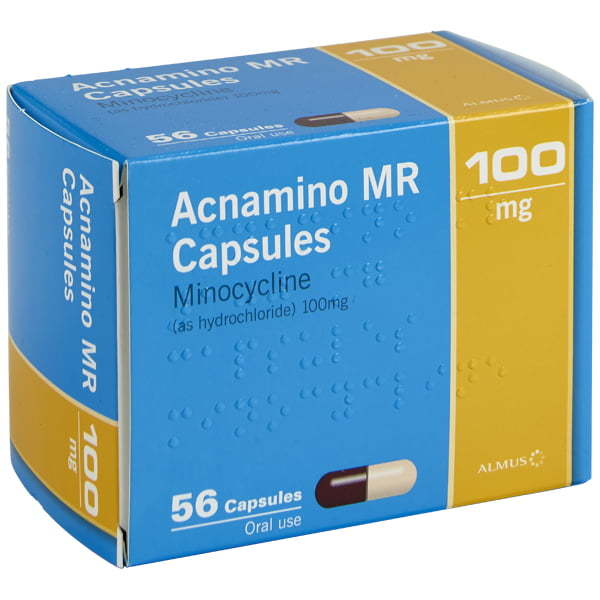
Prescription Antibiotic Tablets for Acne
An oral antibiotic tablet may be required to treat the bacteria that contribute to acne. Prescription antibiotics for acne often work best in combination with a topical treatment, like acne creams and gels, but make sure your pharmacist or GP has advised you on how to use these together so you don’t inflame your skin or make acne worse.
Prescription Acne Medication Creams
Acne prescription creams vary depending on the severity of your acne, your skin sensitivity and any other skin conditions you may have. This is why you need a prescription for acne creams and stronger ones are not available over the counter. Typically, prescription creams for acne are made up of one of the following:
Topical Antibiotic Creams
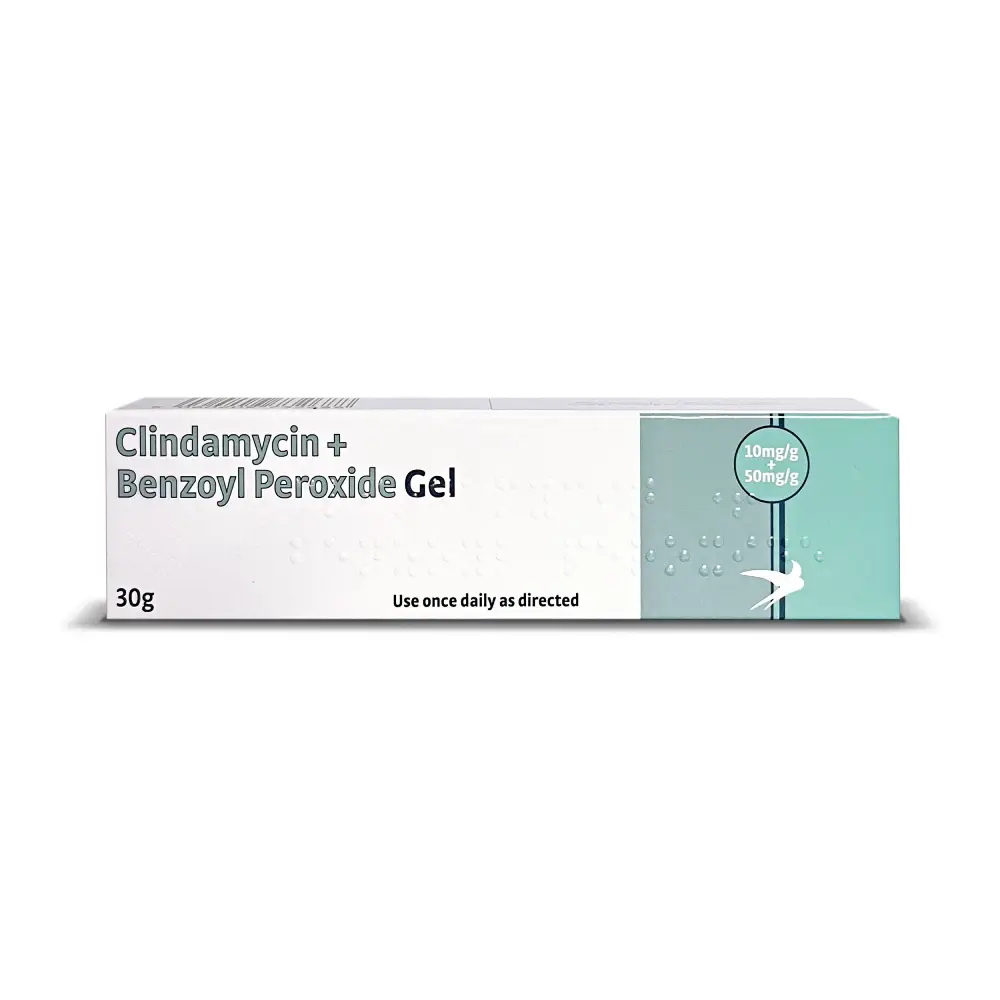
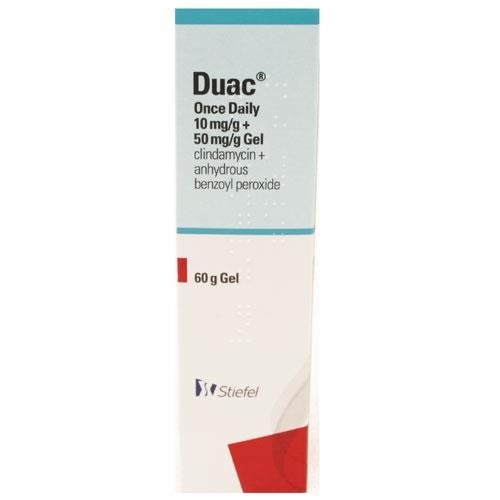
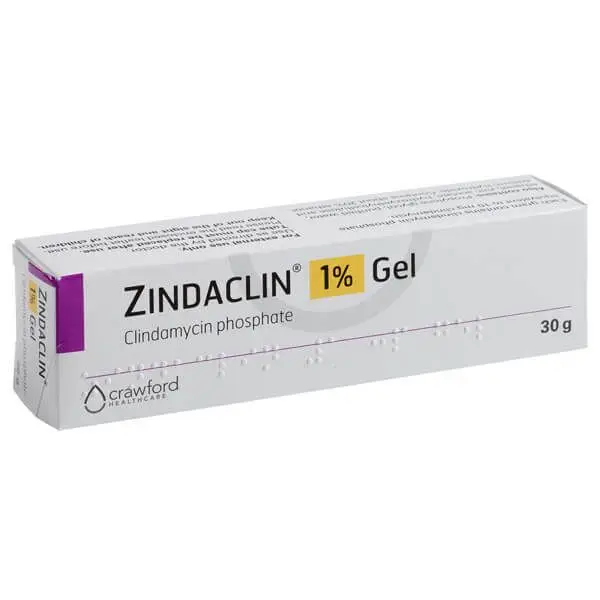
Topical antibiotics work against the bacteria on the skin and are a common part of the treatment of acne. Available as solutions, gels and lotions, they’re typically used for mild or moderate acne. Creams that contain antibiotics, like Duac Gel, are applied directly to the skin.
Topical Retinoid Creams
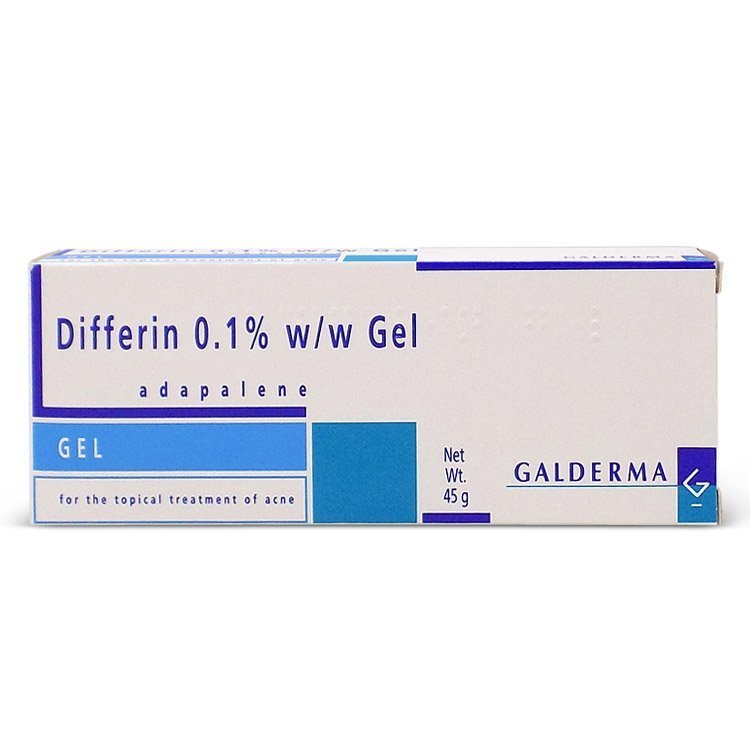
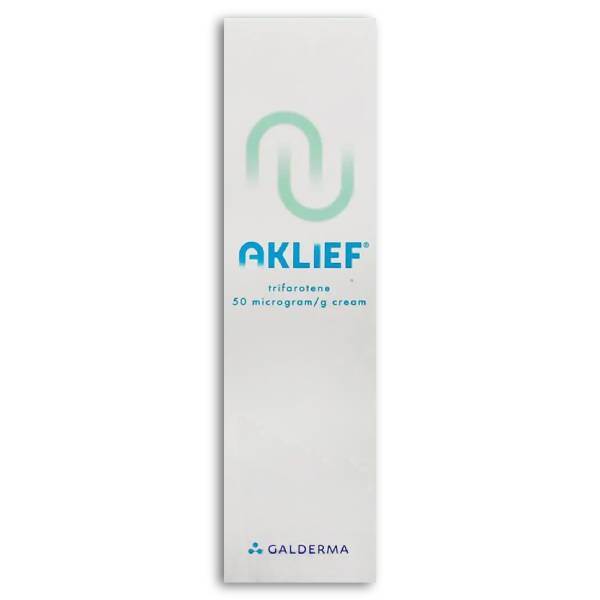
Topical retinoids are another skin acne treatment, such as Differin cream. These work by reducing the number of dead skin cells and the amount of sebum the skin produces, which helps reduce acne over time.
Online Acne Treatment from Click2Pharmacy
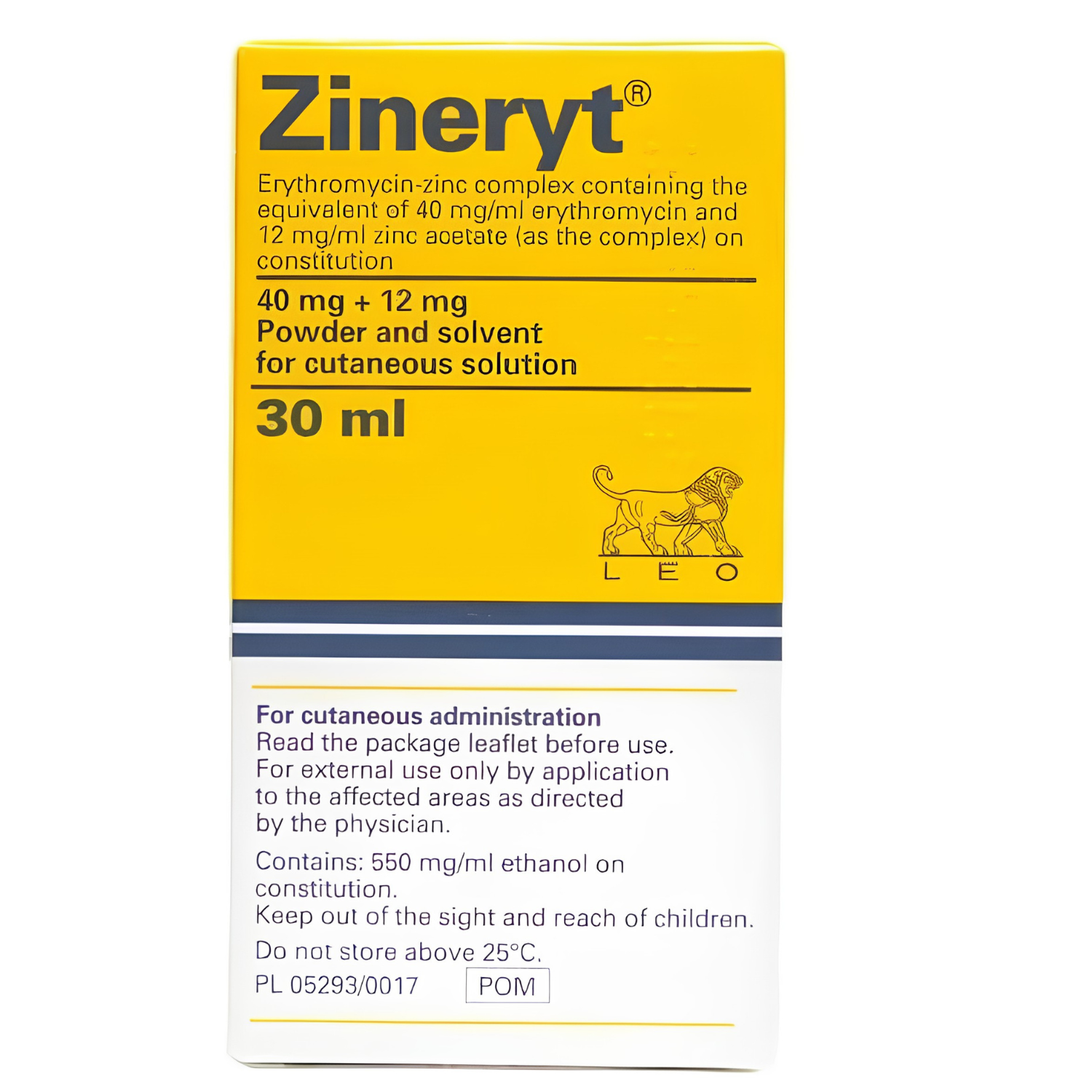
Below is a table of some popular prescription acne medications and treatments available at Click2Pharmacy. Acne prescription medication creams, gels and antibiotics can be purchased through the online acne clinic after a short online assessment.
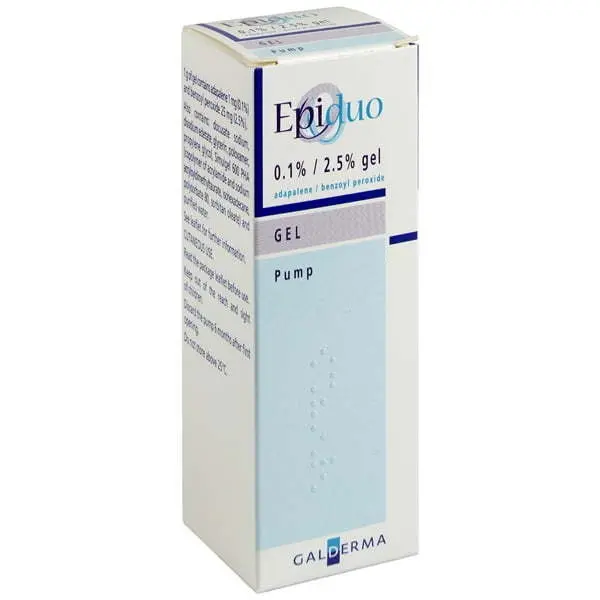
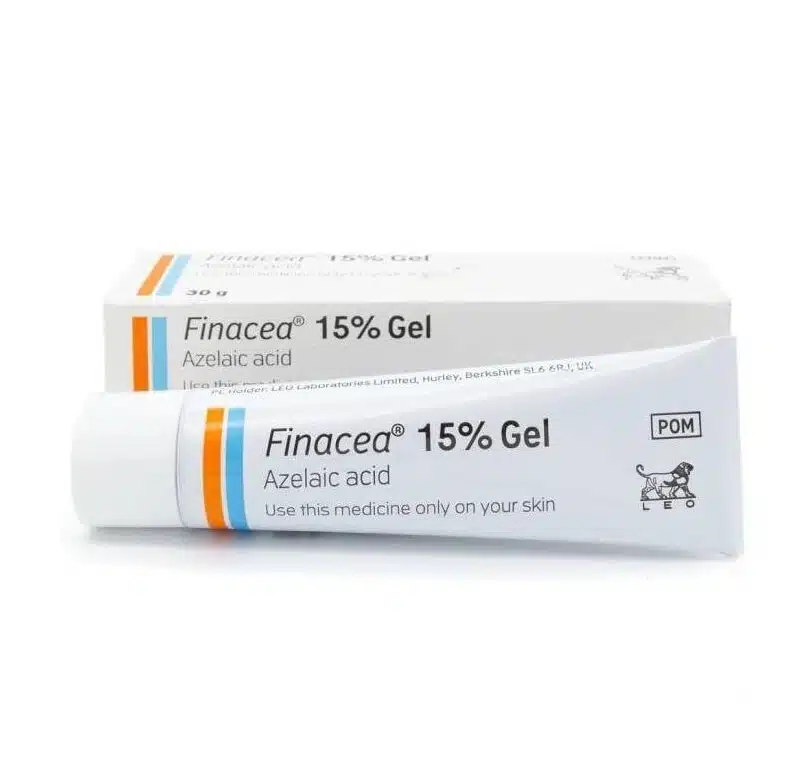
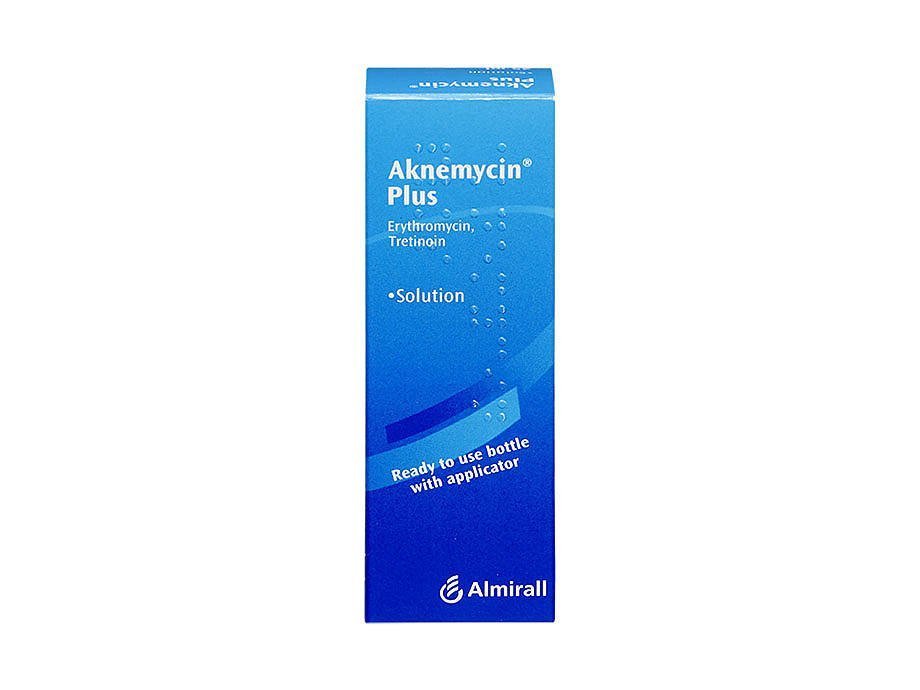
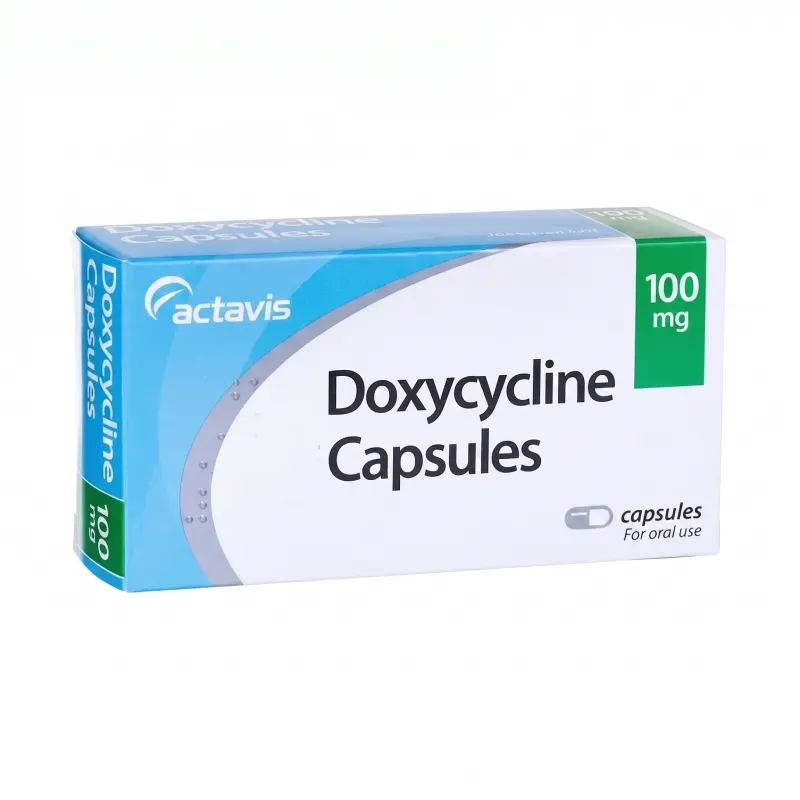
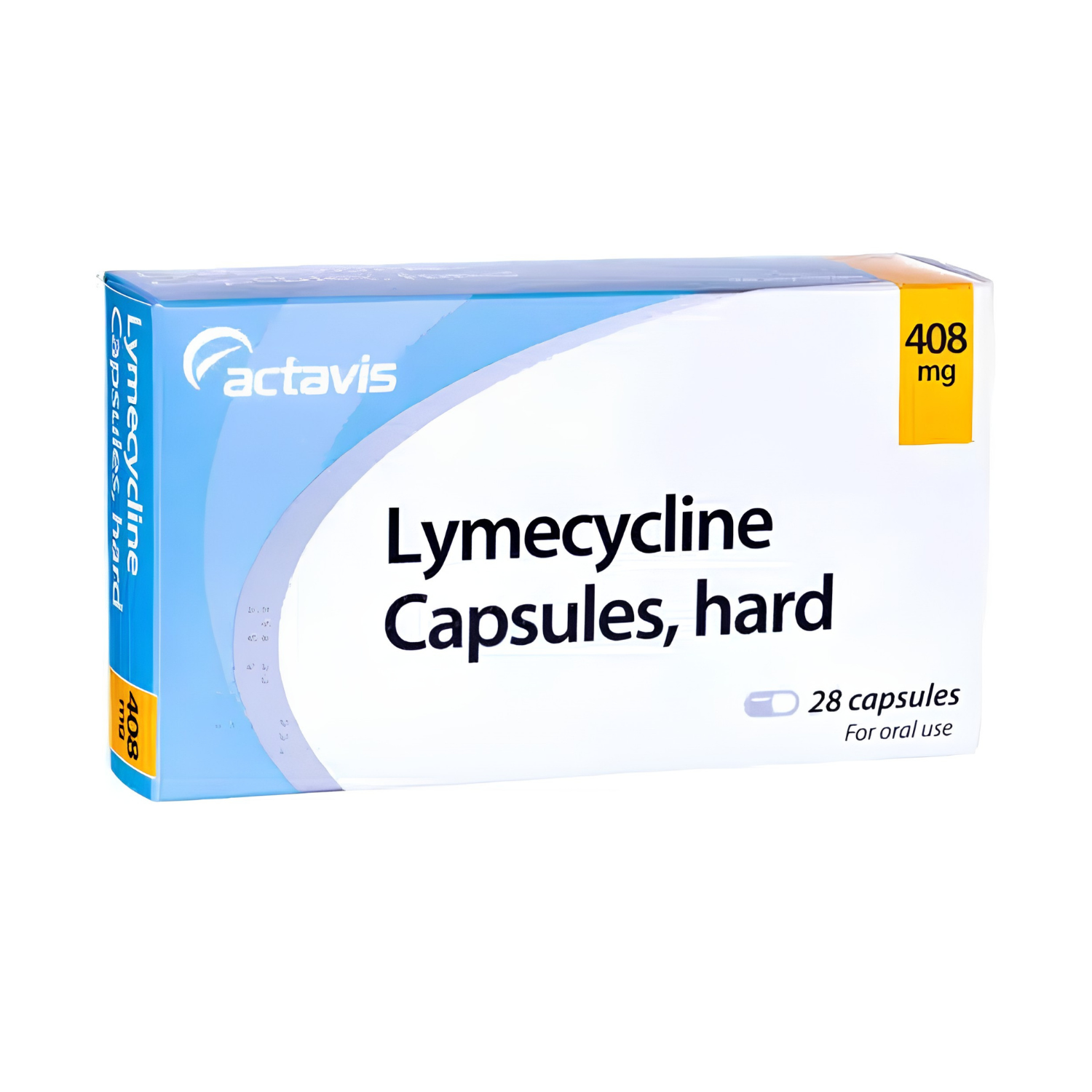
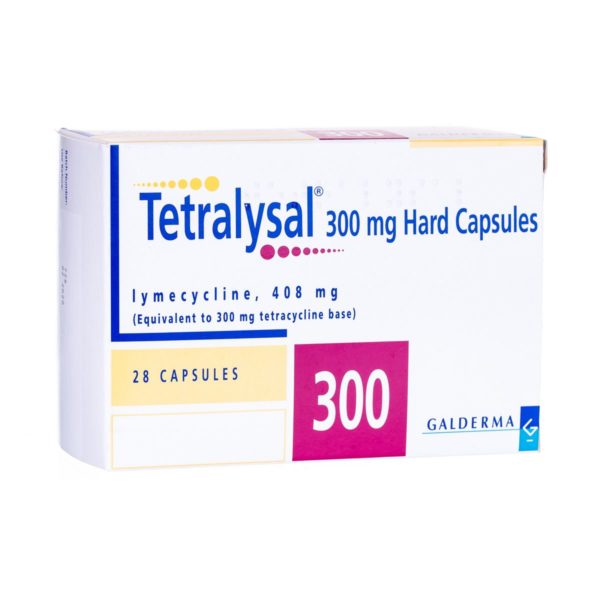
| Medication Name | Aknemycin | Differin | Acnecide | Duac | Zineryt | Skinoren | Finacea Gel | Epiduo | Tetralysal | Doxycycline |
|---|---|---|---|---|---|---|---|---|---|---|
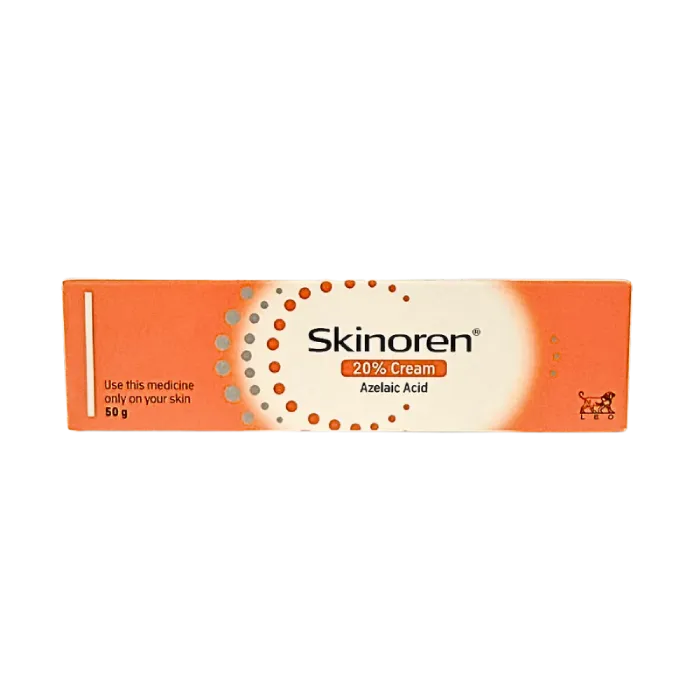
| Active Ingredients | 40 mg of erythromycin and 0.25 mg of tretinoin | Adapalene 0.1% w/w | Benzoyl Peroxide 5% w/w | 10 mg clindamycin phosphate, 50 mg benzoyl peroxide | 40 mg/ml erythromycin and 12 mg/ml zinc | 20% azelaic acid | 15% azelaic acid | adapalene 3 mg benzoyl peroxide 25 mg | Lymecycline | Doxycycline |
| Key Benefit | Contains antibiotic | Anti-inflammatory properties | 1st step treatment, kills 95% bacteria | Dual action, contains an antibiotic | Can be easily applied to large areas | Has antimicrobial action | Can also treat acne and rosacea | Combination product with antimicrobial and anti-inflammatory activity | For wide spread or severe acne, 12 week course | For wide spread acne, 12 week course |
| Type of medication | Solution | Cream, Gel | Cream | Gel | Solution | Cream | Gel | Gel | Oral Capsules | Oral Capsules |
| Dosages available | 40mg/0.25mg | 0.1% | 5% | 3%, 5% | 40mg/12mg | 20% | 15% | 0.3% / 2.5%, 0.1% / 2.5% | 300mg | 100mg |
| Do you need a prescription? | Yes | Yes | No | Yes | Yes | Yes | Yes | Yes | Yes | Yes |
| When or how should it be used | Apply to affected areas once or twice daily | Apply to affected areas at night | Apply thin layer once or twice daily | Apply once a day in the evening | Apply twice daily for 10-12 weeks | Apply morning and night, rub in gently | Apply morning and night, rub in gently | Apply once in evening | One capsule a day | One capsule a day |
| Common side effects | Dry skin, redness, peeling, burning sensation, itching | Dry skin, redness, peeling, burning sensation, itching | Dry skin, redness, peeling, burning sensation, itching | Dry skin, redness, peeling, burning sensation, itching | Dry skin, redness, peeling, burning sensation, itching | Dry skin, redness, peeling, burning sensation, itching | Dry skin, redness, peeling, burning sensation, itching | Dry skin, redness, peeling, burning sensation, itching | Feeling sick, abdominal pain, diarrhoea | Headaches, rashes, upset stomach |