
hyperpigmentation Consultation

Please answer the following questions as honestly as possible so we can ensure your preferred treatment is the best treatment for your needs.

Estimated time to complete: 2 minutes

Buy Hyperpigmentation Treatment Online

Hyperpigmentation causes dark patches or spots on your skin that can affect your confidence and appearance. If you’re dealing with age spots, melasma, or post-inflammatory marks, our online clinic offers effective treatments to help even out your skin tone and restore your natural complexion.

Start Your Online Consultation

After completing your online consultation, you will be able to select your preferred hyperpigmentation treatment.

Takes less than 5 minutes

100% confidential

UK registered pharmacy

Ordered with us before? Click here to login and reorder from your account.

How to Buy Hyperpigmentation Treatment Online

Step 1: Online Consultation

Fill in a quick online consultation for our licensed pharmacists to review.

Step 2: Choose a Treatment

Our pharmacists will review your treatment to ensure it’s suitable.

Step 3: Quick & Discreet Delivery

Your treatment will be delivered to your door quickly & discreetly.

Hyperpigmentation Treatment Cream

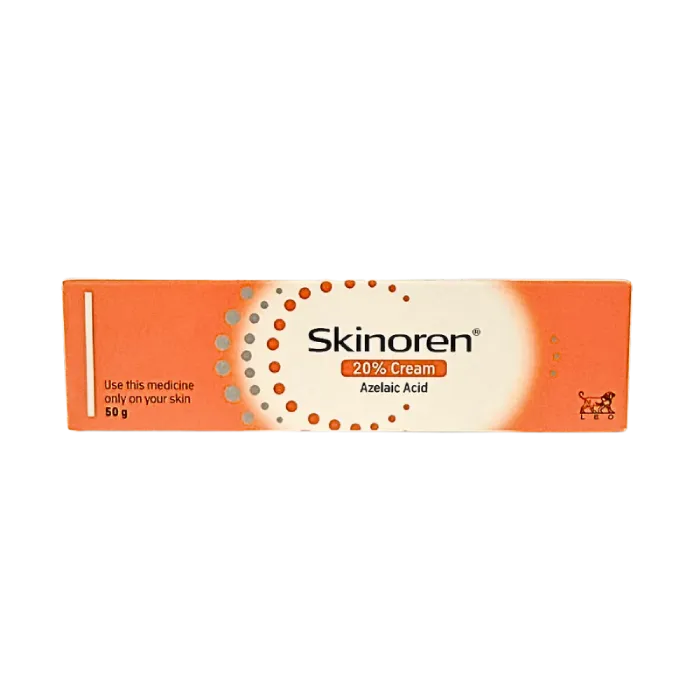
Skinoren Azeliac Acid Cream 20%

Skinoren Azelaic Acid Cream 20%

  • Treats acne, rosacea & hyperpigmentation
  • Suitable for sensitive skin
  • Contains 20% azelaic acid
From £11.70
More information
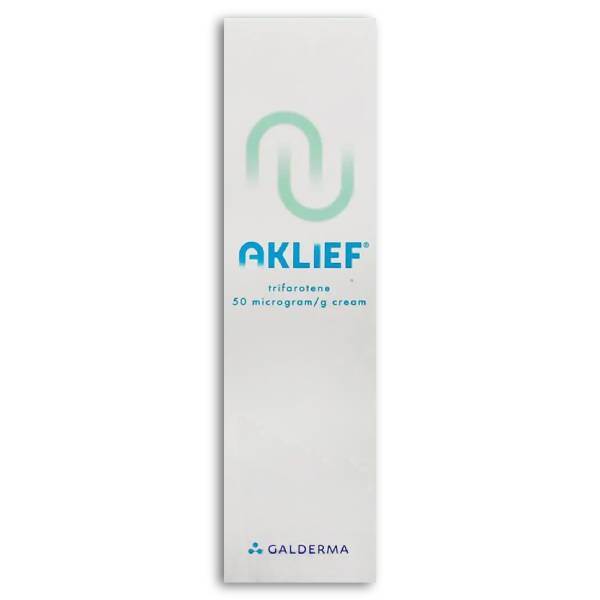
Aklief cream

Aklief Cream

  • Reduces whiteheads, blackheads and inflammatory spots
  • Suitable for face and back acne
  • Prescription acne treatment containing trifarotene
From £46.75
More information
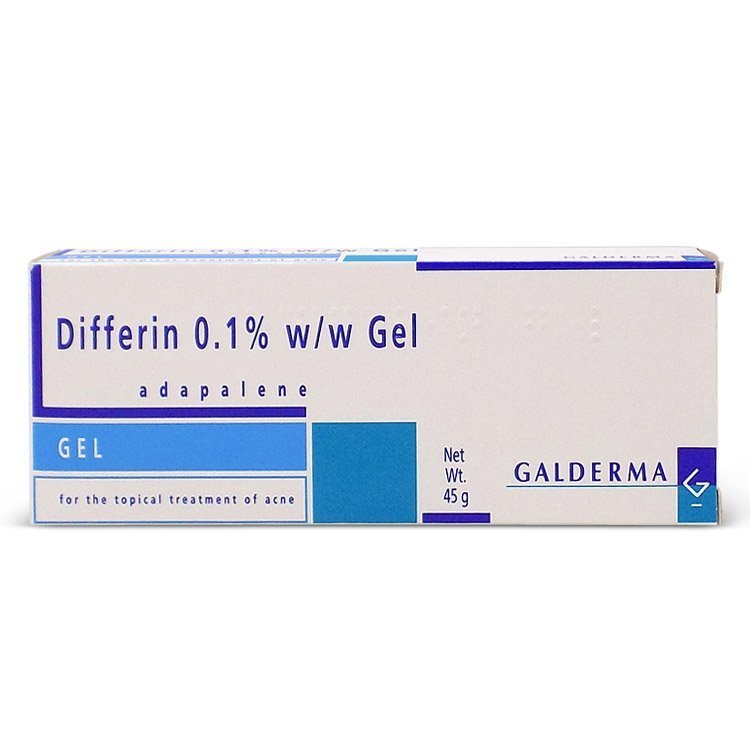
Differin Gel adapalene

Differin Gel Adapalene 0.1% / Differin Cream Adapalene 0.1%

  • Gel or cream
  • Treats mild to moderate acne & hyperpigmentation
  • Contains adapalene
From £27.99
More information

Hyperpigmentation Treatment Gel

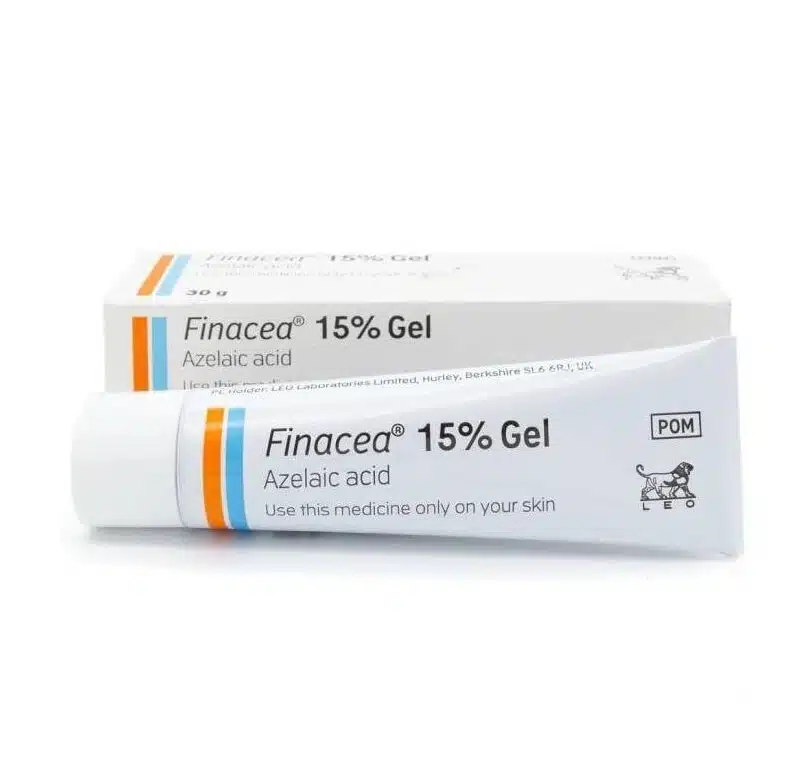
Buy Finacea gel (Azelaic Acid) 30g | Order Online Now

Finacea Gel (Azelaic Acid) 30g

  • Treats acne, rosacea & hyperpigmentation
  • Suitable for sensitive skin
  • Contains 15% azelaic acid
From £18.00
More information
Differin Gel adapalene

Differin Gel Adapalene 0.1% / Differin Cream Adapalene 0.1%

  • Gel or cream
  • Treats mild to moderate acne & hyperpigmentation
  • Contains adapalene
From £27.99
More information

What is hyperpigmentation?

Hyperpigmentation is a common skin concern where patches of skin become darker than the surrounding areas. This happens when your skin produces too much melanin, the pigment that gives your skin its colour.

These dark patches can appear anywhere on your body, but most commonly affect your face, hands, and other areas exposed to the sun. While hyperpigmentation isn’t harmful to your health, it can be frustrating to deal with and may affect how you feel about your appearance.

Types of Hyperpigmentation

Melasma is a common type of facial hyperpigmentation that appears as brown or grey-brown patches, usually on the cheeks, forehead, nose, and upper lip. It’s strongly linked to hormonal changes and sun exposure.

Postinflammatory hyperpigmentation shows up as flat spots of discolouration after an injury or inflammation to the skin. These marks can range from pink to red, brown, or black, depending on your skin tone. People with darker skin are more prone to developing this type of hyperpigmentation.

Sunspots (also called age spots or liver spots) are flat, brown spots that typically appear on sun-exposed skin, like your face, hands, shoulders, and arms. They become more common with skin ageing.

Freckles are small, concentrated spots of melanin that darken with sun exposure. While they’re often genetic, sun exposure makes them more prominent.

What is the cause of hyperpigmentation?

Sun exposure is one of the most common causes. UV rays stimulate melanin production as your skin’s natural defence mechanism, leading to sun spots or age spots over time.

Hormonal changes can cause melasma, a type of hyperpigmentation that often appears during pregnancy (sometimes called the “mask of pregnancy”) or when taking hormonal contraceptives.

Post-inflammatory hyperpigmentation develops after a skin injury or inflammation like acne, eczema. The healing process can leave behind dark marks that persist long after the initial problem has cleared.

Certain medications can make your skin more sensitive to sunlight or trigger pigmentation changes, including some antibiotics, anti-seizure drugs, and chemotherapy treatments.

Medical conditions like Addison’s disease or haemochromatosis can sometimes cause increased pigmentation, though this is less common.

Symptoms of Hyperpigmentation

The main sign of hyperpigmentation is patches of skin that appear darker than your normal skin tone. These patches can be:

  • Light brown to dark brown or grey
  • Flat and smooth, matching the texture of surrounding skin
  • Various sizes, from small spots to larger patches
  • Well-defined or with irregular borders
  • Uniform in colour or with variations in shade

Hyperpigmentation doesn’t typically cause any physical symptoms like itching, pain, or texture changes. If you notice these symptoms alongside dark patches, you should see your GP, as this might indicate a different skin condition.

Treatments for Hyperpigmentation

Prescription Treatments

Adapalene Gel is a prescription-strength retinoid that’s highly effective for treating hyperpigmentation of the face, especially post-inflammatory hyperpigmentation from acne. It works by speeding up skin cell turnover and reducing inflammation, which helps fade dark spots while preventing new breakouts. You’ll typically apply it once daily in the evening to clean, dry skin. Differin is generally well-tolerated and can be used long-term for both treating and preventing hyperpigmentation.

Tretinoin (Retinoid) Cream is a prescription-strength retinoid that speeds up skin cell turnover, helping to fade dark spots and even out your skin tone. It works by bringing fresh, new skin cells to the surface while pushing out pigmented cells. You’ll usually apply it at night, starting with a lower concentration to let your skin adjust. This treatment can take several weeks to show results, but it’s highly effective for various types of hyperpigmentation.

Azelaic Acid is a naturally occurring acid found in treatments like Skinoren and Finacea Gel. It reduces melanin production and has anti-inflammatory properties. It’s particularly useful for treating post-inflammatory hyperpigmentation from acne, as it also helps prevent breakouts. This treatment is generally well-tolerated and can be used long-term for maintenance.

Over-the-Counter Skincare Products

Vitamin C Serums are a powerful antioxidant that brightens skin and reduces the appearance of hyperpigmentation. It works by inhibiting melanin production and protecting your skin from free radical damage. Regular use can help reduce hyperpigmentation and prevent new spots from forming.

Niacinamide (Vitamin B3) reduces the transfer of melanin to skin cells, helping to fade dark spots and even out skin tone. It’s gentle enough for sensitive skin and can be used alongside other treatments.

Alpha Hydroxy Acids (AHAs), which contain glycolic acid or lactic acid, help exfoliate dead skin cells from the top layer of the skin, revealing brighter, more even-toned skin beneath. These acids are also effective for improving skin texture and can enhance the effectiveness of other treatments.

Kojic Acid is derived from certain fungi and works by inhibiting melanin production. It’s effective for various types of hyperpigmentation and is often found in serums and creams.

When to Seek Professional Treatment

If your hyperpigmentation doesn’t improve with over-the-counter or prescription treatments, you might benefit from professional procedures. Your GP can refer you to a dermatologist who may recommend:

  • Chemical peels for deeper exfoliation and skin resurfacing
  • Laser therapy to target pigmented cells
  • Microdermabrasion to remove the outer layer of skin
  • Intense pulsed light (IPL) therapy

How to Prevent Changes in Skin Pigmentation

Preventing hyperpigmentation is often easier than treating it. Follow these skin care steps:

  • Wear suncream daily with at least SPF 30, even on cloudy days and indoors near windows
  • Reapply sunscreen every two hours when outdoors
  • Wear protective clothing like wide-brimmed hats and long sleeves in direct sunlight
  • Avoid picking at spots or skin injuries to prevent post-inflammatory hyperpigmentation
  • Treat acne promptly to reduce the risk of dark marks
  • Be gentle with your skin and avoid harsh scrubbing or aggressive treatments

Hyperpigmentation FAQs

Acne and hyperpigmentation are closely connected. When acne heals, it can leave behind dark marks known as post-inflammatory hyperpigmentation. This happens because the inflammation from acne triggers excess melanin production in the affected area.

Picking or squeezing spots increases the risk of developing these dark marks. Treating acne promptly and avoiding touching or picking at breakouts can help prevent post-acne hyperpigmentation. If you already have dark marks from acne, treatments like azelaic acid work particularly well as they both prevent breakouts and fade existing pigmentation.

It depends on the cause. Post-inflammatory hyperpigmentation from acne or injury can often be completely resolved and won’t return unless you experience new skin trauma. However, melasma tends to be chronic and may recur with sun exposure or hormonal changes. Sun spots can fade significantly, but new ones may develop without consistent sun protection. Long-term results require addressing the underlying cause and daily sun protection.

Treatment results can be long-lasting but require ongoing care. Once you’ve faded dark spots, they can come back without proper sun protection. A lot of people need maintenance treatments to keep skin tone even, and daily sunscreen is essential regardless of treatment used. Melasma is particularly prone to returning and may need periodic touch-ups. Think of it as an ongoing skincare commitment rather than a one-time fix.

Hyperpigmentation can be reversed or significantly faded with the right approach. Success depends on the type, how long you’ve had it, your skin type, and the consistency of your treatment.

Post-inflammatory hyperpigmentation often fades completely within a few months. Melasma and sun spots take longer and may need more aggressive treatment. Newer hyperpigmentation fades faster than long-standing patches. The most effective approach combines active treatments with diligent sun protection.

Retinols like tretinoin are highly effective for hyperpigmentation. They speed up skin cell turnover, bringing fresh, unpigmented cells to the surface while fading dark spots. Prescription tretinoin is generally more effective than over-the-counter retinol for stubborn pigmentation. You must wear daily sunscreen when using retinoids, as they increase sun sensitivity. Start with a lower concentration a few times per week to let your skin adjust.

Hyperpigmentation is typically diagnosed through examination by a healthcare professional. Your GP or doctor will examine the affected areas and discuss your medical history, current medications, and any recent skin injuries or hormonal changes. Most cases don’t need tests. If your doctor suspects you have an underlying condition, blood tests may check for hormonal imbalances.

Pigmentation is your skin’s natural colouring from melanin. It determines your skin colour based on genetics and sun exposure.

Hyperpigmentation occurs when the skin becomes darker than your normal skin tone due to excess melanin production, resulting in brown, black, or grey patches. Examples include melasma, age spots, and post-acne marks.

Hypopigmentation is when areas of the skin lose their pigment and become lighter than normal, when melanin-producing cells are damaged or destroyed. Conditions like vitiligo or certain infections cause hypopigmentation, which is often more challenging to treat than hyperpigmentation.

Customer Reviews

Our Experienced UK-based Pharmacy Team

Clinical Consultant
MUDr, MRCEM, EBCEM, FRCEM
GMC no. 7176414

Pharmacist
MPharm
GPhC no. 2065469

Pharmacist
MPharm
GPhC no. 2046514

Page content authored by Tahira Lubna Khan, last reviewed by Dr Hussain Ahmad on 2nd December 2025.

More From Our Online Clinic

Looking for something else? Browse our online clinic to see all treatments available, or search for a condition or treatment below.

Get 10% Off Your First Order

Sign up to receive special offers via email and get 10% off your first order*

By opting in to marketing, you agree to our terms & conditions and privacy policy.