














What is Psoriasis?
Psoriasis is a skin condition that causes skin cells to grow too quickly, leading to thick patches. These patches, called plaques, appear anywhere on the body but commonly affect the elbows, knees, scalp and lower back.
Unlike other skin conditions, psoriasis isn’t contagious, so you can’t catch it from someone else or pass it on through touch. It’s an autoimmune condition, which means your immune system mistakenly attacks healthy skin cells, speeding up their production.
While it’s a chronic condition, there currently isn’t a cure for psoriasis, but it can be effectively managed with the right treatment, allowing many people to live comfortably with clear or nearly clear skin.
Types of Psoriasis
Plaque Psoriasis
The most common type, affecting about 80% of people with psoriasis, causing raised, red patches covered with silvery-white scales.
Scalp Psoriasis
This affects the scalp and can extend beyond the hairline to the forehead, neck and around the ears. It ranges from mild scaling to thick, crusted plaques that can cause temporary hair loss if left untreated.
Guttate Psoriasis
Appears as small, drop-shaped spots on the skin and often develops after a bacterial infection like strep throat. It’s more common in children and young adults.
Inverse Psoriasis
Causes smooth, red patches in skin folds like the armpits, groin and under the breasts. These areas don’t usually have the typical scales because moisture keeps them soft.
Pustular Psoriasis
A less common type that causes white pustules surrounded by red skin, typically on the hands and feet, though it can affect larger areas of the body.
Erythrodermic Psoriasis
This is the rarest and most severe type of psoriasis, causing widespread redness and scaling over most of the body. It can be serious and needs immediate medical attention, as it affects the body’s ability to regulate temperature and fluid balance.
What Causes Psoriasis?
Psoriasis happens when your immune system gets confused and starts attacking healthy skin cells by mistake. This causes your skin to produce new cells much faster than normal. Instead of the usual 28-day cycle, new cells reach the surface in just 3 to 7 days.
There are several things that trigger your psoriasis or make it worse:
- Genetics: Psoriasis often runs in families. If one parent has psoriasis, there’s about a 15% chance their child will develop it too. If both parents have it, the risk increases to about 75%.
- Stress: Physical or emotional stress can trigger psoriasis flare-ups or make existing symptoms worse.
- Infections: Bacterial infections like strep throat or skin injuries can trigger psoriasis, particularly guttate psoriasis.
- Medications: Some medications, including lithium, beta-blockers and antimalarial drugs, can worsen psoriasis symptoms.
- Lifestyle Factors: Smoking, heavy drinking and being overweight can all increase your risk of developing psoriasis or make symptoms more severe.
- Weather: Cold, dry weather often makes psoriasis worse, while warm, sunny weather typically helps improve symptoms.
Symptoms of Psoriasis
Psoriasis affects everyone differently, but there are some common signs to look out for:
Skin Symptoms
- Red, raised patches of skin covered with silvery-white scales
- Dry, cracked skin that may bleed
- Itching, burning or soreness around affected areas
- Thick, ridged or pitted nails
- Small scaling spots, particularly in children
Scalp Psoriasis Symptoms
- Scaly, red patches on the scalp
- Silvery-white scales that may flake off like severe dandruff
- Itching that can be intense
- Temporary hair loss in severe cases
- Scales extending beyond the hairline onto the forehead, neck or ears
Joint Symptoms
Some people with psoriasis also develop psoriatic arthritis, which causes:
- Swollen joints
- Tender joints
- Morning stiffness
- Reduced range of motion
- Fatigue
Psoriasis symptoms often come and go in cycles, with flare-ups lasting weeks or months followed by periods of remission. The severity can range from a few small patches to widespread coverage of large areas of the body.
Management and Treatment for Psoriasis
The best approach to treating psoriasis depends on the severity, where it appears on the body and how it affects your daily life.
Most people start with topical treatments, which are creams, ointments, gels, lotions and shampoos applied straight to the skin or scalp. NICE guidance recommends these as the first option, and many people use more than one type at the same time.
Emollients and Moisturisers
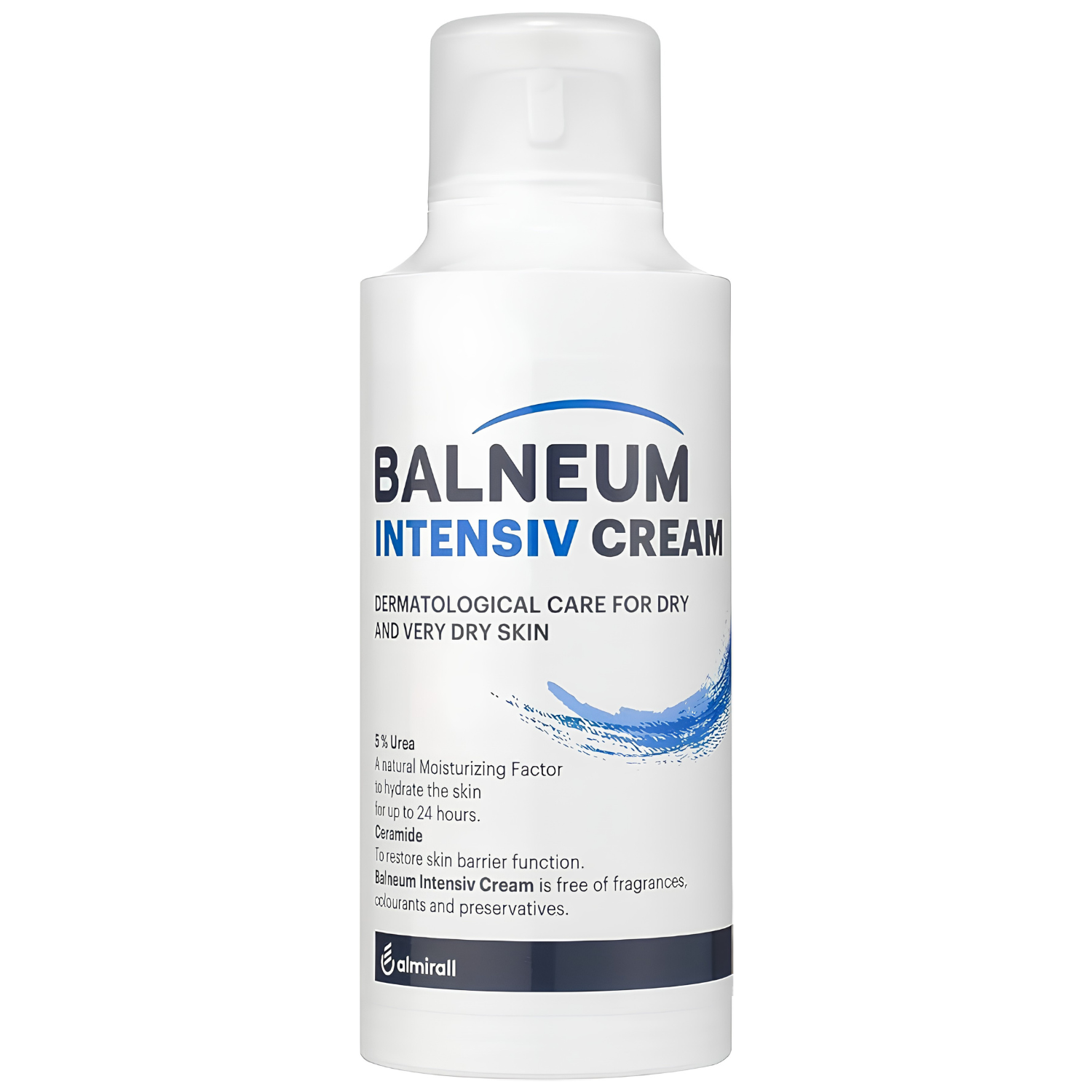
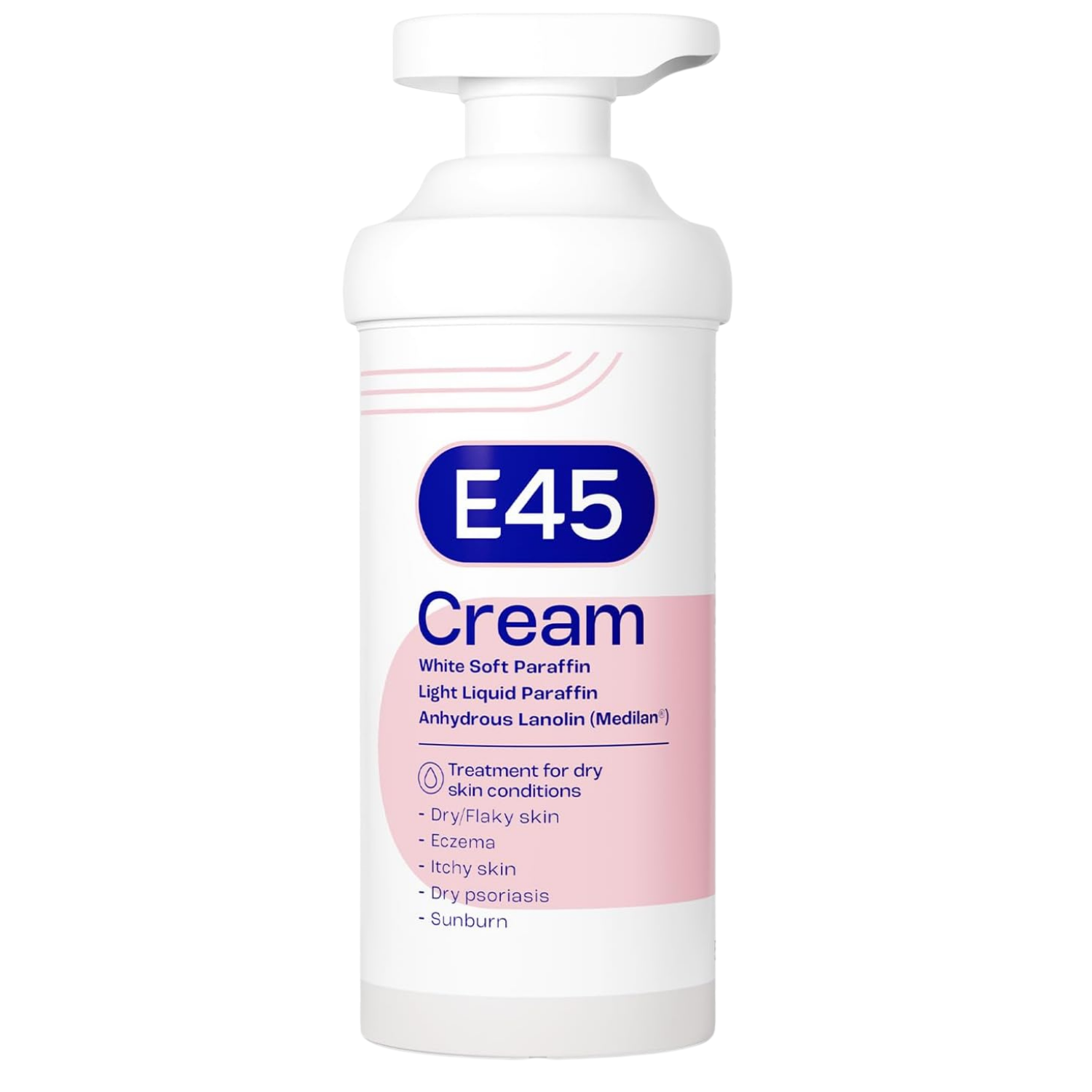
If you have mild to moderate psoriasis, it can be managed by keeping your skin well-moisturised. Other treatments also tend to work better on well-moisturised skin, so most people keep using an emollient alongside anything else they’re prescribed. Basic emollients like E45 and Diprobase maintain your skin’s moisture levels throughout the day.
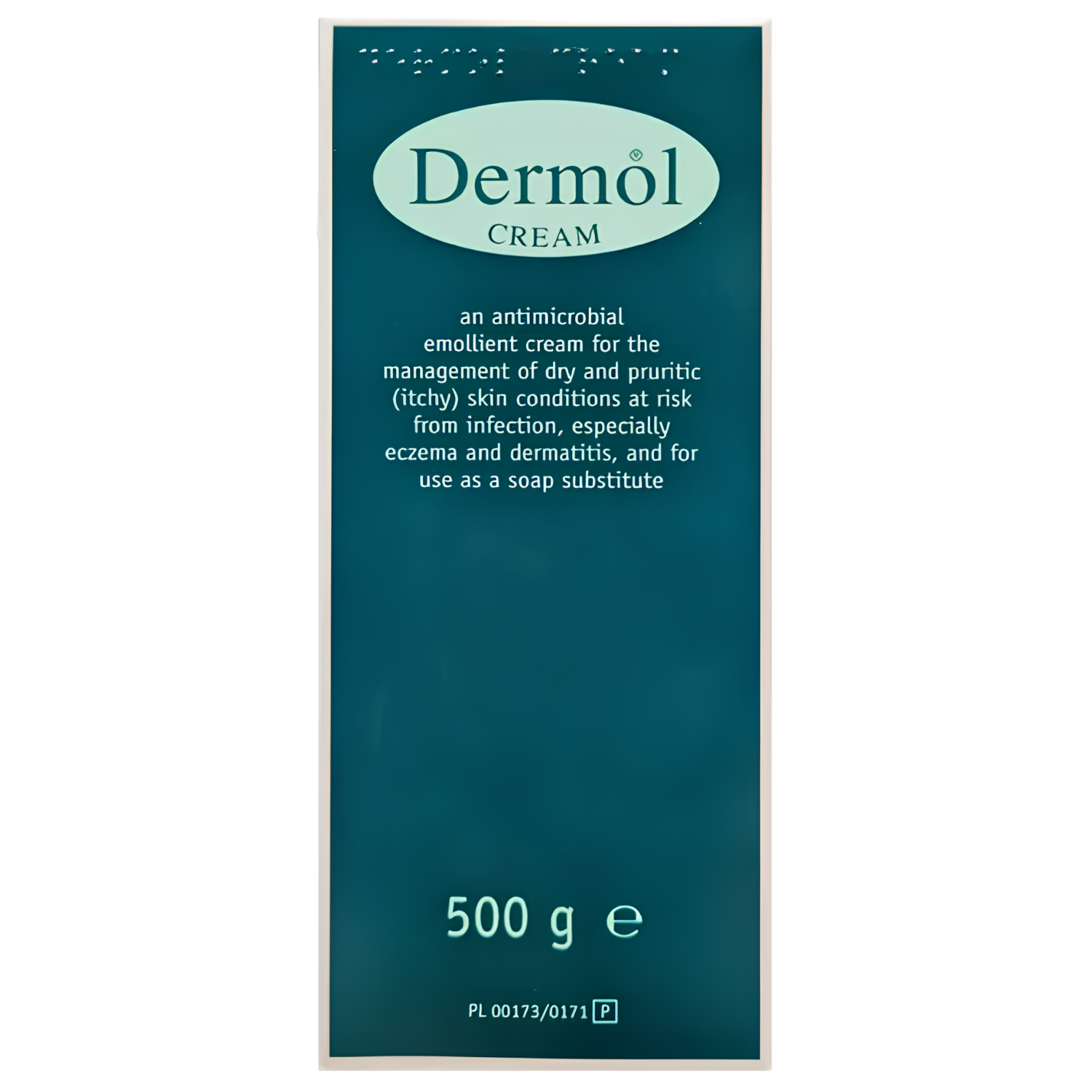
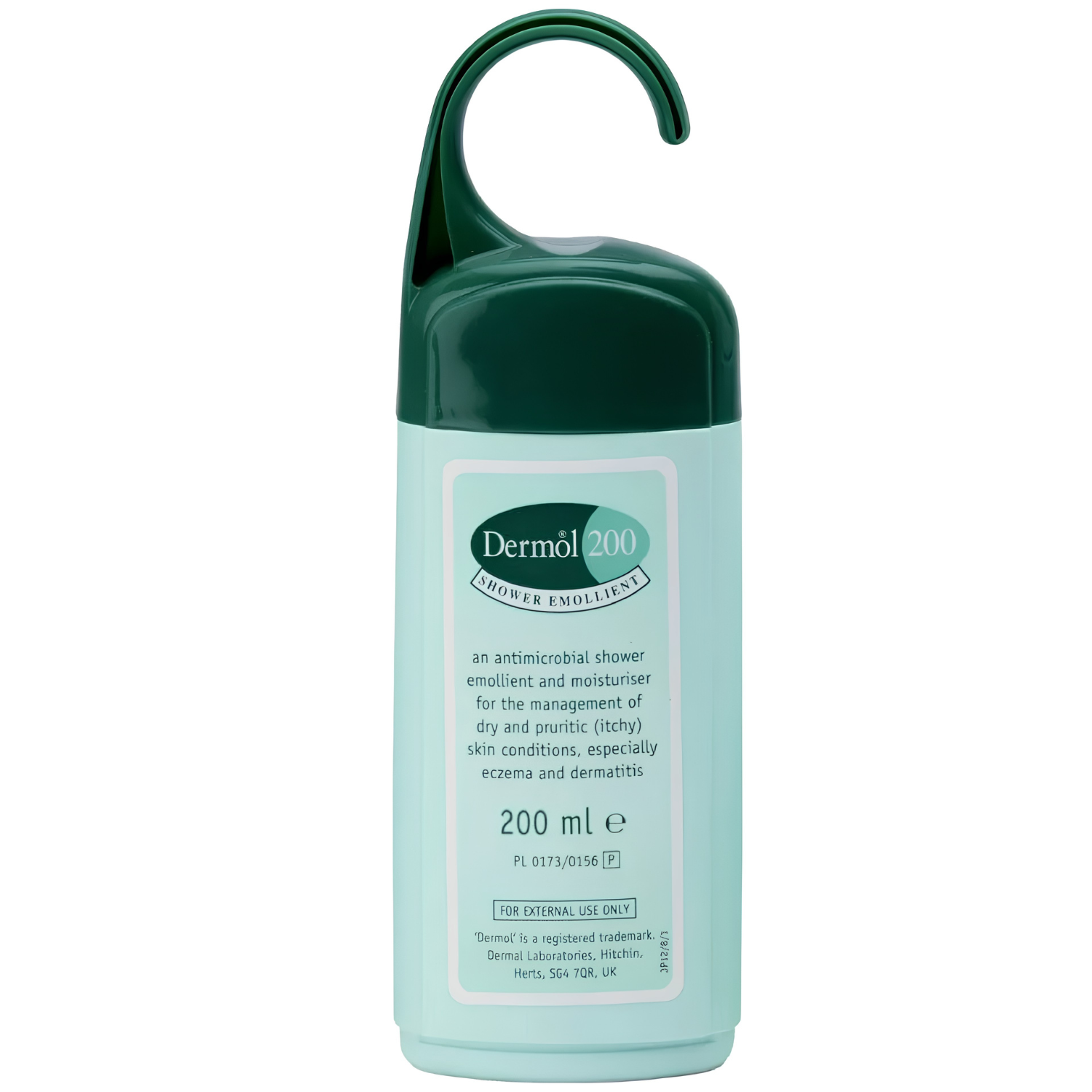
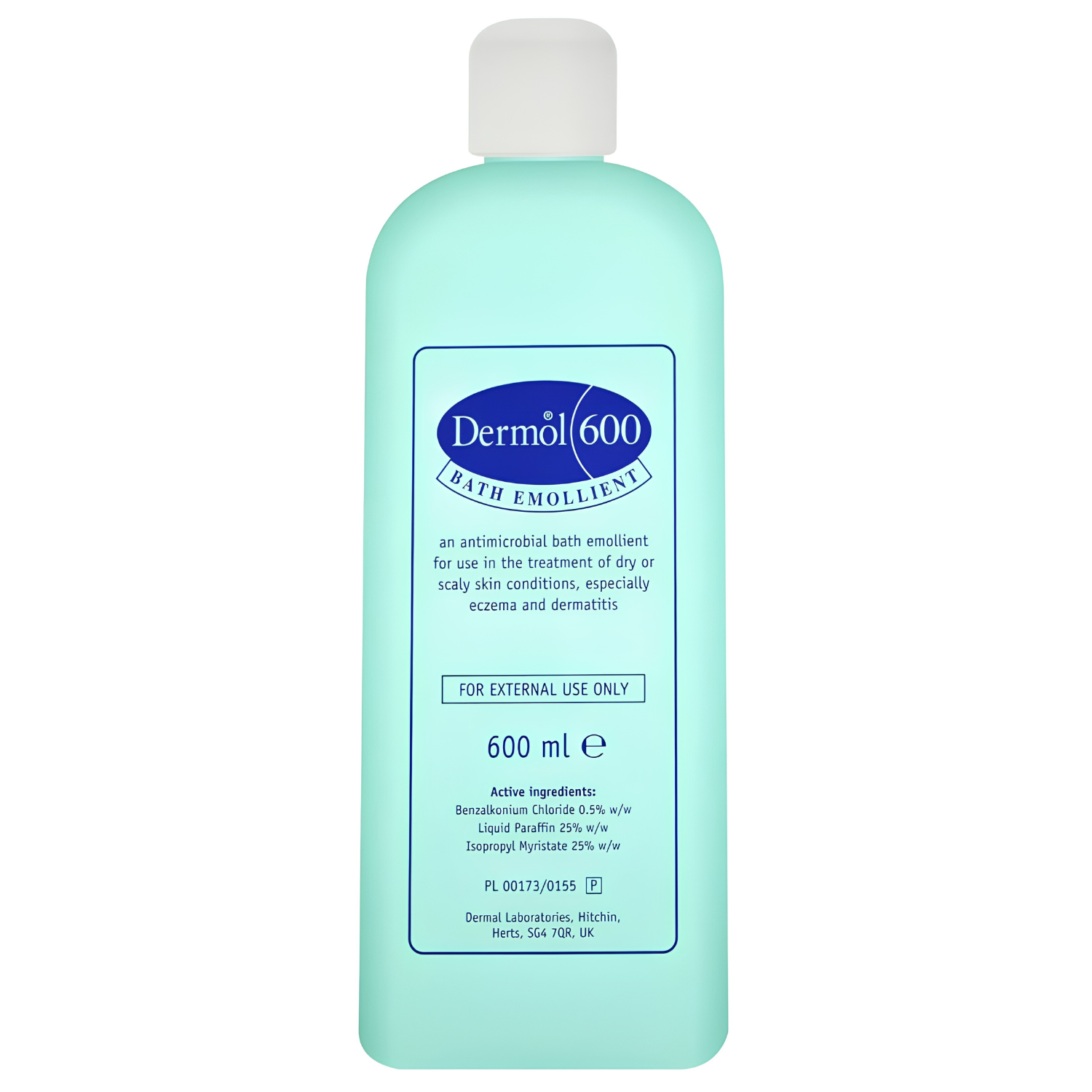
The Dermol range, which comes in a shower or bath emollient, lotion or cream, combines moisturising with antimicrobial properties, which can be helpful if your patches get infected from scratching.
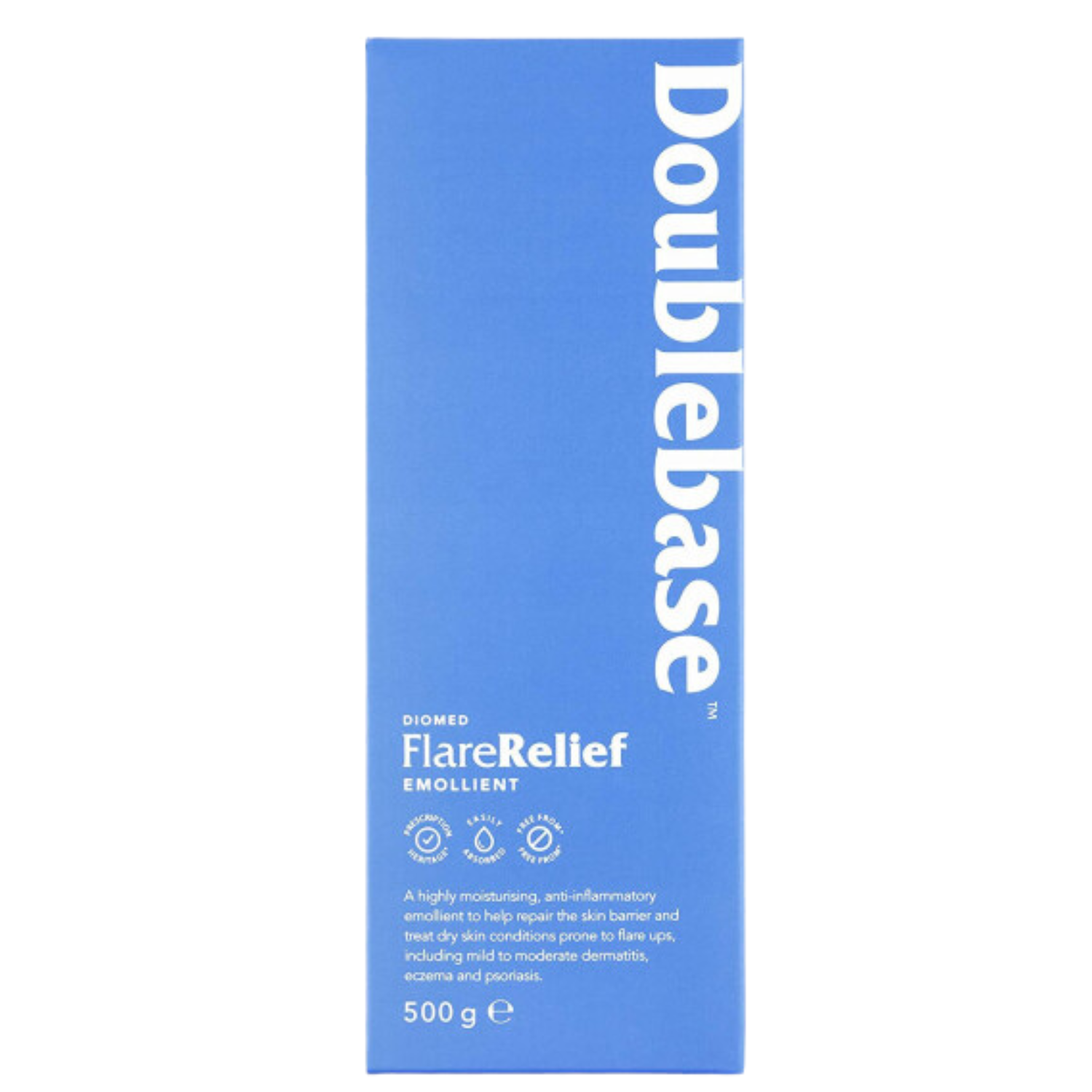
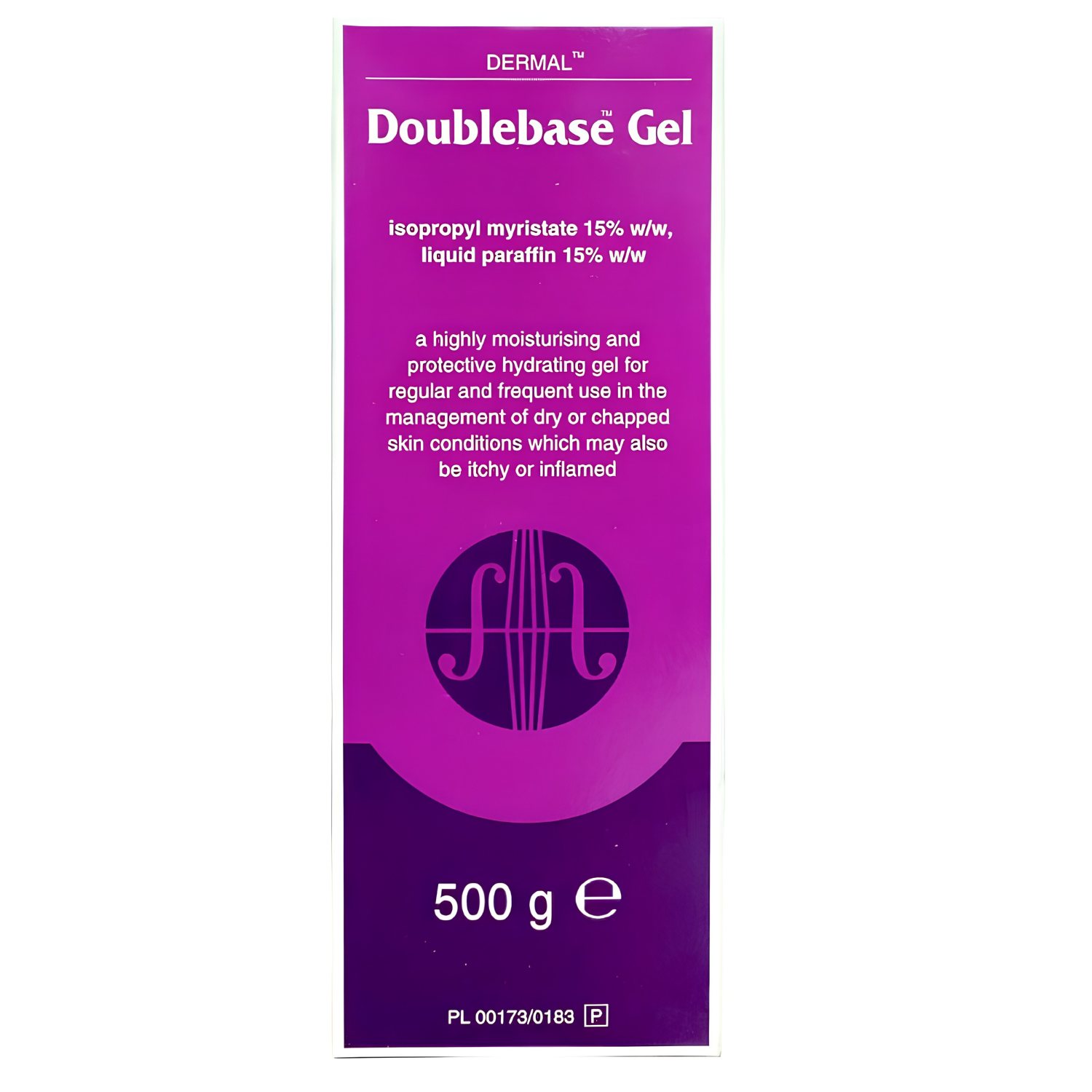
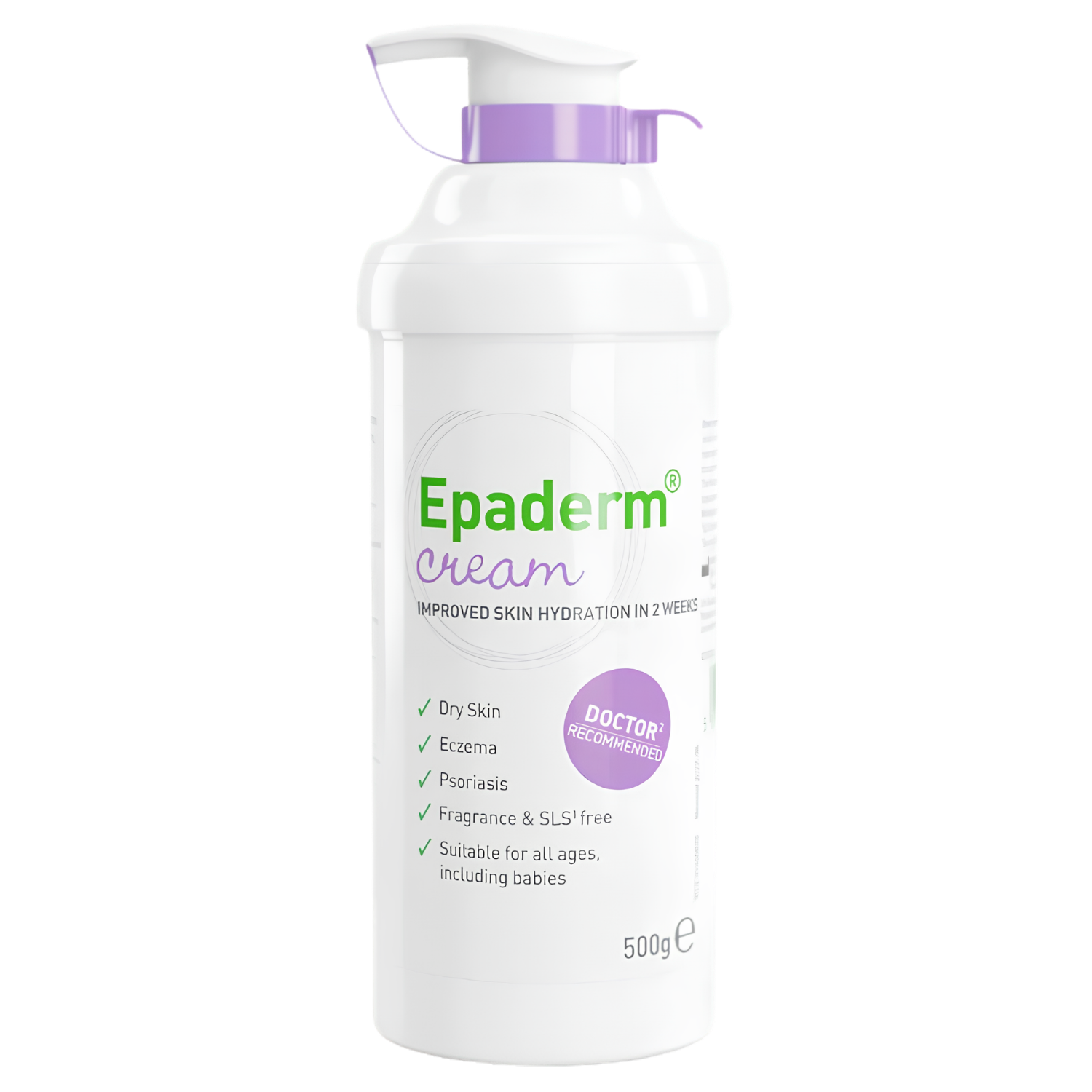
If you prefer lighter textures, gel formulations like Doublebase Gel and Adex Gel moisturise without making the skin feel greasy. For overnight treatment of thick, scaly patches, heavier formulas like Epaderm can soften stubborn scales.
Steroid Creams and Ointments
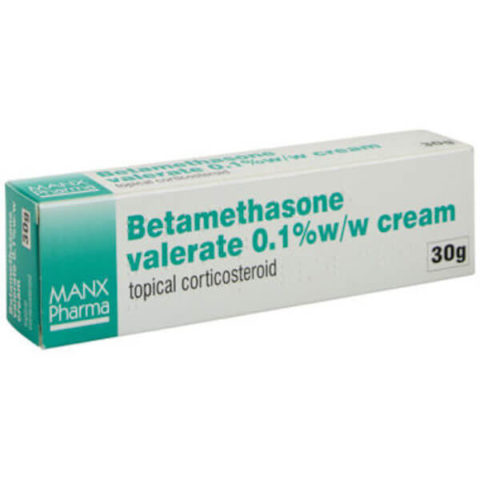
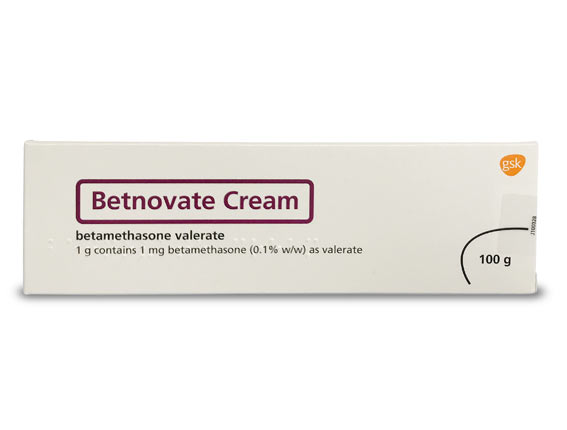
Steroid creams like Betnovate Cream & Ointment and Betnovate RD Cream are often the first treatment doctors recommend for moderate to severe psoriasis patches, with the RD version being a milder strength. They work by calming down the inflammation and slowing down your skin’s overactive cell production.
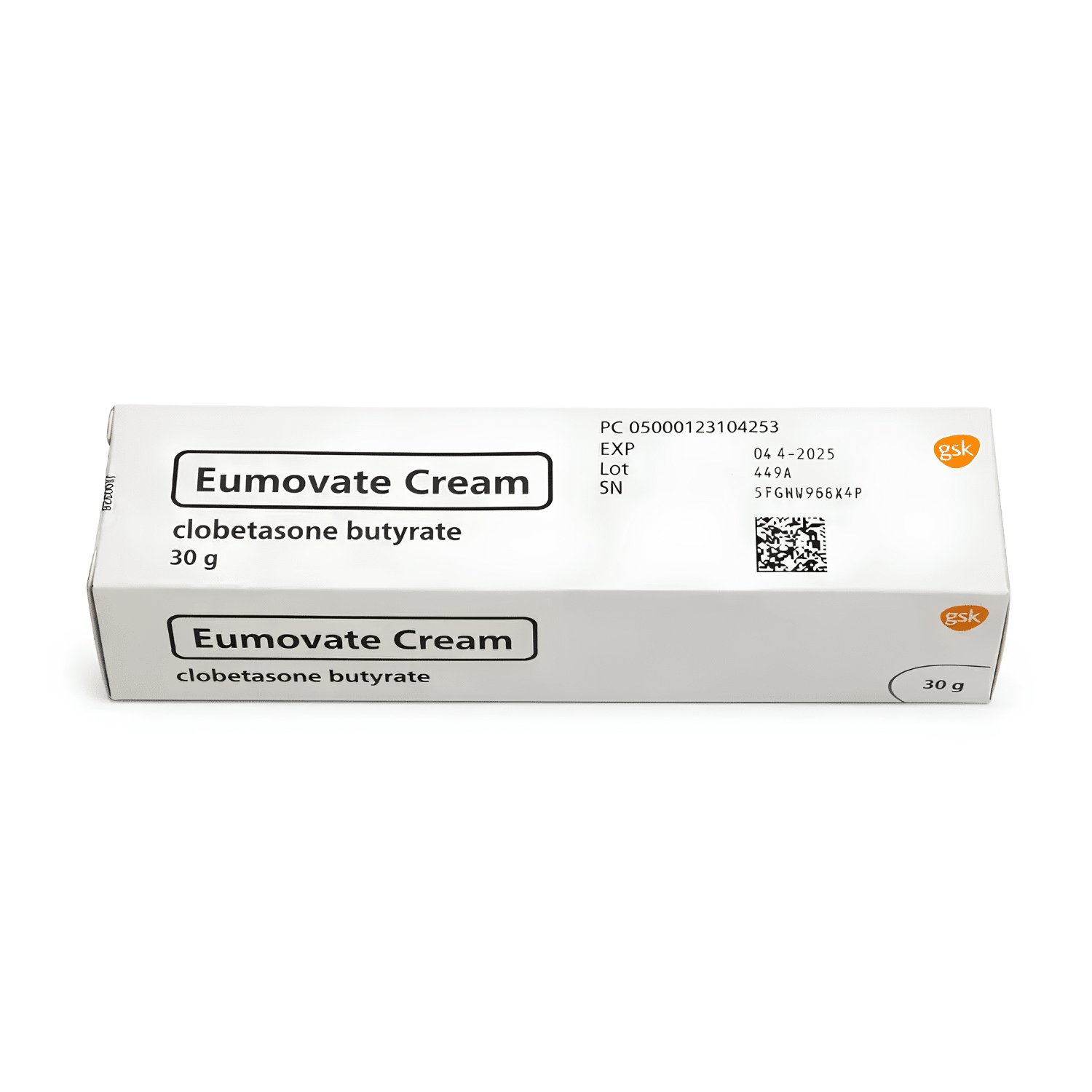
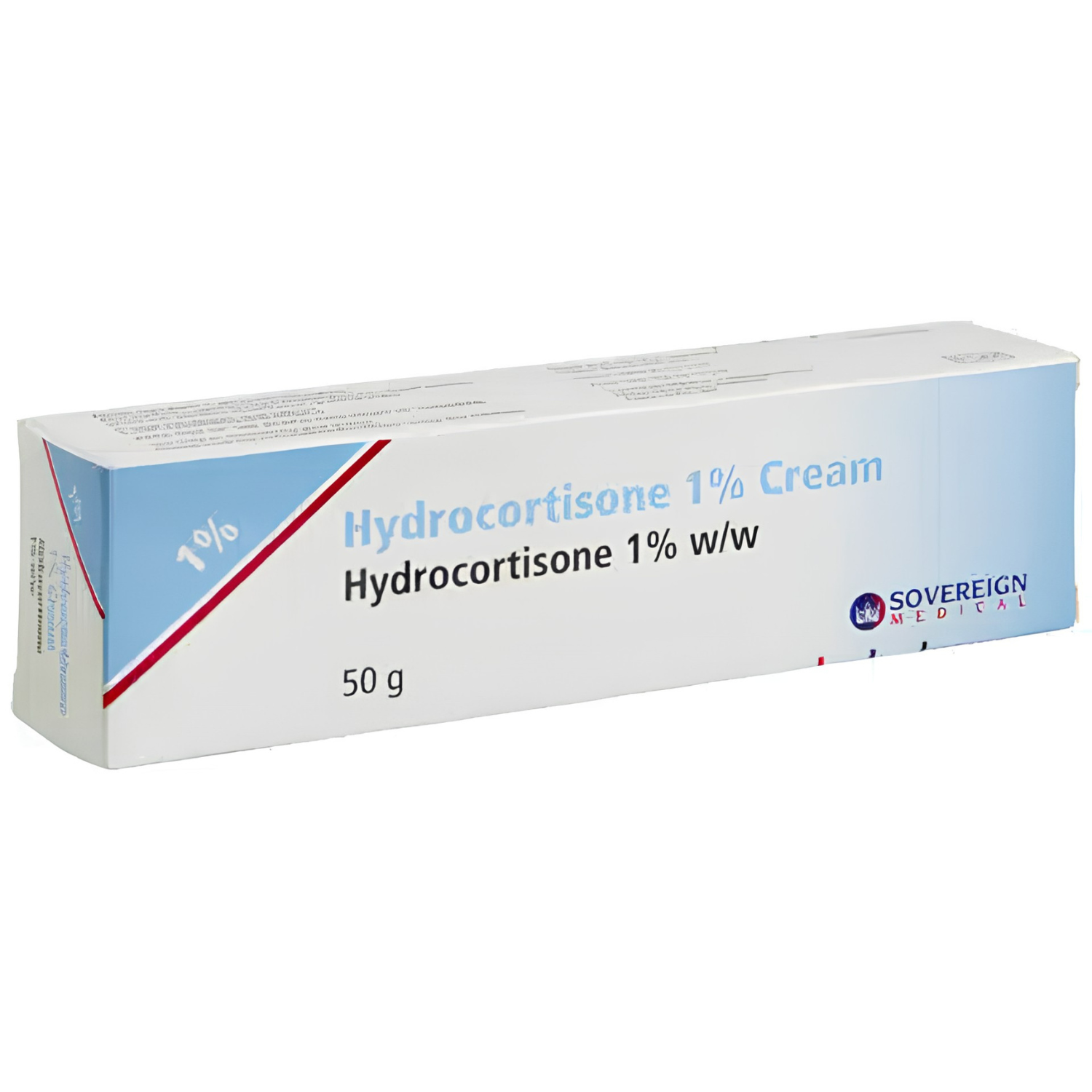
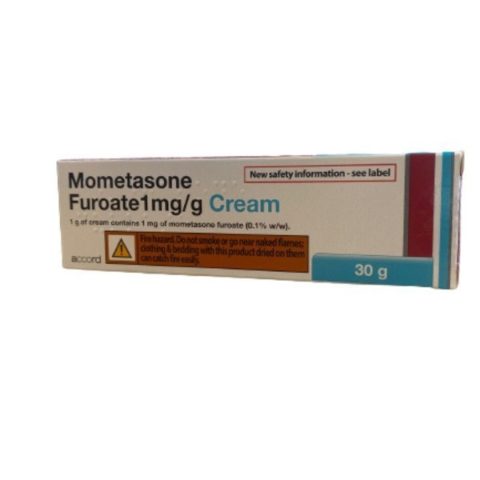
There are different strengths available depending on how severe your psoriasis is. Elocon Cream and Mometasone 0.1% Cream & Ointment are potent options for stubborn patches, while Eumovate Cream & Ointment offers a moderate strength that many people find effective. For milder symptoms, Hydrocortisone provides gentle relief with fewer side effects.
Topical steroids are grouped into four strengths:
- Mild: Hydrocortisone
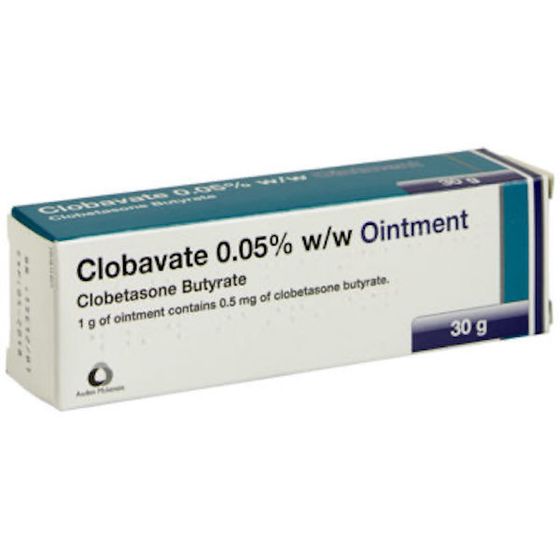
- Moderate: Eumovate, Clobetasone 0.05% Ointment, Betnovate RD and Fludroxycortide Tape
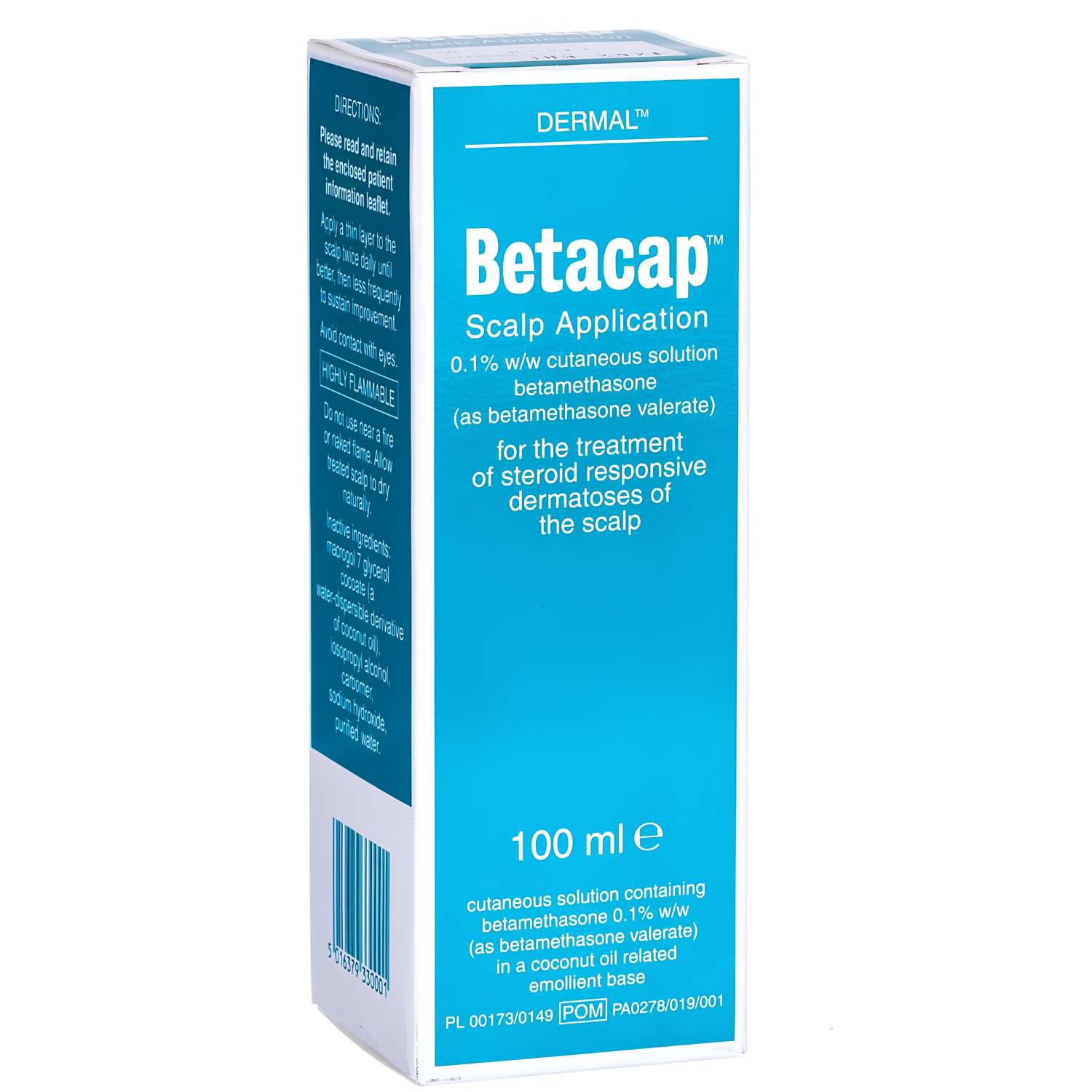
- Potent: Betnovate, Elocon, Mometasone, Diprosalic, Betacap and Bettamousse
- Very potent: usually only prescribed by a specialist
Potent steroids are normally used once a day for up to four weeks at a time. They shouldn’t be used on the face, skin folds or genitals unless a specialist has advised it, as the skin there is thinner and more likely to react.
Vitamin D Treatments
Vitamin D treatments slow down the build-up of skin cells and are often used alongside a steroid or on their own once a flare-up has calmed down. Dovonex Ointment contains calcipotriol and is used once or twice a day on plaque psoriasis on the body. It shouldn’t be used on the face, and you shouldn’t use more than 100g in a week.
Dovobet Gel & Ointment and Enstilar Foam combine calcipotriol with a potent steroid, so you get both treatments in one product applied once a day. Dovobet Gel can also be used on the scalp, which makes it a handy option if you have psoriasis in more than one place.
Coal Tar and Salicylic Acid Treatments
Coal tar is one of the oldest treatments for psoriasis and is available without a prescription. As well as shampoos, it comes in creams and lotions such as Psoriderm Cream and Exorex Lotion for patches on the body. Coal tar can stain clothing and bedding, and some people find the smell strong, so it’s often easiest to use in the evening.
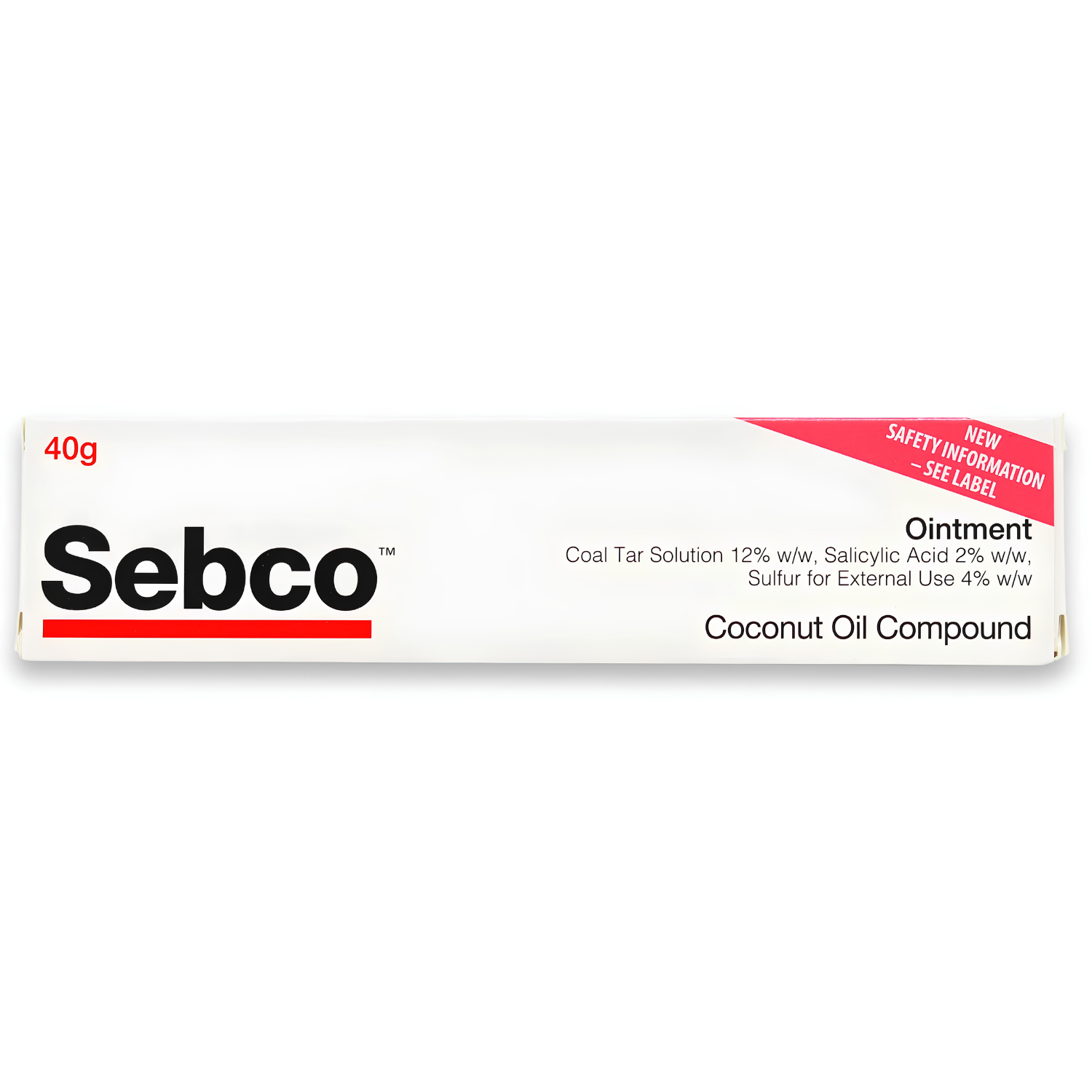
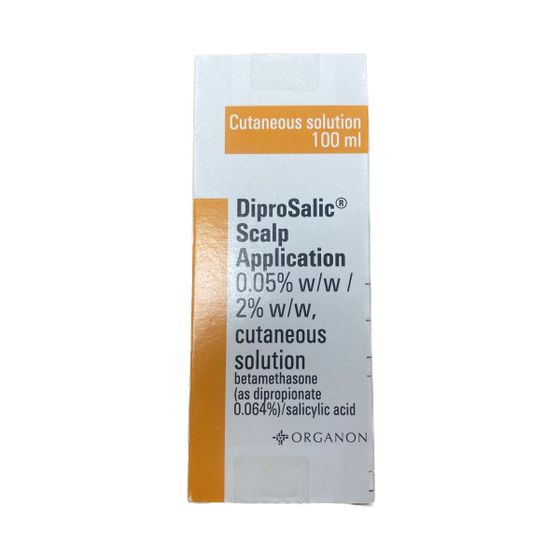
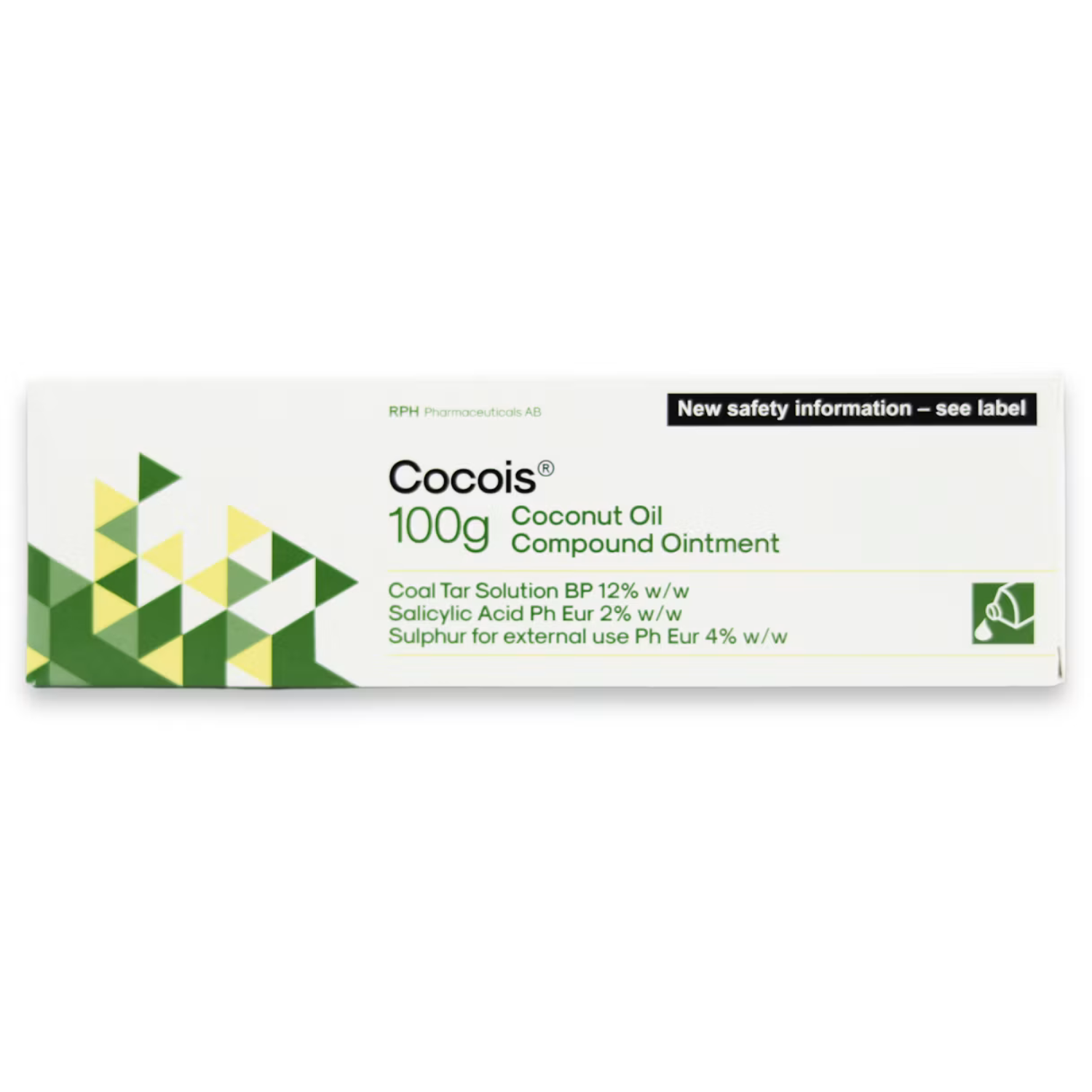
Salicylic acid helps lift and soften thick scale so other treatments can reach the skin underneath. Sebco and Cocois Ointment combine coal tar, salicylic acid and sulphur in a coconut oil base, while Diprosalic pairs salicylic acid with a potent steroid.
Steroid-Free Psoriasis Creams
If you’d rather avoid steroids, a steroid-free psoriasis treatment cream can be a good place to start for mild to moderate patches. Dermalex Psoriasis Cream and E45 Psoriasis Cream are medical devices rather than medicines, so they don’t contain steroids and are designed for longer-term use. They can also be used between courses of steroid treatment to help keep your skin comfortable.
Scalp Psoriasis Treatment
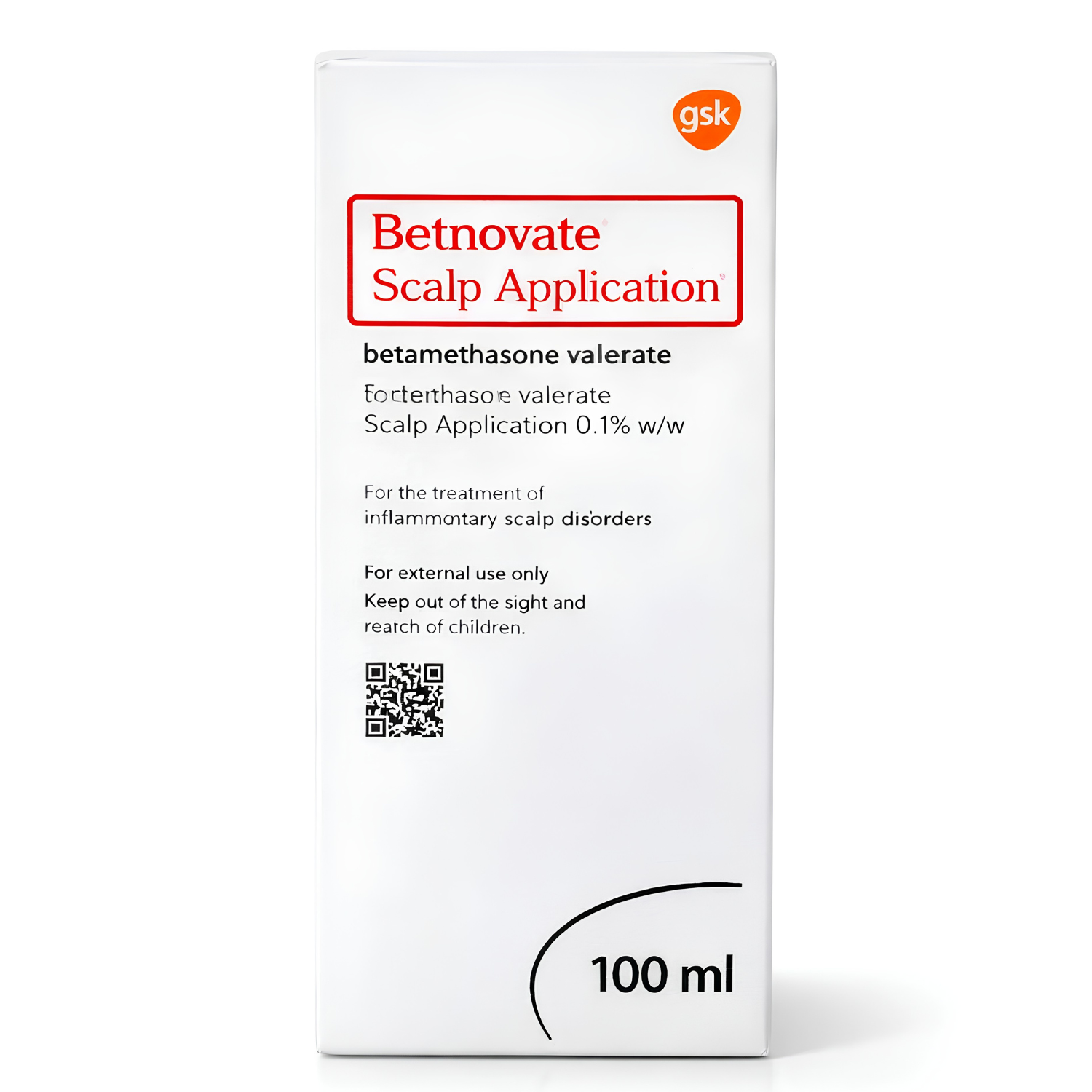
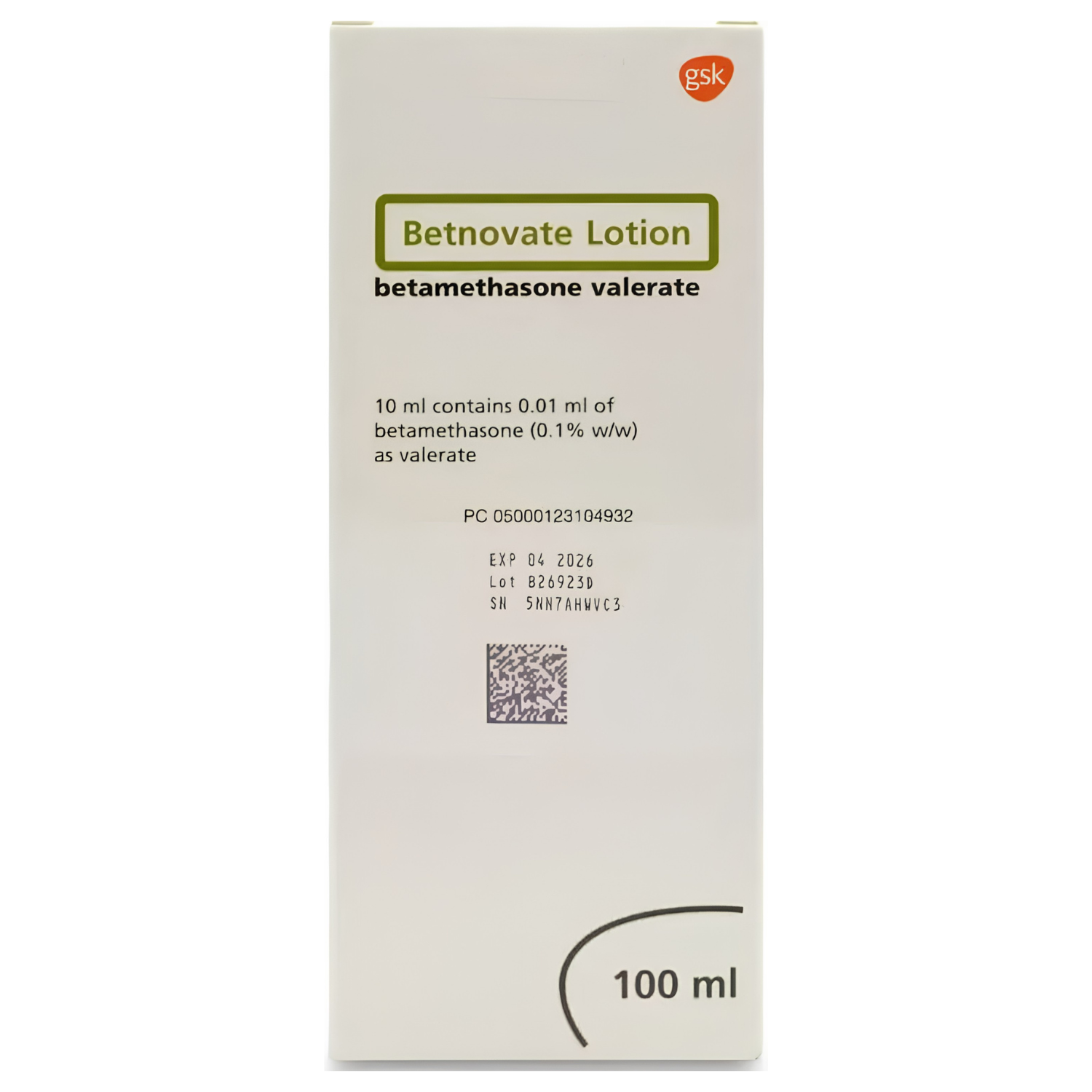
Applications like Betnovate and Betacap 0.1% Solution are made to penetrate through hair and reach the affected skin underneath. These liquid formulations don’t leave your hair greasy like regular creams would.
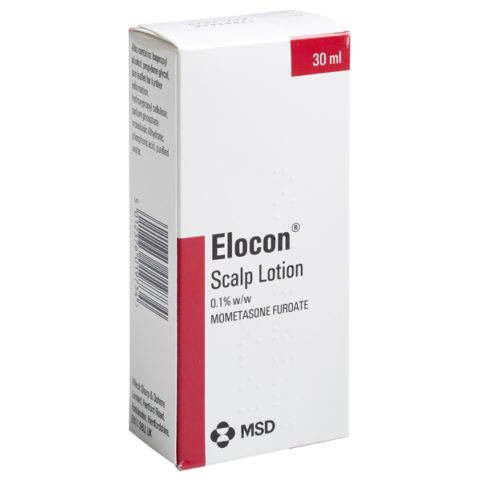
For thick, stubborn scales that build up on the scalp, coal tar treatments like Polytar Shampoo are particularly helpful. Coal tar has been used for decades and works by slowing down skin cell production while helping to break down existing scales. Elocon Lotion is another option, with a light lotion base that’s easy to apply through the hair.
The best scalp psoriasis treatment for you depends on how thick the scale is and how much hair you have. Foams such as Bettamousse and Enstilar spread easily without leaving residue, and Psoriderm Scalp Lotion Shampoo can be used as part of your regular hair wash. If scale is very thick, softening it first with Sebco or Cocois before washing it out helps a steroid scalp application work where it’s needed.
Treating Psoriasis on the Face and Skin Folds
Skin on the face, armpits, groin and under the breasts is thinner and more sensitive than elsewhere. Potent steroids and Dovonex shouldn’t be used on the face, so a mild or moderate steroid for up to two weeks, alongside an emollient, is the usual approach. Speak to our pharmacists before treating these areas so they can recommend the right strength.
Over-the-Counter vs Prescription Treatments
Not every psoriasis treatment needs a prescription. Emollients, coal tar products and steroid-free creams are available without one, while steroid creams and vitamin D treatments for psoriasis need a prescription, which our prescribers can issue after your online consultation.
| Treatment type | Examples we stock | Prescription needed? | Where it’s used |
|---|---|---|---|
| Emollients | E45, Diprobase, Epaderm, Doublebase, Dermol | No | All over the body |
| Steroid-free creams | Dermalex Psoriasis Cream, E45 Psoriasis Cream | No | Body |
| Coal tar | Polytar Shampoo, Psoriderm, Exorex Lotion, Sebco, Cocois | No | Body and scalp |
| Topical steroids | Hydrocortisone, Eumovate, Betnovate, Elocon, Mometasone | Yes | Body, with scalp versions available |
| Steroid with salicylic acid | Diprosalic Ointment and Scalp Application | Yes | Body and scalp |
| Vitamin D | Dovonex, Dovobet, Enstilar | Yes | Body, with Dovobet Gel also used on the scalp |
Living with Psoriasis Day-to-Day
There are things you can do every day to help keep your symptoms under control and prevent flare-ups.
Use lukewarm water when bathing, pat your skin dry rather than rubbing, and apply moisturiser while your skin is still slightly damp.
Try to identify your personal triggers, including stress, certain foods, alcohol or cold weather. Using a humidifier in winter can really help.
Managing stress through exercise, relaxation techniques or talking to someone about it can have a big impact on your skin.
While there’s no specific psoriasis diet, eating well, maintaining a healthy weight and reducing alcohol often helps people feel better overall.
When to Speak to Your GP
Speak to your GP if:
- Your psoriasis covers large areas of your body
- You have painful, swollen or stiff joints
- Your skin hasn’t improved after four weeks of treatment
- Your skin becomes red all over or develops pus-filled spots
- Psoriasis is affecting your sleep, work or mood