

Receding gums can make your teeth look longer than they used to, and they often come with an uncomfortable side effect: sensitivity. When your gums pull back, they expose parts of your teeth that aren’t protected by enamel, leaving them vulnerable to decay and temperature sensitivity.
The best toothpaste for receding gums won’t grow your gums back, but choosing one with high-strength fluoride can protect the exposed tooth surface and reduce that sharp sensitivity when you eat or drink something hot or cold. This guide covers the best prescription-strength toothpastes for receding gums and what else you can do to protect your dental and oral health.
Gum recession happens when the gum tissue that surrounds your teeth wears away or pulls back, exposing more of the tooth or its root. This creates small pockets between the teeth and gums where bacteria can build up.
When gums recede, they expose the softer part of your tooth called the dentine, which sits below the hard enamel. Dentine contains tiny tubes that connect to the nerve inside your tooth, which is why receding gums often cause sensitivity to hot, cold, or sweet foods and drinks.
Gum recession doesn’t happen overnight. It’s usually a gradual process, which means many people don’t notice it until it becomes more advanced. Some people first realise their gums are receding when their teeth start to look longer, when they experience sudden sensitivity or bleeding gums.
Gum recession can happen for several reasons, and often it’s a combination of factors rather than just one thing.
When you have receding gums, standard toothpaste from the supermarket won’t give you the protection you need. Prescription-strength fluoride toothpaste contains much higher levels of fluoride than regular toothpaste, which helps strengthen the exposed parts of your teeth and reduce sensitivity.
These high-fluoride toothpastes are available by prescription only or through regulated online pharmacies, like Click2Pharmacy. They typically contain either 2,800 ppm (parts per million) or 5,000 ppm of fluoride, compared to around 1,450 ppm in standard toothpaste.
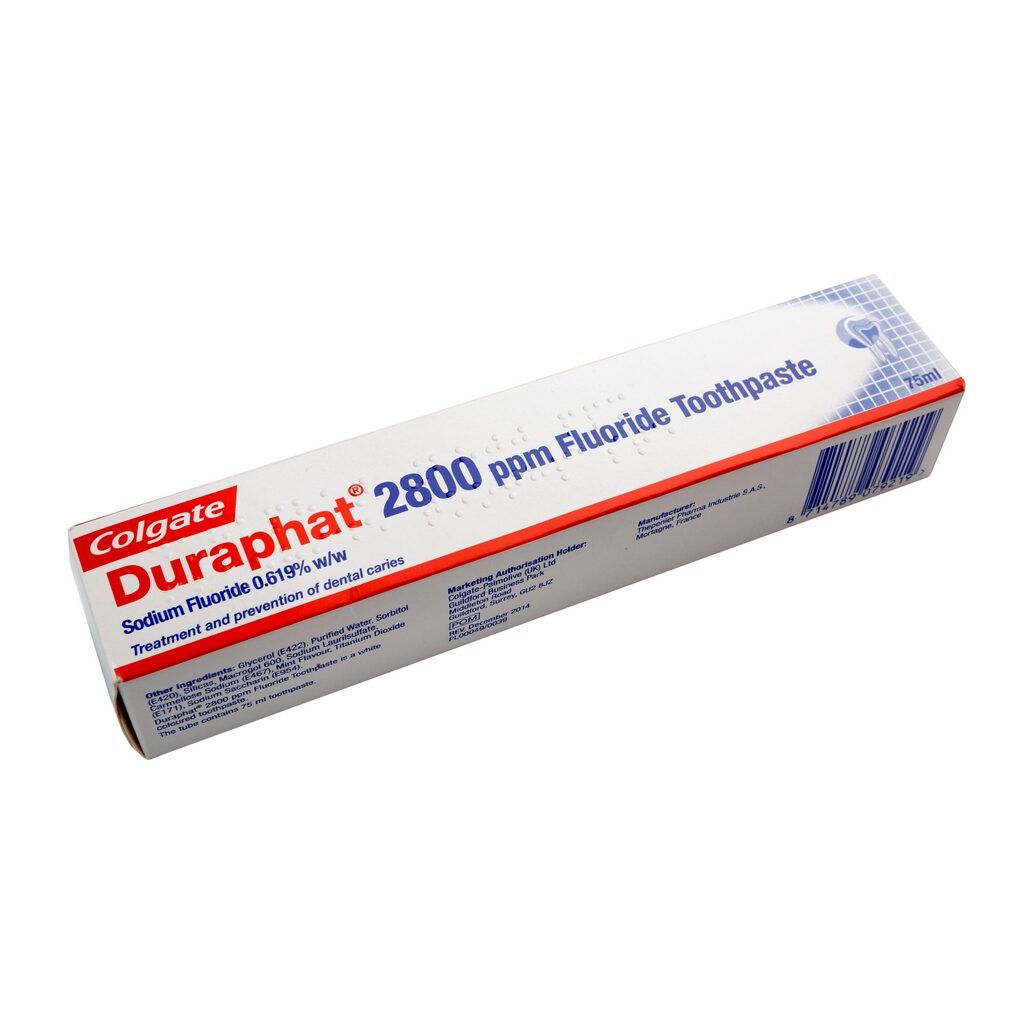
Colgate Duraphat 2800 contains 2800 ppm of fluoride, making it nearly twice as strong as regular toothpaste. It’s designed to protect teeth that are vulnerable to decay, particularly when gum recession has exposed the root surface.
This toothpaste works by forming a protective layer over your teeth that helps remineralise weakened enamel and dentine. Many people notice a reduction in sensitivity within a few weeks of regular use.
You’ll need to use Duraphat 2800 twice daily, just as you would regular toothpaste. Brush for two minutes, spit out the excess, and avoid rinsing with water afterwards. This lets the fluoride stay on your teeth longer and work more effectively.
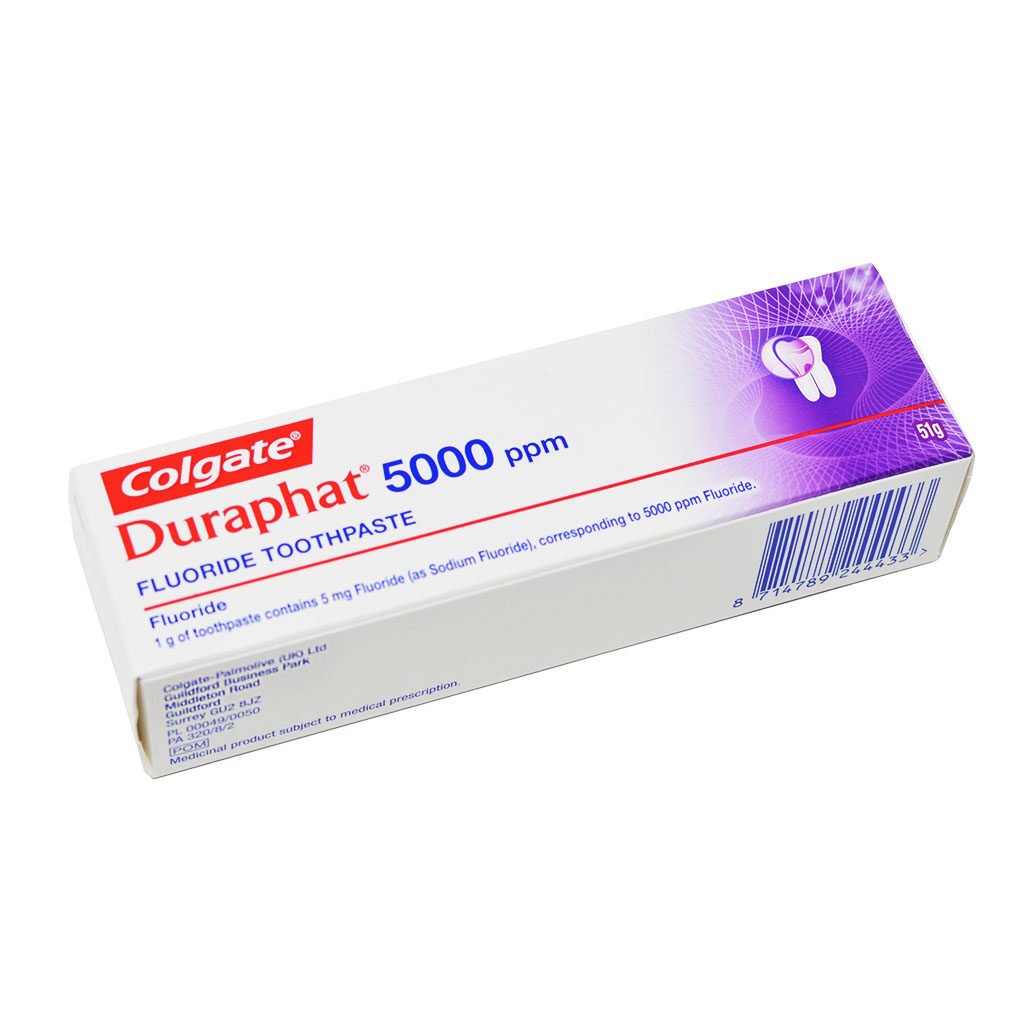
Duraphat 5000 is the highest strength fluoride toothpaste available. With 5000 ppm of fluoride, it provides maximum protection for teeth affected by severe gum recession or at high risk of decay.
Dentists often recommend Duraphat 5000 when standard or mid-strength fluoride toothpaste isn’t providing enough protection. It’s particularly useful if you have multiple areas of recession or if you’re experiencing significant sensitivity.
Like the 2800 version, you use it twice daily and should avoid rinsing after brushing. The higher fluoride concentration means it’s more effective at strengthening exposed tooth surfaces and reducing pain from sensitivity.
Is Colgate Duraphat right for you? Read real user experiences to see how it’s helped others manage tooth sensitivity and gum recession.
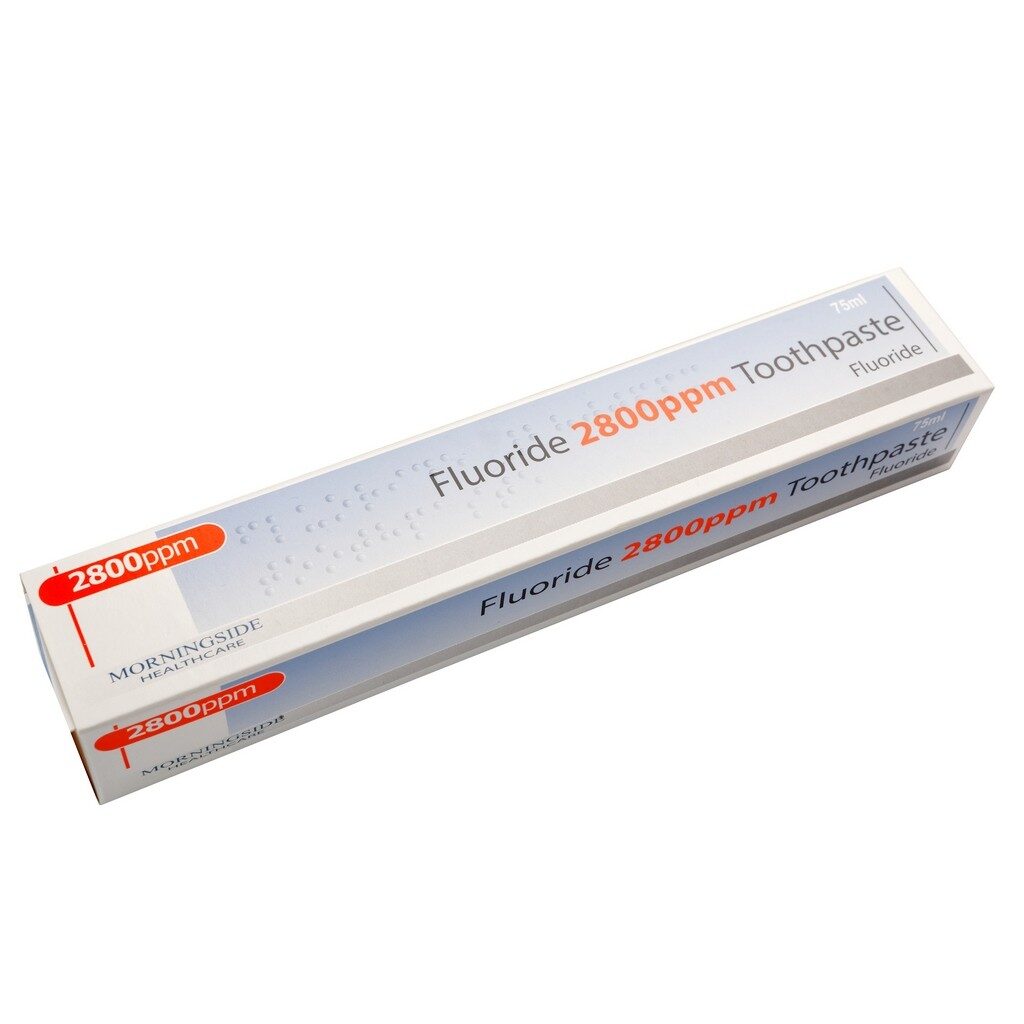
Morningside Fluoride 2800 is the generic version of Colgate Duraphat 2800. It contains the same active ingredient – fluoride concentration (2800 ppm) and works in exactly the same way to protect exposed tooth surfaces and reduce sensitivity.
You use Morningside 2800 the same way as Duraphat: brush twice daily, spit out the excess, and don’t rinse with water. Fluoride needs time to work, so leaving it on your teeth for a longer period gives you better results.
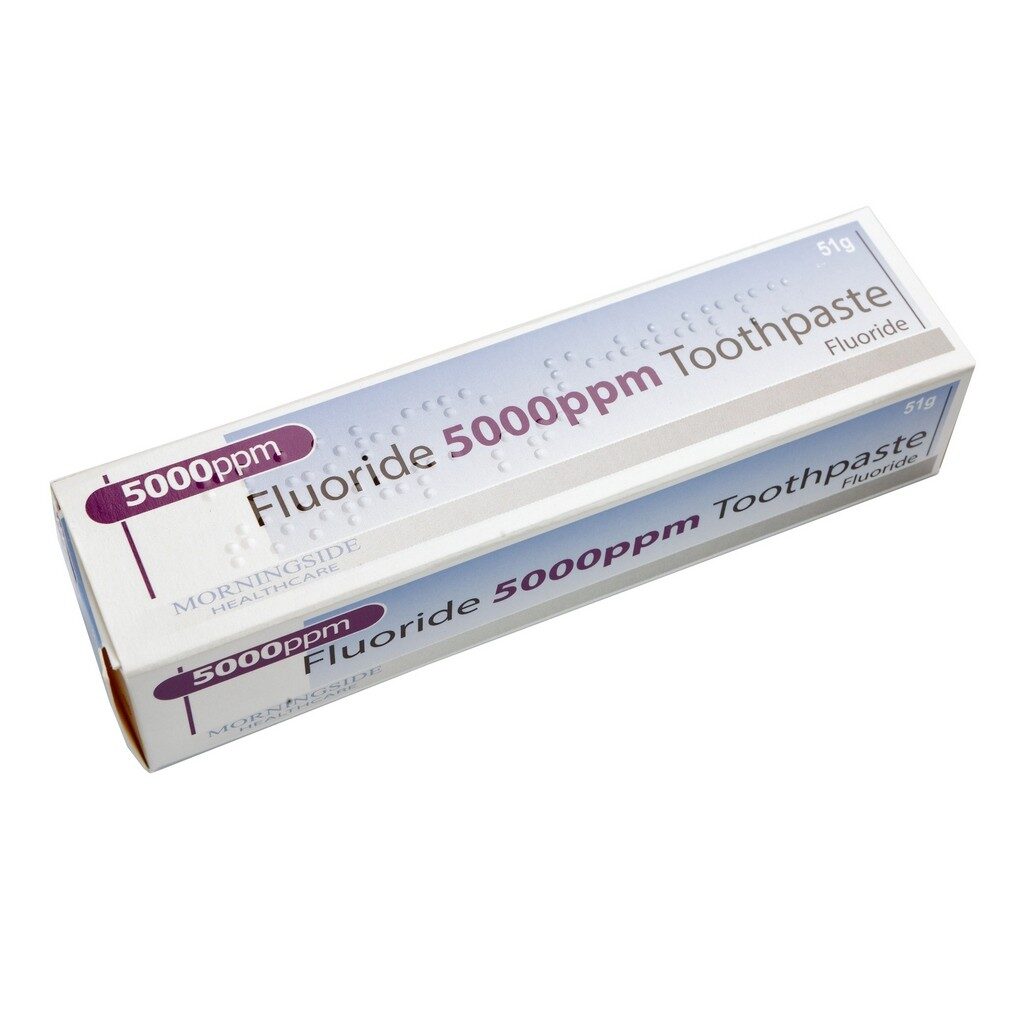
Morningside Fluoride 5000 is the generic version of Colgate Duraphat 5000. Like its branded equivalent, it contains 5000 ppm of fluoride and provides maximum protection for severely receded gums or teeth at high risk of decay.
This is the strongest fluoride toothpaste you can get, and it’s beneficial if you have extensive recession across multiple teeth or if lower-strength toothpastes haven’t given you enough relief from tooth sensitivity.
Use it twice daily following the same routine: brush thoroughly, spit out the excess, and avoid rinsing.
High-fluoride toothpaste helps protect your teeth once recession has started, but there are other steps you can take to prevent further damage and maintain your gum health.
Switch to a soft-bristled toothbrush. Hard bristles can damage your gums even if you think you’re brushing gently. Electric toothbrushes with pressure sensors are excellent because they alert you when you’re applying too much pressure.
Brush properly. Hold your toothbrush at a 45-degree angle to your gums and use small circular motions rather than aggressive back-and-forth scrubbing. Let the bristles do the work.
Use an antibacterial mouthwash. Corsodyl mouthwash contains chlorhexidine, which helps reduce bacteria and inflammation in your gums if you have gum disease contributing to your recession. Use it as directed, typically twice daily after brushing.
Floss daily, but be gentle. Slide the floss carefully between your teeth rather than snapping it down onto your gums. Curve it around each tooth in a C-shape and gently move it up and down.
Stop smoking. Tobacco significantly increases your risk of gum disease and makes it harder for your gums to heal. If you smoke, quitting is one of the best things you can do for your oral health.
See your dentist regularly. Professional cleanings remove tartar that you can’t get rid of with brushing alone. Your dentist can also spot early signs of gum recession and help you address them before they get worse.
Address teeth grinding. If you grind your teeth at night, talk to your dentist about getting a mouthguard. This protects both your teeth and gums from the extra pressure.
Manage underlying gum disease. If you have gingivitis or periodontitis, treating it properly is essential to stop further recession. This might involve deep cleaning procedures like scaling and root planing.
Looking after your oral health doesn’t have to mean multiple trips to the pharmacy or waiting for a GP appointment. Click2Pharmacy’s online dental care clinic makes it easy to access prescription-strength toothpaste and other dental treatments from home.
Our service is simple: complete a short online health questionnaire, and one of our registered clinicians will review your order. If approved, your treatment is dispensed by our UK-registered pharmacy and delivered discreetly to your door.
Whether you need high-fluoride toothpaste for receding gums or other oral care products, Click2Pharmacy offers a convenient way to maintain good oral hygiene without the hassle.
Toothpaste can’t reverse gum recession or make your gums grow back. Once gum tissue has receded, it won’t regenerate on its own. The only way to restore receded gums is through surgical procedures like gum grafting, where tissue is taken from another part of your mouth and attached to the affected area.
High-fluoride toothpaste is essential for managing gum recession. It protects the exposed parts of your teeth, strengthens weakened enamel and dentine, and reduces sensitivity. While it won’t fix the recession itself, it prevents further damage and makes living with receded gums more comfortable.
Duraphat is specifically designed for situations like gum recession, where tooth surfaces are exposed and vulnerable. Dentists commonly prescribe it for patients with receding gums because the high fluoride content helps protect areas that would otherwise be at risk of decay.
Using high-fluoride toothpaste is the most effective way to reduce sensitive teeth from receding gums. The fluoride forms a protective layer over the exposed dentine, which helps block the pathways to the nerve inside your tooth.
You should notice an improvement within a few weeks of using prescription-strength toothpaste. Make sure you’re not rinsing with water after brushing, as this washes away the fluoride before it can work properly. Just spit out the excess and leave the rest on your teeth.
If sensitivity persists despite using a high-fluoride toothpaste, your dentist may recommend additional treatments, like fluoride varnish applications or dental bonding, to cover the exposed areas.
Your dentist diagnoses gum recession during a routine examination. They’ll visually inspect your gums and measure the depth of the pockets between your teeth and gums using a small probe. Healthy gums typically have pockets of 1-3mm, while deeper pockets can indicate gum disease or recession.
They’ll also check for other signs like exposed tooth roots, tooth sensitivity, and inflammation. If your recession is linked to gum disease, your dentist might take X-rays to see if there’s any bone loss around your teeth.
Do:
Don’t:
The way you brush matters just as much as what you brush with. Even the best high-fluoride toothpaste won’t help if you’re damaging your gums with an aggressive brushing technique.
Notifications