
What is travellers’ diarrhoea?
Travellers’ diarrhoea is a gastrointestinal illness that happens when you consume contaminated food or water while travelling. It’s defined by passing three or more loose stools in a 24-hour period, often alongside stomach cramps, nausea, bloating, and sometimes a fever.
Most cases are caused by bacteria, though cases caused by viruses and parasites are also common. It typically comes on suddenly and, while unpleasant, the treatment of travellers’ diarrhoea is straightforward and most people recover within a few days.
What causes travellers’ diarrhoea?
The most common cause is a bacterium called Escherichia coli (E. coli), which produces toxins that irritate the gut lining. Other bacterial culprits include Campylobacter, Salmonella, and Shigella.
You usually pick it up through contaminated food and drink, particularly water that has been contaminated with faecal matter. This is more likely to happen in countries where sanitation standards differ from the UK, including parts of Asia, Africa, the Middle East, Latin America, and some areas of Southern Europe.
Higher-risk situations include:
- Eating street food or buffet food that has been left out
- Drinking tap water, ice, or unpasteurised drinks
- Eating raw or undercooked meat, seafood, or shellfish
- Eating unwashed or peeled fruit and vegetables
- Travelling during hot, humid weather when bacteria multiply faster
Who is most at risk of getting travellers’ diarrhoea?
Anyone can get travellers’ diarrhoea, but some people are more susceptible, including:
- First-time travellers to high-risk regions
- Young adults and backpackers eating local food in high-risk areas
- People with weakened immune systems or conditions like inflammatory bowel disease or irritable bowel syndrome
- Those taking medications such as antacids or proton pump inhibitors, which reduce stomach acid
- Older travellers, whose immune systems may be less able to fight off unfamiliar bacteria
- Travellers visiting regions with lower food hygiene standards
What are the symptoms of travellers’ diarrhoea?
Symptoms usually begin within the first few days of arriving at your destination. You might experience:
- Loose or watery stools (three or more in 24 hours)
- Stomach cramps or pain
- Nausea or vomiting
- Bloating and urgency to go to the toilet
- A mild fever
- Feeling generally unwell or fatigued
For most people, symptoms are uncomfortable but manageable. However, severe cases – including those involving bloody stools, signs of dehydration, or a high fever – need prompt medical attention.
How is travellers’ diarrhoea treated?
Treatment depends on how severe your symptoms are, but the main priorities are staying hydrated and, where appropriate, taking medication to speed up recovery.
Oral Rehydration Salts (ORS)
Replacing lost fluids and electrolytes is the most important step in managing travellers’ diarrhoea. Oral rehydration salts (such as Dioralyte) are dissolved in clean water and help your body absorb fluids more effectively than water alone. These are available over the counter and are an essential part of your travel kit.
Anti-Motility Medicines
Loperamide (commonly known as Imodium) can reduce the frequency of loose stools and help you function more comfortably if you need to travel or can’t easily access toilet facilities. It works by slowing down the movement of the gut. It’s not suitable for everyone, particularly if you have a high fever or blood in your stools, so check with a pharmacy before using it.
Travellers’ Diarrhoea Antibiotics
For moderate to severe cases, antibiotic treatment for travellers’ diarrhoea can significantly reduce the duration and severity of illness. Many travel health services recommend requesting standby antibiotics before you leave, so you have them ready to use if symptoms develop. The antibiotic recommended will depend on where you’re travelling and the likely cause of infection.
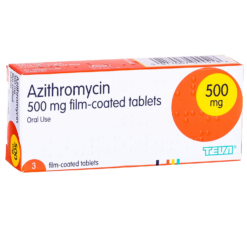
Azithromycin for travellers’ diarrhoea is often the first-choice antibiotic, particularly for travel to Asia, where resistance to other antibiotics is more common. It works by stopping bacterial growth and is usually taken as a short course.
Ciprofloxacin is another commonly prescribed antibiotic for travellers’ diarrhoea, particularly for travel to Latin America and Africa, though resistance in some regions means it isn’t always the best option.
How to Prevent Travellers’ Diarrhoea
There’s no guaranteed way to avoid travellers’ diarrhoea, but taking sensible precautions before and during your trip can reduce the risk of developing it significantly.
Before you travel
- Speak to a pharmacist or travel health professional about whether any vaccines or preventive medications are recommended for your destination
- Pack oral rehydration salts, loperamide, and any prescribed antibiotics before you leave so you’re not scrambling for treatment abroad
- Research the food and water safety standards of your destination
While you’re away
- Only eat and drink things you’re confident are safe – when in doubt, skip it
- Drink bottled water and avoid ice in drinks unless you’re confident it’s made from safe water
- Stick to food that is freshly cooked and served hot
- Avoid buffet food, raw seafood, unpasteurised dairy, and salads washed in tap water
- Peel fruit yourself rather than eating pre-cut fruit
- Wash your hands thoroughly before eating and after using the toilet, or use hand sanitiser if soap and water aren’t available
- Be cautious with street food – choose busy stalls with high turnover where food is cooked fresh in front of you