
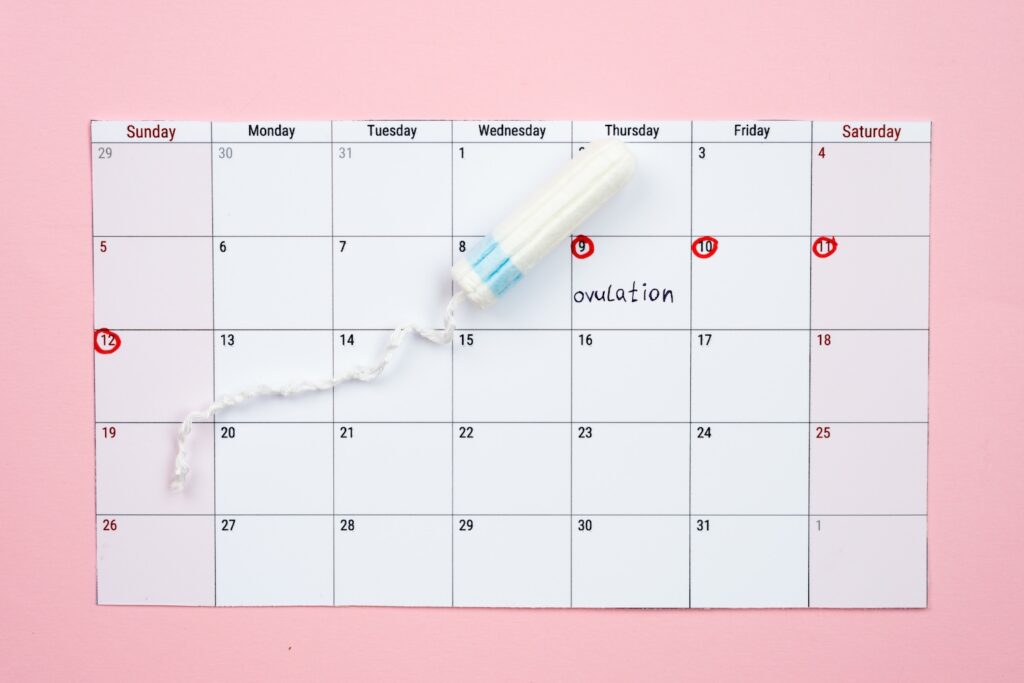
Have you started using Mounjaro and noticed your periods acting differently? They may be coming earlier or later than usual, or the flow has changed. It’s something quite a few women experience, though it’s not always mentioned in the official side effects list.
Some women do experience changes to their periods while taking Mounjaro. These might include cycles that come more or less frequently, heavier or lighter bleeding, or periods that temporarily stop altogether.
Mounjaro doesn’t directly impact your reproductive hormones. It works as a GLP-1 and GIP receptor agonist, targeting your appetite and how your body handles insulin. The menstrual changes happen indirectly, primarily because of the weight loss and metabolic shifts the medication causes.
Around 27% of women taking GLP-1 medications report some kind of cycle change. The most common experiences are actually positive ones – more predictable periods. But some women do notice their cycles becoming irregular during the first few months of treatment.
The changes tend to be temporary. Your body is adjusting to losing weight and to a new hormonal environment, which takes time.
Your fat tissue produces oestrogen. When you lose a significant amount of weight fairly quickly, you’re reducing the amount of oestrogen your body makes. This shift can temporarily disrupt the delicate hormonal balance that controls your menstrual cycle.
Your periods are regulated by the hypothalamic-pituitary-ovarian axis, which is like a communication system between your brain and ovaries. This system releases specific hormones at specific times to trigger ovulation and menstruation. When oestrogen levels drop because you’re losing fat tissue, it can throw off this timing.
If you experience rapid weight loss, your body might interpret it as a stress signal. From an evolutionary perspective, your body deprioritises reproduction when it thinks resources are scarce. This can sometimes lead to functional hypothalamic amenorrhoea – a temporary absence of periods while your body adjusts to the new normal.
Mounjaro improves how your body responds to insulin, which doesn’t just affect blood sugar levels – it can influence your menstrual cycle too. Insulin resistance is linked to menstrual irregularities because high insulin levels can drive up androgens (male hormones) and interfere with ovulation.
When Mounjaro improves your insulin sensitivity, it helps regulate cycles that were previously irregular, particularly if insulin resistance was part of the problem. This is especially relevant for women with conditions where insulin resistance impacts their cycle irregularities.
The metabolic improvements from Mounjaro, including improved insulin sensitivity, reduced inflammation, and enhanced hormonal signalling, can make periods more regular for some women, even as others experience temporary disruptions during the adjustment phase.
The way Mounjaro affects the menstrual cycle can vary. Some report that their cycles have become shorter or longer than usual – you used to have a 28-day cycle, but now it’s 24 days or 35 days. Others find their periods arrive more predictably, which is actually one of the most commonly reported changes.
Some women have heavier periods, particularly in the first few months of treatment. You may notice increased clotting or a need to change sanitary products more frequently. Other women experience the opposite – lighter periods or even spotting between cycles instead of a full period.
Temporary amenorrhoea, where your period stops completely for a while, can happen if you’re losing weight very rapidly. This usually resolves once your weight loss stabilises and your body adapts to its new metabolic state.
Most of these changes are temporary. After 8 to 12 weeks on Mounjaro, most women find their cycles start to settle into a new pattern. Your body needs time to adjust to the hormonal shifts that come with significant weight loss.
While most period changes associated with Mounjaro are harmless and temporary, some may warrant medical attention. Contact your GP if you experience:
Our clinicians at Click2Pharmacy can advise on whether your period changes are within the expected range or if you need further assessment. Don’t stop taking Mounjaro without medical advice, even if you’re concerned about menstrual changes – there may be ways to manage the symptoms while continuing treatment.
Women with Polycystic Ovary Syndrome (PCOS) often see different, and usually positive, effects on their menstrual cycles when starting Mounjaro. About 43% of women with PCOS using GLP-1 medications report cycle changes, but these tend to be improvements rather than disruptions.
PCOS is fundamentally a metabolic condition. Insulin resistance drives many of the symptoms, including irregular or absent periods, because high insulin levels increase androgens and interfere with ovulation. Mounjaro tackles this at the root by improving insulin sensitivity and promoting weight loss.
As your insulin function improves, androgen levels often drop. This can help restore regular ovulation, which means more predictable periods. Some women with PCOS who haven’t had regular cycles in years find them returning after a few months on Mounjaro. Even modest weight loss of around 5% can make a substantial difference to PCOS symptoms.
The longer you’re on treatment, the more likely you are to see menstrual improvements if you have PCOS. Women often notice their cycles becoming more regular and predictable over time.
One important point: if you have PCOS and your periods become more regular on Mounjaro, this may mean you’re ovulating when you weren’t before.
Note down when your period starts, how long it lasts, how heavy the flow is, and any symptoms like cramping or spotting. Apps like Natural Cycles or Flo make this easier, or you can just use a simple calendar or diary. This gives you helpful information to share with your doctor if needed.
Even though your appetite is reduced on Mounjaro, try to maintain balanced nutrition. Your body still needs adequate nutrients to support hormone production and overall reproductive health. Don’t skip meals just because you’re not feeling hungry – aim for nutrient-dense foods when you do eat.
Dehydration can worsen period symptoms like cramping and headaches, and it’s easy to forget to drink enough water when you’re not thinking about food as much.
If you’re experiencing concerning menstrual changes, speak to the prescriber who’s managing your Mounjaro treatment. They can assess whether the changes are within normal limits or if adjustments are needed. Don’t just stop taking the medication without discussing it first – there may be ways to manage symptoms while continuing treatment.
If you’re not planning a pregnancy, make sure you’re using contraception. Mounjaro can affect how well oral contraceptives work, so you might need to use additional protection or switch to a non-oral method like an implant or IUD. If you’re relying on the pill for contraception, talk to your doctor about whether switching to a non-oral method would be more reliable.
No, for most women the menstrual changes are temporary. Your body goes through an adjustment phase while you’re losing weight and your hormones are shifting. Once your weight stabilises and your metabolism settles into its new baseline, periods typically return to a regular pattern.
The first few months on Mounjaro are when you’re most likely to notice cycle disruptions. After about 8 to 12 weeks of consistent use, most women find their periods become more predictable again. The adjustment period varies from person to person – some women’s cycles stabilise quickly, while others take a bit longer.
For women with PCOS or other conditions where insulin resistance was contributing to irregular cycles, the changes are lasting improvements. As long as the metabolic benefits of Mounjaro continue, the positive effects on cycle regularity often persist too.
If you stop taking Mounjaro, your periods will likely return to whatever pattern was normal for you before starting the medication. Any improvements driven by weight loss and better insulin sensitivity may fade if weight is regained.
Yes, some women experience heavier periods during the first few months of taking Mounjaro. This typically happens as your body adjusts to hormonal changes triggered by weight loss. You might notice increased flow, more clotting, or periods that last longer than usual.
Heavy bleeding is usually temporary and settles down once your body adapts to the medication and your weight stabilises. However, if you’re soaking through a pad or tampon every hour for several consecutive hours, or passing very large clots, contact your doctor – this level of bleeding warrants medical assessment.
Missing one period isn’t necessarily a cause for alarm, especially if you’re losing weight quickly. Temporary amenorrhoea can happen when your body is adjusting to significant metabolic changes. However, context matters.
If you’re sexually active and there’s any chance you could be pregnant, take a pregnancy test. Mounjaro should be stopped if you’re pregnant or planning to conceive. If pregnancy is ruled out and you’ve only missed one period, it’s reasonable to monitor the situation.
Missing three consecutive periods should prompt a conversation with your doctor, especially if you have a history of regular menstrual cycles. This level of amenorrhoea needs investigating to rule out other causes and make sure your hormonal health is on track.