
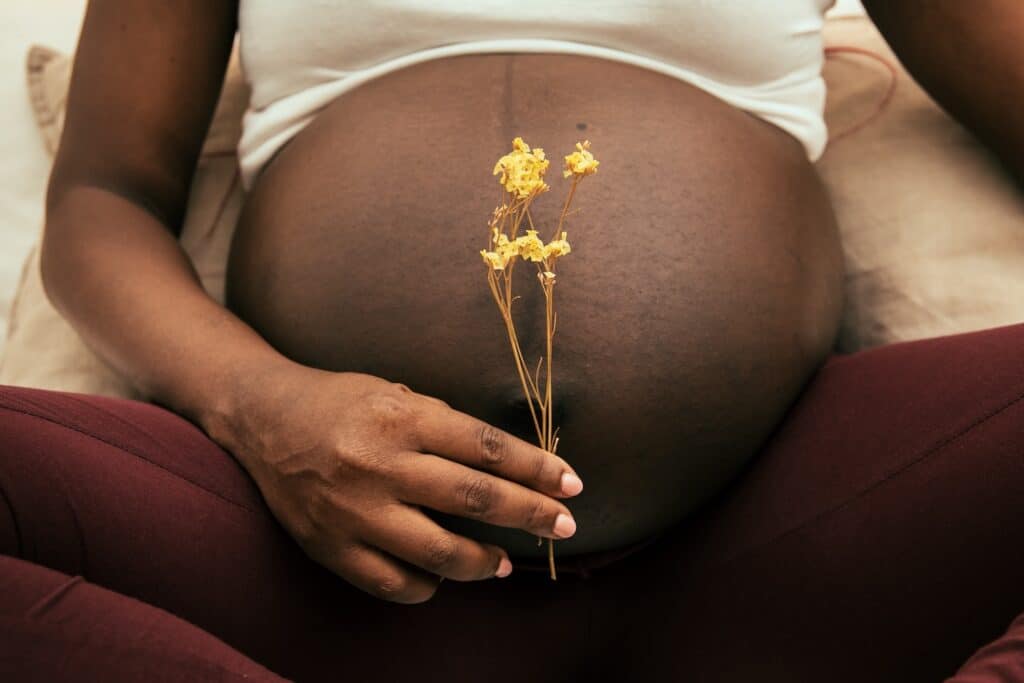
If you’re taking Mounjaro for weight loss or type 2 diabetes, pregnancy might be the last thing on your mind. But some women are taking Mounjaro specifically to lose weight and improve their chances of conceiving – particularly those with PCOS or other conditions where weight or obesity has been a barrier to getting pregnant. Others find themselves unexpectedly pregnant because Mounjaro interferes with how well the contraceptive pill works.
UK regulators have received dozens of pregnancy reports from women on Mounjaro. So what does this mean if you’re planning a pregnancy, already pregnant, or want to avoid it altogether?
If you become pregnant while using Mounjaro, stop taking it immediately and contact your doctor or midwife as soon as possible. There’s no medical reason to continue it during pregnancy – the risks outweigh any potential benefits.
If you have type 2 diabetes, your doctor will typically switch you to insulin, which has decades of safety data in pregnancy and is the gold standard for managing blood sugar during pregnancy. Some doctors might consider metformin or glyburide, though these are less well-studied in pregnancy than insulin.
Book an early pregnancy appointment to discuss:
A large study looked at 168 pregnancies where women were accidentally exposed to GLP-1 medications (including Mounjaro) in the first trimester. There was no increased risk of congenital abnormalities. Several case reports also describe healthy babies born to women who took Mounjaro for 1-2 weeks before discovering they were pregnant.
These are small studies without long-term follow-up, so we can’t say definitively that there’s no risk. But the early data is reassuring for women who’ve had accidental exposure.
There isn’t enough human data to say for certain, but animal studies raise some concerns. In pregnant rats given Mounjaro at doses similar to what humans take, researchers saw increased congenital disabilities, reduced fetal growth, and skeletal abnormalities. Pregnant rabbits showed similar fetal growth problems.
The complication is that these effects happened alongside significant weight loss and reduced food intake in the mother animals. That makes it hard to know if Mounjaro directly caused the problems, or if it was simply because the mothers weren’t eating enough to support healthy fetal development.
Pregnancy needs steady weight gain and consistent calorie intake. Mounjaro does the opposite – it suppresses appetite, causes weight loss, and can trigger nausea, vomiting, and diarrhoea. These effects work against what a developing baby needs.
The MHRA doesn’t recommend taking Mounjaro during pregnancy due to insufficient safety data and concerning animal findings.
You need to stop taking Mounjaro at least 1-2 months before you start trying to conceive.
Mounjaro (tirzepatide) has a half-life of about 5 days. That means it takes roughly 25-35 days to clear almost completely from your body. The MHRA recommends stopping at least one month (4 weeks) before trying to get pregnant, though some doctors suggest two months to be extra cautious.
A 2025 study found that stopping GLP-1 medications before pregnancy is associated with significant weight regain during pregnancy, plus higher risks of gestational diabetes, preterm delivery, and high blood pressure. This doesn’t mean you should stay on Mounjaro during pregnancy – you absolutely shouldn’t. But it does highlight why your doctor needs to monitor you closely during and after pregnancy, especially if you’ve lost significant weight on Mounjaro beforehand.
You should also continue using effective contraception during this washout period. If you’re on the contraceptive pill, remember it may have been less effective while you were taking Mounjaro, so consider adding barrier methods of contraception or switching to a non-oral contraceptive until you’re ready to try for a baby.
Accidental pregnancies on Mounjaro happen more often than you might expect. The MHRA has received 26 pregnancy reports specifically related to tirzepatide as of June 2025, with at least 1-2 explicitly reported as unintentional. That’s likely an undercount, since not everyone reports these incidents.
Mounjaro interferes with how well the contraceptive pill works. It slows down stomach emptying, which means oral contraceptives don’t get absorbed properly. Studies show this can reduce pill absorption by 20-66%.
That’s why the MHRA issued specific guidance in June 2025 after receiving over 40 pregnancy reports across all GLP-1 medications, including Mounjaro. If you’re on the pill and taking Mounjaro, you need to use additional barrier contraception (like condoms) for 4 weeks after starting Mounjaro and 4 weeks after any dose increase.
You could also switch to a non-oral method like the implant, IUD, injection, or patch, as these aren’t affected by stomach emptying.
If you get severe vomiting or diarrhoea while on Mounjaro (both common side effects), treat it like a missed pill and use backup contraception.
No. The FDA, MHRA, and NHS all agree that Mounjaro shouldn’t be used during pregnancy.
The problem isn’t just about the unknown risks from limited human data or concerning animal studies. It’s about what Mounjaro actually does to your body. Pregnancy requires steady weight gain (typically 25-35 lbs) and consistent calorie intake to support fetal development. Mounjaro works in the opposite direction – it suppresses appetite, promotes rapid weight loss, and alters how your body absorbs nutrients.
Side effects like nausea, vomiting, and diarrhoea are common on Mounjaro, which can further compromise nutritional intake during pregnancy when your body needs more calories, not fewer.
Mounjaro and other weight loss drugs aren’t recommended while breastfeeding, though this is a precautionary position rather than evidence of proven harm.
We simply don’t have data on whether tirzepatide passes into breast milk or what effects it might have on nursing infants. The MHRA states that “GLP-1 medicines should not be taken by people who are breastfeeding. This is because there is not enough safety data to know whether taking a GLP-1 medicine can cause harm to the baby.”
If you have diabetes and need medication while breastfeeding, insulin and metformin both have extensive safety data and are the preferred options.
Yes, but wait until you’ve finished breastfeeding. Some healthcare providers recommend waiting an additional 3-6 months postpartum to allow your hormones to settle and give you time to establish healthy eating and exercise patterns first.
Postpartum weight retention is common, and Mounjaro can be effective for managing it. But before restarting, your doctor will need to check:
If you’ve been off Mounjaro for more than 4 weeks (which is typical after pregnancy), you’ll need to restart at the initial 2.5 mg dose and increase gradually. This helps minimise side effects like nausea and vomiting.
We offer Mounjaro, Wegovy, and other weight loss medications through our online weight loss clinic. Our UK-registered prescribers can help you navigate treatment safely and effectively.
Start your online consultation today to find out if weight loss medications are right for you.