

What is hyperpigmentation?
Hyperpigmentation is a common skin concern where patches of skin become darker than the surrounding areas. This happens when your skin produces too much melanin, the pigment that gives your skin its colour.
These dark patches can appear anywhere on your body, but most commonly affect your face, hands, and other areas exposed to the sun. While hyperpigmentation isn’t harmful to your health, it can be frustrating to deal with and may affect how you feel about your appearance.
Types of Hyperpigmentation
Melasma is a common type of facial hyperpigmentation that appears as brown or grey-brown patches, usually on the cheeks, forehead, nose, and upper lip. It’s strongly linked to hormonal changes and sun exposure.
Postinflammatory hyperpigmentation shows up as flat spots of discolouration after an injury or inflammation to the skin. These marks can range from pink to red, brown, or black, depending on your skin tone. People with darker skin are more prone to developing this type of hyperpigmentation.
Sunspots (also called age spots or liver spots) are flat, brown spots that typically appear on sun-exposed skin, like your face, hands, shoulders, and arms. They become more common with skin ageing.
Freckles are small, concentrated spots of melanin that darken with sun exposure. While they’re often genetic, sun exposure makes them more prominent.
What is the cause of hyperpigmentation?
Sun exposure is one of the most common causes. UV rays stimulate melanin production as your skin’s natural defence mechanism, leading to sun spots or age spots over time.
Hormonal changes can cause melasma, a type of hyperpigmentation that often appears during pregnancy (sometimes called the “mask of pregnancy”) or when taking hormonal contraceptives.
Post-inflammatory hyperpigmentation develops after a skin injury or inflammation like acne, eczema. The healing process can leave behind dark marks that persist long after the initial problem has cleared.
Certain medications can make your skin more sensitive to sunlight or trigger pigmentation changes, including some antibiotics, anti-seizure drugs, and chemotherapy treatments.
Medical conditions like Addison’s disease or haemochromatosis can sometimes cause increased pigmentation, though this is less common.
Symptoms of Hyperpigmentation
The main sign of hyperpigmentation is patches of skin that appear darker than your normal skin tone. These patches can be:
- Light brown to dark brown or grey
- Flat and smooth, matching the texture of surrounding skin
- Various sizes, from small spots to larger patches
- Well-defined or with irregular borders
- Uniform in colour or with variations in shade
Hyperpigmentation doesn’t typically cause any physical symptoms like itching, pain, or texture changes. If you notice these symptoms alongside dark patches, you should see your GP, as this might indicate a different skin condition.
Treatments for Hyperpigmentation
Prescription Treatments
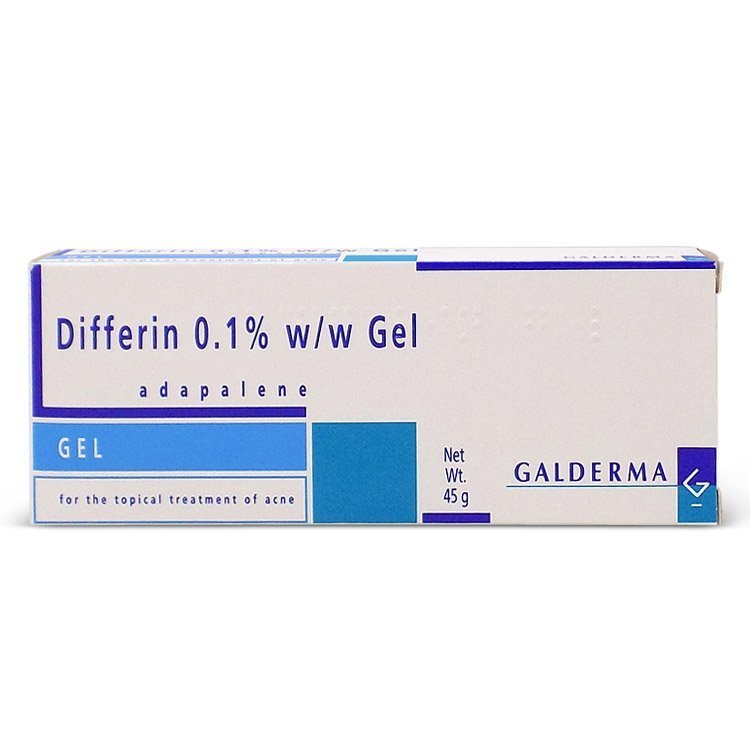
Adapalene Gel is a prescription-strength retinoid that’s highly effective for treating hyperpigmentation of the face, especially post-inflammatory hyperpigmentation from acne. It works by speeding up skin cell turnover and reducing inflammation, which helps fade dark spots while preventing new breakouts. You’ll typically apply it once daily in the evening to clean, dry skin. Differin is generally well-tolerated and can be used long-term for both treating and preventing hyperpigmentation.
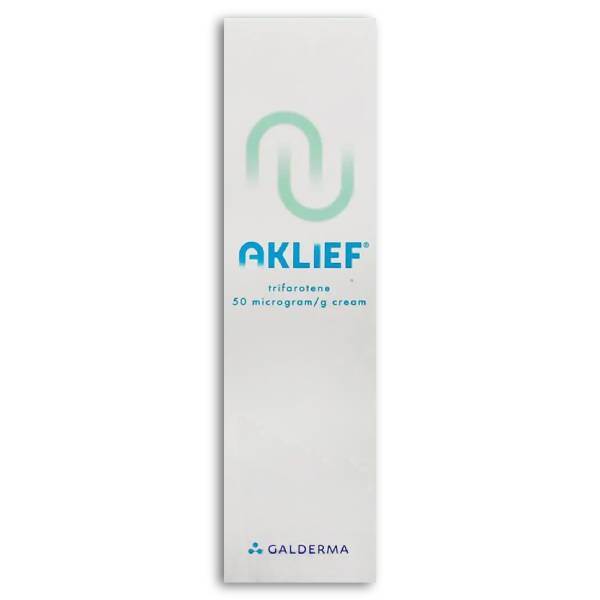
Tretinoin (Retinoid) Cream is a prescription-strength retinoid that speeds up skin cell turnover, helping to fade dark spots and even out your skin tone. It works by bringing fresh, new skin cells to the surface while pushing out pigmented cells. You’ll usually apply it at night, starting with a lower concentration to let your skin adjust. This treatment can take several weeks to show results, but it’s highly effective for various types of hyperpigmentation.
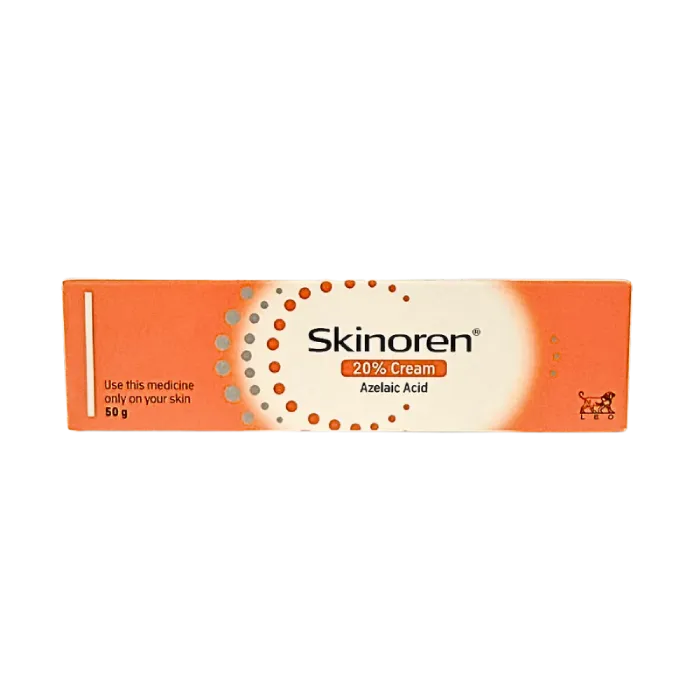
Azelaic Acid is a naturally occurring acid found in treatments like Skinoren and Finacea Gel. It reduces melanin production and has anti-inflammatory properties. It’s particularly useful for treating post-inflammatory hyperpigmentation from acne, as it also helps prevent breakouts. This treatment is generally well-tolerated and can be used long-term for maintenance.
Over-the-Counter Skincare Products
Vitamin C Serums are a powerful antioxidant that brightens skin and reduces the appearance of hyperpigmentation. It works by inhibiting melanin production and protecting your skin from free radical damage. Regular use can help reduce hyperpigmentation and prevent new spots from forming.
Niacinamide (Vitamin B3) reduces the transfer of melanin to skin cells, helping to fade dark spots and even out skin tone. It’s gentle enough for sensitive skin and can be used alongside other treatments.
Alpha Hydroxy Acids (AHAs), which contain glycolic acid or lactic acid, help exfoliate dead skin cells from the top layer of the skin, revealing brighter, more even-toned skin beneath. These acids are also effective for improving skin texture and can enhance the effectiveness of other treatments.
Kojic Acid is derived from certain fungi and works by inhibiting melanin production. It’s effective for various types of hyperpigmentation and is often found in serums and creams.
When to Seek Professional Treatment
If your hyperpigmentation doesn’t improve with over-the-counter or prescription treatments, you might benefit from professional procedures. Your GP can refer you to a dermatologist who may recommend:
- Chemical peels for deeper exfoliation and skin resurfacing
- Laser therapy to target pigmented cells
- Microdermabrasion to remove the outer layer of skin
- Intense pulsed light (IPL) therapy
How to Prevent Changes in Skin Pigmentation
Preventing hyperpigmentation is often easier than treating it. Follow these skin care steps:
- Wear suncream daily with at least SPF 30, even on cloudy days and indoors near windows
- Reapply sunscreen every two hours when outdoors
- Wear protective clothing like wide-brimmed hats and long sleeves in direct sunlight
- Avoid picking at spots or skin injuries to prevent post-inflammatory hyperpigmentation
- Treat acne promptly to reduce the risk of dark marks
- Be gentle with your skin and avoid harsh scrubbing or aggressive treatments